RAISE More than human: the future is immersive

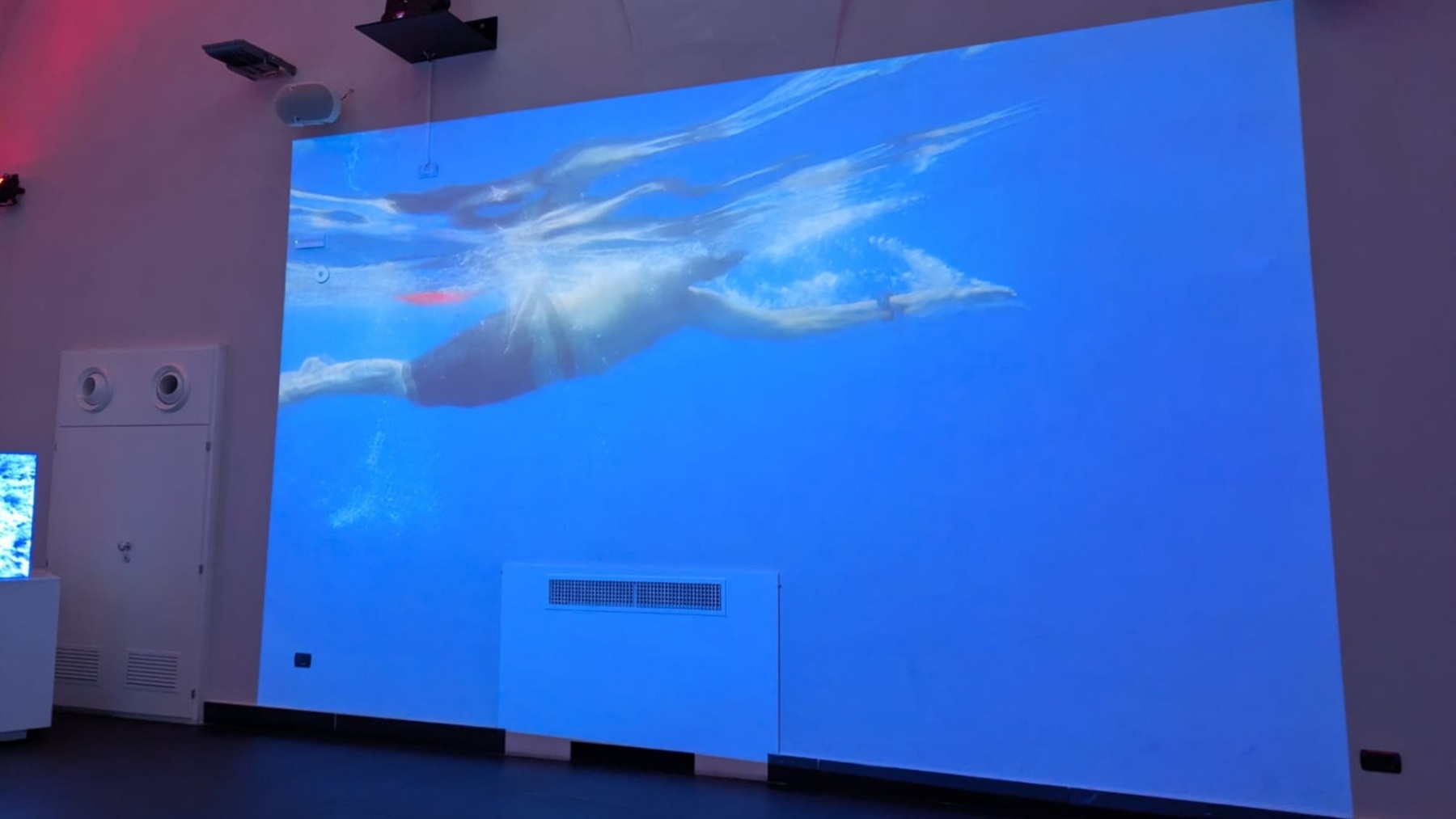
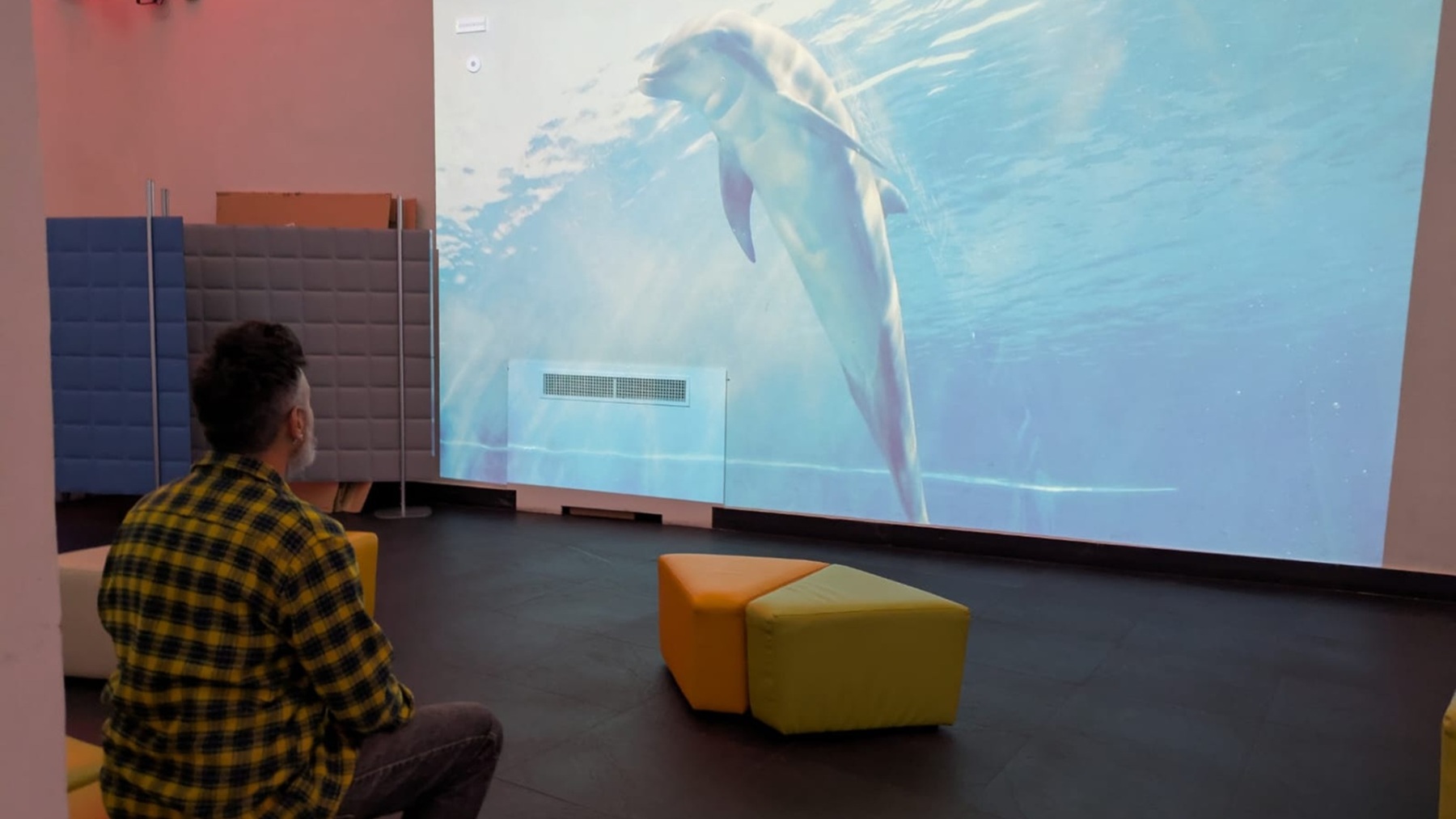
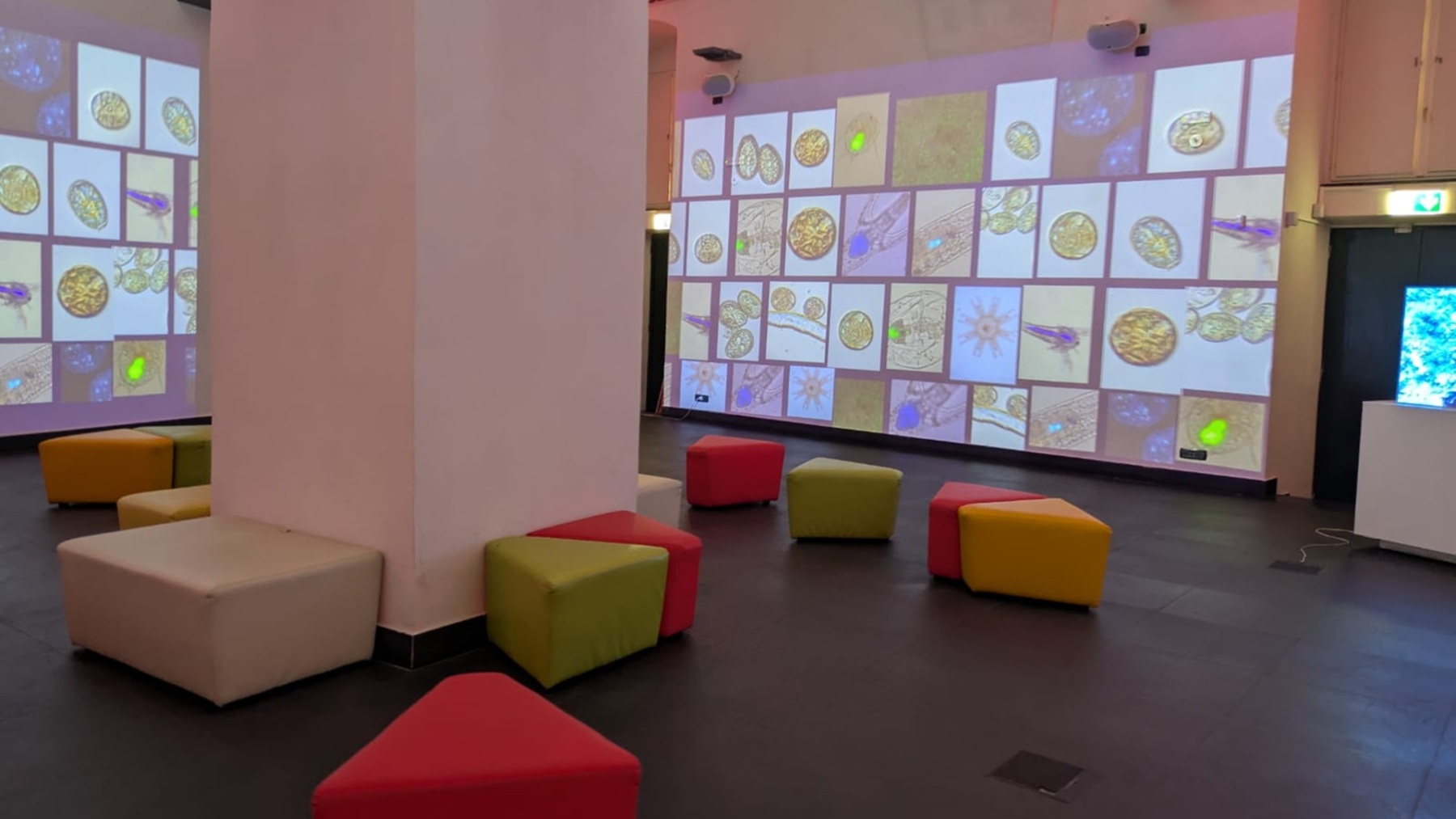
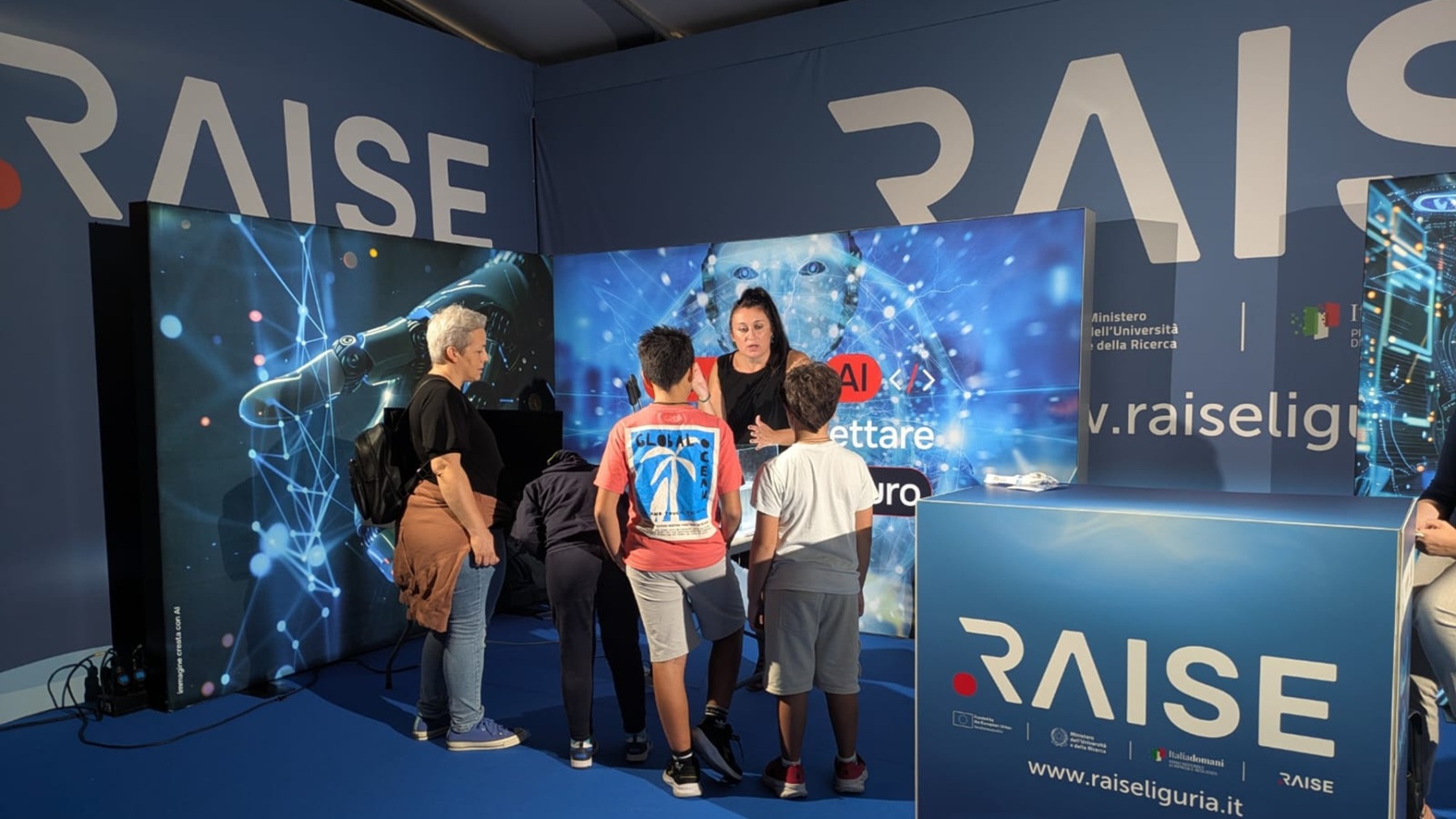
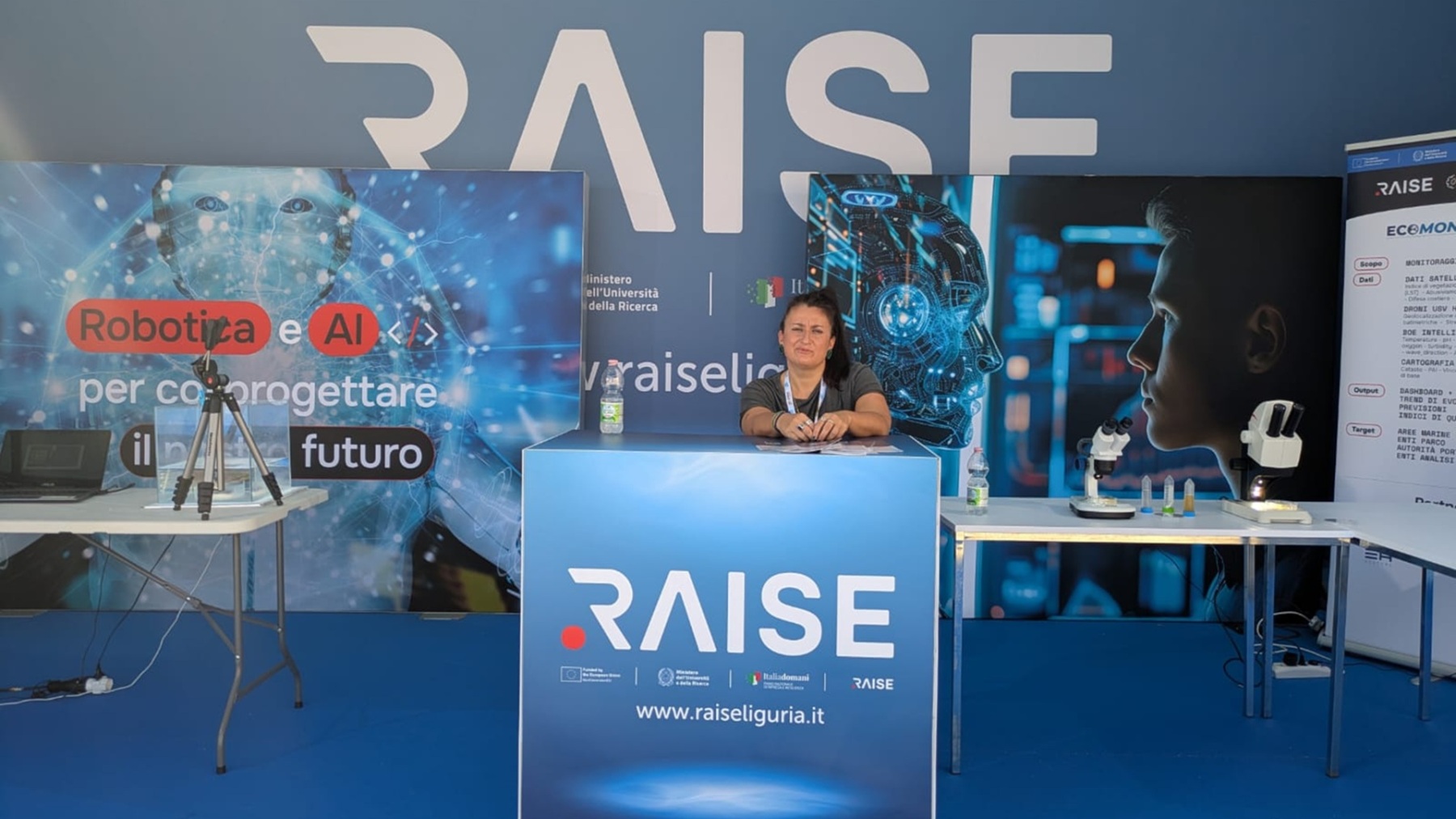
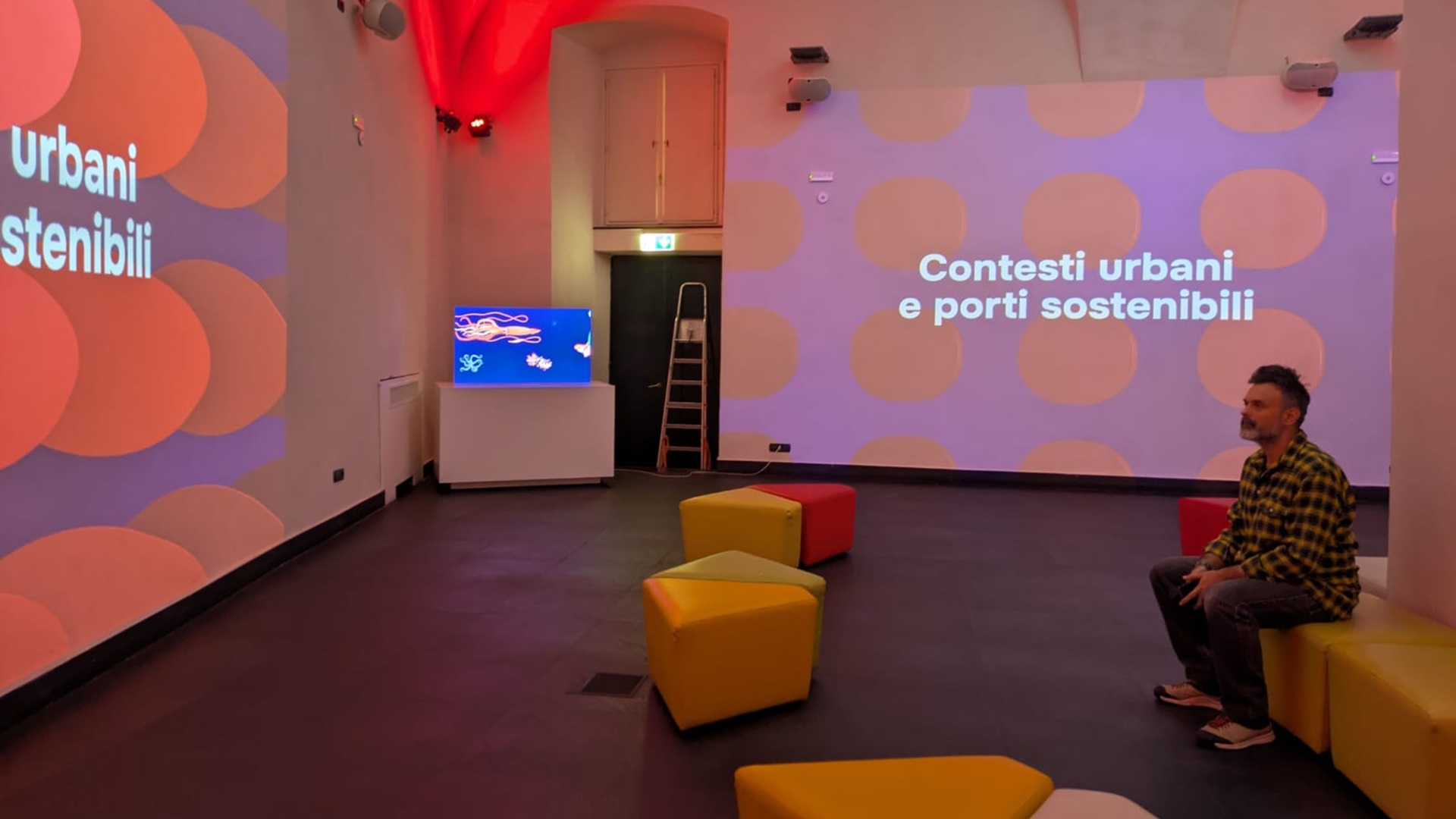
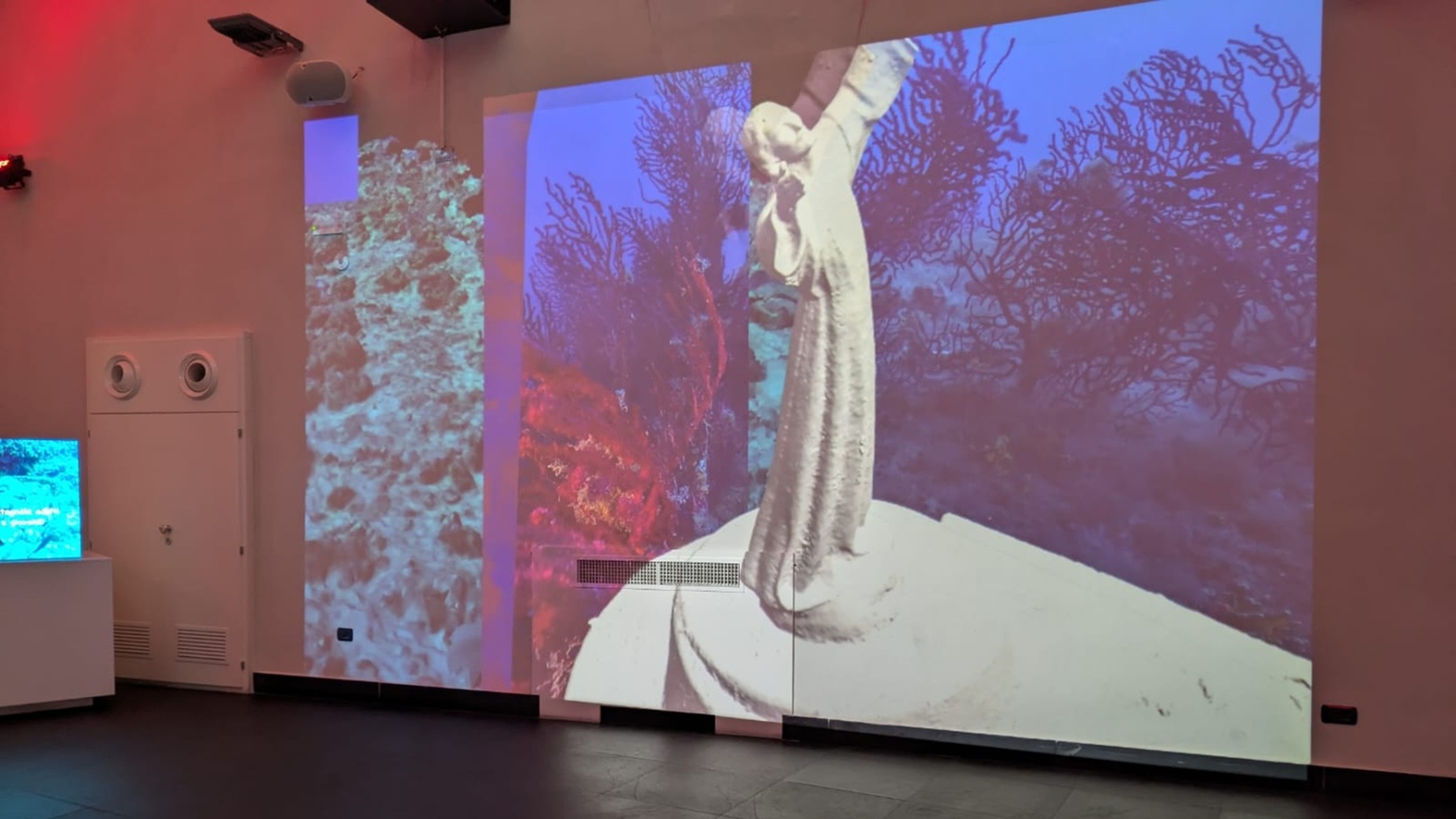
Until October 30, 2025, the Genova Blue District hosts the RAISE Village at the Science Festival, where the immersive environment RAISE More than human welcomes visitors into an experience that blends art, research, and technology.

The exhibition invites visitors to explore the RAISE ecosystem through a journey across robots, drones, sensors, 3D models, video games, and digital platforms. Images, sounds, and stories guide the audience in discovering the connections between artificial intelligence, natural ecosystems, and human communities, revealing how scientific research drives innovation and well-being.

RAISE More than human offers the key to entering the world of RAISE and understanding how technologies developed in Ligurian laboratories are applied in everyday life. The immersive experience traces the path from researchers’ ideas to solutions for health, environmental sustainability, smart mobility, and the quality of urban services.

Within the RAISE Village, visitors can explore the project’s many thematic areas: eco-robotics for marine ecosystem monitoring, intelligent devices for personalized health, automated logistics, educational robotics, and assistance systems for healthcare and tourism. Each station demonstrates how robotics and artificial intelligence generate tangible benefits and promote a sustainable and inclusive development model.

The RAISE Village thus becomes a meeting space for citizens, researchers, institutions, and businesses—where innovation is shared in an engaging and accessible way. The immersive environment translates the complexity of research into a visual and narrative language that sparks curiosity and awareness.

Through RAISE More than Human, the project highlights the vision of the Ligurian innovation ecosystem, which unites science, creativity, and collaboration to shape the future of the city, healthcare, the environment, and the port.
In this narrative, technology does not replace humans—it accompanies them, strengthening the bond between artificial intelligence and human sensitivity.

Open until October 30, the immersive experience offers citizens, students, and professionals the opportunity to explore the potential of research and imagine a future where innovation becomes a tool for collective well-being and sustainable growth.

More information about RAISE More than human can be found at this link.
AI and ethics: an open dialogue at the Genoa Blue District

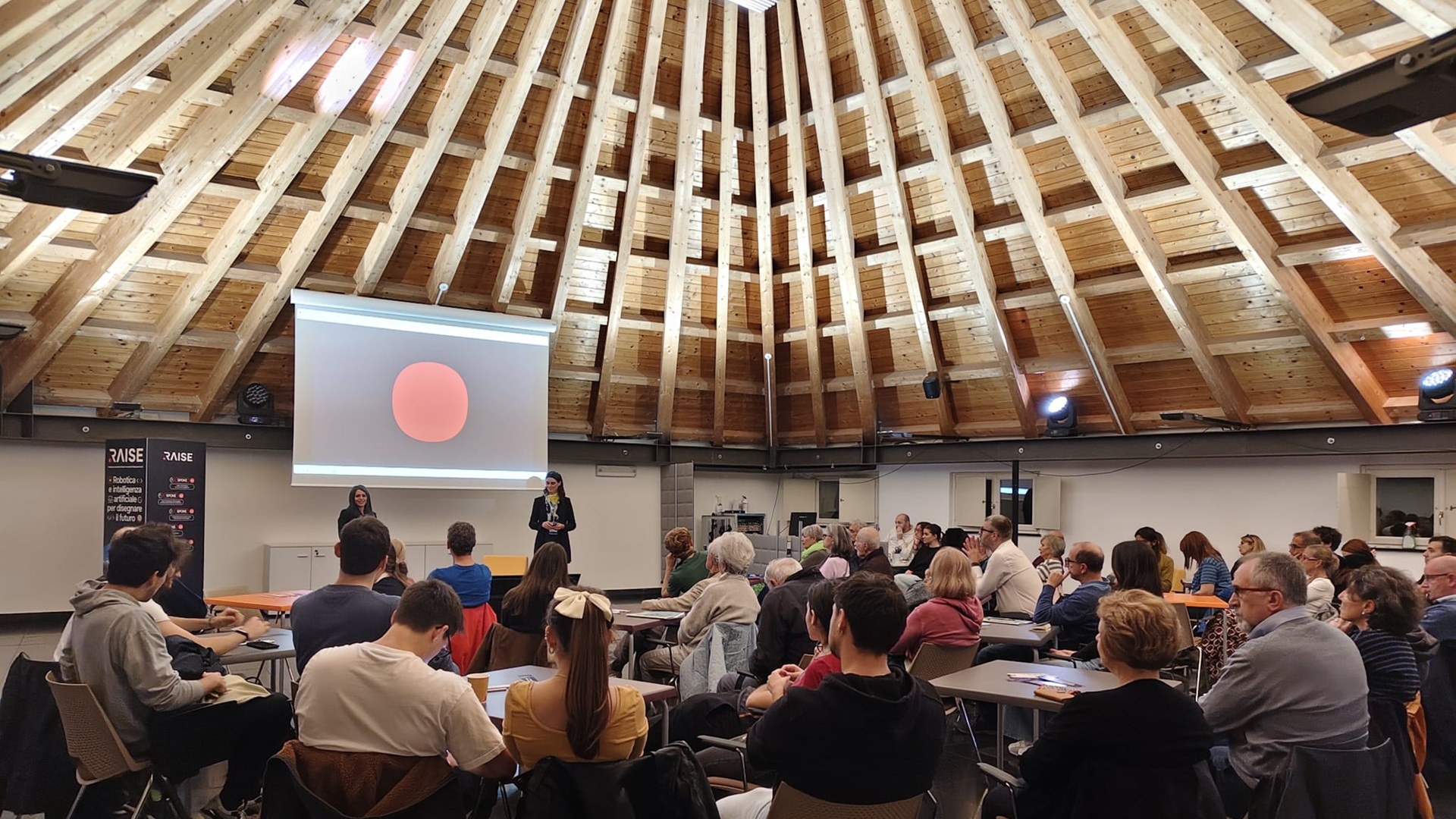
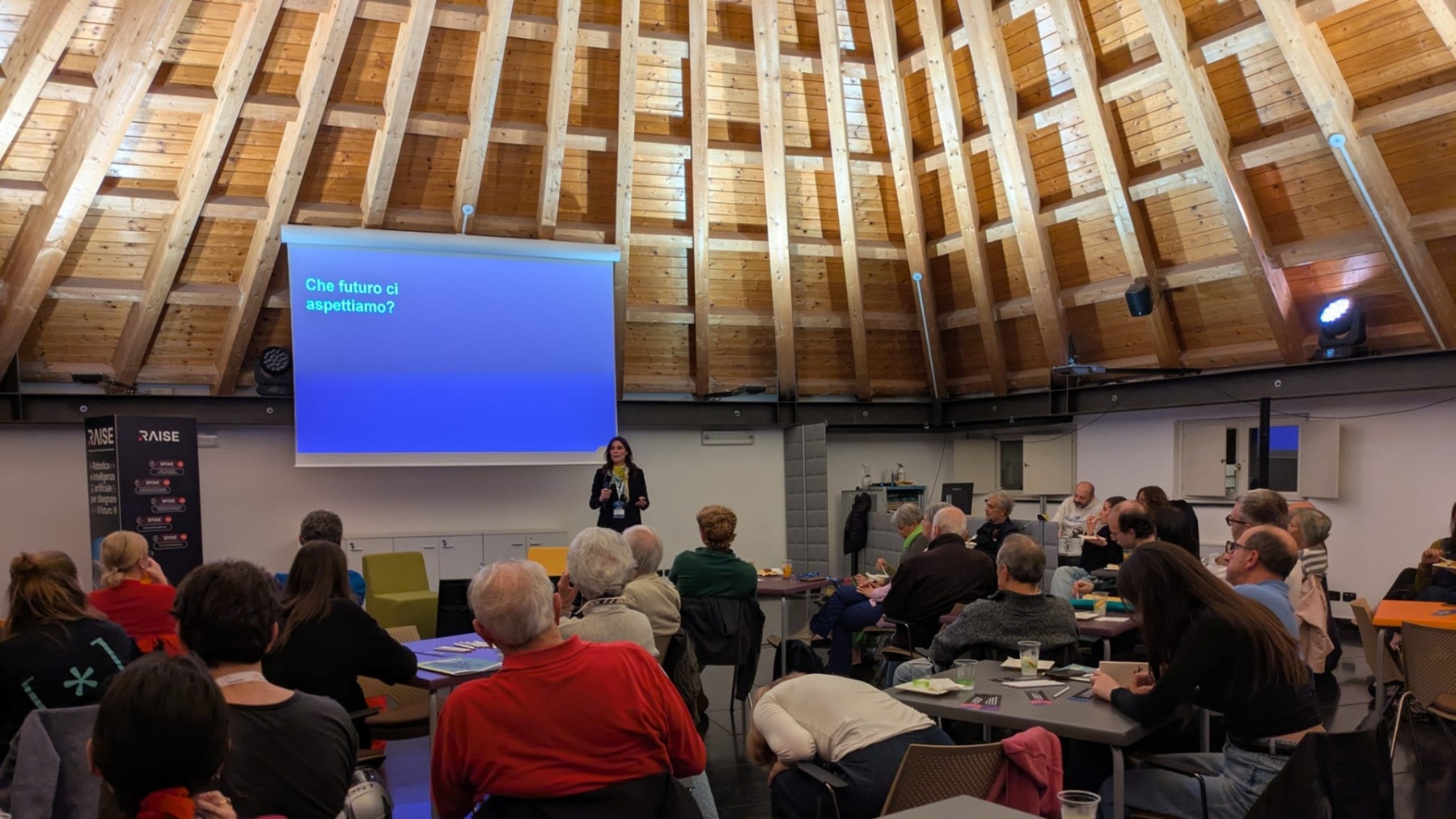
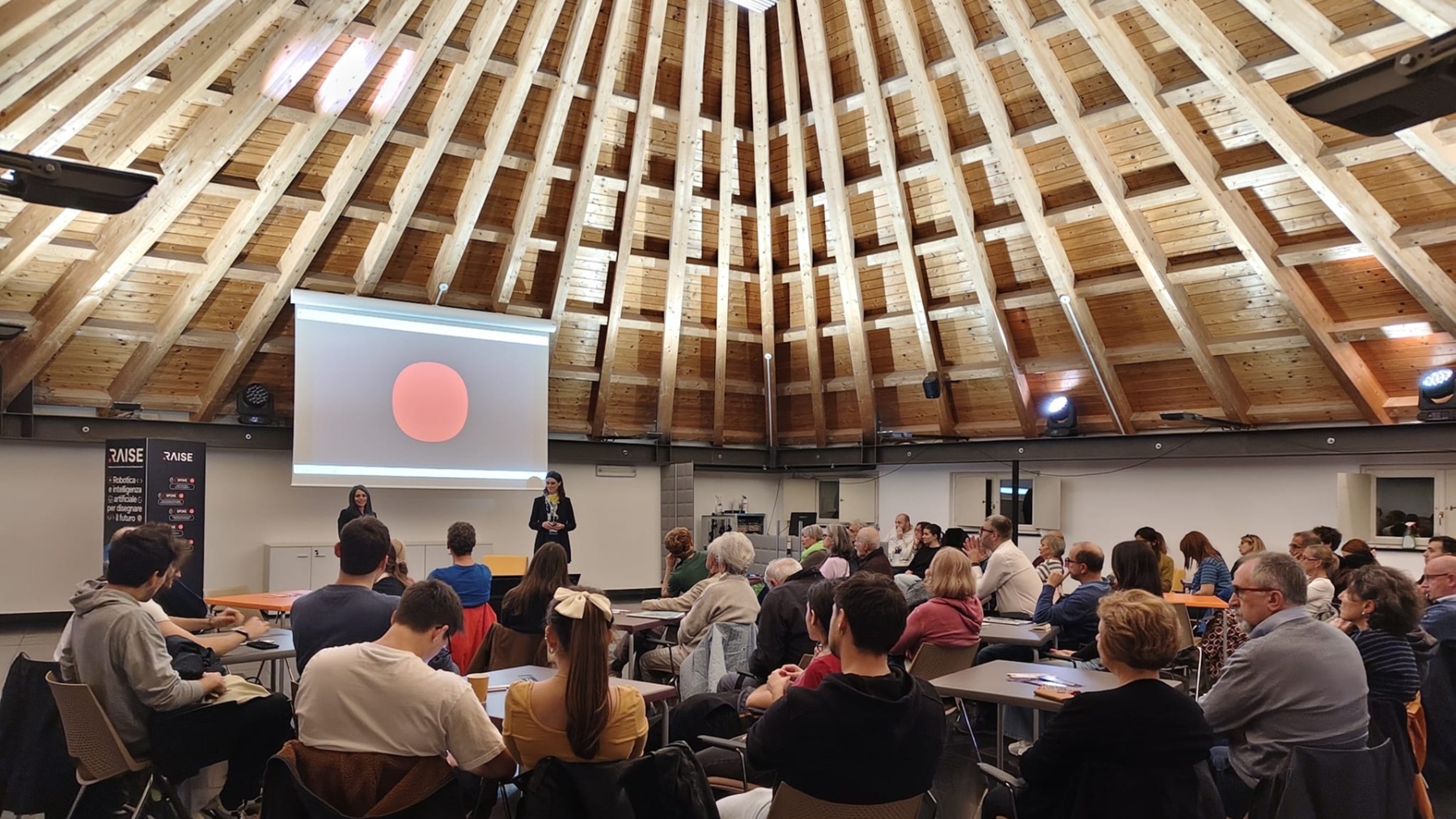
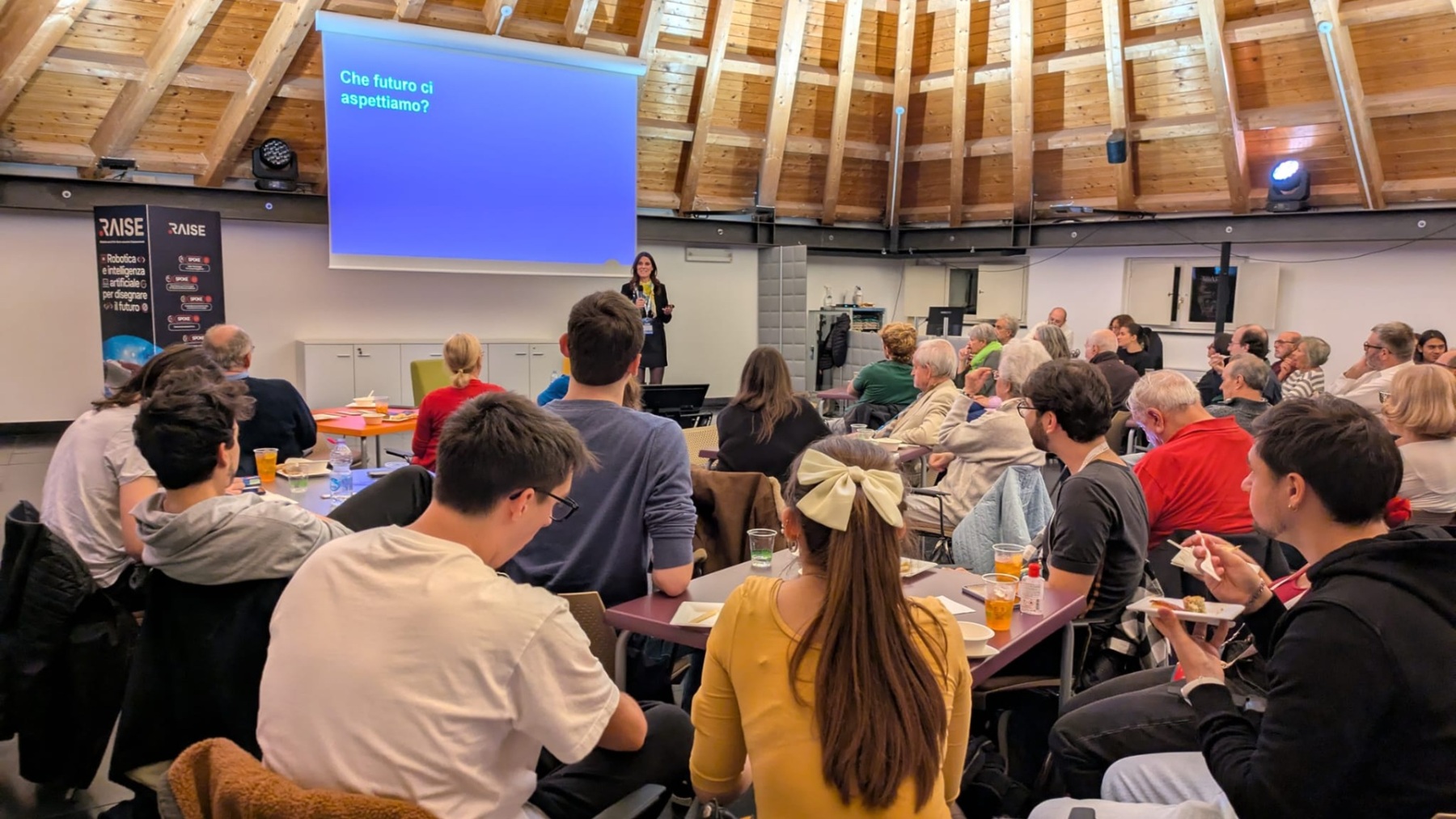
On October 26 at 6:00 p.m., the Cuspide A Hall of the Genoa Blue District hosted the second event in the AperiRAISE – Scientific Aperitifs at the Festival of Science series, dedicated to the theme “The Ethical Frontiers of Artificial Intelligence: The Other Side of AI.”

The fully booked event confirmed the public’s strong interest in topics related to research and technological innovation.

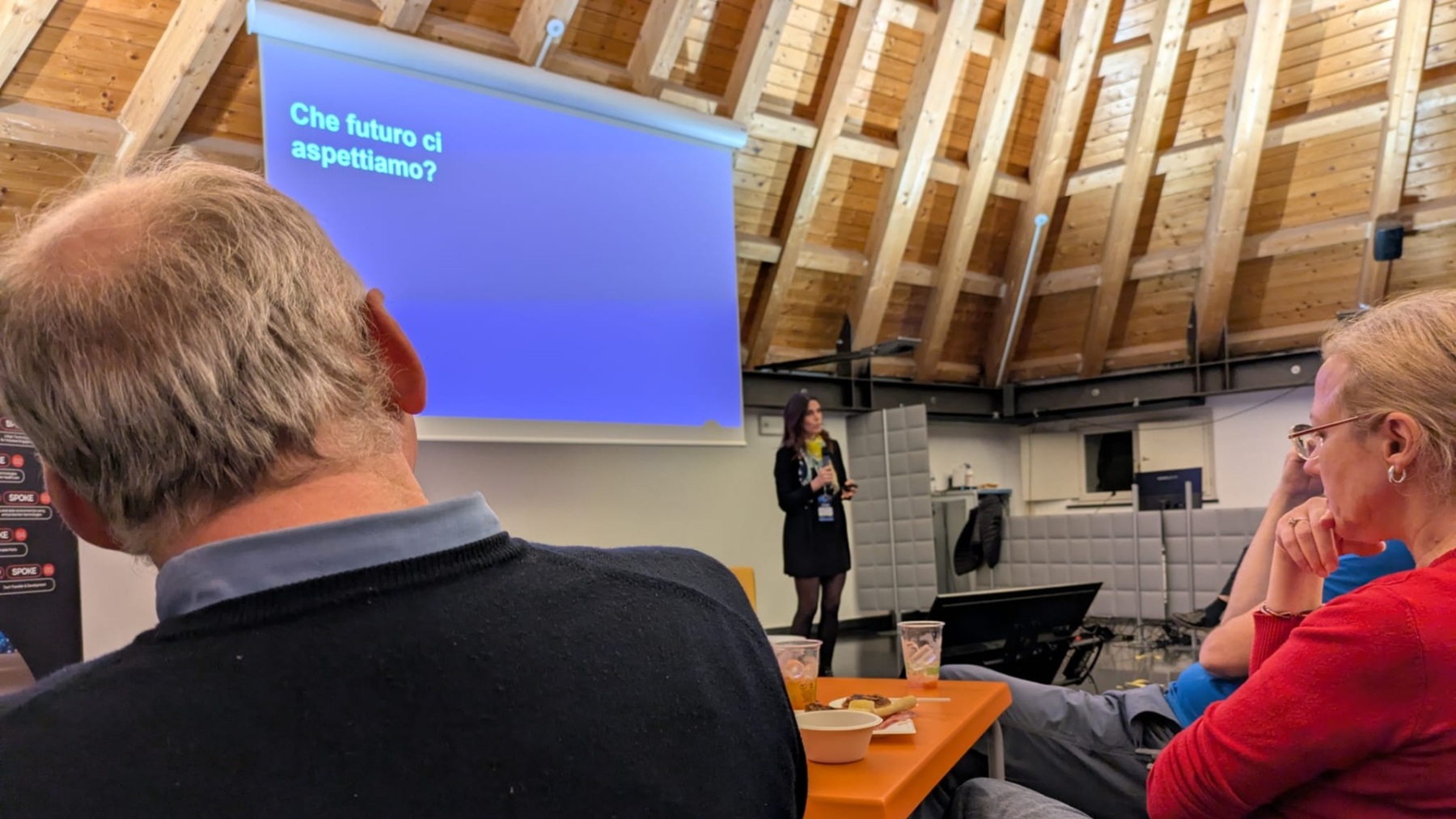
The evening featured Annalisa Barla, Associate Professor of Computer Science at the University of Genoa, who guided the audience through the ethical implications of artificial intelligence. With clarity and precision, she illustrated how AI systems – now deeply embedded in everyday life, from loan approvals and medical diagnoses to the selection of the news we read—raise crucial social, cultural, and moral questions.

Her lecture went beyond the familiar discussions on algorithmic bias, addressing the more subtle and profound dimensions of the issue. Barla showed that distortions do not arise solely from data, but also from the processes of annotation and representation that shape them. This perspective allowed the audience to better understand the limitations of current methods and to reflect on the importance of regulation that promotes transparency, accountability, and reproducibility.

The event alternated between theoretical insights and concrete examples, fostering a lively dialogue between the speaker and the audience. After the talk, the discussion continued at length, with numerous questions, comments, and shared reflections—testimony to the curiosity and engagement with which the public embraced the topic.

Participants also showed keen interest in the future perspectives outlined by the speaker, who emphasized the value of education as an essential tool to navigate ongoing transformations. In an informal yet content-rich atmosphere, the evening offered a tangible opportunity to bring scientific research closer to the urban and social fabric, in line with the high-quality outreach mission that defines the RAISE project.

At the close of the event, Annalisa Barla shared a reflection that captured the essence of the initiative: “It is always deeply rewarding when the audience participates with curiosity and a genuine desire to understand, especially on topics like artificial intelligence—subjects everyone talks about, but many truly wish to explore. Evenings like this confirm two things for me: first, the importance of education, not only academic but also public outreach. Scientists must step out of their ivory towers and share their research in accessible ways—it is a duty to society. The second concerns how we communicate AI. It is not enough to speak of performance; we must explain how models are built and from which data they emerge, in line with the principles of transparency and open science. I am also very interested in exploring how AI itself can help make science communication more effective and accessible across disciplines.”

The second AperiRAISE thus strengthened the dialogue between science and the public, offering a genuine opportunity for reflection and exchange on one of today’s most pressing and fascinating issues.

AperiRAISE: first encounter with science, between robotics and curiosity

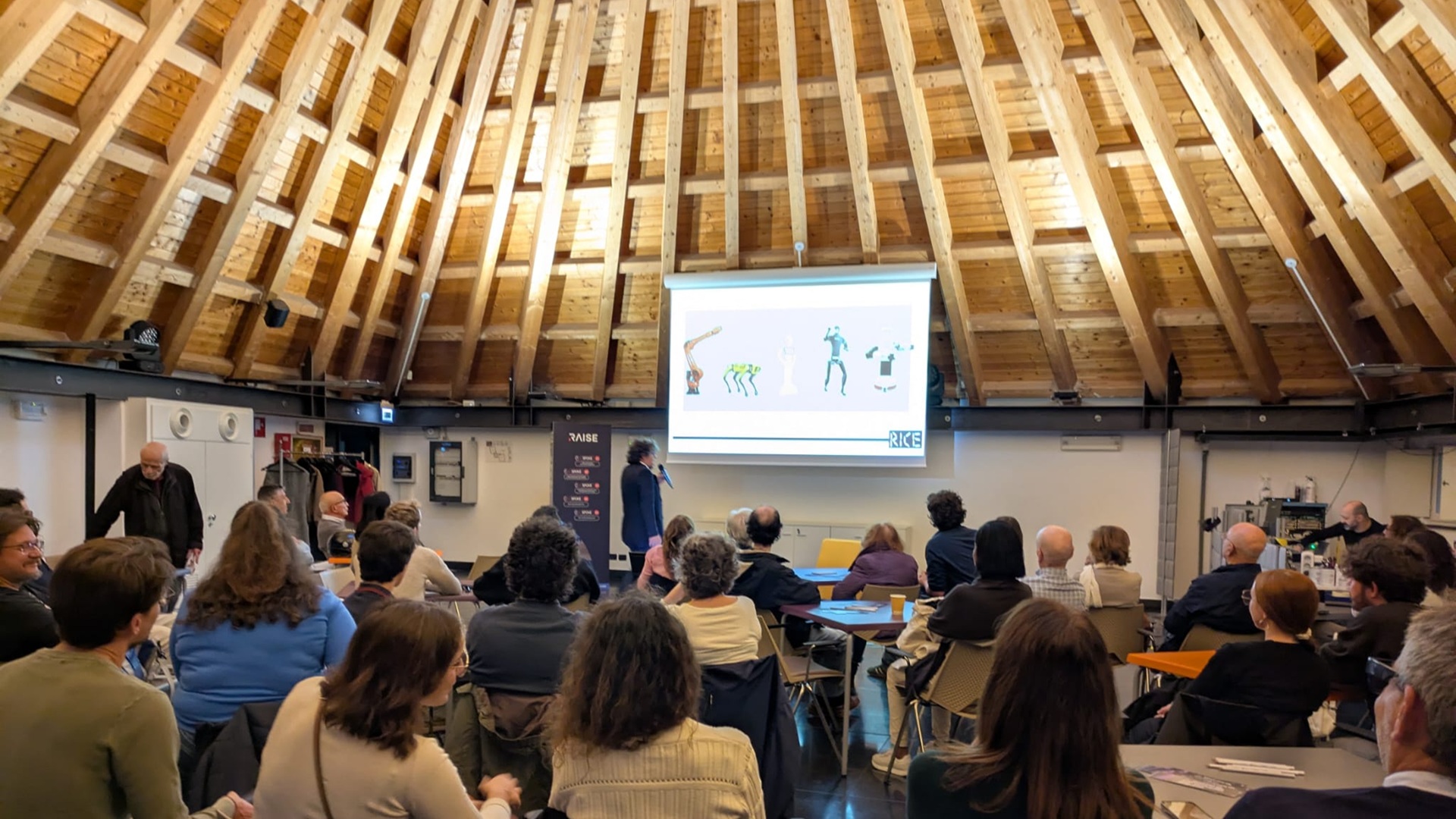
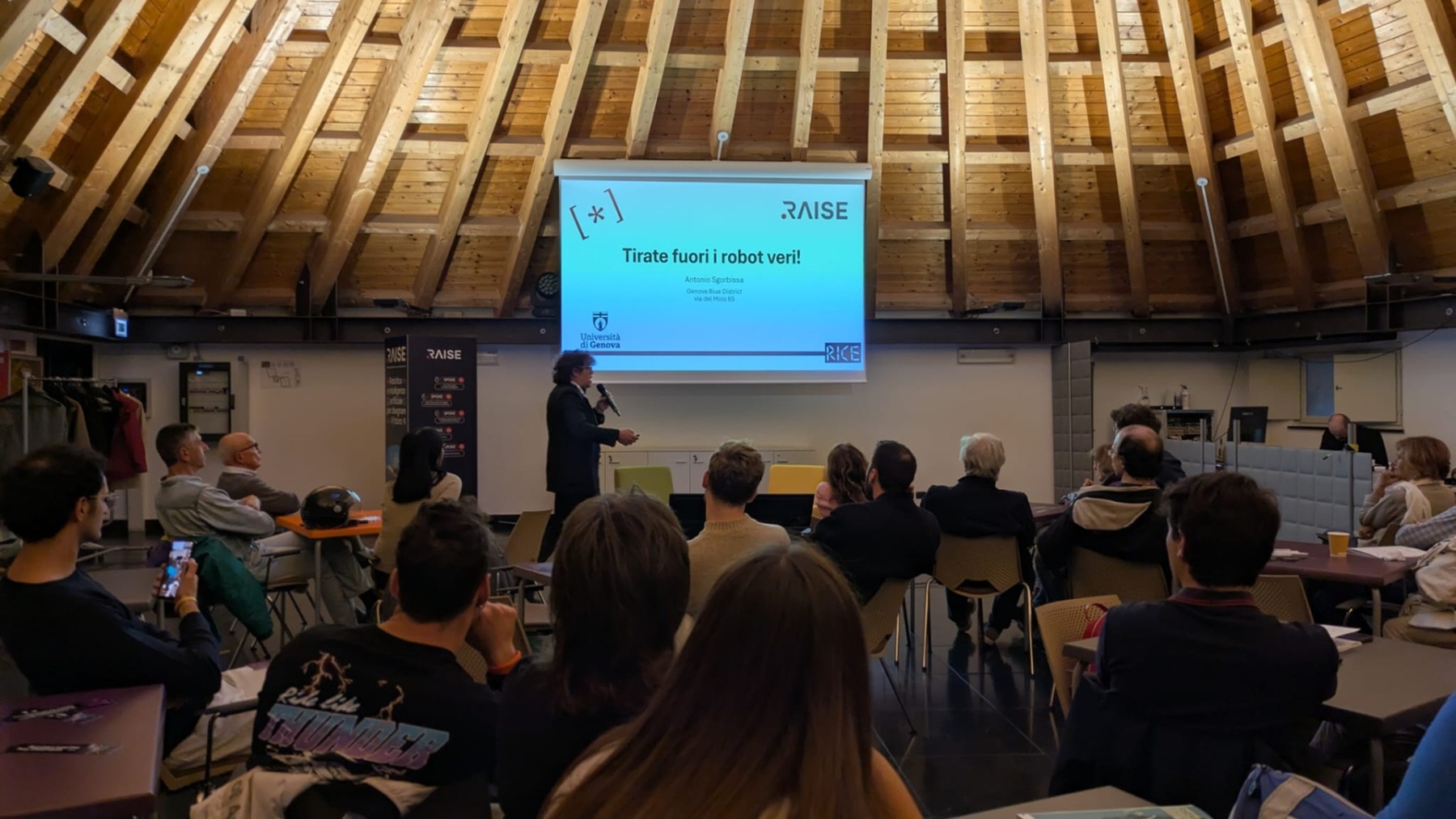
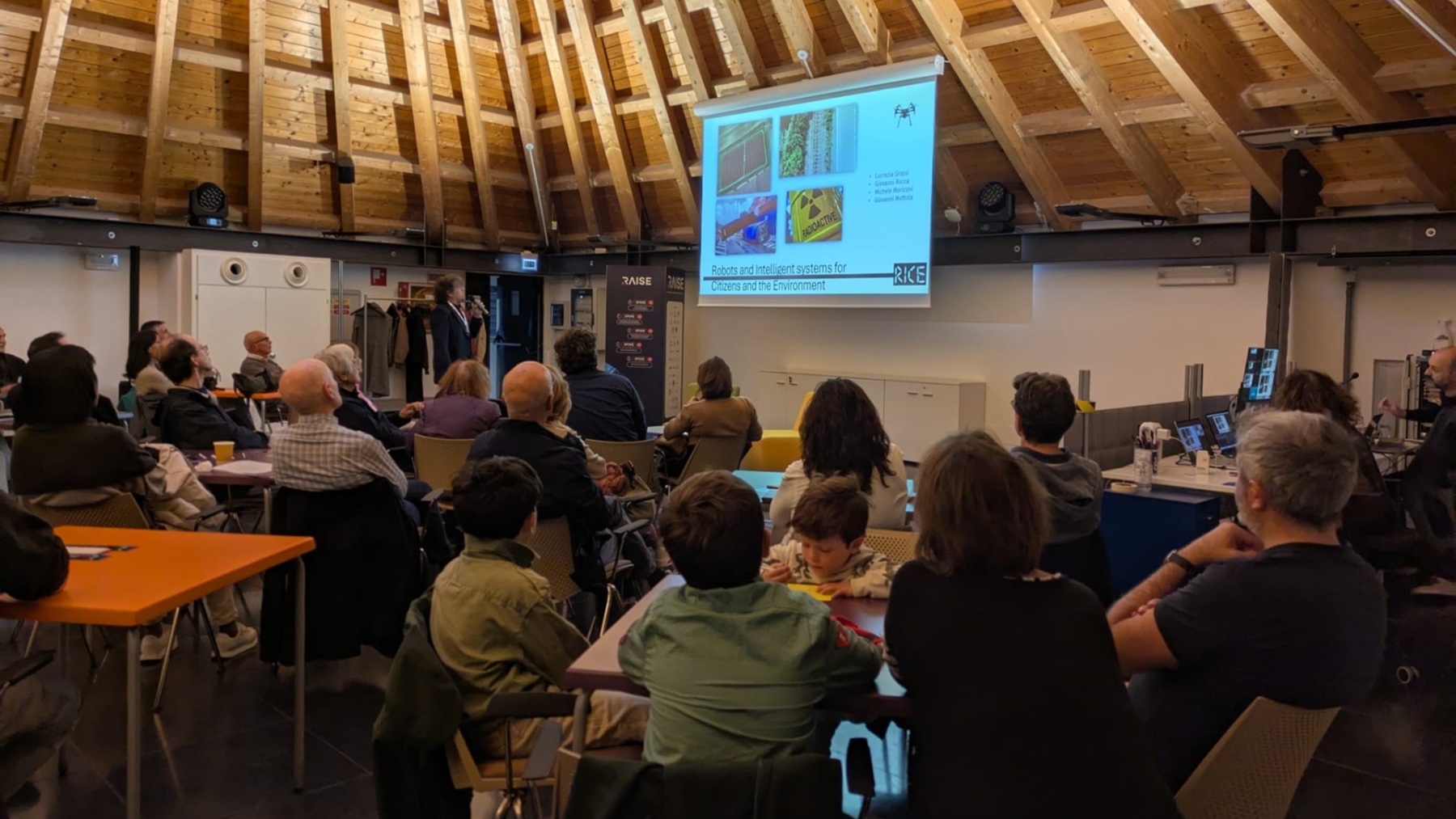
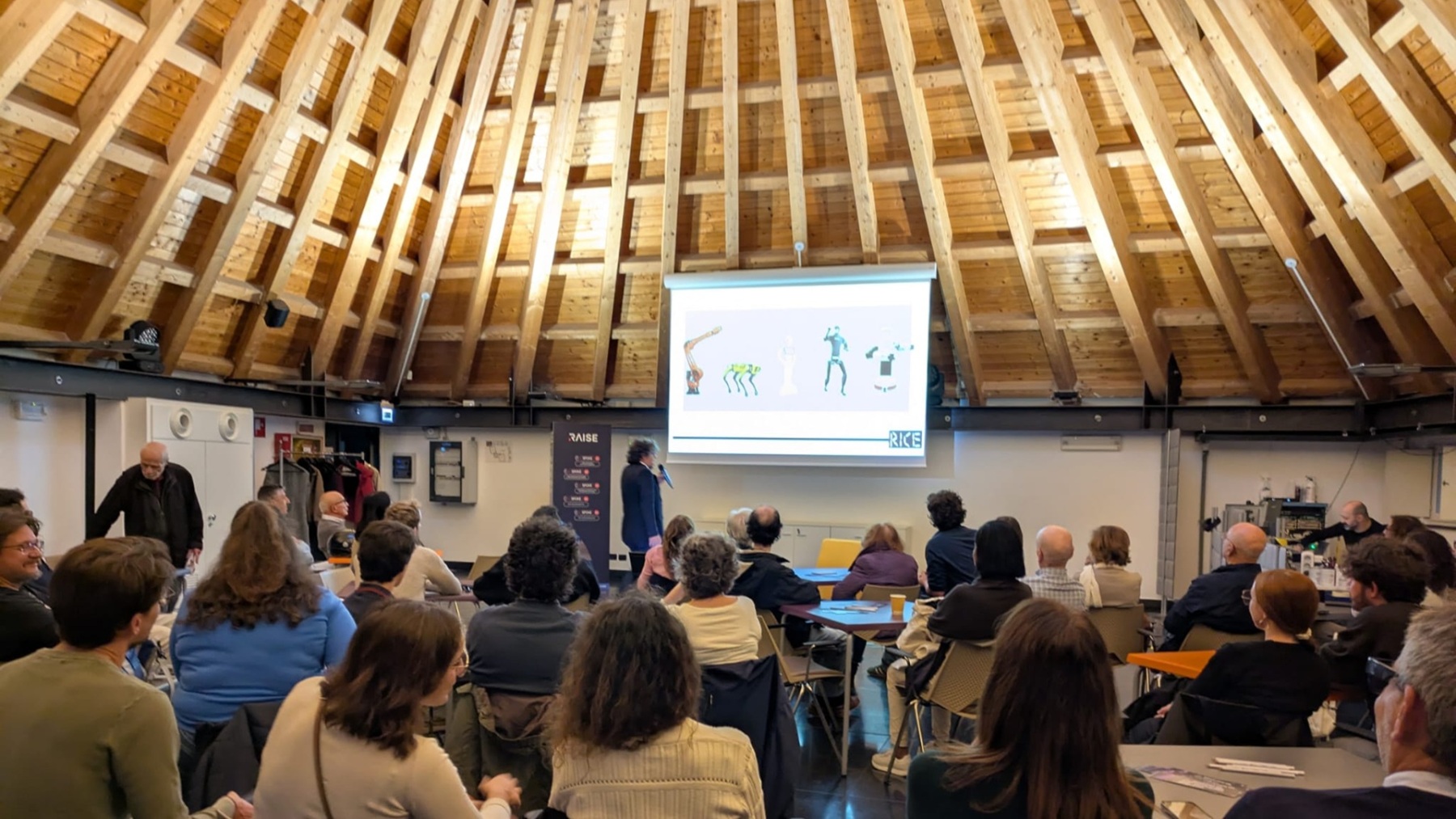
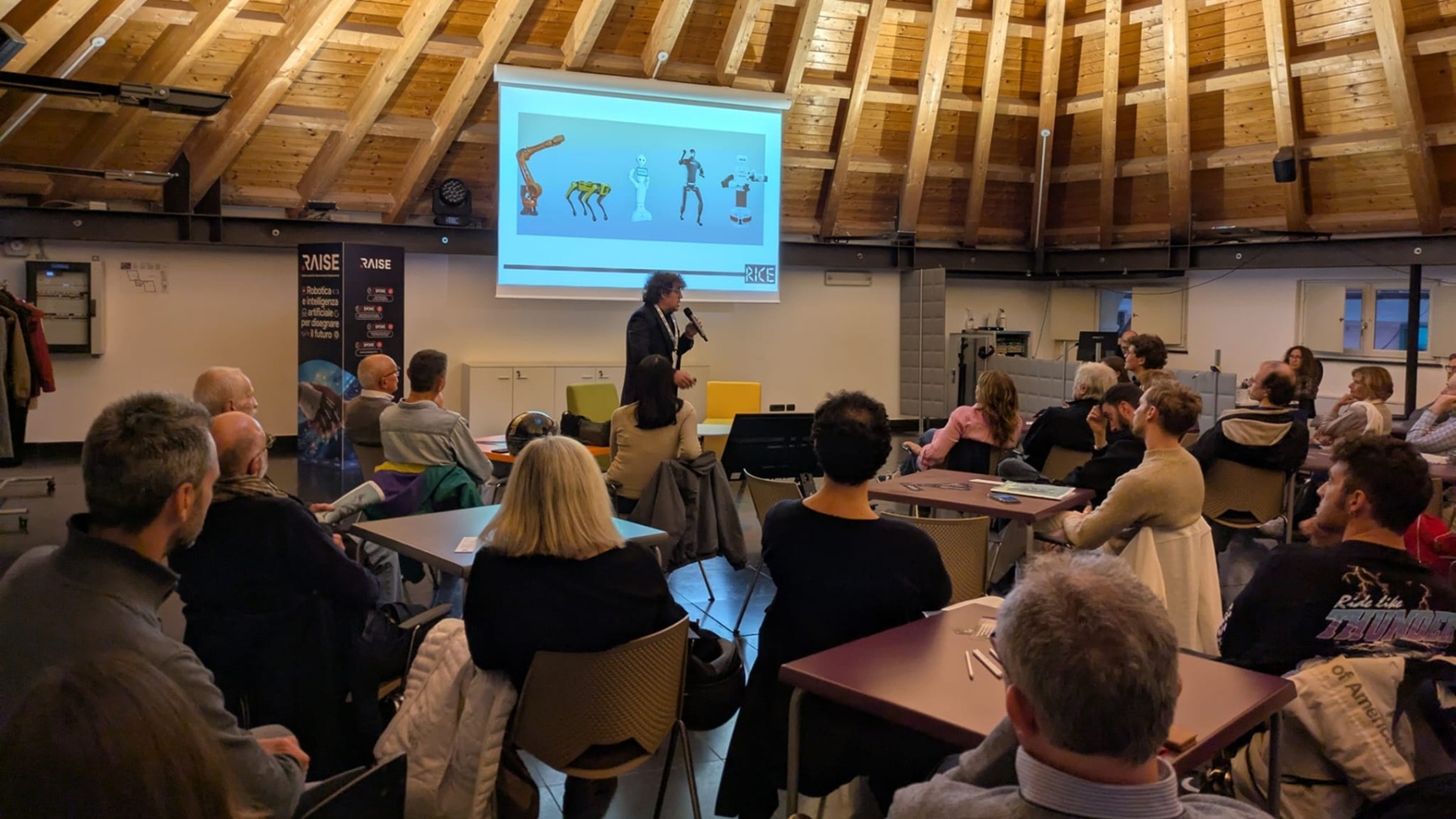
The AperiRAISE series, the scientific aperitifs promoted by RAISE as part of the 2025 Genoa Science Festival, began on October 25 at the Blue District’s Sala Cuspide A, with a conference titled “Bring Out the Real Robots!” that drew a full house.

Designed to bring the public closer to the world of research in an informal and engaging atmosphere, the event inaugurated a series of five meetings dedicated to innovation, technology, and the relationship between science and society.

The first session featured Antonio Sgorbissa, robotics expert and Full Professor at the University of Genoa, where he teaches in the Computer Engineering degree program and the European Master EMARO+ in Advanced Robotics. He also coordinates DRIM, the national PhD program in Robotics and Intelligent Machines, and directs the RICE Laboratory (Robots and Intelligent Systems for Citizens and the Environment).

During the meeting, Sgorbissa led the audience on a journey through the challenges and prospects of contemporary robotics. For decades, researchers around the world have devoted public and private resources to the development of autonomous and intelligent robots—machines capable of assisting vulnerable people, exploring complex environments, and providing information in critical situations. Much of the scientific community has focused on theoretical models and sophisticated prototypes, often destined to find real-world applications only in the distant future.

Sgorbissa also shared his experience in developing “simple yet robust” social robots, designed to provide immediate and reliable support to people and to have a tangible impact on everyday life. He illustrated how robotics can advance not only through highly complex solutions but also through machines capable of operating autonomously in real environments, offering help, companionship, and safety.

The event soon turned into a lively and engaging conversation: questions, reflections, and exchanges animated the room until late evening, in a direct dialogue between the speaker and the audience. The informal atmosphere of the aperitif fostered an authentic exchange, where scientific communication took on the tone of a theatrical dialogue.

In his concluding remarks, Antonio Sgorbissa summed up the spirit of the initiative: “This series of meetings feels much more like a theatrical performance, and I find that wonderful. When you look your audience in the eye, a mutual energy emerges—it’s not easy to explain scientifically, but you can feel it. Talking about science this way, in person and with real participation, gives profound meaning to our work.”

The RAISE Ecosystem envisions the visions of tomorrow

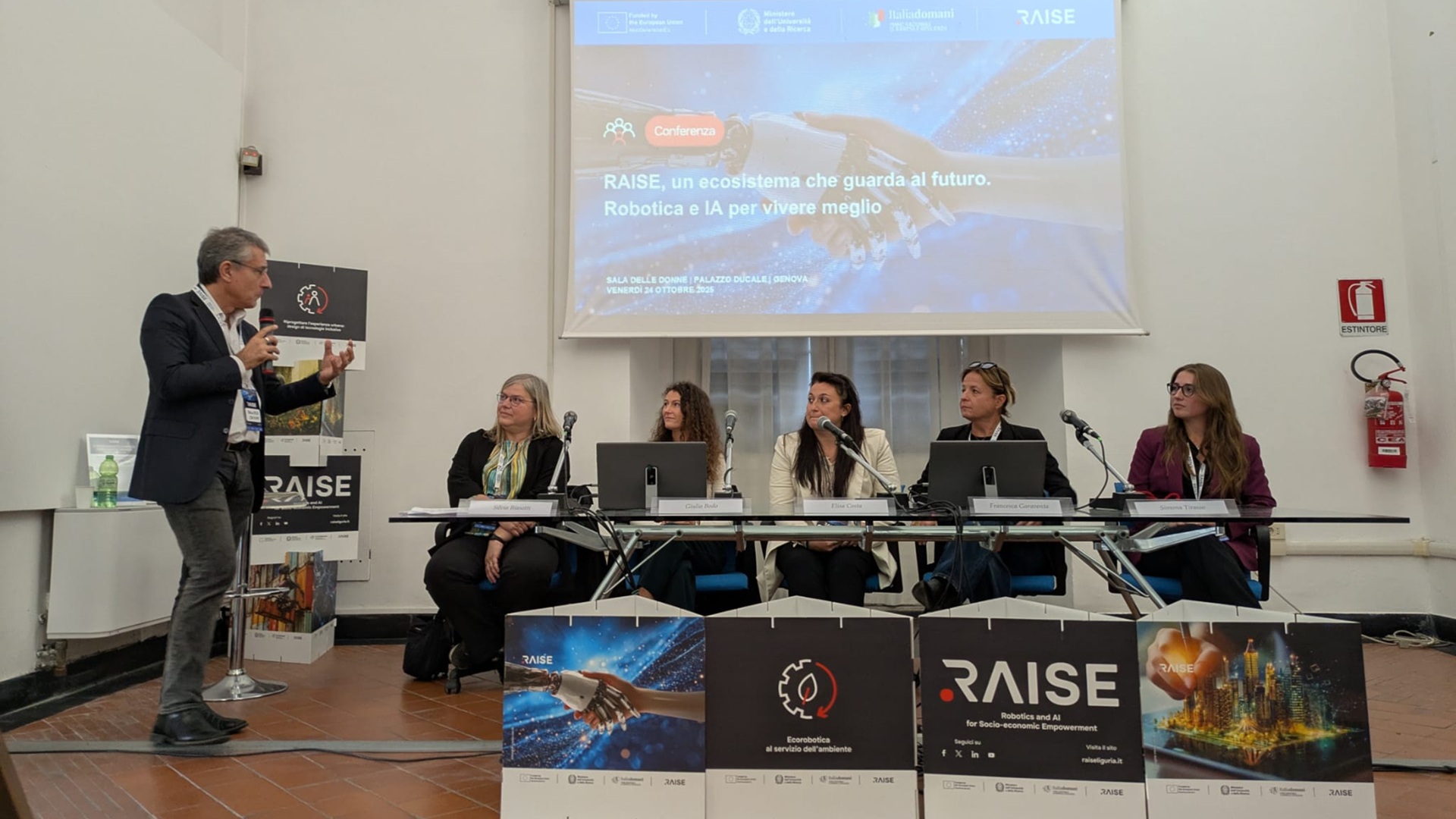
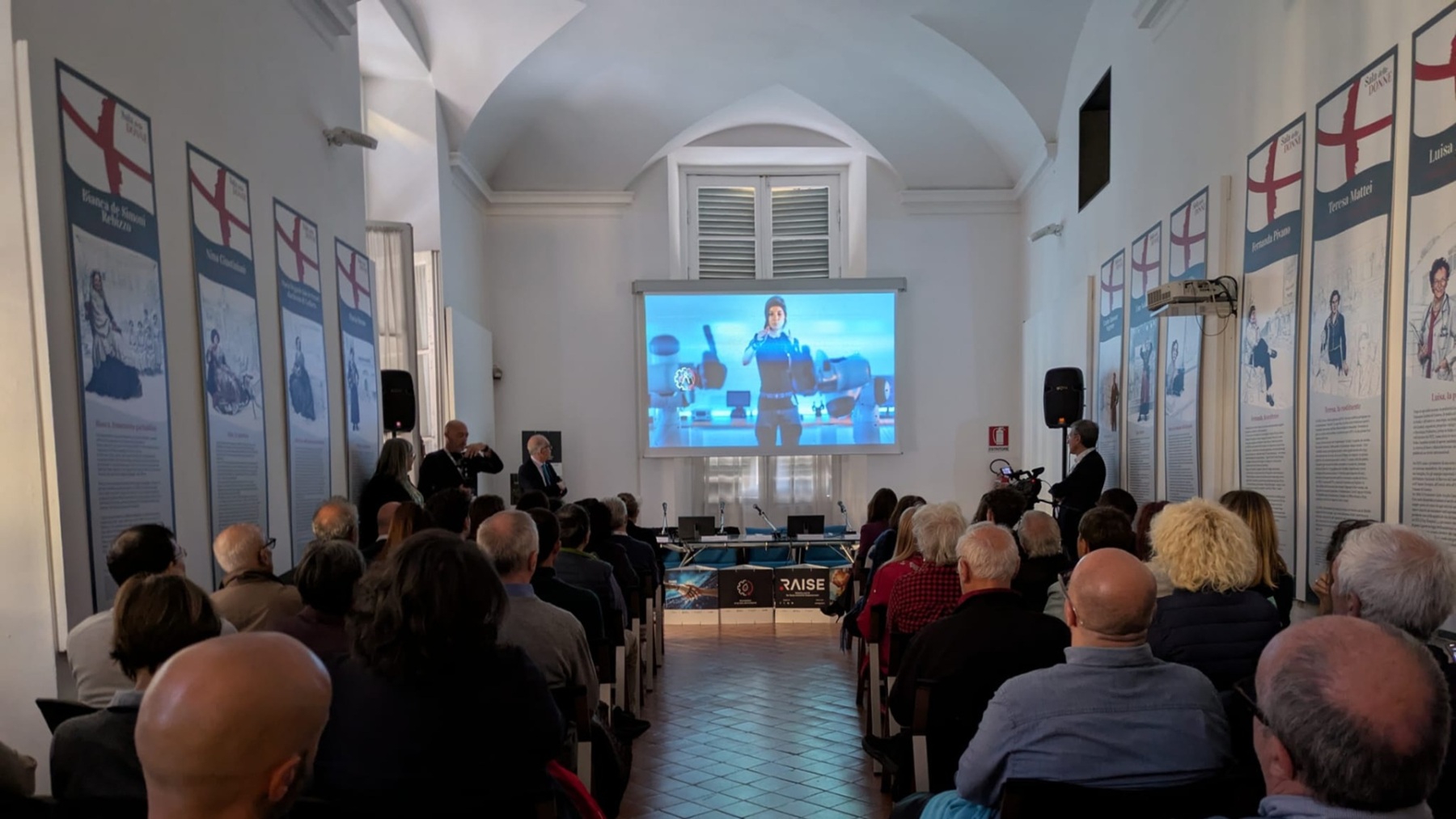
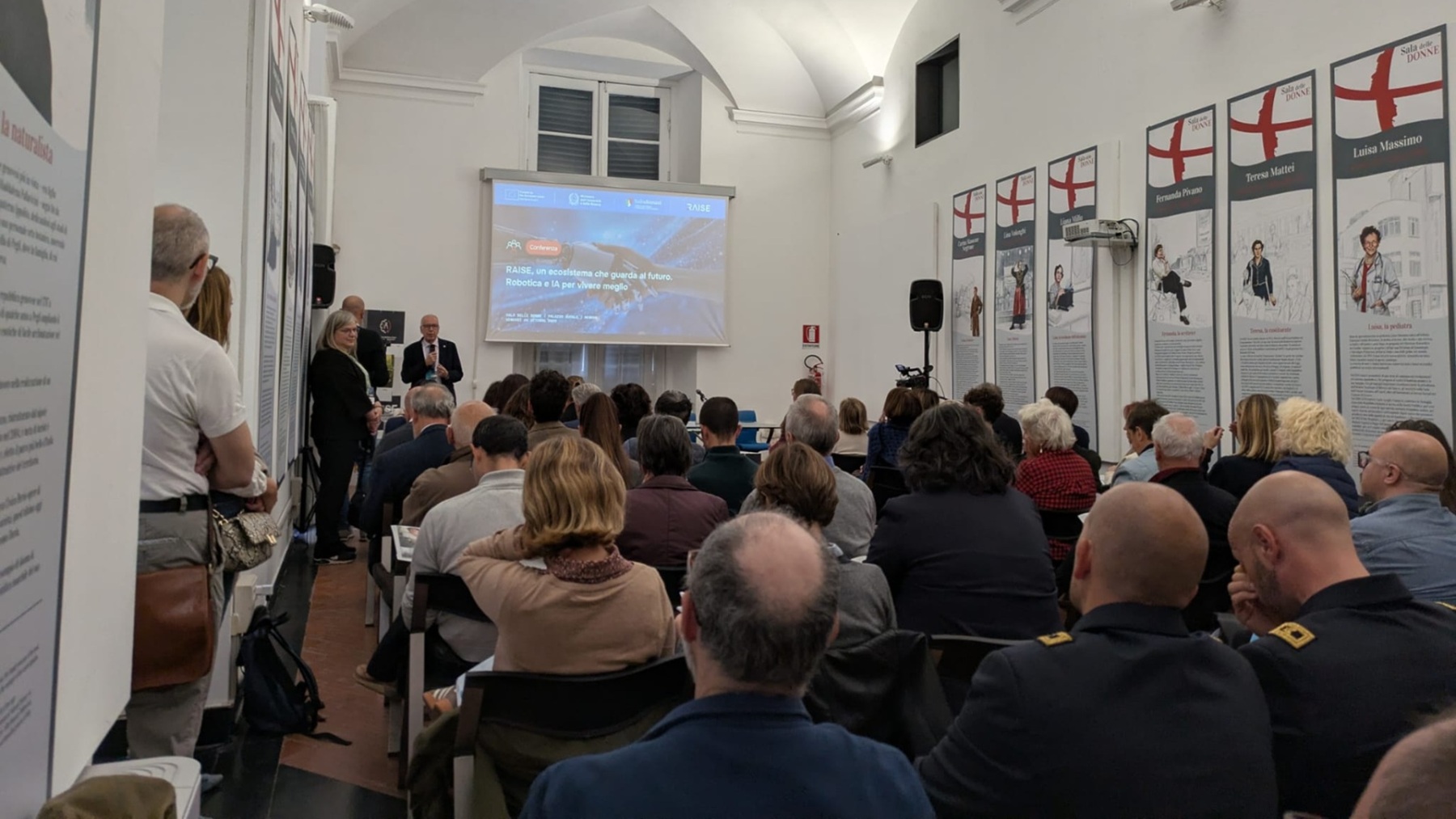
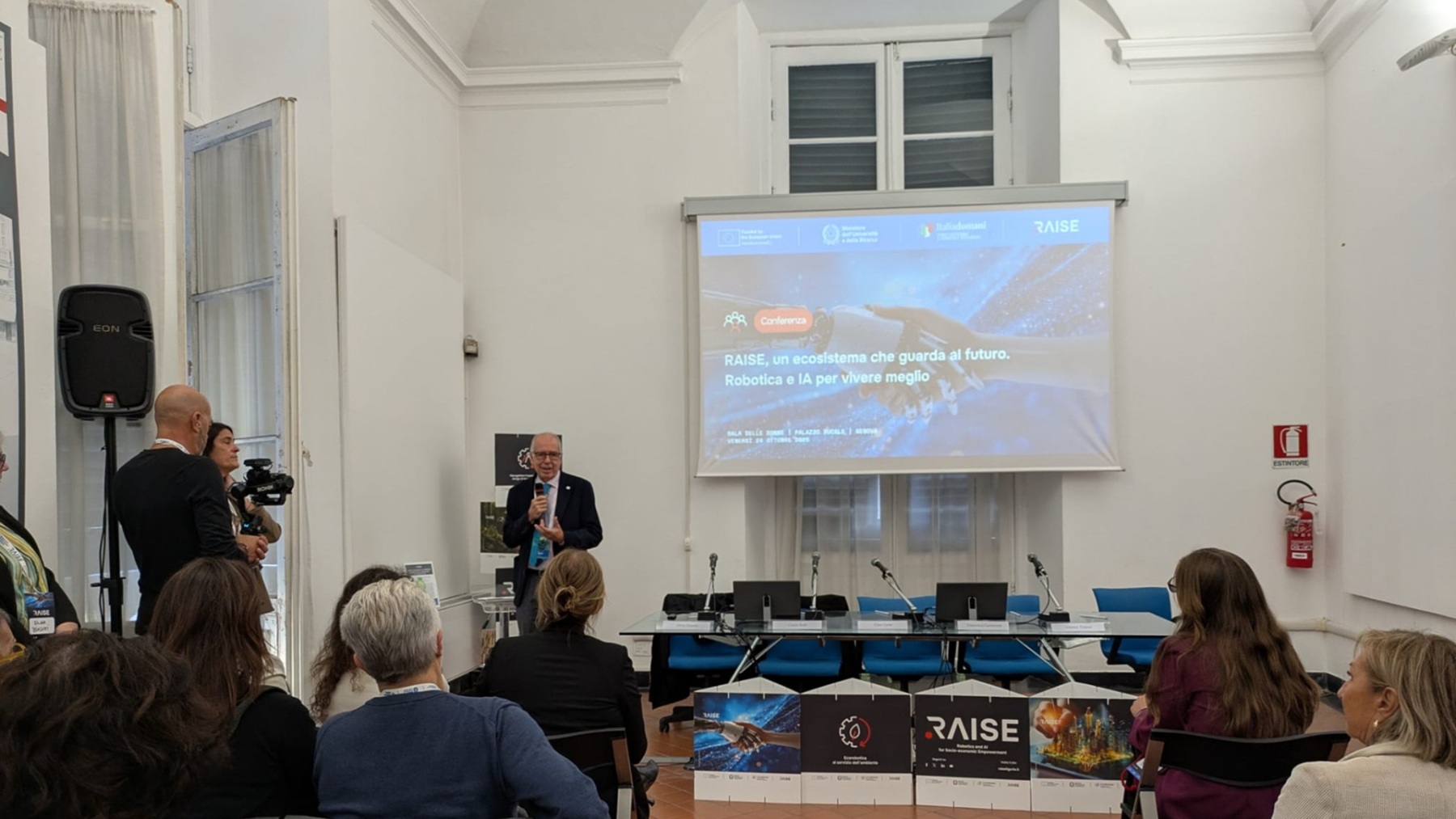
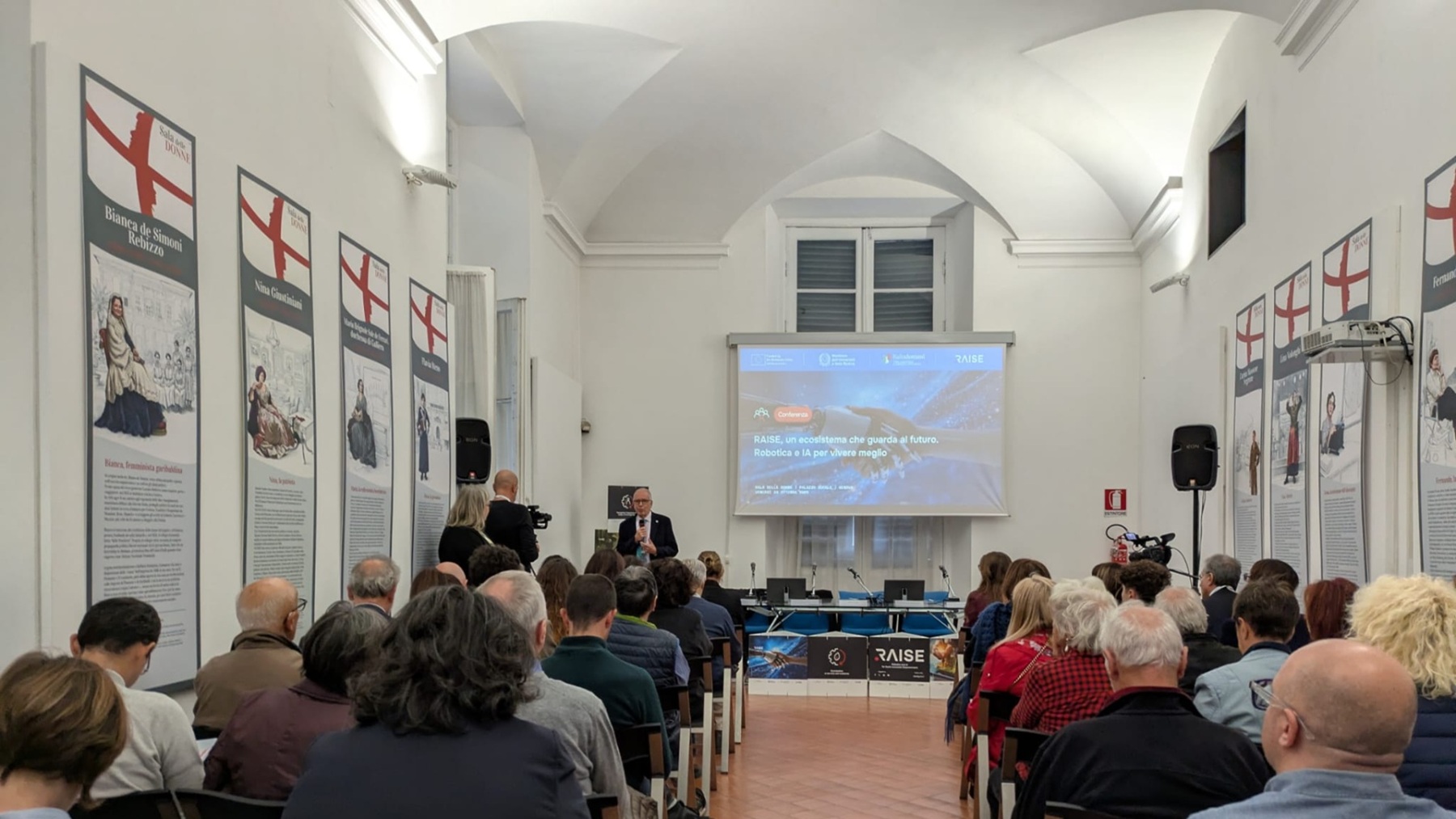
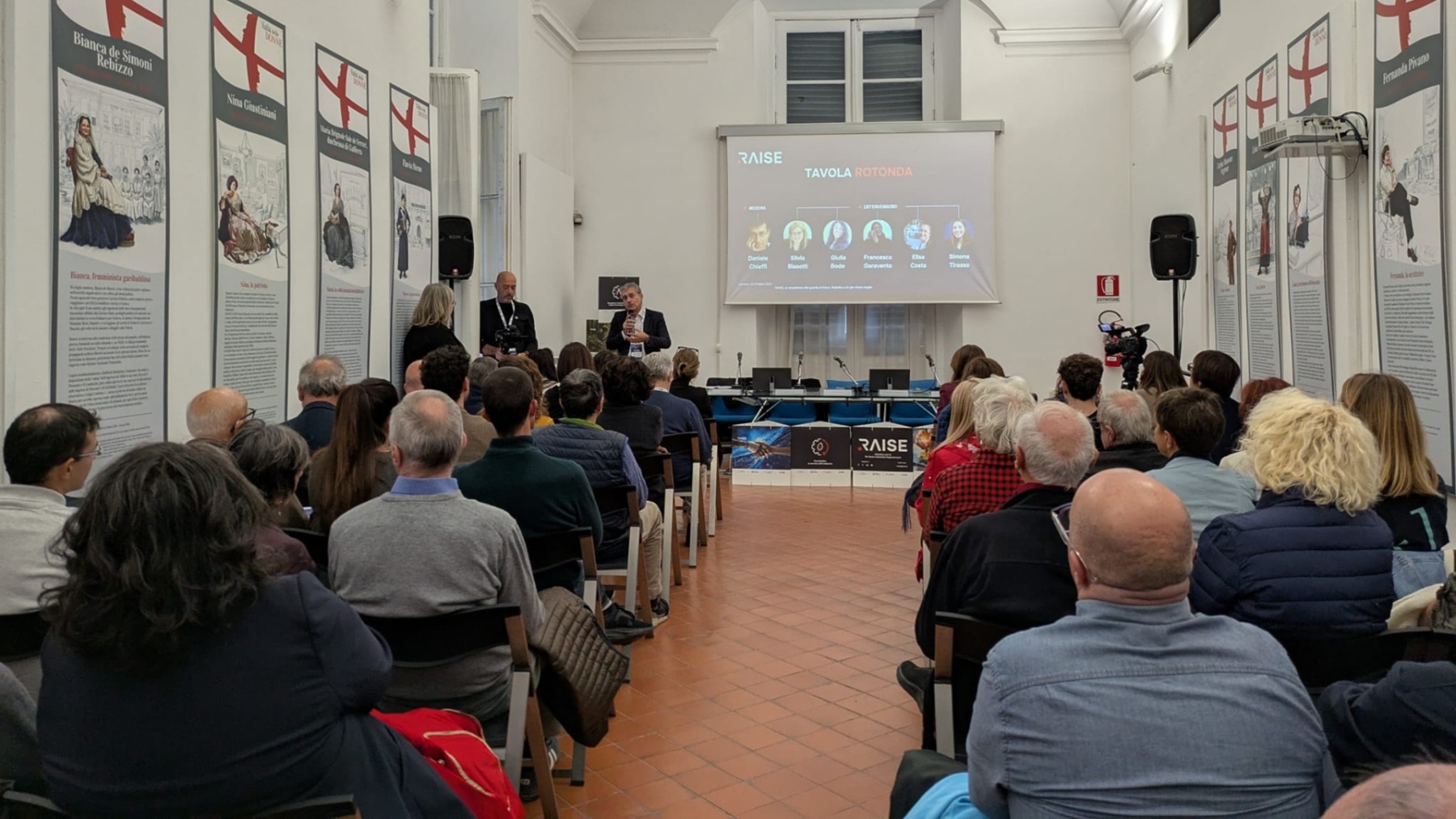
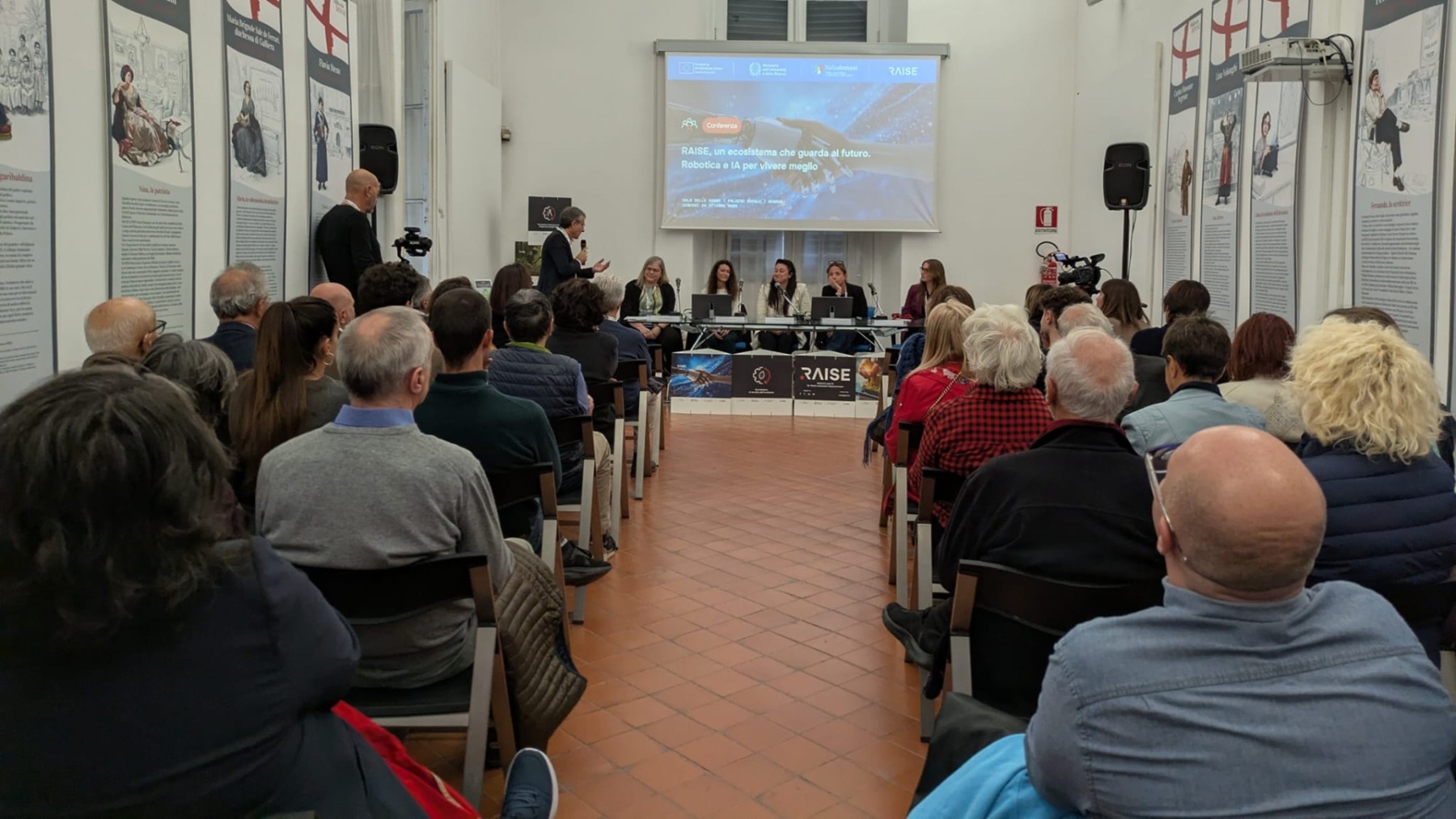
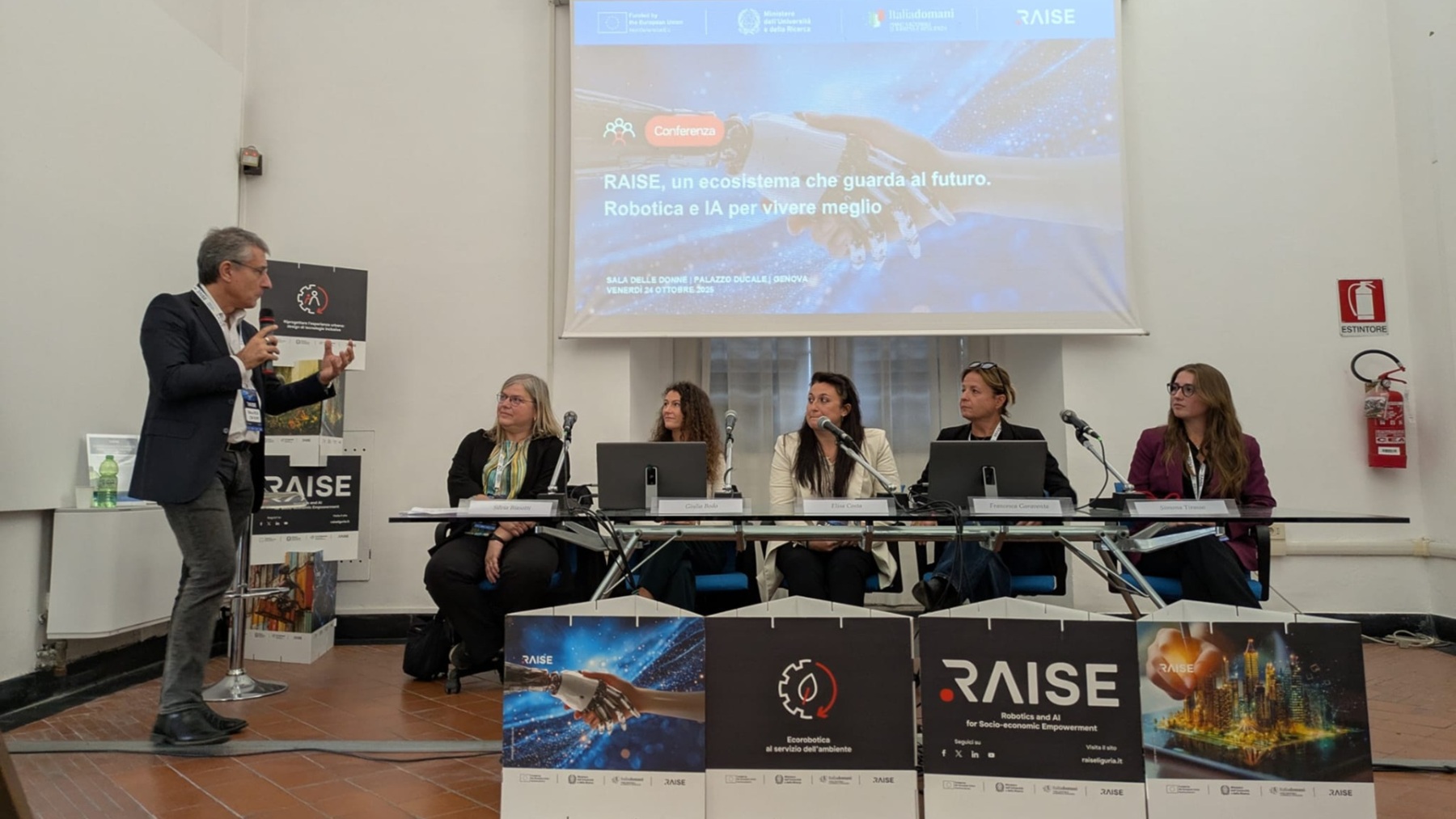
On October 24, 2025, the Sala delle Donne at Palazzo Ducale hosted the round table “The RAISE Ecosystem and the Visions of Tomorrow – Emerging Technologies and Shared Knowledge to Improve the Present and Imagine the Future”, as part of the Genoa Science Festival. The event explored the value of collaboration between research, innovation, and society.

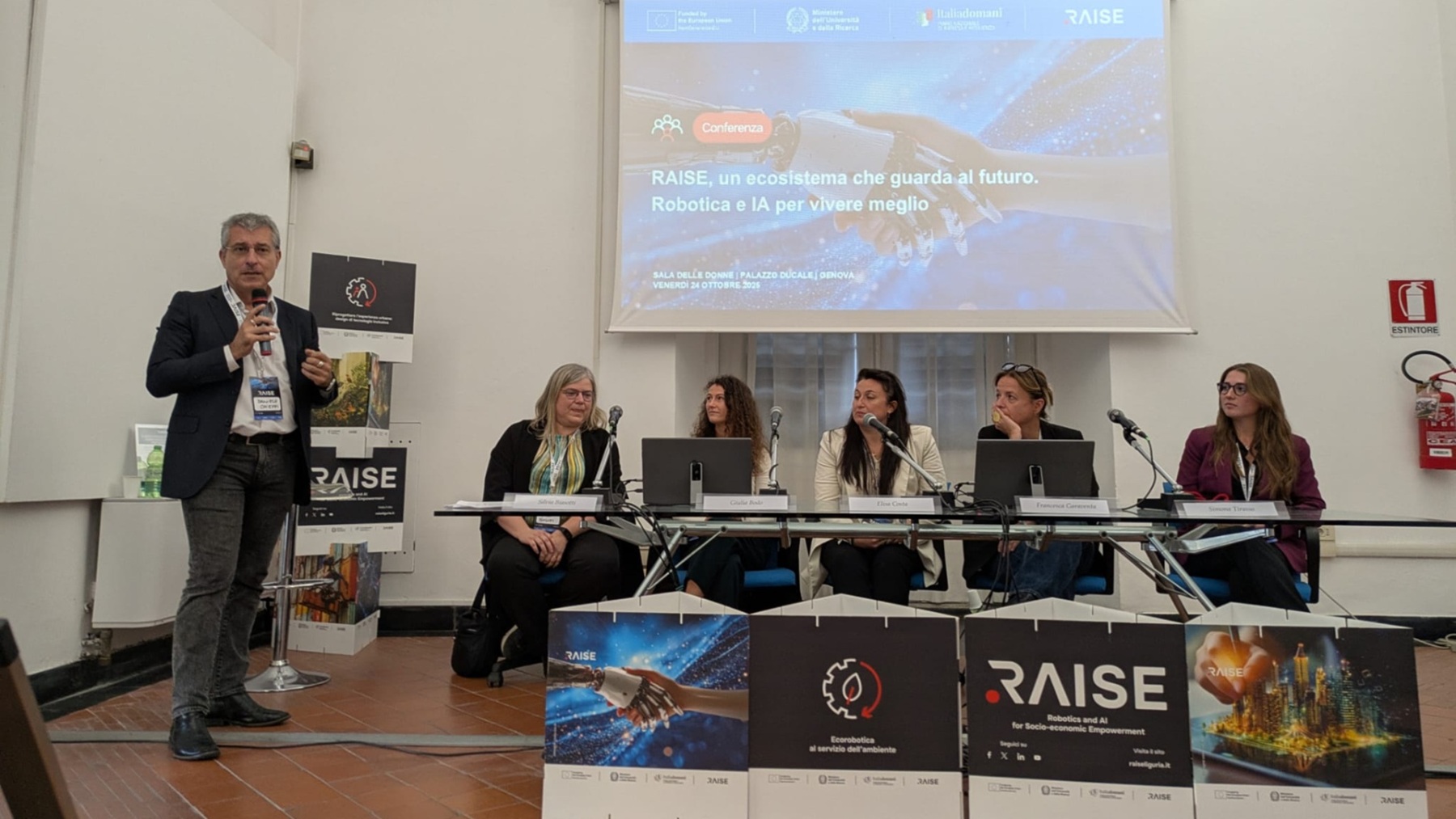
The event, introduced by Cristina Battaglia, Programme Manager of RAISE, and Carlo Ferdeghini, President of the Scientific Council of the Genoa Science Festival, brought together five leading voices from the project — Silvia Biasotti (Spoke 1, CNR–IMATI), Giulia Bodo (Spoke 2, IIT – Rehab Technologies), Elisa Costa (Spoke 3, CNR–IAS), Francesca Garaventa (Spoke 4, CNR–IAS), and Simona Tirasso (Spoke 5, University of Genoa) — moderated by Daniele Chieffi, journalist, essayist, and expert in strategic communication.

The discussion offered the audience an in-depth look at the work of the five Spokes that make up the RAISE Ecosystem — a major innovation laboratory focused on inclusive and accessible cities, advanced healthcare, environmental protection, sustainable port management, and training for public administration. This mosaic of expertise demonstrates how technology can deliver tangible benefits for people, improve quality of life, and strengthen the sustainability of local communities.

Silvia Biasotti, Research Director at the CNR Institute of Applied Mathematics and Information Technologies “E. Magenes,” presented the work of Spoke 1, which integrates mathematical modeling, artificial intelligence, and data analysis to create digital twins.
“Our work,” she explained, “focuses on developing three-dimensional representations of the city and its citizens to better understand urban dynamics and design data-driven solutions. The future of RAISE is born from this synergy among universities, IIT, CNR, businesses, and local institutions — a value that will continue to foster shared innovation and collaboration.”

Representing Spoke 2, Giulia Bodo, postdoctoral researcher at the Italian Institute of Technology’s Rehab Technologies Lab, focused on rehabilitation robotics and human–machine interaction.
“Working in RAISE has allowed me to collaborate closely with many clinicians and to gather ideas for future developments,” she said. “Clinical trials with partner hospitals — Galliera, Gaslini, and FISM — have helped us transform sensor signals into metrics that physicians can use to assess patients’ progress. Our goal is to design technologies increasingly centered on people and their real needs.”

Elisa Costa, researcher at CNR–IAS and coordinator of Spoke 3, explored the theme of ecorobotics and environmental monitoring. “The technologies developed within RAISE have enhanced monitoring strategies by integrating robotics and artificial intelligence to analyze air, water, and soil with greater precision. These tools strengthen early warning systems and serve as valuable resources for environmental protection.”

For Spoke 4, Francesca Garaventa, senior researcher at CNR–IAS, presented initiatives aimed at promoting the sustainable transition of ports. “The Port of Genoa plays a crucial economic and social role,” she noted. “Our research aims to align regulatory needs with technologies that make port operations safer and more sustainable. RAISE has contributed to the development of exceptional technological and human capital, which will continue to generate value for both the region and the country.”

Simona Tirasso, research fellow at the University of Genoa and consultant for P5 | AI for Public Administration, addressed the theme of training as a driver of innovation.
“Through RAISE, I’ve understood the importance of teamwork and building collaborative networks,” she explained. “New models of education must bring people closer to knowledge and foster ongoing curiosity. The sustainability of the ecosystem also depends on this — on the ability to cultivate skills that evolve alongside technology.”

Concluding the discussion, moderator Daniele Chieffi highlighted the social impact of research: “RAISE is a success story because it has managed to translate science into real transformation, improving everyday life and creating a horizon of progress for everyone.”

The round table reaffirmed RAISE’s vision as an ecosystem capable of integrating diverse disciplines and perspectives into a shared path — a platform that unites technology, knowledge, and participation to build, today, the visions of tomorrow.

Discovering innovation in the RAISE Village laboratories

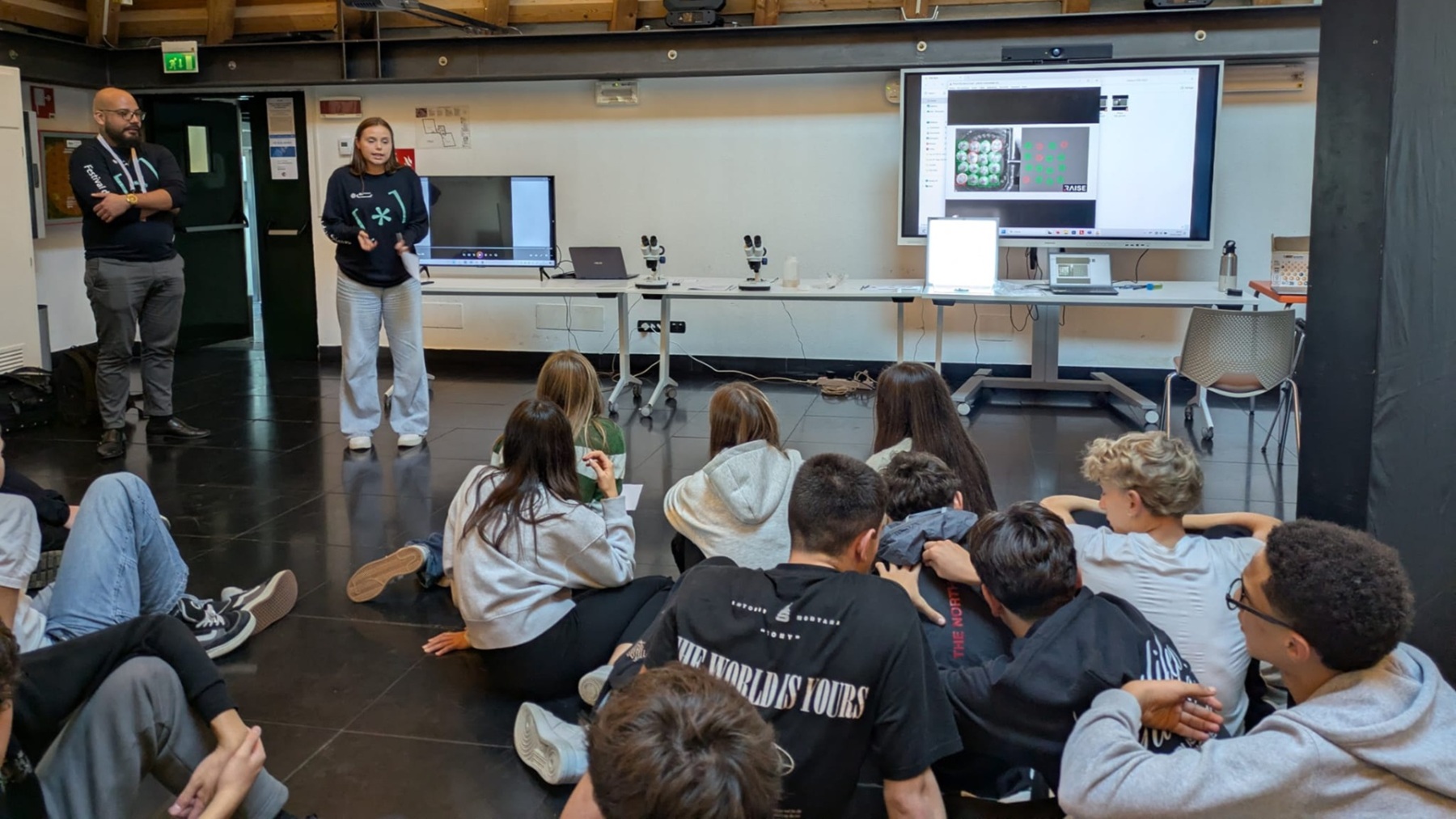
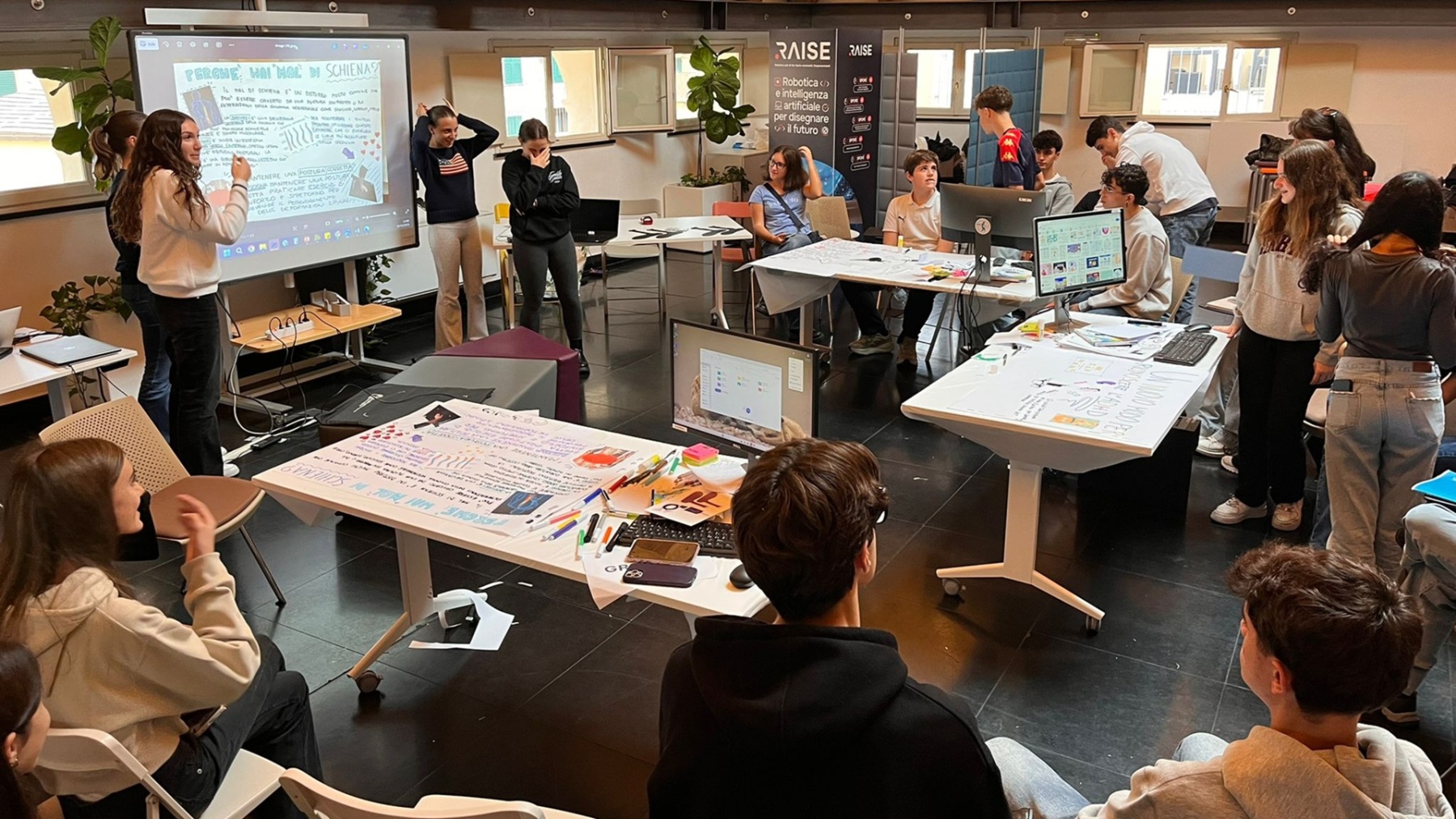
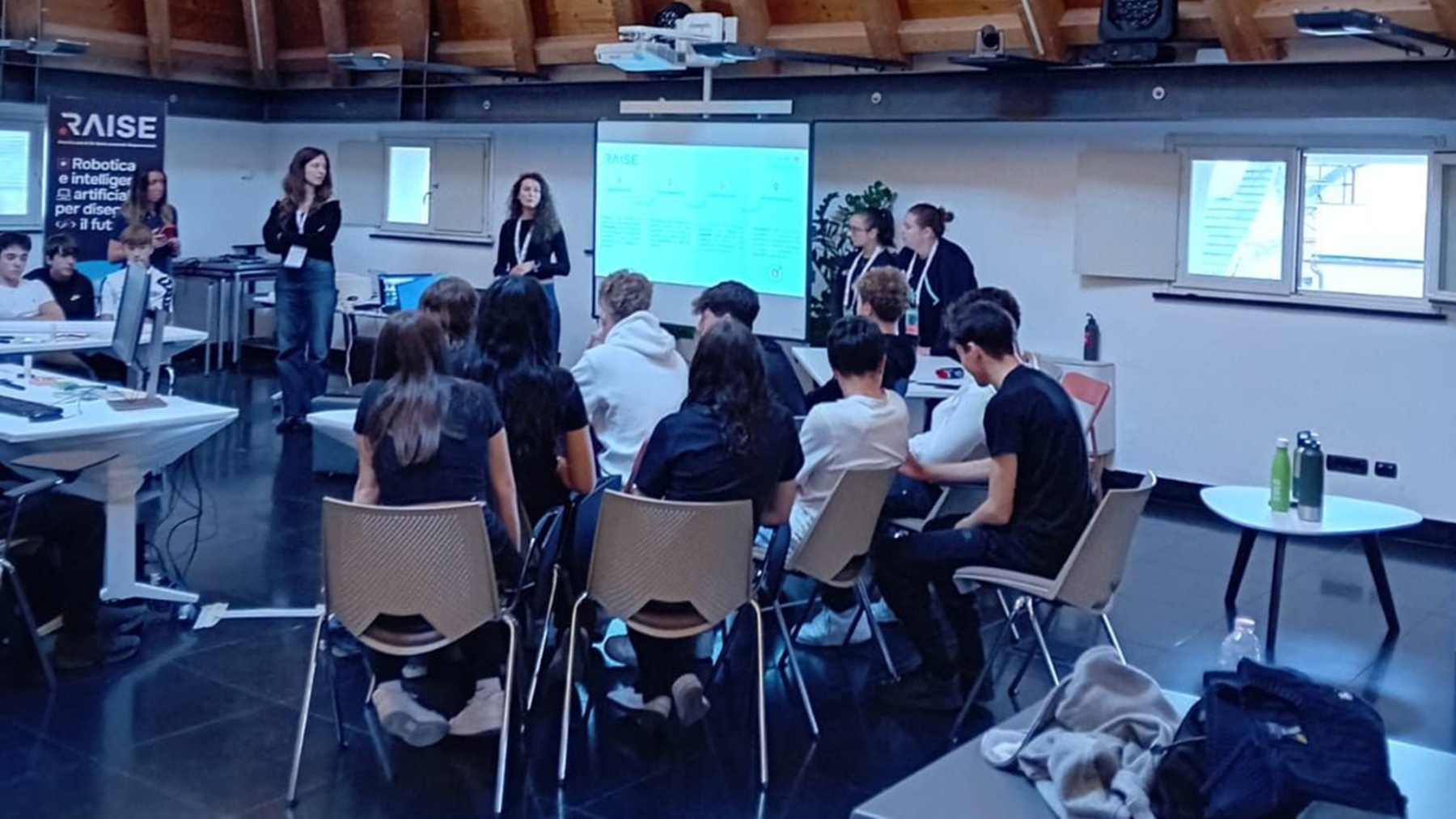
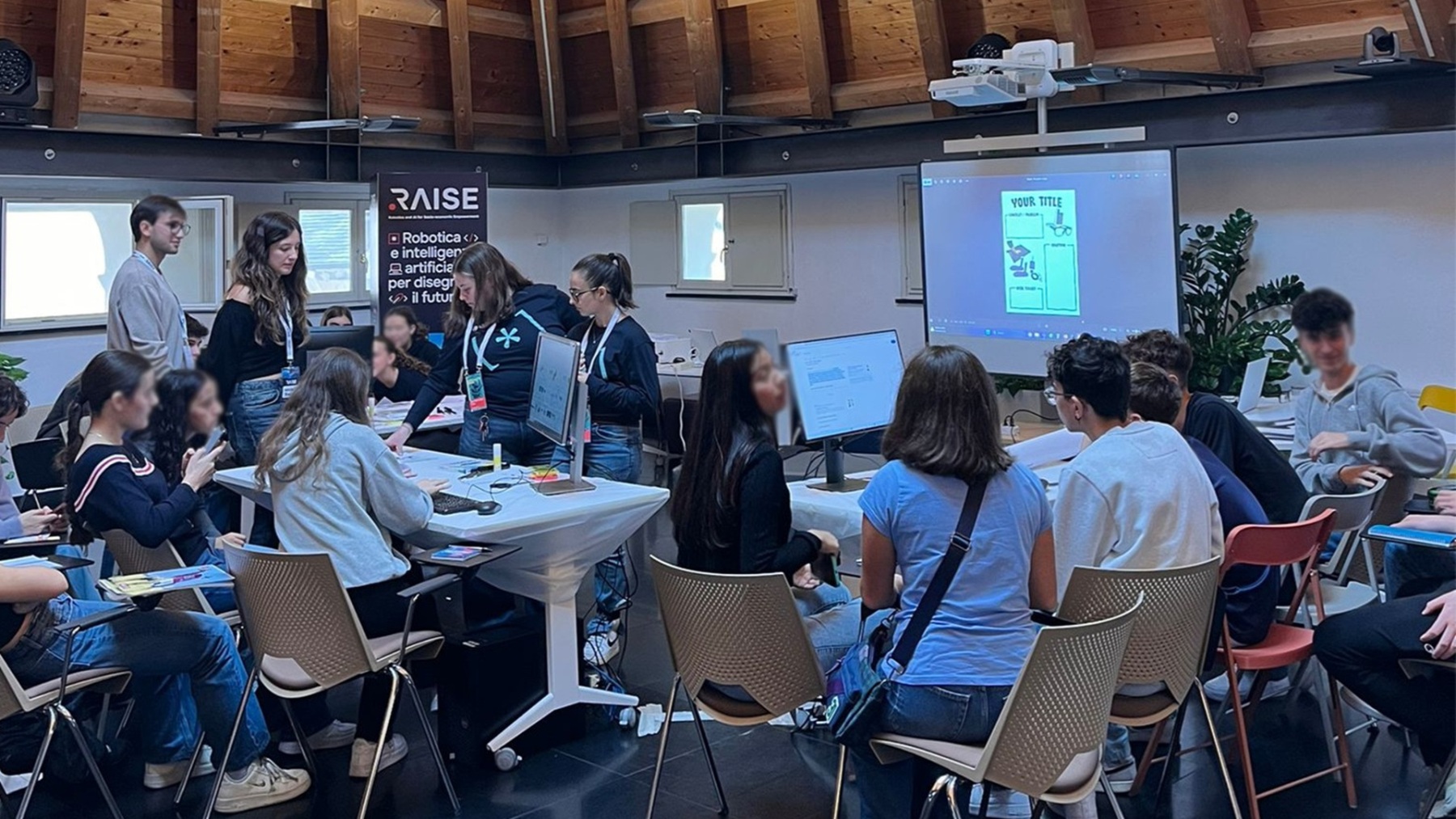
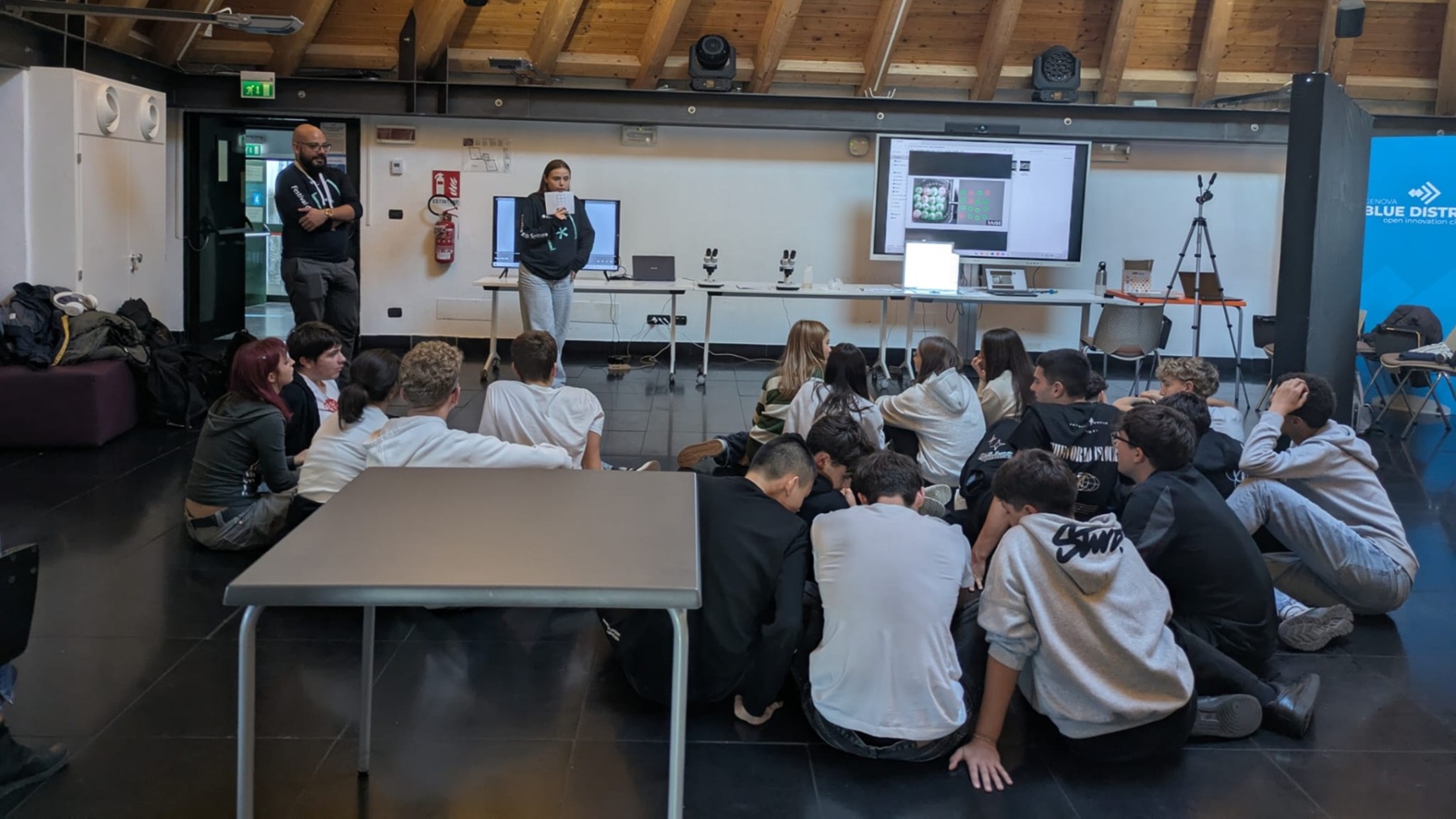
On the opening day of the 2025 Genoa Science Festival, the RAISE Village welcomed the public with a rich program of educational workshops – the true protagonists of a hands-on, engaging exploration of technological innovation. Despite challenging weather conditions, students, researchers, and visitors animated the spaces of the Genoa Blue District, transforming them into a meeting place where research, curiosity, and the future converge.

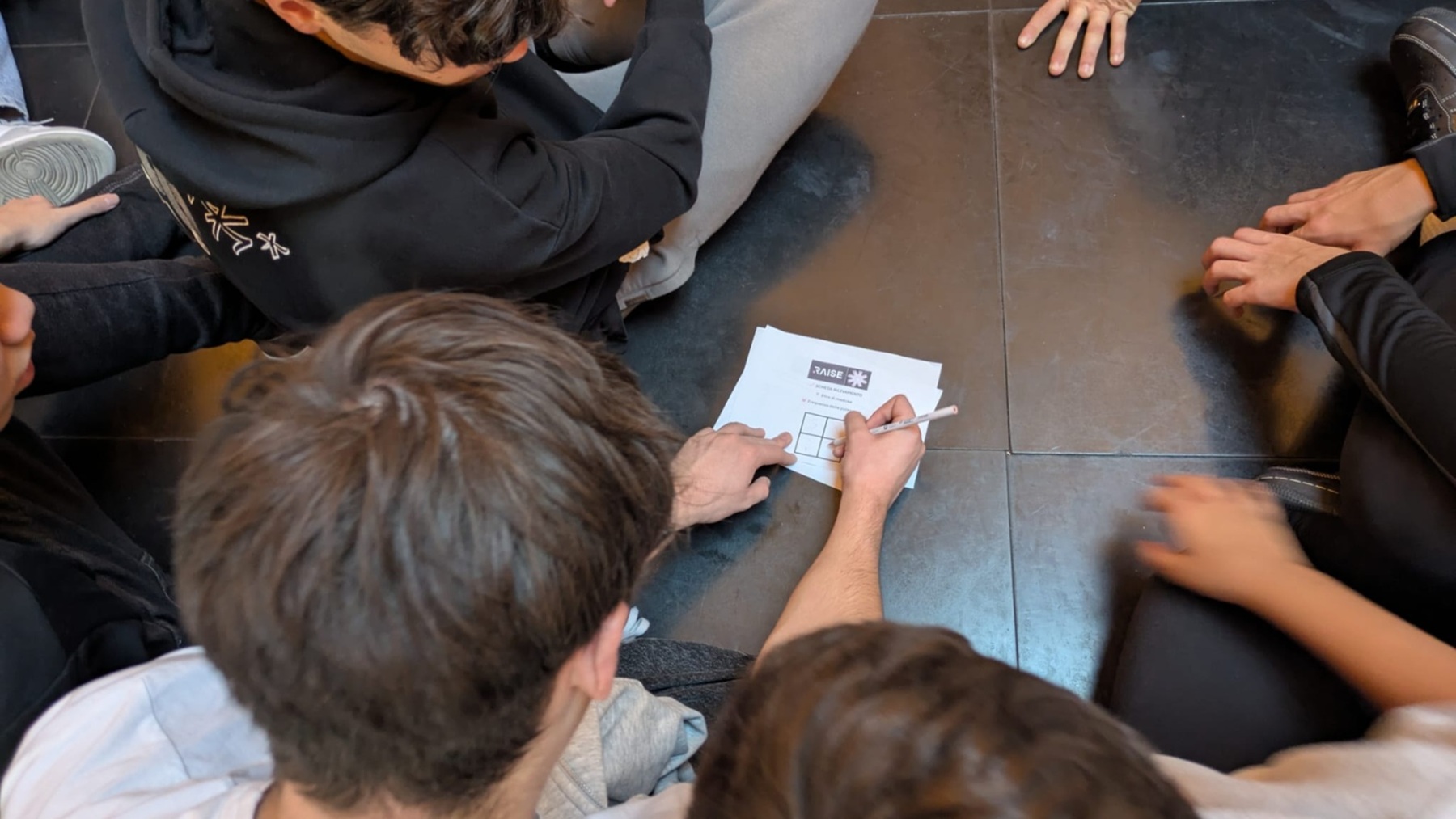
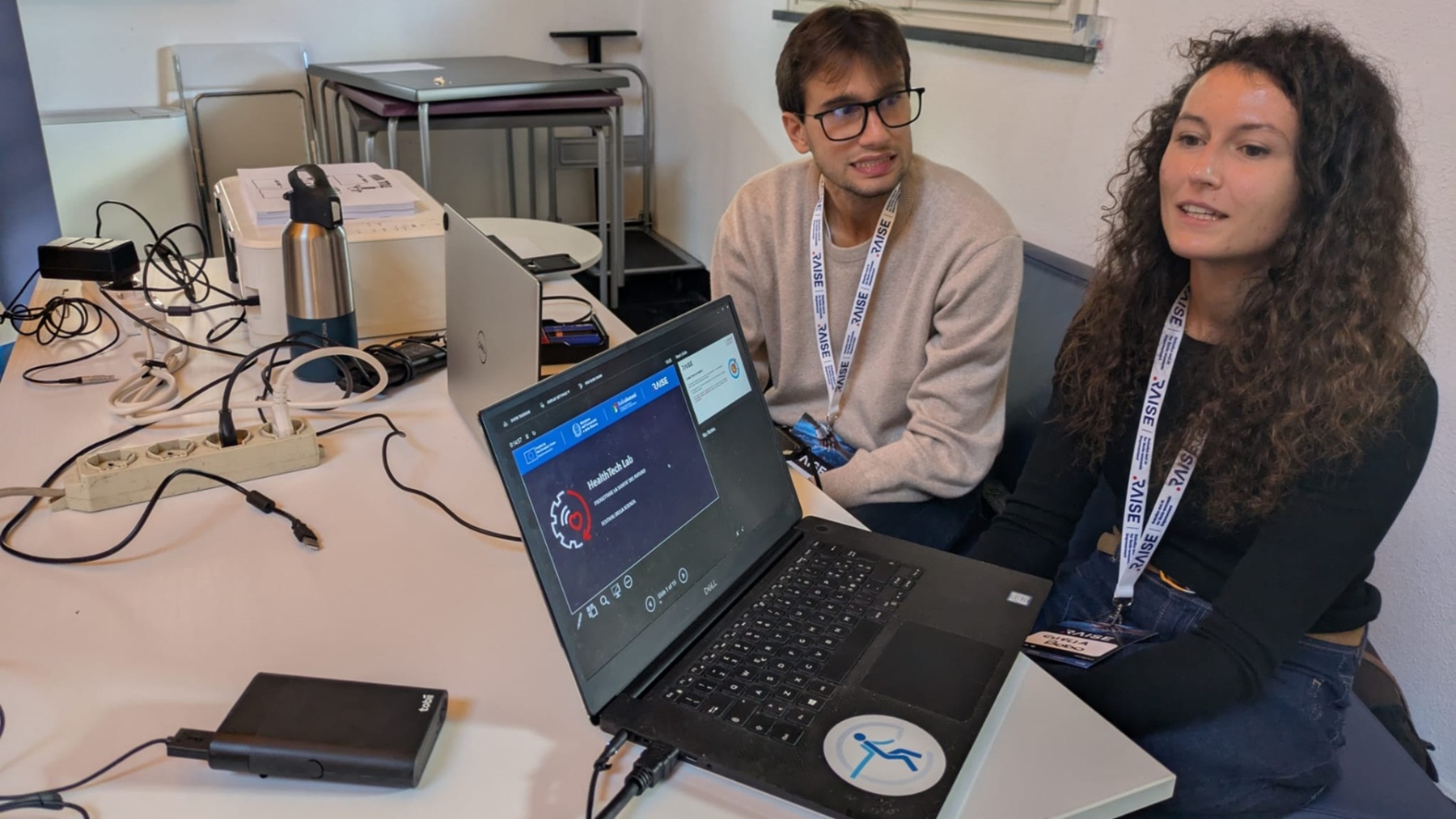
In the Spoke 2 – IIT HealthTech Lab workshop, students experimented with non-invasive patient monitoring devices such as smart glasses and sensor-equipped chairs, developed within RAISE research activities. Building on these tools, participants designed new applications, defined potential use cases, and imagined solutions to improve clinical practice and rehabilitation. Working in small groups, they created short presentations and practical demos, exploring how sensors and artificial intelligence algorithms can support more effective and personalized medicine.

“It was exciting to see students take on the challenge of designing new case studies for patient monitoring,” says Giulia Bodo from the IIT – HealthTech Lab. “We worked with a sports science high school, so we focused the activities on athletes’ rehabilitation after injury. The students proposed different pathologies and sports, designing sensors and algorithms to analyze them. Their creativity and scientific curiosity were remarkable.”

This approach highlights how RAISE technologies serve not only as research tools but also as opportunities to educate a new generation of conscious citizens capable of connecting innovation, health, and social responsibility.

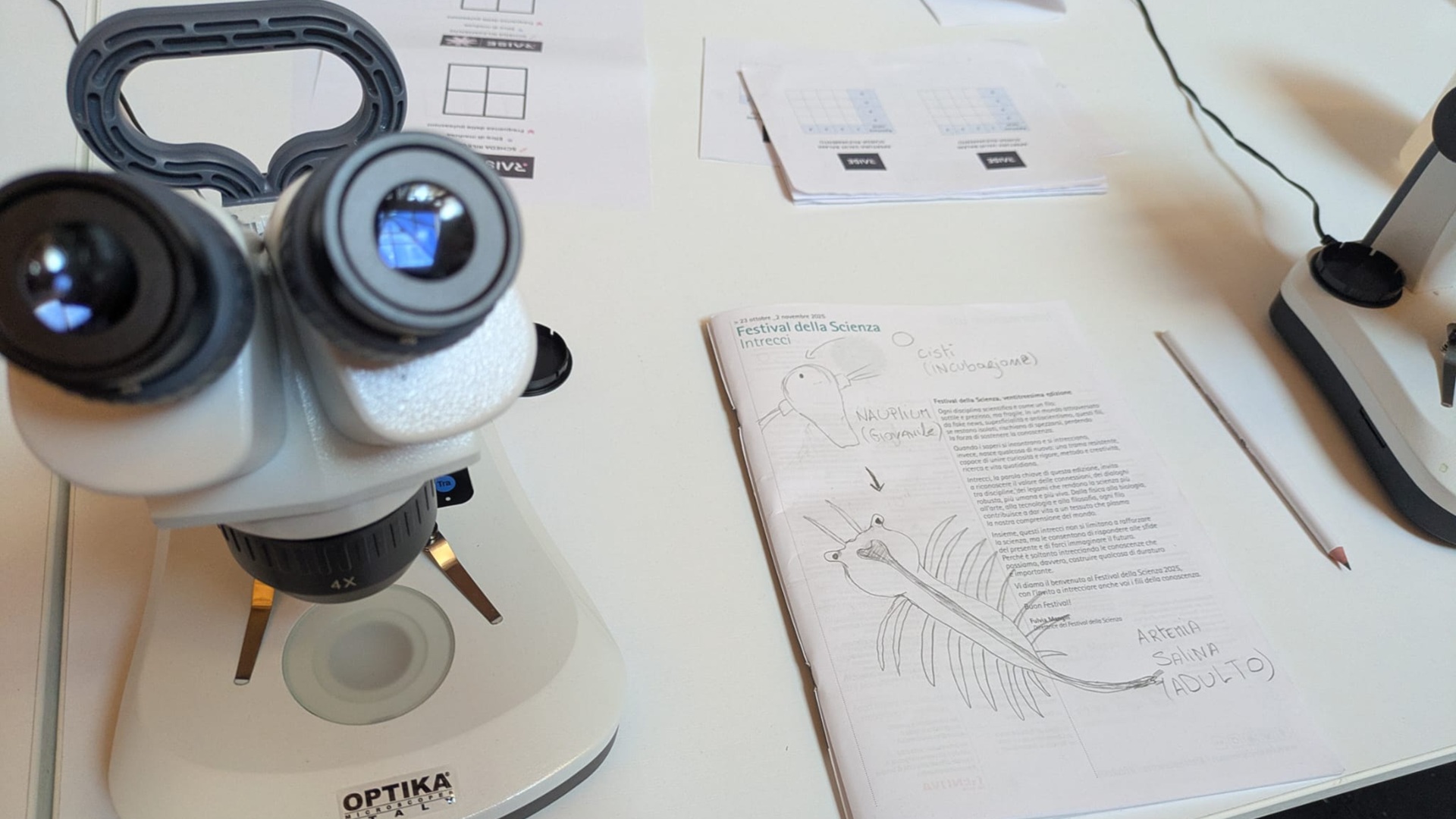
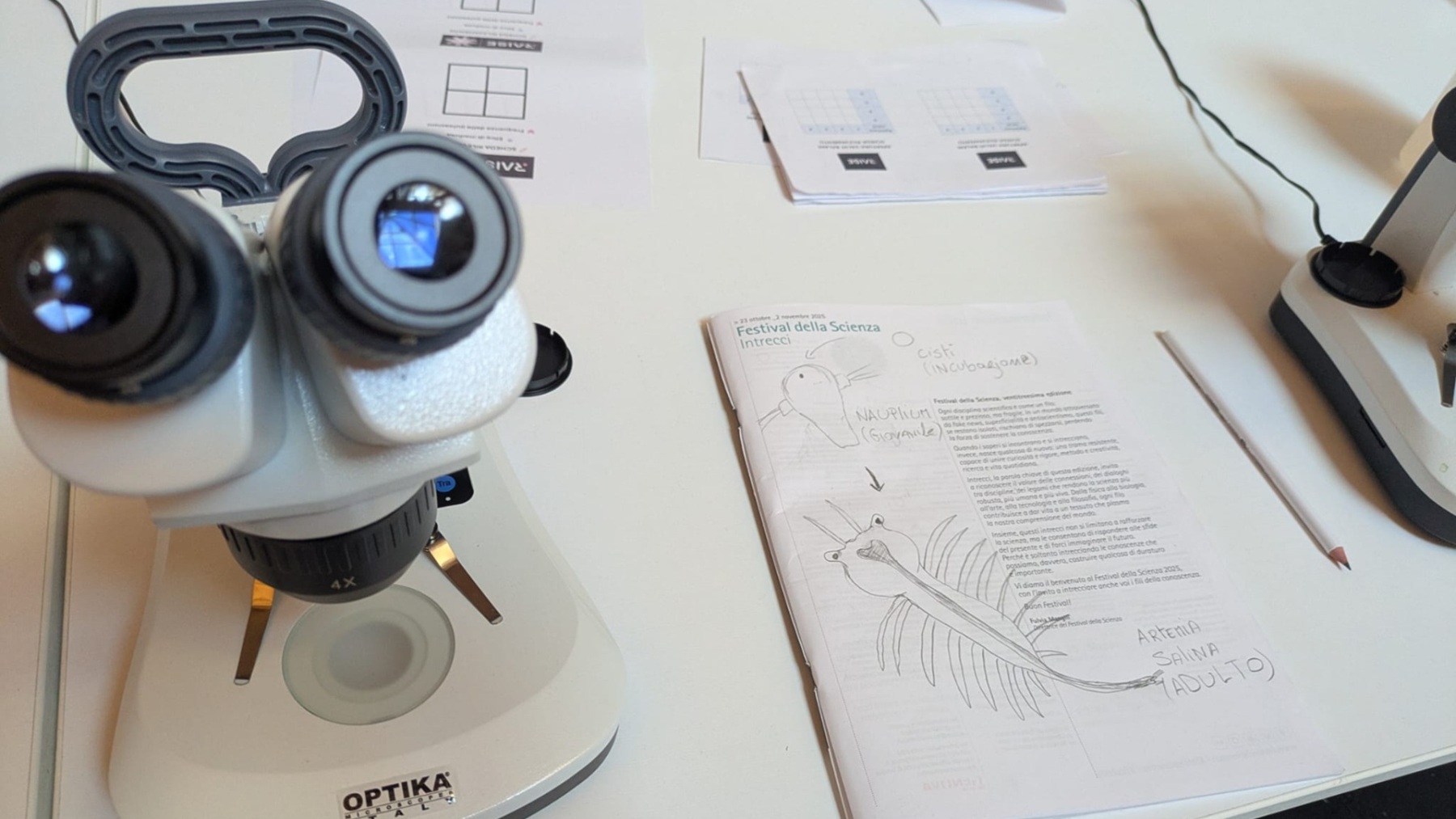
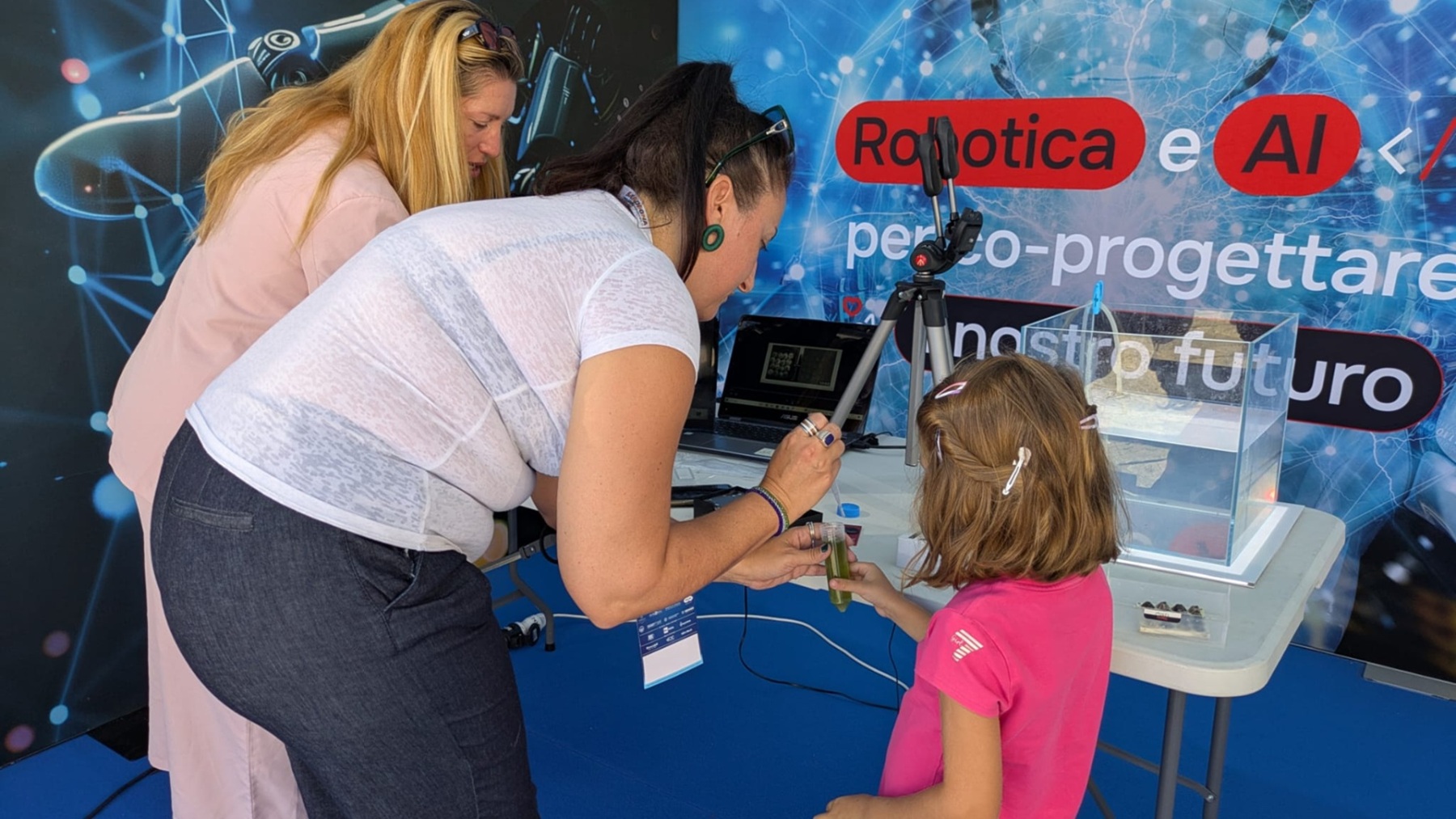
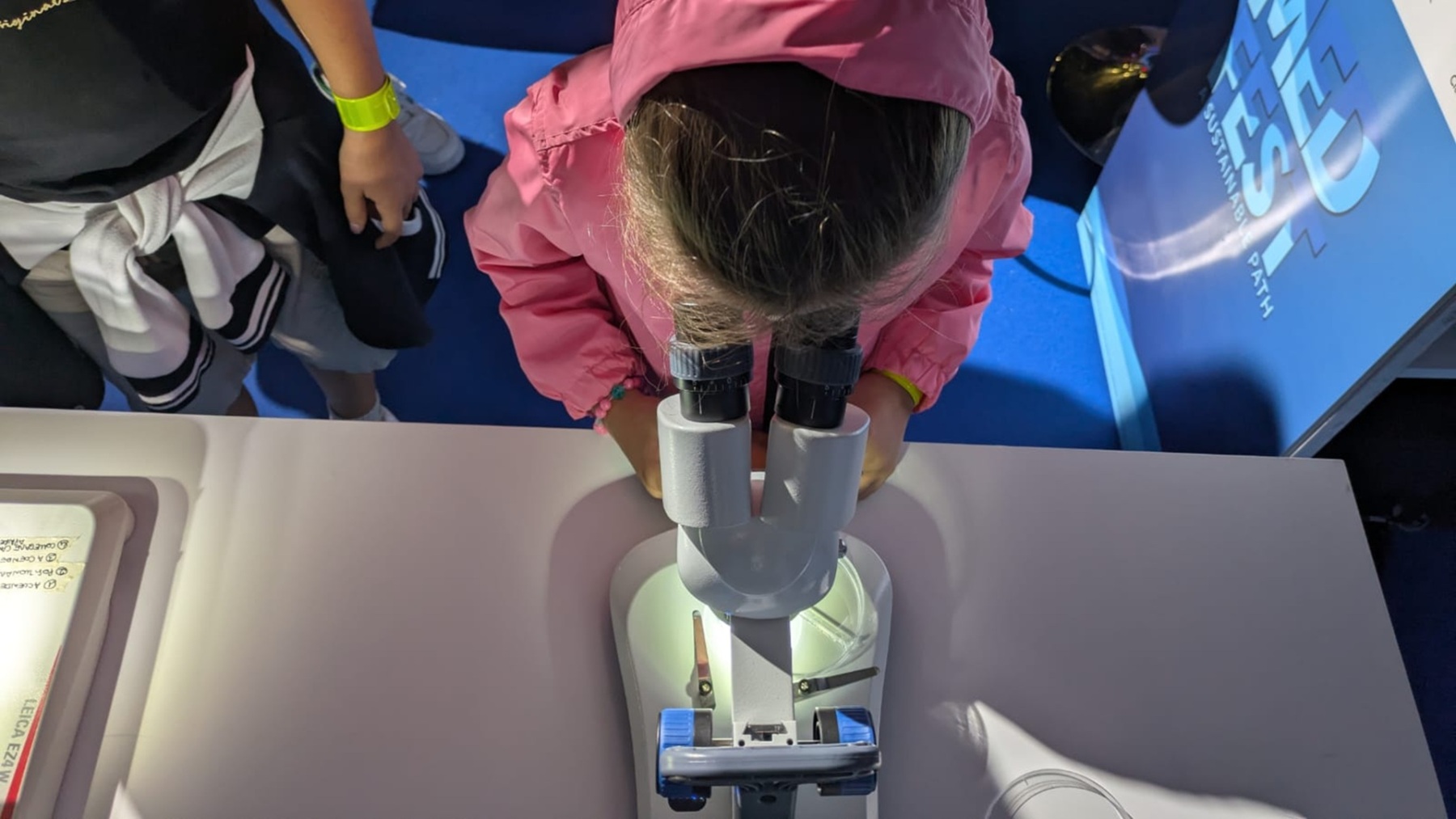
The workshop “A New Ally for Marine Ecosystems”, led by CNR-IAS for Spoke 3, took participants on a journey through the world of Ligurian marine biology. The Ligurian Sea, rich in biodiversity yet fragile, became the focal point of an educational path showing how artificial intelligence can become a valuable ally in research and environmental protection. Through interactive systems powered by AI algorithms, students and visitors observed in real time the movements of tiny marine inhabitants – larvae and small invertebrates – understanding how these analyses help assess water quality and the health of marine ecosystems.

“We aimed to create an educational experience that intertwines future technologies with fundamental societal themes such as environmental sustainability,” explains Professor Paola Guado from the Liceo Galileo Galilei in Voghera, who accompanied class 2B (Scientific-IT specialization). “Environmental monitoring, scientific citizenship, and personal care are complementary aspects of a single vision: the growth of a society that uses technology to improve itself and build a sustainable future.”

The RAISE Village is a true innovation hub where visitors can experience firsthand the RAISE ecosystem and discover how scientific research enhances people’s lives, work quality, and territorial sustainability. Funded by the Italian Ministry of University and Research (MUR) under the PNRR, RAISE brings together Ligurian universities, research centers, and companies developing robotic and AI-based solutions for the future of healthcare, smart cities, and environmental protection.

Within the Village, visitors can explore different application scenarios through interactive workshops, robotic demonstrations, and scientific aperitifs, engaging in continuous dialogue with the project’s researchers and innovators. Inside the Blue District, an immersive room allows guests to virtually experience RAISE projects, offering a preview of what happens in real laboratories.

All RAISE Village events are free and open to the public, with no Science Festival subscription required.

The full program of upcoming workshops and activities is available at this link.
RAISE: dedicated page on cascade funding now online

A new section of the website dedicated to the cascade funding launched within the RAISE Innovation Ecosystem (Robotics and AI for Socio-economic Empowerment) is now online.

Five calls have been published, aimed at supporting experimental research and development projects aligned with the activities carried out within the ecosystem’s spokes.

The first call targeted SMEs with operational headquarters in Liguria and the southern regions of Italy, while the remaining four were directed at research organizations located in Southern Italy, with a focus on experimental challenges and technology transfer.

With a total budget of € 24 million, 50 projects have been funded, involving 104 companies and 26 research organizations.

The cascade calls have helped expand and strengthen the RAISE network by integrating expertise and experimental areas that are closely connected to and complementary with the SPOKEs’ lines of activity.

All funded projects have a strong innovative component and focus on testing robotics and AI technologies in a variety of application areas, including ports, urban environments, cultural sites, natural parks, and healthcare facilities. At the core of all projects is a commitment to improving quality of life and well-being, as well as promoting environmental and social sustainability.

Thanks to these cascade calls, the geographical scope of the RAISE ecosystem has expanded beyond Liguria to include 11 additional regions, mostly in Southern Italy. This expansion has reinforced RAISE’s activities by opening up new development opportunities and responding to the growing demand to apply the results of the Ligurian ecosystem in new and stimulating contexts.

Learn more and explore full details of the calls on the dedicated page.


Digital museums and generation Z at Digital Week 2025: the RAISE and CHANGES projects in dialogue on design, storytelling, robotics, AI and public engagement

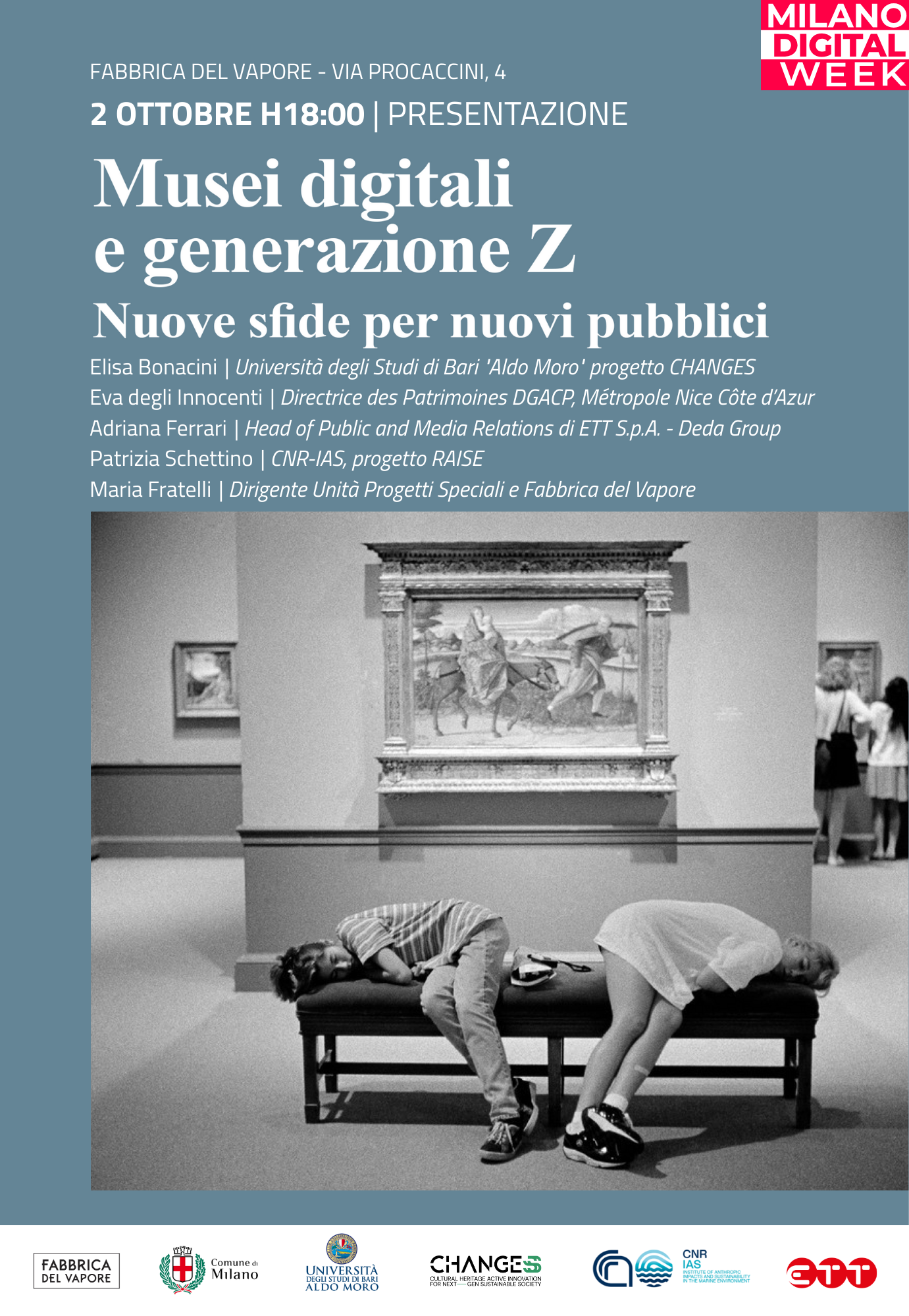
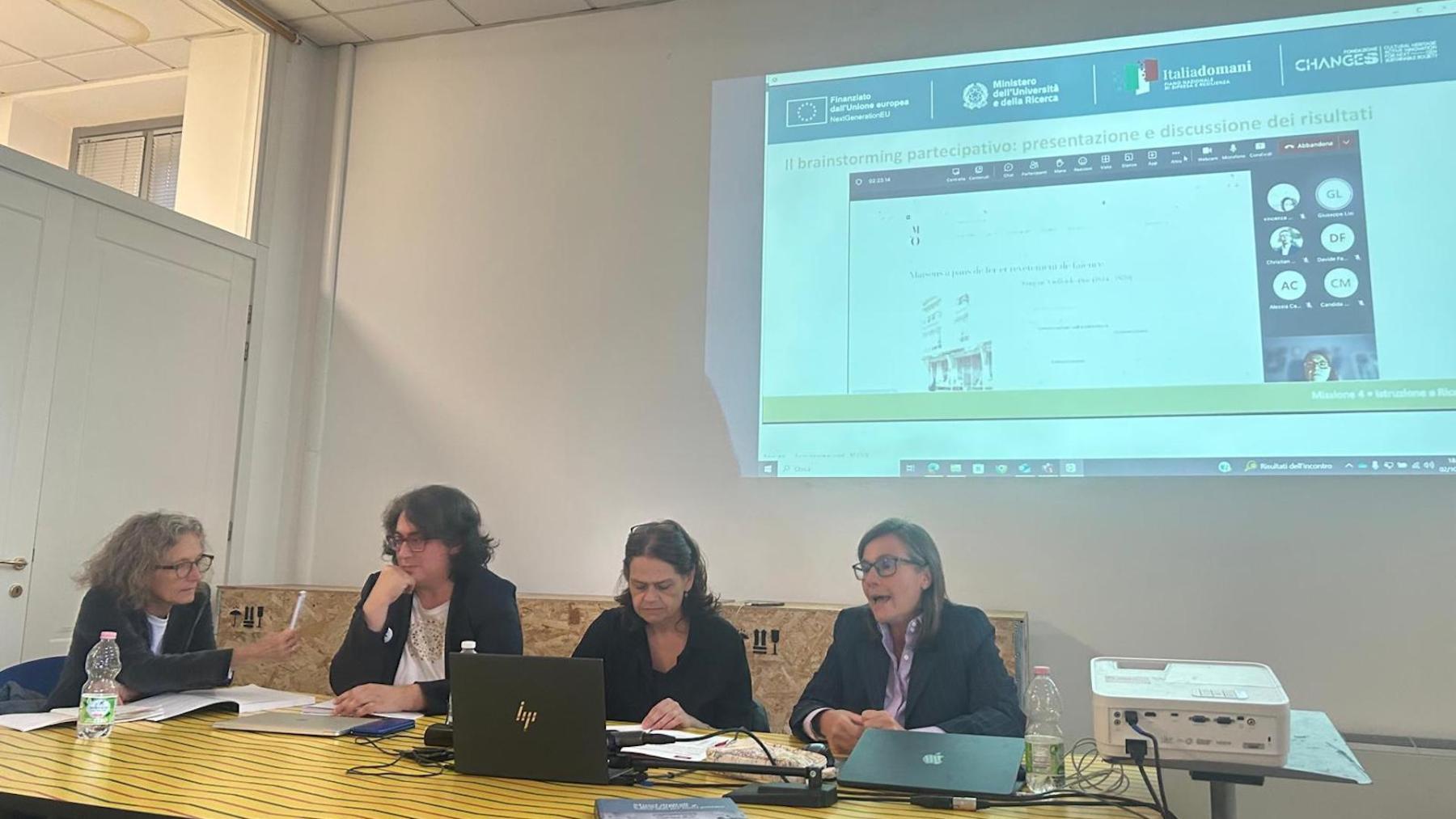
On October 2, at one of Milan’s most iconic and innovative cultural venues, Fabbrica del Vapore, the book “Digital Museums and Generation Z. New Challenges for New Audiences”, edited by Elisa Bonacini (University of Bari, CHANGES), was presented.

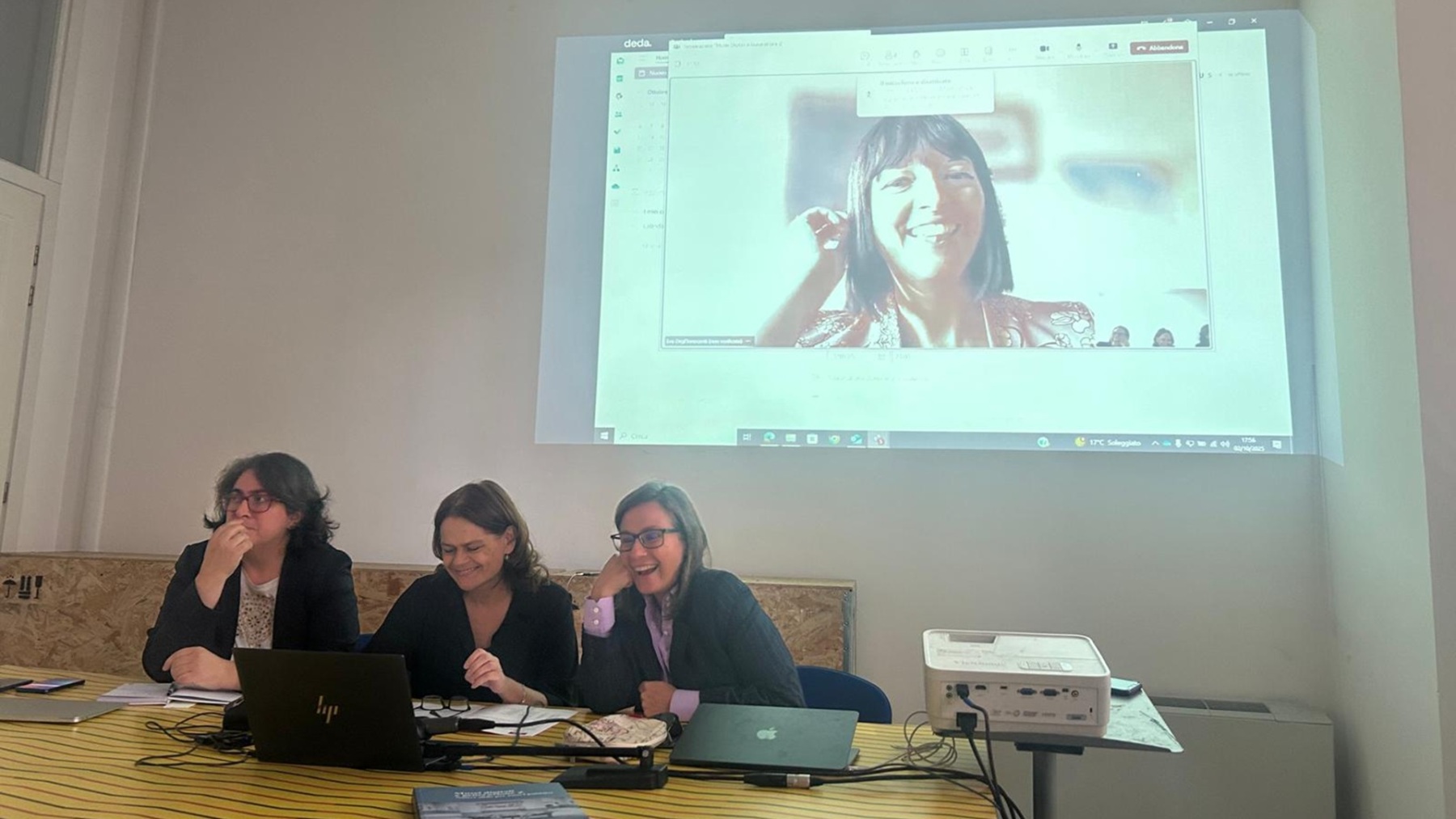
The event offered an opportunity for dialogue among several experts in digital cultural heritage: Patrizia Schettino (CNR-IAS, RAISE, Spoke 5), author of a chapter in the book; Adriana Ferrari (ETT, Spoke 5), who moderated the discussion; Eva Degl’Innocenti (Directrice des Patrimoines, Direction Générale Adjointe Culture et Patrimoine, Métropole Nice Côte d’Azur); and Maria Fratelli (Head of the Special Projects and Fabbrica del Vapore Unit, Municipality of Milan; Director of CASVA, Casa della Memoria, and Fabbrica del Vapore).

Maria Fratelli opened the event, emphasizing the importance of reflecting on the use of technology in museums, especially during Milan Digital Week 2025 and in a place like Fabbrica del Vapore, which aims to engage all communities, with particular attention to young people.

Elisa Bonacini presented the results of a participatory benchmarking study conducted with students from the University of Bari, analyzing 30 museum websites and social media profiles. The research identified both strengths and weaknesses in these institutions’ digital strategies.

Patrizia Schettino summarized her contribution on the role of user experience design and user experience research in museum website development. She introduced a UX research tool—the user journey—to illustrate the experience of a 20-year-old student visiting a cultural site in Sondrio, highlighting how the young visitor sought fun and social interaction at the museum, enhanced by apps, immersive installations, and video games.

Eva Degl’Innocenti shared her experiences from various museums she has directed, focusing in particular on the National Archaeological Museum MarTa in Taranto, one of the first in Italy to develop a video game.

Musei digitali e generazione Z, un'occasione di dialogo tra RAISE e CHANGES alla Digital Week di Milano

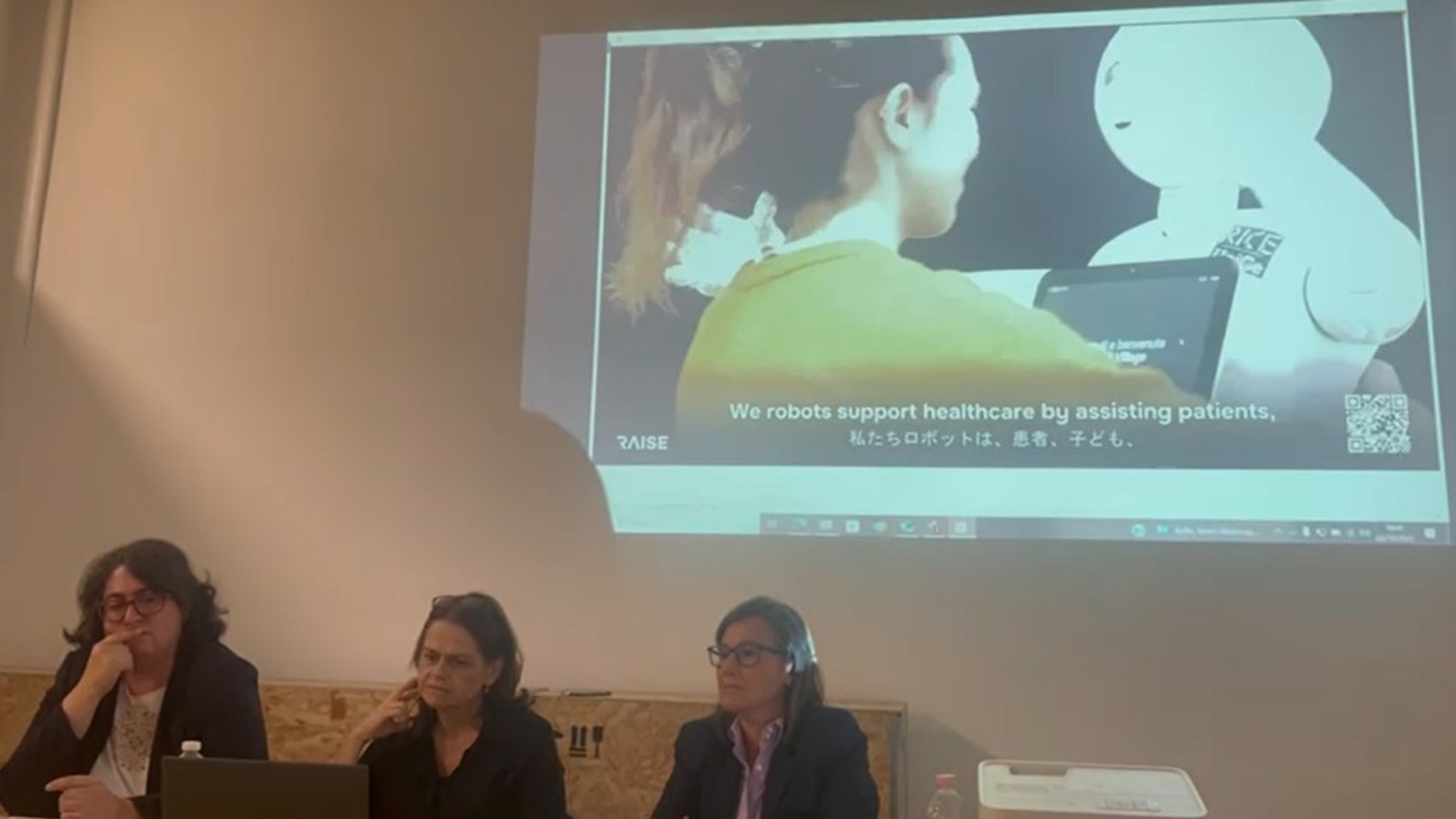
Patrizia Schettino and Adriana Ferrari then jointly presented the video EXPOsing RAISE  as an example of a communication artifact designed also for a young and family audience, mainly Japanese, in the context of the 2025 Osaka World Expo.

In this video – as well as in the previous for the installation RAISE Cube at the Festival of Science – the two robots, R1 and Pepper, served as guides and narrating voices (through audio or subtitles) on a journey through the RAISE innovation ecosystem in Liguria. Robotics applied to cultural heritage is also one of the topics explored in the book Digital Museums and Generation Z, offering another opportunity for dialogue between RAISE and CHANGES.

Eva Degl’Innocenti went on to describe two projects at the Civic Museums of Bologna: one in a medieval art museum and another as a co-creation experiment with local associations from a queer perspective—both aimed at inclusion, particularly of young people, supported by the use of technology.

Elisa Bonacini also discussed a digital storytelling project about 1960s Bari, highlighting the intergenerational engagement achieved through the use of personal family photo archives.

Finally, Maria Fratelli concluded the event by returning to its central theme: the museum as a place where people can use technology but, above all, not be alone and meet others. Technologies, therefore, should not isolate visitors but rather facilitate and enhance in-person experiences within museums.
The director underlined the amount of time young people spend in front of screens and the need for museums to enter digital spaces to reach new audiences—then invite them into physical venues offering objects and activities of interest. The museum, she said, must be a welcoming, inclusive space for diverse publics.

The event proved to be an intense and enriching moment of dialogue, intertwining the themes of RAISE and CHANGES around the idea of technology as a tool that enhances the quality of cultural heritage experiences, both in museums and beyond.

RAISE: italian excellence in Robotics and Artificial Intelligence

In recent years, the RAISE project has transformed Italy’s landscape of robotics and artificial intelligence by integrating research, education and innovation into a dynamic and international ecosystem. Through groundbreaking projects in healthcare, environmental protection, smart ports and urban mobility, RAISE has shown how multidisciplinary expertise can generate cutting-edge solutions with tangible impact across the country.

The project involved 304 professionals, with a gender-balanced composition (43% women) and an average age of 34. Notably, 18% of participants came from 22 foreign countries, underscoring the project’s inclusive nature and openness to international collaboration.

Training program efforts have engaged over 3,300 participants, including students, teachers, researchers, and professionals, helping to spread advanced knowledge and accelerate the adoption of emerging technologies.

RAISE has developed 172 innovative solutions across fields such as the Internet of Things, Artificial Intelligence, Robotics, and Big Data. In healthcare alone, these include 9 clinical trials underway, 4 about to begin, 4 submitted to ethics committees, and 11 currently in preparation.

Communication and public engagement efforts have reached an audience of over 15,000 participants through events, conferences, and publications.

Mentorship program have been central to RAISE’s success: 24 research teams, supported by 62 mentors and experts, have guided over 300 beneficiaries. The Community Development Platform has facilitated strategic connections among 169 organizations, including businesses, universities, public institutions, and startups.

The Cascade Funding led to the creation of 50 projects, backed by a total investment of €24 million, involving 104 companies and 26 public entities, significantly boosting technological innovation across Italy.

While headquartered in Liguria, RAISE’s impact spans the entire country, with active initiatives in Lombardy, Tuscany, Lazio, Umbria, Marche, Campania, Apulia, Calabria, Sicily, and Sardinia. The project is now firmly established as a national benchmark for research, education, and innovation in robotics and AI.

“These numbers represent more than just outcomes—they reflect the real-world impact that RAISE is having on the territory, on research, and on society,” says Cristina Battaglia, RAISE Programme Manager. “From education to clinical experimentation, from technology transfer to internationalization, every figure reflects the strength of a collaborative, future-oriented national ecosystem.”

More information at this link.
RAISE THE FUTURE exhibition again at Roma Fotografia Future

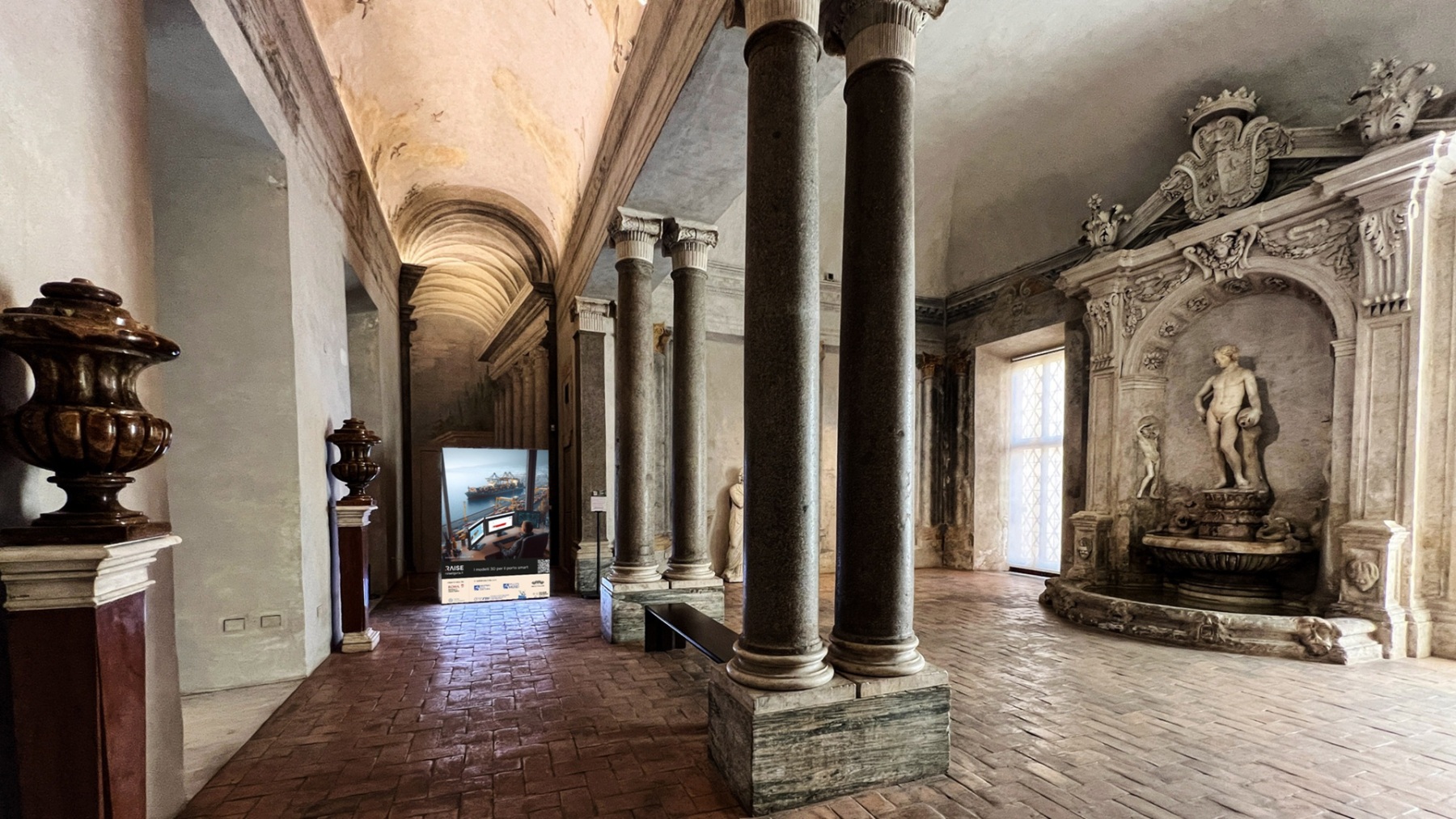
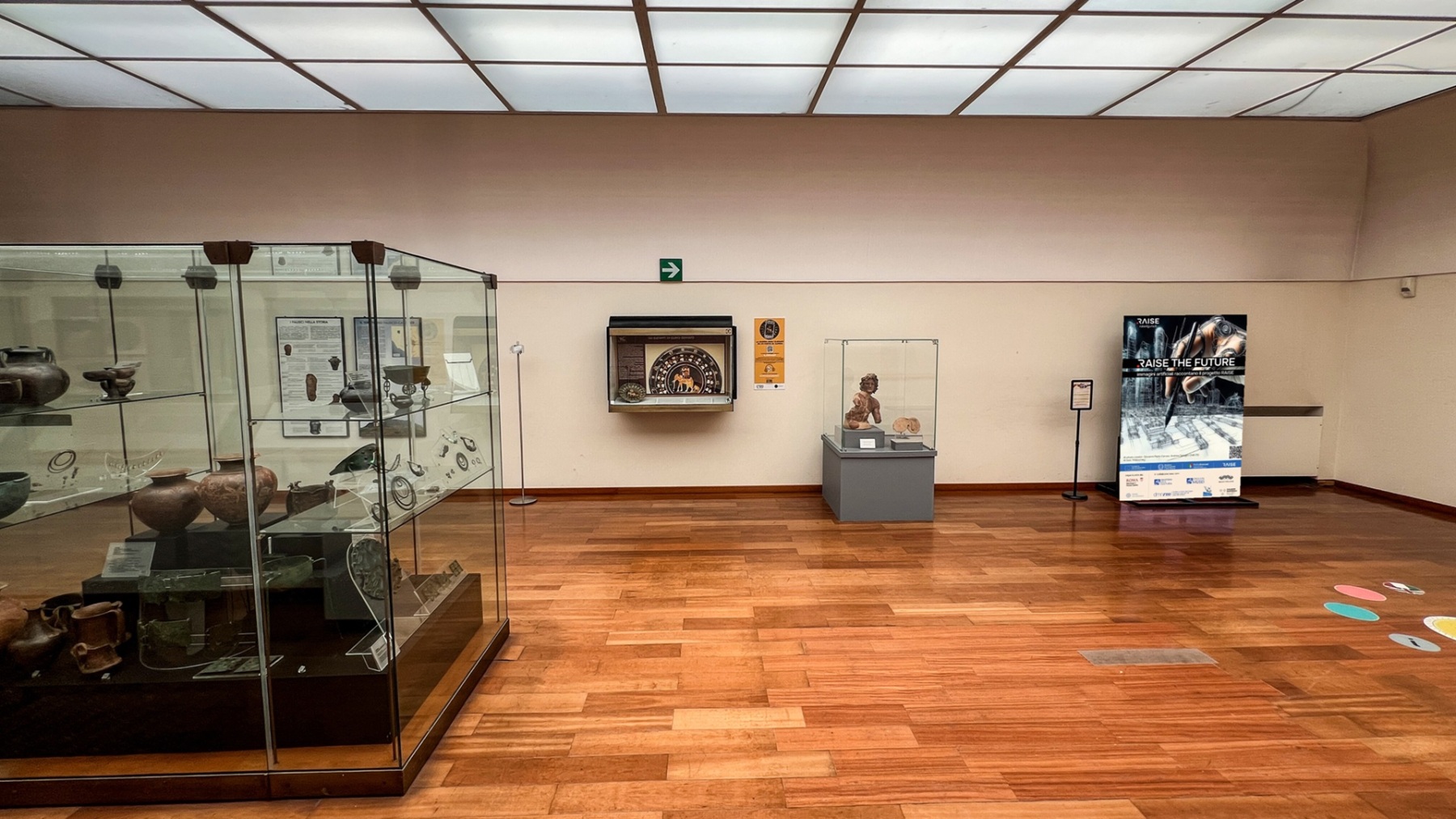
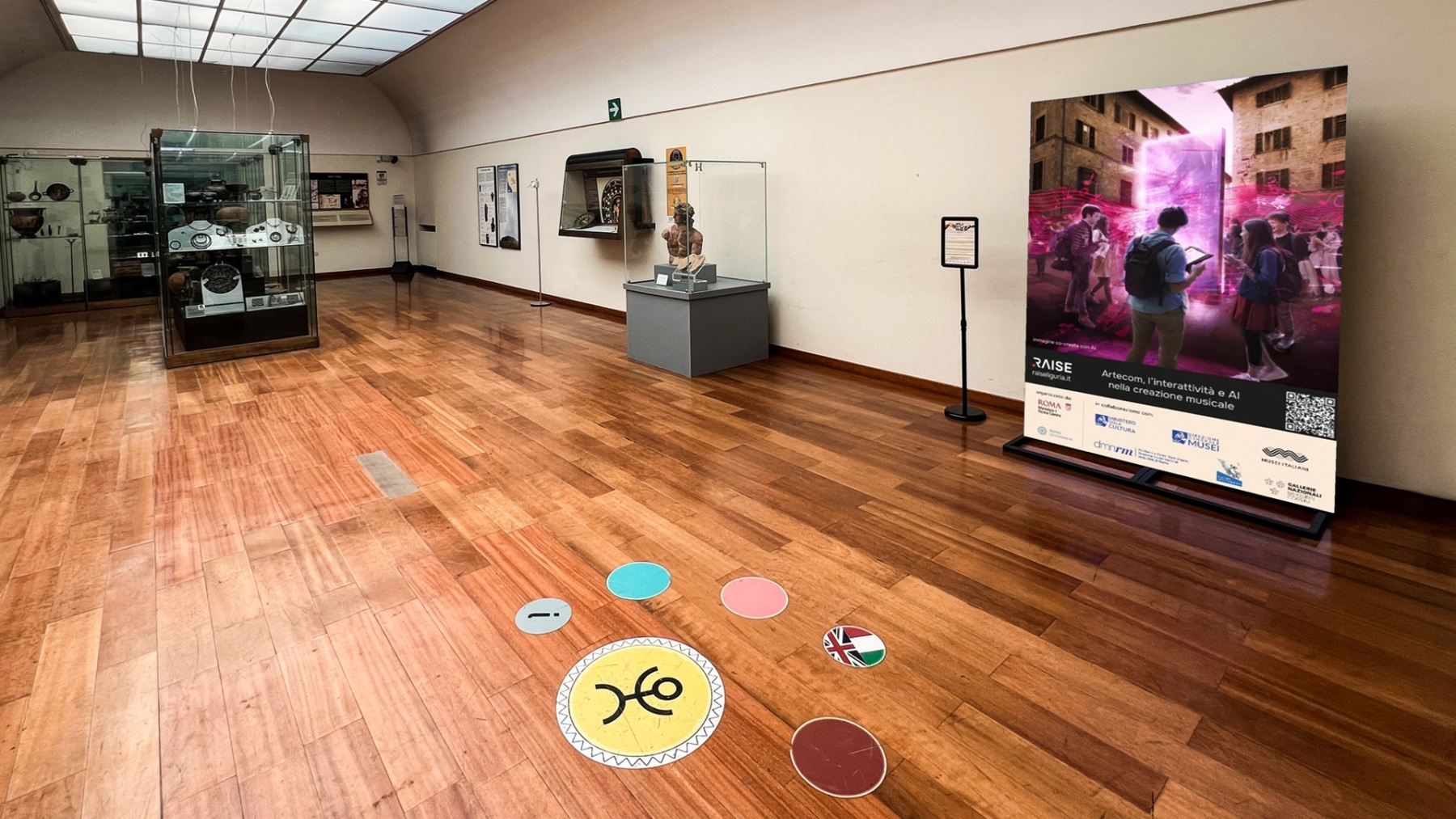
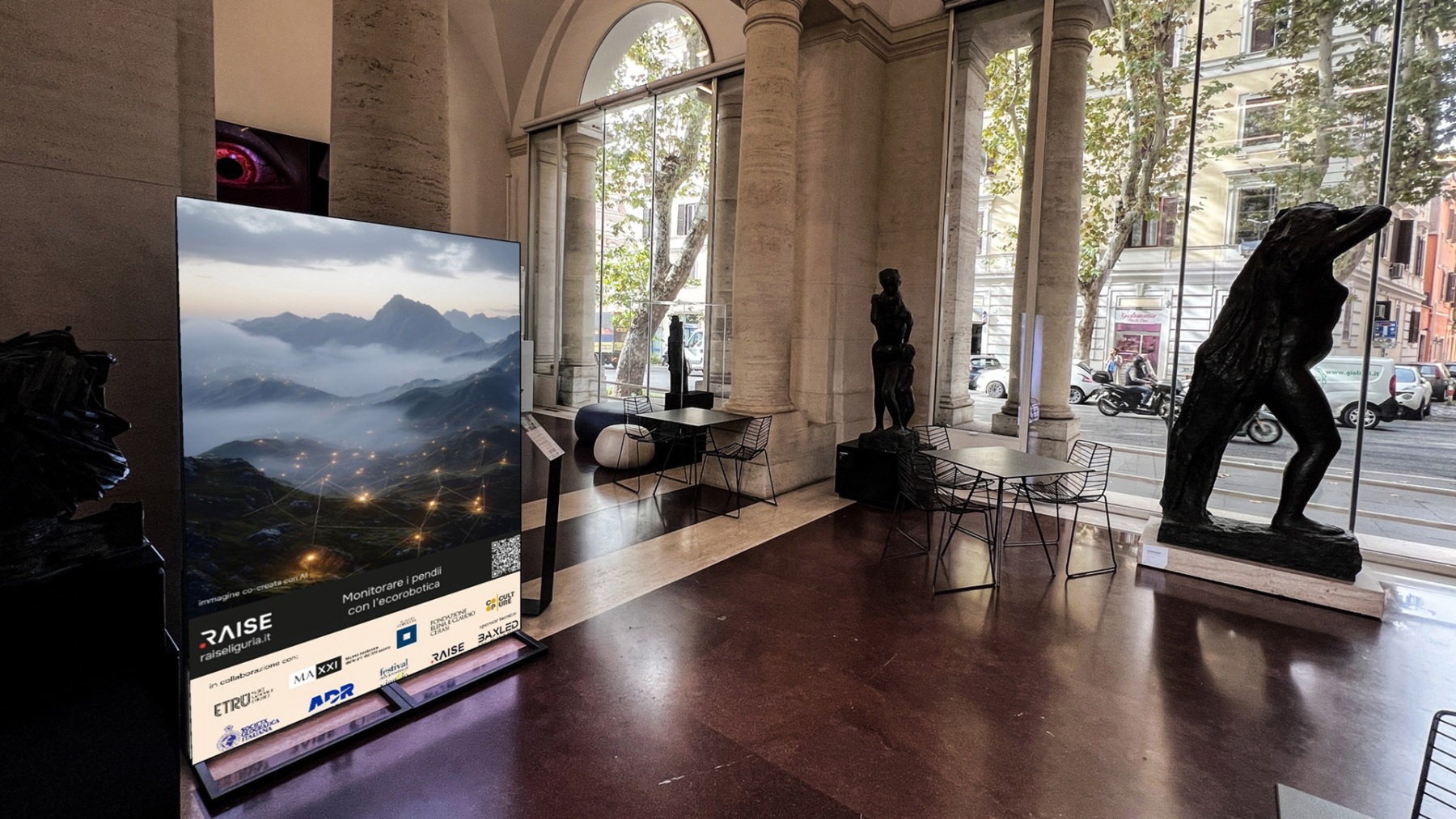
RAISE is once again a key player at the 2025 edition of Roma Fotografia Future, the cultural event directed by Maria Cristina Valeri and Alex Mezzenga which is taking place in some of the most important sites and museums of Rome, from Castel Sant’Angelo to MAXXI – National Museum of 21st Century Arts, from the National Etruscan Museum of Villa Giulia to Palazzo Barberini and Palazzo Merulana.

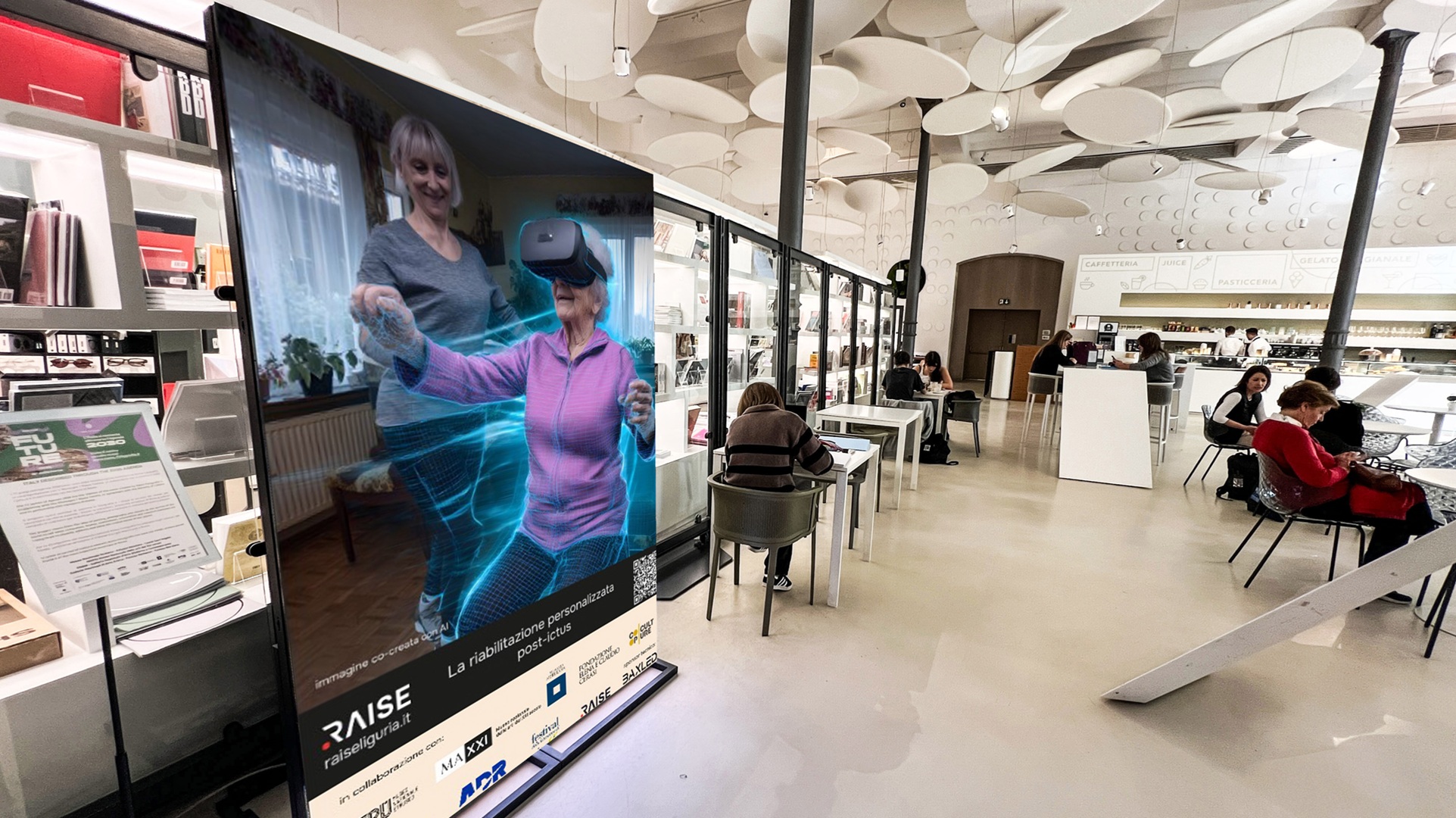
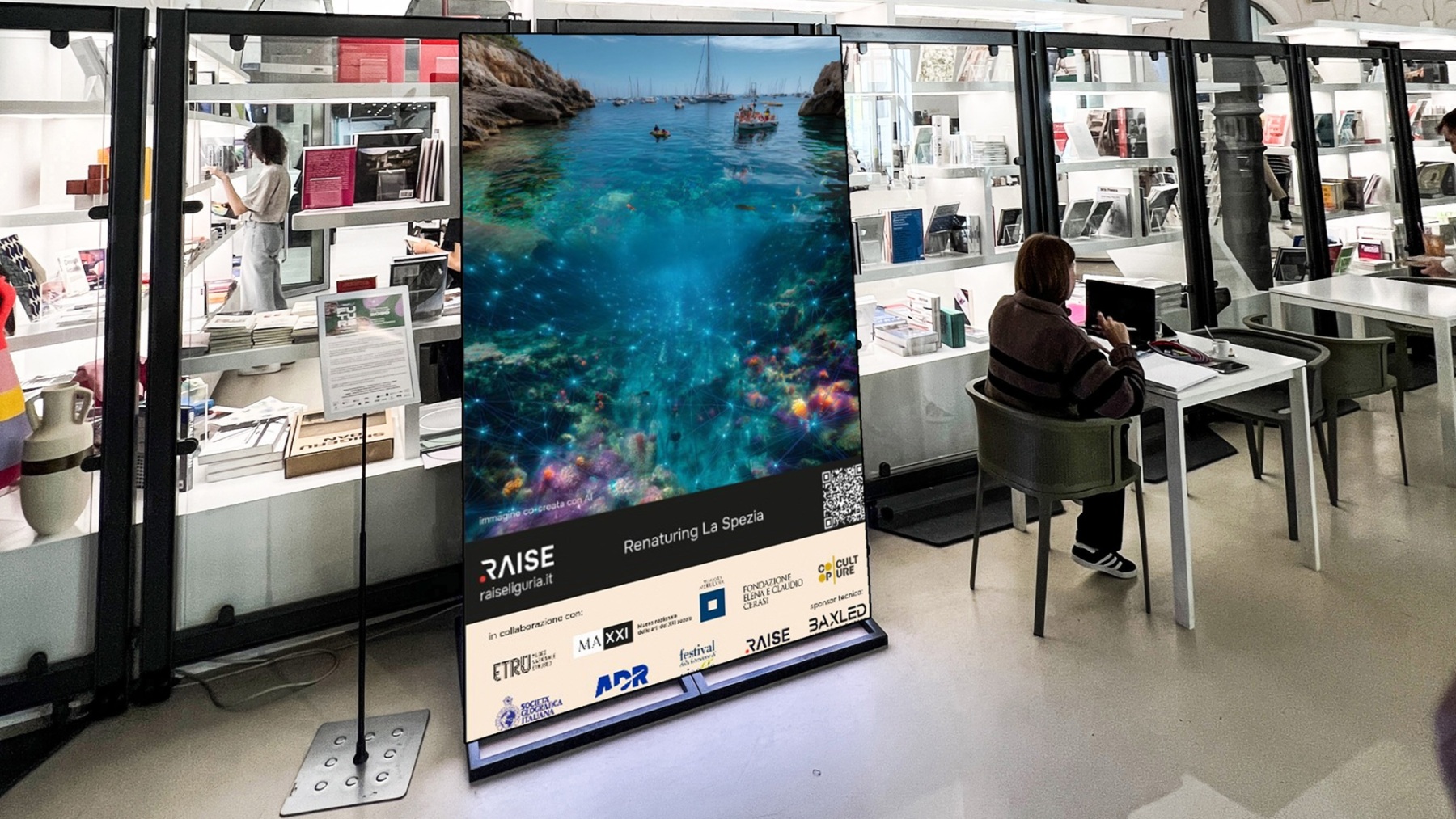
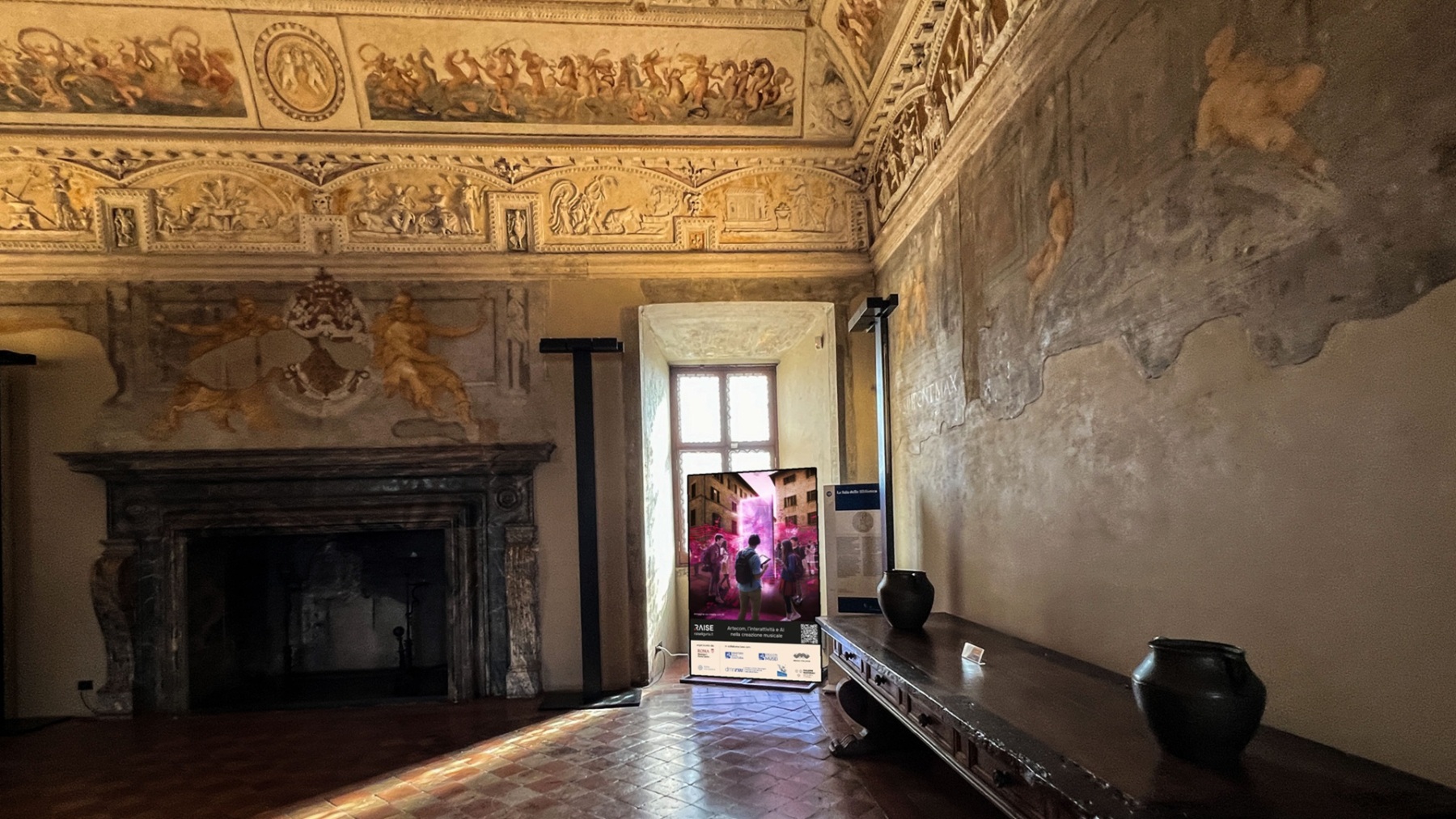
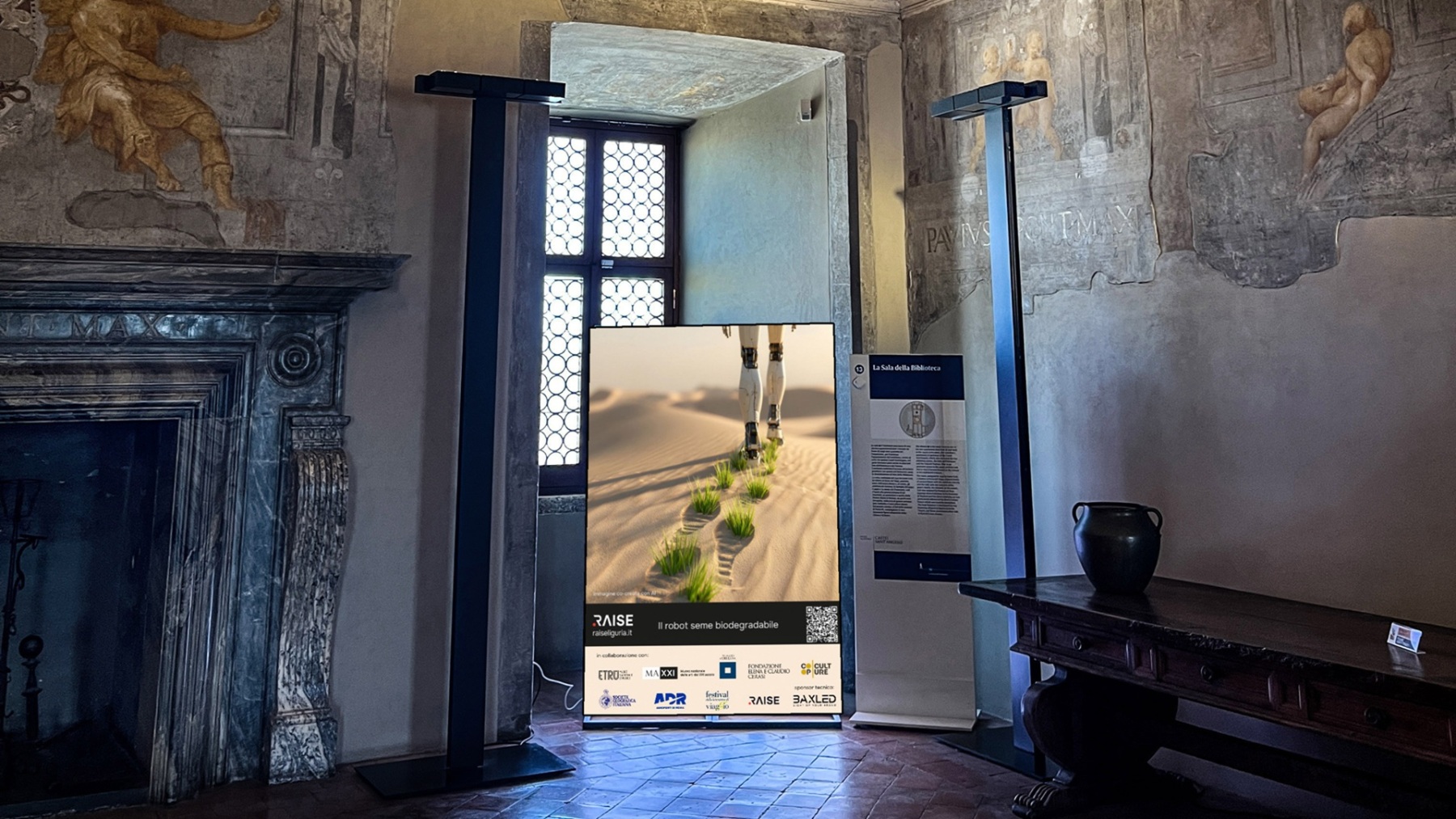
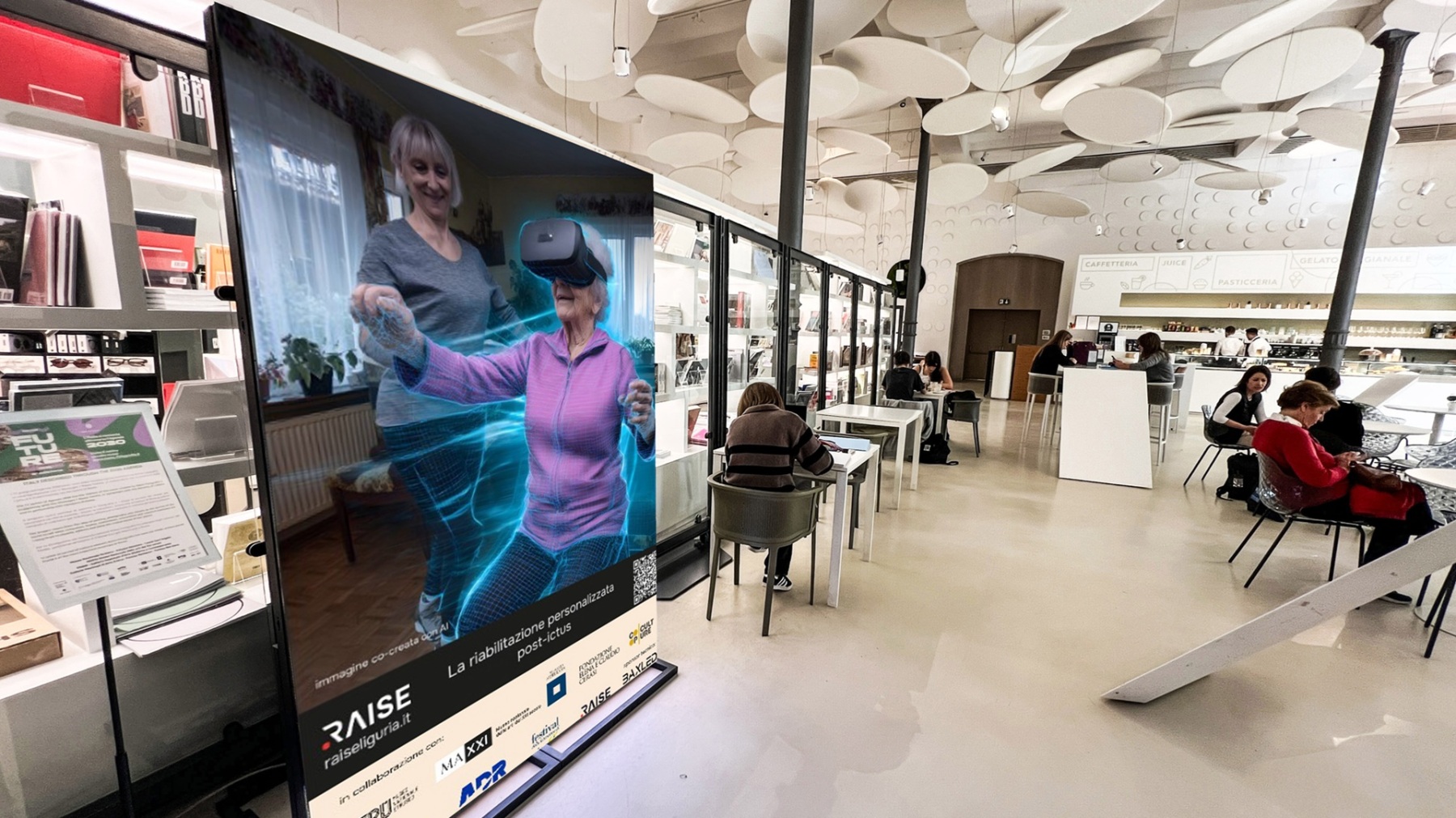
These different location are hosting, up to November 30th, led panels featuring photo and video projections collected by various partners: a stream of images selected with the aim of engaging the public in a dialogue on themes such as innovation, environment, technology, well-being, sports, robotics, and much more—offering a journey through the challenges and possibilities of our time.

Among the selected contributions is RAISE THE FUTURE, the innovative digital exhibition that – through a series of AI co-created images – offers an overview of the RAISE project’s areas of interest. With strong visual impact, it highlights future and potentially achievable activities that, thanks to the project, could soon become reality. Delicate yet powerful images flow across large luminous panels, depicting scenarios where advanced robots and increasingly efficient machines support humans in precision agriculture, intelligent logistics, environmental protection, monitoring of at-risk areas, safeguarding of artistic heritage, as well as entertainment, leisure, quality of life and work in smart cities, caregiving for the elderly or vulnerable, and more.

RAISE THE FUTURE was also hosted at the 2024 edition of the Roman event : this year, the exhibition extends to additional locations of te Roma Fotografia Future event, so to reach an even broader audience.

Roma Fotografia Future is a co-designed event with Municipio I Roma Centro, organized under an agreement with the Italian Ministry of Culture and in collaboration with ADR – Aeroporti di Roma.

“Once again this year, the event will take place among some of the most visited locations of the city of Rome, inviting to discover them with new eyes”, stated Maria Cristina Valeri, President of Roma Fotografia. “Yet, at the center of the exhibition is the human being, as the theme of this third edition – ‘Relationships’ – suggests”.

The exhibition was inaugurated on Saturday, September 27th at the Italian Geographical Society (Villa Celimontana) as part of the Travel Literature Festival – where photojournalists Luciano del Castillo and Alex Mezzenga organized the event “Reflections on Photojournalism”- and it will be available until November 30th. Several in-person events, including a conference organized by RAISE on November 28th at the MAXXI Museum- will enrich the overall programme.

RAISE THE FUTURE offers an intriguing opportunity to reflect on the potential of digital technologies to convey the methodologies and goals of science, exploiting the challenge posed by new AI tools through an innovative approach to science communication. While the co-design process involved the entire RAISE project community, the exhibition was created by a multidisciplinary team including researchers, technologists, and creatives from CNR-IAS and CNR-ITD, in a collaborative effort that brought together diverse skill, along with the support of the scientific Spokes. The image selection was made by the Spoke 5 Communication Team, under the direction of Marco Faimali.

The exhibition catalog is available at this link.
RAISE at MEDFEST25: innovation for the Mediterranean’s future

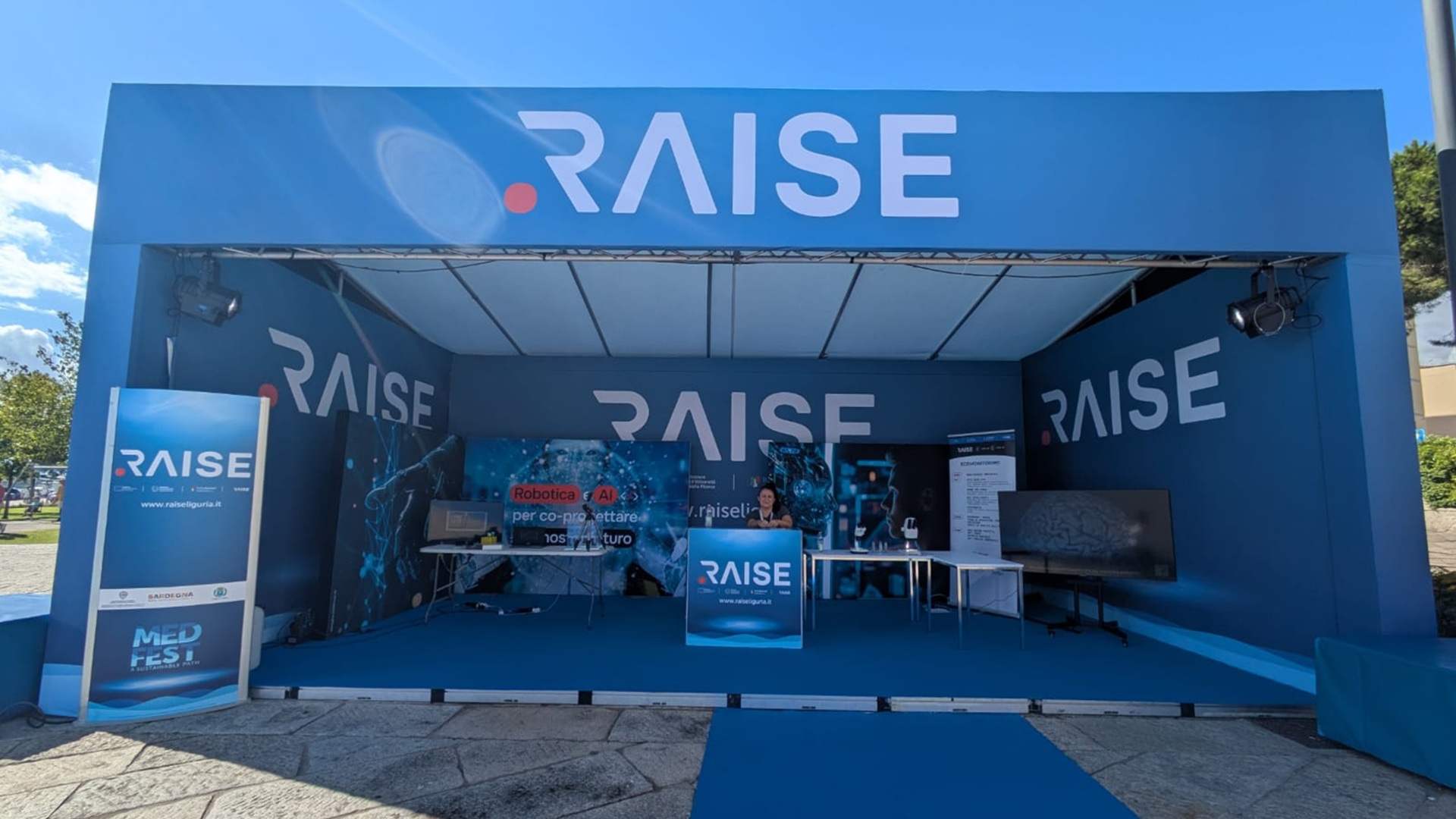
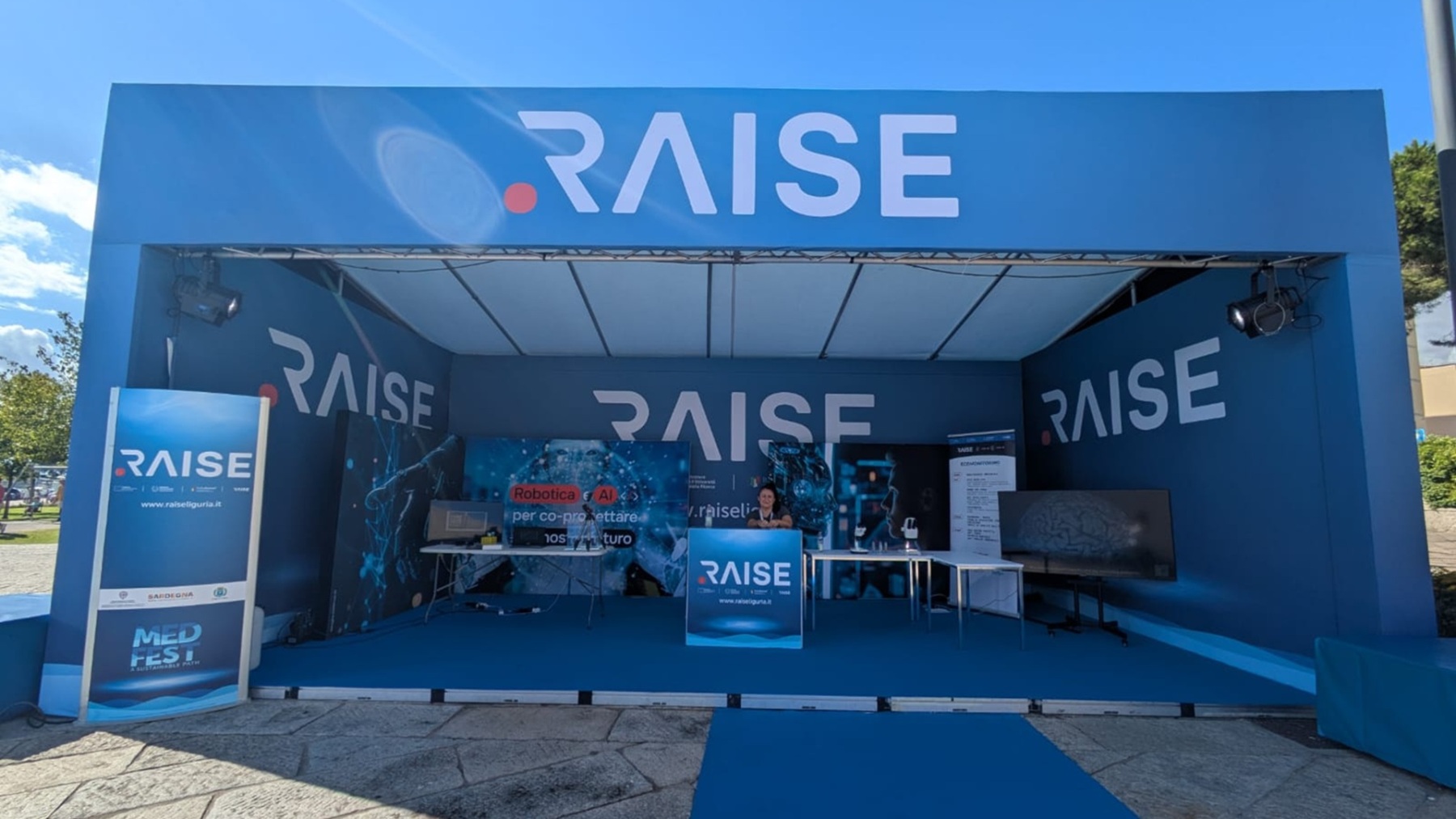
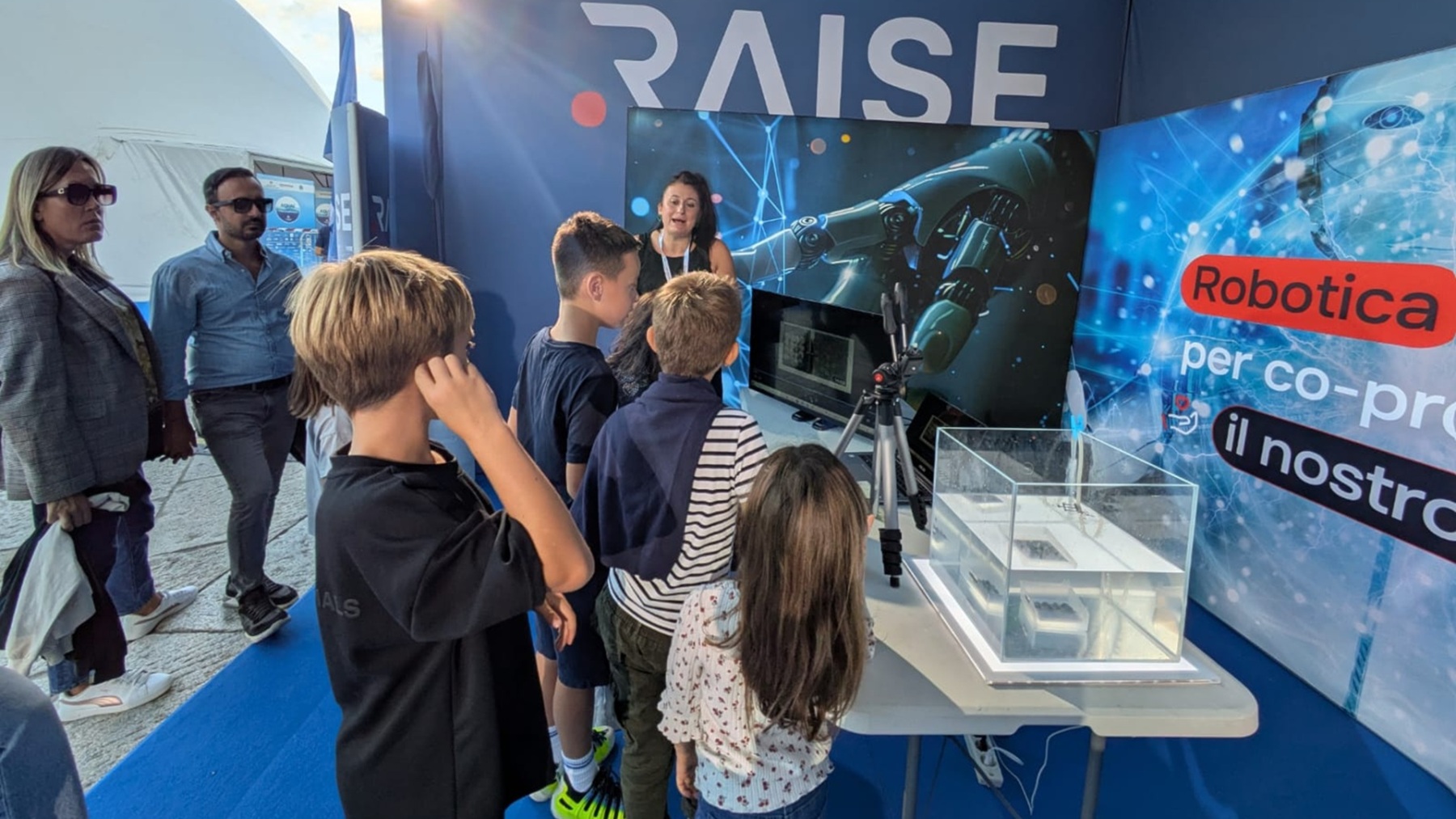
RAISE took part in MEDFEST25, held in Olbia from 25 to 28 September, presenting a thematic booth dedicated to the Ecosystem, with a focus on the technological demos of Spoke 3 for environmental protection, as well as a round table on the challenges and opportunities of technological innovation for the Mediterranean.
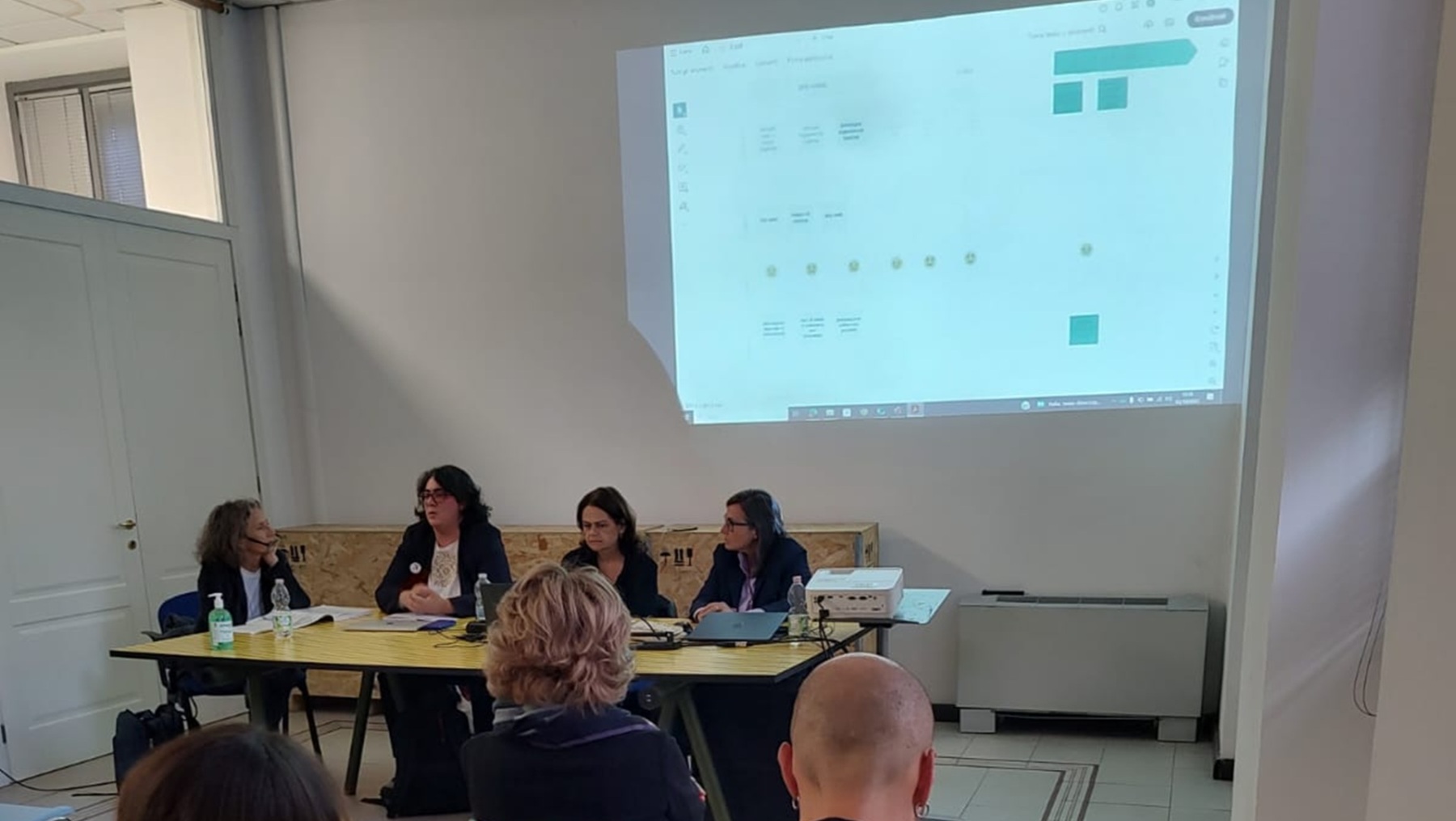
The presence at the festival made it possible to show the public and economic operators how the RAISE ecosystem is developing advanced solutions in robotics and artificial intelligence, capable of combining sustainability, economic growth, and improvements in quality of life.

The exhibition booth offered an interactive journey through RAISE’s latest applications in the field of eco-robotics and technologies for the protection of natural resources. Visitors had the chance to engage directly with researchers, gaining insight into the potential use of innovative solutions for the management of air, water, and soil. The initiative provided a concrete opportunity for outreach and technology transfer, highlighting the role of RAISE as a bridge between scientific research, industrial applications, and social impact.

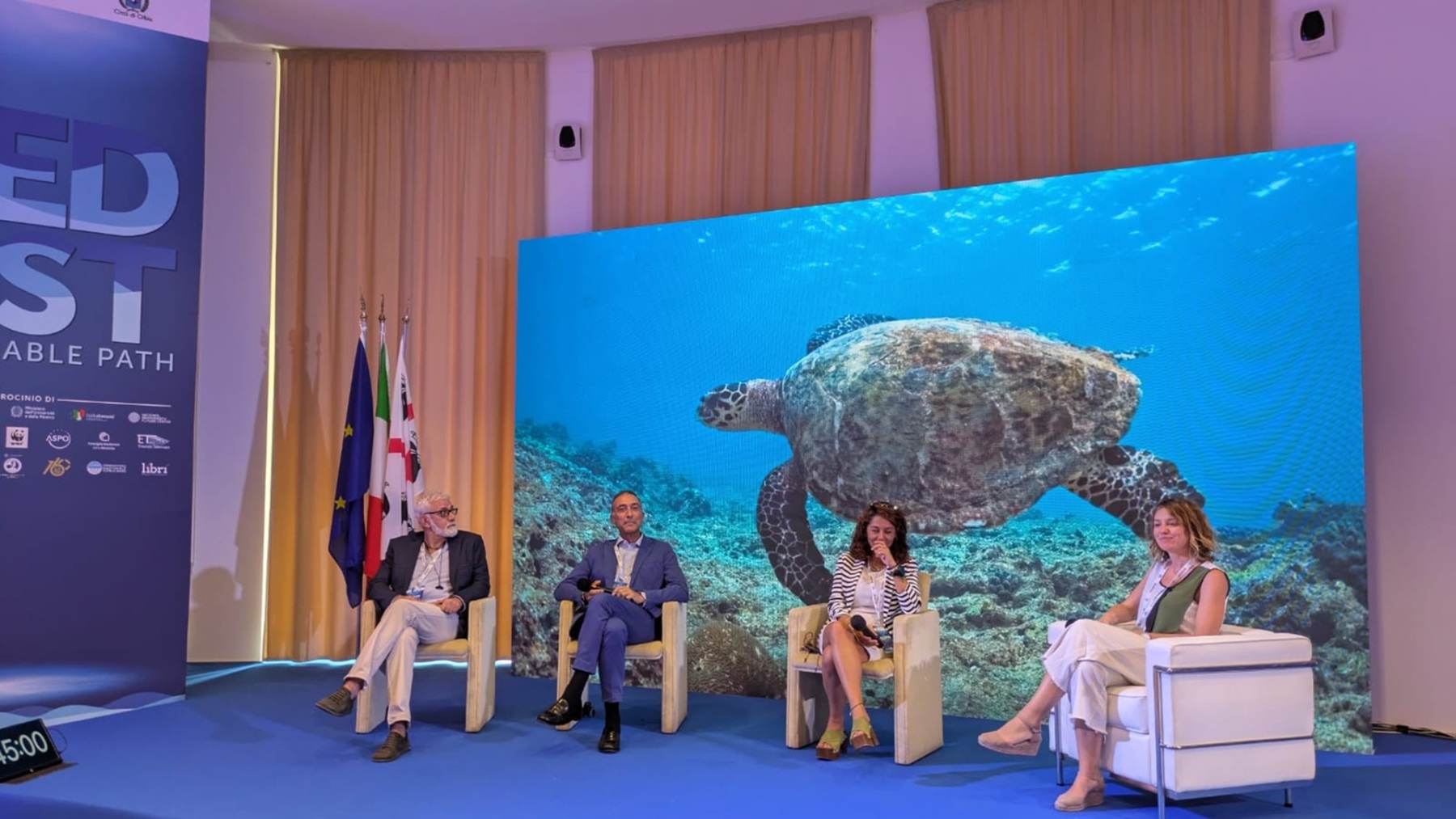
On 25 September at 3:30 pm, the round table “An ecosystem to support our technological future” took place, organized by RAISE and moderated by Massimo Labra (University of Milano-Bicocca and Director of NBFC). The discussion featured Silvia Biasotti (CNR-IMATI), Giulia Bodo (IIT), Marco Faimali (CNR-IAS), Francesca Garaventa (CNR-IAS), and Ilaria Zanardi (CNR-IAS). The meeting explored the Ligurian model for the development of robotics- and AI-based solutions, designed to support the management of cities and ports, improve healthcare services, and contribute to the safeguarding of the Mediterranean’s natural heritage.

The debate revolved around RAISE’s five strategic areas of intervention: inclusive and accessible urban technologies, advanced healthcare assistance, eco-robotics for environmental protection, smart and sustainable ports, and pathways for knowledge transfer. Participation in MEDFEST represented a key step in showcasing these achievements and strengthening dialogue with institutions, businesses, and citizens.

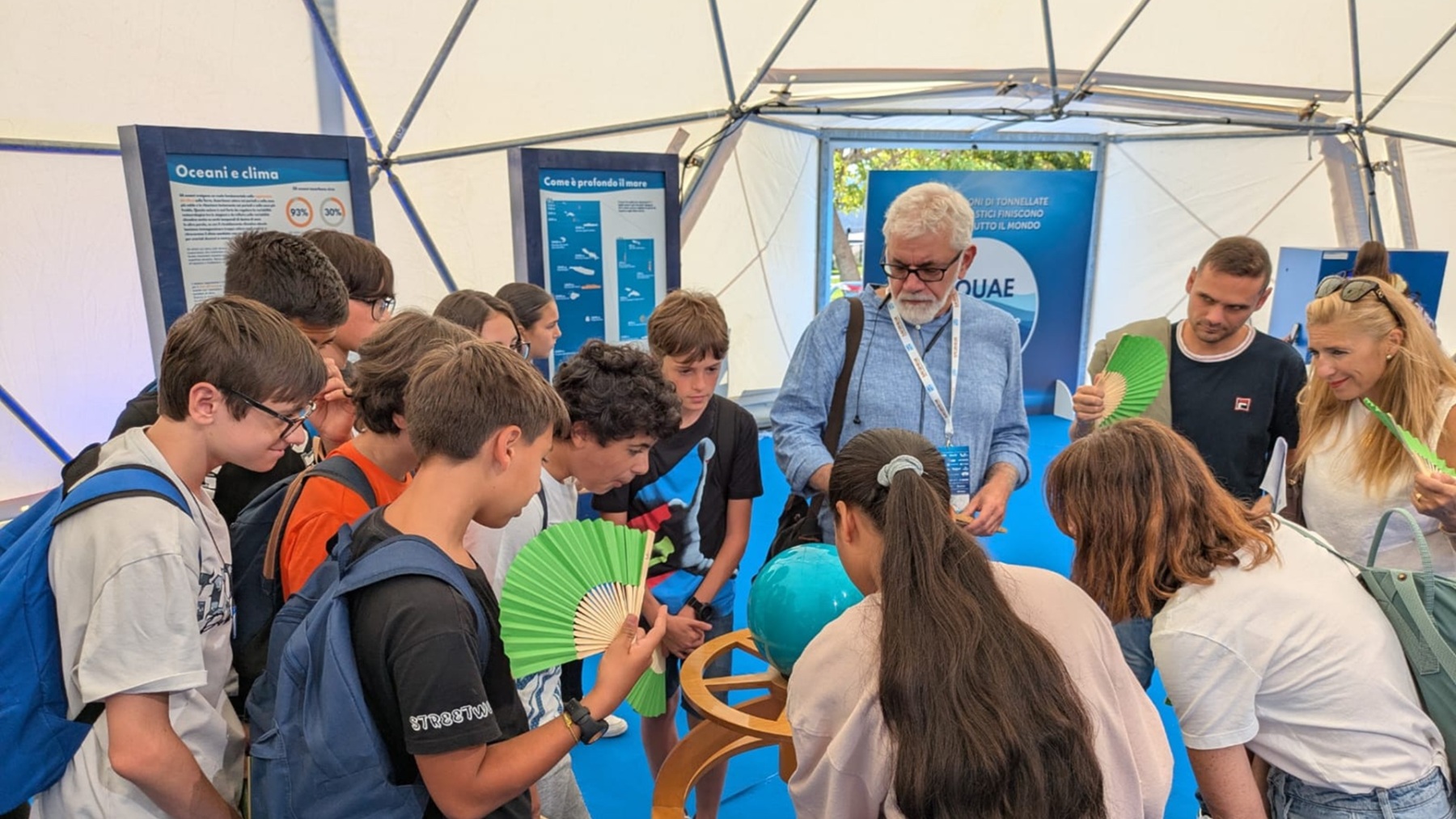
The festival also offered visitors the chance to explore the exhibition “Aquae”, organized by the National Research Council (CNR). The exhibition guided the audience on an immersive journey through the marine environment, emphasizing the essential role of the oceans: regulating the climate, preserving extraordinary biodiversity, supporting millions of people, and carrying the majority of global trade. Through experiments, models, video installations, and high-definition images, CNR illustrated the connections between sea and climate while presenting innovative technologies developed to monitor and protect marine ecosystems from the impacts of human activity.

Daniela Ropolo, Vice President of MEDFEST, underlined the value of the collaboration with RAISE and CNR: “We have confirmed a solid scientific partnership, enriching the second edition with new initiatives of great interest. The CNR’s ‘Aquae’ exhibition once again achieved significant success, attracting a large and curious audience. This year, alongside it, the RAISE booth provided an additional perspective on the potential of innovation, showing how researchers are working to build solutions that can truly shape the future of the Mediterranean. Today, innovation represents a strategic asset of the festival and a fundamental driver for the region.”

MEDFEST is an international festival dedicated to Mediterranean culture, science, and innovation. Established to promote the value of the region’s natural and cultural heritage, the event offers each year a rich program of talks, exhibitions, workshops, and debates involving researchers, institutions, businesses, and citizens. Its goal is to foster dialogue between different fields of knowledge and communities, raise awareness of the Mediterranean’s importance, and encourage the dissemination of innovative solutions to address the region’s environmental, social, and economic challenges.

Finaziato dall'Unione Europea Ministero dell'Università e della Ricerca Italia Domani Raise