The RAISE Open Data Platform is now online

The new Open Data Platform is now available on the RAISE website – a digital space designed to make research data more accessible, understandable, and usable. With this release, RAISE takes a concrete step toward a model in which data drives innovation, collaboration, and shared growth.

The platform brings together a broad and diverse body of information in a single access point. More than 300 resources—primarily datasets—showcase the project’s activities across multiple application domains: from marine wave monitoring to biomedical data such as ECGs, from urban mobility information to environmental measurements collected by weather stations, as well as experimental results from a variety of research contexts. This diversity provides a cross-cutting and integrated view of the expertise and technologies developed within the RAISE ecosystem.

At the core of the initiative is a clear choice: to recognize data as a strategic asset and promote its open and responsible management. Each resource is accompanied by accurate, standardized metadata describing its origin, characteristics, and potential uses. This framework ensures alignment with FAIR principles and facilitates both access and reuse, even for non-specialist users.

The platform experience is built around features that simplify content exploration and discovery. Search and filtering tools enable users to quickly navigate the available resources, while an intuitive interface provides immediate access to information. In addition, dedicated collaborative environments for the project’s spokes foster exchange among researchers, institutions, and stakeholders, supporting the development of new synergies.

The Open Data Platform is part of a broader ecosystem of services that defines the RAISE approach. Integration and complementarity guide the development of tools for technology transfer, training, and community engagement. In this context, Virtual Research Environments offer further opportunities by providing spaces to analyze data, develop applications, and experiment with new solutions.

The technological infrastructure is based on D4Science by the National Research Council, an internationally established ecosystem that supports thousands of users through collaborative research environments. This enhances the platform’s reliability and scalability, while ensuring continuity and openness to future developments.

With the launch of the Open Data Platform on the RAISE website, the ecosystem is enriched with a tool that facilitates connections between data, expertise, and opportunities. The availability of these resources enables new forms of collaboration and contributes to generating long-term value for research, innovation, and society.

RAISE: training for territorial development

The RAISE Training Program, as a whole, has strengthened the role of education as a driver of territorial innovation. The activities created connections between research, institutions and society, disseminating strategic skills and fostering a shared technological culture. The project has contributed to making Liguria a dynamic laboratory where knowledge, experimentation and application point the way towards sustainable, future-oriented development.

The Training Program offered advanced training pathways to students, PhD candidates, researchers, teachers, SME professionals and Public Administration staff. The program was structured into eight projects, differentiated by content, duration and target groups, in order to address specific training needs in a targeted way.

Data from the Training Program implemented by RAISE within the framework of Spoke 5 clearly demonstrate the capacity of the Ligurian ecosystem to translate vision and research into widespread skills, broad participation and measurable outcomes. The pathways dedicated to artificial intelligence and robotics involved academic communities, public administrations, schools and professionals, strengthening a territorial fabric that recognizes innovation as a concrete lever for development.

The initiative delivered 973 hours of activities, including online training and in-person events, and reached 7,673 participants. The digital component attracted 5,741 individuals, while workshops and local events involved an additional 1,959 attendees, creating opportunities for direct exchange and knowledge transfer. The educational model, hosted on the Moodle platform, enhanced interaction, personalization and experiential learning through short learning units, multimedia content and continuous assessment tools.

University students and public administration employees formed the core of participation, accounting for 42% and 43% respectively. Teachers, PhD candidates, master’s students and SME employees contributed to a broad and interdisciplinary training ecosystem. The participant profile shows a strong presence of high school graduates and university degree holders, reflecting a highly motivated audience eager to strengthen both digital and transversal skills.

The impact of the program is clearly reflected in the results: 2,308 online courses completed and 1,936 Open Badges issued, linked to the skills developed. Students from the University of Genoa, representing 65 different academic programs, included 1,591 RAISE courses in their study plans, confirming full integration between project-based training and formal education. Female participation reached 52% of the total, exceeding expected targets and confirming the project’s commitment to gender balance in technological disciplines.

Among the individual pathways, P4 (Basic AI & Robotics Skills at University Level) – dedicated to developing basic skills in artificial intelligence and robotics for university students and interested citizens – stood out for the breadth and continuity of engagement. The program recorded nearly 4,000 participants, 1,659 courses completed and 965 Open Badges issued. The inclusion of modules in academic study plans encouraged steady participation and strengthened the link between RAISE training and academic careers.

P5 (AI for Public Administration), aimed at strengthening public employees’ ability to adopt innovative technologies in urban, healthcare, environmental and port sectors, had a significant impact on public administration. More than 1,000 participants and the involvement of 313 administrations, including public bodies, municipalities, healthcare organizations and cultural institutions, testify to the relevance of this pathway in supporting the digital transformation of public services.

P1 (RAISE Knowledge Transfer and Entrepreneurship Academy), focused on technology transfer, intellectual property and deep-tech entrepreneurship, supported researchers and professionals in developing skills to enhance the value of research results.

P3 (Officinae RAISE), designed as an advanced pathway in design thinking, business modeling and scientific storytelling applied to robotics and AI, engaged graduate students and PhD candidates in intensive, collaborative experiences.

P6 (Basic AI & Robotics Skills for Secondary Schools) promoted a community of practice in artificial intelligence and robotics through teacher training, student laboratories and the development of educational materials, contributing to the dissemination of technological knowledge from the early stages of education.

The programs targeting SMEs, P2 (Basic AI & Robotics Applications for SMEs) and P7 (Advanced AI & Robotics Applications for SMEs), pursued the goal of fostering the adoption of AI- and robotics-based solutions in local companies’ production and management processes. Engaging the business target required tailored engagement strategies, yet still activated interested participant groups, particularly through in-person meetings, round tables and networking opportunities.

P8 (Boosting PhD Students’ Careers), designed to support PhD candidates in developing scientific and transversal skills and to facilitate their entry into the job market, offered modules on open science, research communication and grant writing, recording growing participation and a steady production of Open Badges.

Cristina Battaglia, RAISE Programme Manager
“From its very beginning, the RAISE ecosystem has invested in training in robotics and artificial intelligence, designing and implementing a rich and diversified program. Participant numbers and feedback collected have confirmed the importance and strategic value of developing and consolidating skills in RAISE’s core areas. Through the Training Program, the RAISE ecosystem has helped strengthen the conditions for the development of a high-knowledge-intensive and competitive economy, in line with the objectives of Mission 4 of the National Recovery and Resilience Plan (PNRR), which identified key challenges such as the skills mismatch between education and labor demand, the limited demand for innovation and highly qualified human capital from businesses, and the insufficient integration of research results into the productive system.”

Nicoletta Buratti, Head of the RAISE Training Program
“Since the design phase of RAISE, great attention has been given to training, considered a fundamental element of the technology transfer program. The objective of the RAISE Training Plan immediately appeared ambitious and challenging: to contribute, through targeted pathways, to the dissemination of knowledge aligned with the challenges posed by a constantly evolving context, in which artificial intelligence and robotics play a key role throughout the entire innovation process—from generation to dissemination, including concrete technology transfer initiatives. Each target group was offered a specific pathway based on a blended formula combining digital content delivery with moments of meeting, discussion and sharing, with the dual aim of enriching individual skills while simultaneously facilitating, through networking, the creation of a community of innovation enthusiasts. There is still much to be done, but the results achieved are encouraging and lead us to believe that it is both possible and necessary to continue in this direction.”

For more information on the results of the training program, click here.

RAISEmotion: art and science take the stage in Genoa

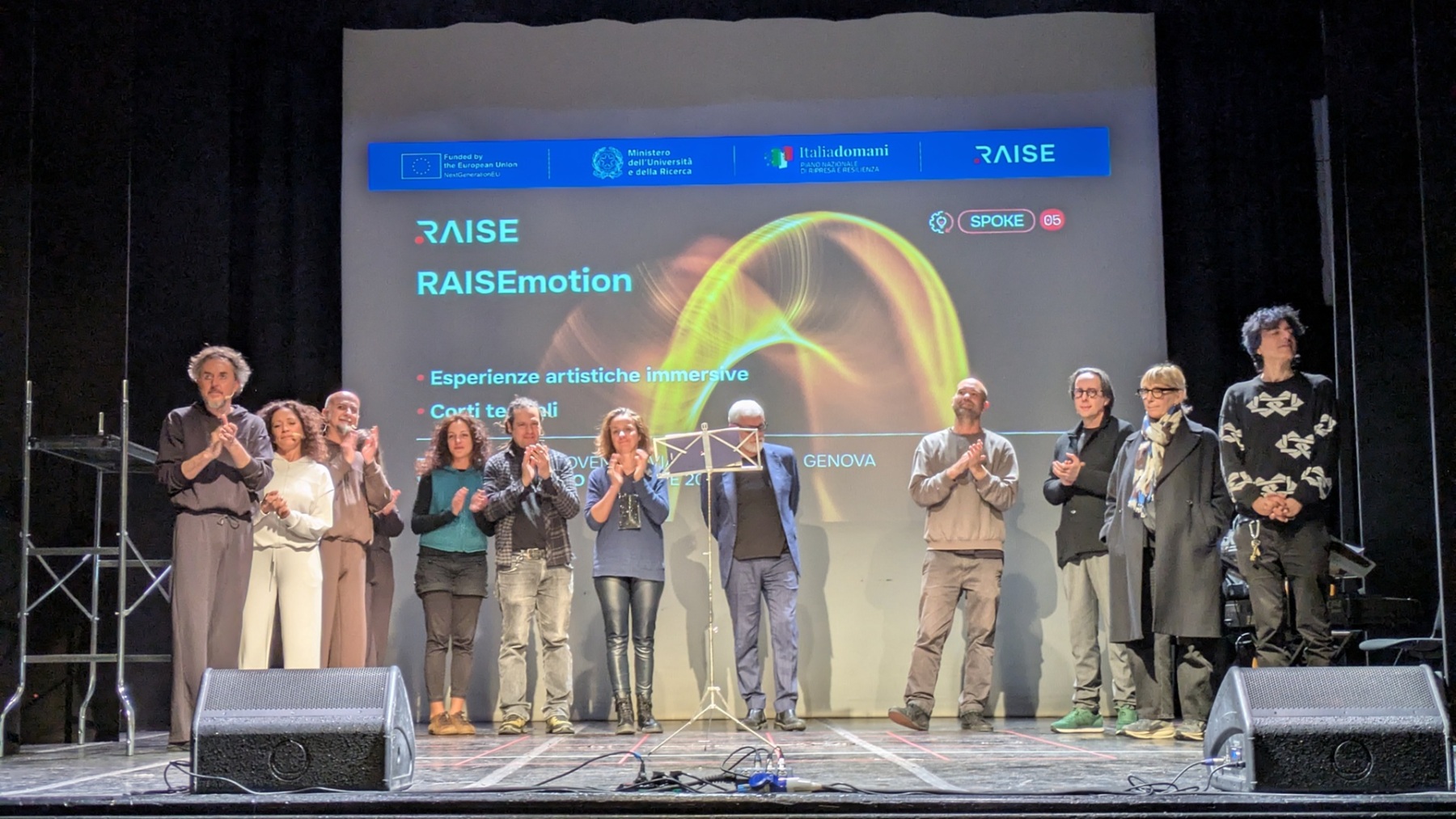
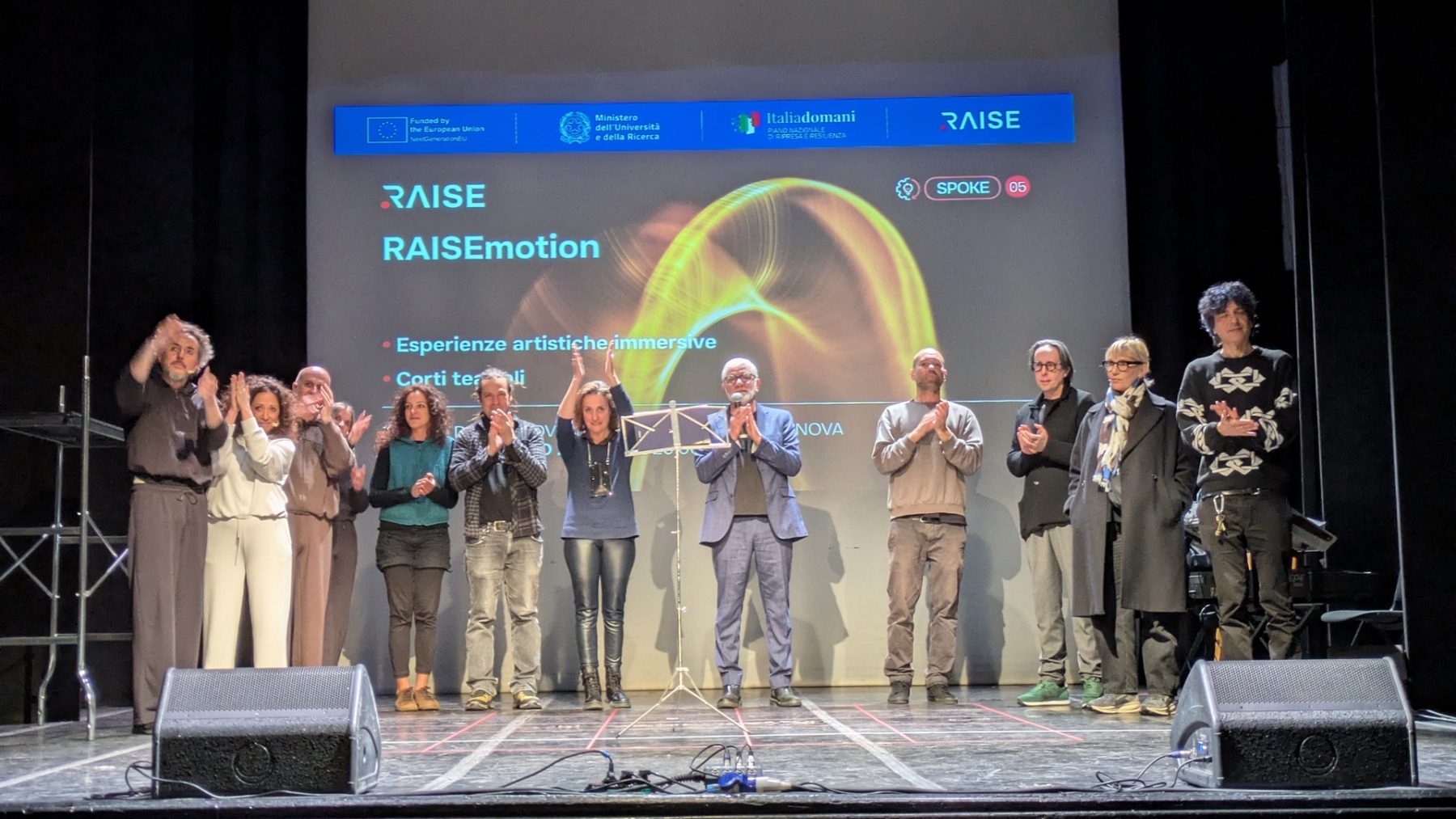
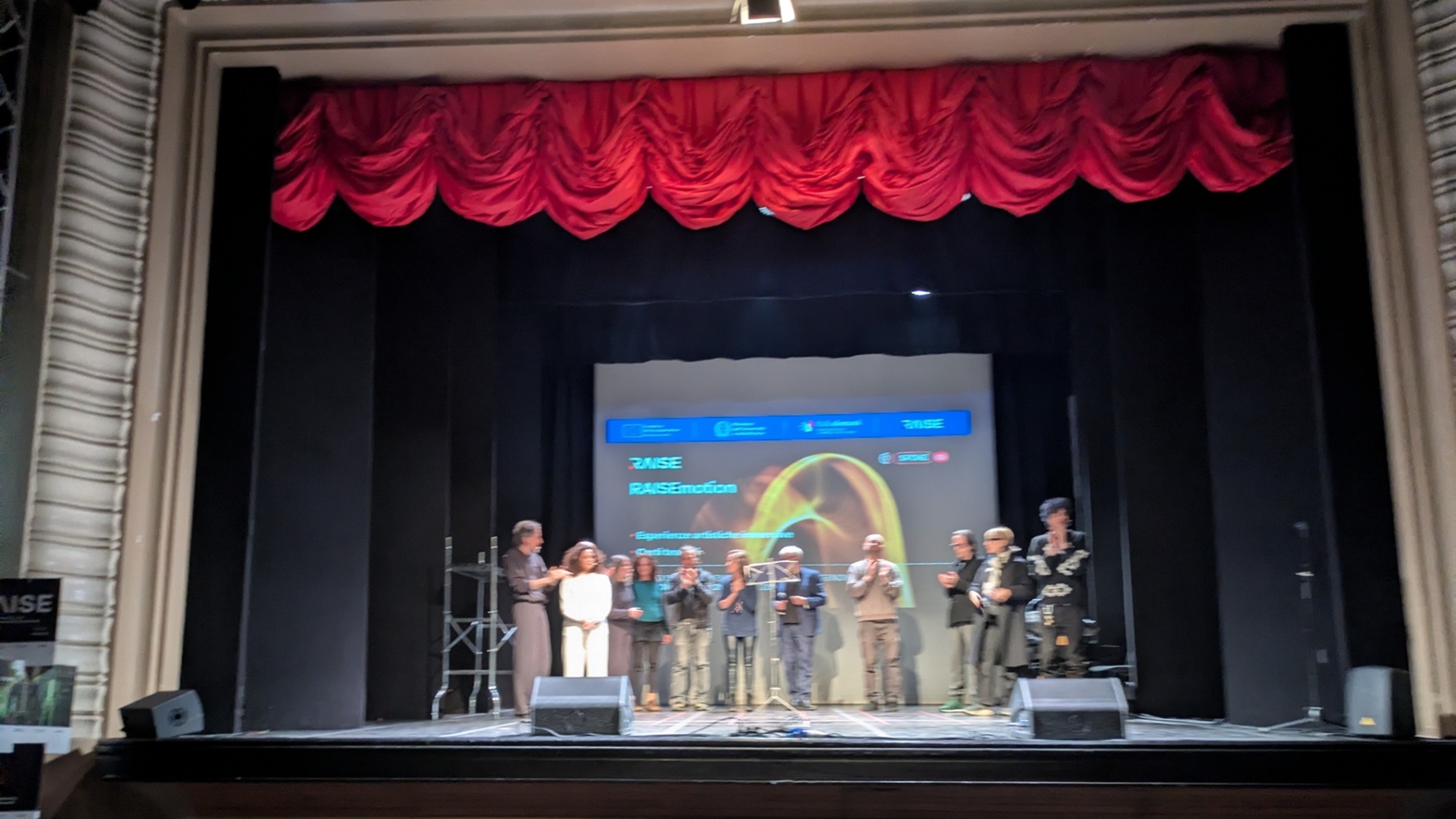
On Friday, March 27 at 8:00 PM, the Teatro della Gioventù in Genoa hosted the closing evening of RAISEmotion, a project that wove together contemporary creativity and scientific research within the RAISE ecosystem.

The audience took part in an immersive experience capable of translating complex content into accessible and engaging forms, through a combination of visual arts, sound, and theatre.

The evening brought to the stage the outcome of a journey developed under the scientific supervision of Marco Faimali, with contributions from the creative studio Stellare, visual artists Silvia Badalotti and Giuseppe La Spada, curatorship by Maria Pina Usai, and the participation of the theatre company La Pozzanghera, led by Lidia Giannuzzi. This dialogue across disciplines created a collective narrative in which art and science shared tools, methods, and visions.

The audience experienced a series of immersive artistic works born from direct collaboration between artists and researchers from the various Spokes of the RAISE ecosystem.

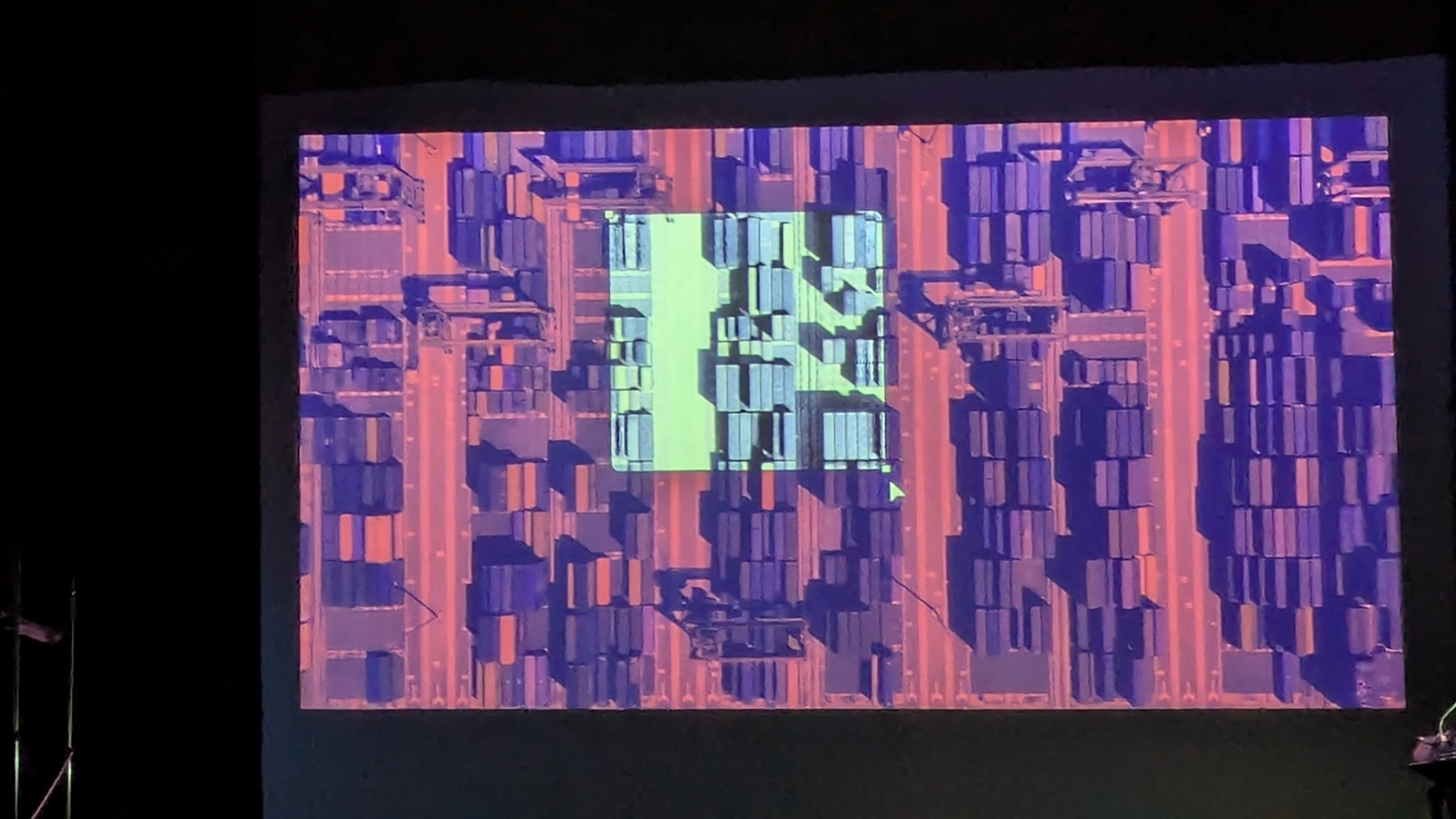
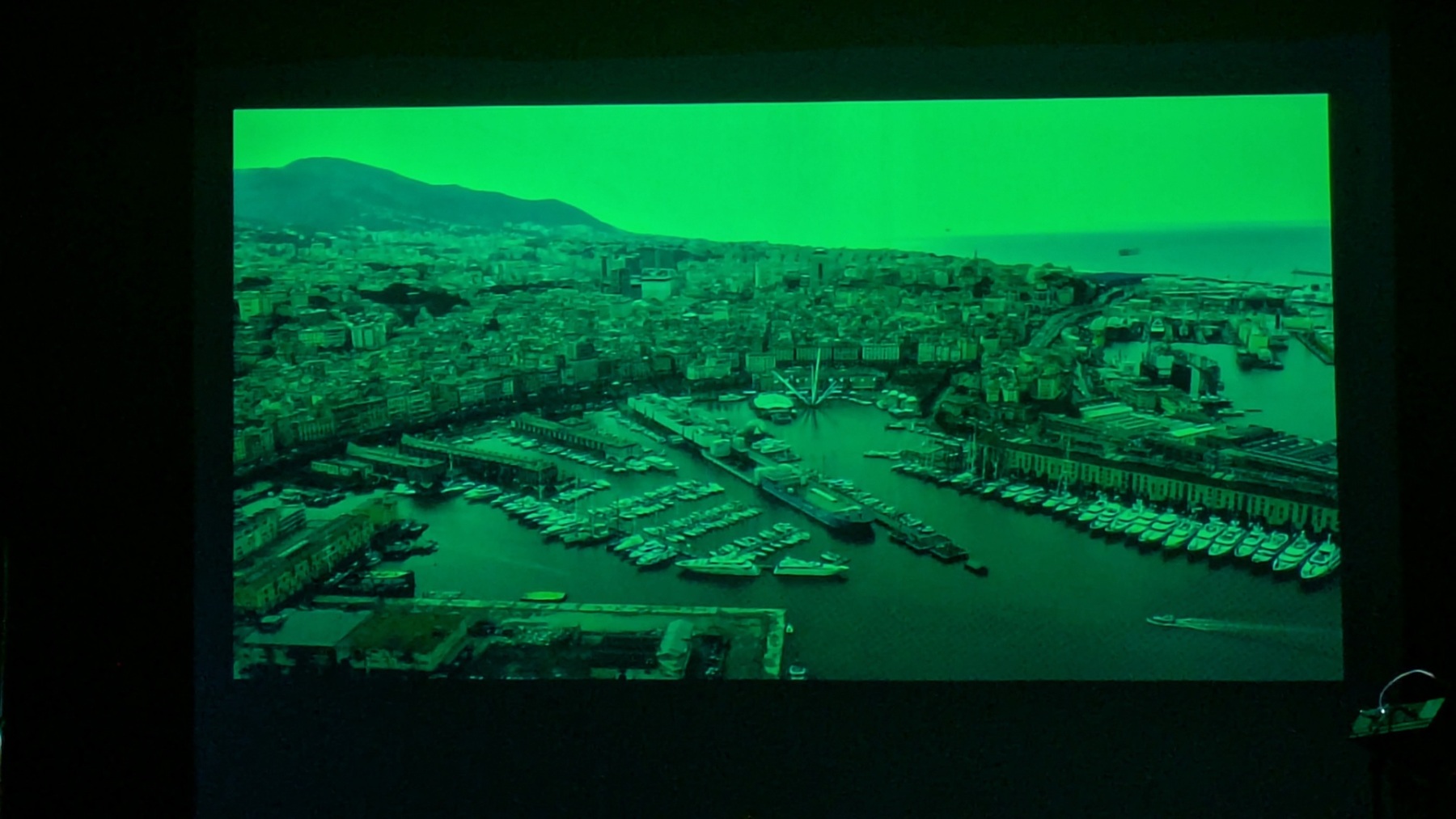
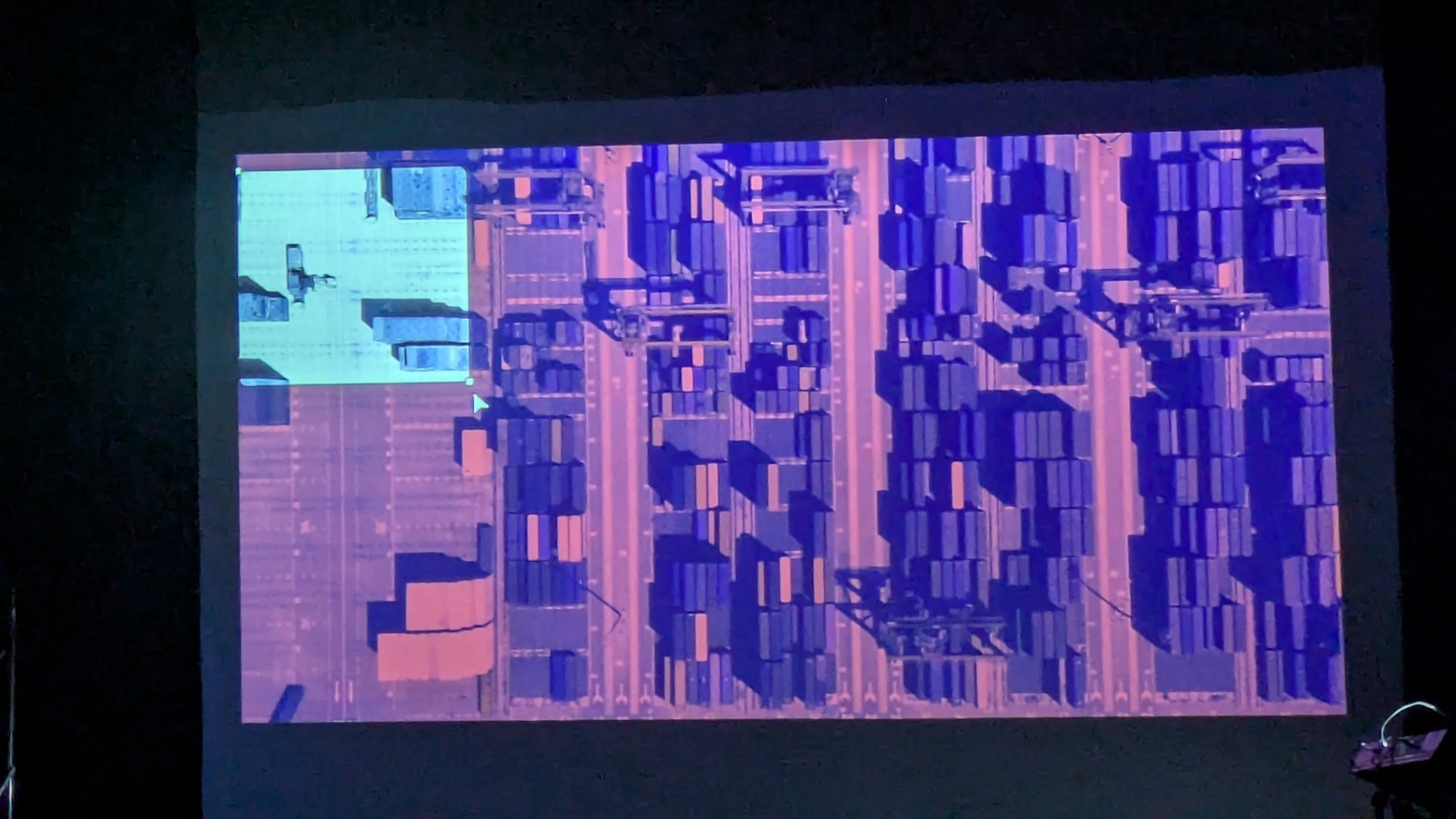
Projects developed by Stellare – with FiloQ, Ale Bavo, and Raffaele Rebaudengo – together with Giuseppe La Spada and Silvia Badalotti, transformed scientific data into ever-evolving sound and visual landscapes. Works such as In the Port / Listening Session, L’Utopie du Corps, Twins, and The Ocean Without Us offered a sensory interpretation of complex phenomena, ranging from port flows to marine microplastics, as well as urban models and digital twins.

Through the Ocean sonification software and the use of algorithmic systems and artificial intelligence, scientific datasets took on new forms, becoming sonic and visual material. Sound, image, and data interacted on the same level, creating aesthetic devices capable of making often invisible elements perceptible. The audience moved through immersive environments in which technology amplified perception and encouraged reflection on the relationships between human beings, the environment, and innovation.

“With Stellare, we are truly happy about the journey we have undertaken with RAISEmotion. This is a project that has grown with us over time and has allowed us to connect with different scientific research areas, opening up collaborations and inspirations we had not imagined at the beginning. This dialogue between music and science has deeply enriched our way of working, pushing us to explore new expressive forms,” commented Filippo Quaglia of Stellare.

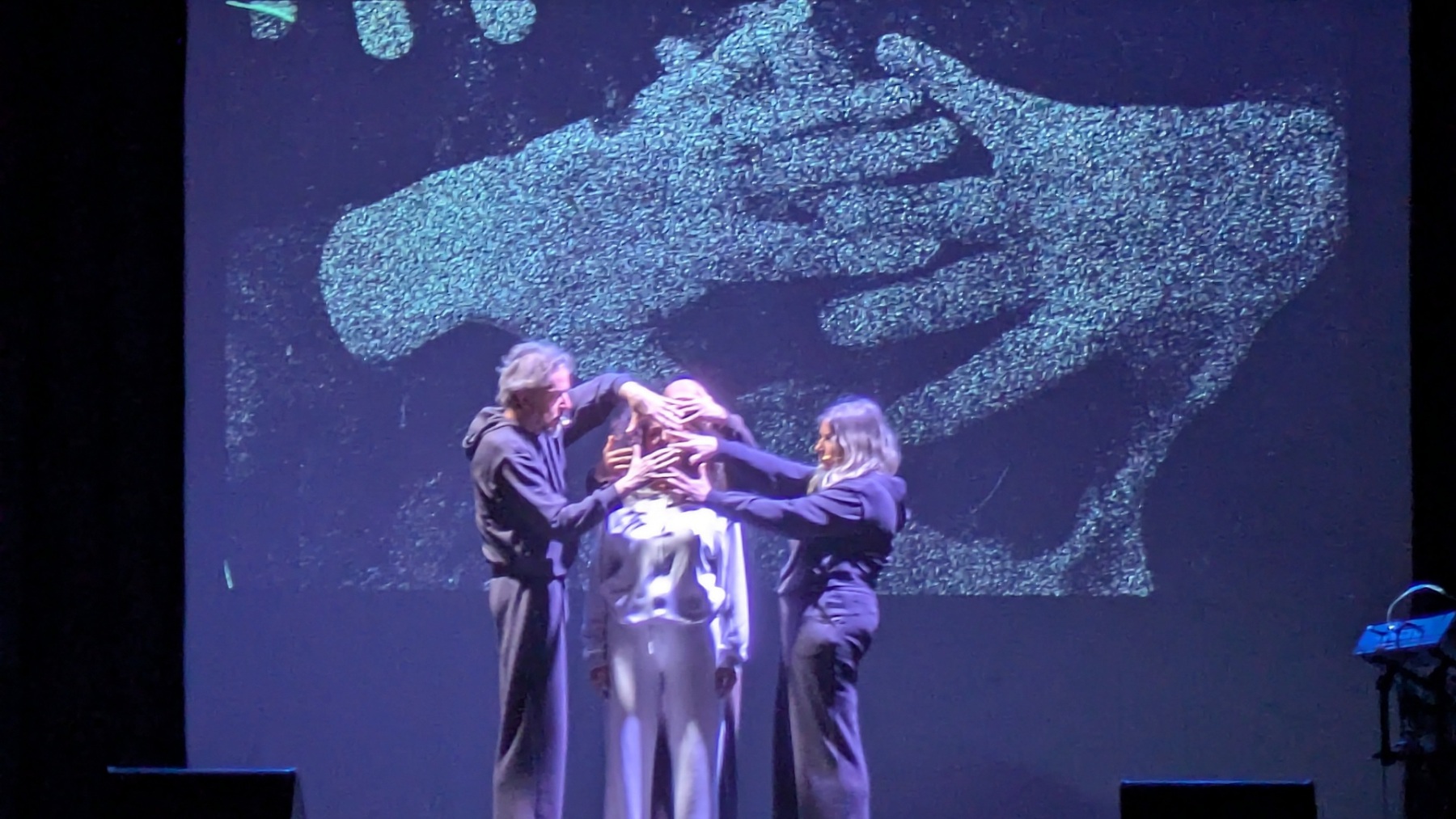
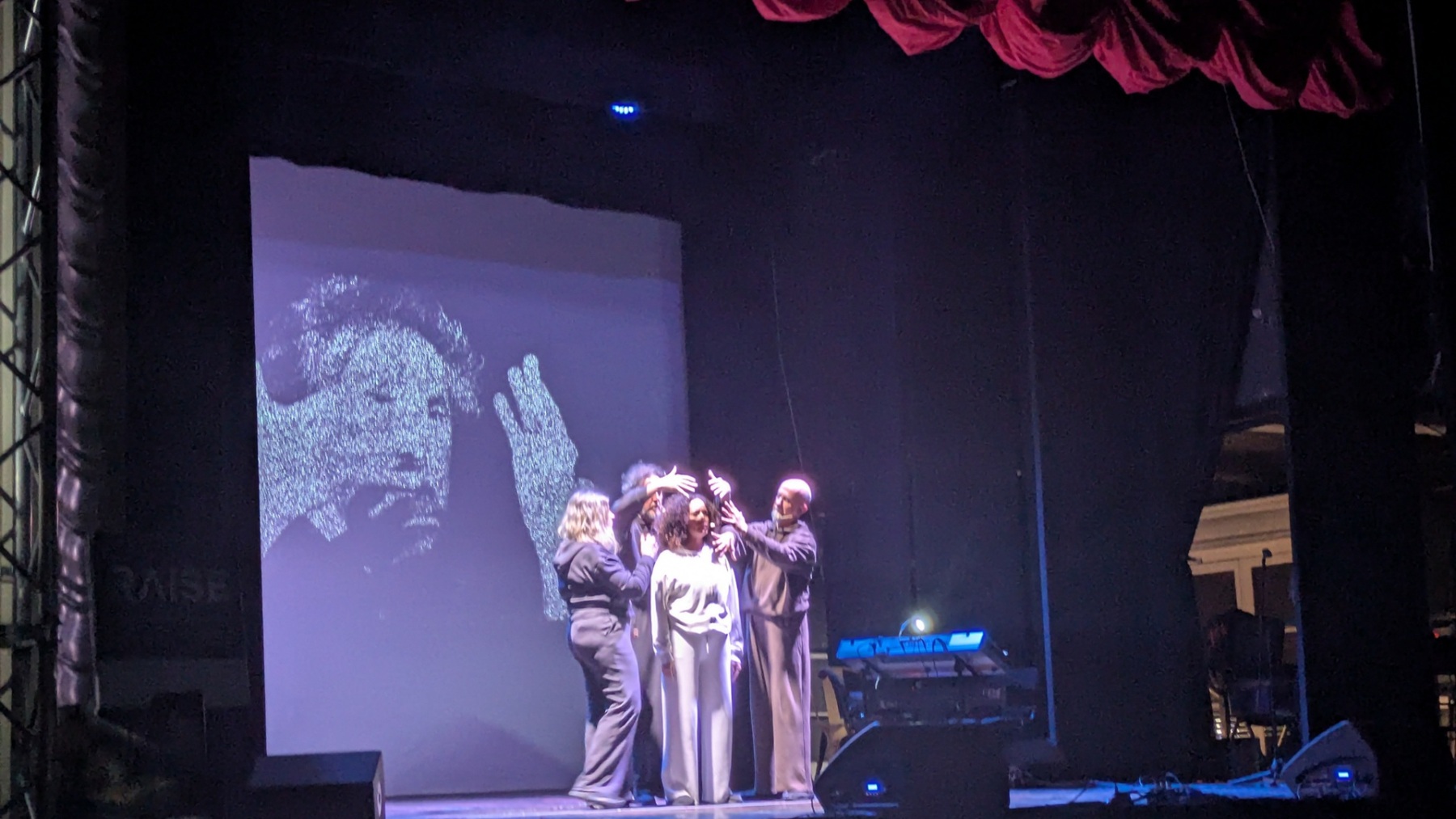
Alongside the audiovisual installations, the evening also featured a theatrical program composed of four short pieces: Kintsugi, Another Beat, Alien Species, and The First Thing. The texts, written and directed by Lidia Giannuzzi, were brought to life by the company La Pozzanghera, with Domenico Baldini, Roberta De Donatis, Francesco Maria Giacobbe, and Martina Pittaluga, accompanied by sound design by Lorenzo Marmorato.

The creative process followed a dynamic similar to that of scientific research: listening, analysis, writing, rehearsal, and revision. The artists engaged in dialogue with researchers from the RAISE ecosystem, gathering materials, insights, and content that were then reworked into dramaturgical form. This process gave rise to narratives capable of addressing key themes such as inclusive cities, health, ports, and the environment.

On stage, words, bodies, and sound created an ongoing dialogue between humans and technology. Artificial intelligence emerged as a tool capable of supporting and amplifying human experience, opening up new expressive possibilities. Theatre offered a space for the sensitive translation of research, where the audience could recognize elements of their everyday lives and imagine future scenarios.

“For us at La Pozzanghera, the RAISEmotion experience has truly been a special opportunity, where data and scientific research sparked theatrical inspiration and became a space for encounter and exchange with other artists. It is a journey that led to the performance on March 27, 2026, on the stage of the Teatro della Gioventù, where we shared not only important content, but above all a strong emotional experience with the audience,” said Lidia Giannuzzi at the end of the performance.

RAISEmotion demonstrated how the cross-fertilization of languages can generate new forms of knowledge. Through visual arts, music, and theatrical performance, the project made complex scientific content accessible, fostering active and informed participation.

The evening concluded with a shared reflection on the role of technology in contemporary society. Artificial intelligence emerged as a tool that supports human capabilities and contributes to building new spaces for imagination, creativity, and responsibility. In this dialogue between art and science, RAISEmotion offered the audience an experience that combined knowledge and emotion, opening new perspectives on the relationship between innovation and culture.

Cinema as a means of dissemination: the RAISE evening at Corallo in Genoa

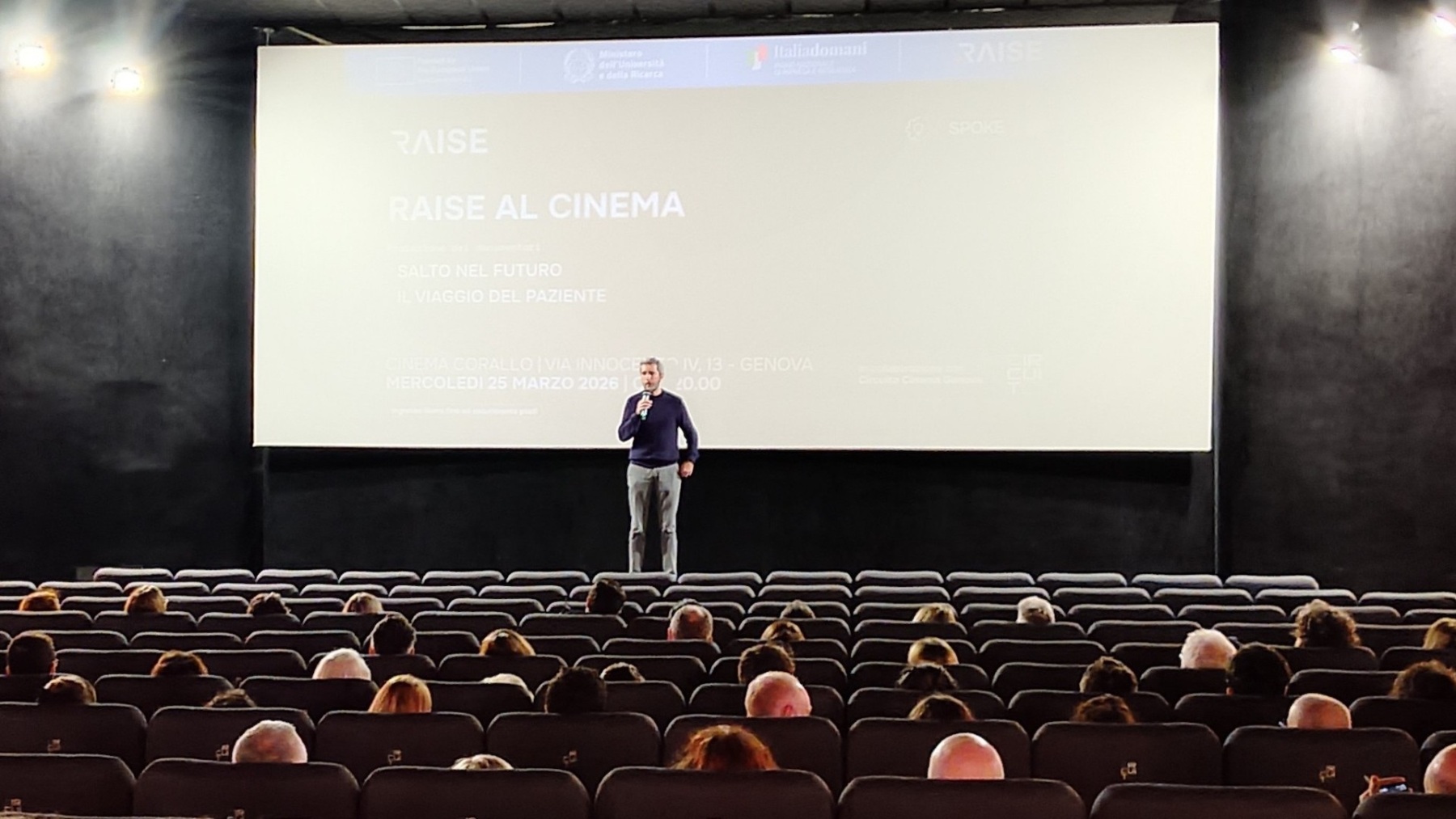
Among the many different ways in which the RAISE project has shared its goals and achievements, Wednesday, March 25 marked a turn to cinema—entrusting data, technologies, and scenarios to the camera to transform them into an immediate and effective narrative.

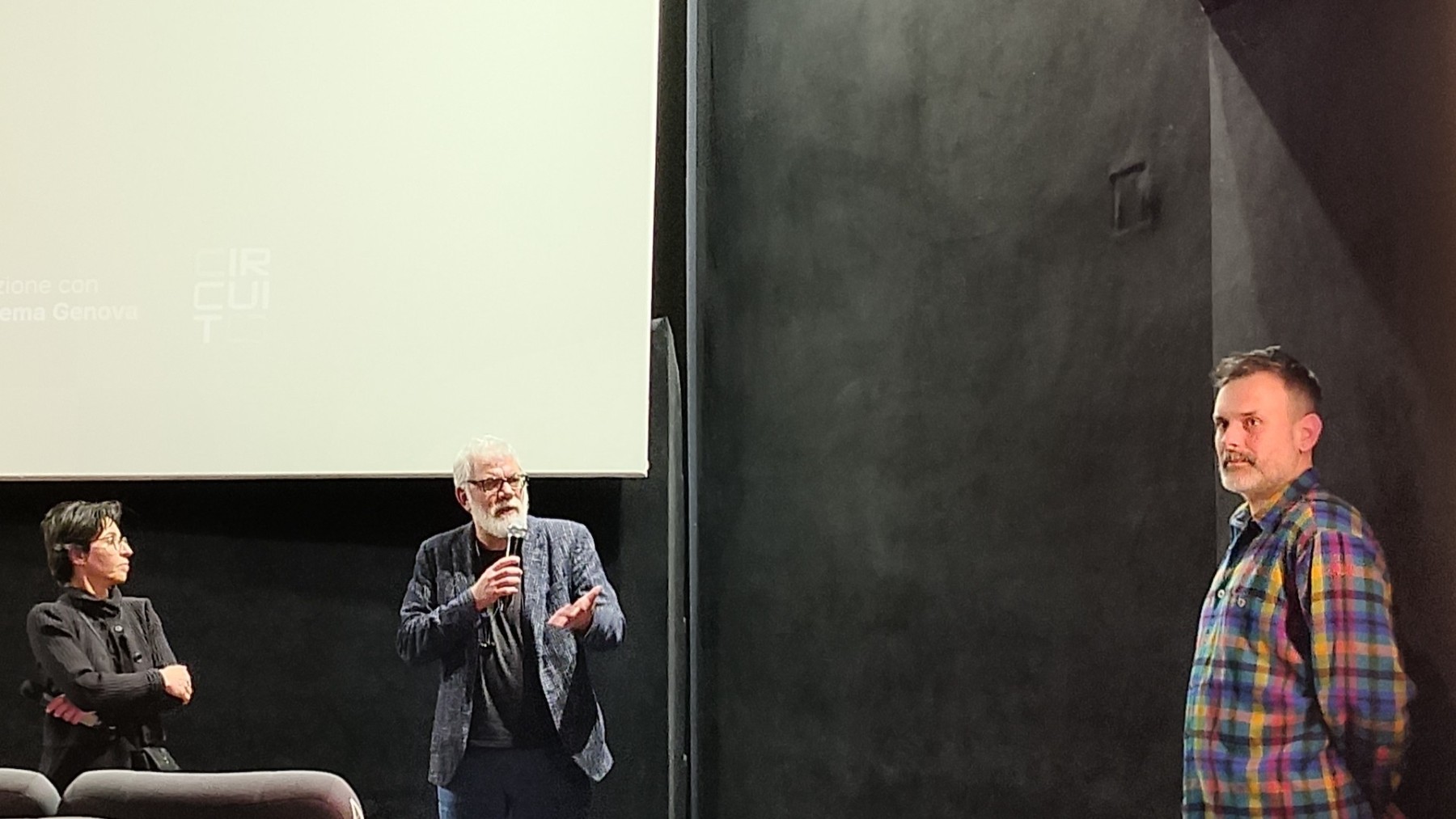
At Screening Room 1 of the Corallo Cinema in Genoa, a special event titled “RAISE AT THE CINEMA” took place, featuring the screening of the documentaries “The Patient’s Journey” and “Leap into the Future.” The evening brought together research, technology transfer, and the public, and was organized in collaboration with Circuito Cinema Genova.

Through the direct and engaging language of documentary filmmaking, audiences were immersed in a compelling narrative exploring how technology is transforming society and everyday life.

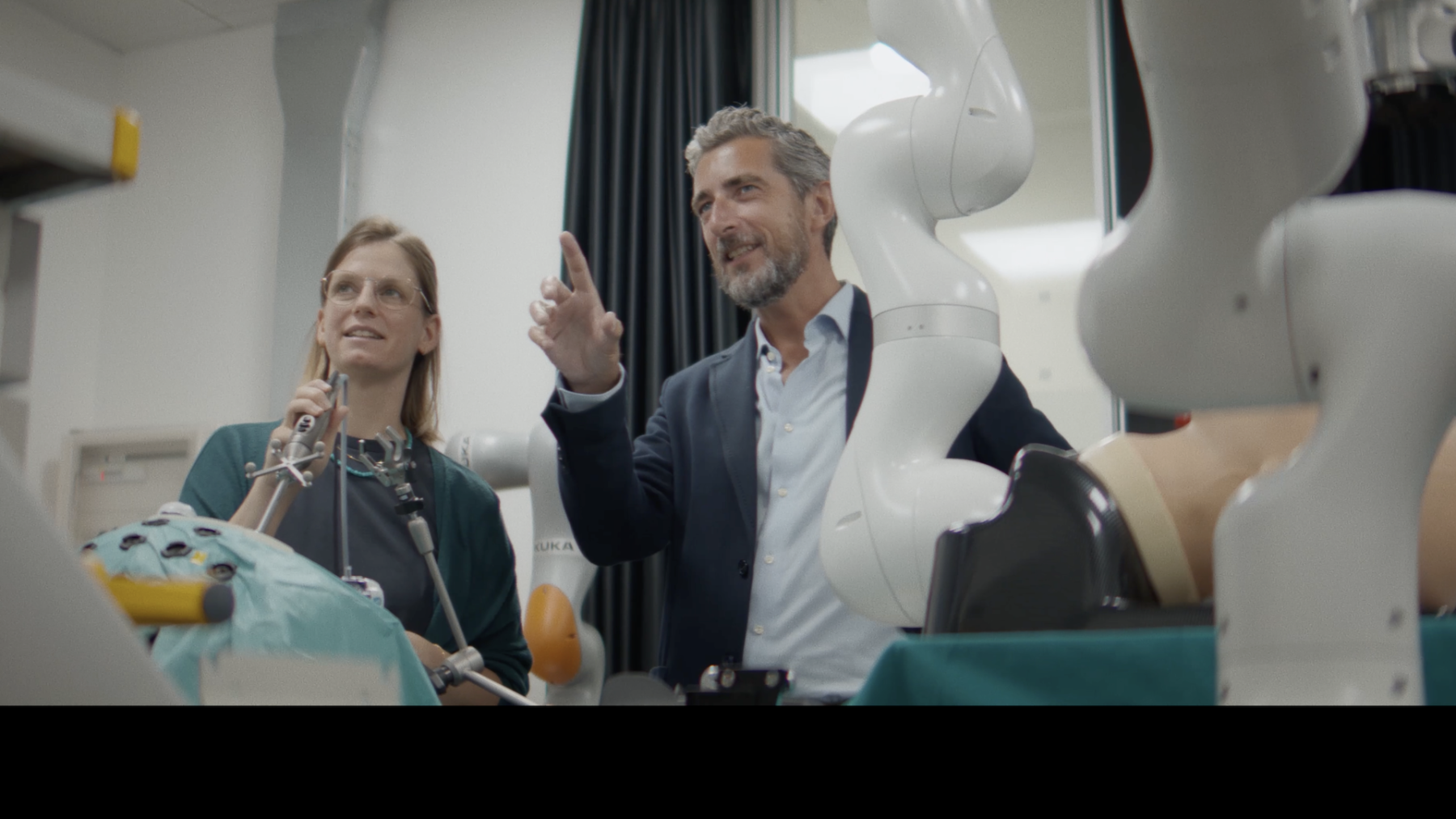
The evening opened with “The Patient’s Journey,” a documentary produced by Spoke 2, directed by Simone Valentini and executively produced by Twister S.r.l., focusing on the evolution of healthcare pathways in the medicine of the future.

The narrative guided viewers through technologies that are reshaping—and will continue to reshape—diagnosis, treatment, and relationships between medical professionals and patients.

Artificial intelligence strengthens early diagnosis, digital twins support surgery, intelligent robots assist rehabilitation, and eco-friendly sensors enable continuous remote monitoring. These transformations are already underway and will increasingly define the hospital of the future.

Through testimonials, real-world examples, and accessible language, the documentary shows how technological innovation can help build a safer, more efficient, and more personalized healthcare system, placing the individual at its center.

The second documentary, “Leap into the Future,” by Emilio Suraci (CNR-SCITEC), created for Spoke 5, begins with a historical look at the musical automata of Neuchâtel and the origin of the term “robot,” evoked by a choreographer. The narrative weaves through music, theater, and dance, showcasing inclusive artistic applications, also through children’s drawings and the perspectives of people with disabilities.

The documentary offers an emotional journey into the world of robotics and artificial intelligence from a human-centered perspective, focusing on the meeting between technology and human beings—their needs, expectations, deep motivations, values, and desires.

Virtual reality makes it possible to overcome architectural barriers, allowing someone to visit a rock-hewn church in the Sassi of Matera from a home in Genoa. The narrative highlights how technology, together with human empathy, can help make cities not only smarter but also more inclusive.

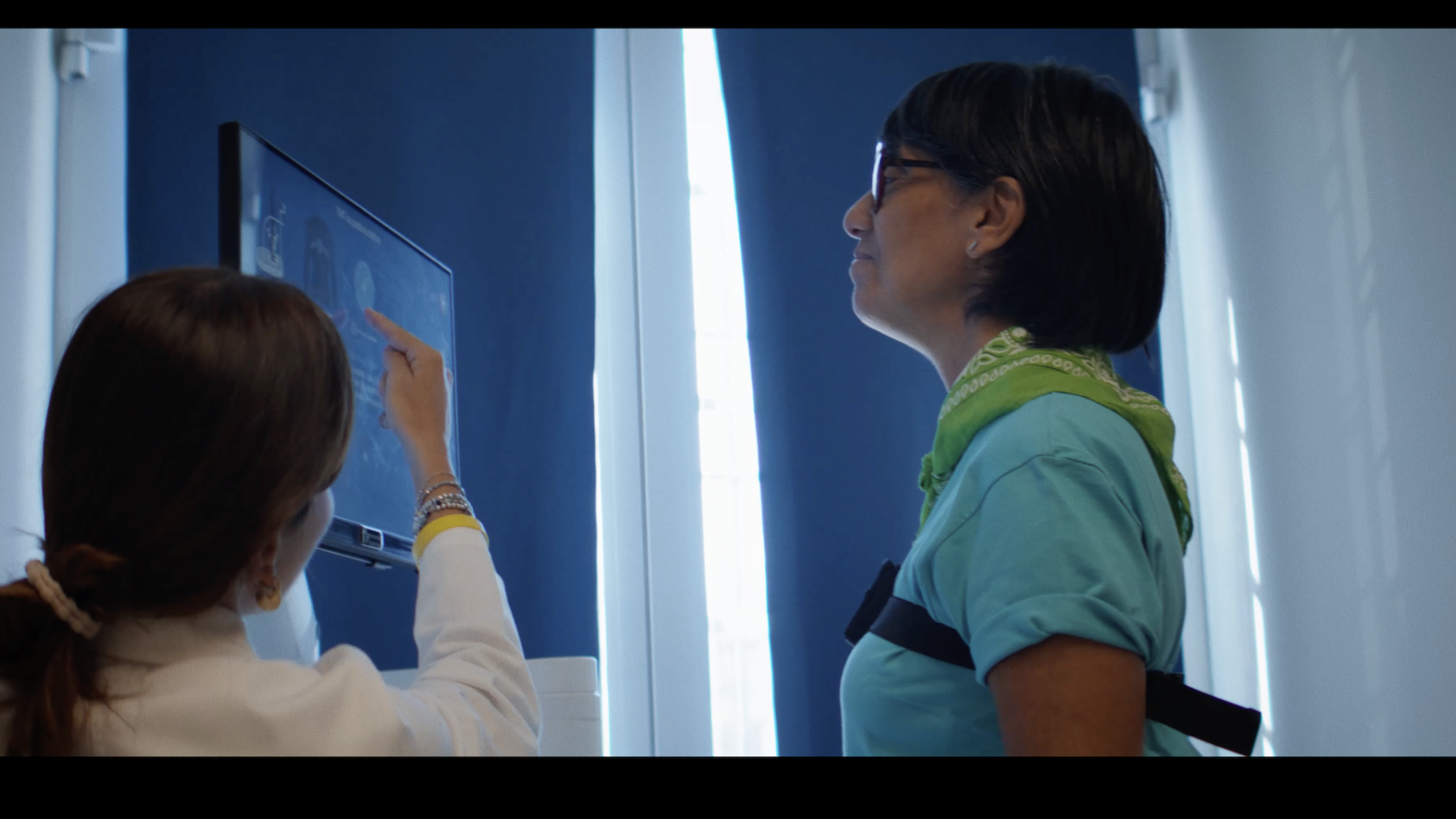
The field of personalized care is explored through the voices of researchers and patients with multiple sclerosis at FISM. Then, across hospitals, laboratories, and domestic environments, innovations in prosthetics, exoskeletons, AI-assisted surgery, robotics, and 3D models are presented. From caring for people, the focus expands to caring for the environment, with eco-robotics applications in marine, agricultural, and industrial settings.

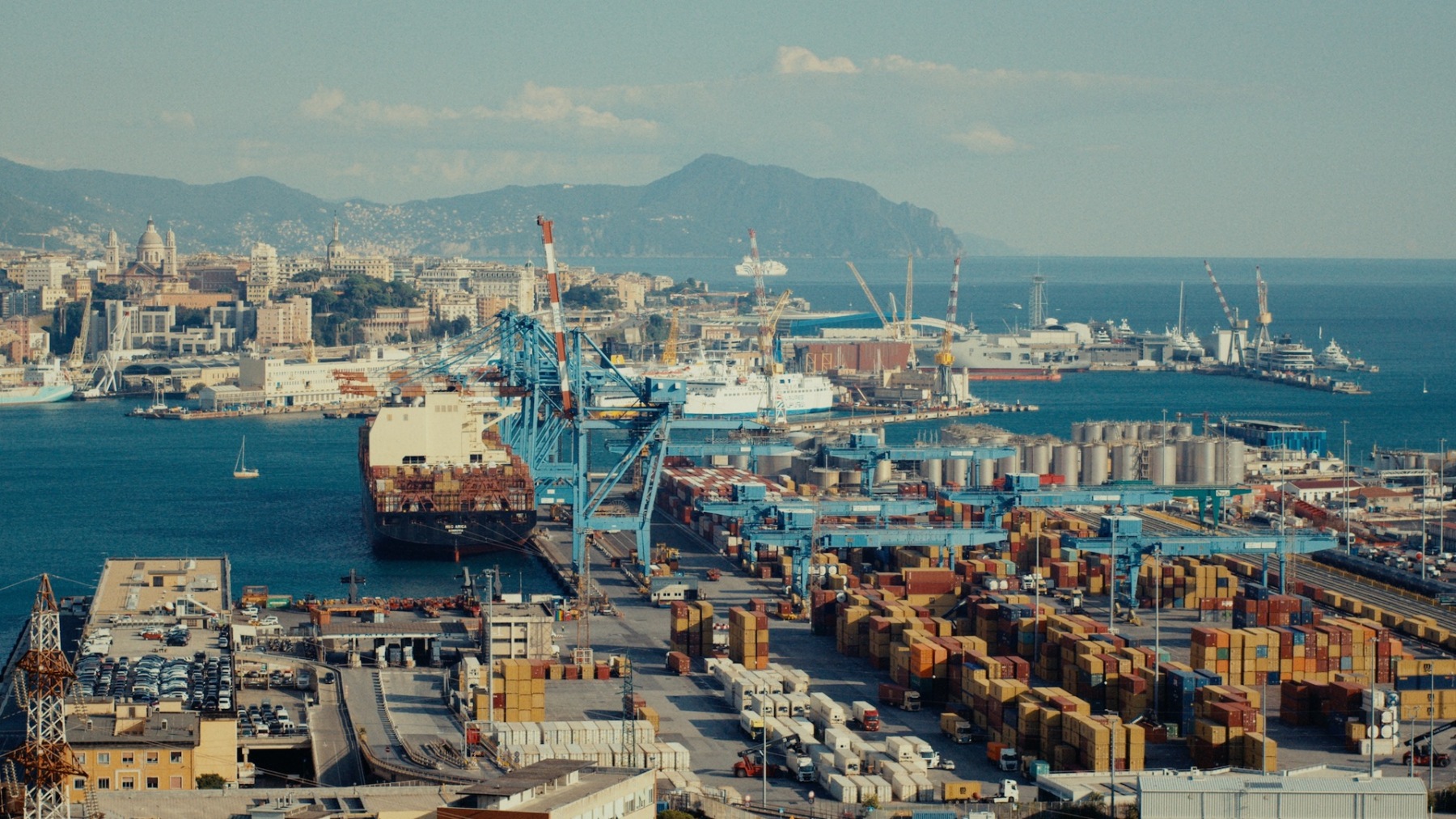
A yellow quadruped robot, Spot, moves through the spaces of the Port of Genoa among brightly colored containers resembling Lego bricks. Together with port operators and researchers, it concludes the story in a journey through inclusive cities, personalized healthcare, environmental care, and smart ports—the key themes of the Ligurian RAISE innovation ecosystem.

The documentary highlights how robotics and AI can support both the present and the future, provided they are designed by humans with strong values, aiming for a better quality of life.

The evening concluded with a panel discussion moderated by Francesca Gorini (CNR), featuring Marco Faimali, Lorenzo De Michieli, Valentina Squeri, and Emilio Suraci.

Marco Faimali emphasized that the two documentaries, both of high quality, present different approaches and narrative styles—one more analytical, the other more emotional—yet both contribute to disseminating the results of RAISE, expressing hope for their wider distribution through cultural and scientific television channels.

The second edition of “Officinae RAISE” kicks off

Following the success of the first edition, held as part of the RAISE project, Officinae RAISE returns with its intensive advanced training program promoted by the University of Genoa. For this second edition, the course is aimed at students enrolled in the Management and Marketing of Innovation class (Master’s degree in Management).

The initiative is designed to strengthen students’ entrepreneurial, design, and transversal skills, with a strategic focus on Artificial Intelligence and Robotics—fields that are currently at the heart of major technological and economic transformations.

This new edition builds on the legacy of the recently concluded RAISE project, enhancing its outcomes and consolidating an innovative training model capable of connecting research, industry, and the local territory.

An immersive experience between education and innovation
The program is structured as follows:
– Four Tool Courses, each lasting 4 hours, designed to help participants refine key skills for the ideation and presentation of innovative projects;
– A final full-day session (8 hours), during which participating teams will further develop their project proposals in preparation for presentation to a panel of experts.

Through the contribution of professionals and industry experts, participants will engage in a dynamic and interdisciplinary journey aimed at fostering creativity, entrepreneurial mindset, and the ability to operate in complex environments.

Skills for the future of deep tech
The course aims to train individuals capable of designing and developing innovative concepts and business models in the deep-tech sector, integrating scientific research, technological innovation, and entrepreneurship.

Throughout the program, students will develop skills in:
– Design Thinking applied to emerging territorial challenges;
– Business model development for deep-tech startups;
– Storytelling and public speaking for effective innovation communication;
– Use of AI for business intelligence and the exploration of emerging trends;
– Identification of entrepreneurial opportunities based on AI and robotics applications, addressing emerging needs in key sectors of the Ligurian economy.

A bridge between academia, industry, and territory
Officinae RAISE represents an important opportunity for dialogue between universities, the productive system, and the local context, contributing to the training of professionals capable of understanding and leading innovation.

Program schedule
The course will follow this calendar:
– Tuesday, April 14 (2:00–6:00 PM) | Design Thinking for innovation;
– Tuesday, April 21 (2:00–6:00 PM) |  Business model development;
– Tuesday, April 28 (2:00–6:00 PM) | AI for business intelligence;
– Tuesday, May 5 (2:00–6:00 PM) | Storytelling and public speaking;
– Friday, May 22 (9:00 AM–1:00 PM & 2:00–6:00 PM) | Final pitch.

RAISEmotion: when science meets art

A new episode of “Incontri con il Futuro – Storie di innovazione dall’ecosistema RAISE”, the video-podcast created in collaboration with Rinnovabili.it, is now available. The series explores experiences and key players in robotics and artificial intelligence research.

This episode concludes the podcast series with a unique perspective on the dialogue between science and art, exploring new ways of communicating and interpreting research. It is part of the activities of Spoke 5 within the RAISE ecosystem, which focuses on technology transfer and the valorization of scientific results.

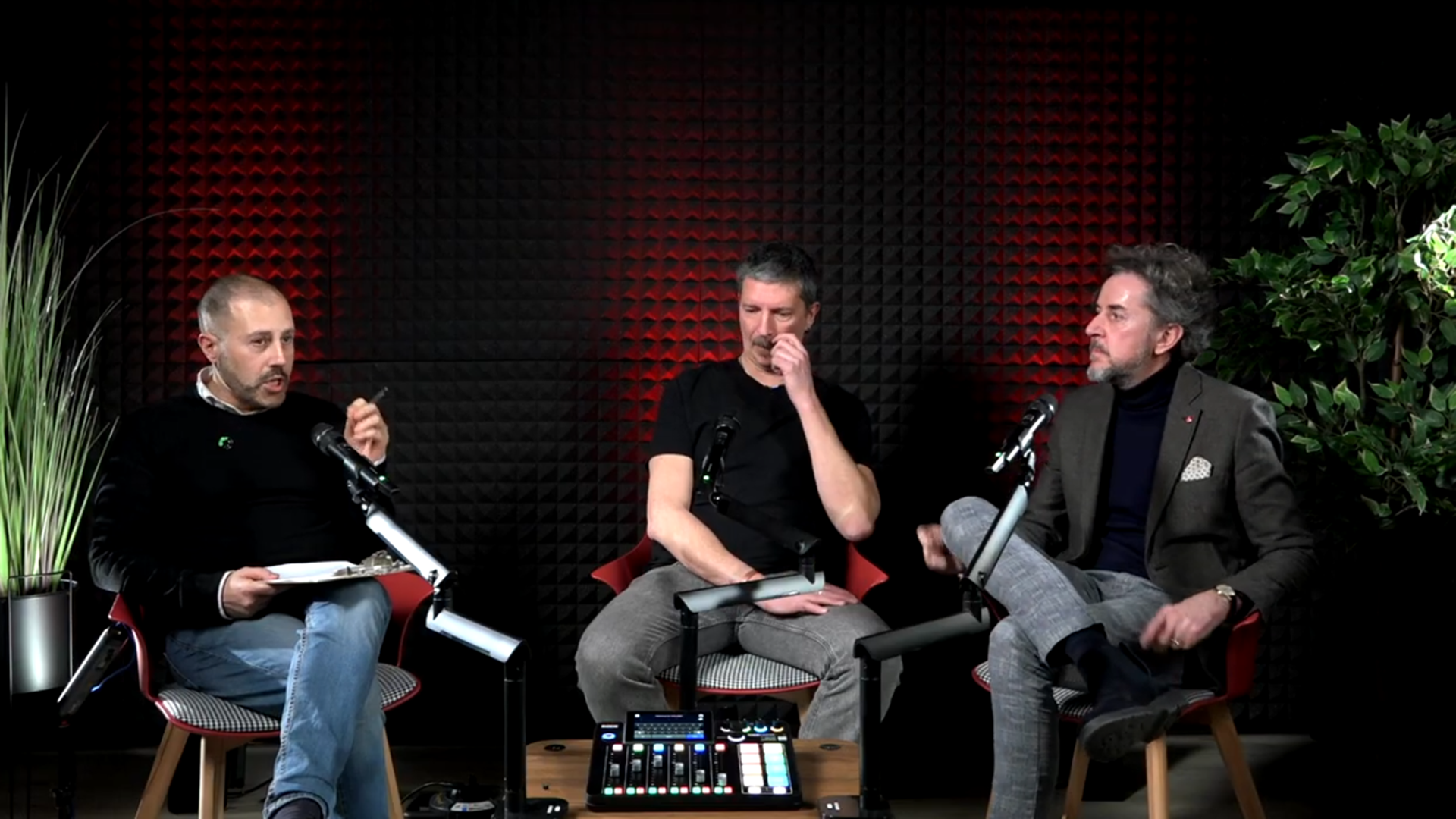
The guests of the episode are Raffaele Rebaudengo, music producer at Stellare, and Francesco Maria Giacobbe, actor from the theater company La Pozzanghera. During the conversation, they have presented the RAISEmotion project, which has created a path of interaction between artistic languages and scientific content.

The project has taken shape through artistic residencies within RAISE research centers. In these environments, artists and researchers have shared spaces, tools, and perspectives, fostering direct dialogue across disciplines. This exchange has enabled the transformation of data, models, and scientific themes into immersive artistic experiences capable of engaging audiences in immediate and meaningful ways.

Throughout the episode, the discussion has highlighted how collaboration between art and science has opened new possibilities for communication. Raffaele Rebaudengo has explained the role of sound and music in translating complex data into sensory narratives, while Francesco Maria Giacobbe has described how theatrical language can give form and voice to scientific content.

The episode has emphasized the value of immersive experiences as a tool to bring diverse audiences closer to scientific topics. The works developed within RAISEMotion have made complex content more accessible, supporting a more intuitive and engaging understanding. This approach has strengthened the connection between research and society, creating new opportunities for dialogue.

The conversation has also shown how the project has stimulated new perspectives within the scientific community itself. The encounter with artistic languages has offered researchers a different view of their work, encouraging broader reflections on the value and impact of research.

This episode offers a vision in which scientific innovation and artistic creativity come together to build more open and inclusive forms of communication, showing how interdisciplinary collaboration can generate meaningful experiences that bring science closer to people.

Transferring innovation: RAISE’s first story

The new video-podcast series dedicated to the RAISE ecosystem opens with an episode focused on one of the most crucial steps in research: technology transfer.

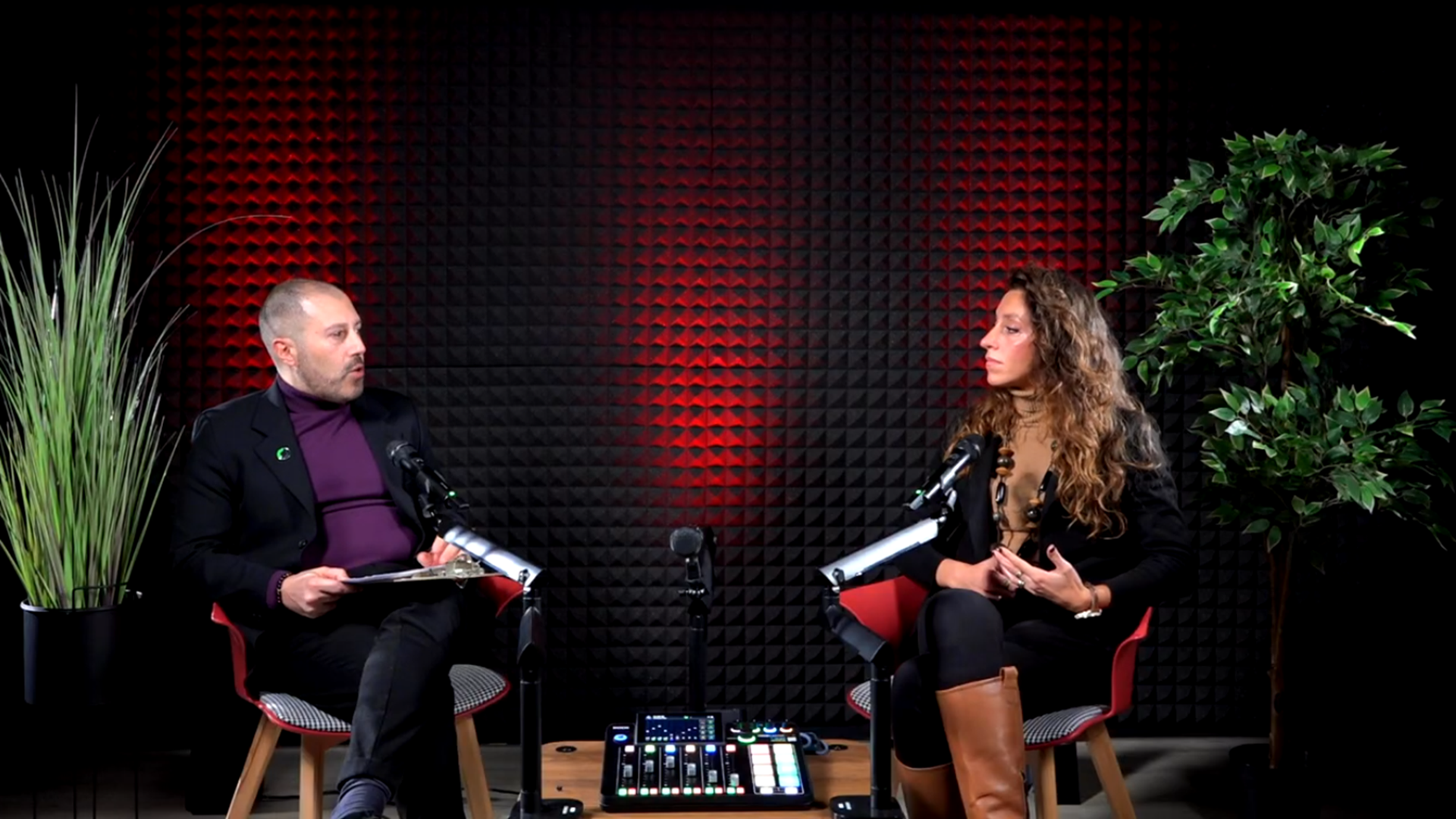
The first episode features Miriam Molinari from the Istituto Italiano di Tecnologia, who recounts the work carried out over the past three years by Spoke 5, the part of the ecosystem that supports ideas and technologies along the journey from the laboratory to the market.

During the episode, Molinari retraces the creation and development of a model designed to enhance research results and transform them into concrete opportunities for businesses, territories, and society. Spoke 5 has operated precisely within this intersection between research and the market, fostering collaboration, knowledge exchange, and the development of new entrepreneurial initiatives in robotics, artificial intelligence, and digital technologies.

At the heart of these activities lies the Acceleration Journey, a structured pathway that guides research groups and small and medium-sized enterprises through the different stages of technology transfer. This model has provided a clear framework for the steps required to bring an innovative idea toward practical applications, building a strong bridge between scientific discovery and industrial development.

The Acceleration Journey consists of three main programs designed to support the growth of technologies developed within the ecosystem. The Technological Acceleration Program has supported teams in advancing their scientific solutions, while the Strategic Incubation and Acceleration Program has helped them develop business models and growth strategies. Alongside these initiatives, the Financial Acceleration Program has encouraged dialogue with investors and created new opportunities for funding.

To support researchers during the most delicate stage of this pathway, Spoke 5 also created RAISE up, a mentorship program designed to assist research teams while they shape strategies for the valorization of their technologies. Mentors and innovation experts have guided teams through entrepreneurial skills, analytical tools, and dedicated moments of discussion that supported the development of their projects.

Alongside the acceleration programs, the ecosystem has also promoted two transversal initiatives dedicated to training and knowledge sharing. The Training Program has involved researchers, students, and professionals through educational activities focused on technological innovation and research valorization. The Communication, Dissemination and Public Engagement Program has opened a dialogue with a broader audience, creating opportunities for interaction among the scientific community, companies, institutions, and citizens.

Over the three years of activity, RAISE has organized events, workshops, and conferences that have showcased its progress and results while encouraging new collaborations between academia and industry. These moments of exchange have helped build a network of relationships and expertise capable of strengthening the innovation ecosystem.

The first episode of the video-podcast therefore offers a privileged perspective on this journey. Through Miriam Molinari’s story, audiences can discover how research can evolve into shared value, generating new technological, economic, and social opportunities.

In the coming weeks, the series will continue with new stories dedicated to the projects, people, and ideas that have shaped the RAISE ecosystem, offering a closer look at the work of a scientific community that is building the future of innovation.

More information about the video-podcast series “Incontri con il futuro – Storie di innovazione dall’ecosistema RAISE”, created in collaboration with the media outlet Rinnovabili.

Eight stories of innovation from the RAISE ecosystem

Eight episodes telling the story of research as it takes shape, engages with the territory, and becomes concrete innovation.

This idea has inspired the new video-podcast series “Incontri con il futuro – Storie di innovazione dall’ecosistema RAISE”, created in collaboration with the media outlet Rinnovabili.

The series, available on Spotify and YouTube, offers a journey through eight thematic episodes lasting about twelve minutes each. Every episode brings listeners inside a project through the voices of the researchers, innovators, and professionals who have contributed to its development. The result provides a close look at research processes, the ideas that drive them, and the impact they generate for people and communities.

The series has grown from the encounter between the editorial experience of Rinnovabili and the scientific and technological network of RAISE, which has promoted the initiative with the goal of sharing the results, visions, and perspectives of a broad and multidisciplinary research community. The video-podcast format creates an agile and accessible storytelling space, capable of conveying the complexity of research projects through stories, experiences, and real-world applications.

Throughout the episodes, members of the ecosystem describe the path that leads from new knowledge to the development of technological solutions designed to address contemporary challenges. Robotics, artificial intelligence, and digital systems emerge as tools that interact with many different fields: from health to mobility, from urban innovation to environmental sustainability, and from industrial transformation to new services.

Each episode explores a specific theme and highlights the work carried out within the different research programs. These stories reveal the value of collaboration that connects universities, research centers, companies, and public institutions within a shared innovation ecosystem. This cooperation generates projects that translate scientific results into practical applications for society, contributing to people’s well-being, the quality of urban life, and the competitiveness of the productive system.

The narrative also follows the experimentation that accompanies these projects: laboratory work, technological demonstrators, field testing, and collaboration with local communities and public administrations. Through these experiences, research engages with real contexts and opens new opportunities for territorial development.

The series therefore offers a journey across ideas, technologies, and visions of the future. The voices of researchers provide a direct perspective on how a scientific project develops, which questions guide it, and which new possibilities emerge from its results.

With “Incontri con il futuro – Storie di innovazione dall’ecosistema RAISE”, audiences can explore the work of a scientific community that looks to the future with a collaborative spirit and a strong sense of social responsibility. Episode after episode, the video-podcast highlights the value of an ecosystem that places research at the service of people, territories, and the transformations shaping our time.

Engaging with research: RAISE laboratories thanks to Festival della Scienza

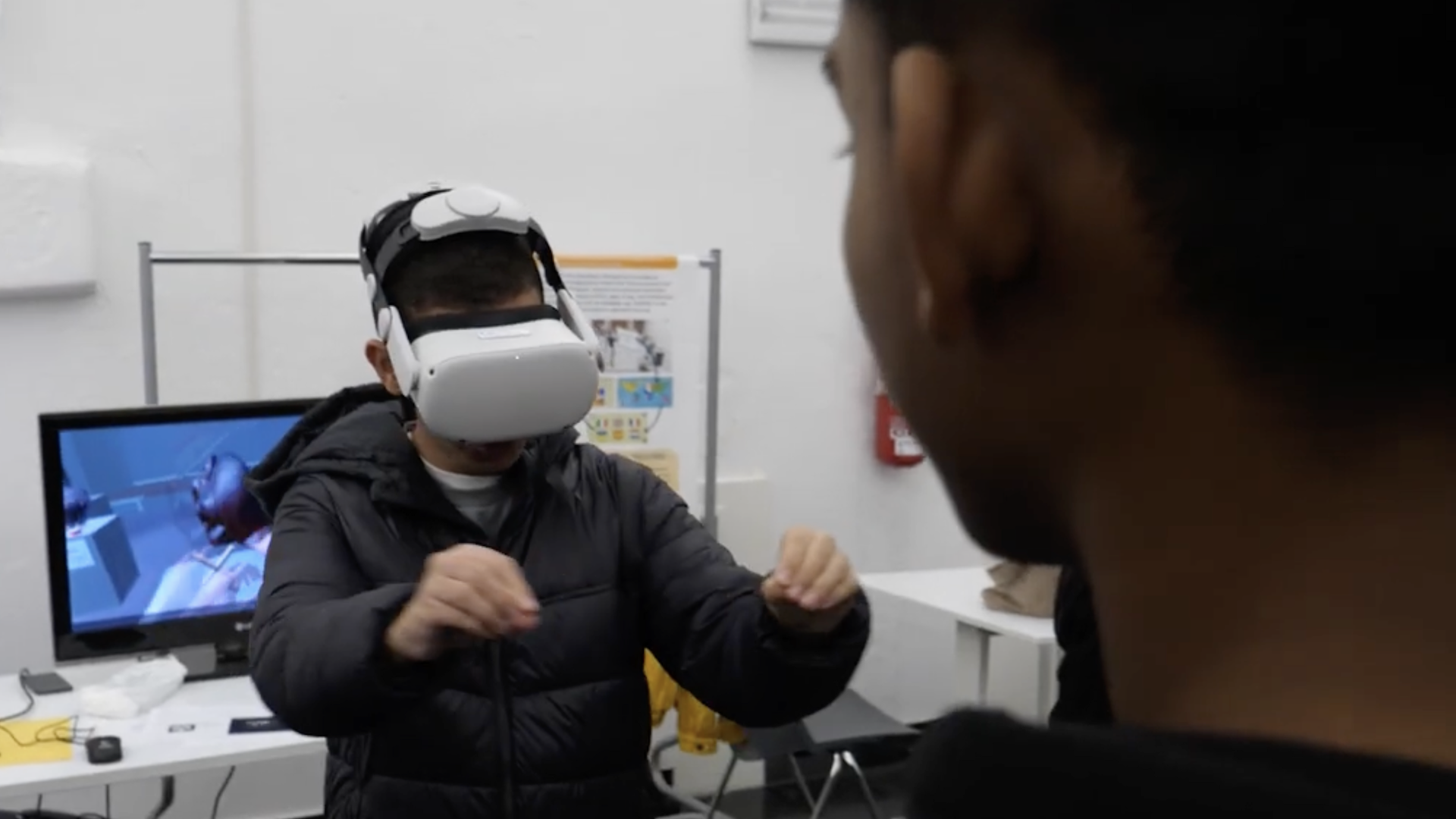
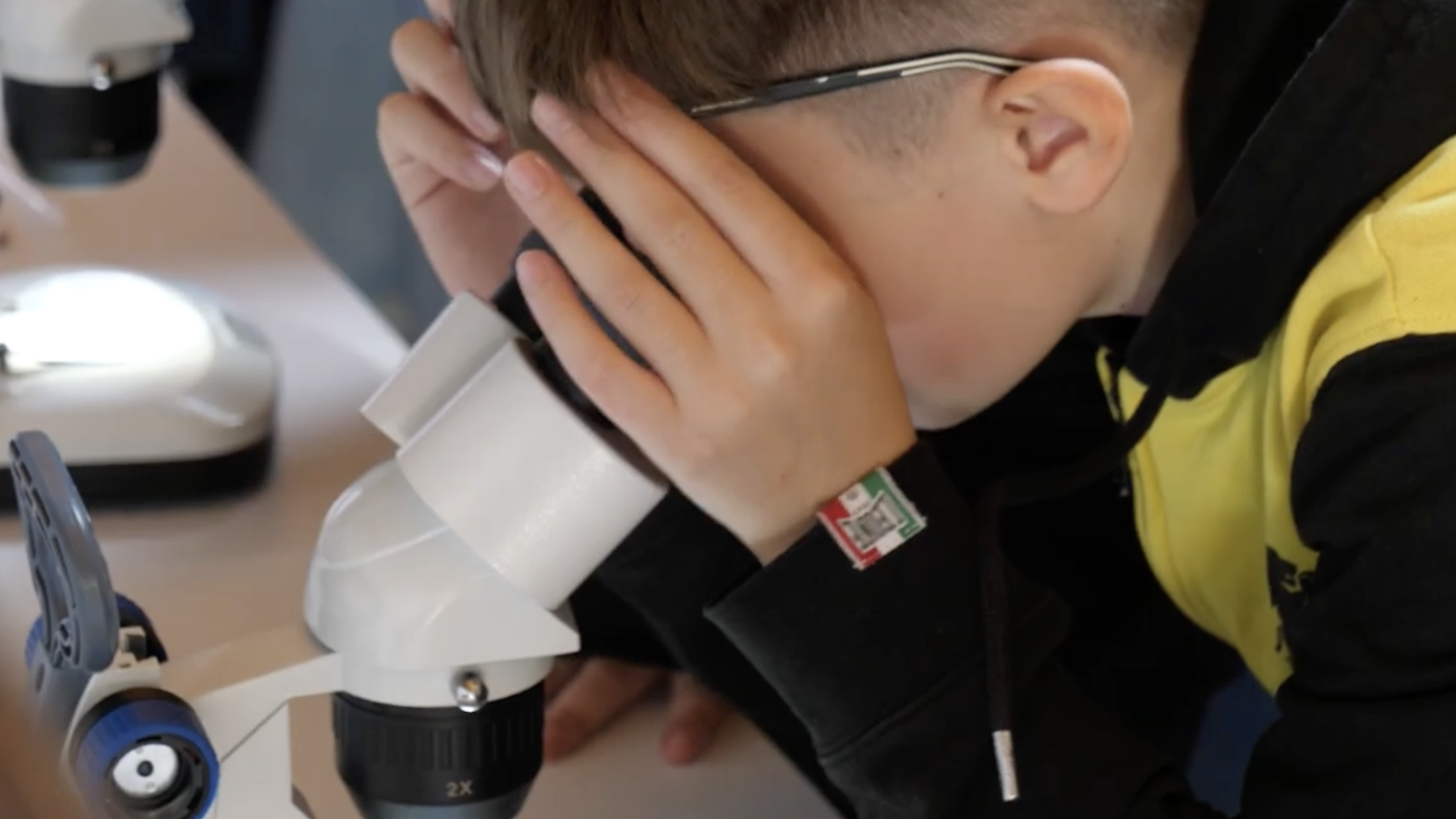
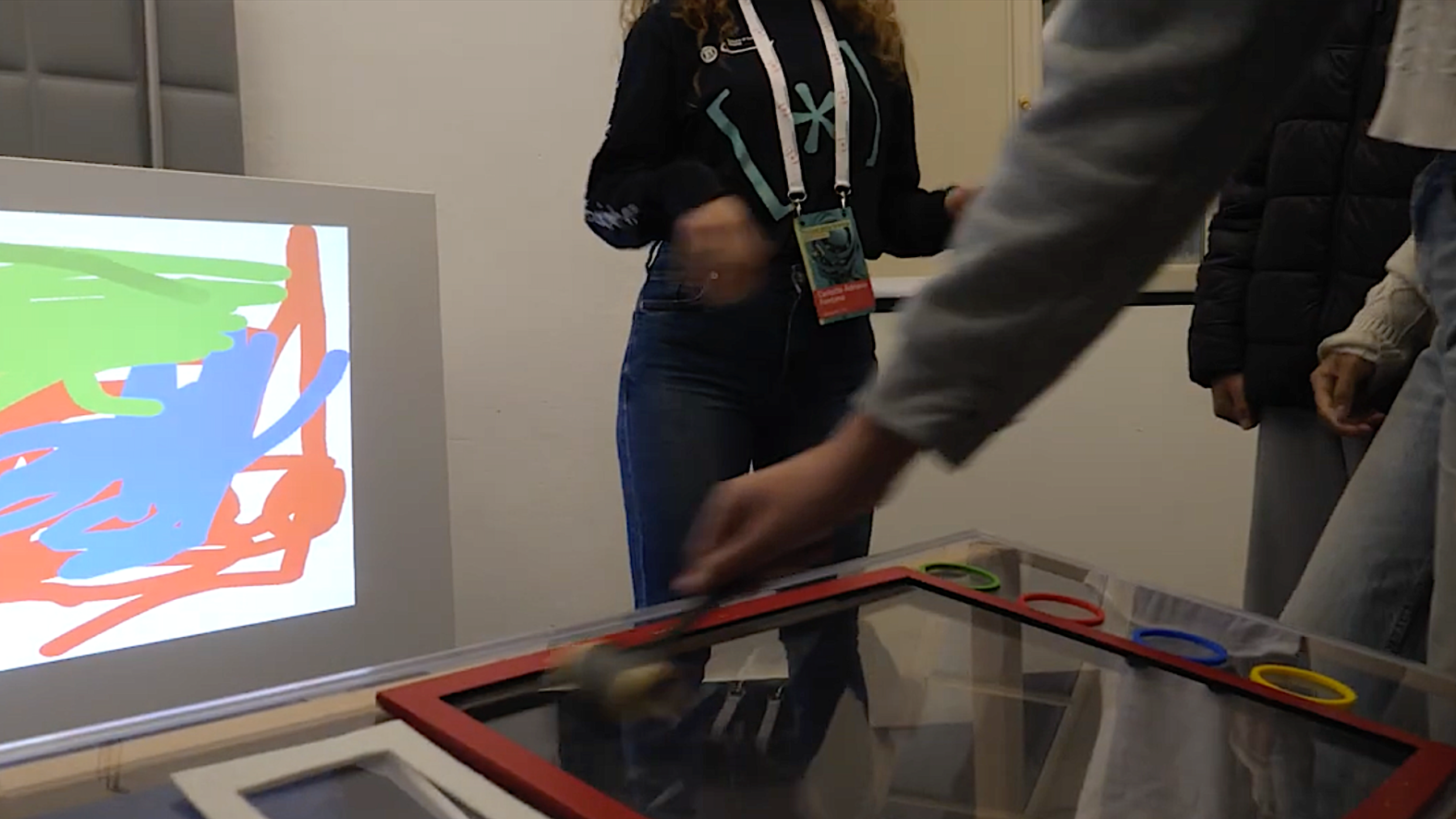
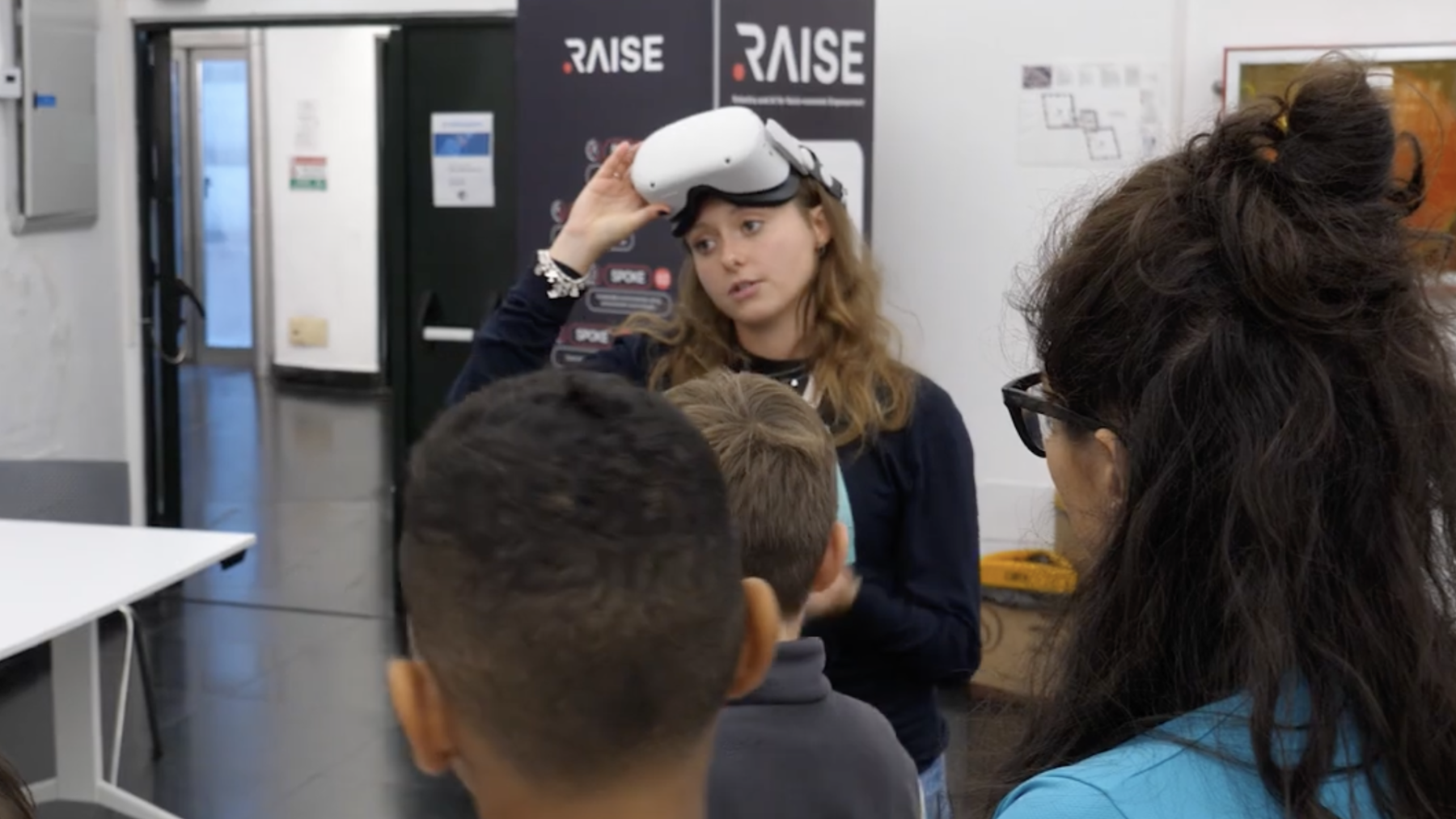
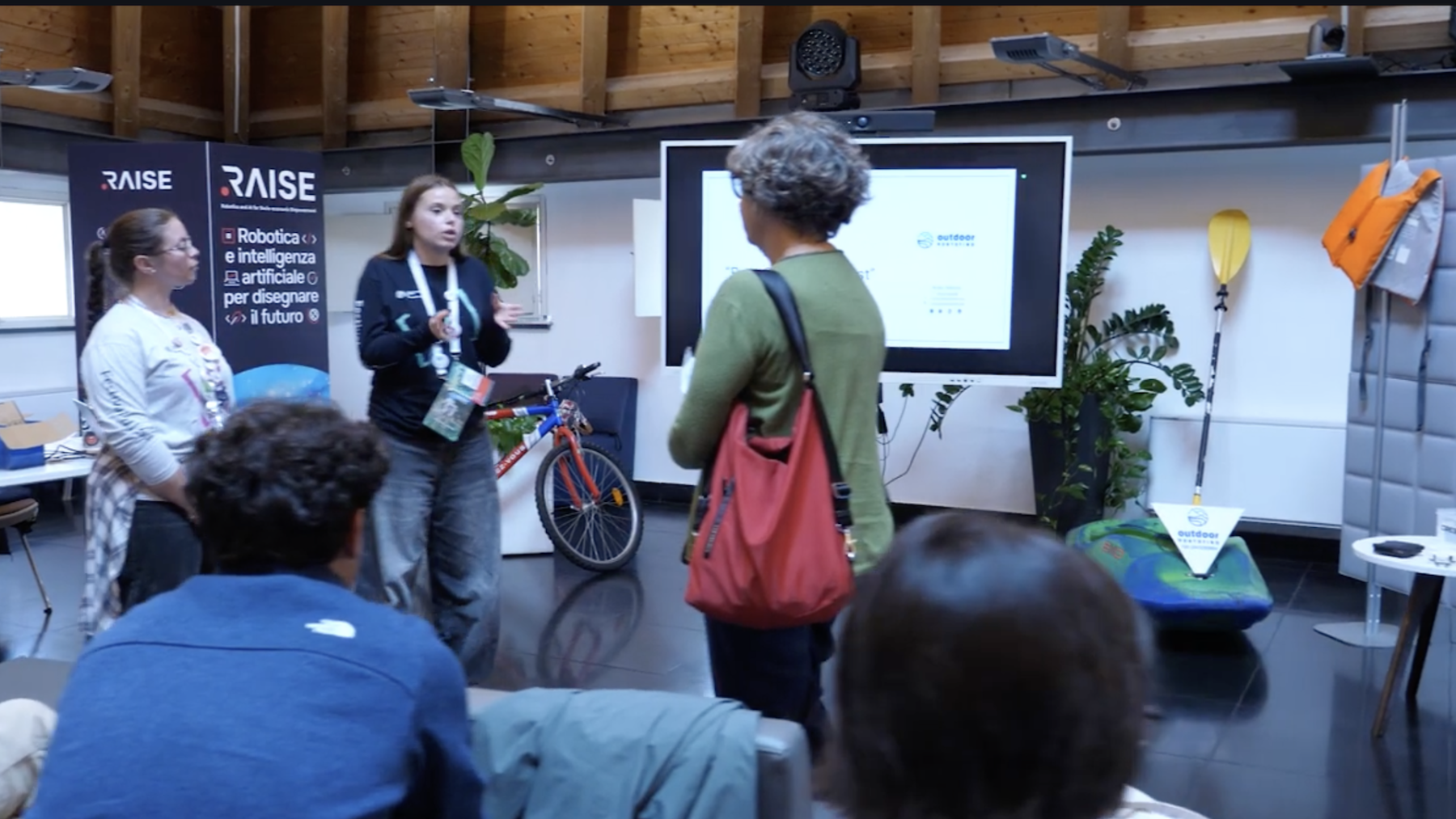
During the RAISE project, within the framework of Spoke 5, new experiences were developed in collaboration with the Festival della Scienza to engage citizens – particularly families and schools – in research on robotics and AI and, more broadly, on the topics addressed by RAISE.

RAISE researchers, with the support of the Associazione Festival della Scienza team and its science facilitators, worked on designing and implementing engaging activities presented during the RAISE Village editions of 2023, 2024, and 2025.

While the first edition in 2023 mainly presented the project’s objectives and activities that were still in their early stages, by 2025 the laboratories had become increasingly interactive and represented an opportunity to showcase the project’s results in a simple and engaging way.

Another event that fostered dialogue between researchers and the public through hands-on activities was Robot Valley, in its 2024 and 2025 editions.

The public consistently responded with great interest and participation, especially schools and families: all the laboratories related to RAISE topics were fully booked.

As also highlighted by a pilot study conducted in 2024 with visitors by Spoke 5 (Patrizia Schettino, Grazia Biorci, Adriana Ferrari, Ilaria Schizzi), and thanks to the support of the Festival della Scienza facilitators, these laboratories managed to inspire participants ranging from 5 to over 80 years old. Participants had the opportunity, for example, to interact with a social robot for the first time or to better understand the applications of robotics and artificial intelligence in fields such as medicine, port security, and environmental protection through eco-robotics.

On the occasion of the latest RAISE Village 2025, Andrea Sessarego (Associazione Festival della Scienza, Spoke 5) commented: “The activities were a great success and were highly appreciated by schools, which began to learn about the RAISE project during the 2023 Festival. In 2023 it was an opportunity to introduce the project to citizens; now we are reaching the end of the journey, during which students, families, and citizens have been able to test first-hand, through laboratory activities, what RAISE has produced and continues to produce.”

The RAISE educational laboratories represent an example of how the ecosystem successfully brought together researchers and the public, offering meaningful engagement opportunities for citizens thanks to the extensive experience of the Associazione Festival della Scienza team: from supporting the design of educational activities to leading the laboratories on site during the days of RAISE Village and Robot Valley, from 2023 to 2025.

InspAIr ’25: winning projects announced

On 30 January 2026, the final award ceremony of the InspAIr ’25 Hackathon, titled “2050: the story begins now”, took place online. The event marked the culmination of the educational programme “InspAIr – educating critical thinking with a future-oriented perspective in the age of AI”, designed and led by the CNR Institute for Educational Technology within the RAISE – Robotics and AI for Soci-oeconomic Empowerment ecosystem. The initiative engaged upper secondary school students in a learning experience combining artificial intelligence, robotics and sustainability.

The Hackathon represented Laboratory 3 of the InspAIr programme, serving as the final applied stage of work initiated in the previous months. After imagining scenarios set in 2050 and exploring their social, environmental and political implications, participating classes faced an additional challenge: identifying in the present the critical issues that had emerged in their future narratives, with particular attention to the role of AI and robotics.

The 2025 challenge invited teams to start from a critical issue identified in their 2050 scenarios and demonstrate how it already manifests today, analysing it through the lens of the non-neutrality of technology. Freedom and control, identity and intersectionality, environment and climate justice, oppression and emancipation were among the thematic frameworks within which students developed their proposals. Each team produced a communication product capable of engaging a 14–19-year-old audience through podcasts, original storytelling and multimedia content, demonstrating creativity, depth of analysis and critical awareness.

Four schools participated in the Hackathon, involving a total of sixty students. A jury composed of experts in sustainability, speculative design, communication and AI and robotics technologies evaluated the projects according to cross-cutting criteria: the rigour of their exploration of the relationship between technology and sustainability, their ability to problematise risks and dilemmas, and the quality and effectiveness of their communication for the intended audience.

The InspAIr – RAISE 2025 Award was granted to a podcast produced by a group of students from Liceo San Vitale in Parma. The project addressed the issue of the military use of advanced technologies in the present day, focusing on the narrative of Gaza. The authors rigorously connected current geopolitical dynamics with the role of artificial intelligence and automated systems, highlighting the impact these technologies have in conflict scenarios. The work combined sensitivity, narrative clarity and strong argumentation, offering a timely and thoughtful reflection.

The jury also awarded two special mentions to groups from the same class at Liceo Copernico Luxemburg in Turin. One mention recognised a podcast exploring the relationship between technology and sustainability in a dystopian future marked by rigid social hierarchies, effectively highlighting the link between technological choices and inequality. The second mention rewarded the originality of its format: a podcast built around a mysterious phone call from the future, a narrative device that made a complex reflection accessible and engaging.

The InspAIr Hackathon confirmed the value of an educational pathway that integrates speculative design and problem framing to foster a critical culture of digital innovation. Working with the future to interpret the present offered younger generations concrete tools to understand how artificial intelligence and robotics shape social, economic and environmental life. Students, teachers and jurors contributed with commitment and expertise to an experience that strengthened the dialogue between schools, research and active citizenship.

Finaziato dall'Unione Europea Ministero dell'Università e della Ricerca Italia Domani Raise