RAISE Cube: the choral installation of the RAISE results for the RAISE Village 2024

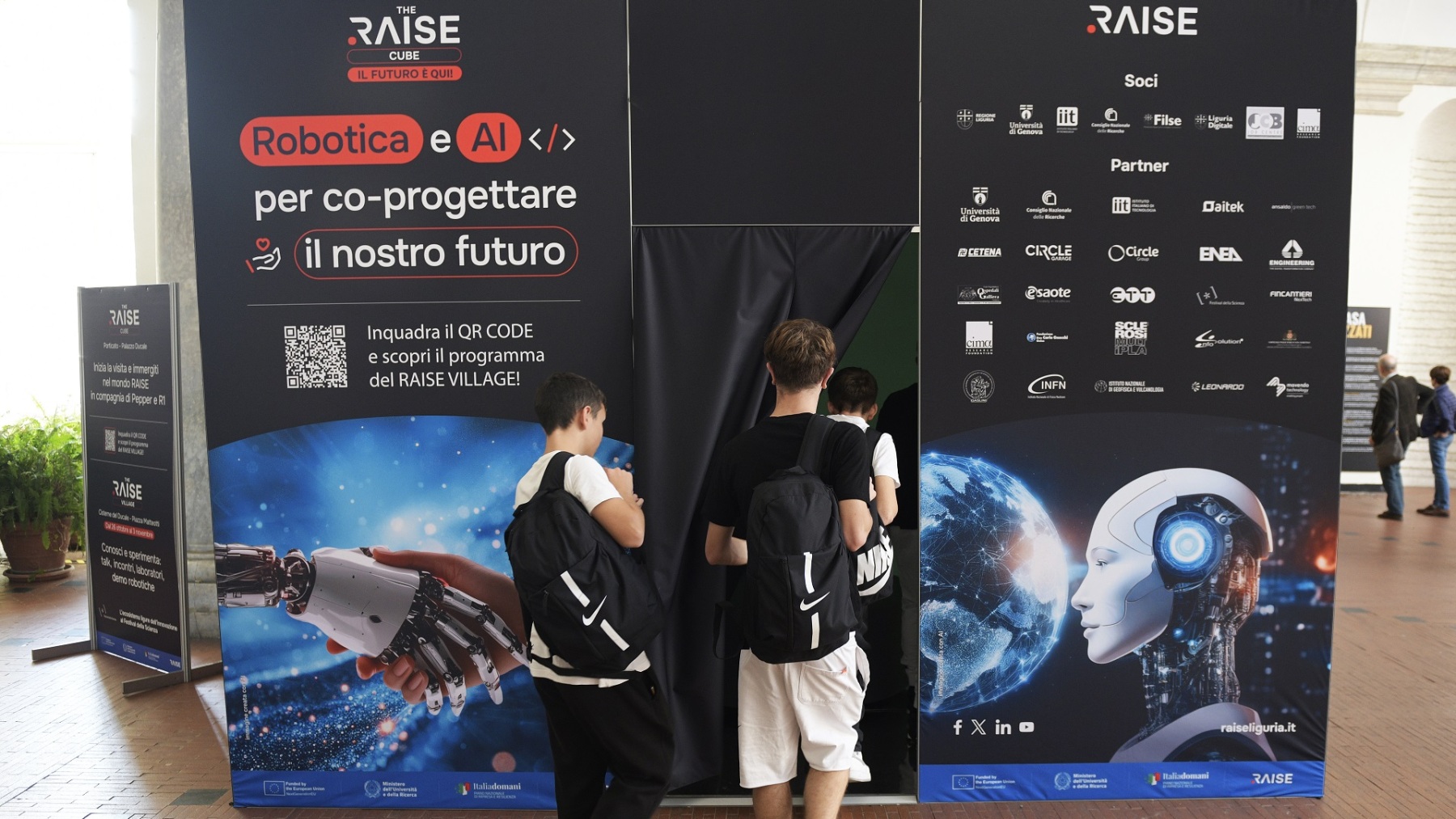
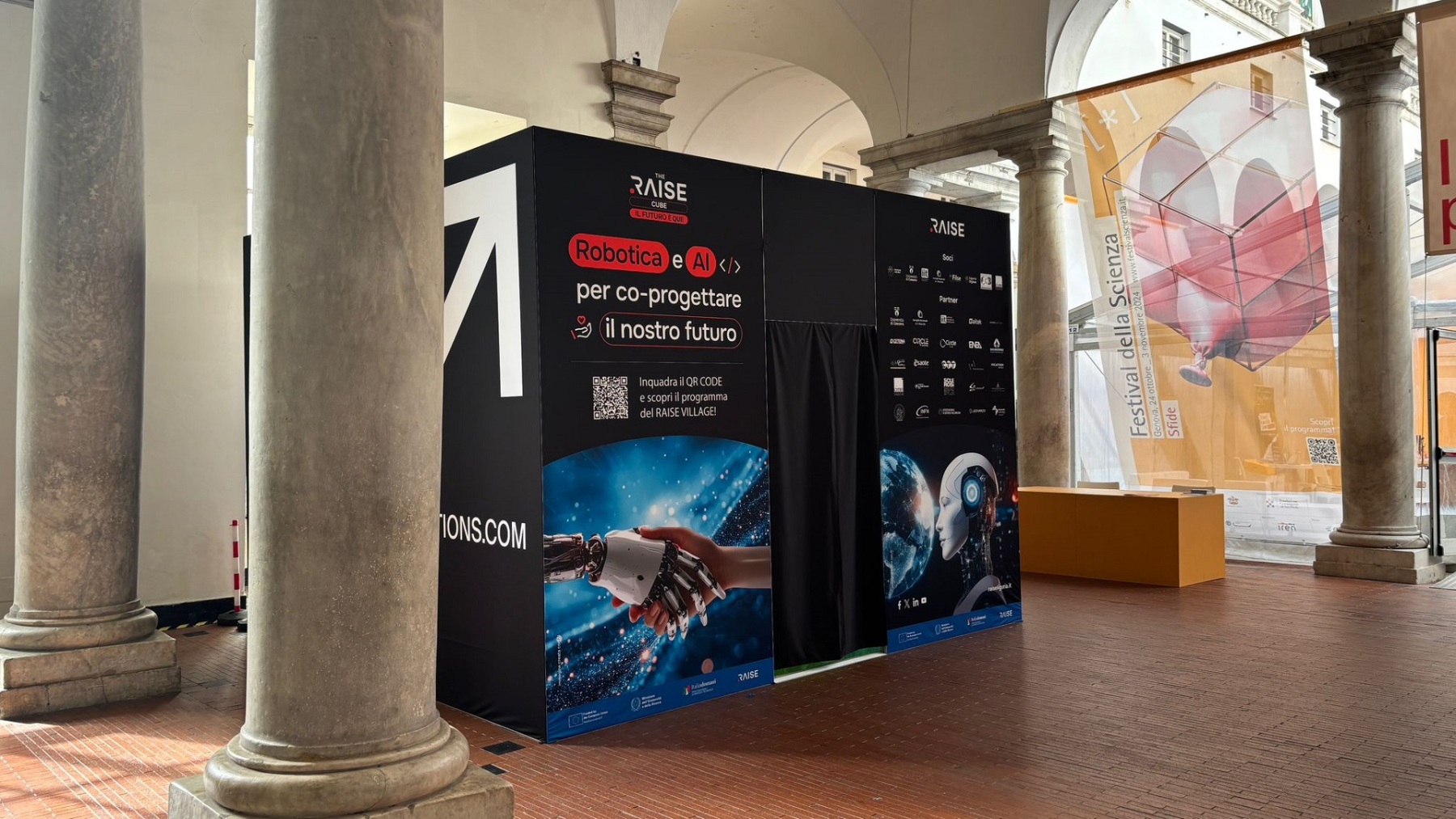
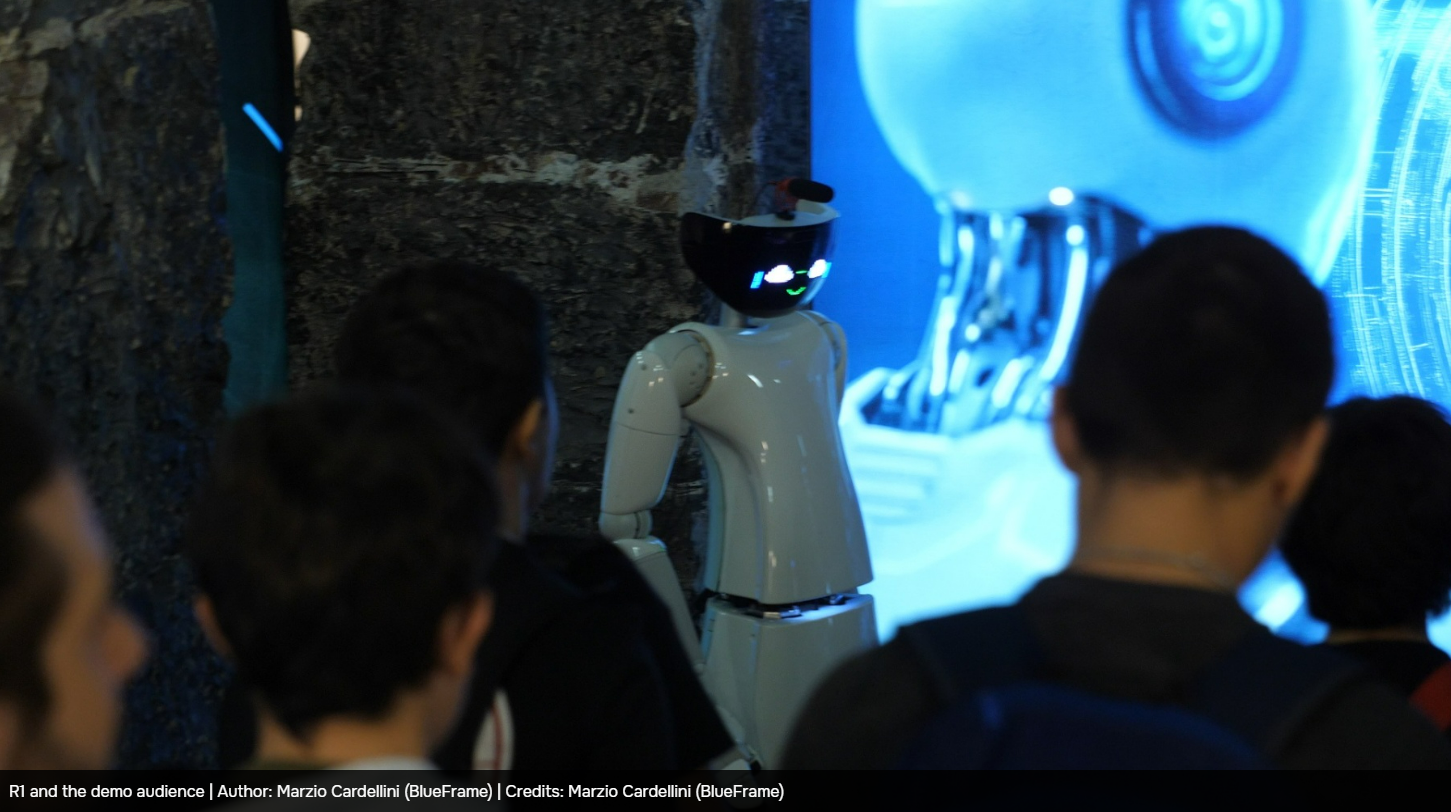
RAISE Cube, the immersive cube, was the introduction to the RAISE Village of the Science Festival 2024, in the portico of Palazzo Ducale in Genoa.

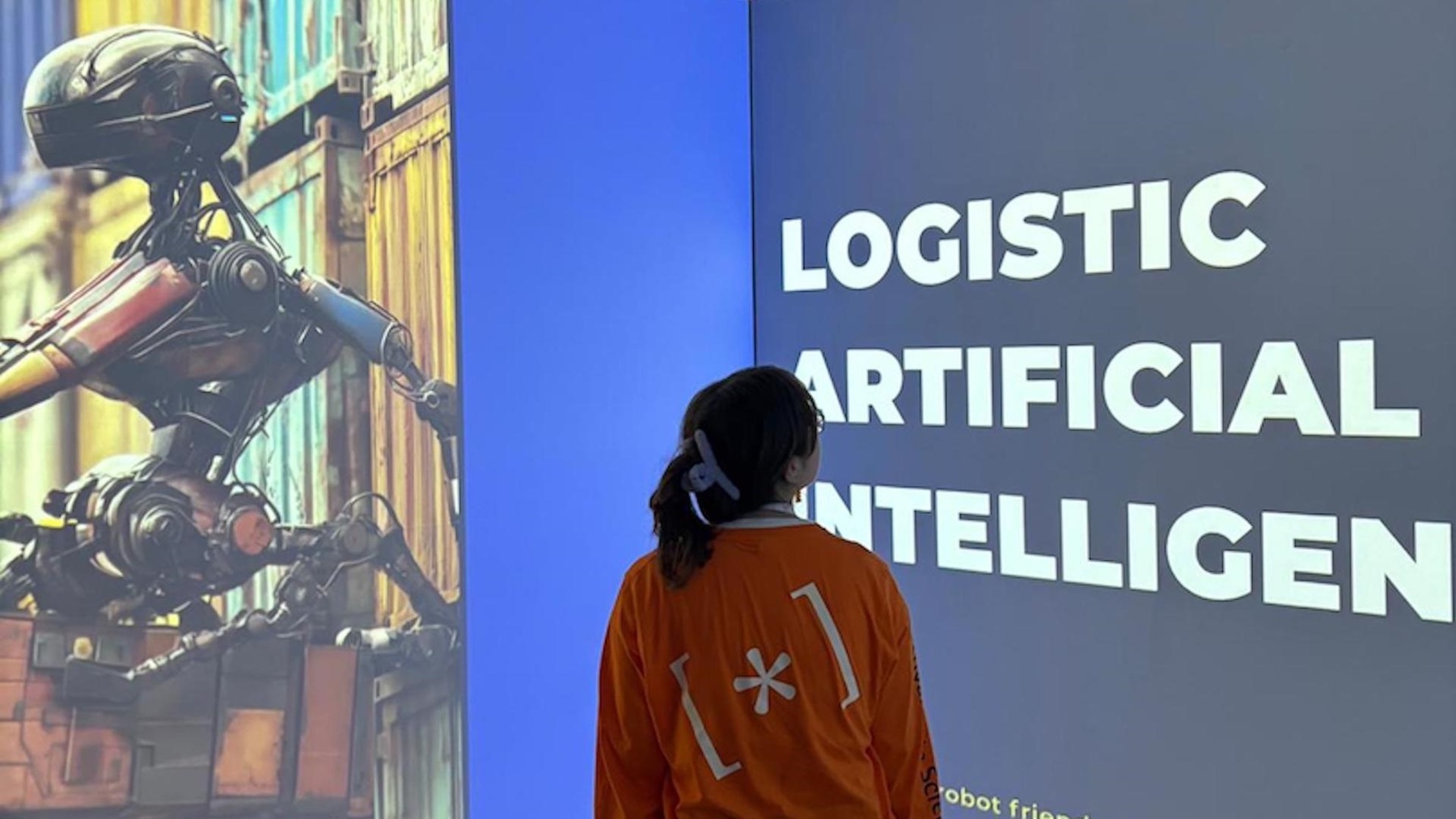
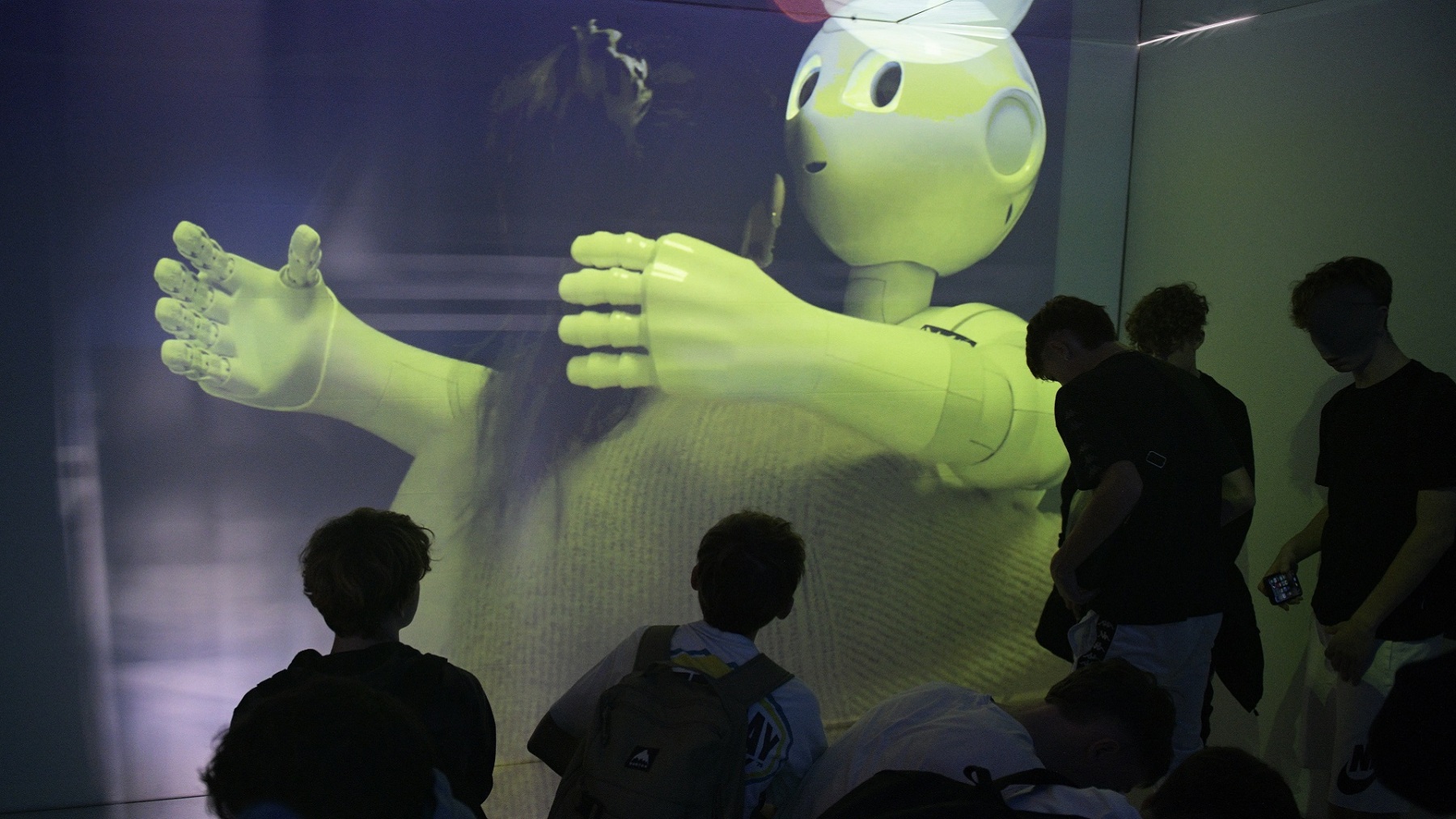
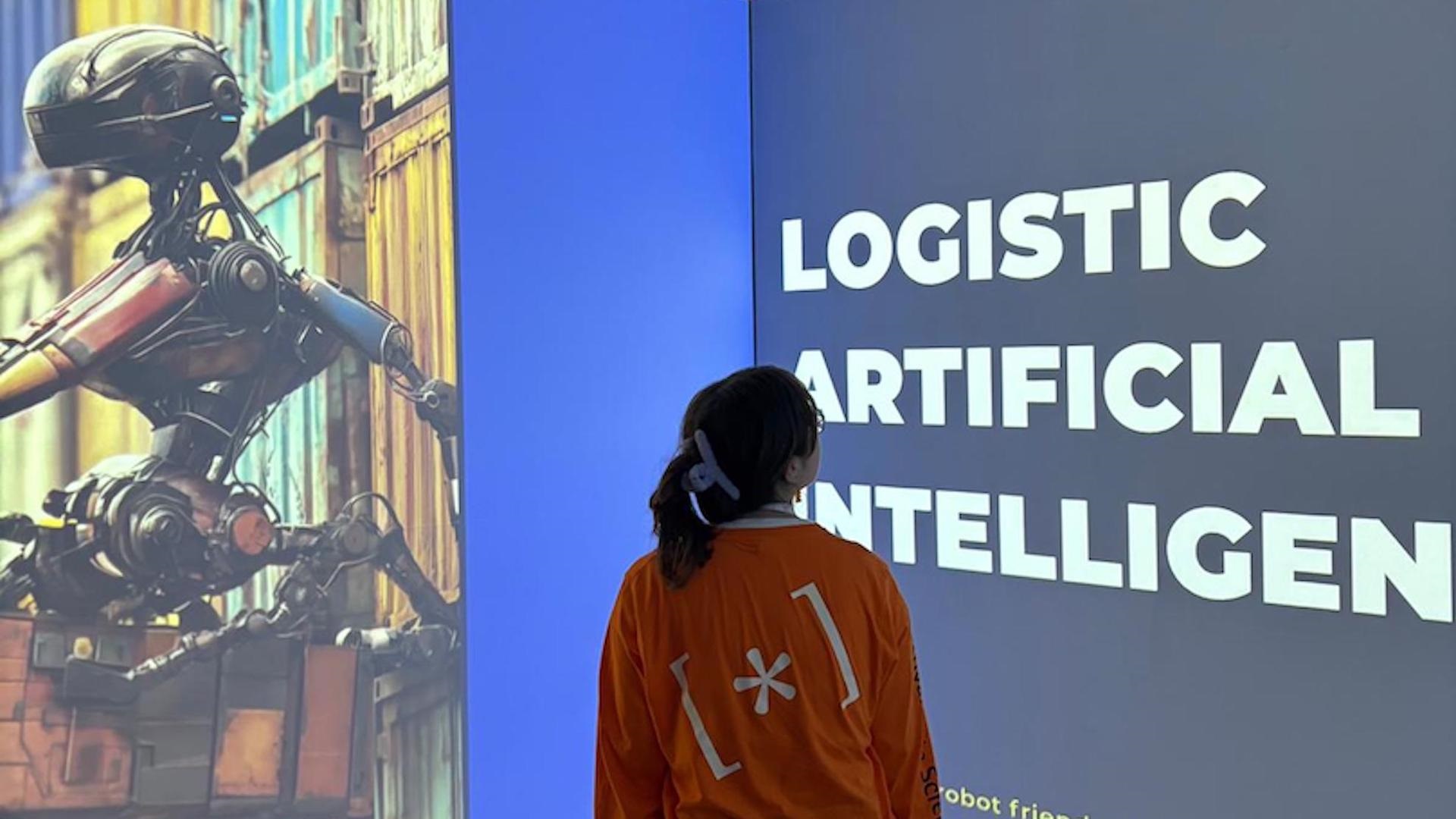
It is an installation that, through full-wall and seamless multi-projections, puts the visitor in emotional connection with the contents, through spectacular and rhythmic videos.

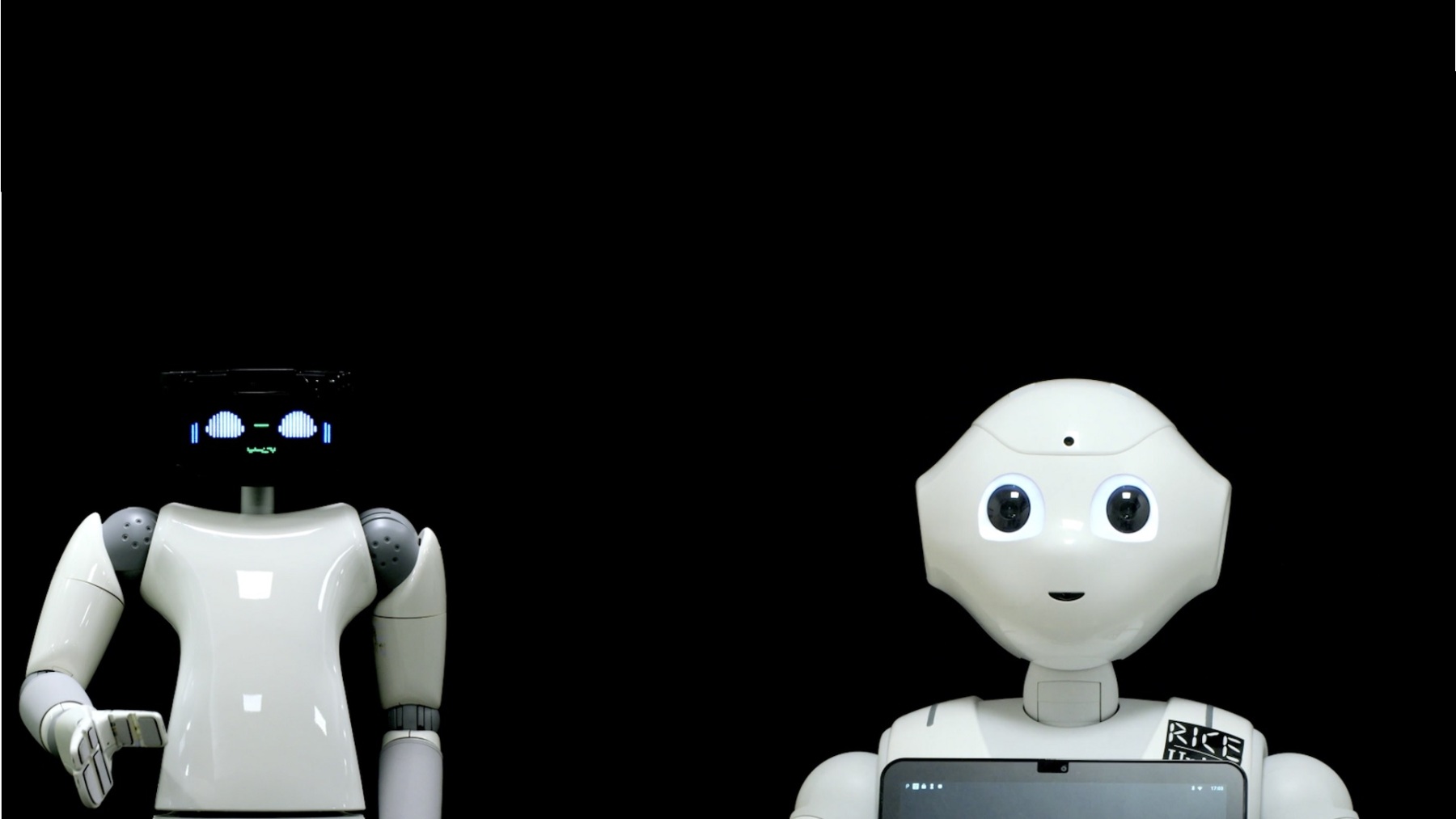
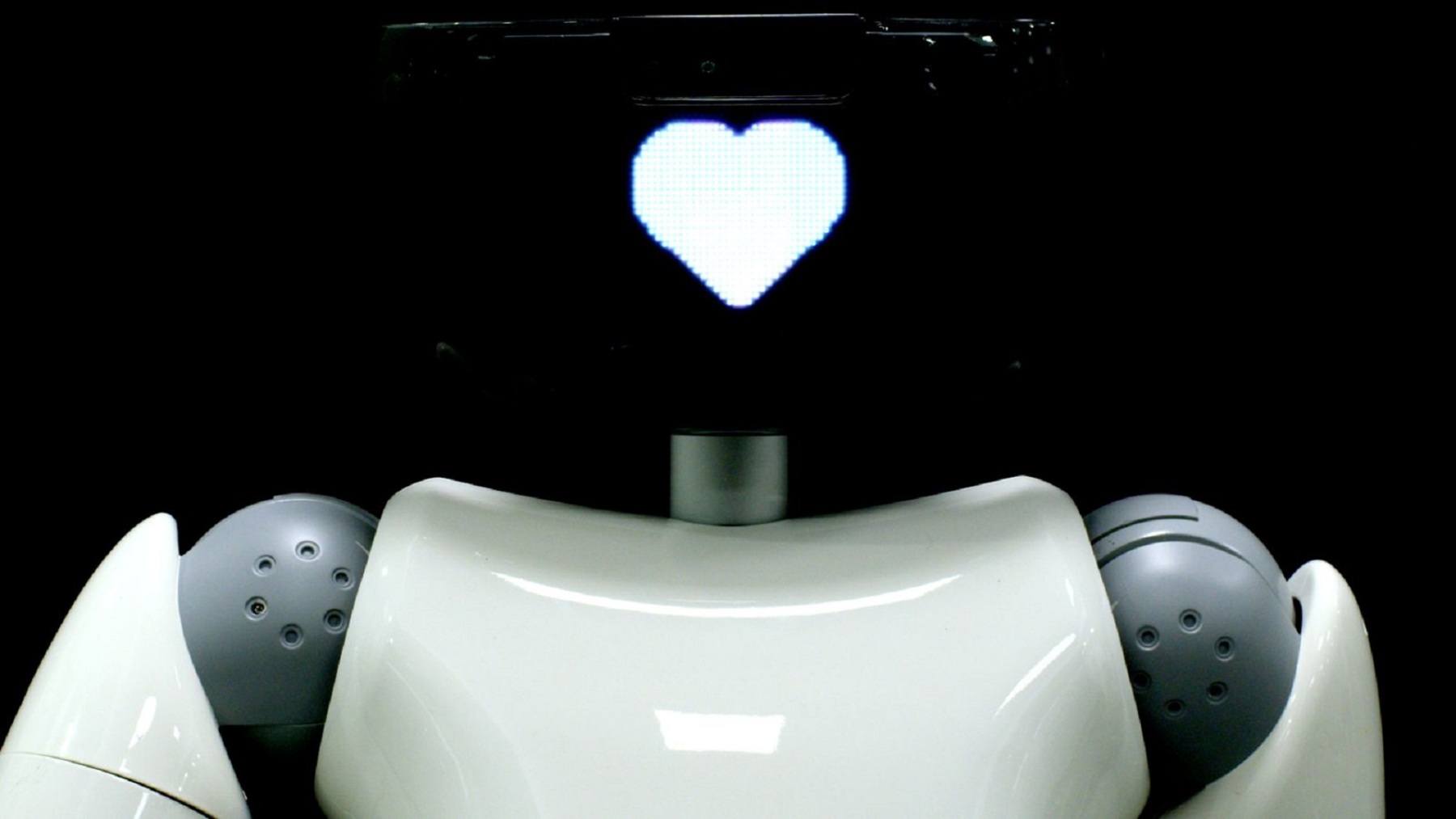
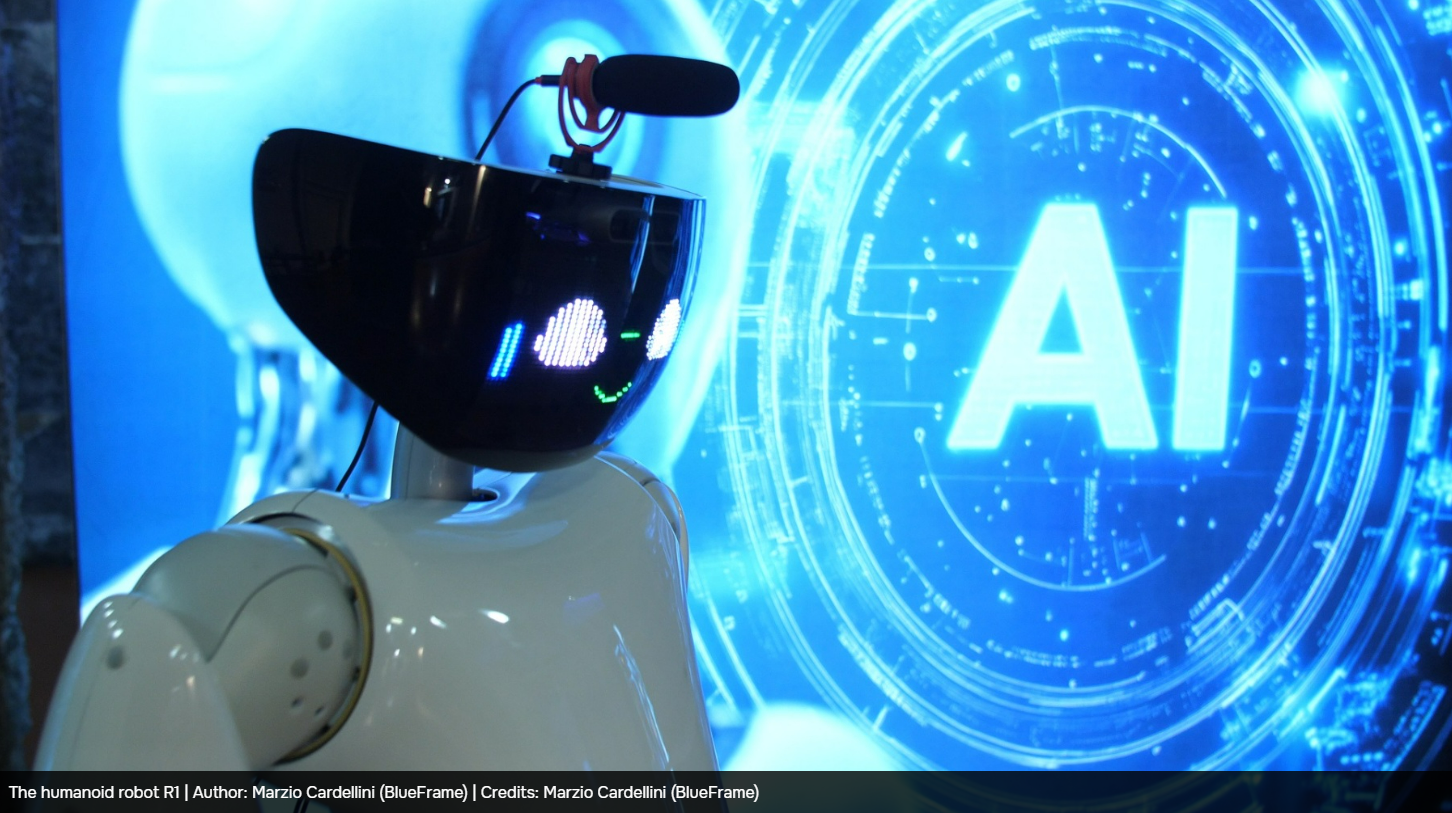
The combination of videos, photos and impactful graphics summarizes some of the results of RAISE, through the story of two humanoid robots, Pepper and R1, in just over 3 minutes.

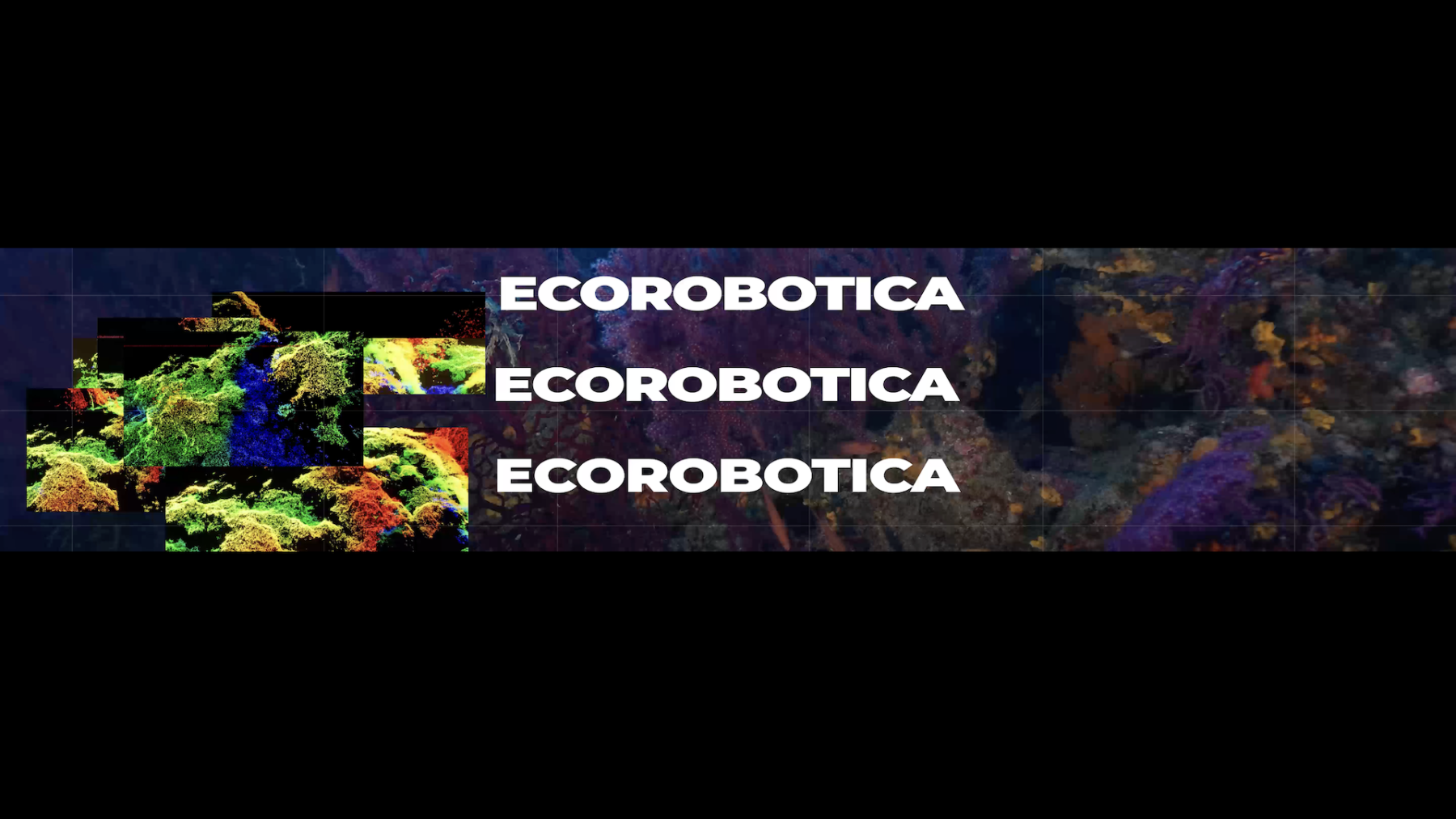
The visitor can see twelve 3D models, in different stages of development, from the point cloud to the finished model, used in the various thematic areas of the ecosystem.

Pepper and R1 are used as actors: they therefore recited a script, written by Patrizia Schettino (CNR-IAS, Spoke 5) and Adriana Ferrari (ETT, Spoke 5) to offer visitors an exciting and stimulating story and to arouse curiosity about the contents of the RAISE innovation ecosystem.

Lucrezia Grassi (UniGe, spoke 2 and 4) and Ettore Landini (IIT, Spoke 2) took up the challenge of starting from the script to adapt it to the “acting” of the two robots. As both highlighted, it was also an opportunity to develop a new app and to enhance the potential of humanoid robots in a different way.

The background created for the filming of R1 also has a very interesting history of recycling materials: it comes from the warehouse of the Communication Unit of the CNR in Genoa, where it was for 15 years and was actually a PVC carpet, on which Japanese dancers danced. Thanks to the creativity and industriousness of the CNR colleagues, a piece of that carpet became a perfect cinematic background, for filming in the laboratory.

Andrea Sessarego (Associazione Festival della Scienza, Spoke 5) highlighted how the RAISE Cube was “the gateway” to the RAISE Village, also being strategically positioned right next to the Info Point.

The RAISE Cube is a choral work, created by ETT, in collaboration with the RAISE Communication Team and the RAISE researchers who provided robots and 3D models.

We thank all those who contributed.

The encounter between the public and the robots at the RAISE Village

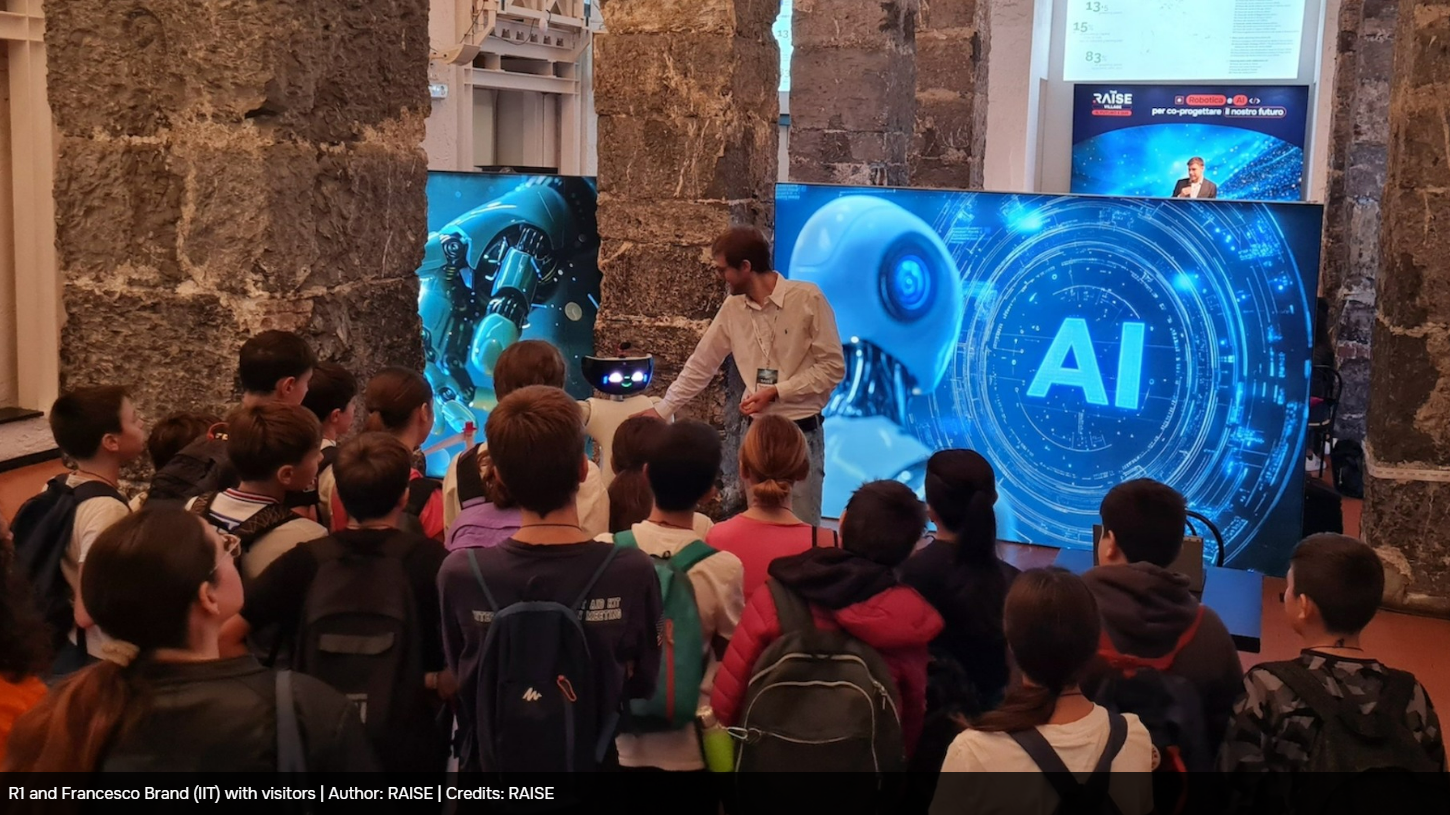
From October 24th to November 3rd, all the people who visited the RAISE Village, during the Science Festival, at Palazzo Ducale, had the opportunity to have a direct experience of interaction with a social robot, such as Pepper and R1, and then with other quadruped, tracked, and wheeled robots.

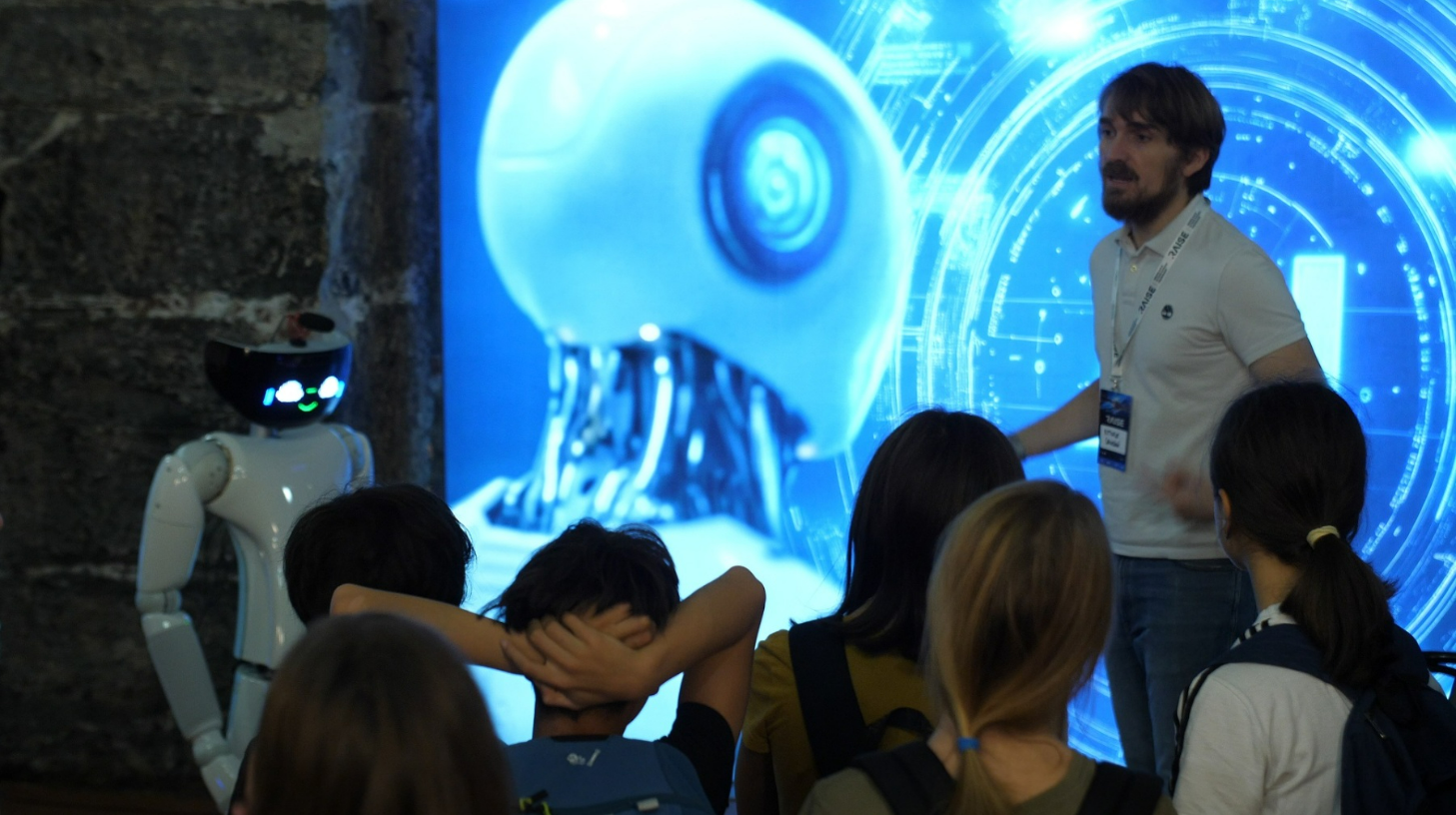
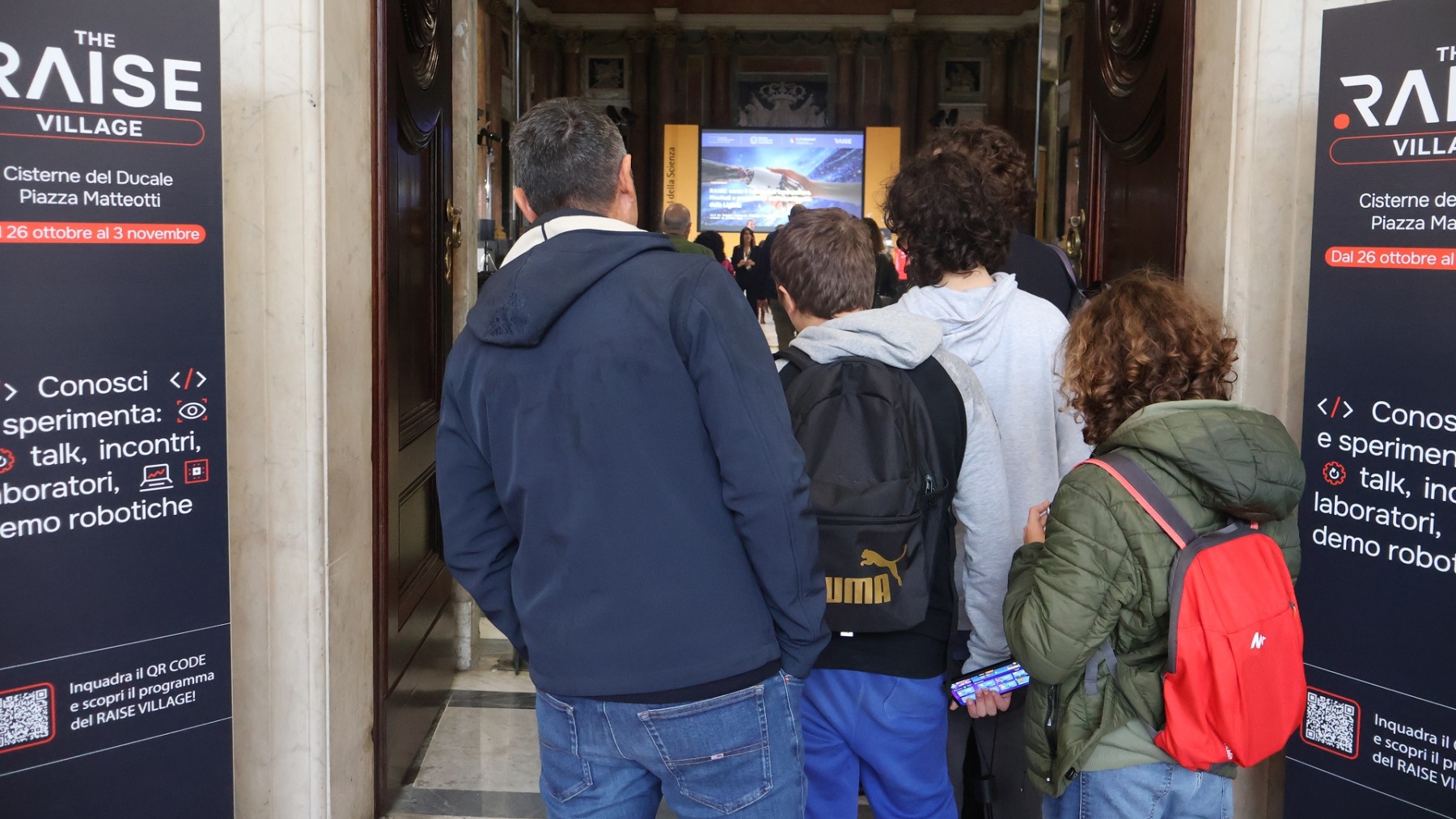
The first meeting took place in the porticoes of Palazzo Ducale, thanks to RAISE Cube, an immersive environment in which, through an engaging narration, children and adults were able to listen to the two robots, who told some of the results of RAISE. Pepper and R1 then invited visitors to continue their journey into the world of RAISE between smart cities, personalized health, environmental care with eco-robotics and the intelligent and sustainable port.

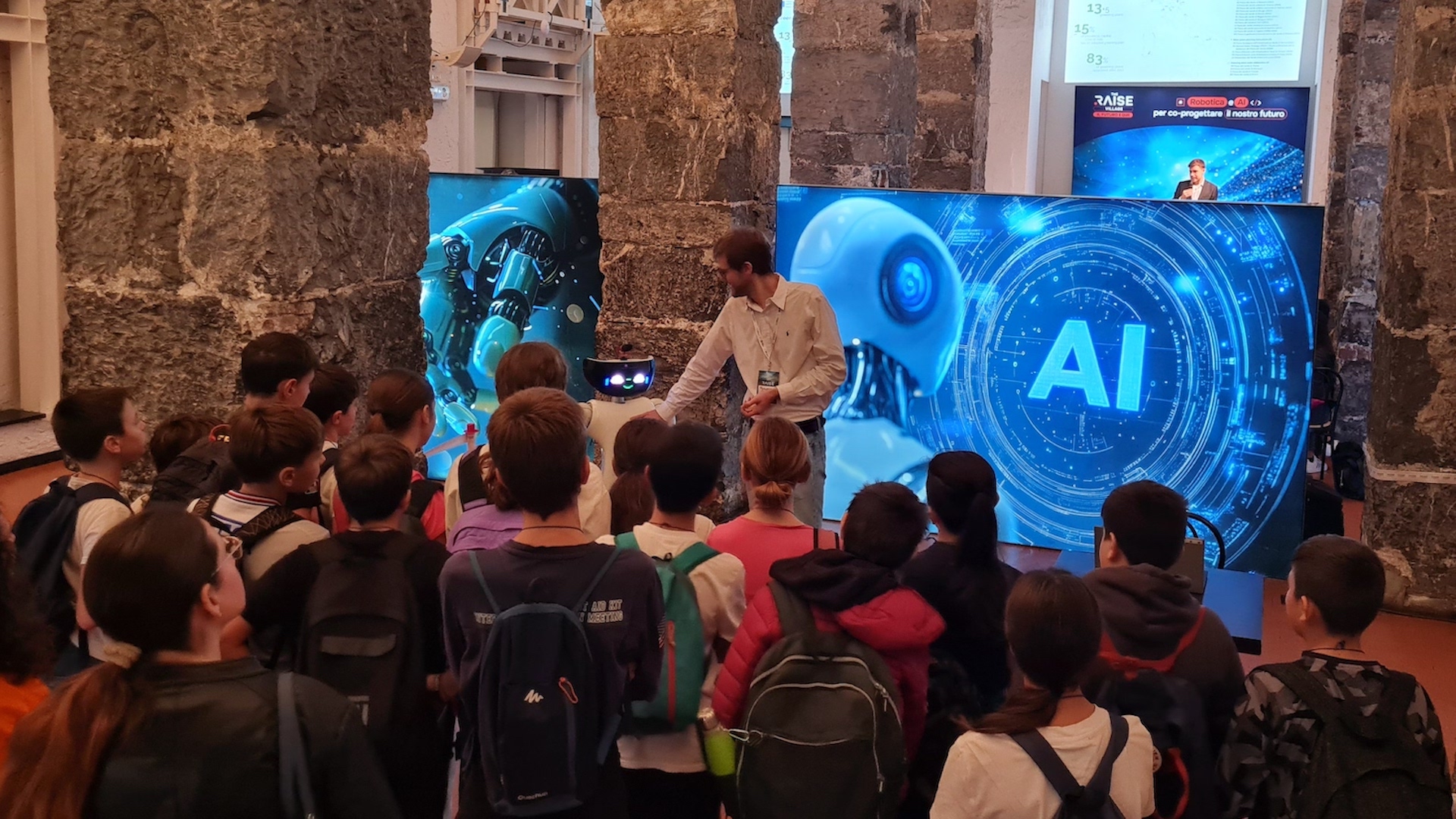
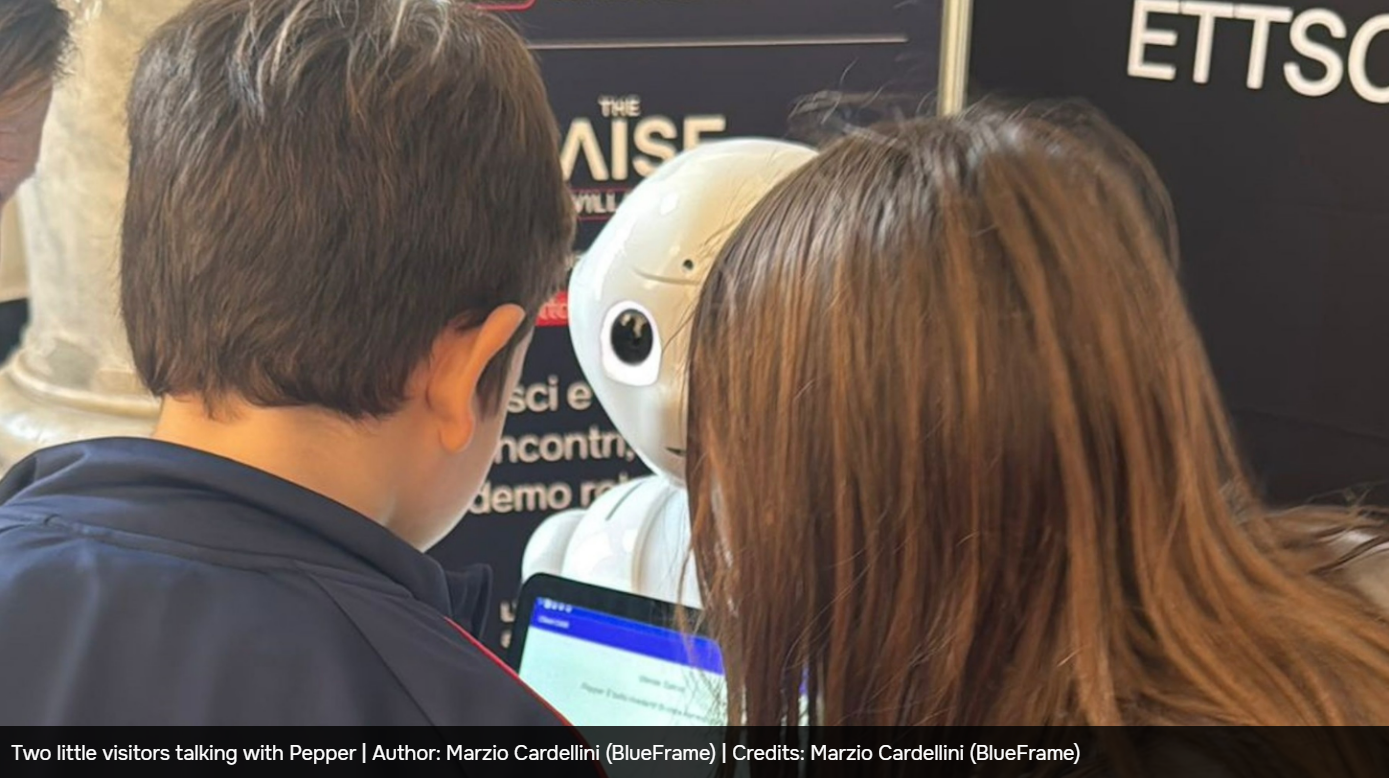
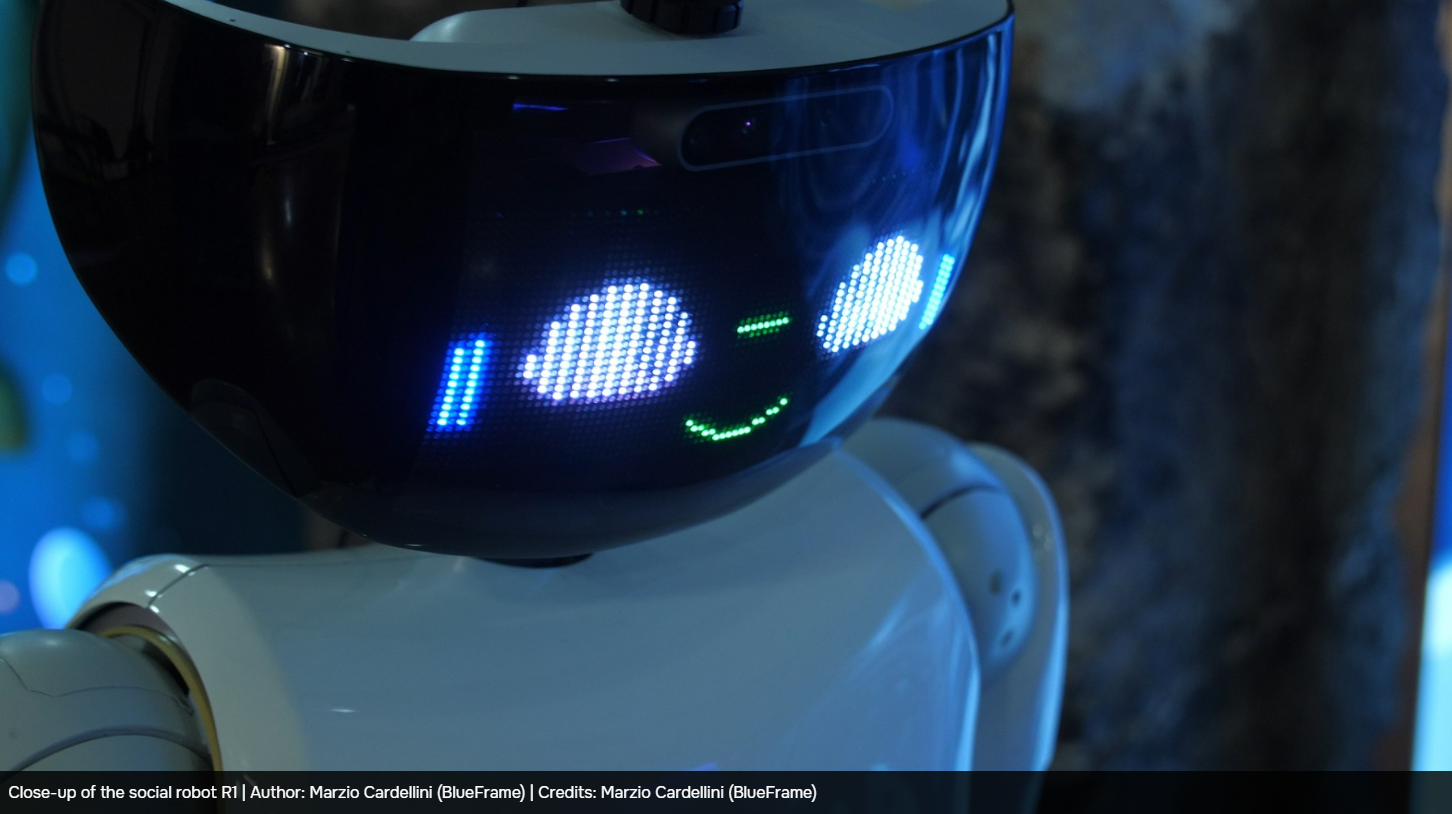
At the Ducale Cisterns, then, starting on day 29 with R1, the public was able not only to directly see the social robot that interprets a map and the objects placed in them, but also to ask questions directly, both to researches (Ettore Landini, Francesco Brand, Misael Gonzalez Almeida, IIT), and to the robot. The Pepper robot instead met numerous visitors on Saturday afternoon, November 1, in the portico, with researcher Lucrezia Grassi (UniGe). Both R1 and Pepper, social humanoid robots, are used in various types of activities underway in RAISE, such as dialogue with patients, both in hospital and domestic settings (Spoke 2), and in the smart city, for object-based educational laboratories (Spoke 1), and for reception at the port (Spoke 4).

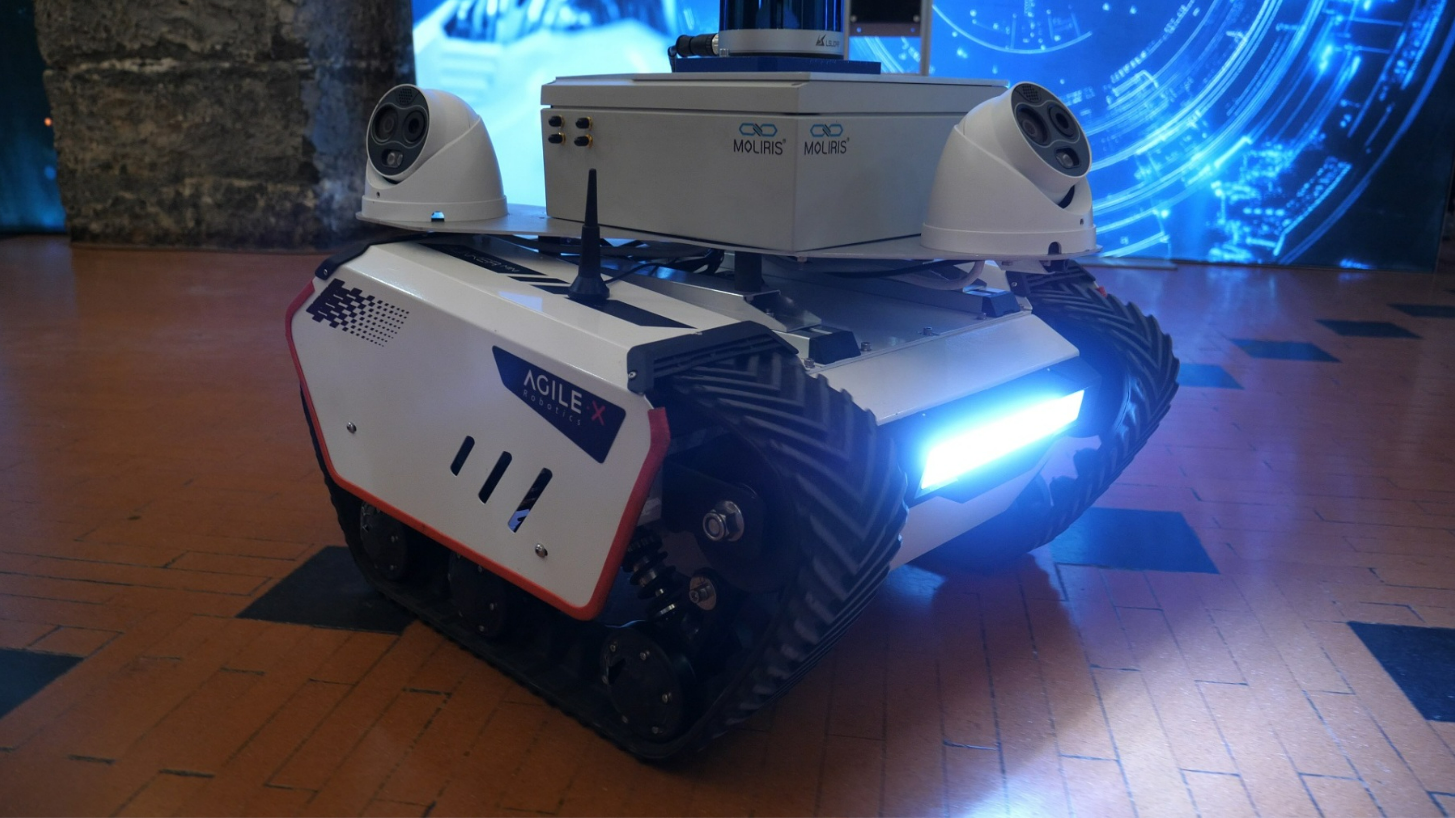
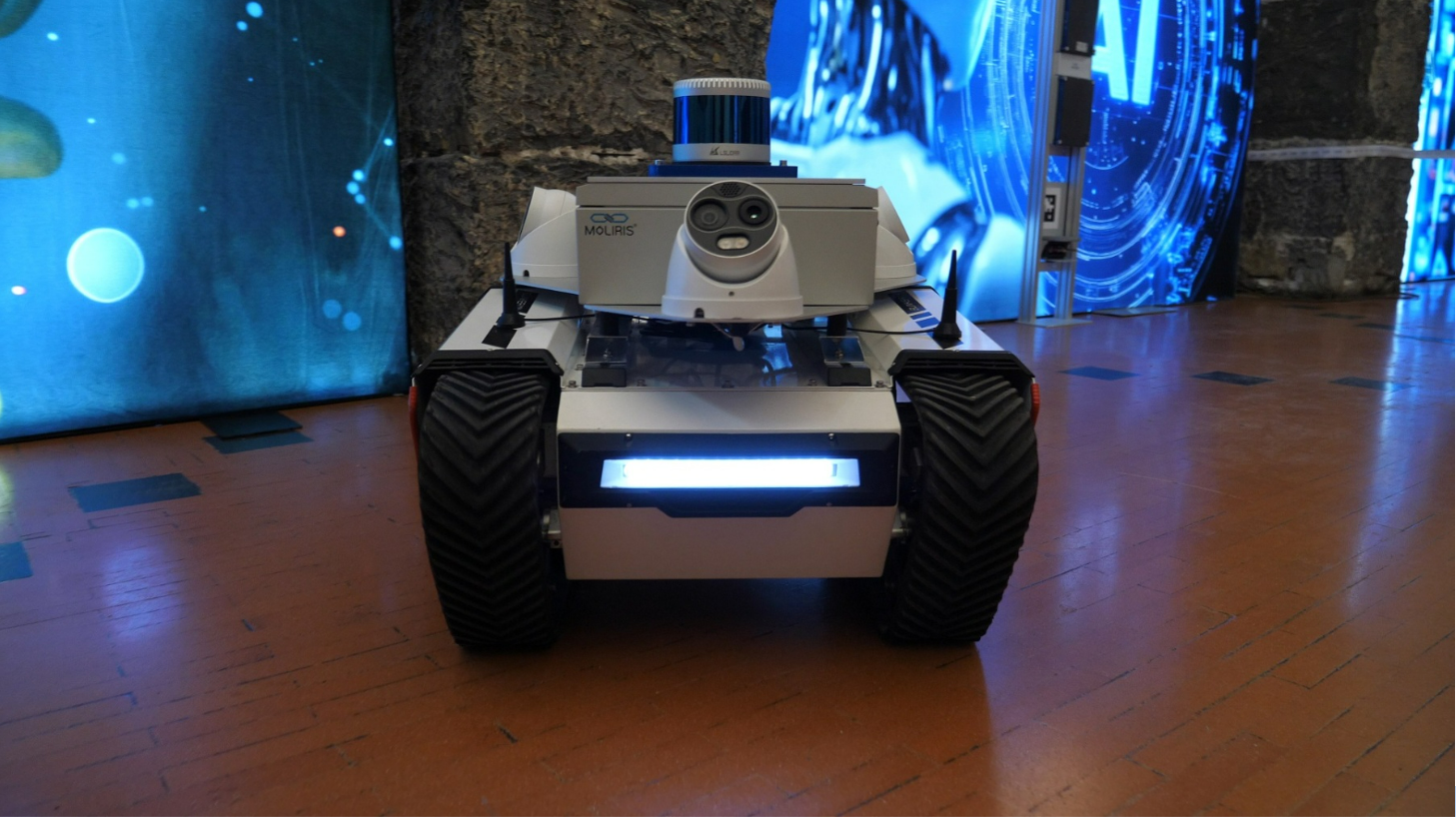
The robotic demos continued in the following days, with the tracked robot, with UniGe and Infosolutions, used in the context of Spoke 3, for example for environmental analyses in an industrial context or in post-earthquake interventions in prestigious buildings or in agriculture, for winter pruning.
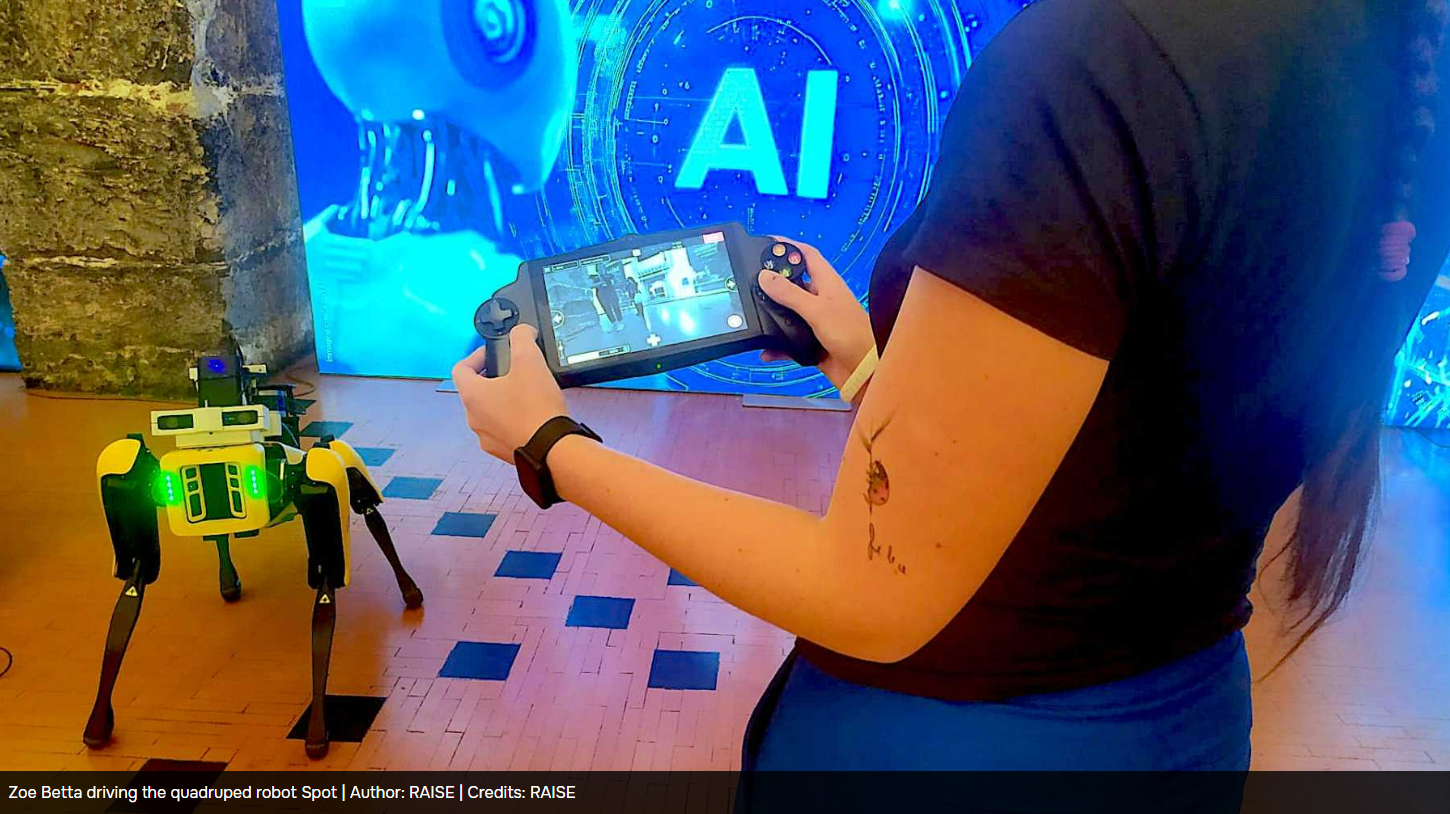
And then the visitors were able to see the quadruped robot Spot in action, with the researcher Zoe Betta, Marco Tabita, Ali Yousefi, who illustrated how the robot will be used in the context of port logistics, answered all the visitors’ curiosities about it, also showing during the demo how the robot can recognize the presence of people or objects within a map.
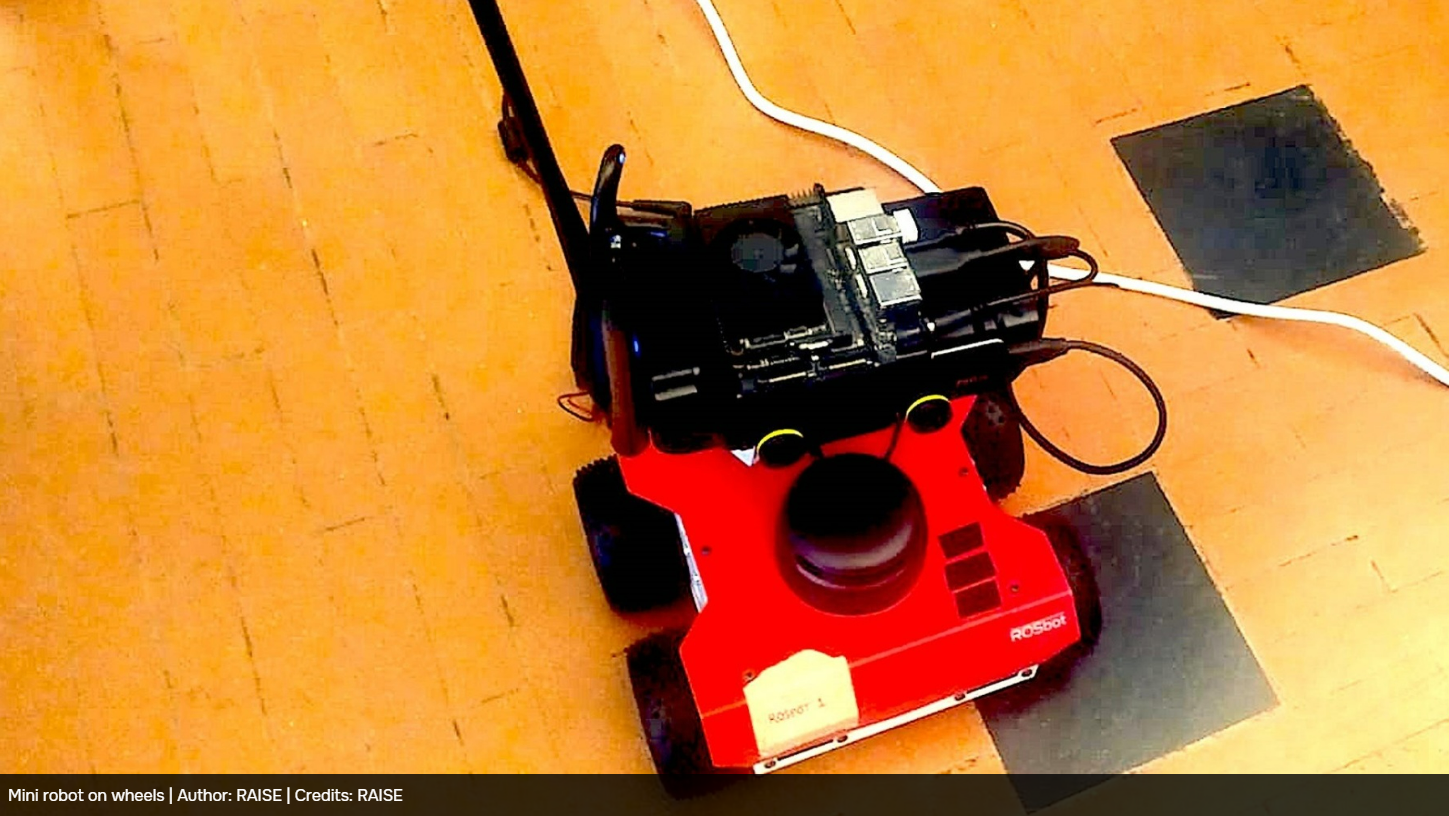
The visitors were also able to experience VR driving of a mini robot ROSbot, with Omotoye Adekoya (Spoke 4) which will also be used in port logistics, in teams of mini robots that can intervene in a team for activities related to logistics, safety and management of the port, in particular those activities that are more dangerous for humans and in areas that are difficult to reach.

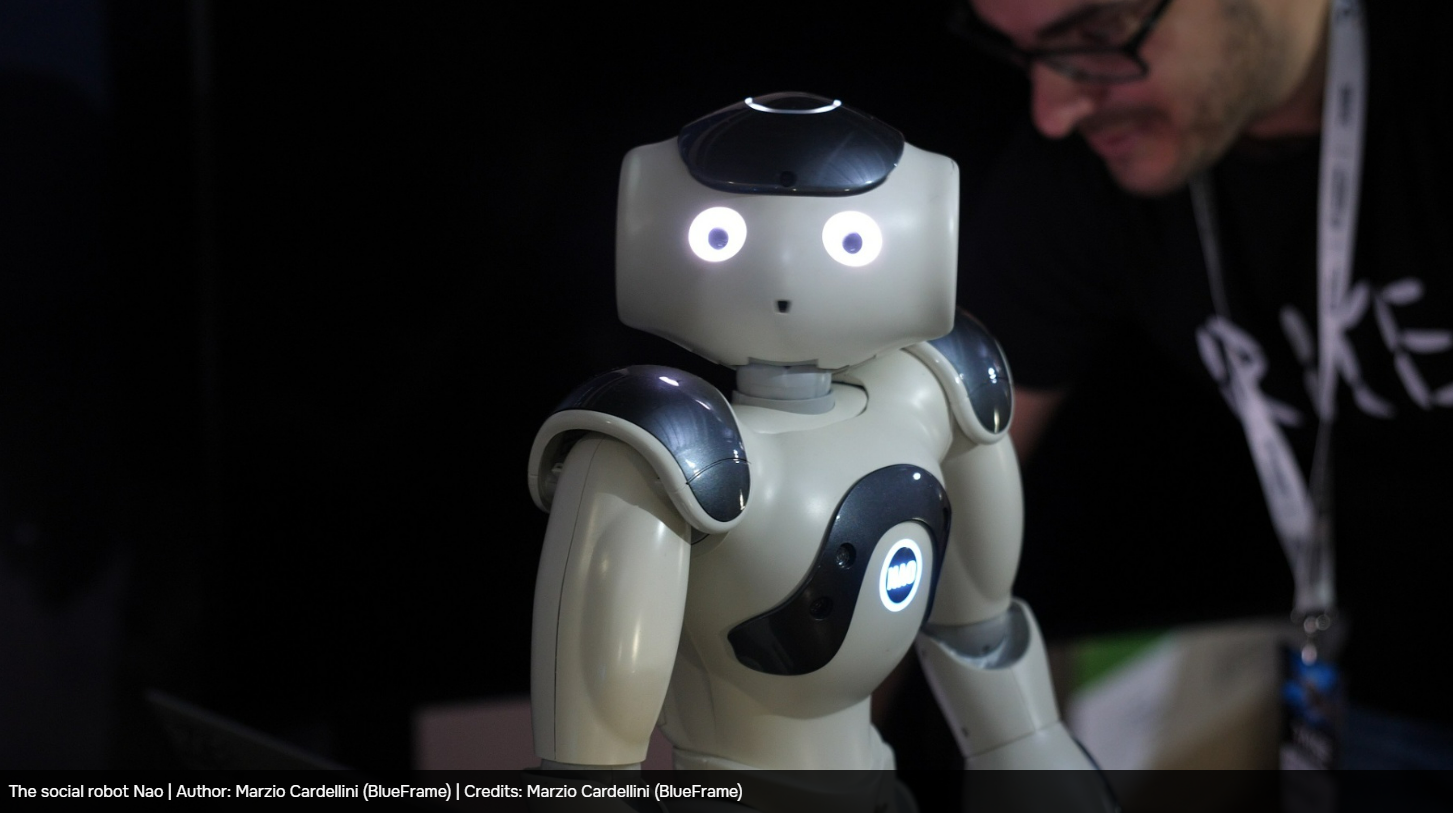
Some robots were presented in corners NAO and Buddy with the researchers Alice Nardelli, Lorenza Saettone, Allegra Bixio, Giulia Berettieri, Francesca Corrao (Spoke 1).
An in-depth look at AI to give robots cultural competence was instead offered by Ariel Gjaci, Enzo Petrocco (Spoke 1 and 2).
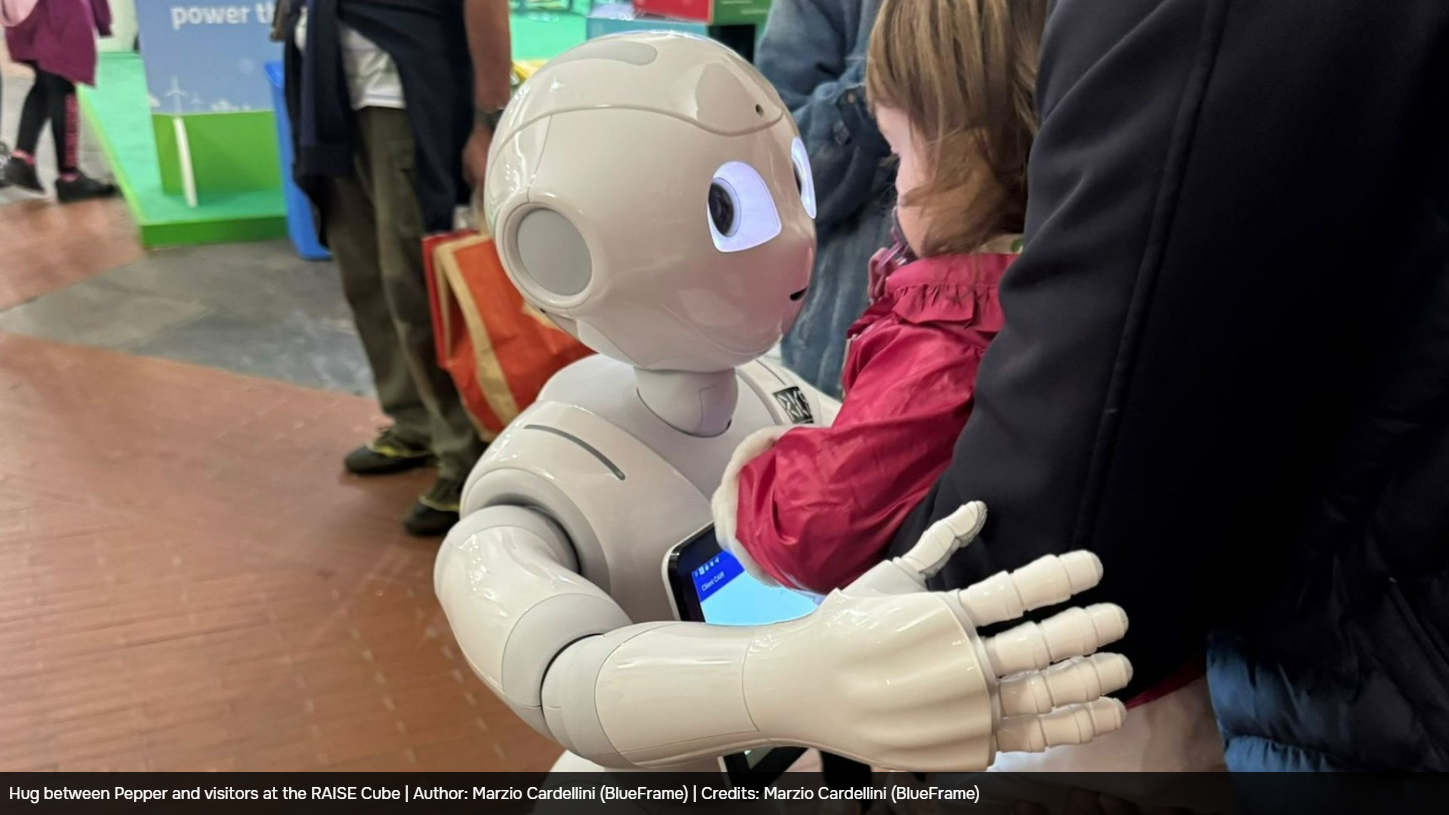
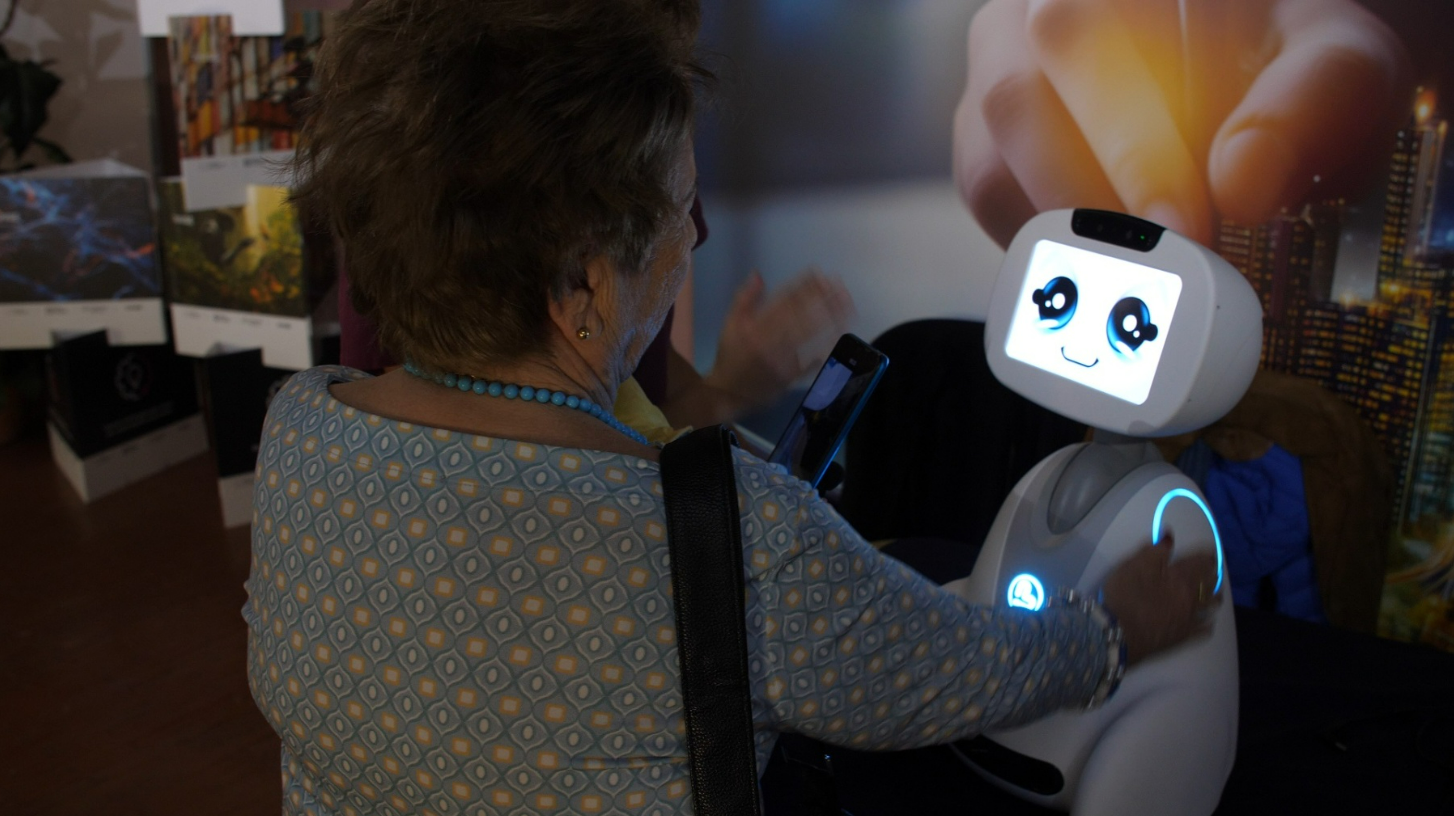
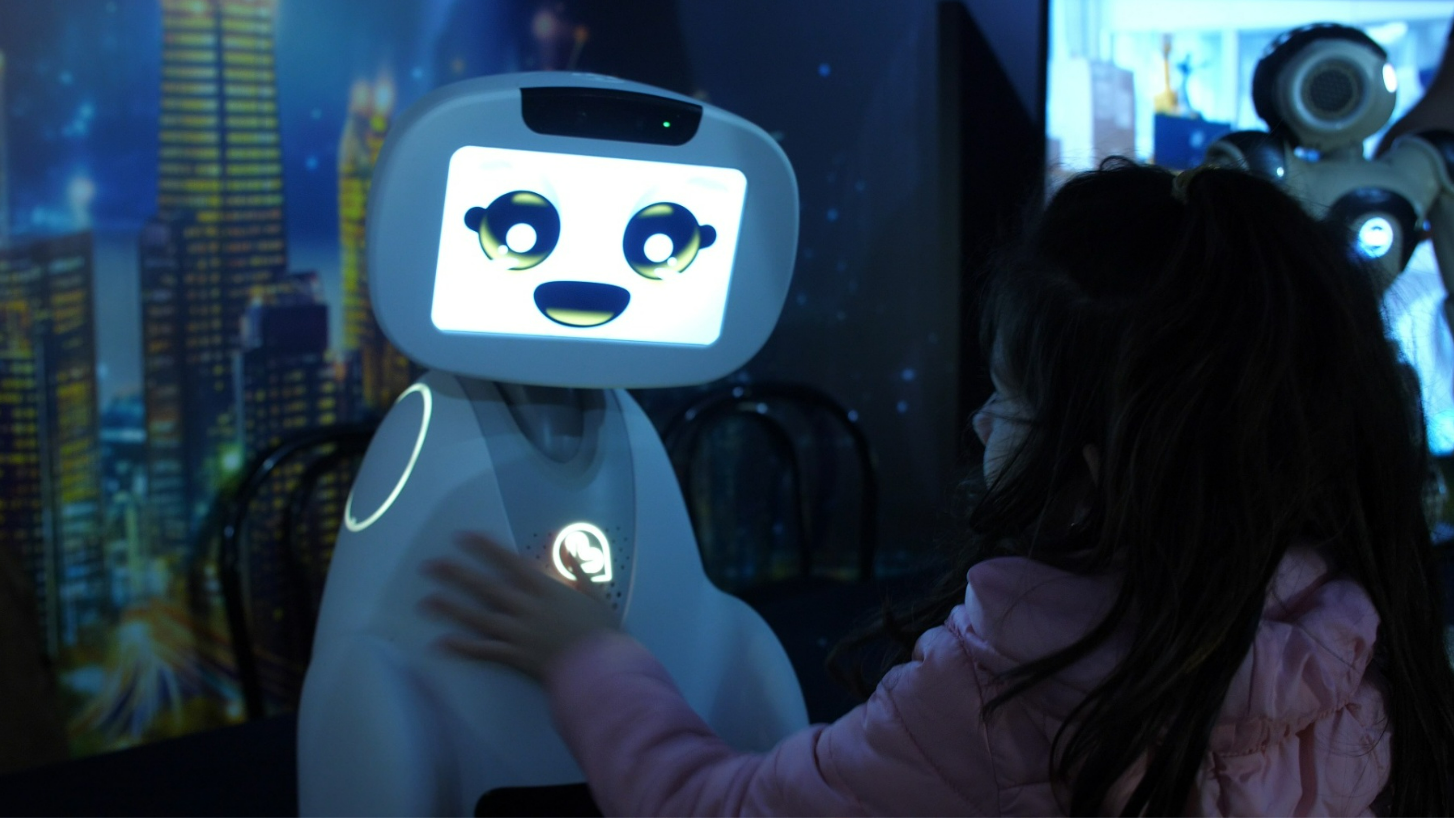
A varied overview, therefore, which was greatly appreciated by the public of the RAISE Village, who participated by asking various questions to the researchers and also directly to the robots. And whoever wanted to try to hug Pepper or hold his hand, even the little ones, in the company of their parents.
A visitor, a retired teacher, visiting the Science Festival and the RAISE Village, commented with great satisfaction on having been able to speak directly with a robot for the first time.

Starting from the RAISE Cube up to the dialogue and the embrace with the robot in the cisterns and portico of the Ducale, the visitors were involved in new experiences and were able to learn more about and understand some of the results of RAISE and the activities in progress, thanks to the robotic demos and the meeting with the teams who are working in the ecosystem.
The people who contributed to the robotic demos and the presentation of the robots at the corners, with the activities and results of RAISE, are:
– Zoe Betta, Marco Tabita, Ali Yousefi (Spot, Spoke 4), Omotoye Adekoya (virtual reality teleoperation of teams of ROSbot wheeled robots, Spoke 4)
– Lucrezia Grassi (Pepper, Spoke 2 and 4)
– Alice Nardelli, Lorenza Saettone, Allegra Bixio, Giulia Berettieri, Francesca Corrao (NAO, Buddy, Spoke 1)
– Ariel Gjaci, Enzo Petrocco (Artificial Intelligence to give robots cultural competence, Spoke 1 and 2)
– Giovanni Mottola (drone demo, with ultimate goal of monitoring radioactivity in containers, Spoke 4)

We thank the professors responsible for these demos and corners with robots and research teams: Carmine Recchiuto (UniGe, Spoke 1, 2, 4) and Antonio Sgorbissa (UniGe, Spoke 2, 3, 4) and Gianni Vercelli (UniGe, Spoke 3).

SMARTcup Liguria 2024: al BIC di Genova la finale della dodicesima edizione

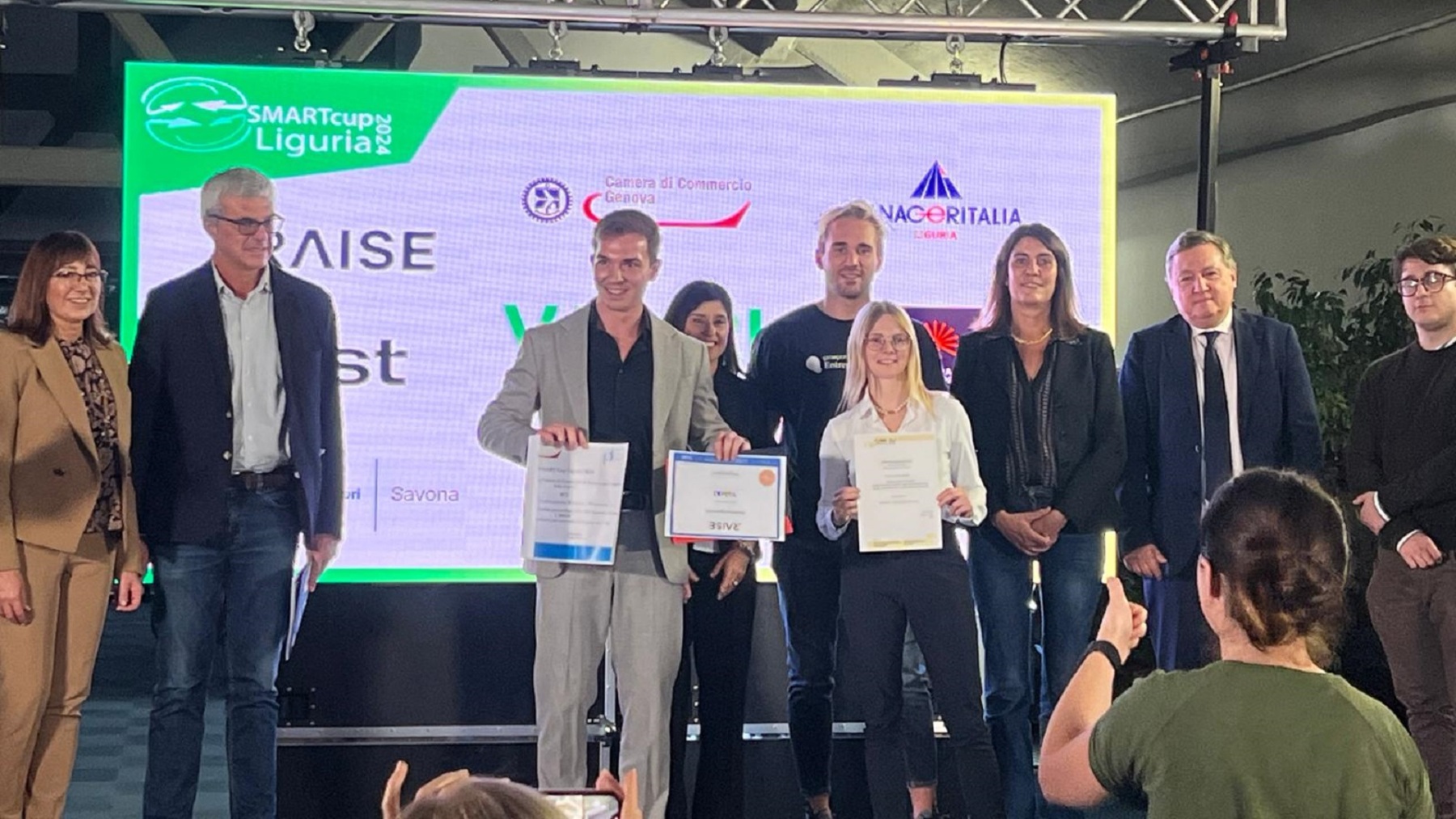
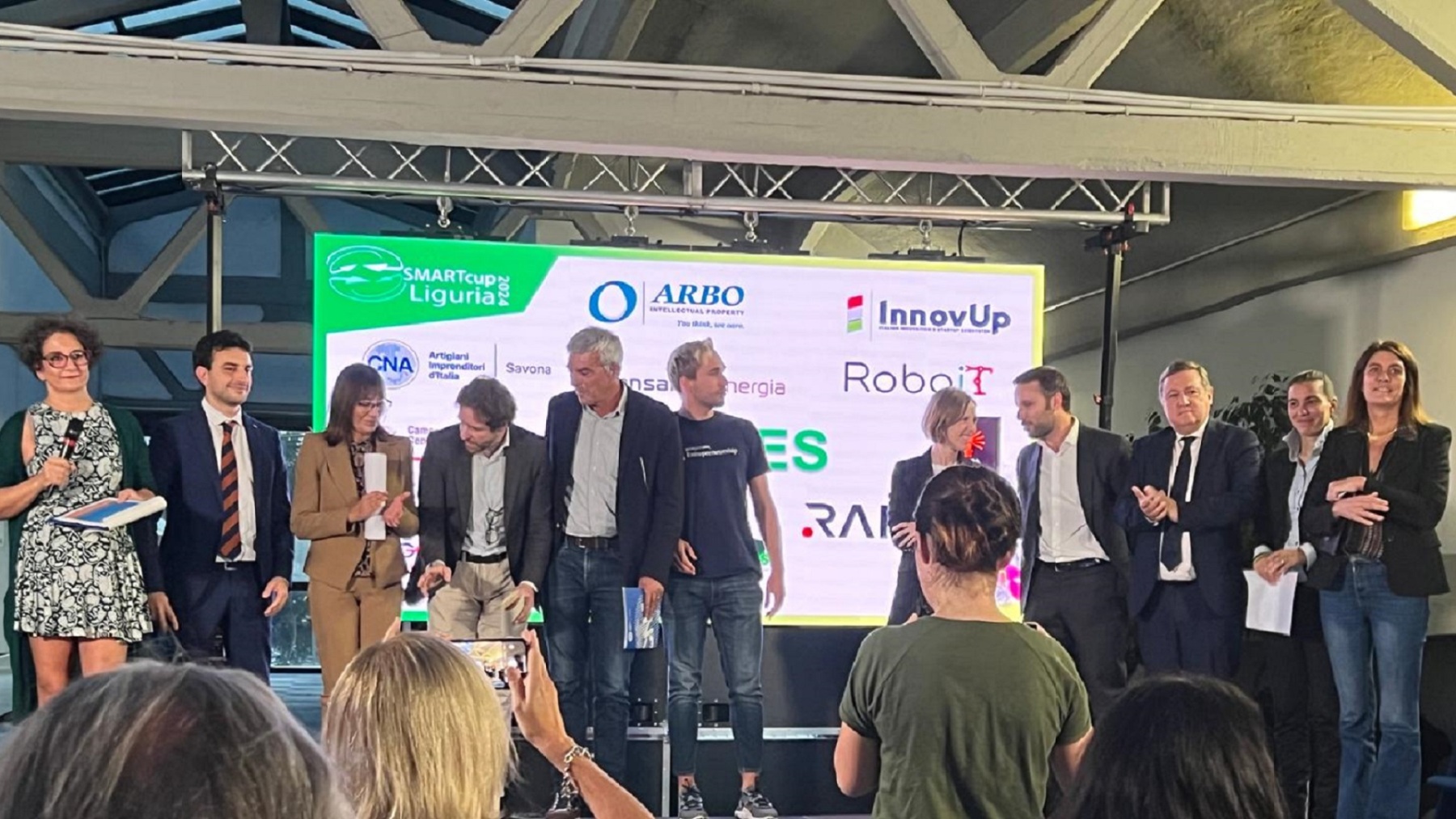
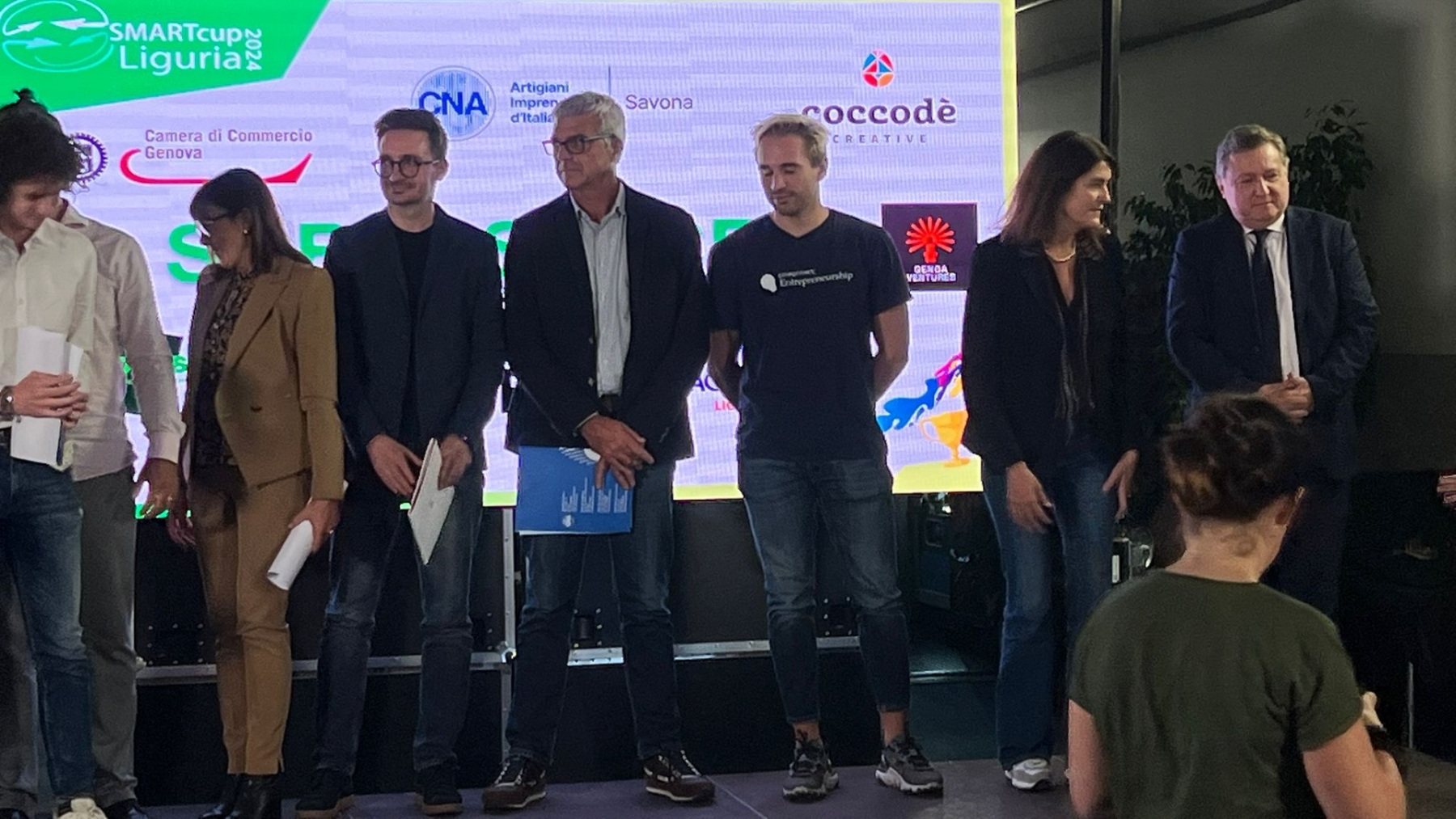
Il 30 ottobre presso l’Incubatore BIC di Genova, si è tenuta la giornata conclusiva della dodicesima edizione di SMARTcup Liguria, il concorso di Regione Liguria ed organizzato da FILSE, vuole premiare idee d’impresa generate da spin-off universitari e start-up imprenditoriali.

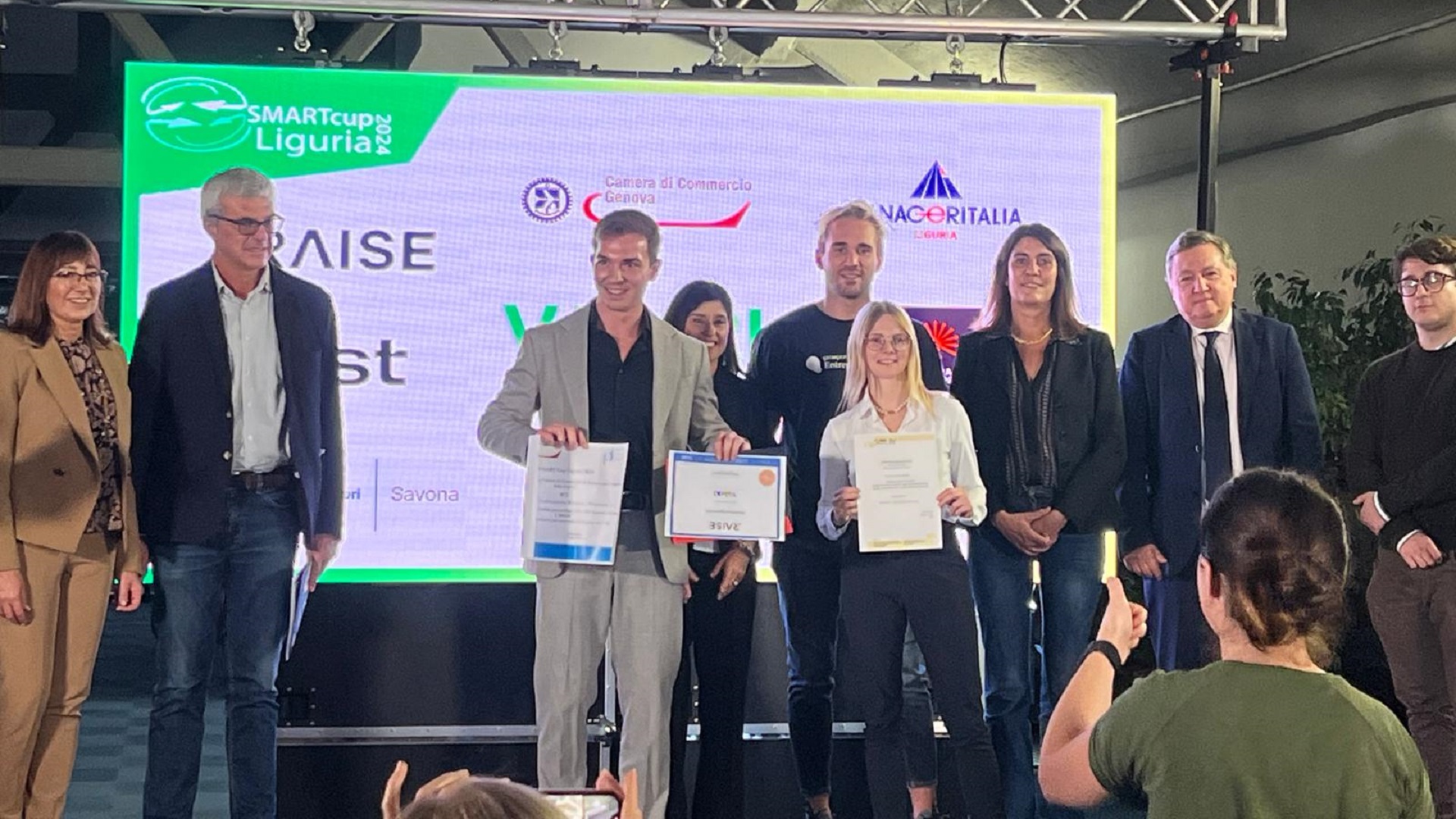
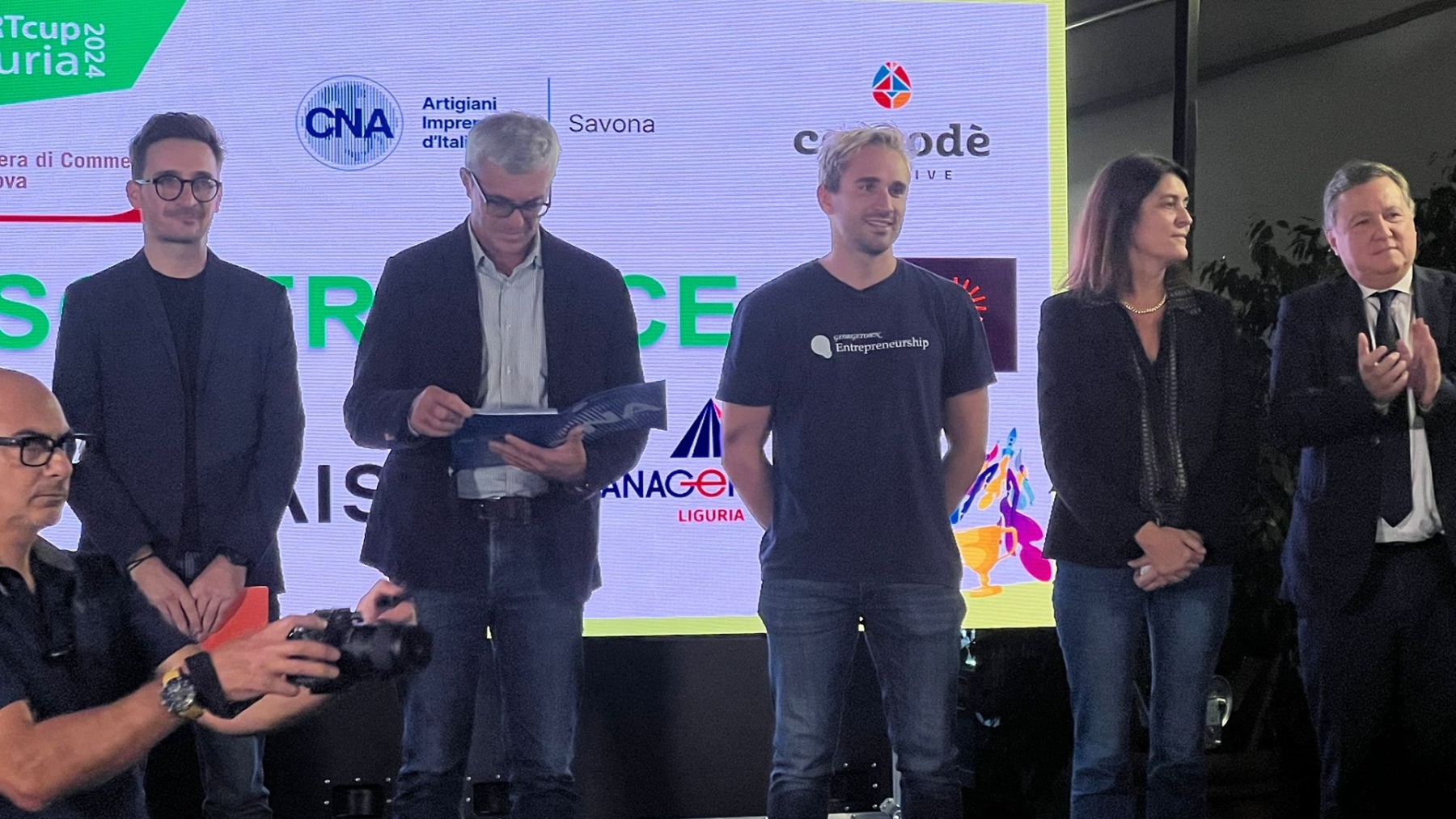
La competizione che si svolge in collaborazione con l’Università degli Studi di Genova e l’Associazione PNI Cube, oltreché l’IIT, CNR, Comune di Genova e gli attori (oltre 70) liguri e non solo che animano e supportano il mondo dell’impresa, quest’anno ha visto la partecipazione attiva dell’Ecosistema dell’Innovazione RAISE (Robotics and AI for Socioeconomic Empowerment) che ha premiato le 4 idee di impresa vincitrici per ciascuna delle categorie previste a concorso.

Il premio RAISE, che consiste in un’attività di supporto allo sviluppo di impresa attraverso affiancamento e collaborazione con i partner dell’ecosistema, è stato assegnato a:
Neurotronika – anche vincitrice assoluta – Start-up che si propone di sviluppare neuroprotesi cerebrali innovative per prevenire le crisi epilettiche resistenti ai farmaci. Grazie a una tecnologia all’avanguardia nel campo della neuromodulazione, Neurotronika mira a offrire una vita più godibile e socialmente integrata alle persone malate di questa patologia.
ValoRI – Valorizzazione Ricerca e Ricercatori – Soluzione innovativa che permette di scalare il processo di trasformazione delle ricerche scientifiche in progetti imprenditoriali: grazie all’analisi semantica e alla clusterizzazione delle ricerche non pubblicate, tramite un AI Reasoning Model, ValoRI è in grado di orientare la ricerca verso risultati di impatto, favorendo l’incontro con investitori pubblici o privati.
Antares – Spin-off dell’Istituto Italiano di Tecnologia si propone di decarbonizzare settori come l’industria pesante, la chimica e i trasporti grazie alla produzione di idrogeno verde e altri e-fuel avanzati.
Soberspace AI – Punta a ridurre gli incidenti stradali e a promuovere uno stile di vita più sano: l’app mobile proposta combina tecnologie avanzate come l’edge AI e l’uso di dispositivi indossabili e smartphone per fornire avvisi in tempo reale e suggerimenti per prevenire comportamenti a rischio.

L’iniziativa ha visto gli otto finalisti, selezionati fra i dodici giunti alla conclusione di un percorso che ha coinvolto complessivamente 66 idee imprenditoriali, sfidarsi con il metodo dell’“elevator pitch”, una brevissima presentazione pensata per descrivere a potenziali investitori le qualità del proprio progetto e convincerli ad investire.

I 4 vincitori si sono aggiudicati 6 mesi di ospitalità e di incubazione all’interno del BIC e parteciperanno al Premio Nazionale per l’Innovazione, promosso dalla rete nazionale degli incubatori di impresa universitari (PNICube), in programma a Roma il 5 e 6 dicembre: un’importante vetrina nazionale dove i finalisti liguri si misureranno con quelli delle altre regioni.

Il bilancio della SMARTcup Liguria è molto positivo: vanta ben 518 progetti di impresa sottomessi, 60 dei quali si sono tramutati in imprese che fatturano e creano occupazione in Liguria.

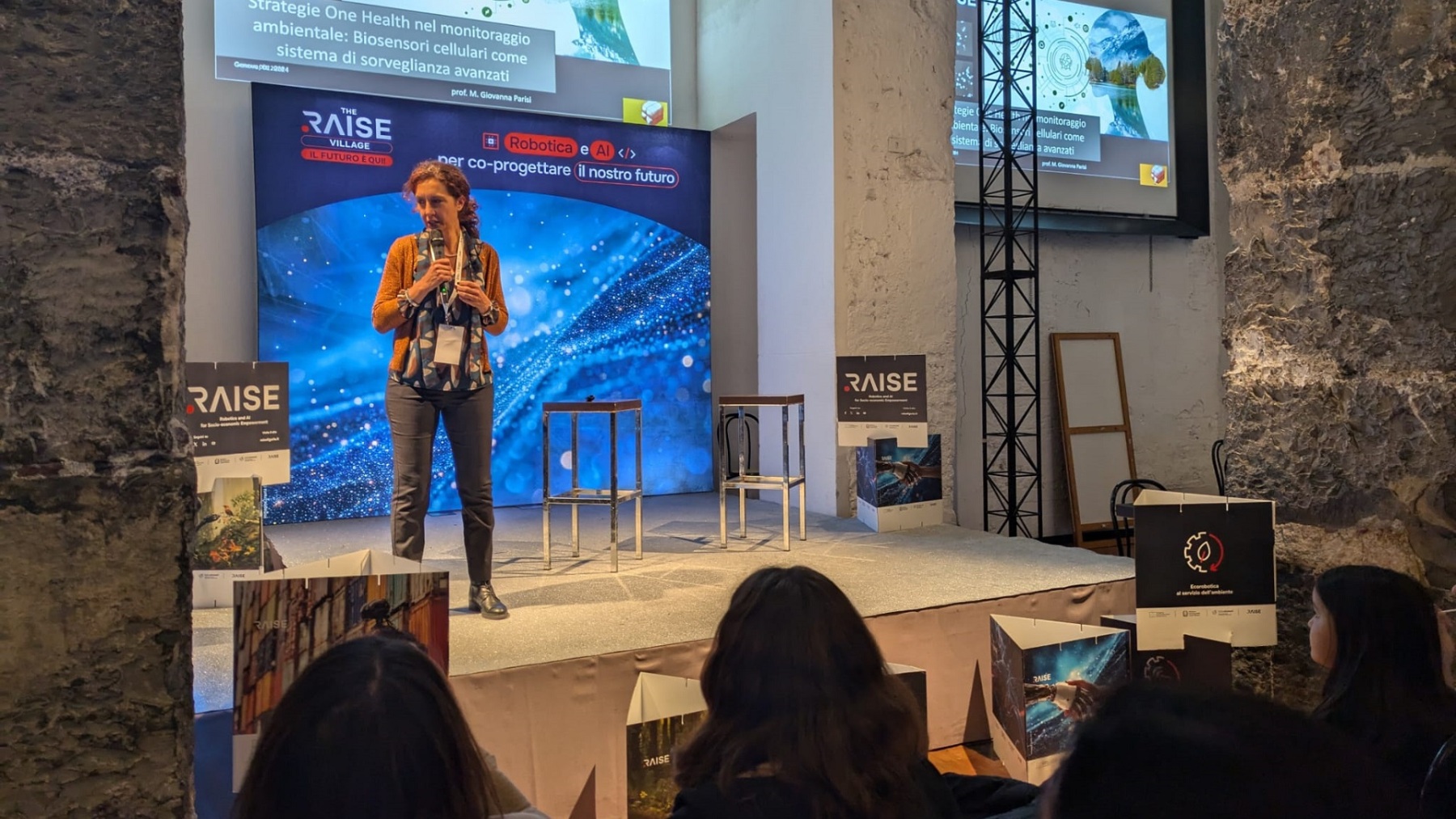
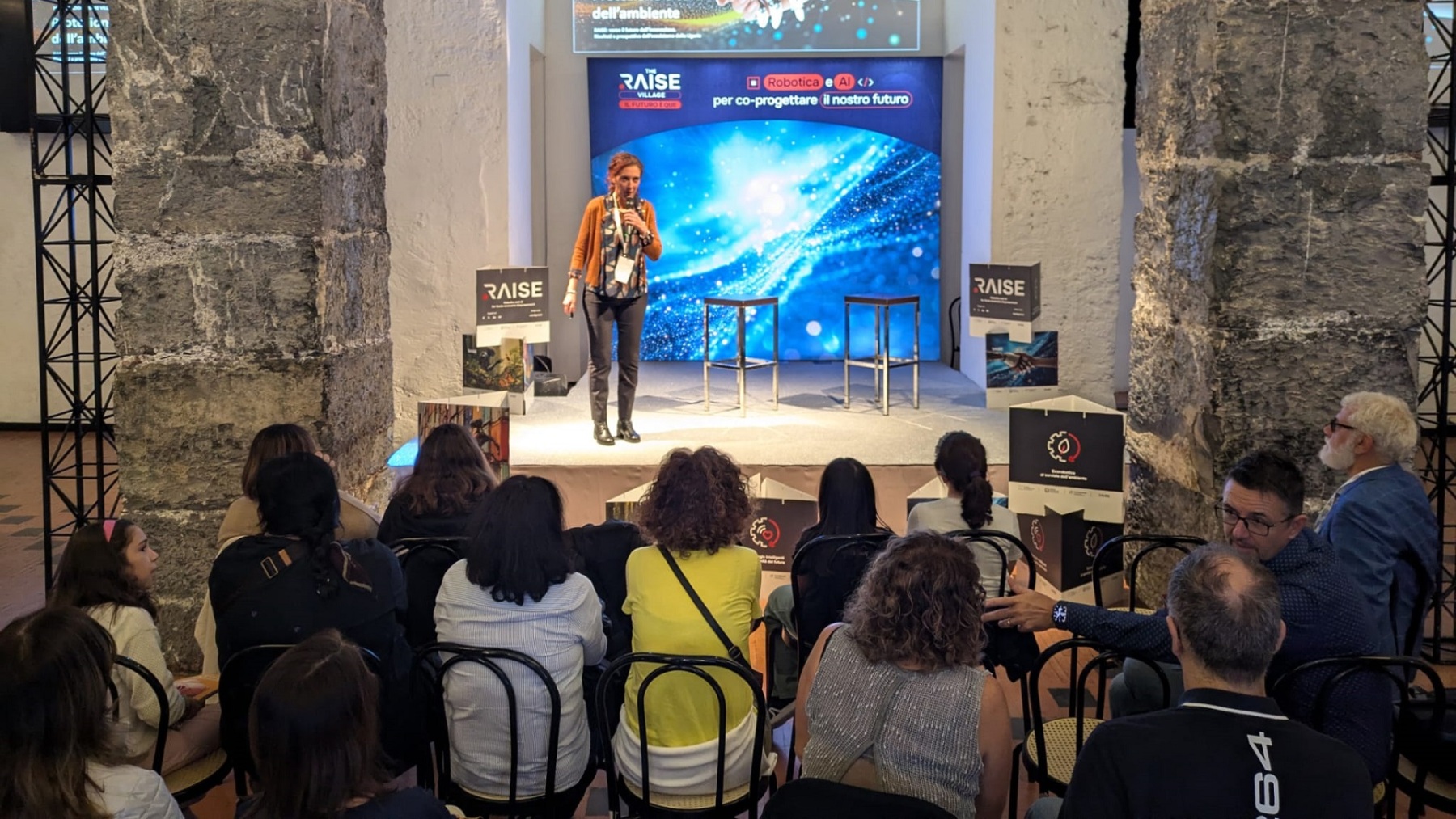
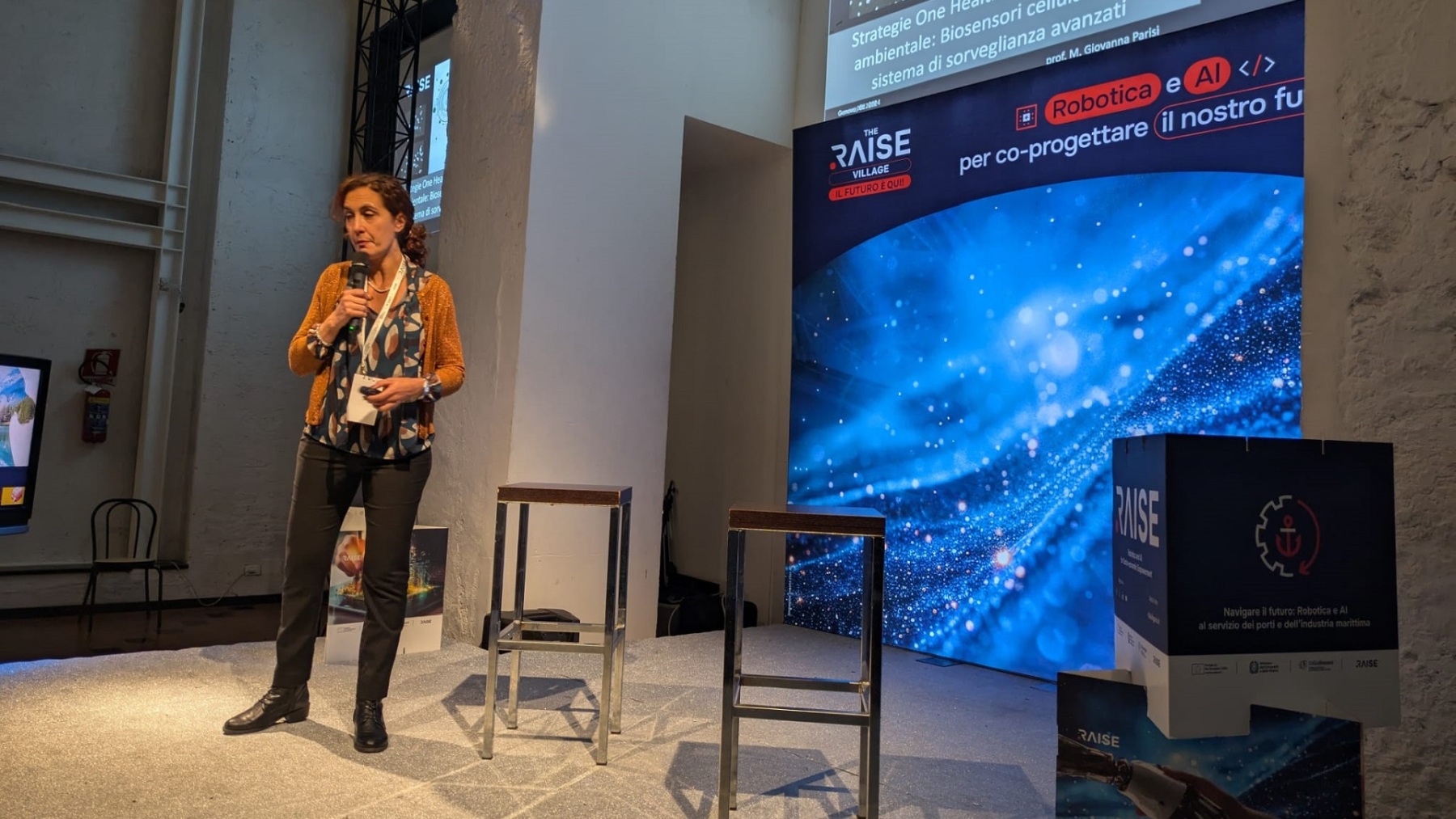
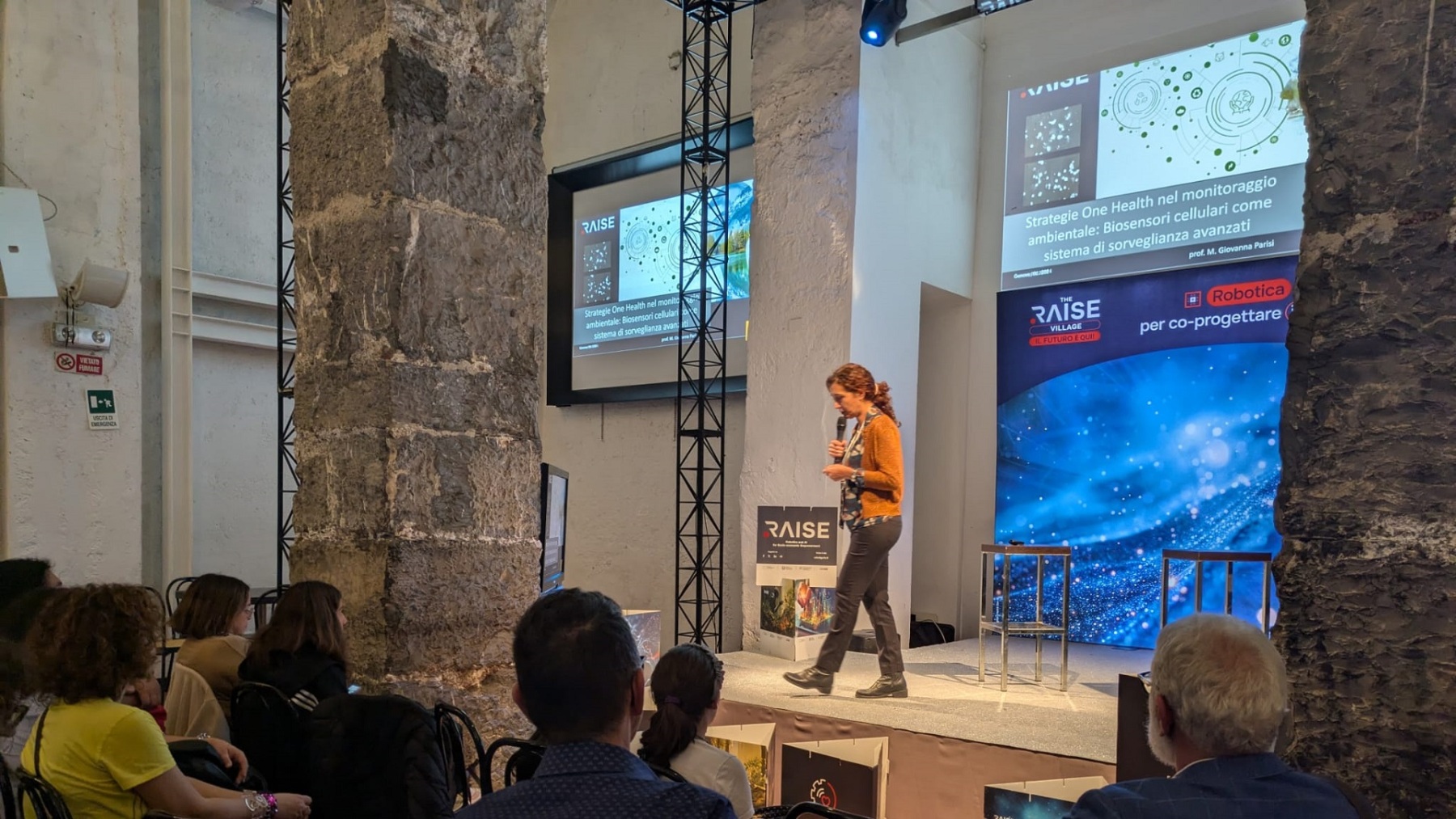
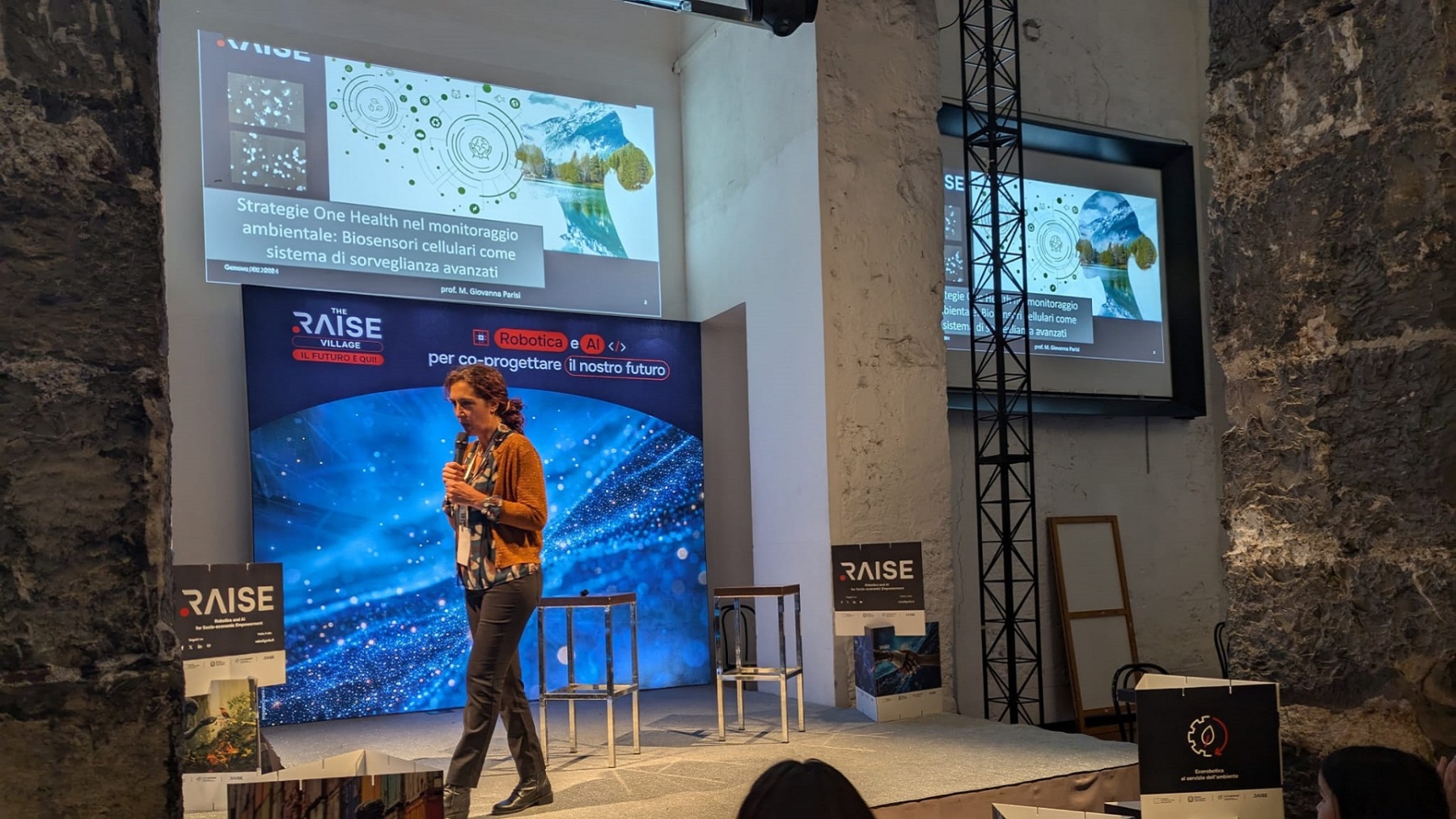
One Health Strategies in environmental monitoring: cellular biosensors as advanced surveillance systems

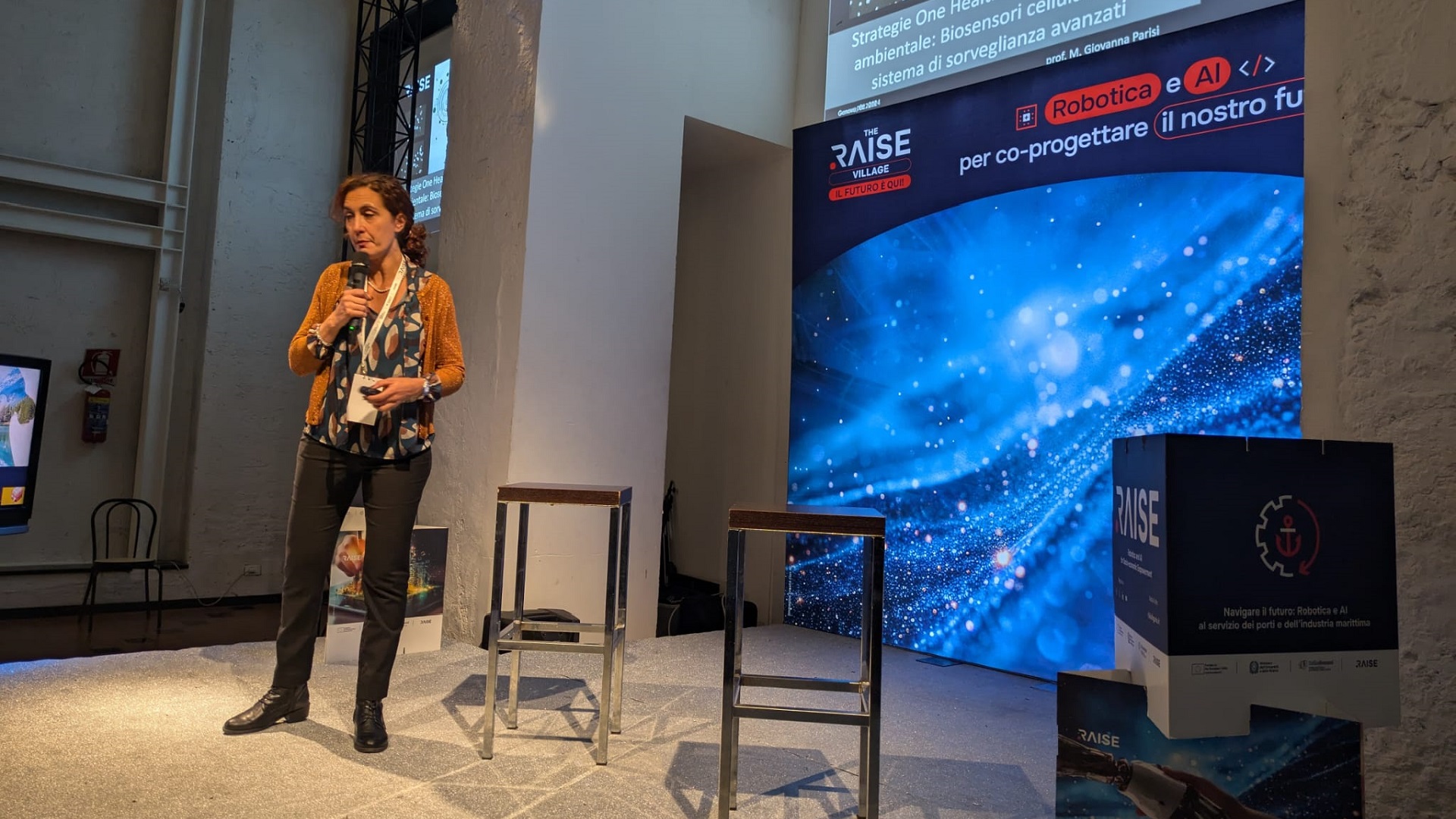
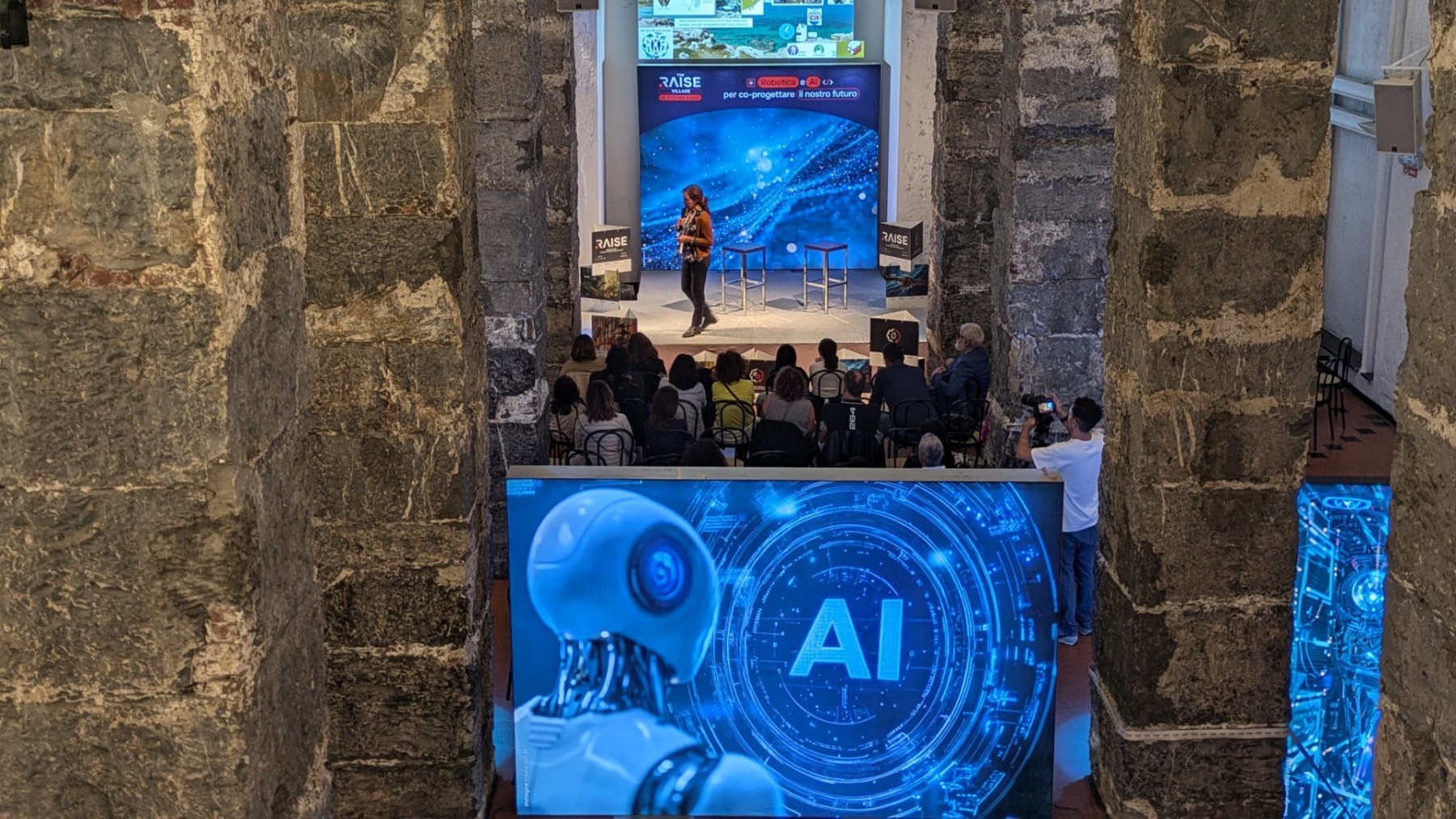
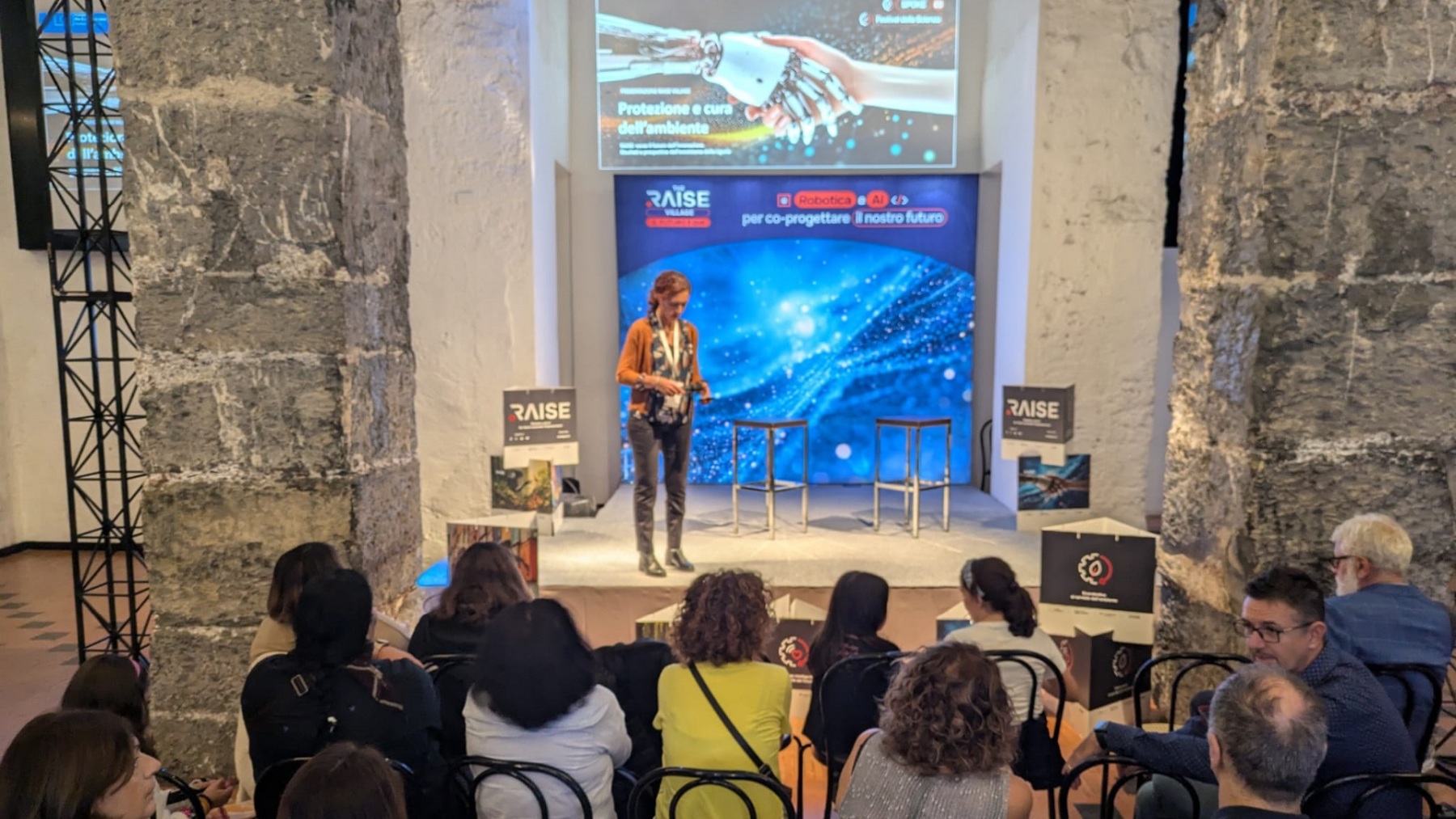
On November 1, at the RAISE Village, Maria Giovanna Parisi, Associate Professor at the University of Palermo, presented a talk titled “One Health Strategies in Environmental Monitoring: Cellular Biosensors as Advanced Surveillance Systems”.

Monitoring environmental pollution requires devices that are fast, reliable, cost-effective, and compact. In recent years, several innovative approaches have emerged for developing biosensors capable of detecting pollutants and identifying environmental contaminants. Among these, enzyme-based, whole-cell, antibody, aptamer, and DNA biosensors, along with biomimetic sensors, represent the latest advances in the field of biological sensors.

Various detection principles are applied in biosensor design, such as amperometry, conductometry, and luminescence. Each of these methods is characterized by specific speed, sensitivity, cost-efficiency, and design features, offering distinct levels of selectivity and detection limits depending on the sensitive element used. Biomimetic biosensors are gradually gaining the attention of researchers and users due to their advantages over traditional sensors.

“Participating in an ecosystem like RAISE offers numerous advantages on multiple levels. First and foremost, it provides us with the opportunity to enhance our scientific know-how. As I mentioned during the presentation, it allows us to engineer our biological systems, making them universal, accessible to all, and valuable for environmental monitoring. This approach helps reduce human error in biological sampling and in basic laboratory operations. From a practical standpoint, this is the first major benefit. Furthermore, RAISE facilitates interdisciplinary and multidisciplinary collaboration, creating connections between fields that, until now, had not had the opportunity to interact. The exchange of knowledge and skills is especially valuable, particularly for those in training in this sector, offering the opportunity to gain new experiences in diverse contexts,” commented Maria Giovanna Parisi at the end of her presentation.

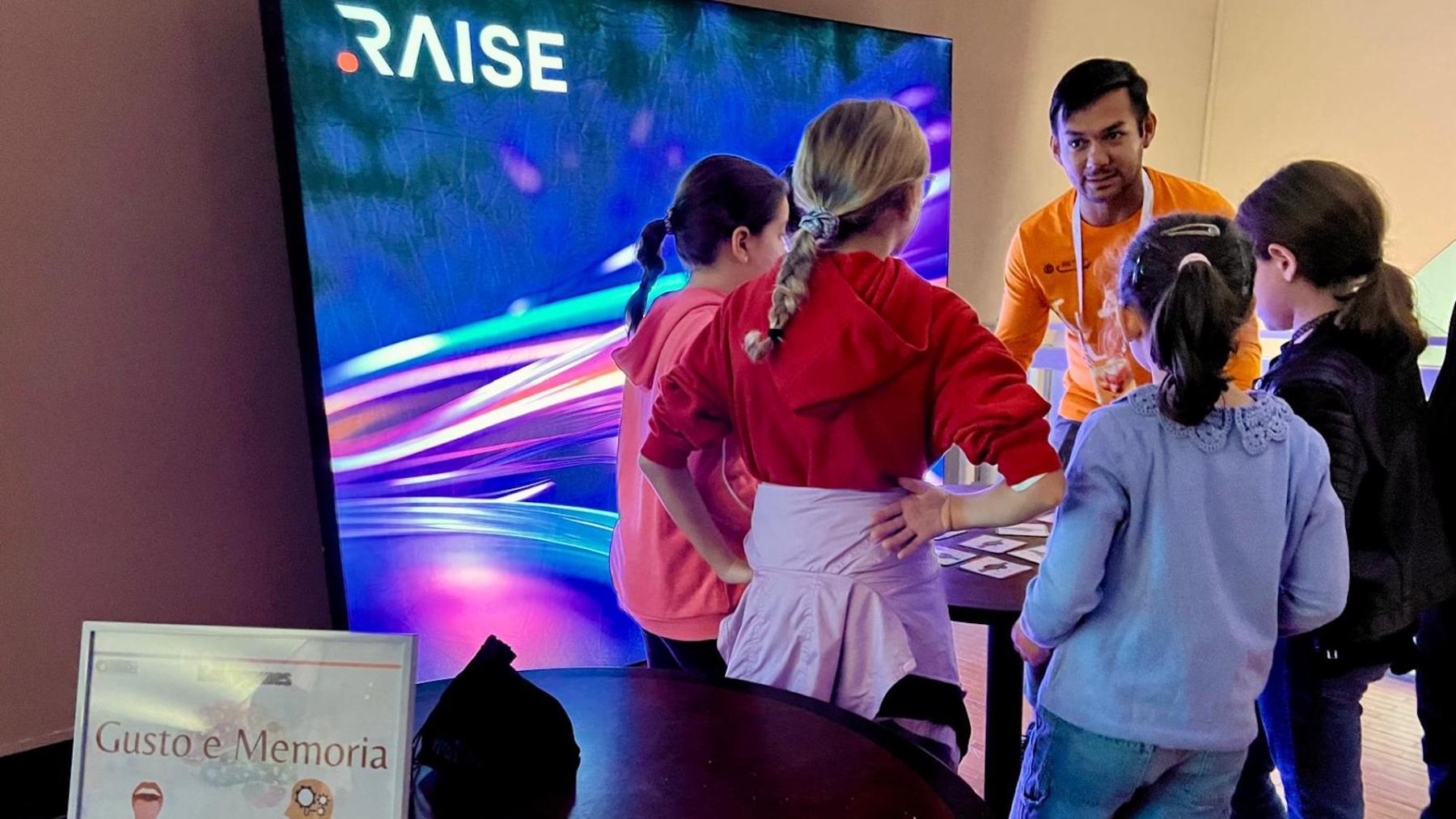
Playing and learning while having fun, about the senses, emotions and care for the environment, in the EDU area of ​​the RAISE Village

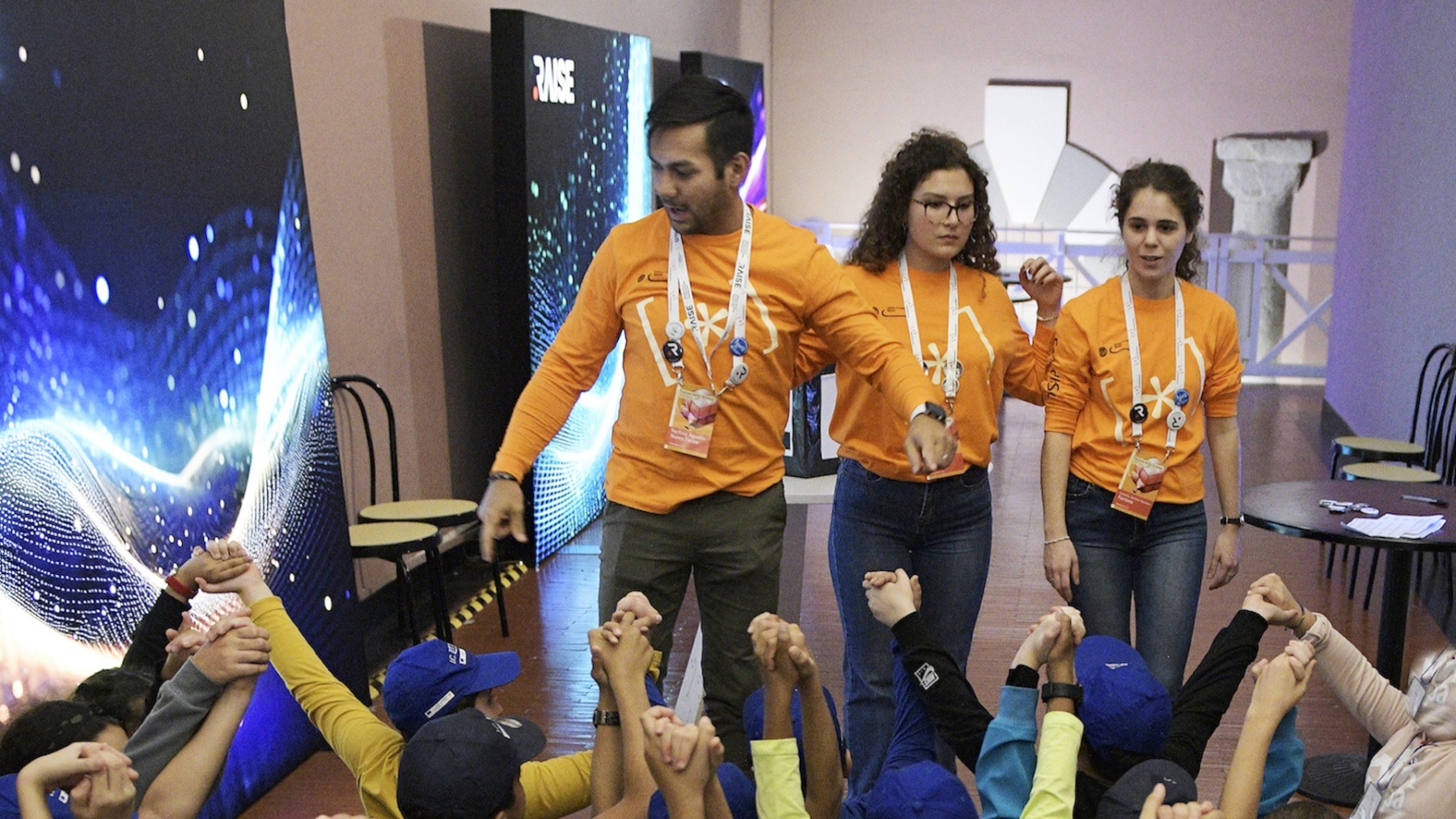
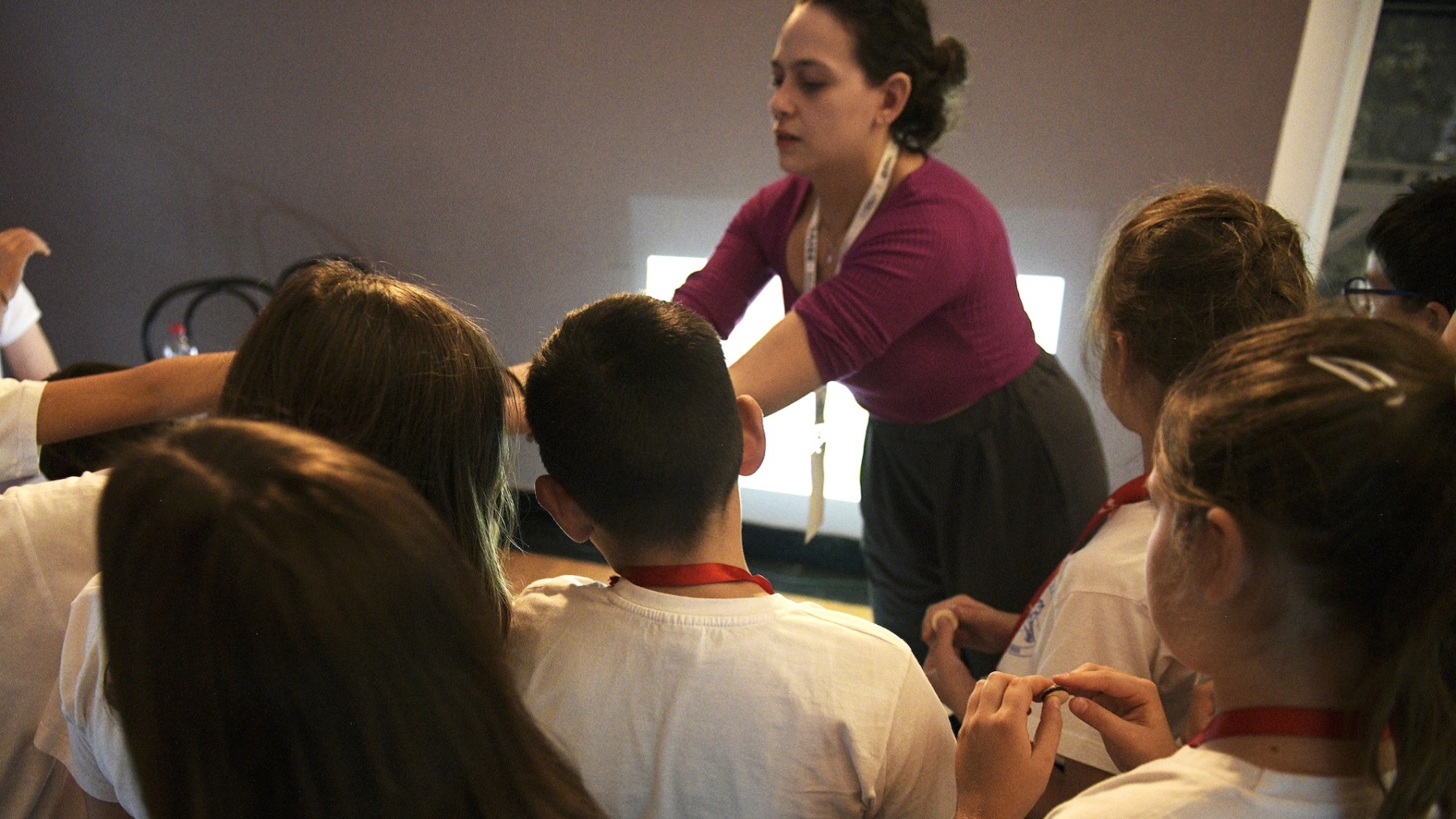
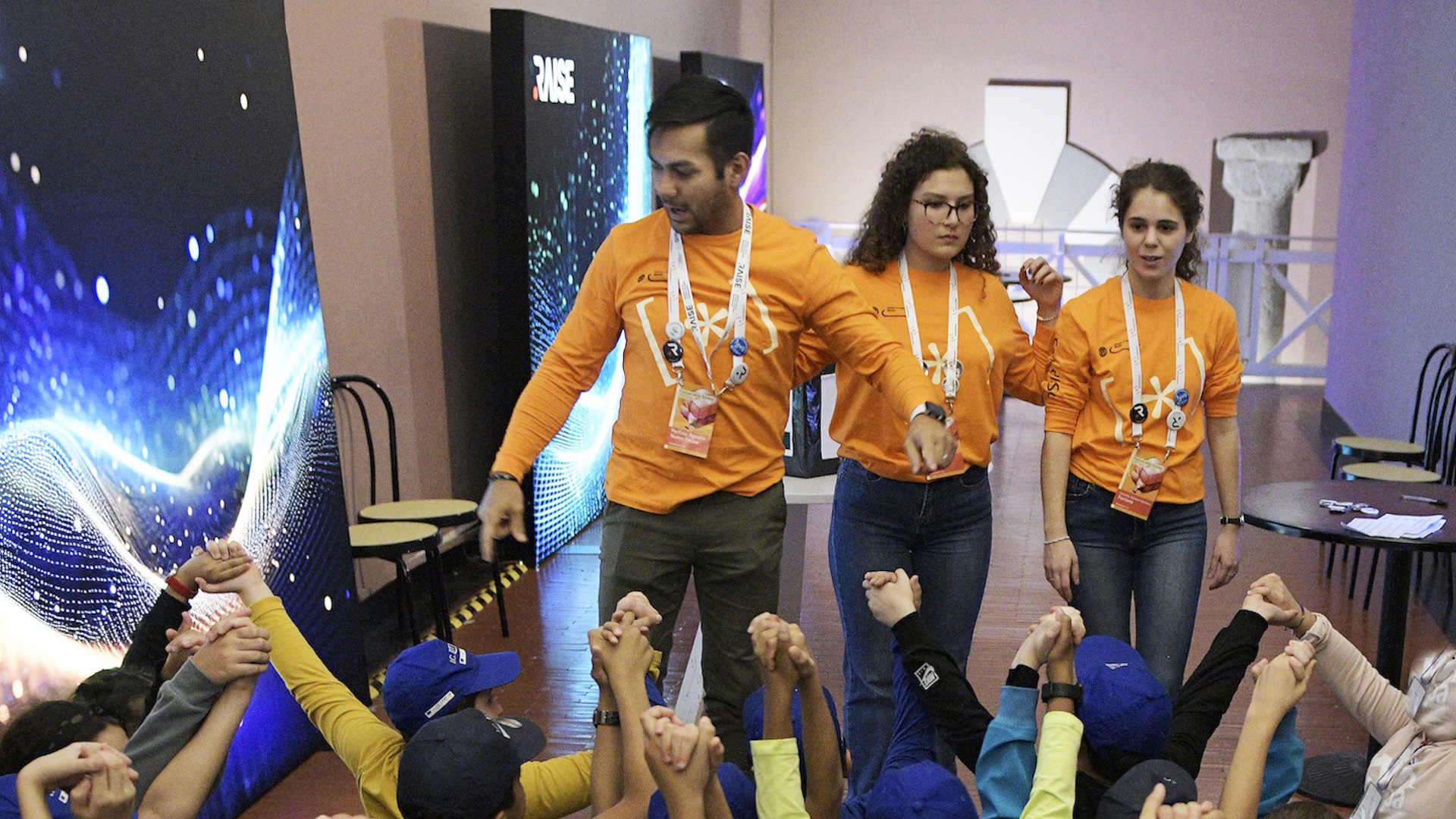
From october 26 to October 31, the RAISE Village involved visitors of all ages with workshops and interactive activities in the EDU area.

Researchers from the CNR (Spoke 2 and 3) and UniGe (Spoke 1) guided the public, mainly schools and families, through three game-based workshops:
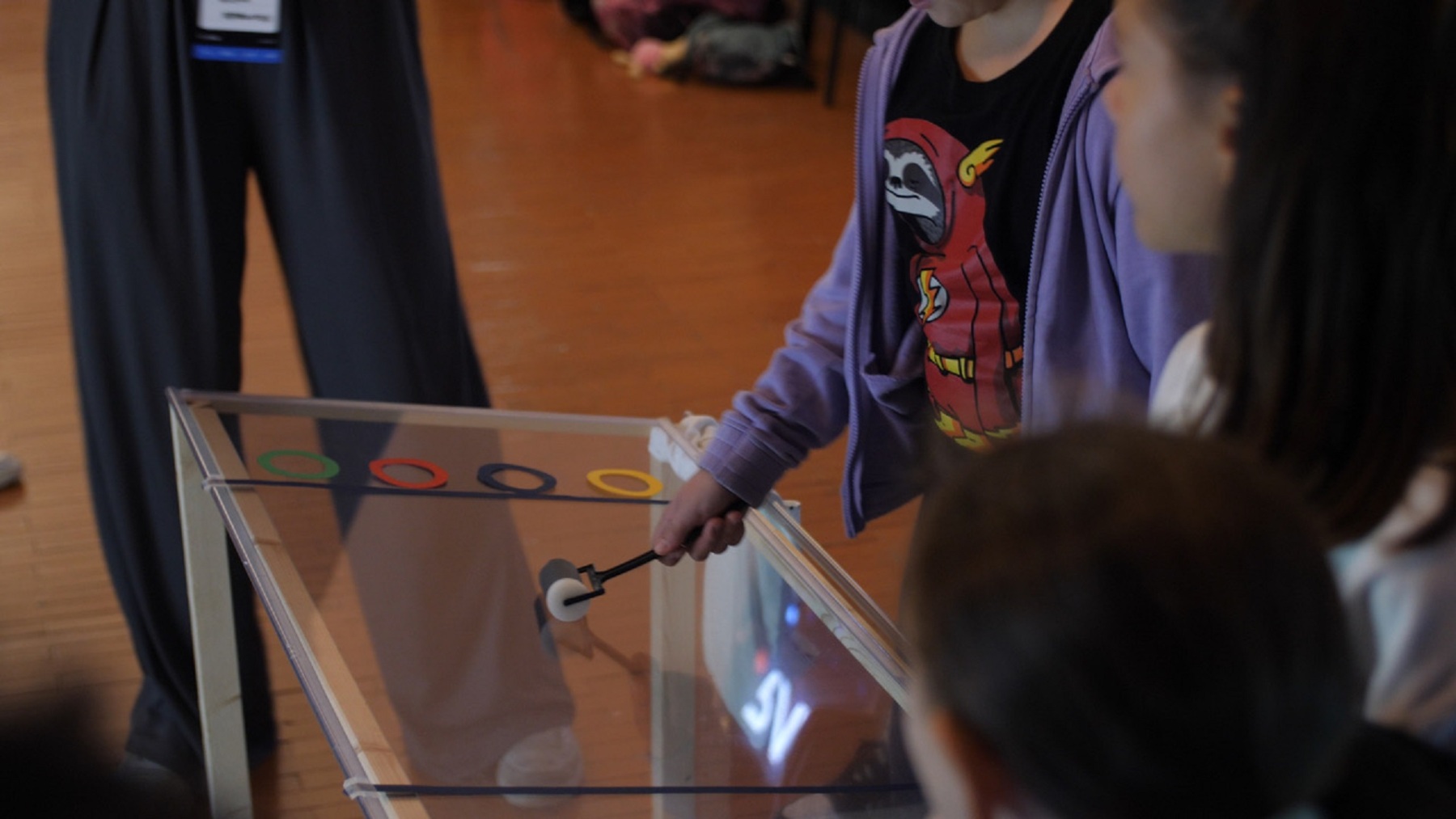
1. “Neuro games. A journey into the central nervous system” (October 26 and 28, by Cristina D’arrigo, Denise Galante, Sara Labbate, CNR-SCITEC);
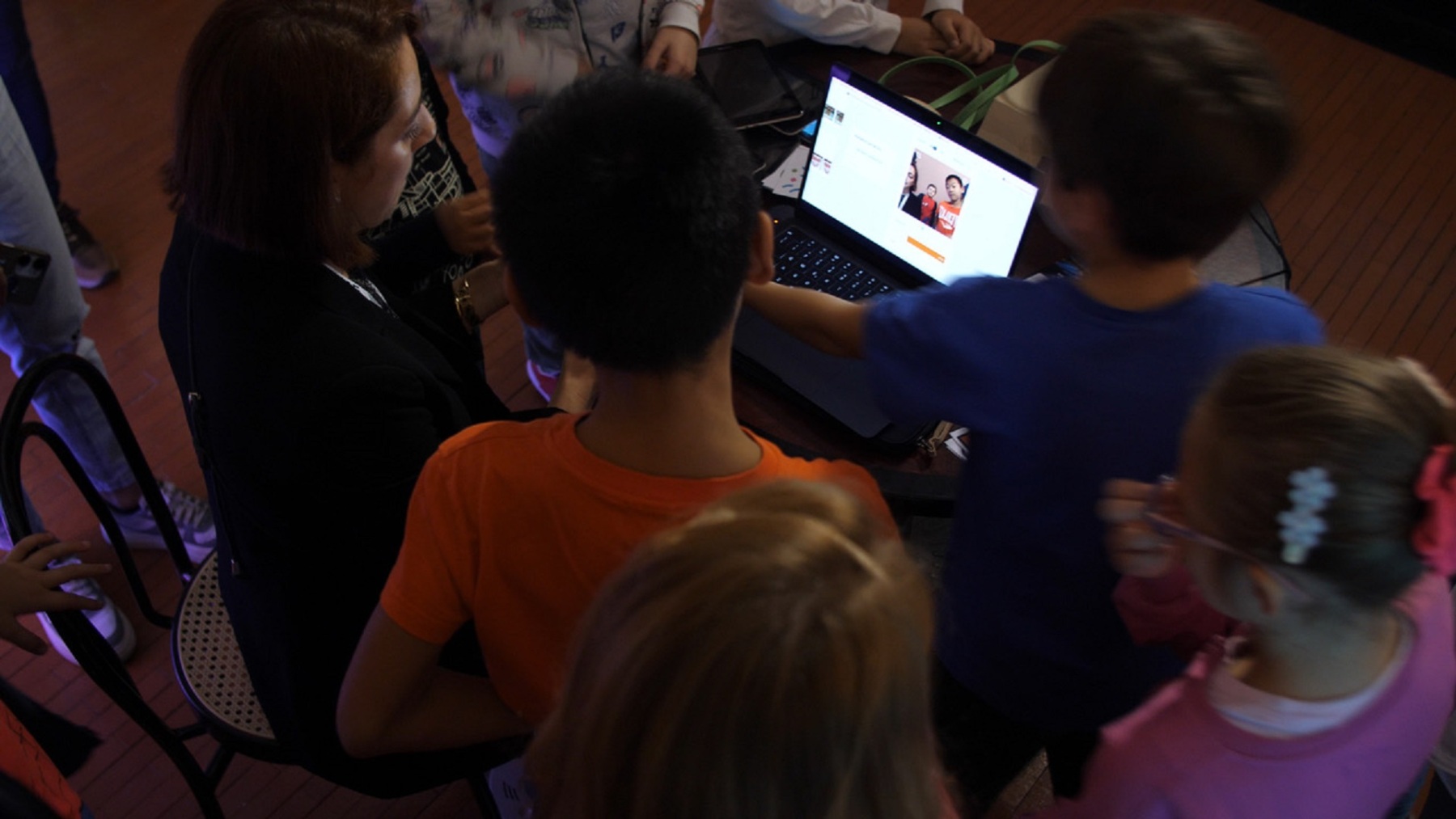
2. “Capturing emotions with technology” (October 29, by Eleonora Ceccaldi, Casa Paganini – InfoMus, University of Genoa – Department of Computer Science, Bioengineering, Robotics and Systems Engineering);
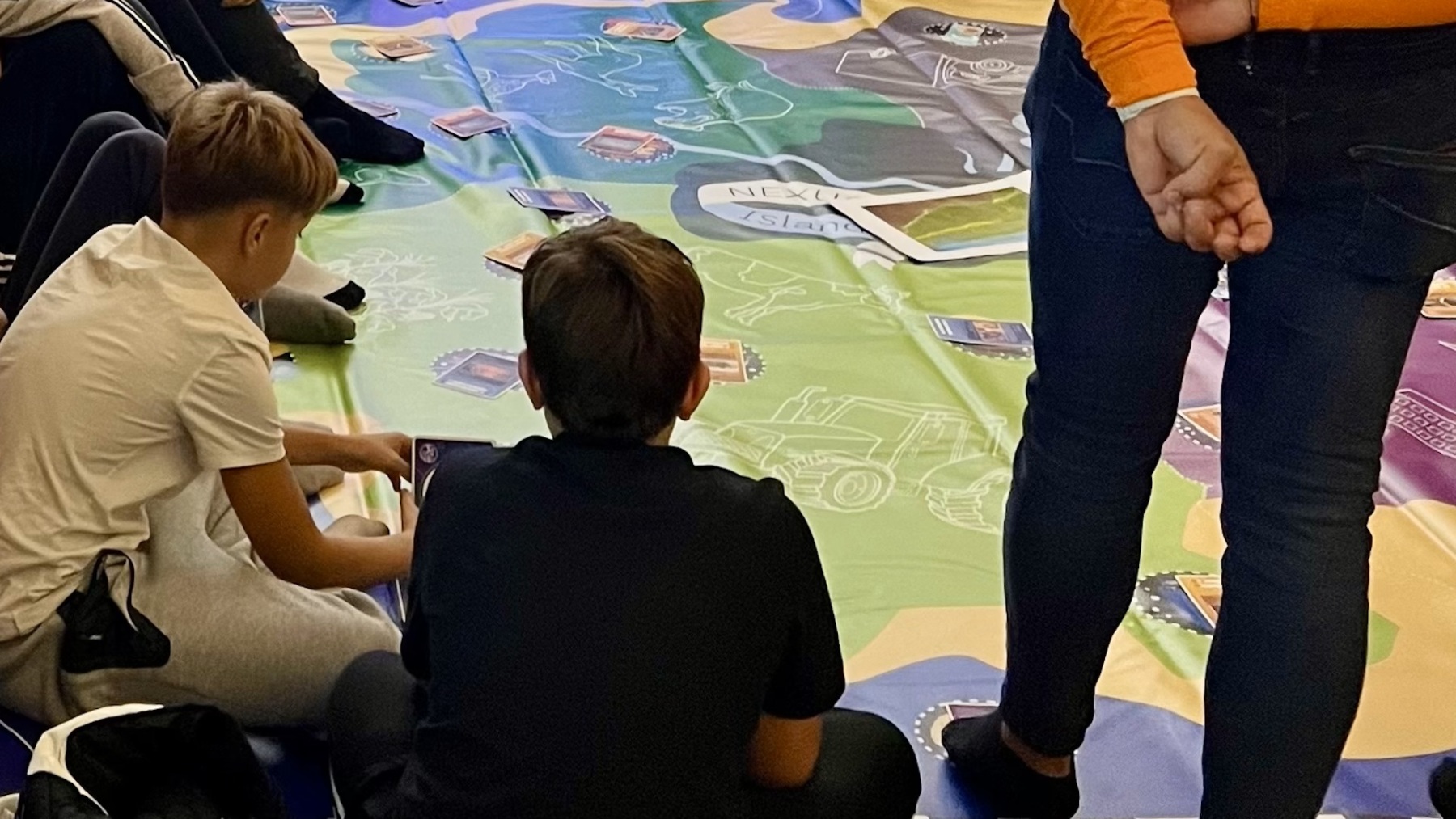
3. “Nexus Island. Discovering the coastal zones” (October 30 and 31, by Giancarlo Bachi and Chiara Santinelli, CNR-IBF, in collaboration with the European Molecular Biology Laboratory).

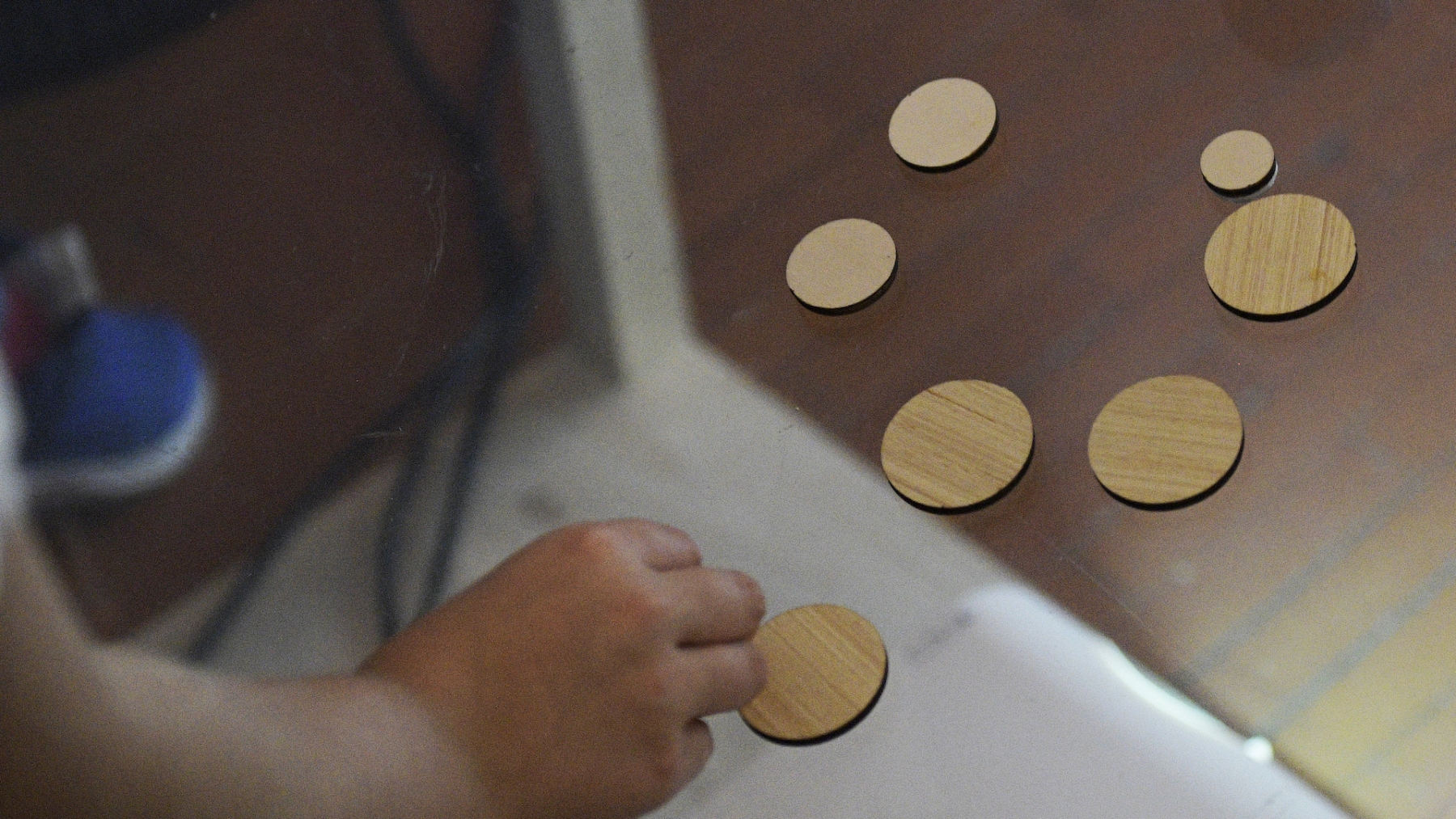
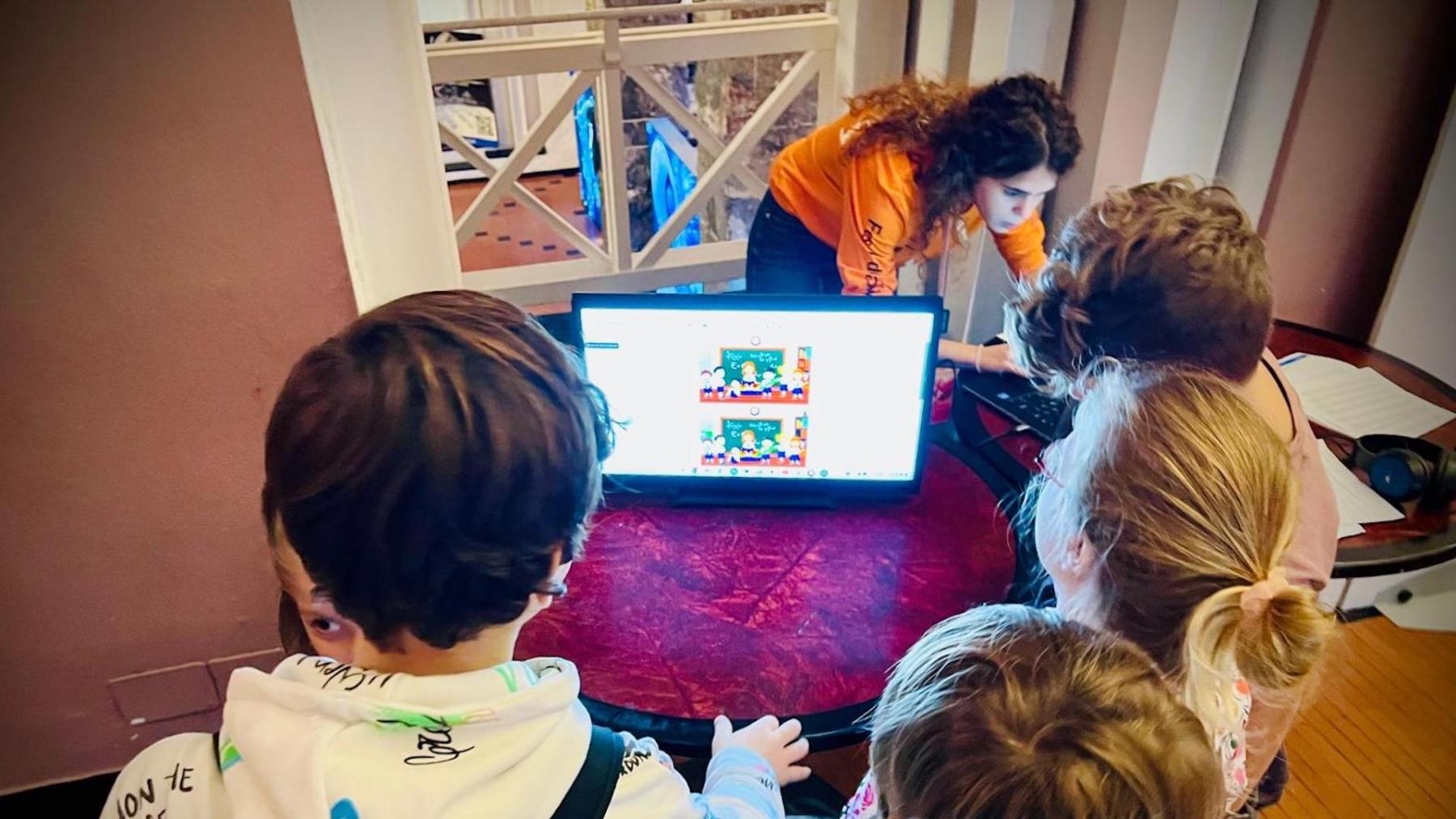
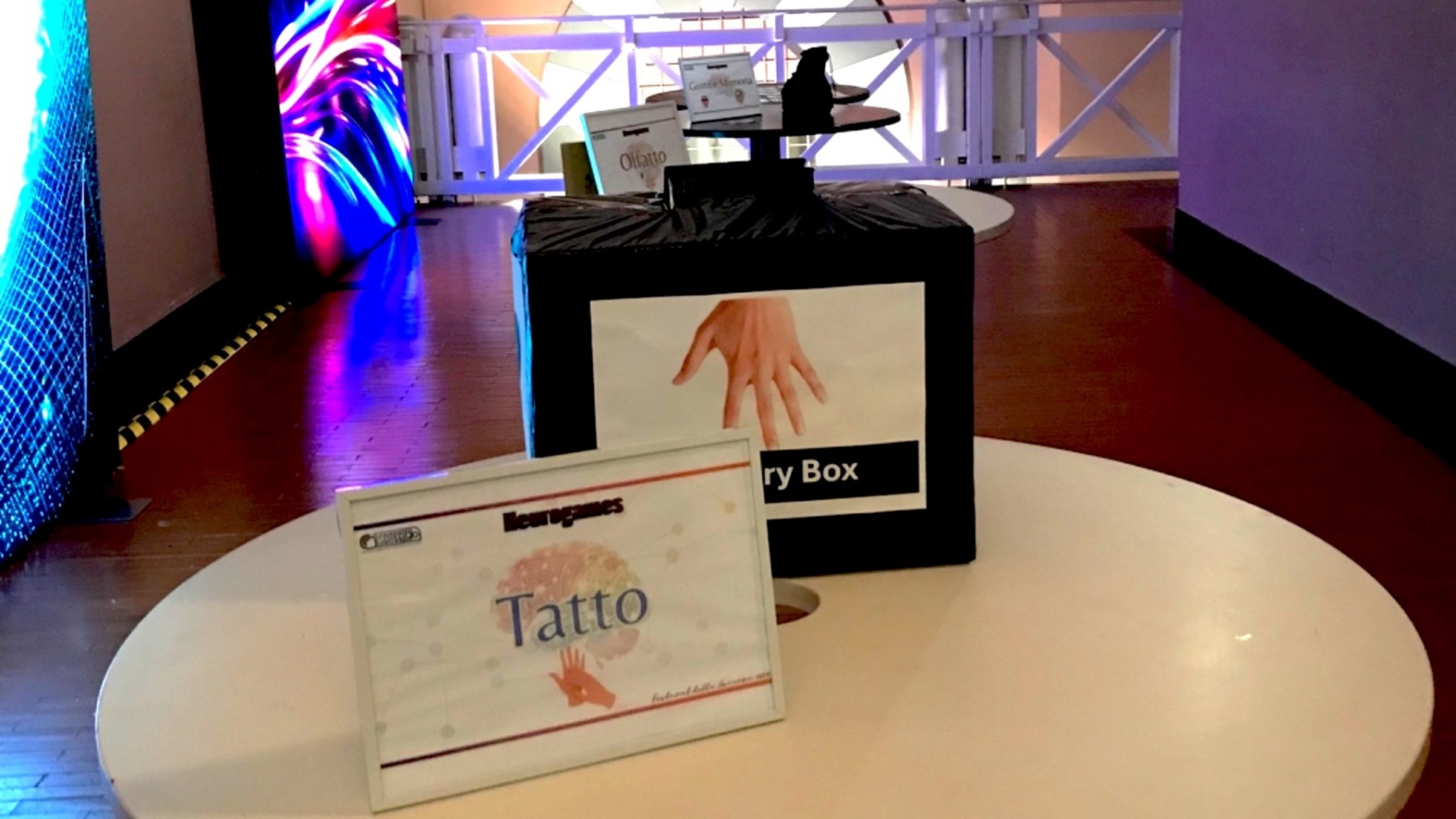
In the first workshop, visitors were involved in a series of games based on the five senses and memory. Between mysterious boxes, similar but different images, noises of unknown origin, smells to recognize, flavors and objects to identify through touch, visitors were encouraged to “play” all their senses. The game allows you to learn while having fun what the central nervous system is and how it works, made up of the brain and spinal cord, which is the guardian of our cognitive, sensory and motor functions. A wonderful and complex system, responsible for a wide range of functions, including learning, memory, movement and then sensory processing.

In the second workshop, it was possible to explore some innovations in the field of automatic emotion recognition, starting from CambiaColore, a technology in which through markers placed on the arm it is possible to express emotions thanks to drawing, up to other technologies for the automatic detection of the emotional state through the reading of body movements and facial expressions. Young people and adults had fun using an interactive table to create a sort of collective digital work, while in the second game they classified emotions together, as positive or negative, playing with cards and answering the questions of the animators, animators, researchers and researchers.

The third workshop consists of a role-playing game, in which the participants simulated setting off on a scientific expedition to discover Nexus Island and the organisms that inhabit it. This playful activity took place by moving barefoot on a map placed on the floor and using a game “card”. Also guided by the storytelling of the person who conducted the workshop, events were introduced, which represent a threat to the health of the sea and the people on the island. “What are the causes? What are the possible solutions? What tools can be used to keep the situation under control and prevent the problem from recurring in the future?” Like researchers in the field, visitors were invited to answer these questions. More information on the game from the European Molecular Biology Laboratory website.

As Andrea Sessarego (Associazione Festival della Scienza, Spoke 5) highlighted, this is a new area in the RAISE Village, therefore a novelty for the 2024 edition: the “sold-out” of the three laboratories, with therefore full reservations for all days, and the continuous flow of schools and families in this area, and above all the active and fun participation of visitors, show that the RAISE Village has therefore been able to involve its audience also through the experience of the game. The researchers from the CNR and UniGE, who conducted the three games, with the support of the festival animators, expressed great satisfaction, both for the response of the public and for the opportunity to put themselves this experience with citizens, presenting in a playful way their research themes, such as memory and senses, emotions and care for the environment.

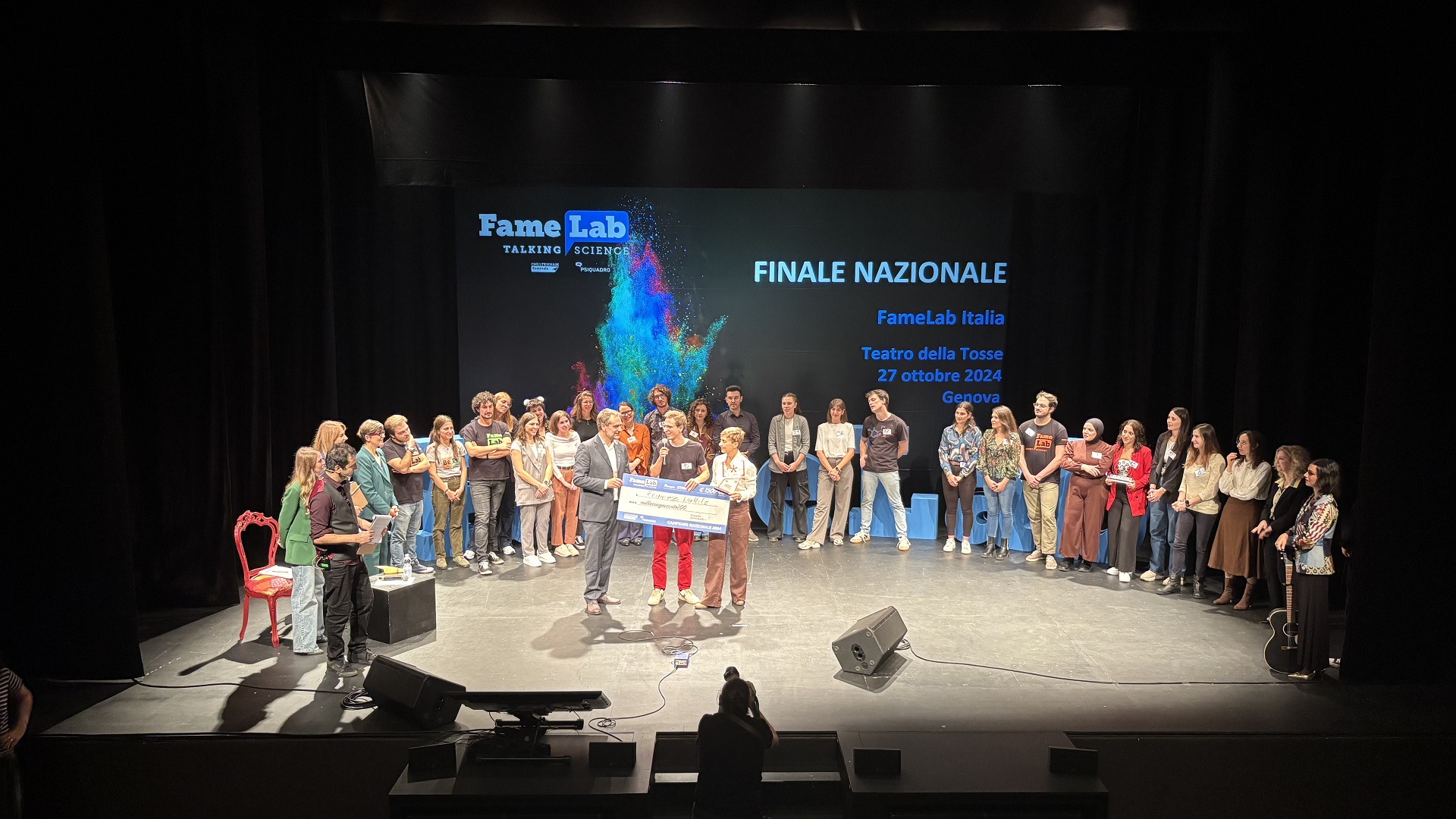
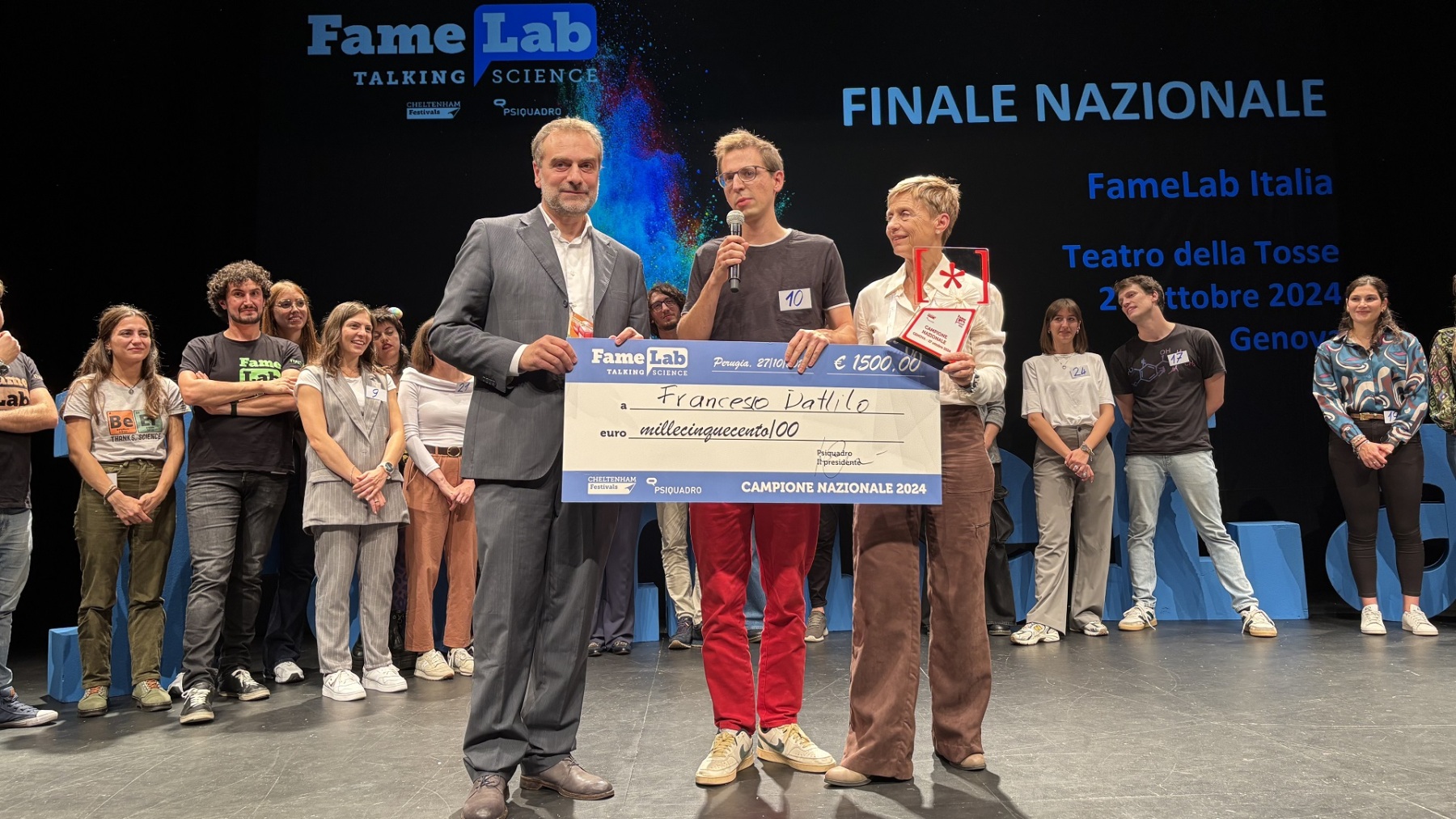
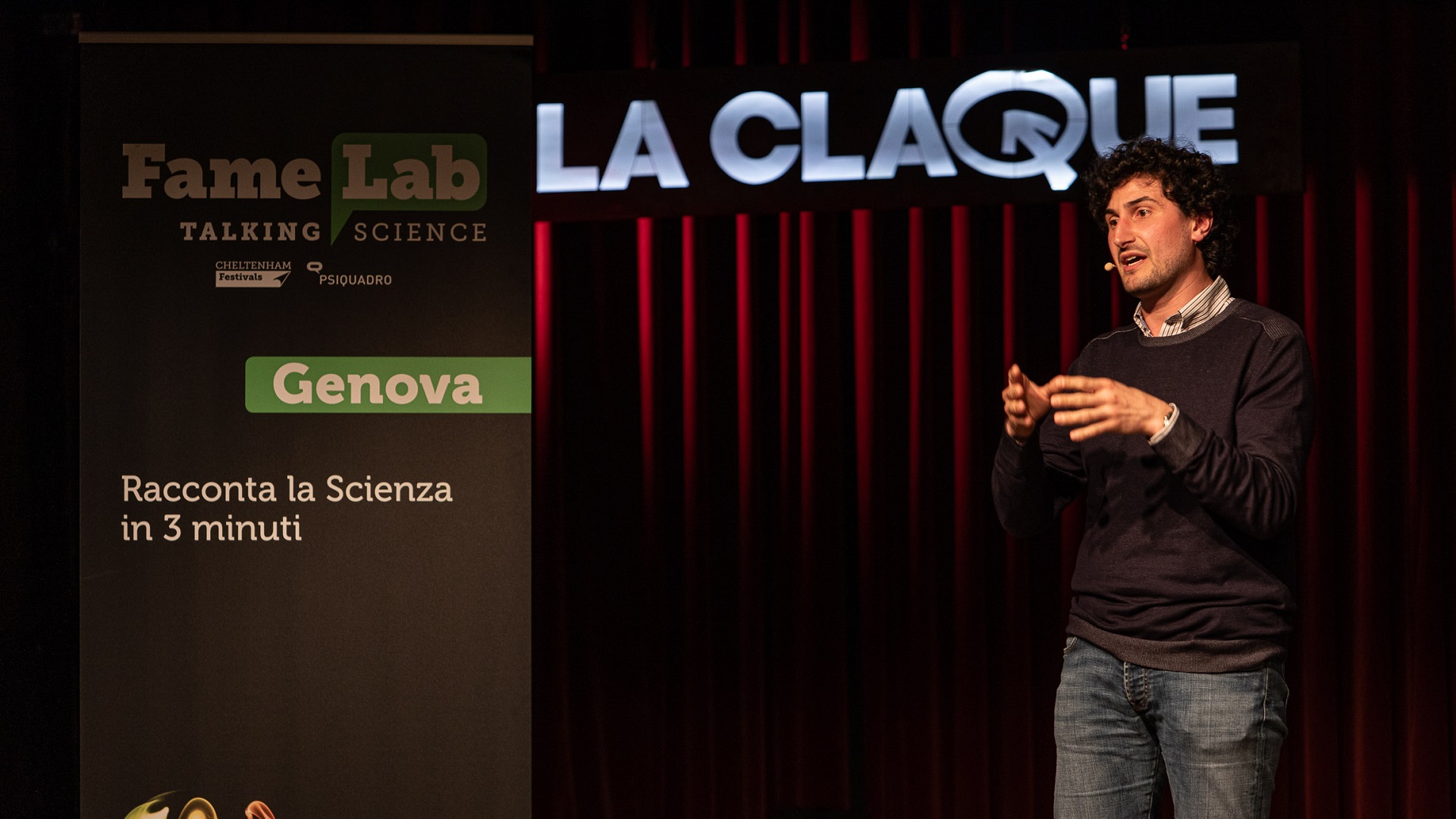
Final of FameLab Italia in Genoa: the talk on the abyss by Dattilo Francesco wins

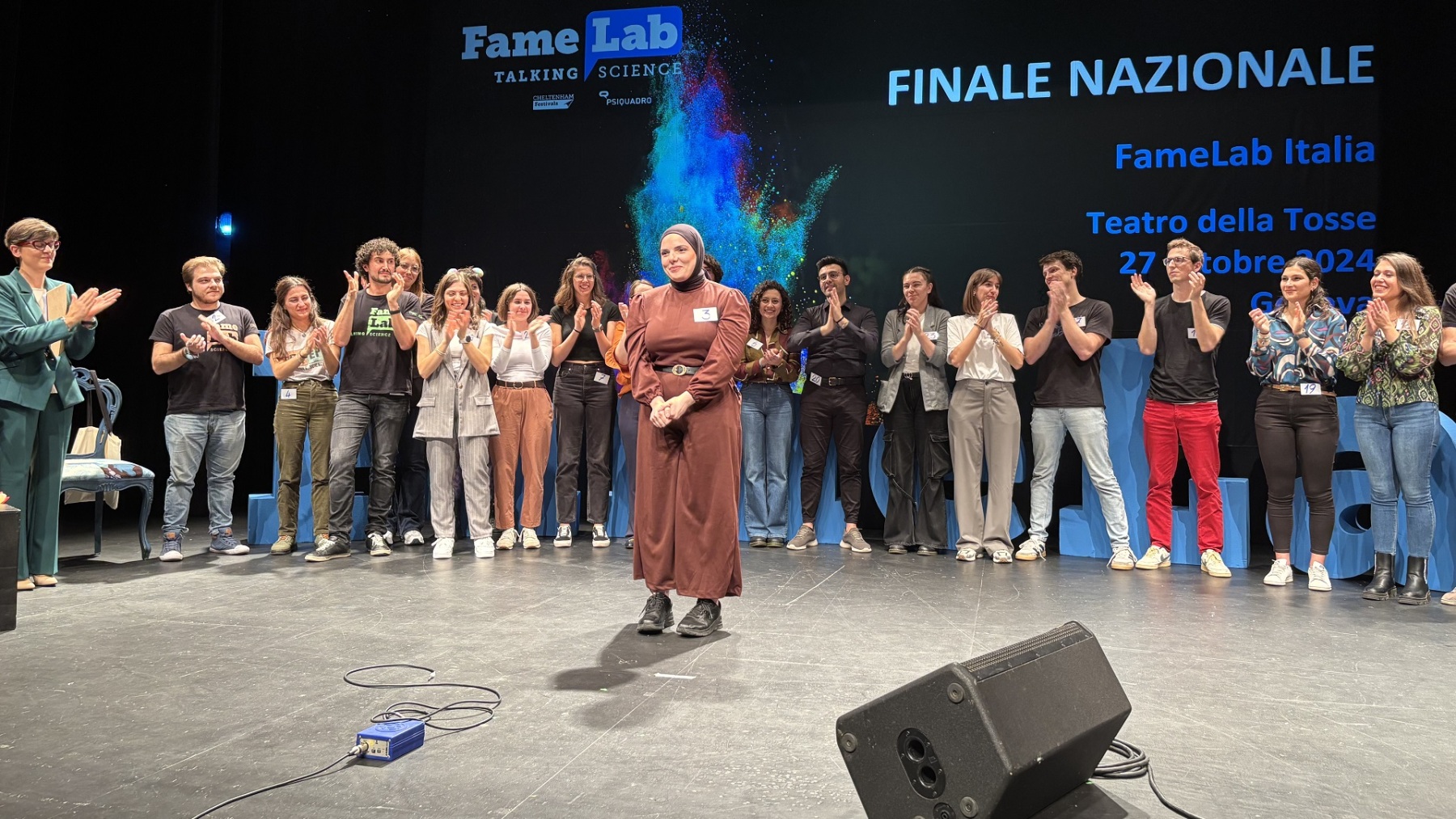
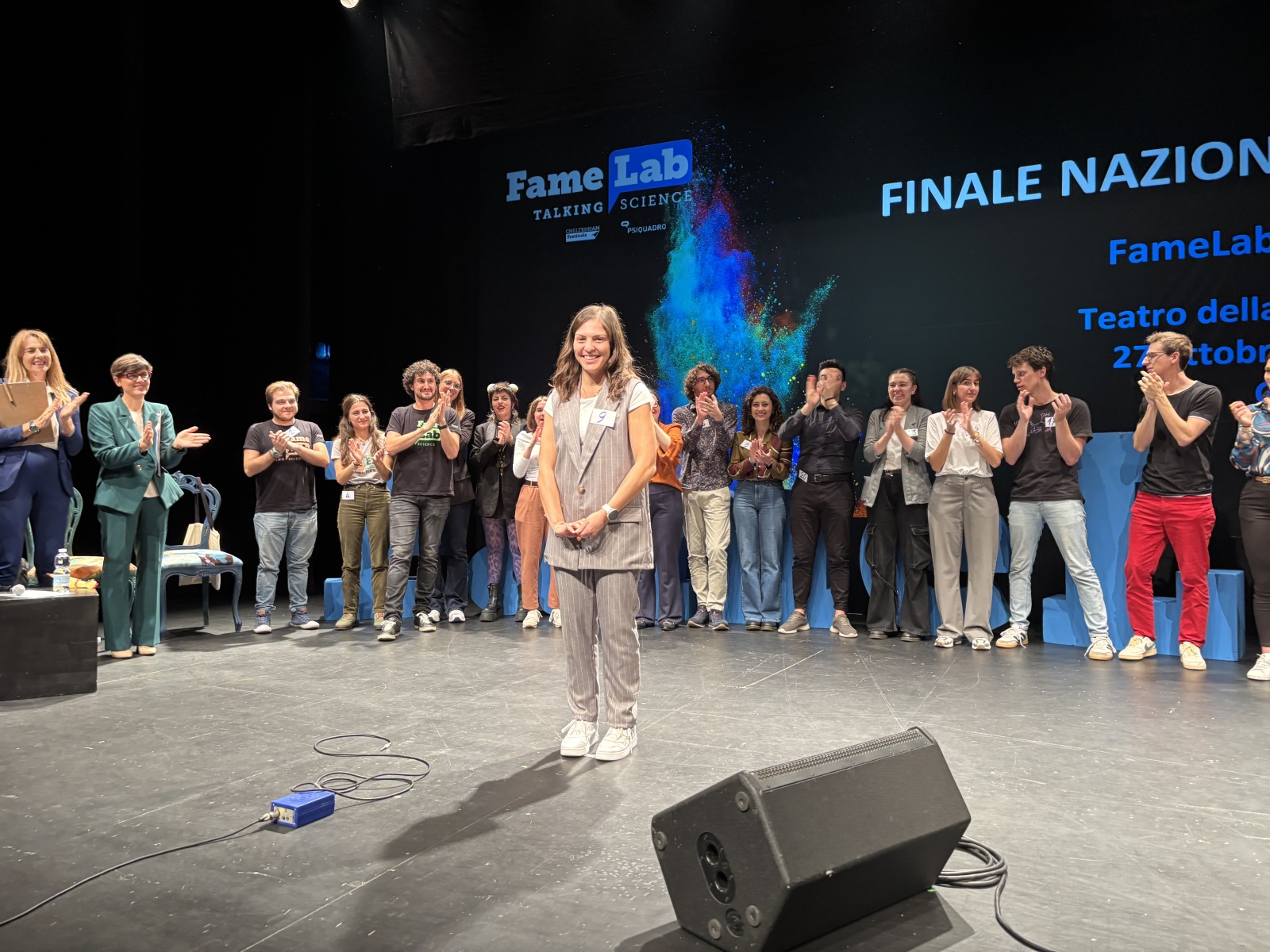
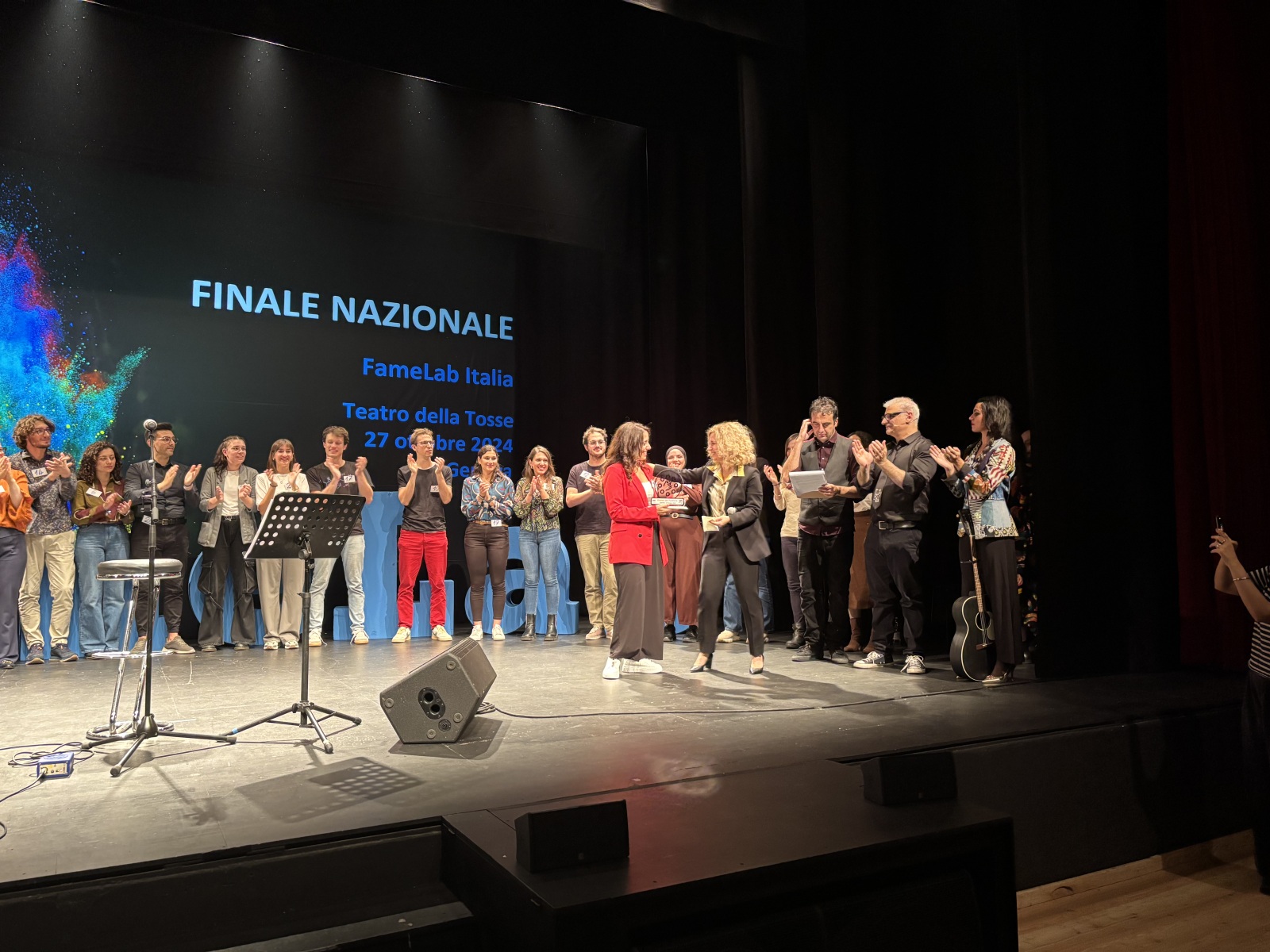
Dattilo Francesco, PhD student in Life Sciences at the National Institute of Oceanography and Experimental Geophysics of Trieste, is the winner of the national final of FameLab 2024 which took place on Sunday 27 October at the Teatro della Tosse in Genoa and with twenty-four finalists from all over Italy.

Dattilo is a scholar of plankton biodiversity with theoretical modeling approaches and brought to the competition a recent study published in Nature Geoscience by Andrew Sweetman – head of the seabed ecology research group at the Scottish Association for Marine Science in the United Kingdom – on the ecosystem balance of the abyss and the production of oxygen by polymetallic nodules, minerals with an electrical charge which split the molecular structure of water through electrolysis.

“Sweetman’s story fascinated me because he encountered many failures and critical issues before arriving at the result. In the popular video abstract he appeared as a simple person, in a tracksuit, a little sad and tired, not someone enthusiastic about the publication, and this struck me because I saw a humanity that I share in the role of science” these are the words of the young researcher after receiving the first prize awarded by the jury with the following motivation: “for having presented a very recent scientific result with clarity and charisma and at the same time having highlighted the famous ‘trial and error’, how a discovery can also come through failure and a wrong hypothesis”.

Second and third place went to Emine Tasan, a doctoral student in translational medicine at the University of Calabria, who spoke about the challenge of stopping breast cancer, and Martina Coletta, a doctoral student at the University of Camerino, who showed the audience the the existence of springtails, colorful arthropods “authors of miracles” that live in the soil of all gardens.

The public award went to Annarita De Maio, also a researcher at the University of Calabria, who discussed the work behind the click of the mouse when we organize our trips, mathematical solutions to have fast routes and super efficient algorithms .

Francesco Dattilo will represent Italy in the FameLab International final which will take place online on 29 November 2024.

The event is organized by Psiquadro in collaboration with the Genoa Science FestivalCNR – National Research Council and Cheltenham Science Festival.

RAISE Knowledge Transfer Entrepreneurship Academy: an open dialogue between research and the market

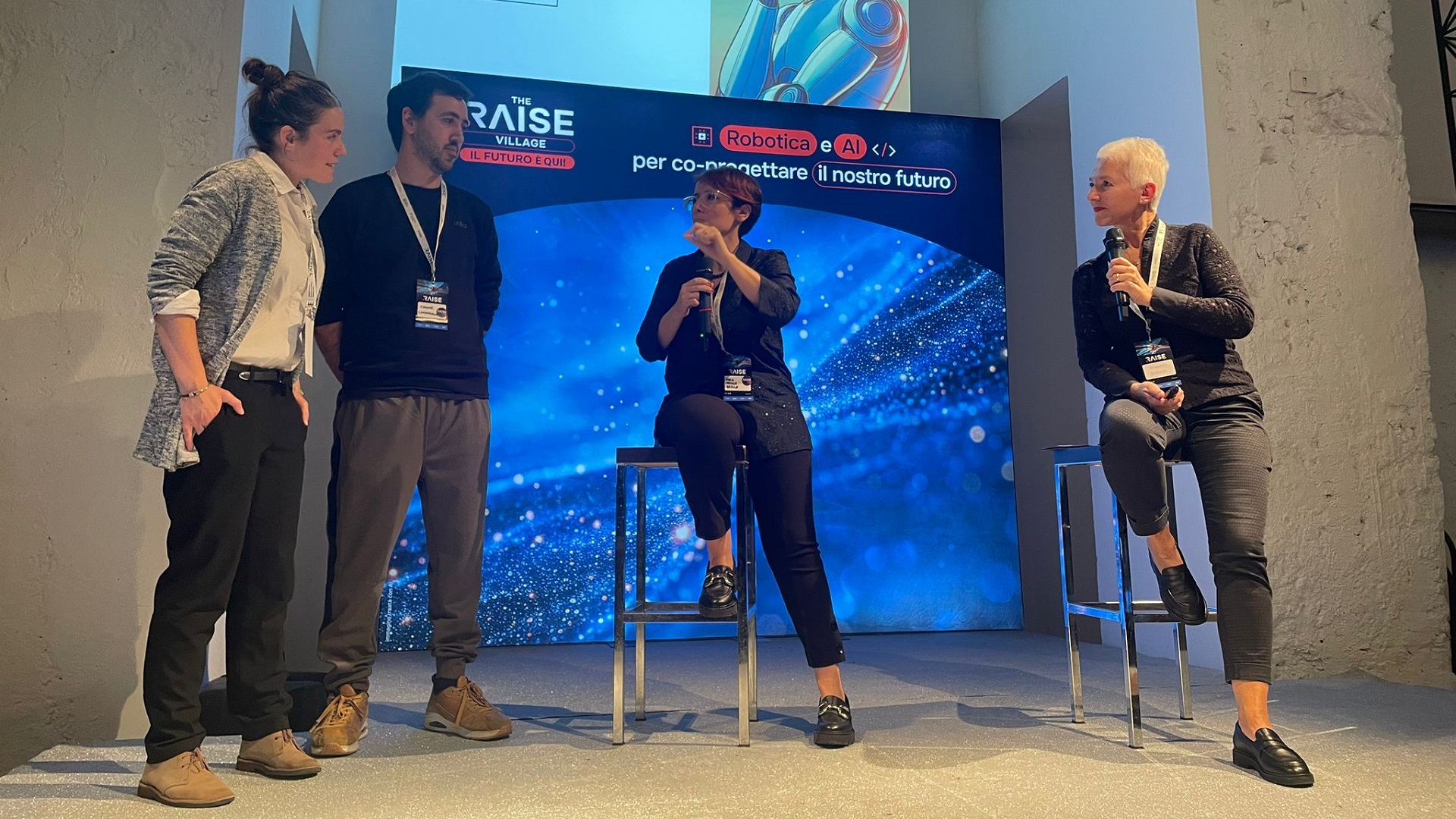
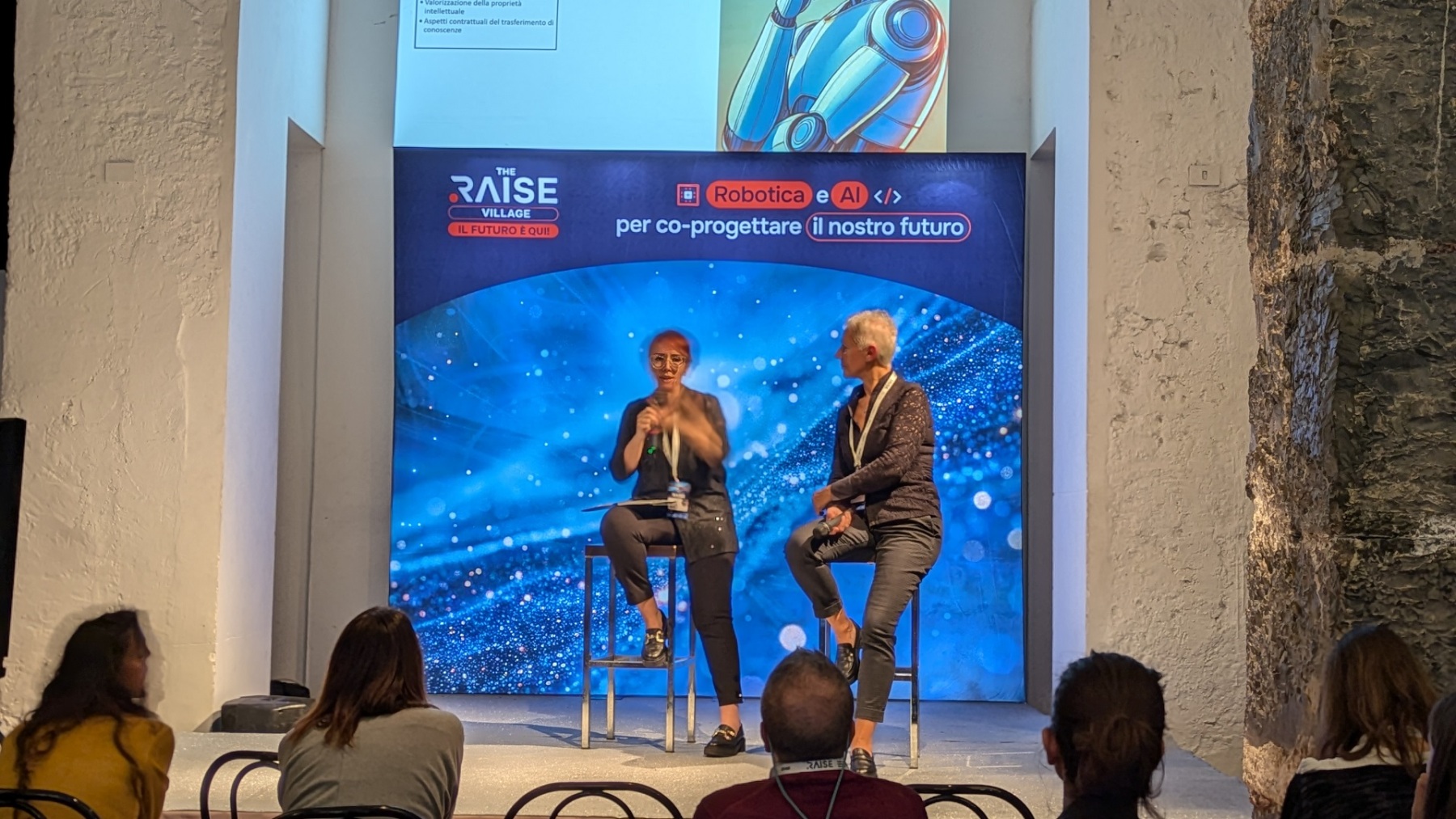
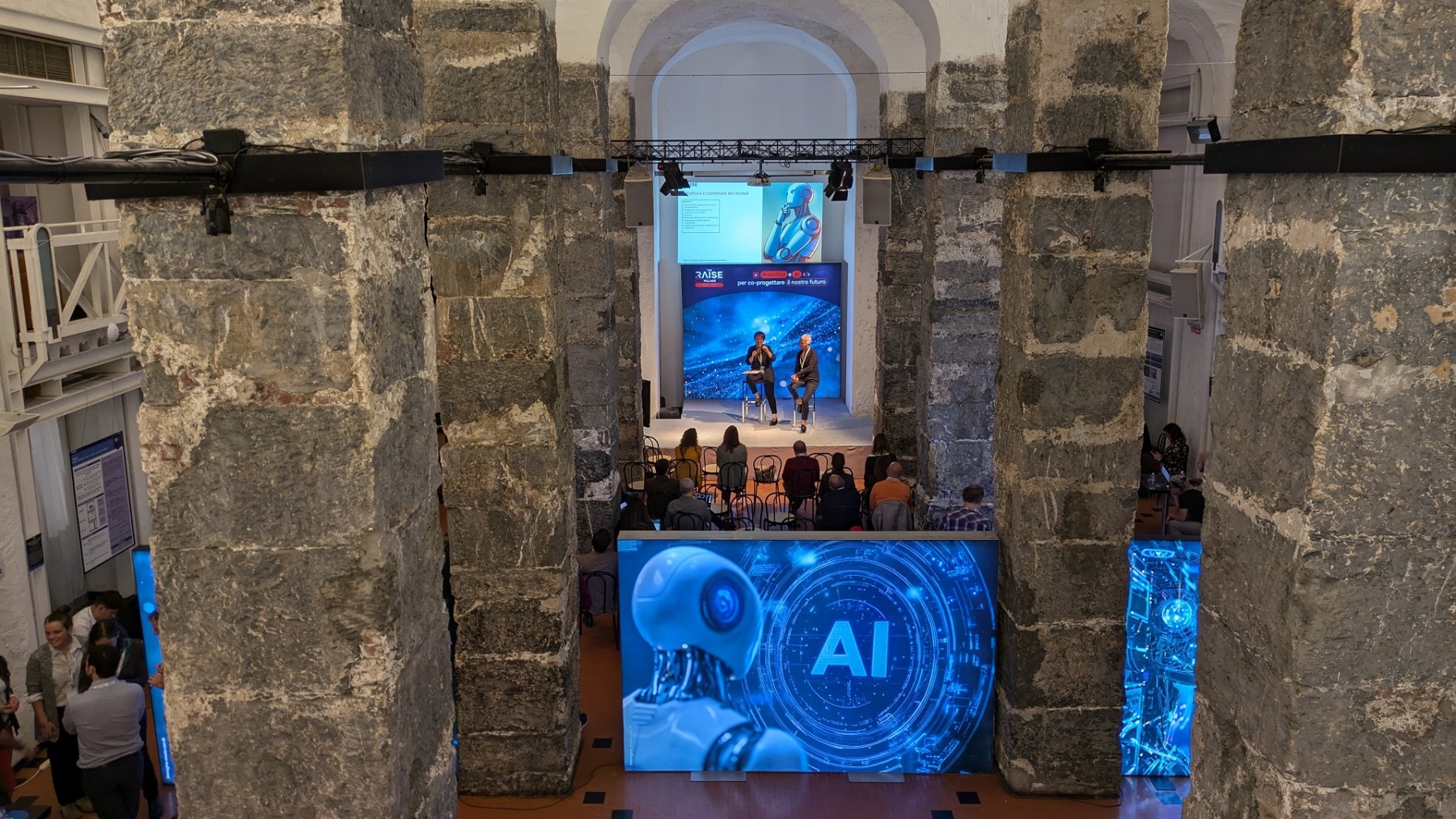
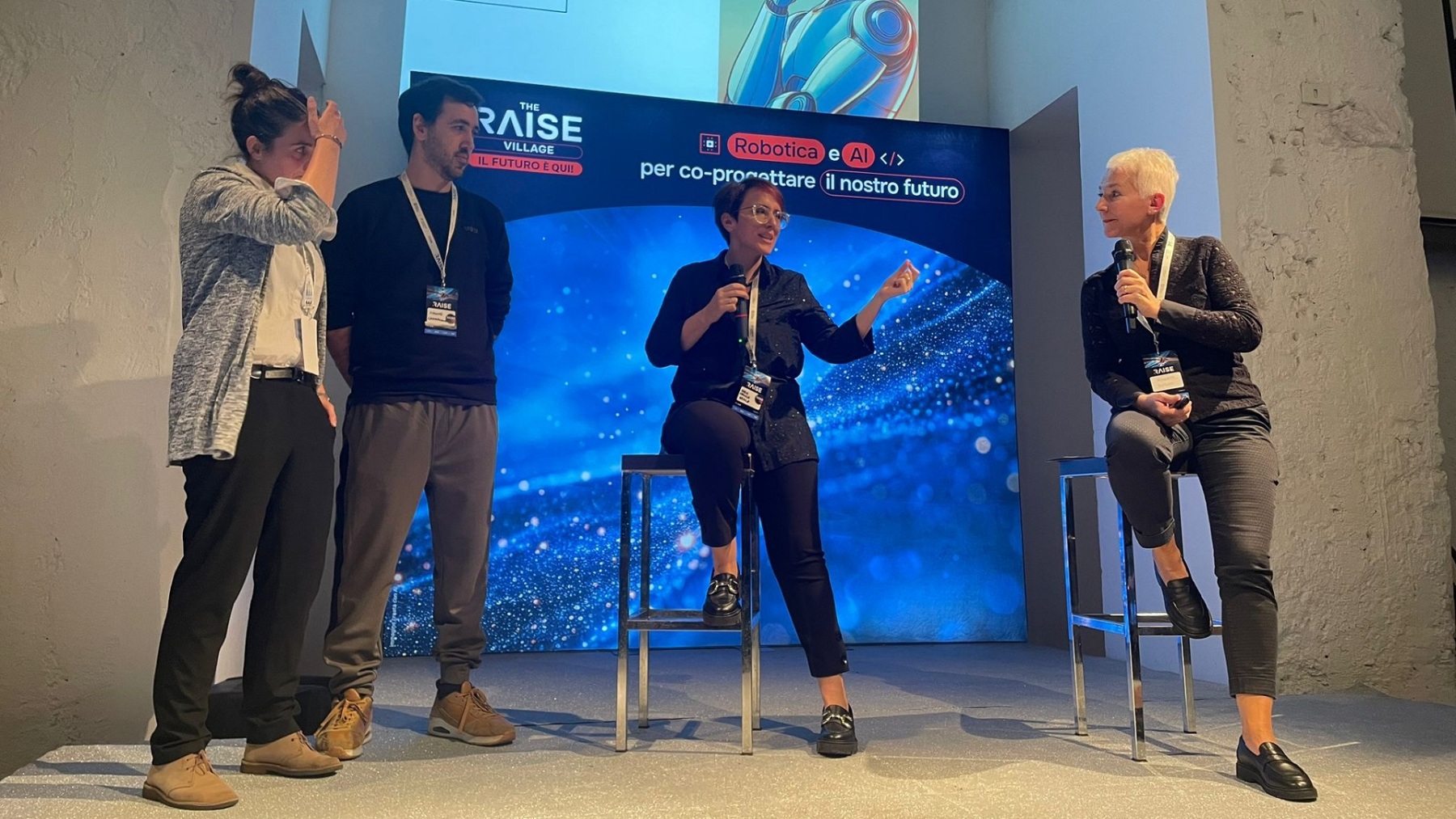
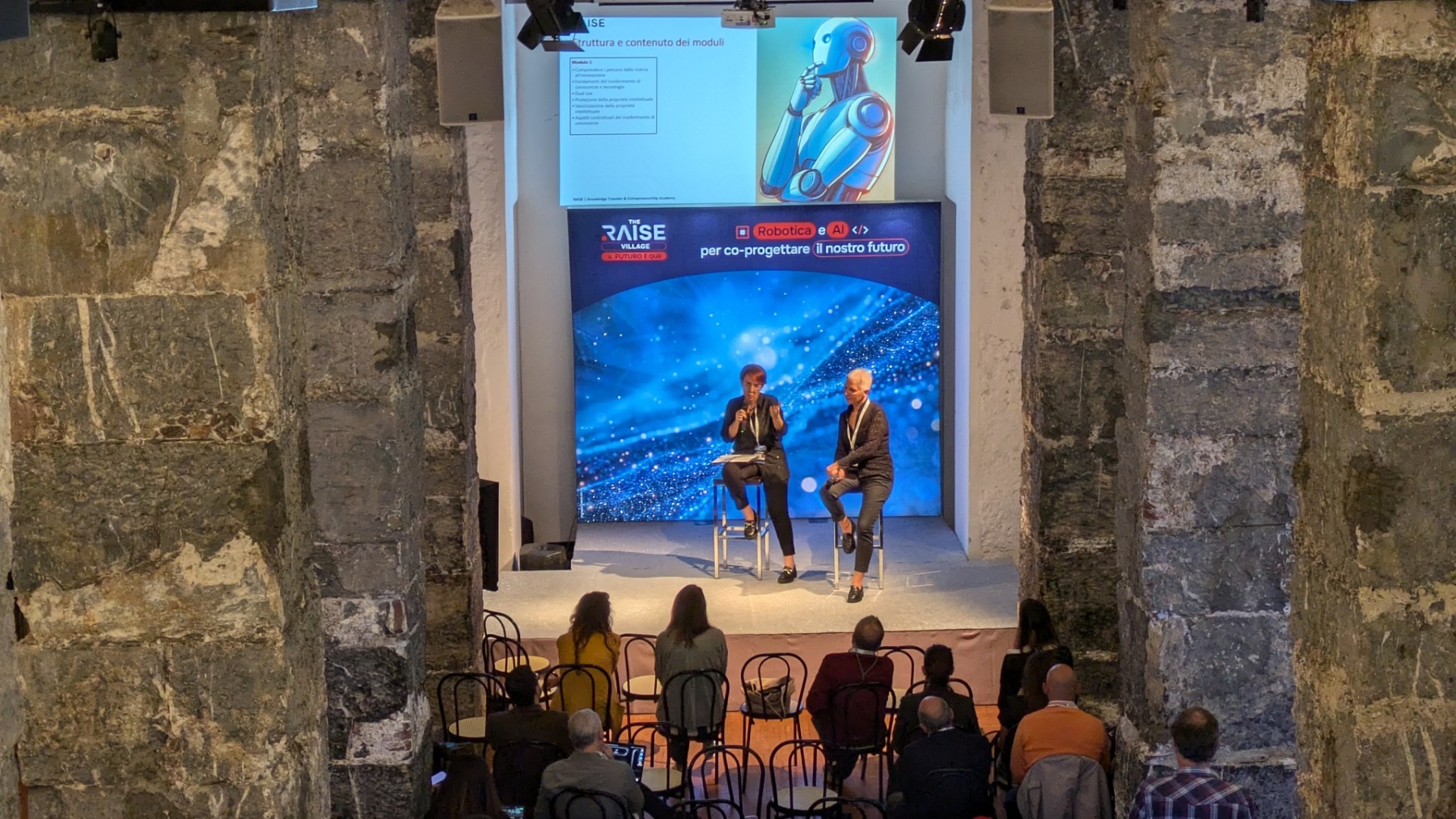
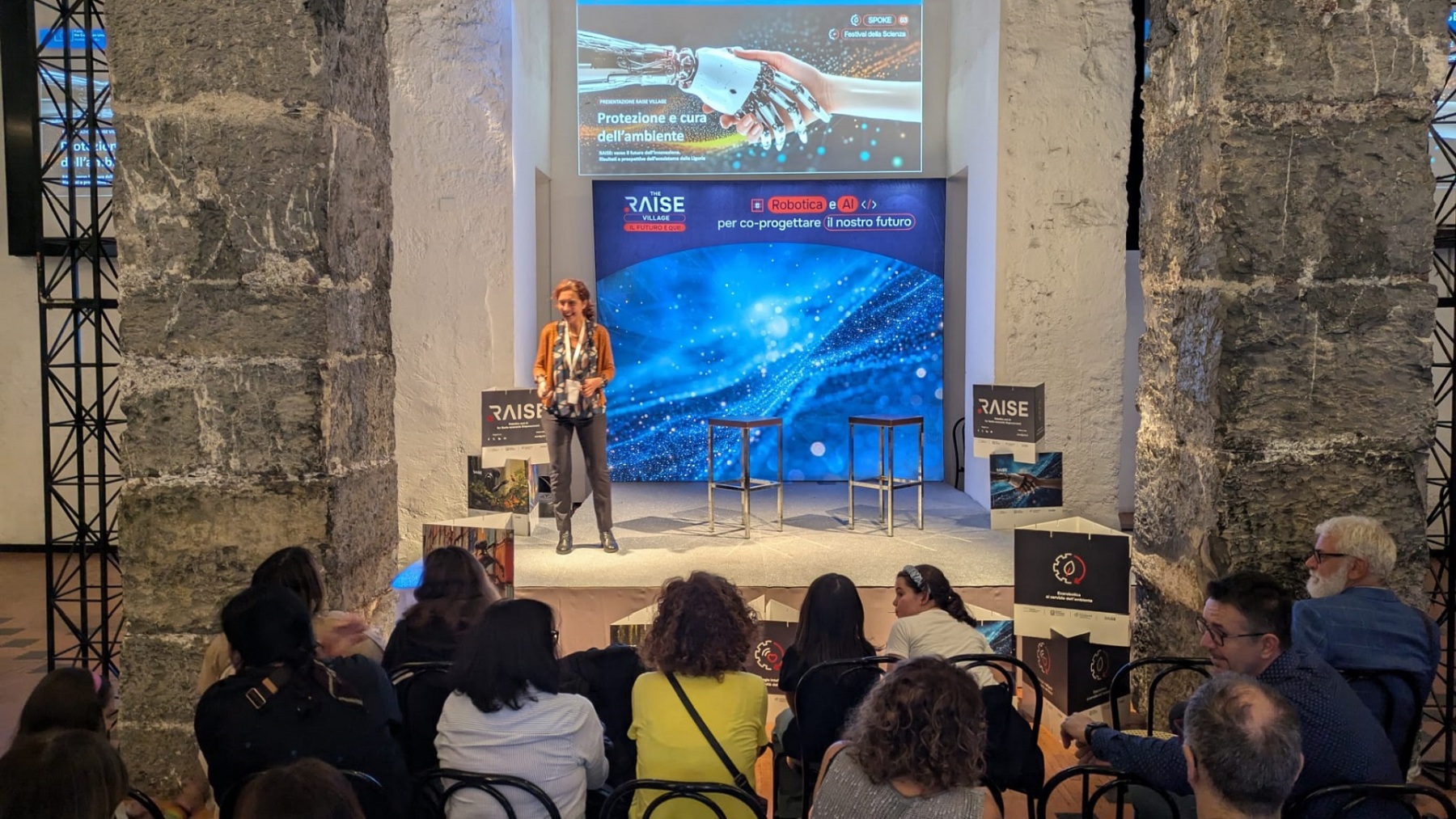
On october 28, Nicoletta Buratti, Associate Professor in Economics and Business Management at the University of Genoa, and Maria Carmela Basile, Head of the Research Valorization Unit of the National Research Council, spoke on the stage of the RAISE Village with a talk entitled “RAISE KNOWLEDGE TRANSFER & ENTREPRENEURSHIP ACADEMY: an open dialogue between research and the market”.

During the talk, the RAISE Academy project was illustrated, a training initiative aimed at all researchers in the Ecosystem, and at all interested doctoral students, even outside RAISE, who wish to expand their knowledge on the topics of technology transfer, protection and valorisation of research results, deep-tech entrepreneurship and innovation management.

The training course, designed and developed as part of RAISE’s Spoke5 activities, is aimed at strengthening skills for the development of business ideas and technology transfer paths, based on the results of the research conducted in the vertical Spokes.

“I believe that it is very important to talk about training in a context as the RAISE Village, within the Science Festival, because training is complementary to all the activities relating to the valorisation of research and technological transfer, which are the specific object of the RAISE programme. Economists teach us that investments in training contribute to increasing the impact of investments in innovation: this implies that, if we want innovation, leaving the world of research, to reach the market successfully, it is necessary to train the right skills to enhance, transfer, create an innovative business. Equally important, however, are initiatives aimed at raising awareness among potential users of innovation (be they businesses or individuals) towards the advantages offered by new products and services. Innovation, in fact, generates results – from an economic and social point of view – to the extent that it is effectively internalized both in company processes and in people’s lifestyle habits. For this reason, in addition to the Academy project that we presented today, the RAISE Training Plan includes other training projects, oriented towards specific targets within the regional ecosystem, with the aim of contributing to training the skills necessary to transfer, enhance, create business and use innovation” commented Nicoletta Buratti, Coordinator of the RAISE Training Program.

Al Festival della Scienza il “futuro dell’innovazione”

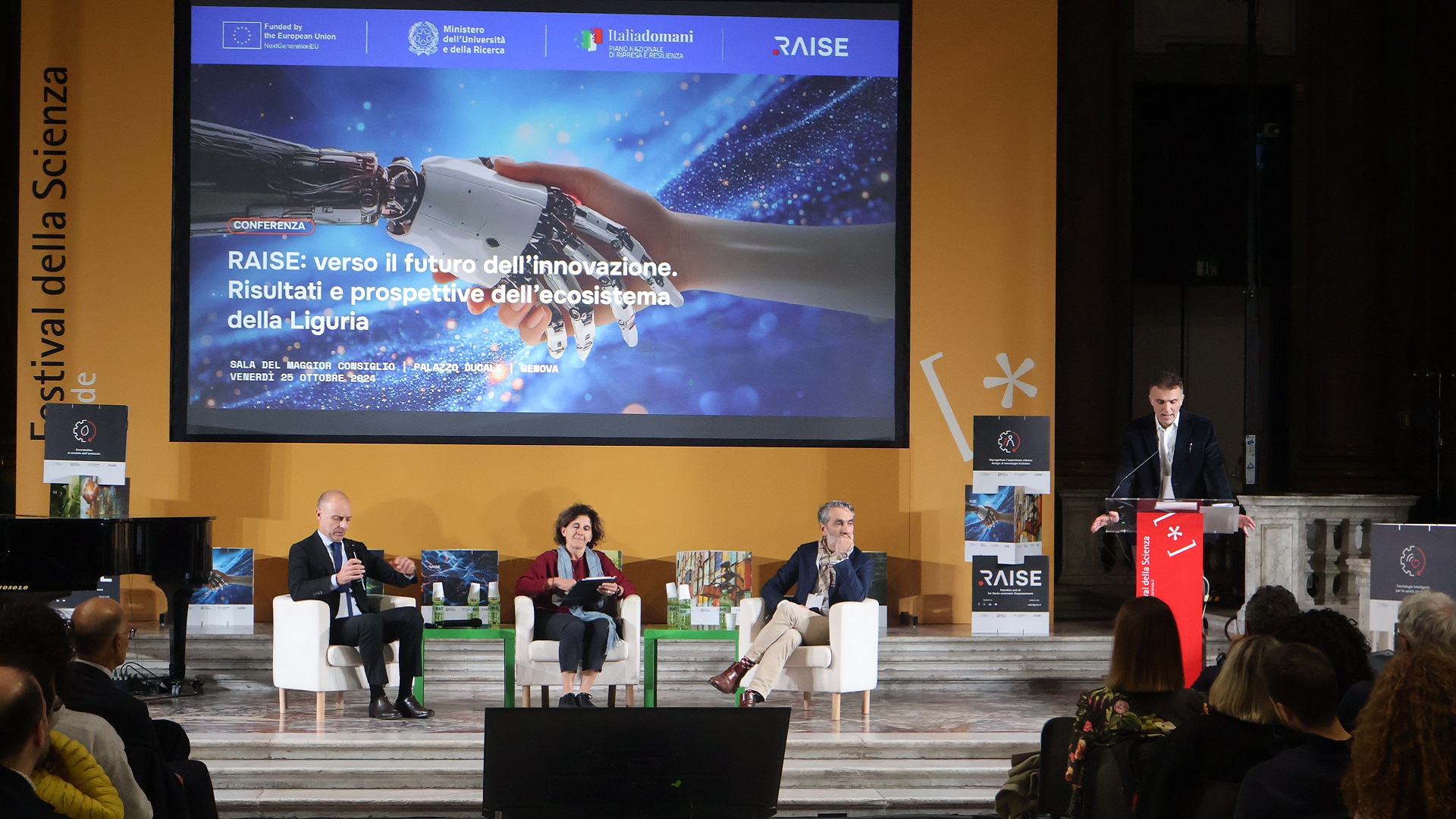
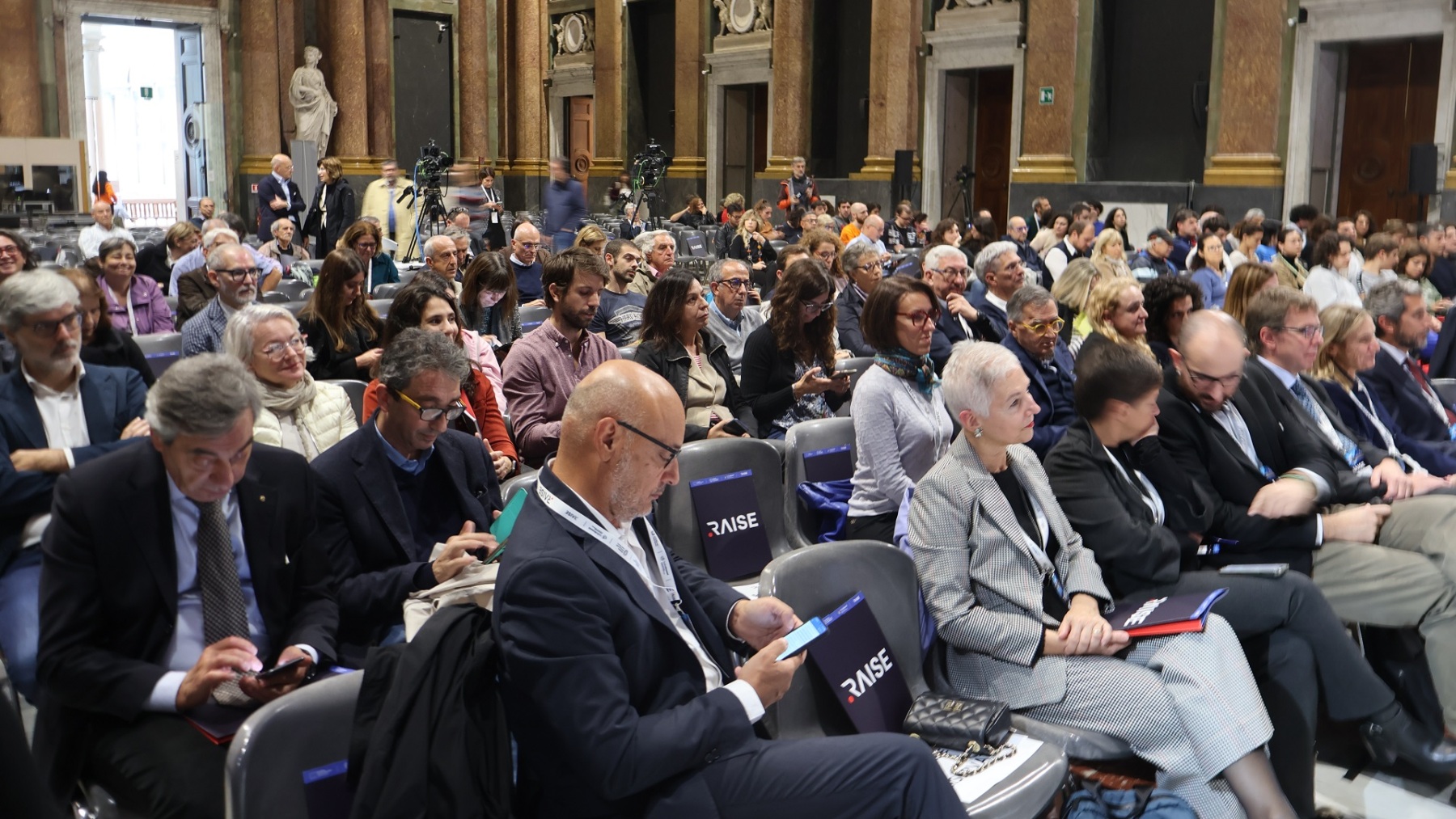
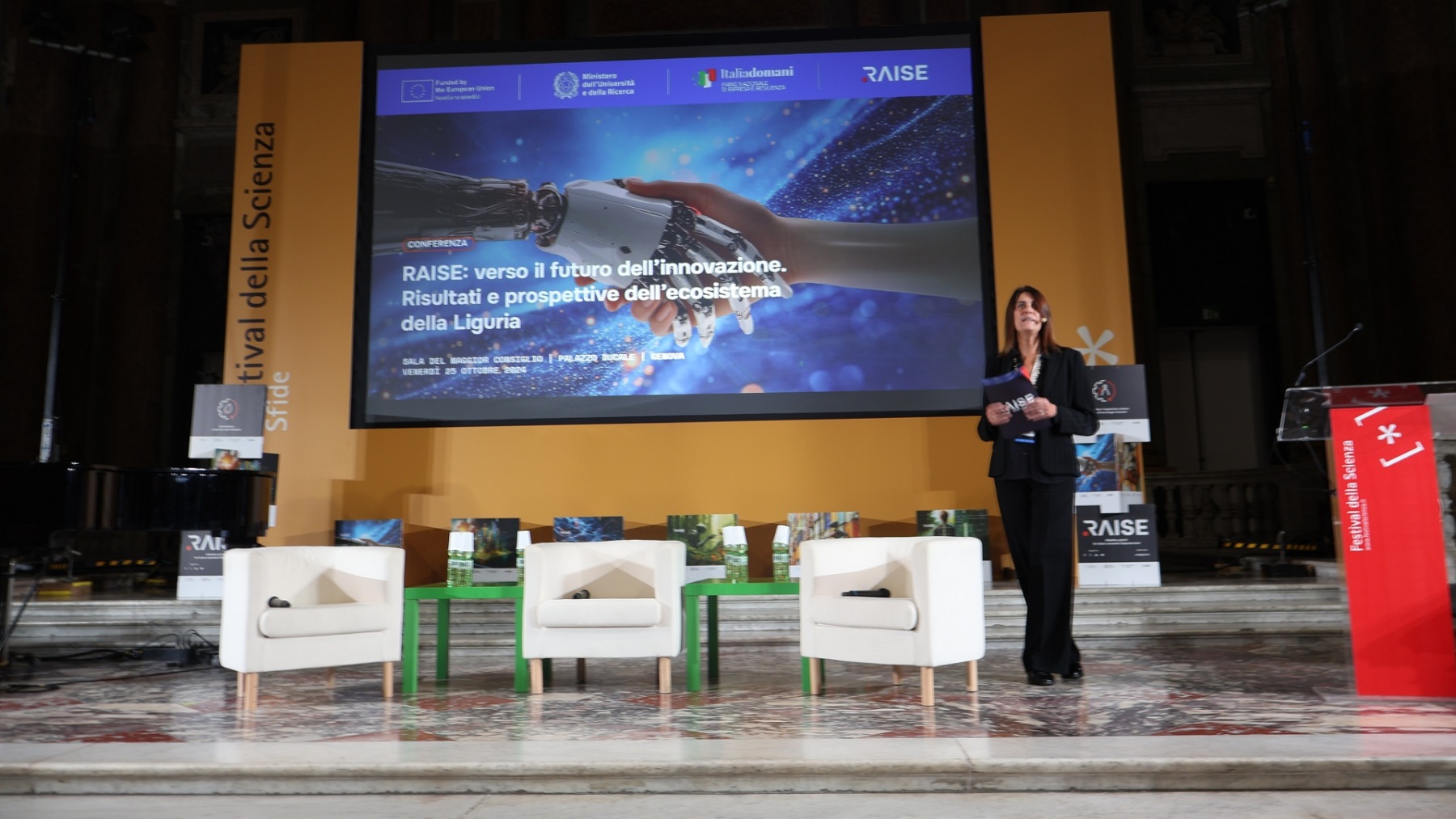
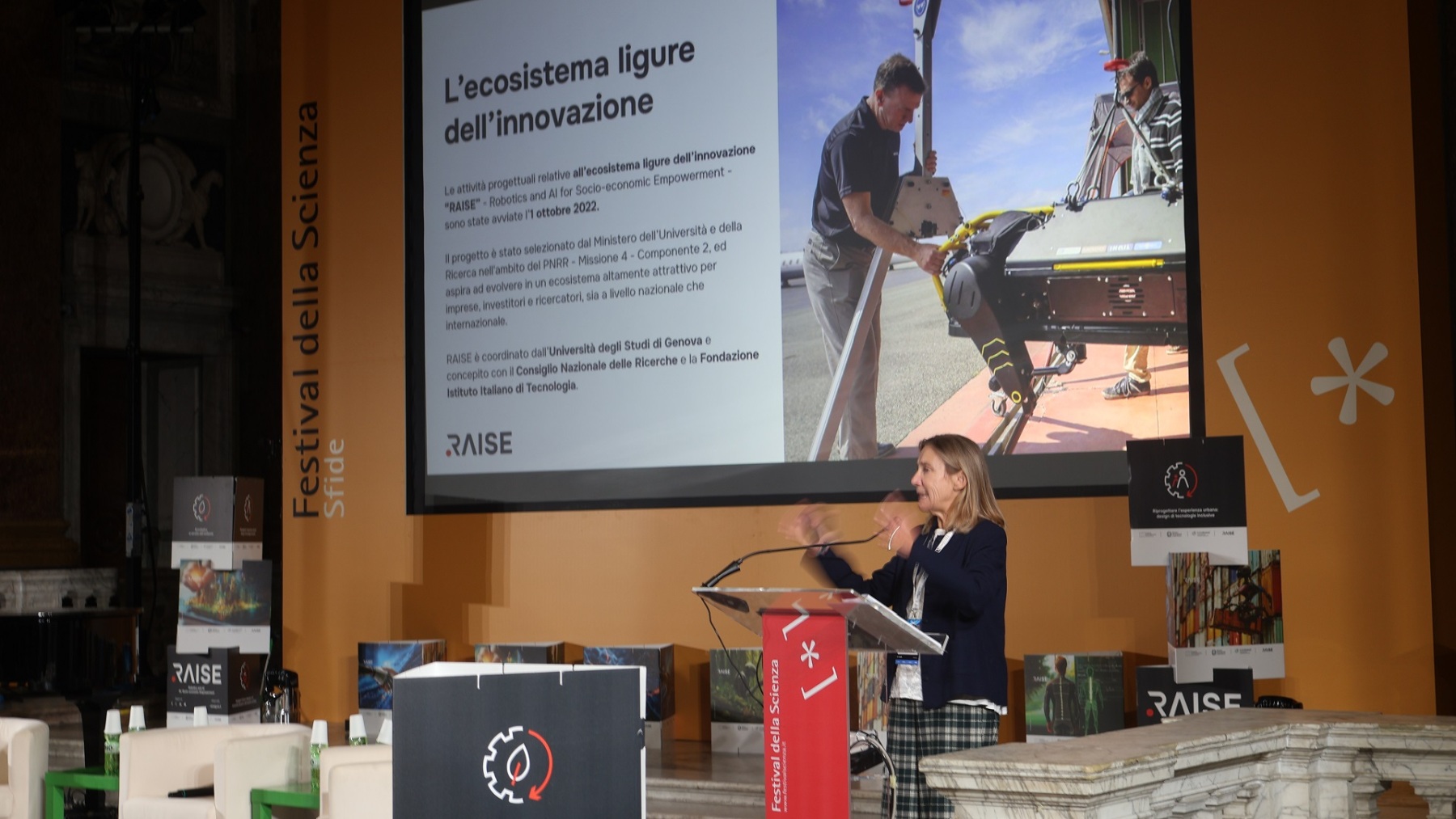
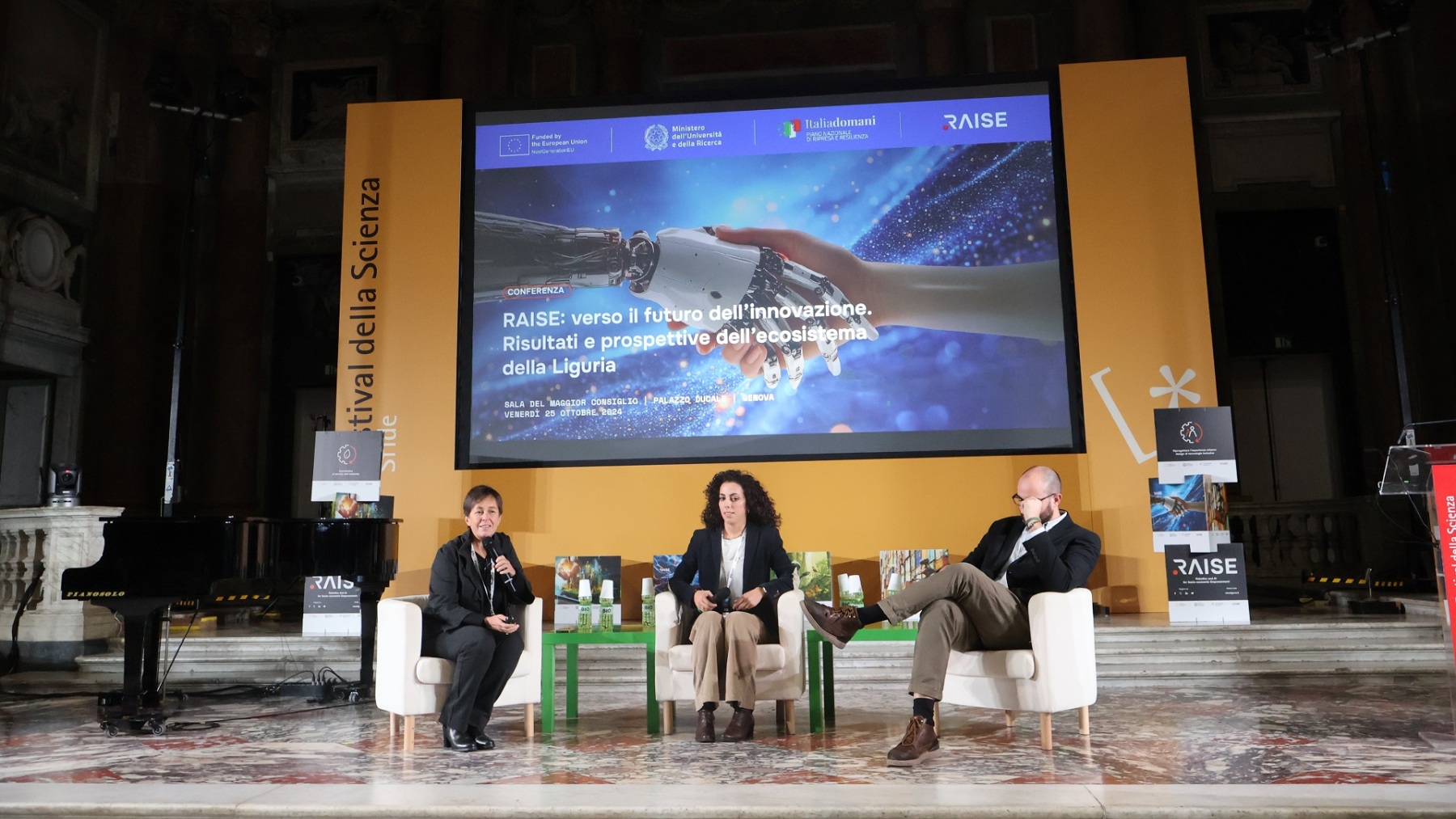
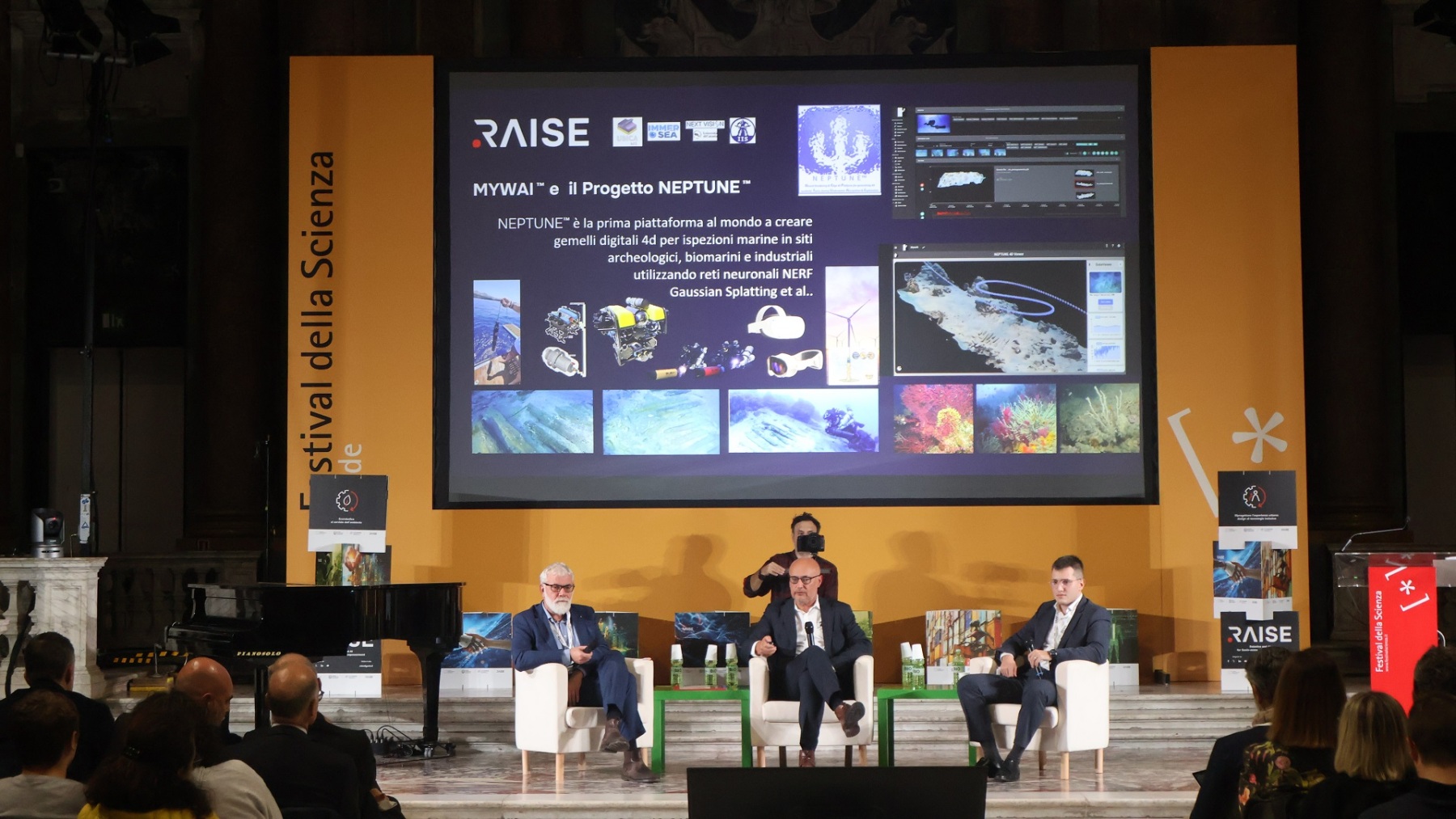
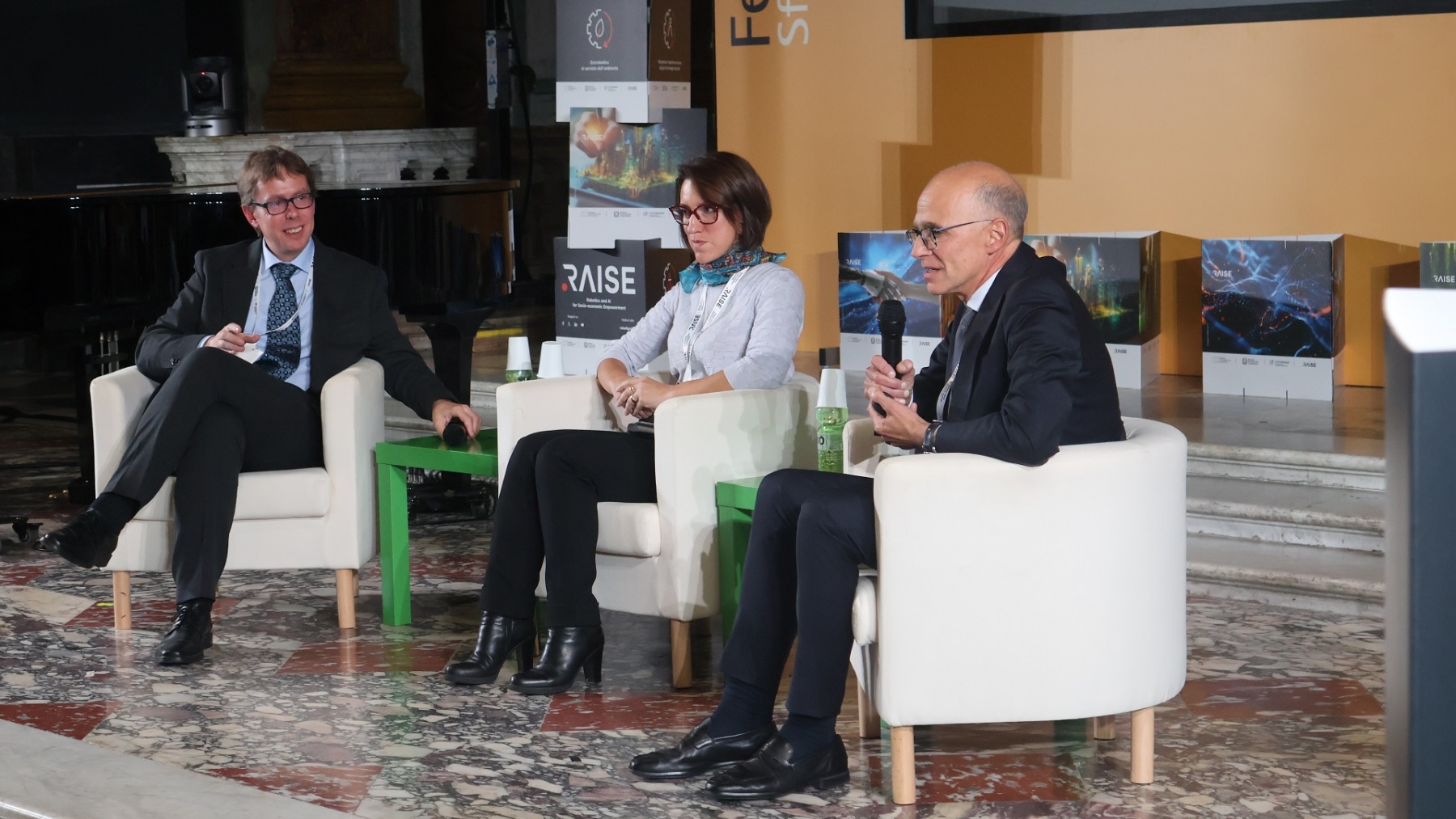
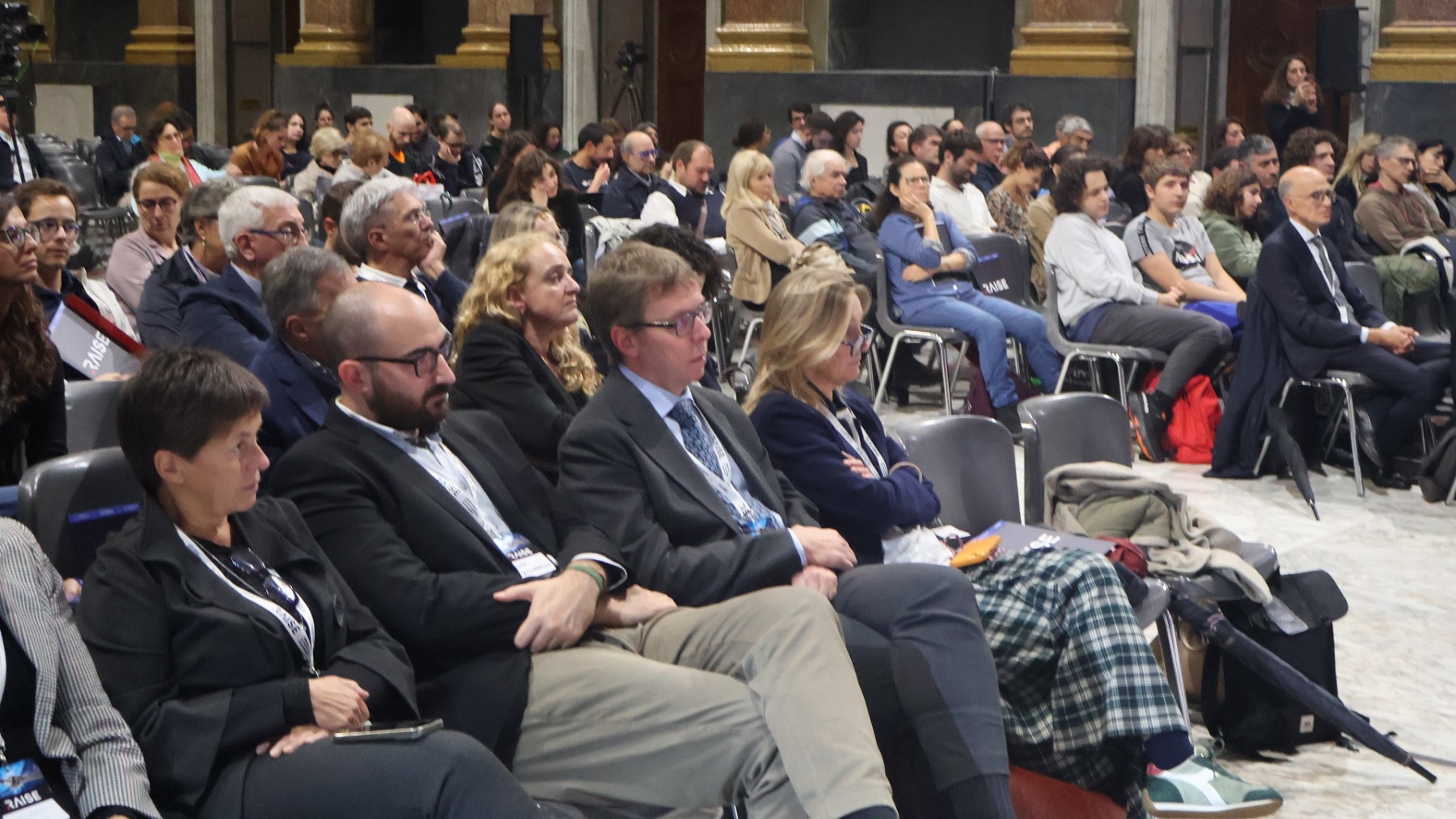
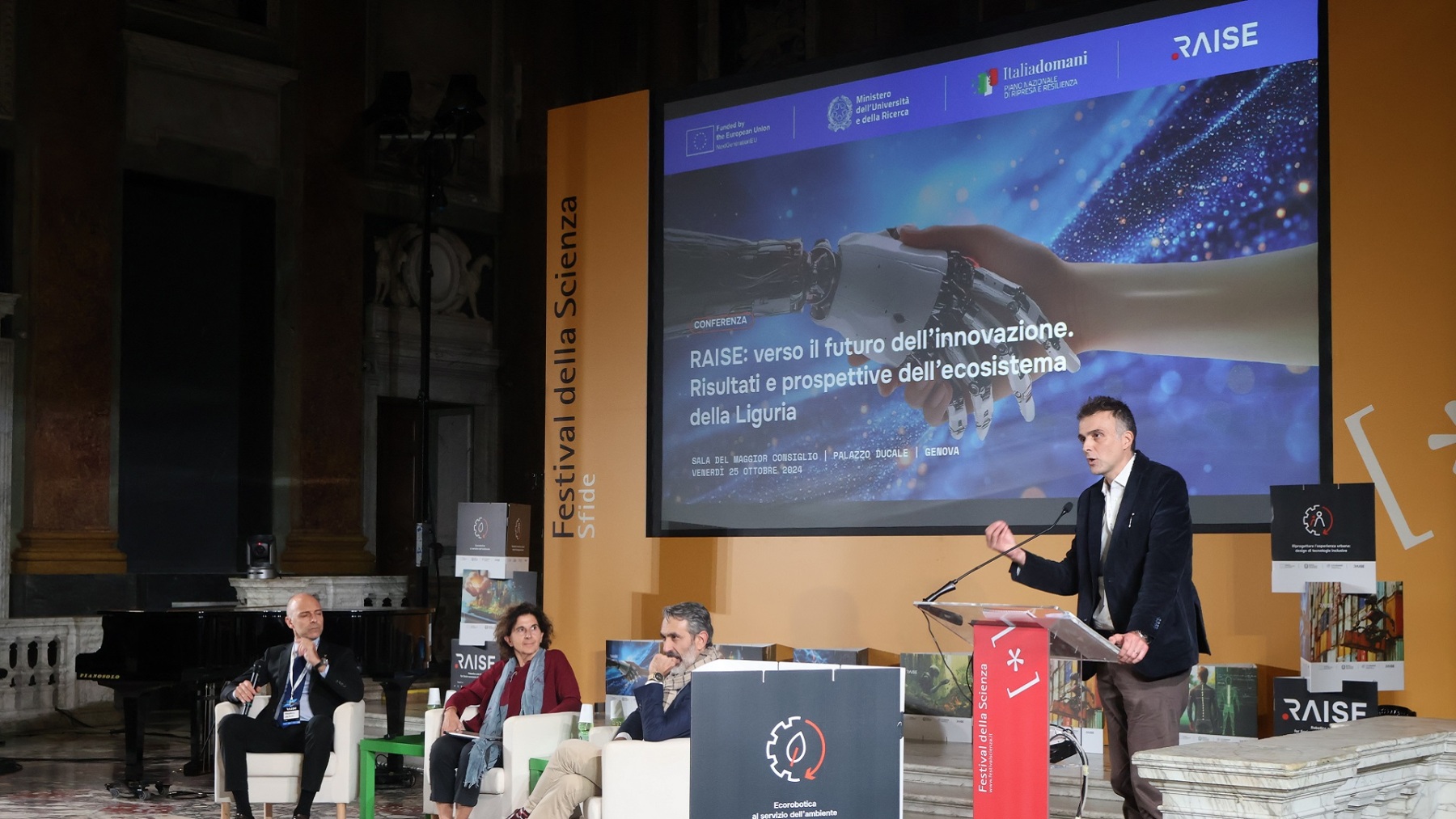
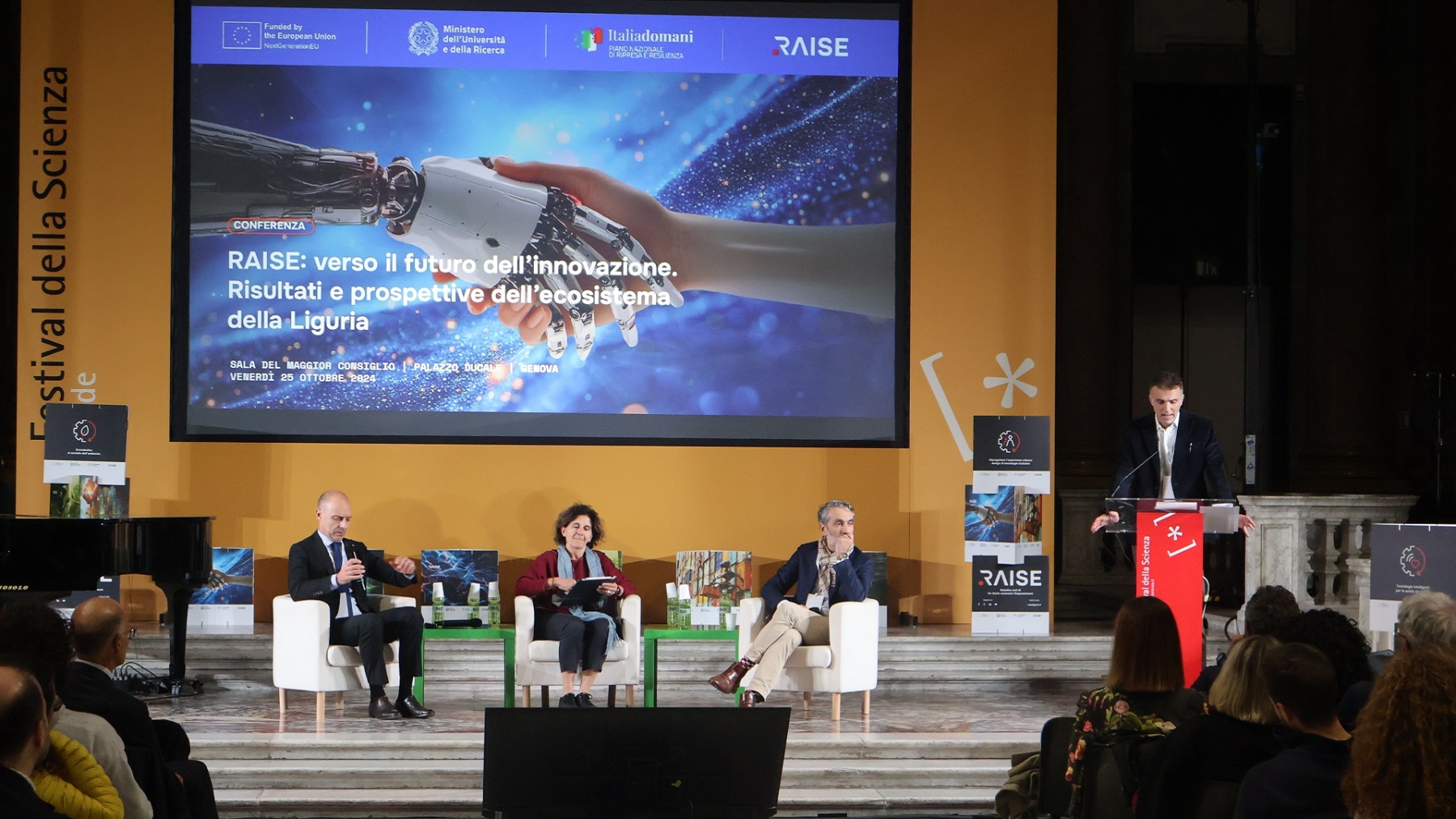
L’edizione 2024 del Festival della Scienza – in programma a Genova fino al 3 novembre 2024 – ha rappresentato, anche quest’anno, un palcoscenico privilegiato per RAISE. Per il secondo anno consecutivo, infatti, i protagonisti e le protagoniste di RAISE hanno riunito istituzioni, stakeholders, studenti, comunità scientifica e il variegato pubblico del Festival nell’incontro “RAISE: verso il futuro dell’innovazione. Risultati e prospettive dell’ecosistema della Liguria”, organizzato nella splendida cornice del Salone del Maggior Consiglio di Palazzo Ducale venerdì 25 ottobre.

Un momento di confronto che giunge a due anni dall’avvio di RAISE, e che ha permesso di presentare linee di attività e risultati ottenuti sui molteplici fronti in cui il progetto è attivo: robotica, intelligenza artificiale, scienza al servizio delle città, della salute, dell’ambiente e dei porti: moderati dalla Programme Manager di RAISE Cristina Battaglia, si sono alternati sul palco numerosi relatori e relatrici.

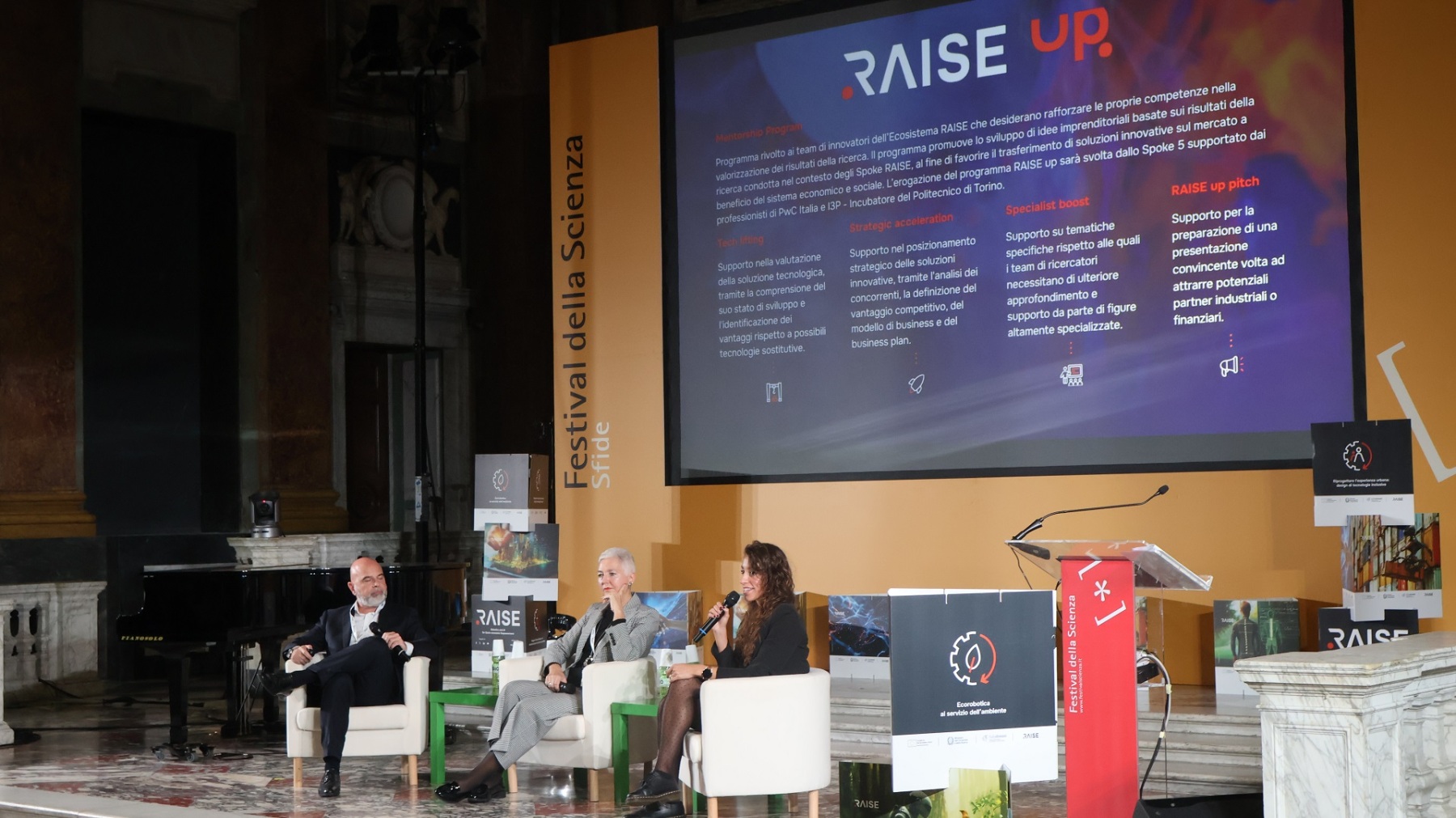
In apertura la Presidente di RAISE Barbara Alemanni ha presentato alcuni “numeri” di RAISE, un progetto complessivamente finanziato con 110 milioni di euro che conta su 240 unità di personale, il 43% delle quali sono donne e il 18% stranieri. Personale che è quotidianamente al lavoro per sviluppare nuove tecnologie e soluzioni per migliorare la qualità dell’ambiente, della vita, dei servizi e delle infrastrutture, come testimoniano le 172 soluzioni tecnologiche sviluppate ad oggi – molte delle quali potranno presto avere un potenziale commerciale- cui si aggiungono i clinical trials in preparazione o già avviati. La Presidente ha, inoltre, ricordato i 5 bandi a cascata realizzati (per 24 milioni di euro stanziati, parte dei quali specificatamente rivolti alle regioni del Mezzogiorno), le azioni di outreach portate avanti nel 2024 e già in programma per il 2025 (tra cui la partecipazione Expo Osaka 2025) , e l’importante ruolo della formazione RAISE, con oltre 20 team di ricerca che hanno già preso parte al programma di formazione avanzata sul trasferimento tecnologico “Raise up”. “Ma il nostro domani consisterà nella capacità di vivere oltre il Pnrr”, ha affermato Alemanni in conclusione, ribadendo l’importanza di consolidare i risultati puntando a un rafforzamento del network RAISE, individuando strategie e priorità che permetteranno di andare oltre il termine del progetto.

L’evento è quindi proseguito con un innovativo format che ha visto alternarsi, in interventi della durata di pochi minuti, i capi Spoke di RAISE affiancati da un partner privato e da dai giovani ricercatori e ricercatrici coinvolti.

Per lo Spoke 1 “Tecnologie urbane per un coinvolgimento inclusivo” la coordinatrice Michela Spagnuolo (Cnr-Icmate) aveva al fianco Luca Lagormarsino (Circle Garage) e Linda Lastrico (Ricercatrice RAISE – IIT): hanno illustrato servizi a valore aggiunto per la cittadinanza basati sull’AI testati nell’area dell’Ospedale San Martino di Genova, che semplicemente grazie a uno smartphone potranno facilitare la comunicazione tra la struttura sanitaria e i pazienti su molteplici fronti: ad esempio mettere a disposizione del personale medico informazioni in tempo reale sullo stato di salute dei pazienti, così come rendere disponibili mappe interattive e informazioni utili a chi deve accedere alle strutture, soprattutto se persone disabili / fragili. Obiettivo ultimo è andare verso un’evoluzione del concetto stesso di smart city, come ha ribadito Luca Lagormarsino, tra i fondatori della società spin off di IIT Circle Garage che si pone l’ambizioso obiettivo di creare una “urban data platform” all’interno della quale raccogliere e far interagire dati ad ampio raggio a favore della cittadinanza.

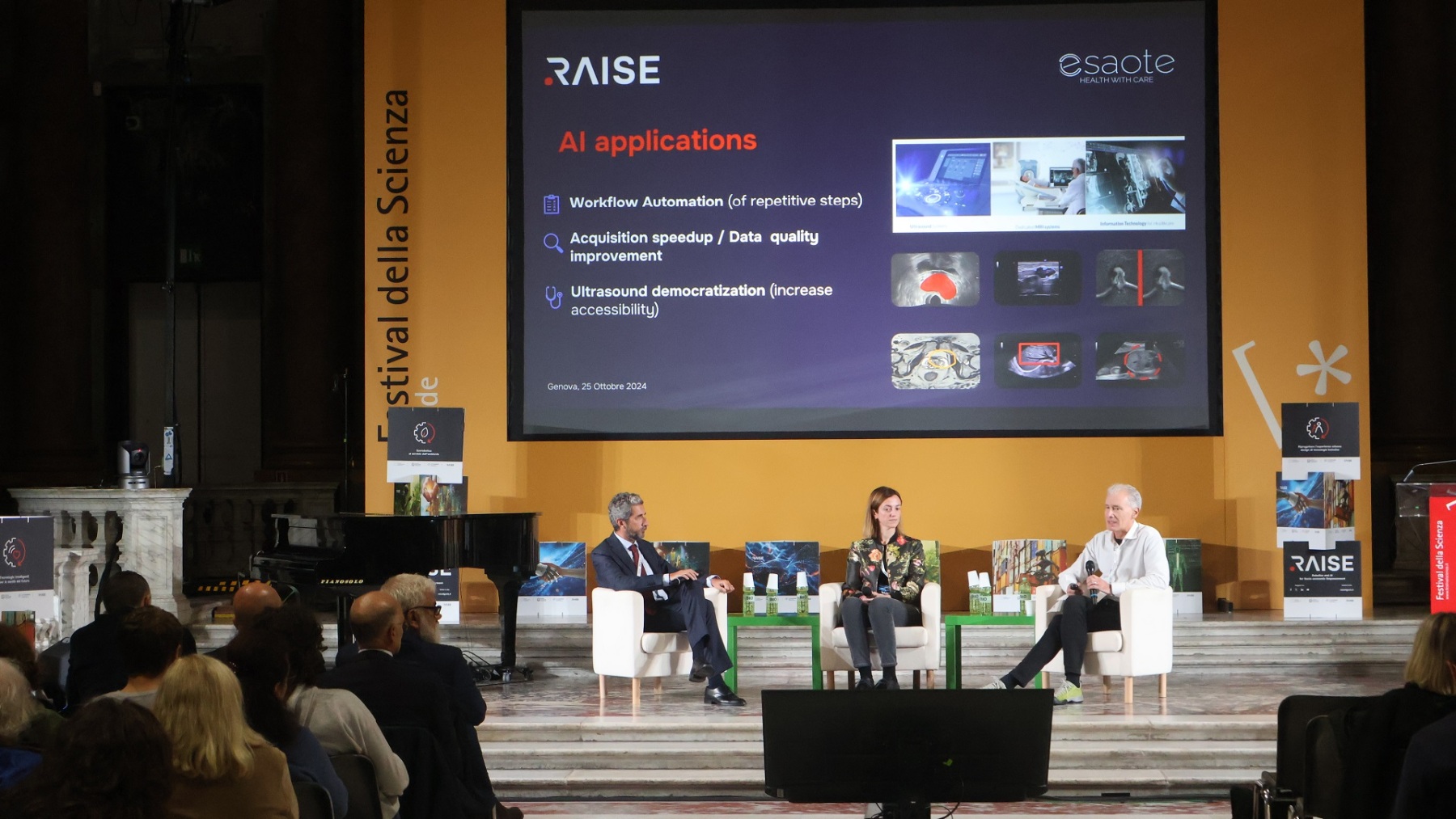
Lorenzo De Michieli (IIT), coordinatore dello Spoke 2 “Assistenza sanitaria personale e remota” ha invitato sul palco il responsabile ricerca e sviluppo di Esaote, Paolo Pellegretti, e Camilla Pierella (Ricercatrice RAISE – UniGe): a loro il compito di illustrare come RAISE permetterà di avere ospedali sempre più digitalizzati e connessi tra loro, e in ultima analisi più efficienti. Proprio la digitalizzazione, infatti, rende possibile l’accesso a macchine diagnostiche a tecnici esterni così velocizzando il processo di esecuzione degli esami e di riscontro. Inoltre, come spiegato da Pierella, le tecnologie che si stanno mettendo a punto adesso sono quelle che permetteranno, in pochi anni, di raggiungere l’obiettivo di una sanità più inclusiva: pensiamo alla possibilità, ad esempio, di utilizzare sensori quali “segnali di controllo” per tenere traccia di diversi parametri di pazienti, monitorarne le cure, facilitare l’interazione tra pazienti e terapisti, anche a distanza.

Con lo Spoke 3 “Protezione e cura dell’ambiente”, si è affrontato il tema di come la robotica potrà migliorare la nostra gestione dell’ambiente: il coordinatore Marco Faimali (Cnr-Ias), con l’amministratore delegato di MYW.AI Fabrizio Cardinali e Marco Macchia (Ricercatore RAISE – UniGe) hanno portato esempi di “ecorobotica” per monitoraggi terrestri, marini, aerei, così come di infrastrutture e beni artistici, tutti temi trattati negli 11 sottoprogetti attualmente attivi nello Spoke. Va in questa direzione anche il progetto “NEPTUNE” (Neural Rendering & Edge AI Platform for 4d synthetic Twins generation during Underwater Navigation & Exploration) della società ligure MYW.AI, che utilizza l’intelligenza artificiale per effettuare una mappatura virtuale del territorio sottomarino comprensiva di dati biologici, morfologici e di biodiversità: una delle aree di testing è l’Area Marina Protetta del Parco di Portofino, in Liguria. Ma il monitoraggio può essere esteso anche ad aree di potenziale rischio, come ha illustrato Marco Macchia presentando la piattaforma “U Space Link”, all’interno della quale è stato realizzato un modello digitale della zona in cui si trova la raffineria Iplom (Busalla, Genova) per monitorare qualità dell’aria e fattori di potenziale rischio per i cittadini che risiedono nell’area.

I porti del futuro, oggetto dello Spoke 4 “Porti intelligenti e sostenibili” ha visto coinvolti il coordinatore Davide Giglio (UniGe) assieme a Massimo Massa (AITEK) e Laura Della Giovanna (Ricercatrice RAISE – UniGe). In questo caso gli esempi presentati hanno spaziato da “robot sociali” in grado di accogliere e orientare cittadini e visitatori, ad esempio nelle marine turistiche, a soluzioni innovative per la logistica e per migliorare l’impatto del porto sulle città. Viene da AITEK, ad esempio, un progetto che sfrutta l’intelligenza artificiale per rilevare in maniera più veloce ed efficiente la presenza di materiali pericolosi nei container, così come di rilevare eventuali danni sui container stessi, così riducendo la necessità di manodopera umana per questo tipo di operazioni. Ma lo Spoke riguarda anche aree turistiche quali le piccole marine: Laura Della Giovanna, ad esempio, ha illustrato il progetto PREC (Port Renewable Energy Community) che mira ad aumentare la sostenibilità di porti e marine creando comunità energetiche che utilizzano fonti energetiche rinnovabili.

Ha concluso la sessione Andrea Pagnin (IIT) coordinatore dello Spoke 5 “Trasferimento di conoscenza e tecnologia” coadiuvato da Nicoletta Buratti (UniGe) e Miriam Molinari (Project Manager RAISE – IIT): il loro intervento era focalizzato sulla cultura dell’innovazione quale mezzo per favorire l’obiettivo di “portare al di fuori del progetto” le tante tecnologie sviluppate. Va in questo senso il progetto di mentoring “Raise up2, che conta già due edizioni al suo attivo, e che ha permesso di offrire una formazione avanzata e qualificata a team selezionati su temi che spaziano dalla tutela della proprietà intellettuale alla stesura di un business plan di successo, al supporto allo sviluppo di tecnologie e al migliore posizionamento sul “mercato dell’innovazione”. Il programma, ha affemato Buratti, è fortemente incentrato sulla figura del ricercatore, offrendo gli strumenti più efficaci per favorire l’attività di valorizzazione dei risultati e trasferimento di know how, ma il programma comprende anche altri target, tra cui dottorandi, studenti delle scuole superiori, docenti, e personale della PA.

La seconda parte della giornata ha messo, invece, a confronto un panel di elevato profilo: Nicoletta Amodio del Consiglio di amministrazione del Cnr, il Rettore dell’Università di Genova Federico Delfino e il Direttore scientifico dell’Istituto Italiano di Tecnologia Giorgio Metta. Moderati dal giornalista del Secolo XIX Francesco Margiocco, hanno dialogato ad ampio raggio sulla situazione della ricerca nel nostro Paese e, in particolare, sul “futuro” dell’ecosistema RAISE. La necessità di aumentare gli investimenti nazionali in ricerca è stata unanimemente ribadita: il Rettore Delfino, commentando i progressivi tagli al fondo di finanziamento ordinario delle Università, ha proposto la creazione di piattaforme nazionali nelle quali capitalizzare e valorizzare gli investimenti: l’avvio di grandi collaborazioni e partnership, così come programmi di TT che permettano di aumentare le entrate da parte dei privati, potrebbero, infatti, “bilanciare” la situazione attuale e favorire una maggiore competitività del nostro Paese.
A questo proposito, Amodio ha ricordato come negli ultimi 10 anni gli investimenti in ricerca da parte di soggetti privati siano raddoppiati, e come il Pnrr – con la sua forte interazione pubblico-privato, e la capacità di mettere insieme trasversalmente ricercatori e ricercatrici su temi diversi- sia un modello virtuoso da mantenere: “Il Pnrr ha immesso molte risorse nel sistema, ma soprattutto ha favorito un cambio di paradigma, un modo di lavorare in sinergia che potrebbe rappresentare un nuovo modello italiano”, ha affermato.
Il Direttore scientifico dell’IIT Giorgio Metta ha ricordato come in Italia la ricerca sia finanziata prevalentemente con fondi pubblici, mentre in altri Paesi – uno per tutti gli USA- il rapporto è invertito: attirare capitali dal mondo privato pone anche un discorso importante relativo al rischio, sul quale in Italia c’è ancora scarsa sensibilità. Ha poi ribadito come la sfida di RAISE consisterà, in futuro, nello sviluppo delle varie applicazioni e tecnologie progettate: “Il progetto finora ha messo insieme le menti più brillanti nella progettazione di un futuro basato su robotica e AI, ma poi entra in gioco tutto ciò che è relativo alla progettazione meccanica, di hardware e software: sapremo sopravvivere al Pnrr quanto più saremo in grado di diventare protagonisti dello sviluppo applicativo dei risultati RAISE”.

RAISE at the Festival of Regions and Autonomous Provinces

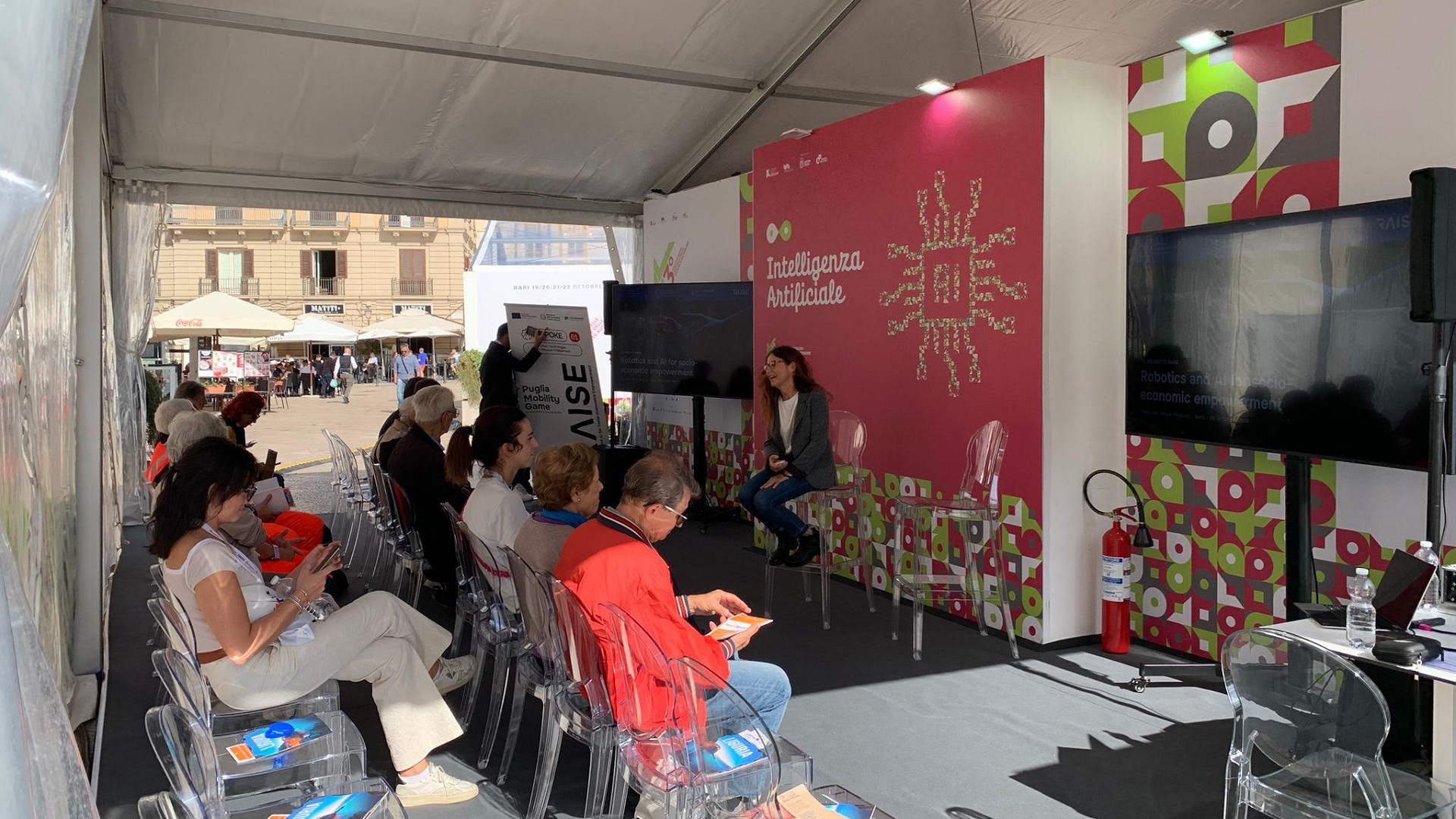
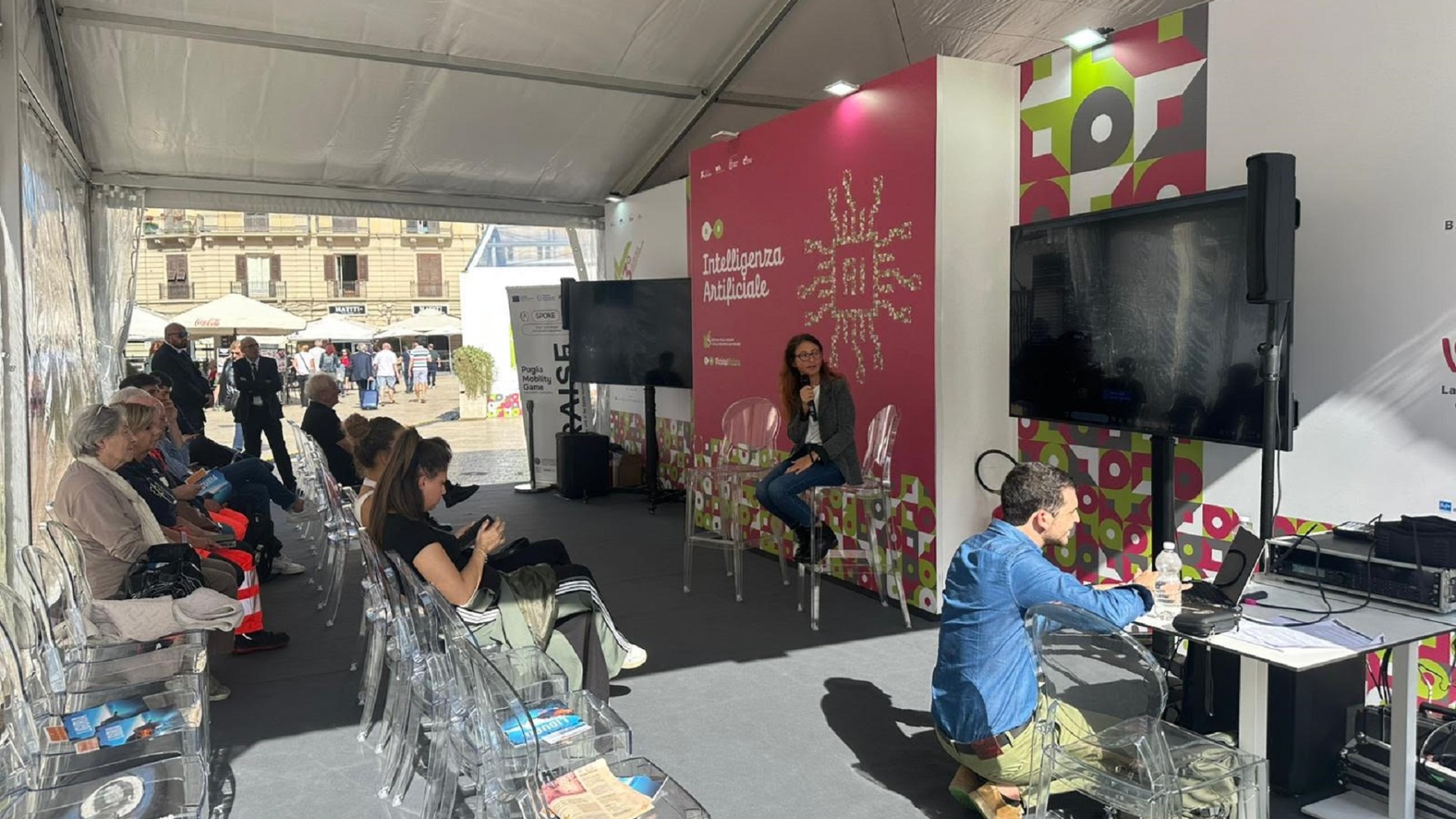
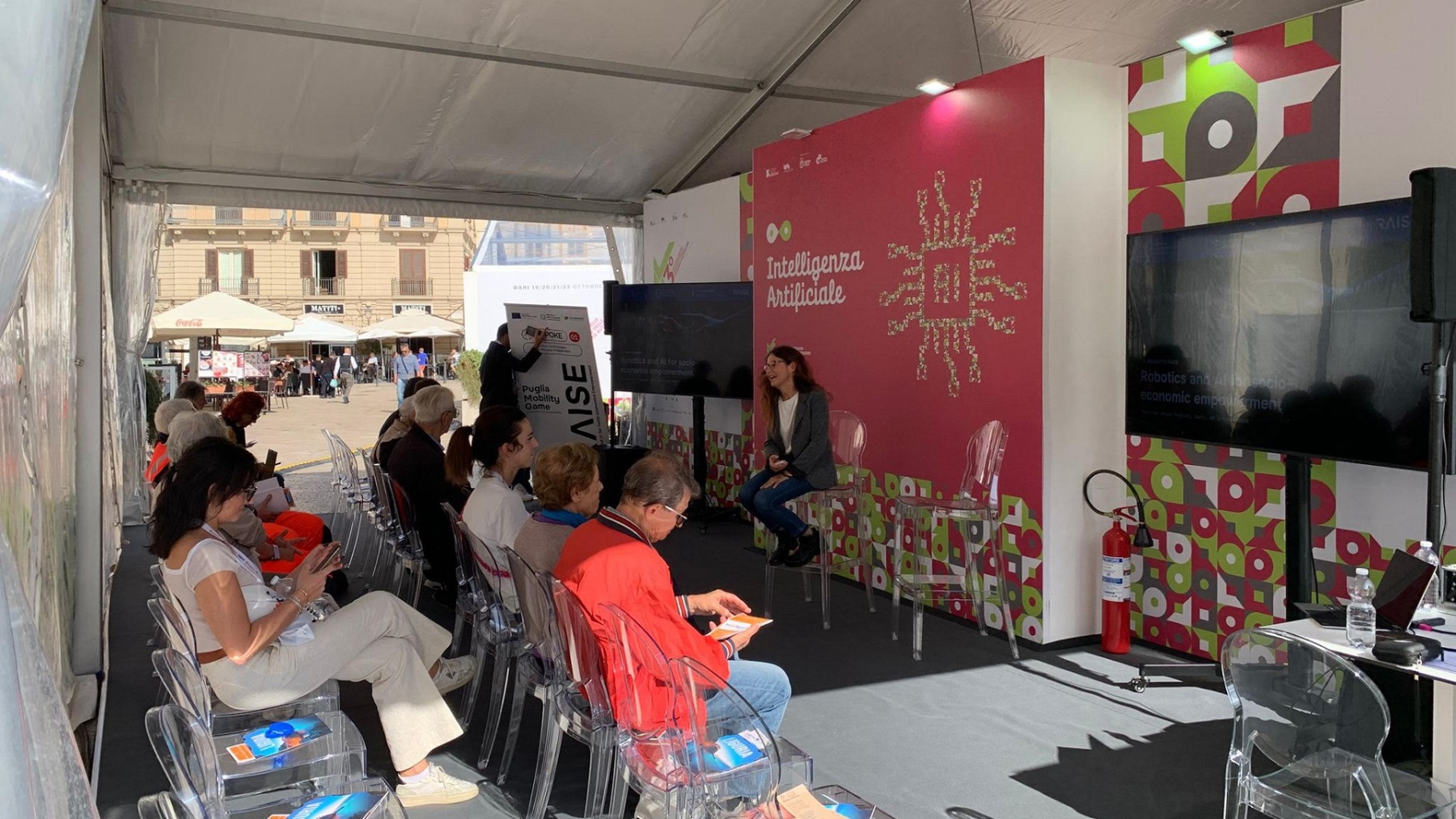
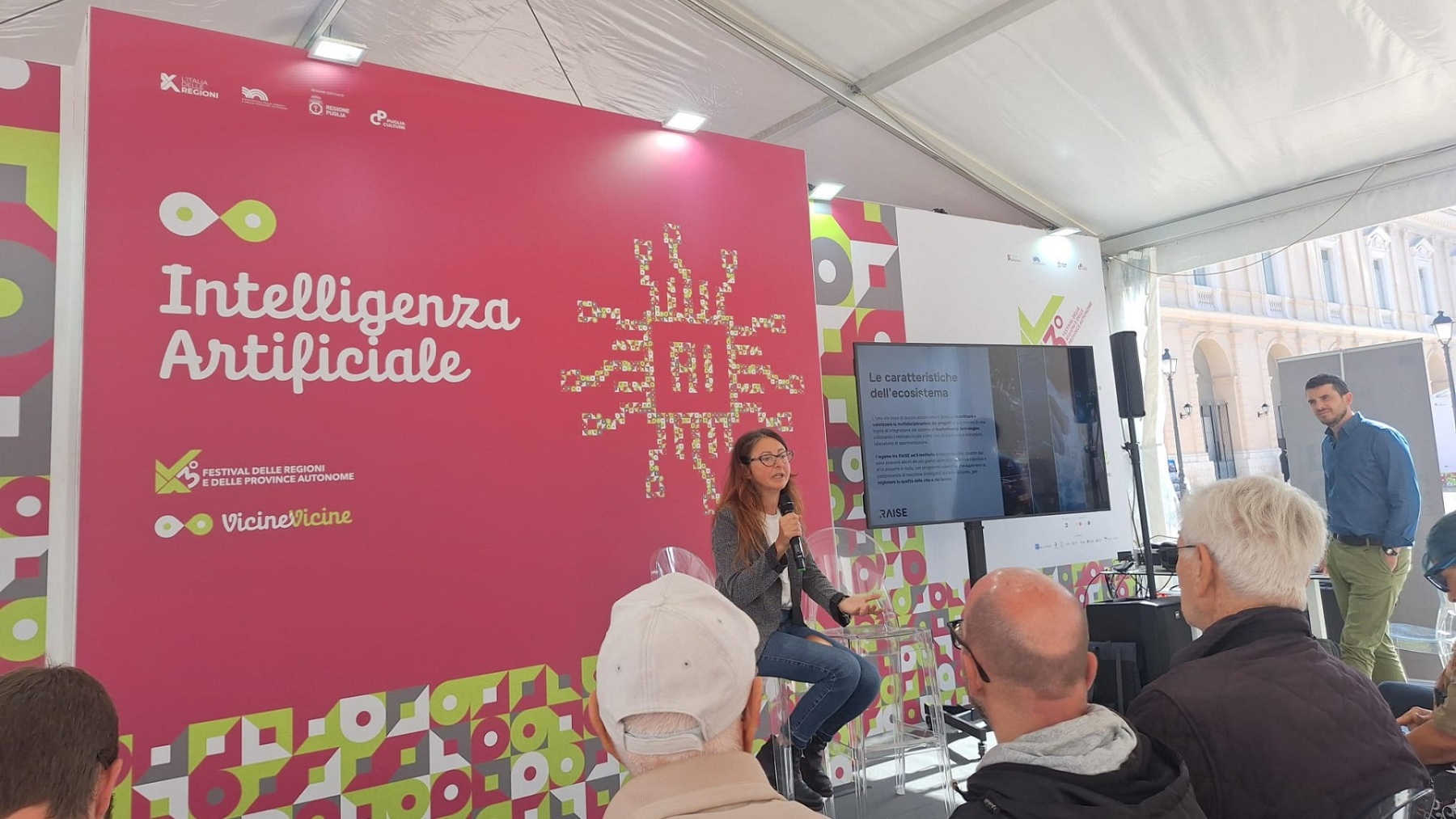
RAISE participated in the third edition of “L’Italia delle Regioni – Festival of Regions and Autonomous Provinces” which took place in Bari from 19th to 22th October with the focus “The Region of the future between digital and green: which skills?”

The Festival hosted institutional debates, performances, demonstrations and tastings and artificial intelligence laboratories, with the participation of all the Italian regions.
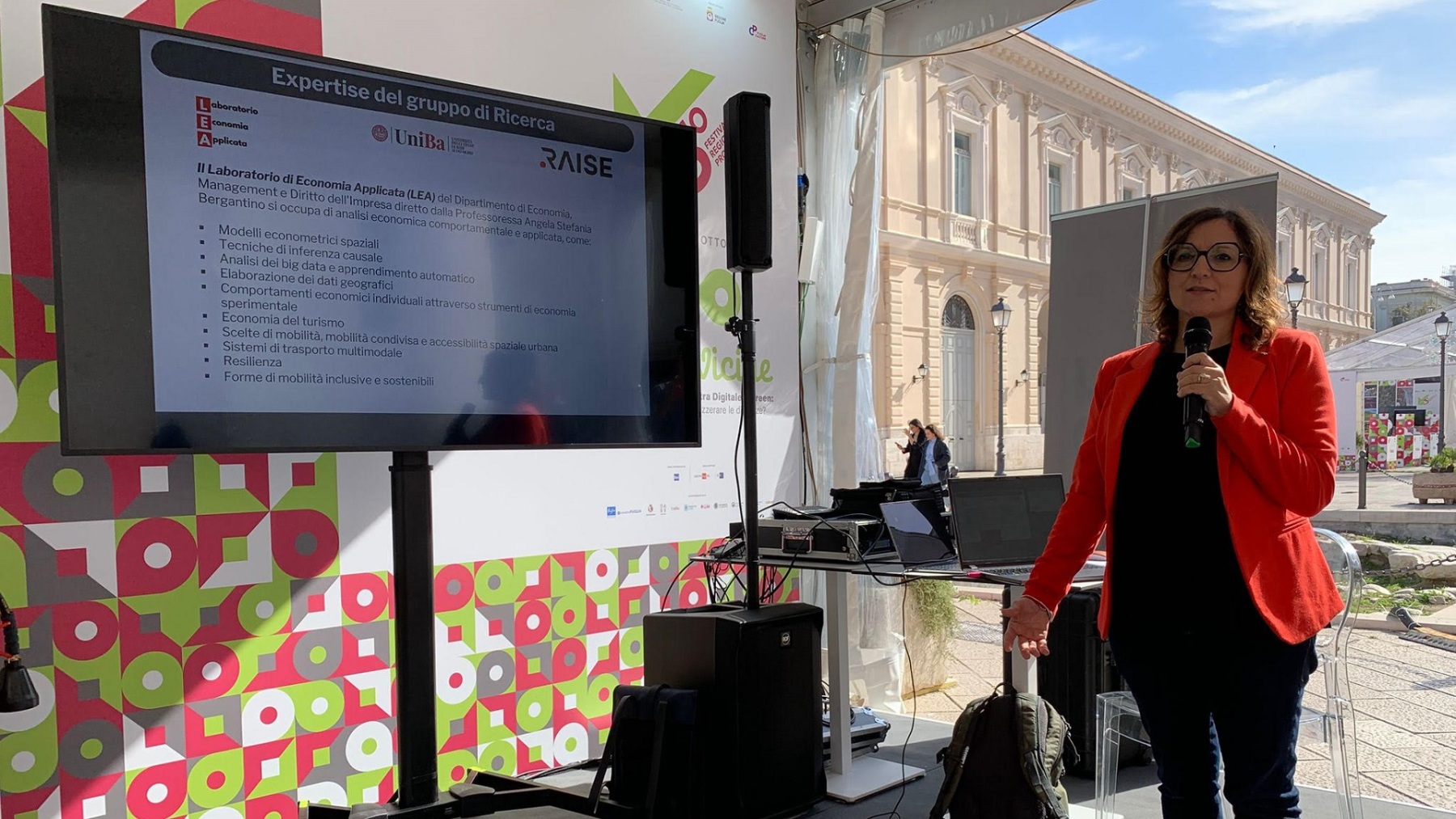
Michela Mortara and Tommaso Sorgente of CNR-IMATI represented the RAISE project, describing its motivations, objectives and actors involved, and giving a general presentation of the five Spokes, the cascade calls and the Training Plan, then going into detail about the two Spokes in which their institution of origin is most involved: Spoke 1 and Spoke 3.

“For Spoke 3” – comment Michela Mortara and Tommaso Sorgente – “we presented the concepts of marine, aerial, terrestrial, energy and citizen Ecorobotics, giving an overview of the Spoke products. The Interreg-Maritime MATRAC-ACP project of CNR-IMATI was also introduced and its natural evolution in Product 1.8 – Spoke 3 Adaptive Monitoring. For Spoke 1, however, we explained the concepts of Smart City and Urban Digital Twin, presenting the work done so far through the Living Labs and the Mobility and Education demonstrators. So we talked about the collaboration with the San Martino Hospital in Genoa as part of Spoke1 and also other projects of our institute connected to this Spoke, such as the House of Emerging Technologies in Matera, the Urban Intelligence Science Hub project in Catania.”

“I appreciated the curiosity and interest of participants of all ages towards new technologies” adds Michela Mortara, “the enthusiasm for the project’s proposals and the expectation of how the tools developed in RAISE will be able to improve their quality of life . It is a great incentive to give our best in our work.”

Furthermore, Antonia Abbasciano from the University of Bari was also speaker at the festival and illustrated the PMG project: Puglia Mobility Game, financed by the Spoke 1 cascade calls.

RAISE at the FameLab national final at Genoa’s Teatro della Tosse

The 2024 national FameLab final will take place on 27 October 2024 at 8.30 pm in Genoa at Teatro della Tosse.

Twenty-four researchers, after having passed a selection in twelve Italian cities, will compete in the final of FameLab Italia, the first international talent show dedicated to research communication. They will have only 3 minutes to present a scientific content to win over the public and a jury of experts. The winner of the evening will participate in the international final on November 24th.

Among the finalists is also a researcher from Spoke 3 of RAISE, Marco Fortunato of CNR-ICMATE who leaves us his comment a few days before the final: “I’ve been wanting to get back into the game and get back on stage for a long time since I’ve been doing theater for several years and FameLab was the perfect opportunity. The experience was wonderful and the Masterclass was truly useful and fun. Unfortunately I won’t be able to bring the topics of my research because I have already used them for the regional selections but I will still try to talk about the chemistry of materials”.
The national winner of the fameLab final in Genoa will participate in the international final of the Festival which will take place on 24 November 2024.
The event is organized by Psiquadro in collaboration with the Genoa Science Festival, CNR – National Research Council and Cheltenham Science Festival.

Free entry, booking not required but recommended at this link.


Cover Image
Author: E-learning Service – University of Genoa
Credits: E-learning Service – University of Genoa

Finaziato dall'Unione Europea Ministero dell'Università e della Ricerca Italia Domani Raise