Inclusive mobility and data: RAISE – Spoke 1 at AFF25

RAISE – Spoke 1 took part in Accessibility for Future 2025 (AFF25), held in Udine from September 18 to 20, bringing its contribution on the themes of accessible and inclusive mobility.

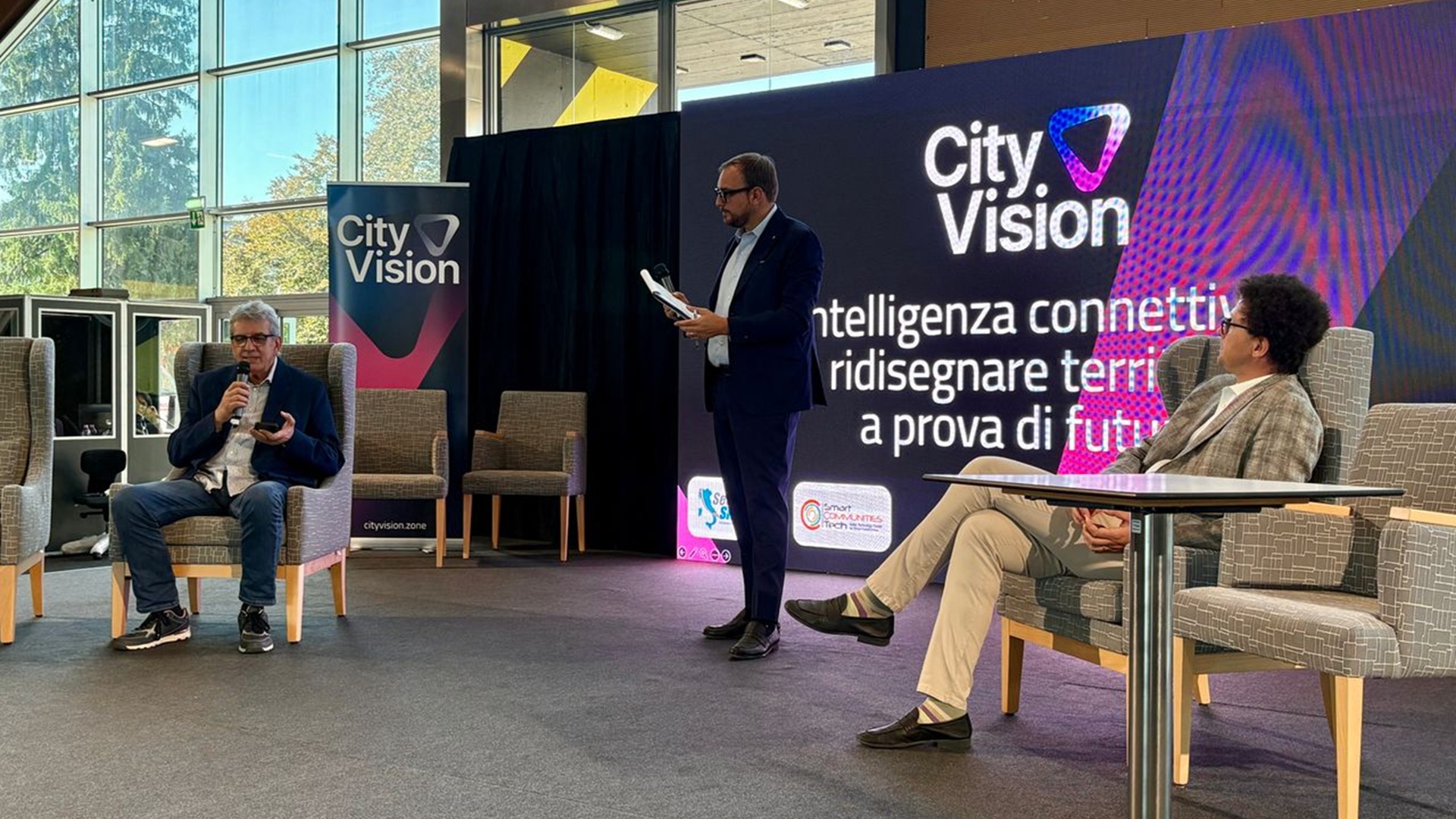
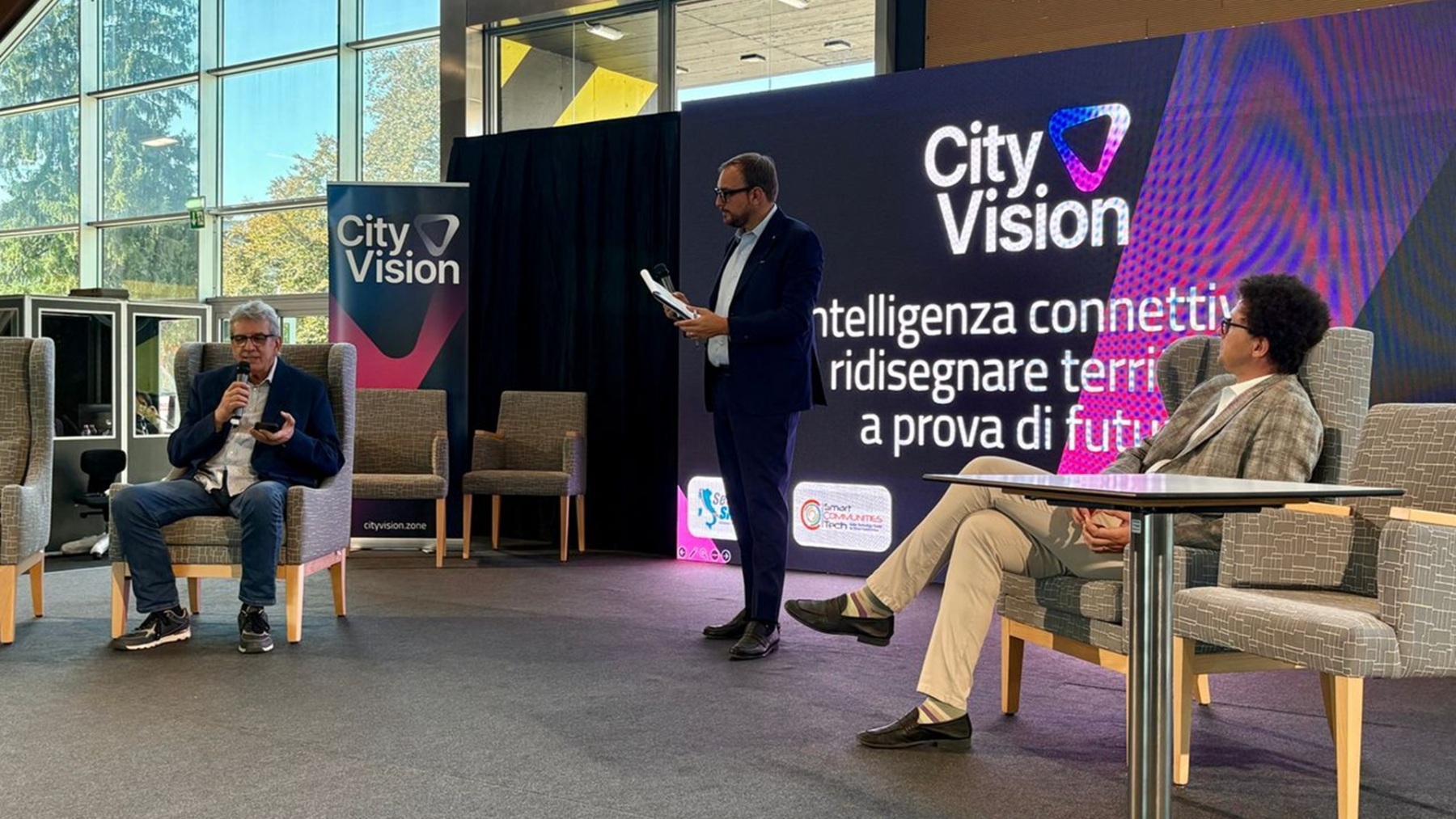
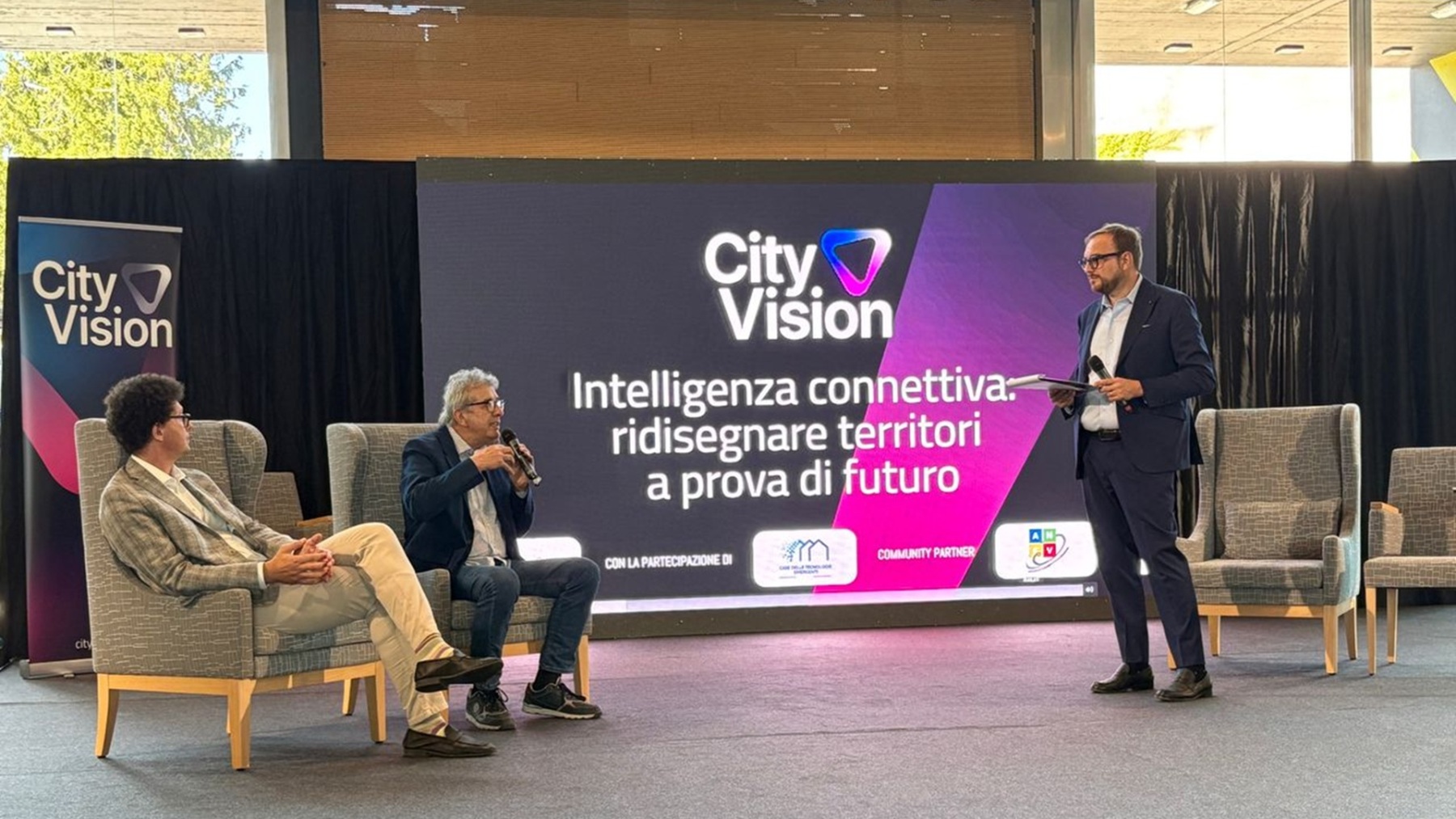
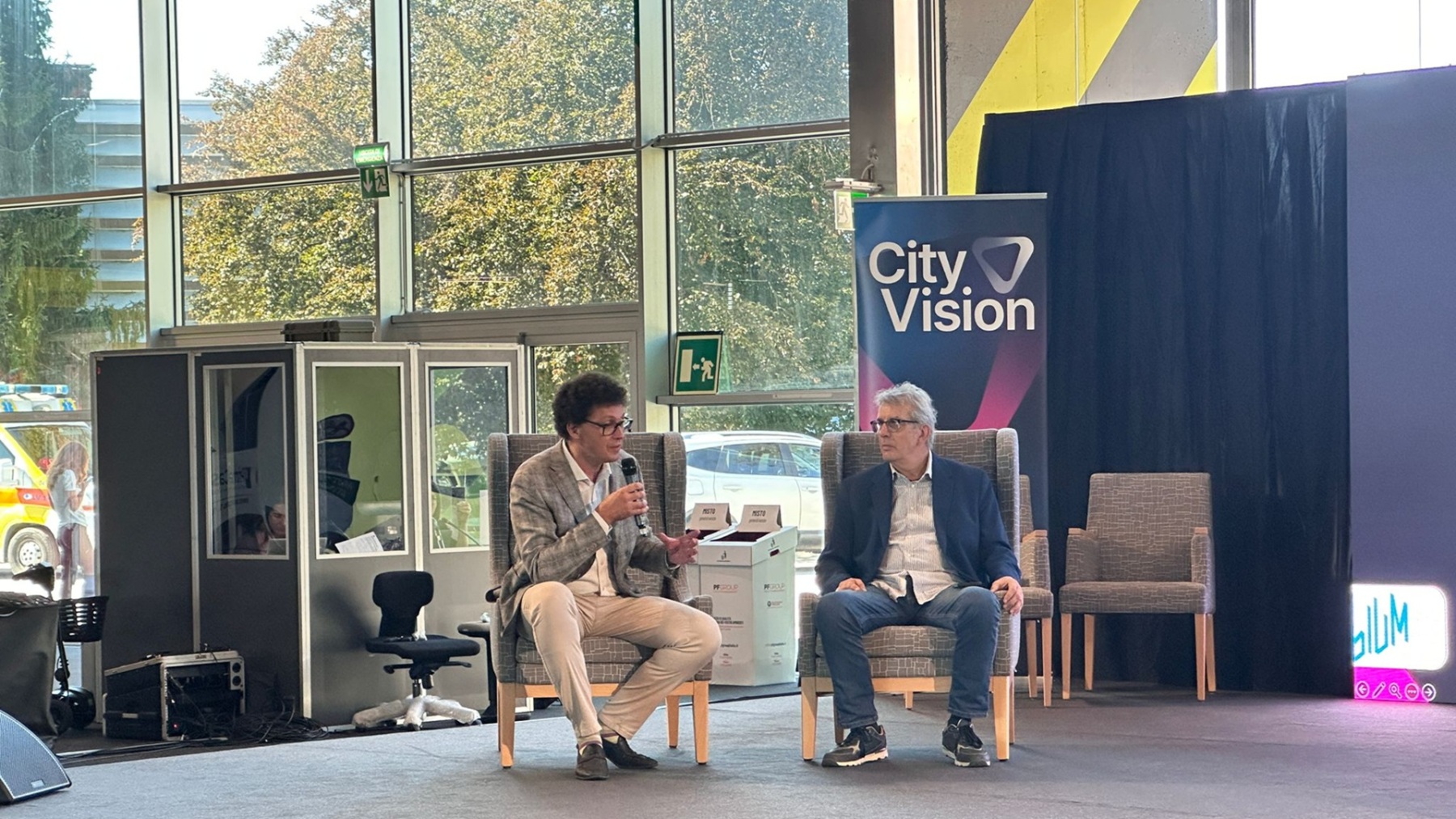
Roberto Malvezzi (CNR) represented Spoke 1 in the panel “Enabling tools for smart mobility projects: rediscovering the value of data”, within the event “Connective intelligence: how ideas redesign territories”. His intervention highlighted how data can serve as enabling tools for designing smart mobility solutions that enhance people’s autonomy and strengthen their active participation in social life.

The panel discussion addressed the current frontiers of research on data and smart mobility, and how results can be quickly transferred into urban governance. The role of artificial intelligence in processing big data emerged as a key factor for reshaping mobility models with a more inclusive and equitable perspective. The conversation also looked ahead to the future, imagining urban mobility in 2035: a scenario where data-driven innovations could profoundly transform citizens’ daily lives by improving accessibility and quality of life.

Spoke 1’s contribution focused on the importance of considering mobility not only from a technical standpoint but also by addressing social and organizational dimensions. This perspective underlined how research can generate tangible impacts in people’s lives by promoting solutions that respond to real needs for inclusion and participation.

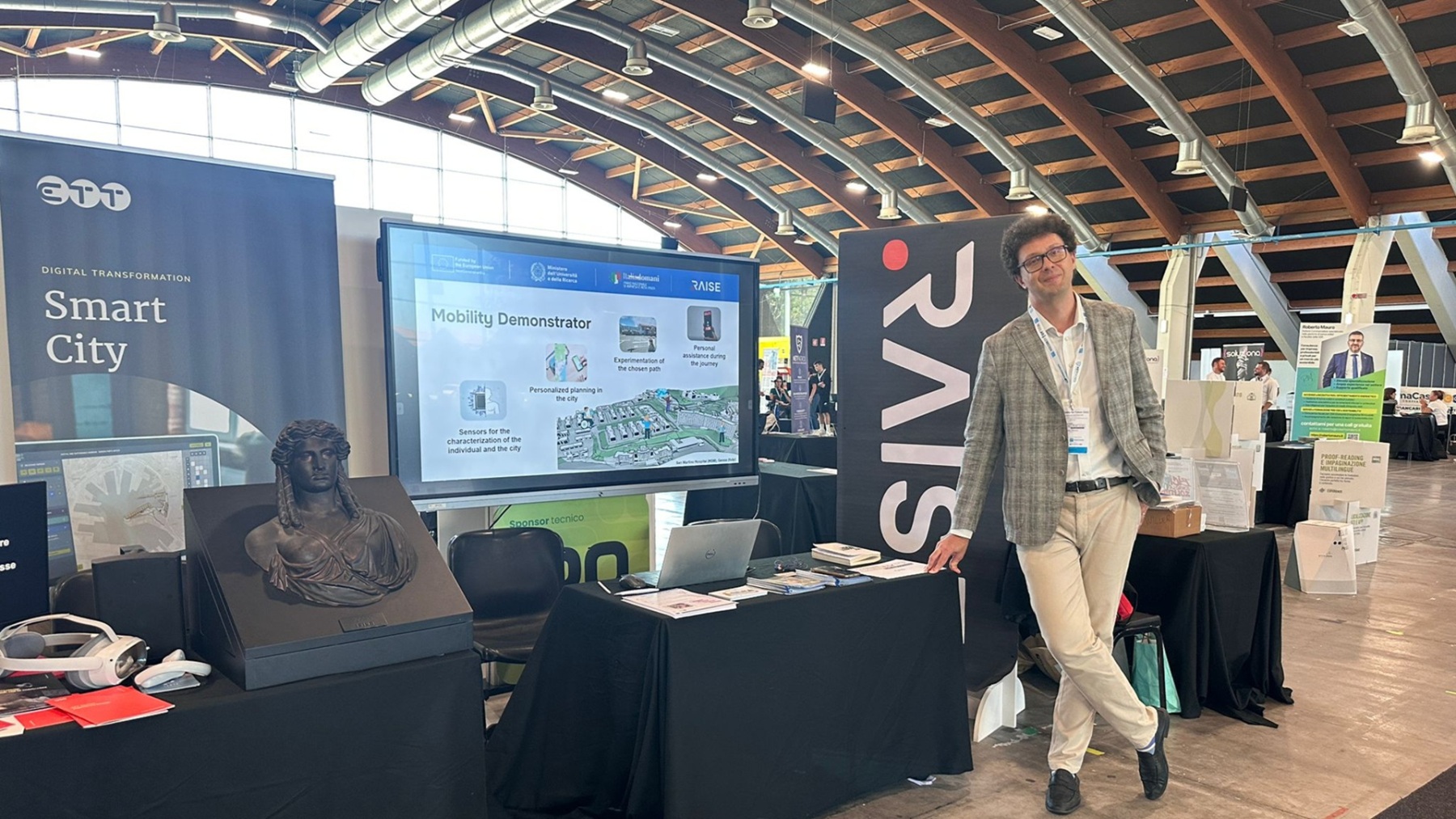
In addition to the panel, on September 18 and 19 Spoke 1 was also present with a booth in the exhibition area. The space provided an opportunity for information exchange, showcasing ongoing research activities and fostering dialogue with institutions, companies, industry professionals, associations, and citizens. The strong interest confirmed the importance of building collaborative ecosystems where science engages with society to transform technological innovation into shared value.

Accessibility for Future 2025 has established itself as an international platform of reference for those working on accessibility, innovation, and inclusion. Launched in Udine in 2024, the event expanded in 2025, becoming a landmark gathering that combines business, training, culture, sport, and entertainment in a single program. Organized by Willeasy Srl and IO CI VADO APS, the festival offered a meeting ground where ideas, experiences, and practices contributed to turning accessibility into a real driver of change.

RAISE – Spoke 1’s participation in AFF25 reaffirmed the project’s commitment to promoting mobility as a fundamental right and as an essential component of a fairer and more inclusive future

Mobility for all: Spoke 1 at Palazzo Tursi

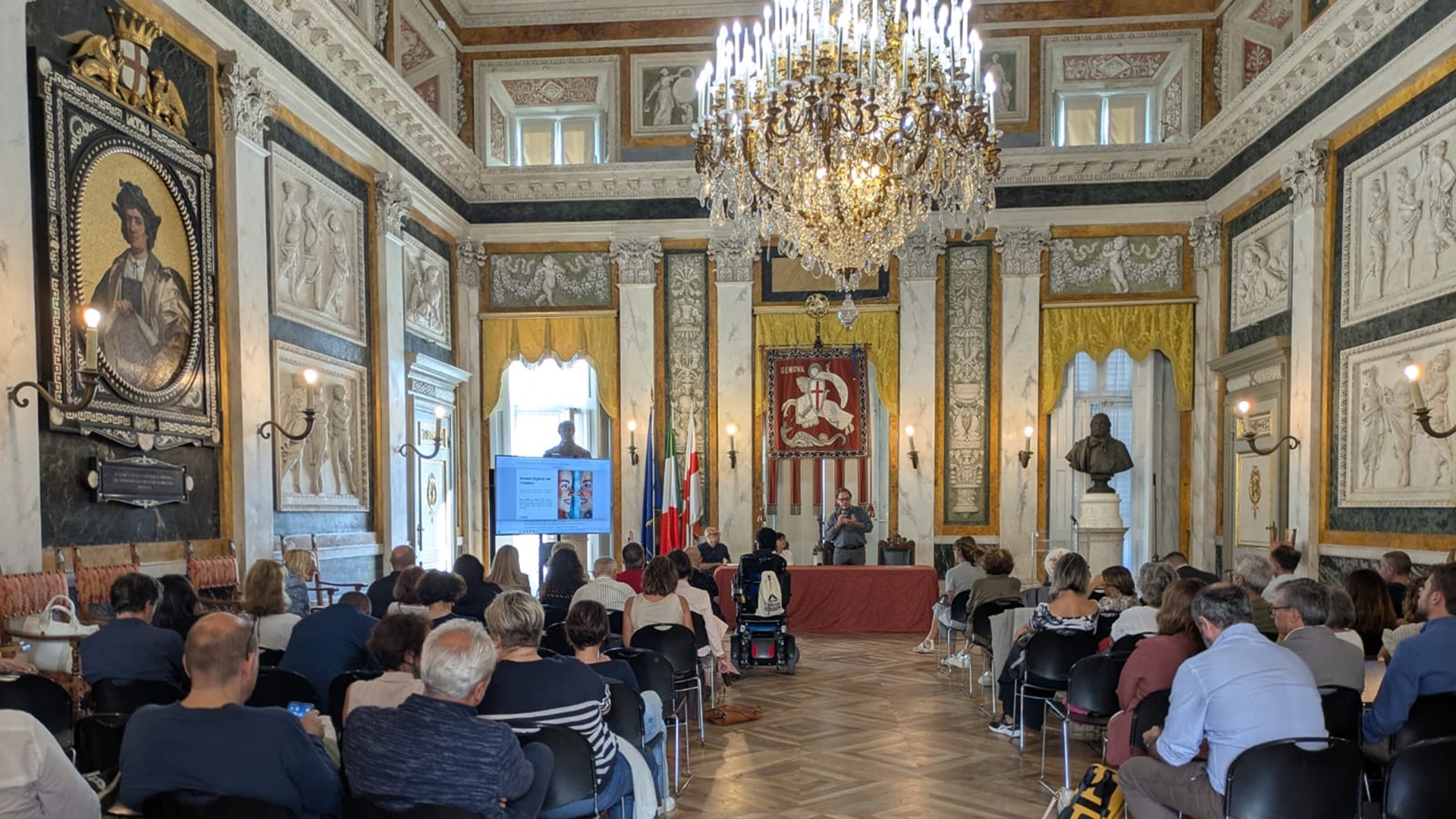
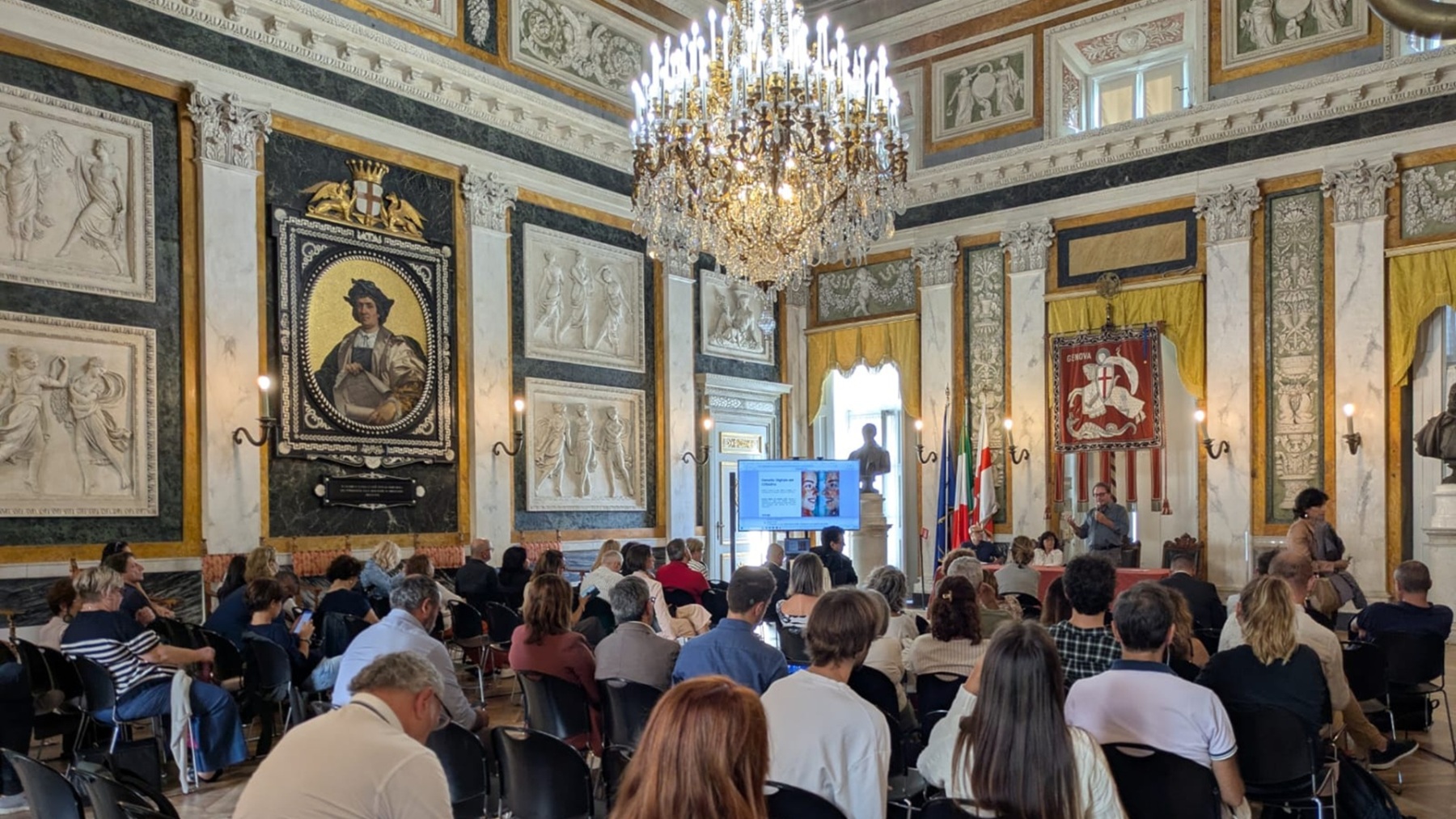
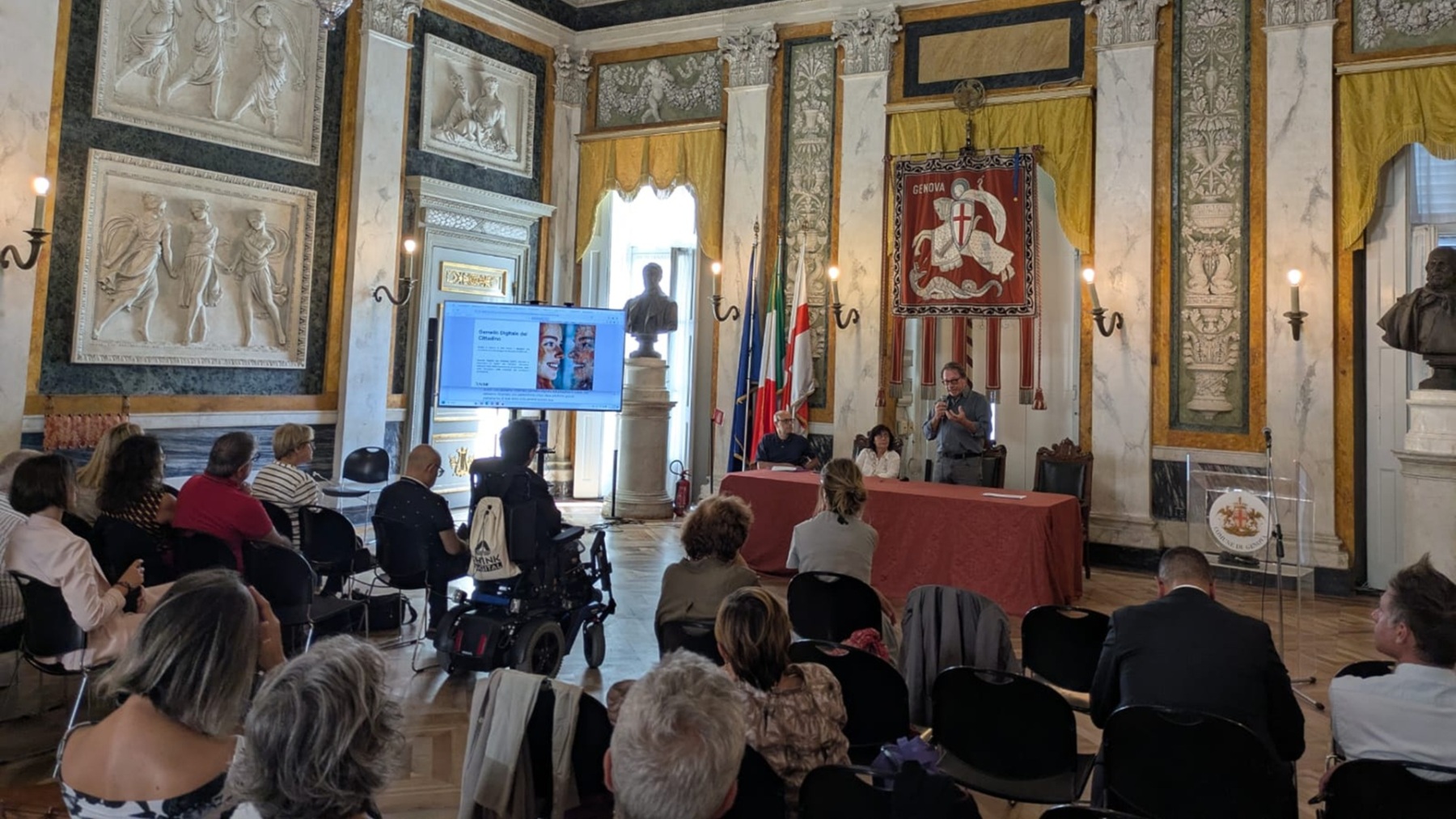
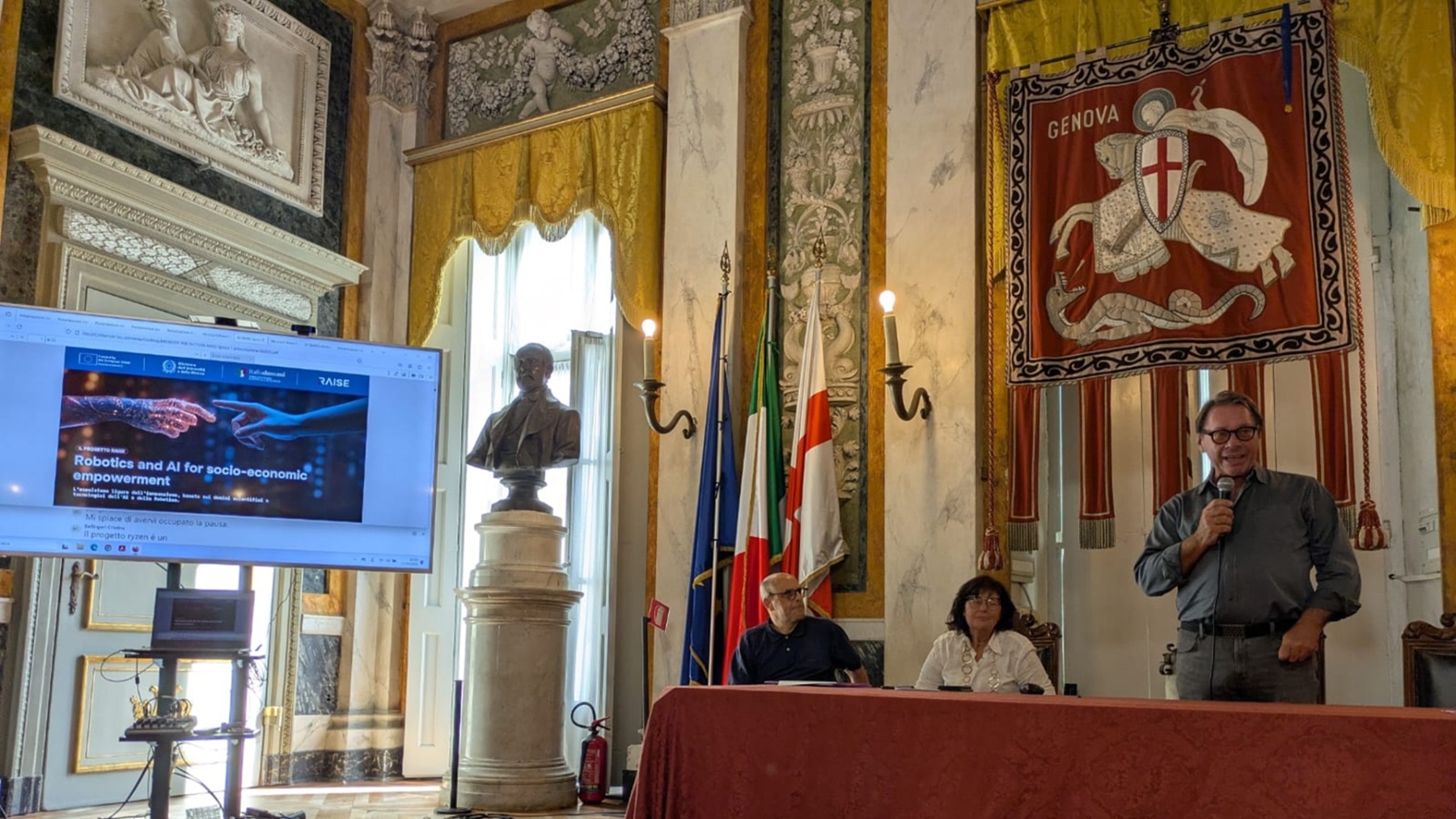
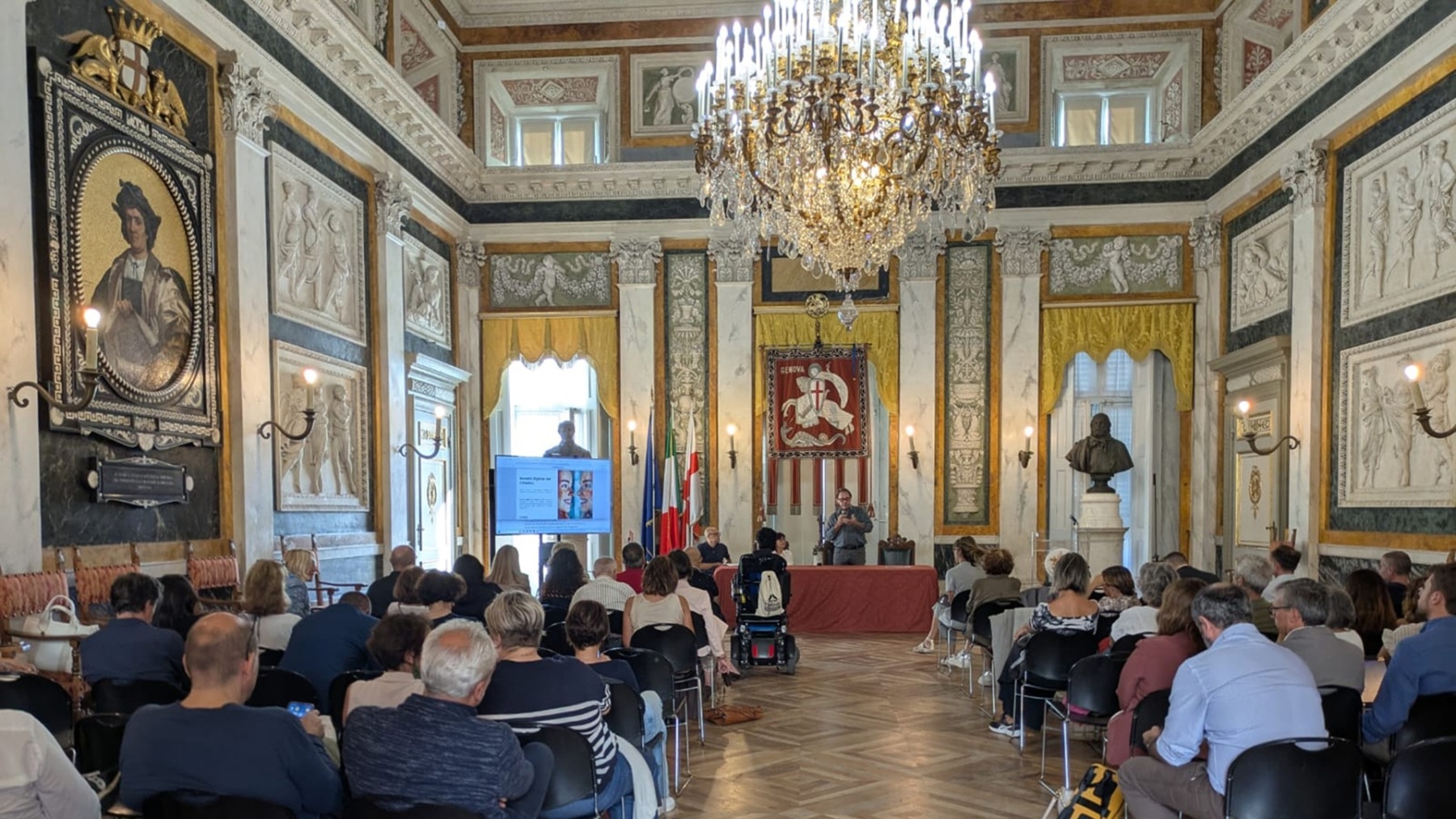
On September 17, 2025, the Salone di Rappresentanza of Palazzo Tursi in Genoa hosted the event “From Europe to Genoa”, organized as part of the European Mobility Week 2025. Spoke 1 of RAISE took part in the initiative, represented by Fabrizio Malfanti, technologist at CNR-IMATI, who presented the research activities dedicated to the development of solutions for inclusive, safe, and sustainable urban mobility.

In his talk, Malfanti highlighted the results achieved by Spoke 1, emphasizing the approach that combines scientific research, technological innovation, and the real needs of citizens. He described the Living Labs as essential tools for identifying community requirements and transforming them into design guidelines. On this foundation, Spoke 1 developed its technological architecture, designed to merge social demands with the potential of cutting-edge technologies.

The presentation included an in-depth overview of the mobility demonstrator, now in its final testing phase. This system offered a tangible example of how research can generate solutions that improve accessibility, reduce physical and social barriers, and enhance the quality of life in complex urban environments. Malfanti also provided insights into the technologies currently under testing, outlining possible future scenarios ranging from personalized assistance and intelligent mobility to the sustainable management of urban spaces.

The meeting created an opportunity for dialogue between designers, planners, and public authorities, aiming to strengthen collaborative networks and promote a shared vision of mobility. Within this context, Spoke 1 delivered a significant contribution, demonstrating the value of interdisciplinary research and the ability to transform scientific results into operational practices for the benefit of communities.

The European Mobility Week, now in its 25th edition, reaffirmed its role as an international platform for promoting virtuous models. The theme chosen for 2025, “Mobility for All”, guided the initiatives organized in many European cities, including Genoa.

The local program engaged schools, associations, operators, and citizens with a wide range of activities: home-to-school walking routes through Pedibus, debates on road safety and cycling, bicycle repair and road education workshops, temporary transformations of urban spaces into meeting places, inclusive walks, sports events, and outdoor social activities.

Through its participation in this event, Spoke 1 of RAISE confirmed its commitment to fostering urban mobility that is more accessible and attentive to collective needs. The presence at Palazzo Tursi demonstrated the willingness to translate research into concrete tools capable of impacting people’s daily lives and contributing to the creation of more livable cities.

With this contribution, RAISE reaffirmed the importance of cooperation among science, institutions, and citizens as a necessary condition for designing innovative and forward-looking solutions.

RAISE: review and future prospects at IAS 19

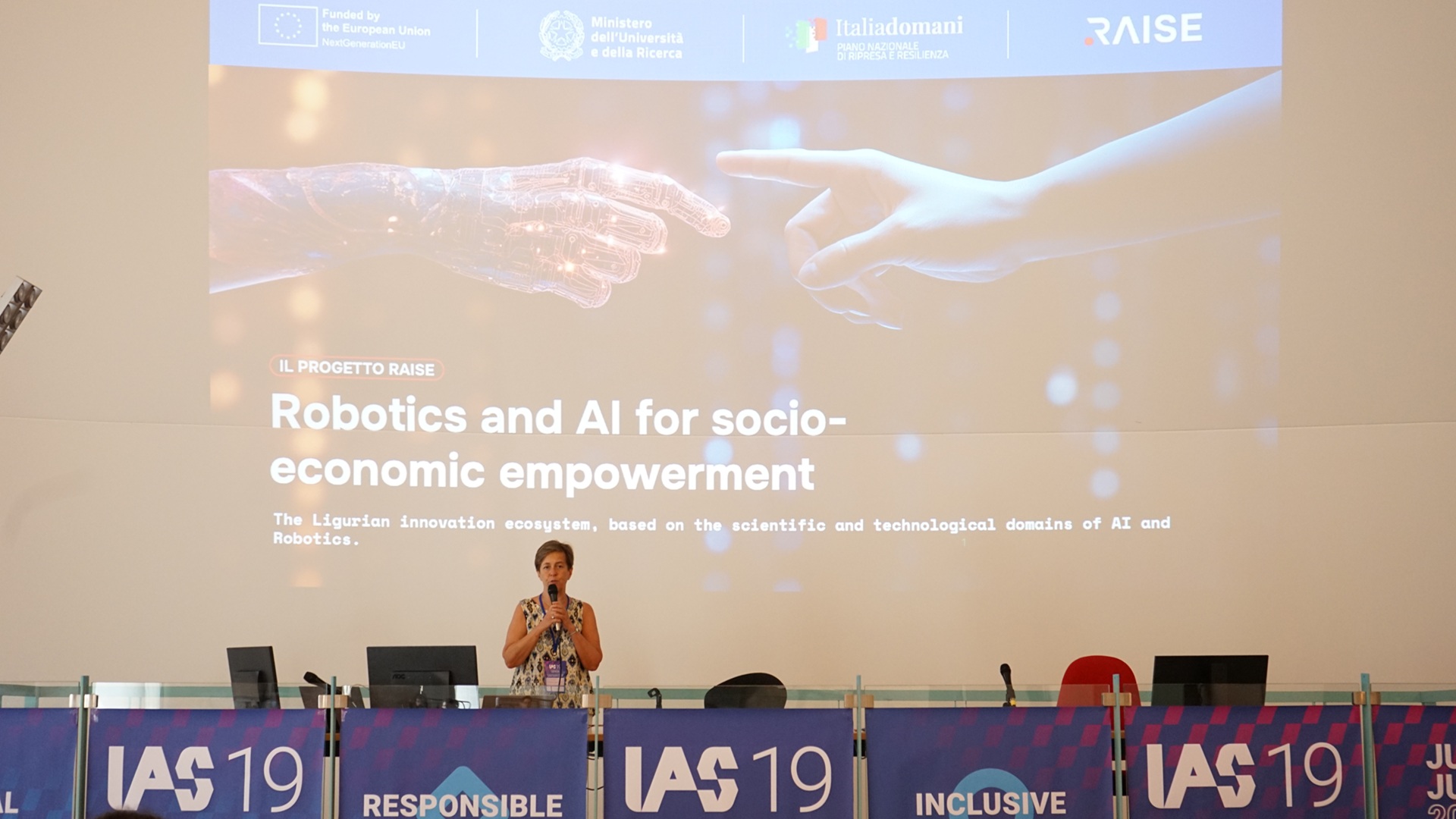
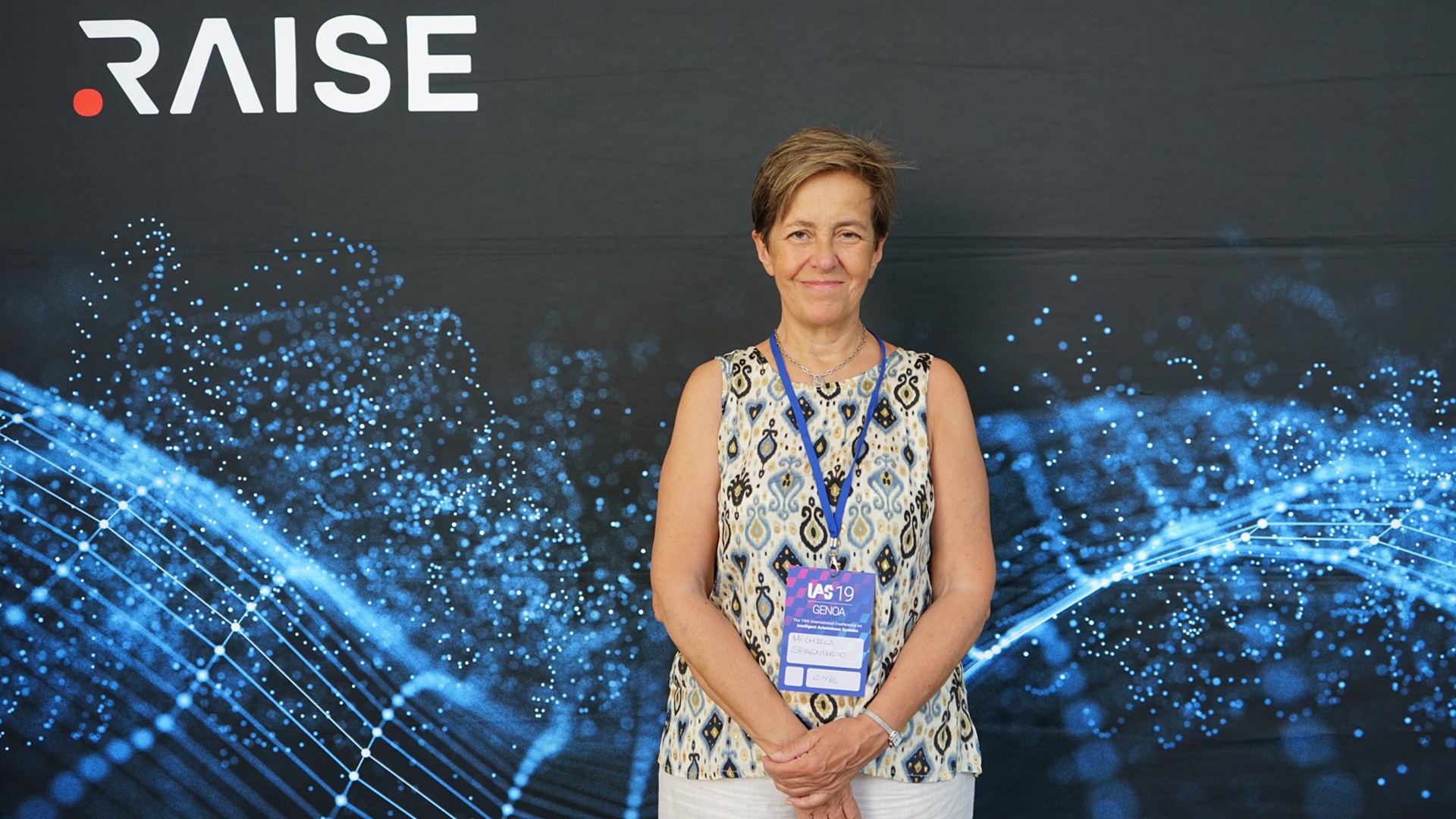
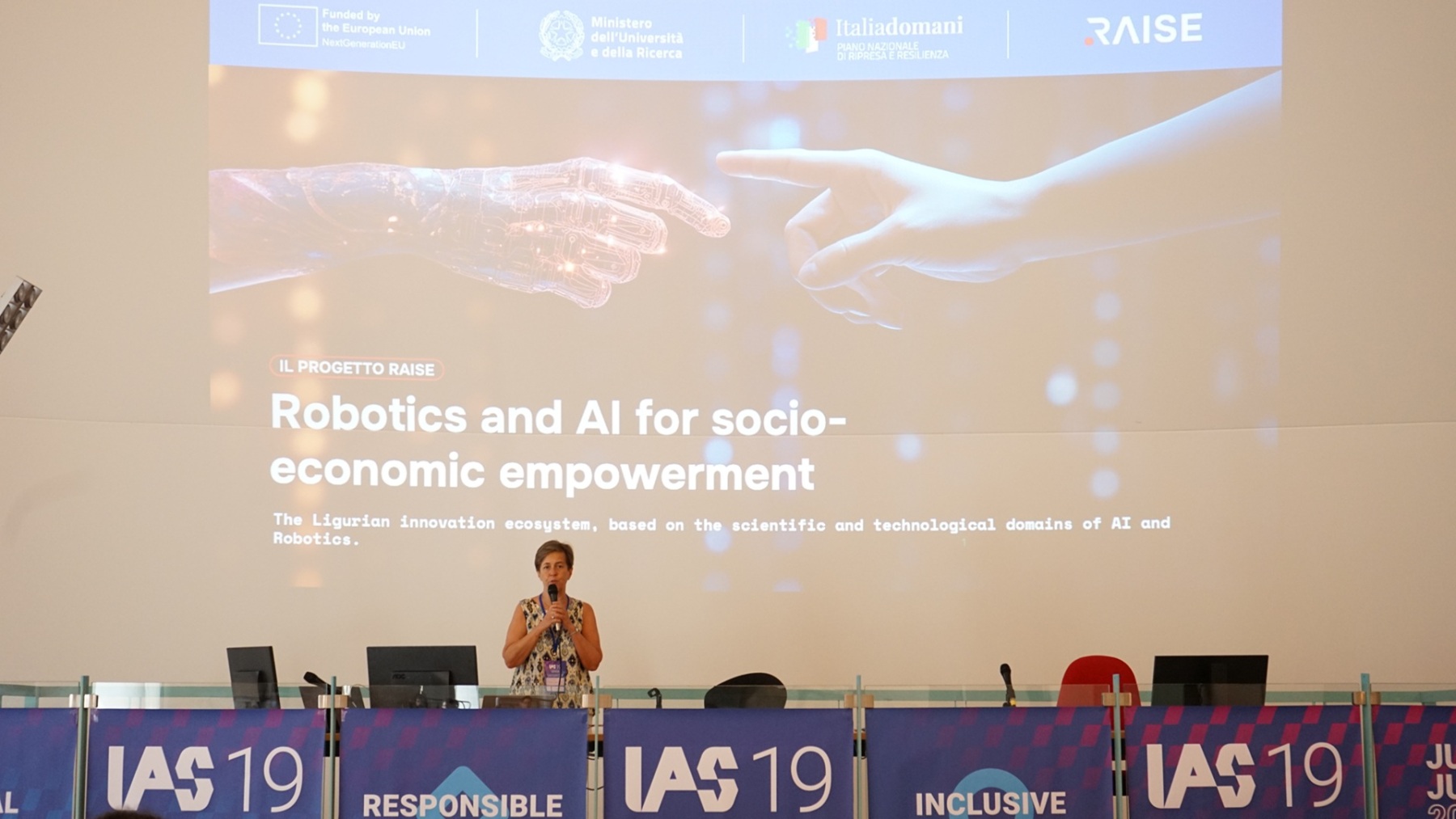
During the 19th edition of the International Conference on Intelligent Autonomous Systems (IAS 19), Michela Spagnuolo, leader of RAISE’s Spoke 1, presented the evolution and key outcomes of the Ligurian innovation ecosystem, illustrating the project from its inception to its current stage of maturity. The presentation provided an opportunity to share reflections on the results achieved, the challenges faced, and the future trajectories of the program.

Since its launch, RAISE has aimed to strengthen the competitiveness of the Ligurian region by fostering deep integration between scientific research, technology transfer, and social impact. The synergy among public research institutions, universities, companies, and hospitals has enabled the creation of a robust and innovation-driven project infrastructure, generating measurable benefits both scientifically and economically.

Spagnuolo highlighted that in less than three years, RAISE has activated 295 research positions, with an average age of 34 and a significant international presence (18% from 22 foreign countries). Women make up 43% of the recruited personnel, demonstrating a concrete commitment to equity and inclusivity. The ecosystem has also developed 172 innovative technological solutions, many of which have already undergone validation and applied study in sectors ranging from robotics to digital health.

Among the most significant results, the launch of 11 new clinical studies was emphasized, 4 of which have already been presented to ethics committees, with another 4 in the operational startup phase. At the same time, numerous training and outreach initiatives were developed: over 3,300 people participated in training and update programs, including university students, researchers, and public administration staff.

The cascading call mechanism proved particularly effective, enabling the activation of projects aligned with RAISE’s objectives even by entities outside the ecosystem, especially in Southern Italy. Five calls were launched to finance experimental projects complementary to the activities of individual spokes, thus contributing to a wider dissemination of the program’s impact across the national territory.

RAISE bilancio e prospettive future ad IAS 19

In her speech, Michela Spagnuolo also outlined a future outlook, emphasizing the intention to continue the work through paths of technological consolidation, prototype industrialization, and internationalization of the developed solutions: “The RAISE project has achieved promising results, even in highly multidisciplinary fields where the integration of AI and robotics can truly make a difference. However, three years are too few to reach full technological maturity, especially for solutions born from RAISE: now it is necessary to consolidate and develop what has been done, to complete the innovation and transformation effort that RAISE has aimed to bring to the region.”

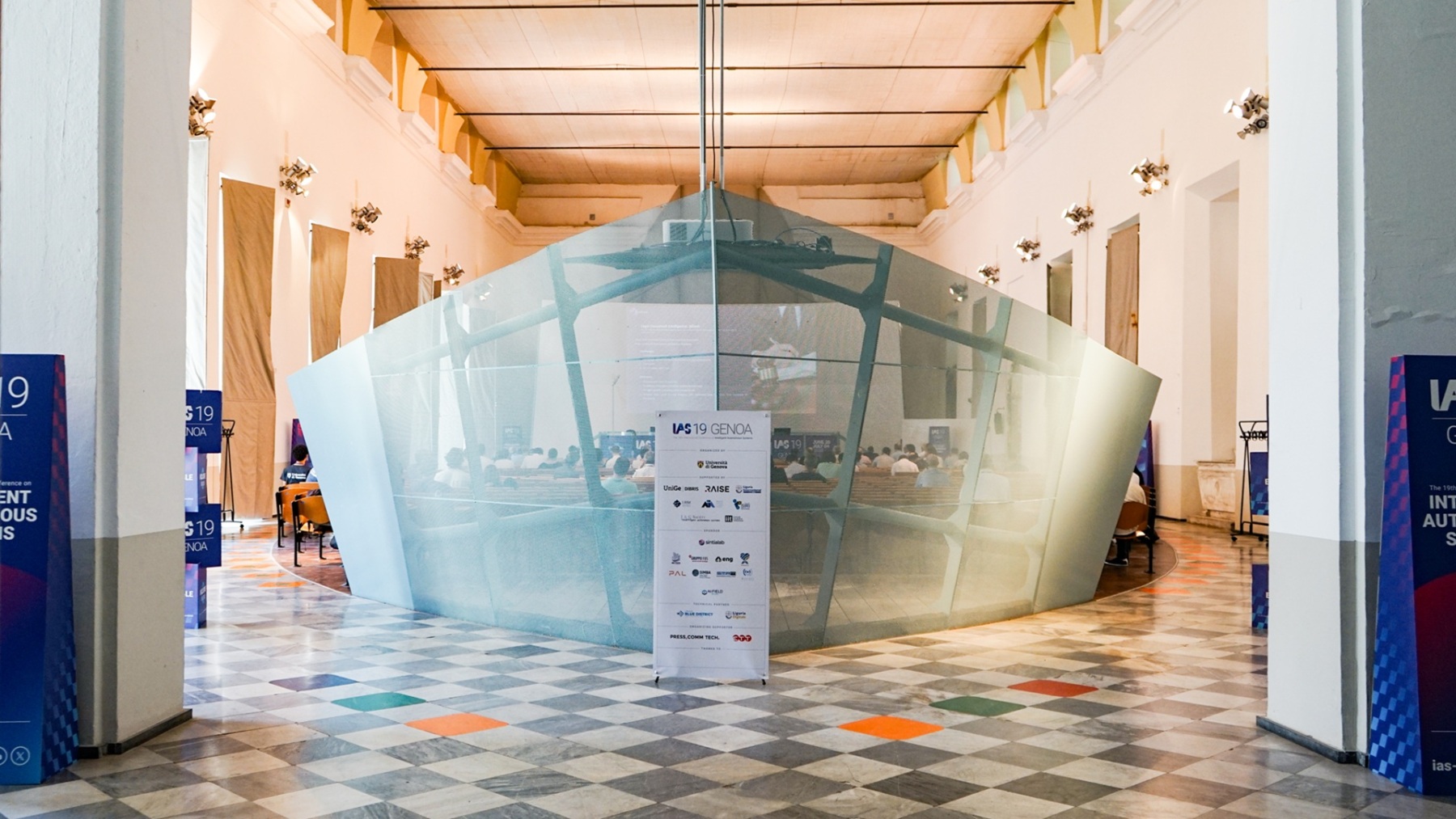
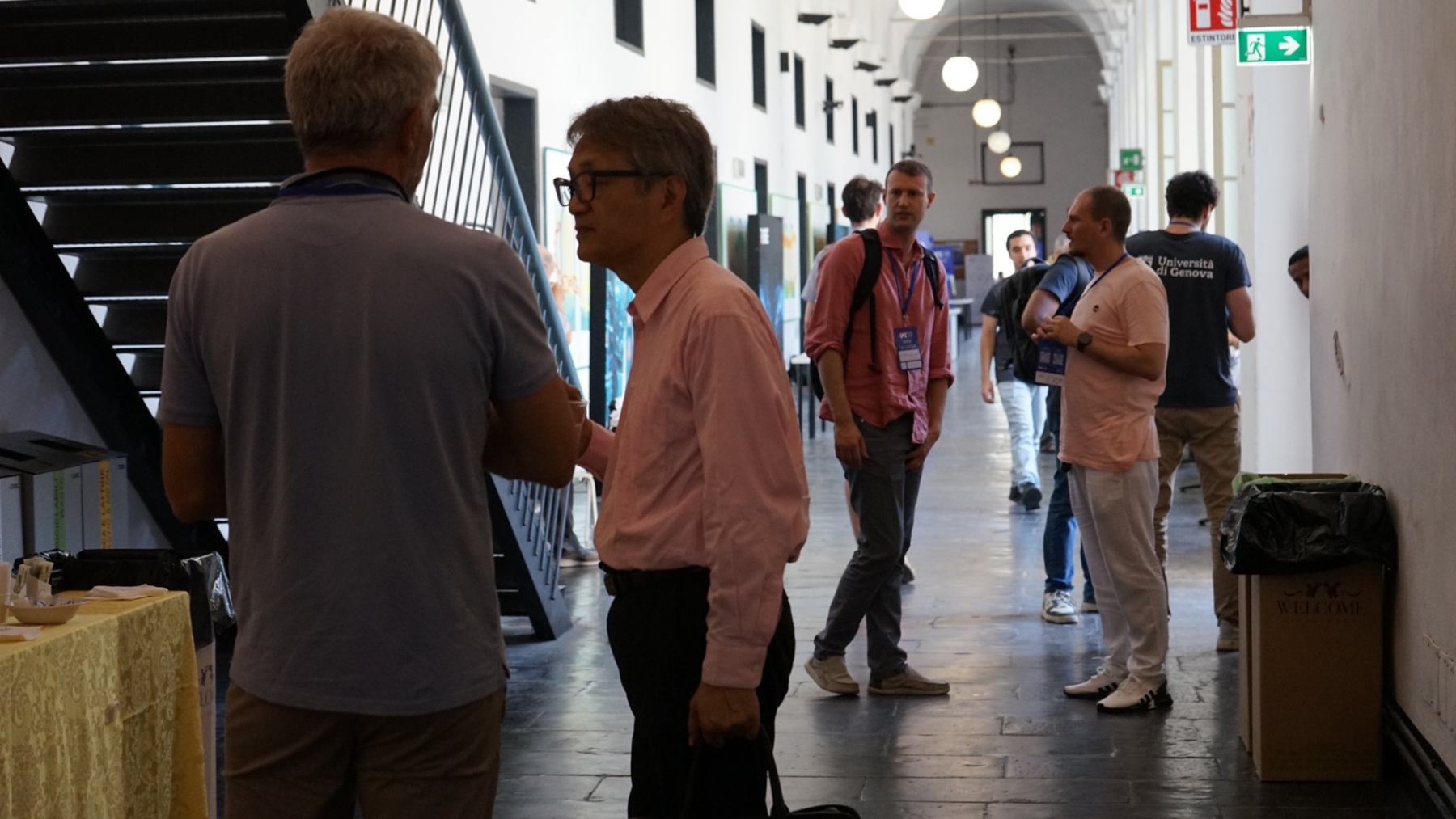
The IAS 19 conference, dedicated this year to the theme “Ethical, Responsible, and Inclusive Robotics”, provided an ideal setting to reaffirm the relevance and strategic coherence of the RAISE ecosystem with the main global challenges related to sustainability, digital transformation, and responsible technological progress.

SEAGUL platform, developed in the context of Spoke 1, was presented at the ISTAT workshop, organized in collaboration with the Municipality of Genoa

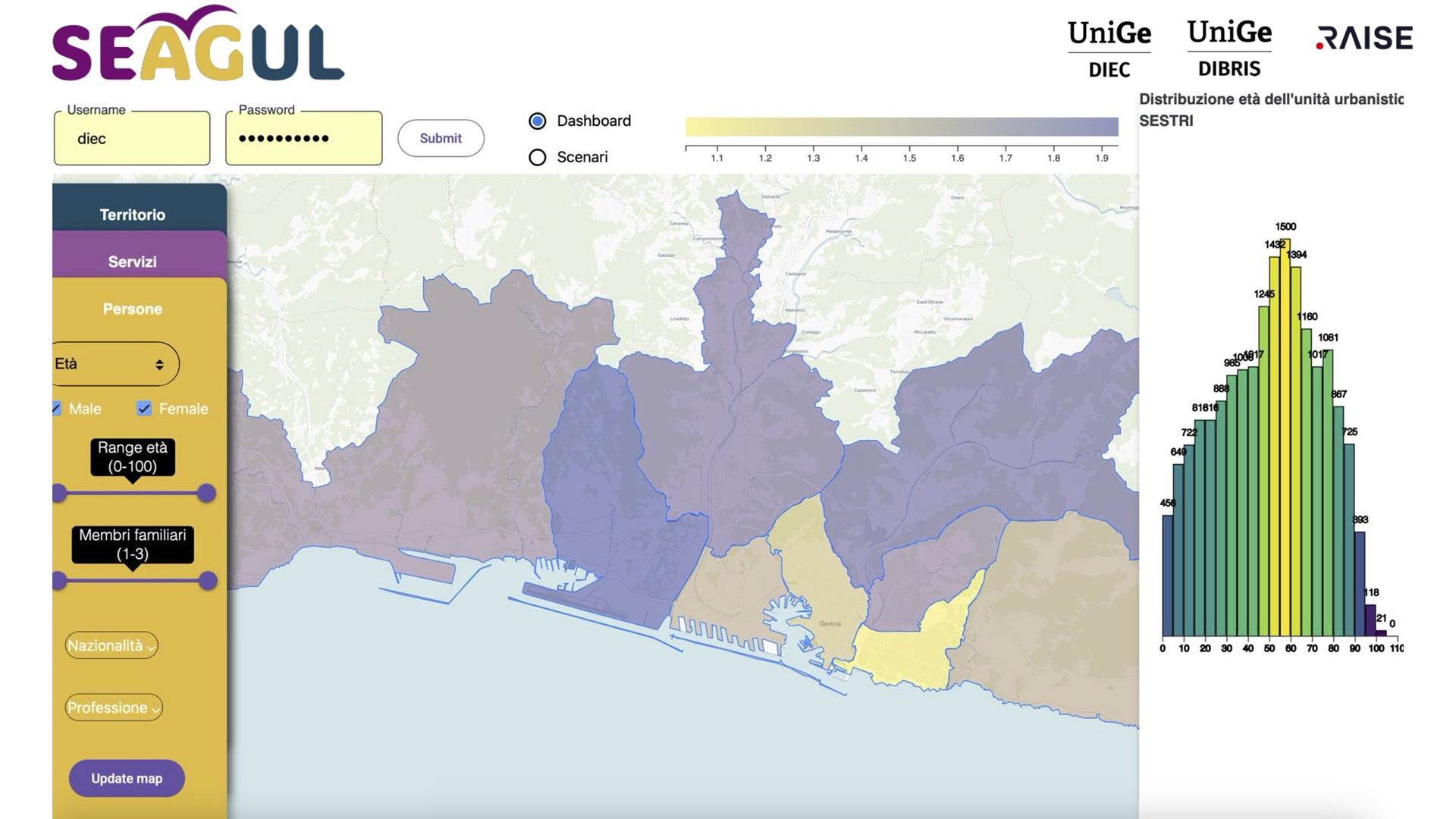
The SEAGUL (Socio-Economic Empowerment of Urban Landscape) platform, an innovative digital tool designed to support the decisions of policymakers and technicians working to build smart and inclusive cities, was presented on July 8th during a seminar organized by ISTAT in collaboration with the Municipality of Genoa.

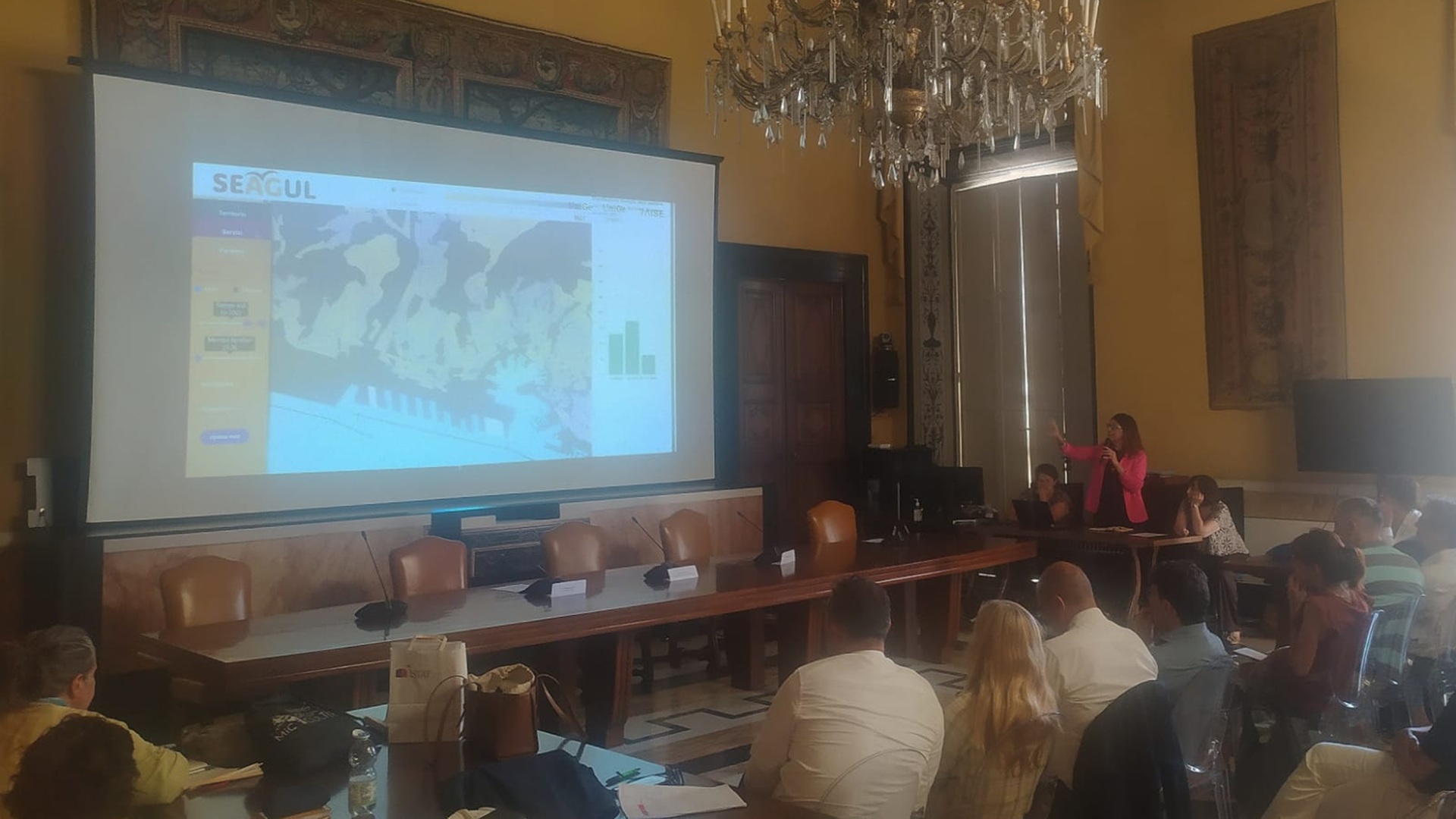
The prototype, developed as part of Spoke 1 of the RAISE (Robotics and AI for Socio-economic Empowerment) project, was presented by Monica Bruzzone, a researcher at the University of Genoa, during the meeting entitled “The Socio-Economic Conditions of Cities and Their Suburbs. Data and Cartograms of the Municipality of Genoa.”

The platform’s name—which means “seagull” in English—symbolically evokes a bird’s-eye view of the city, encompassing it as a whole but also capable of delving into the details of individual neighborhoods.

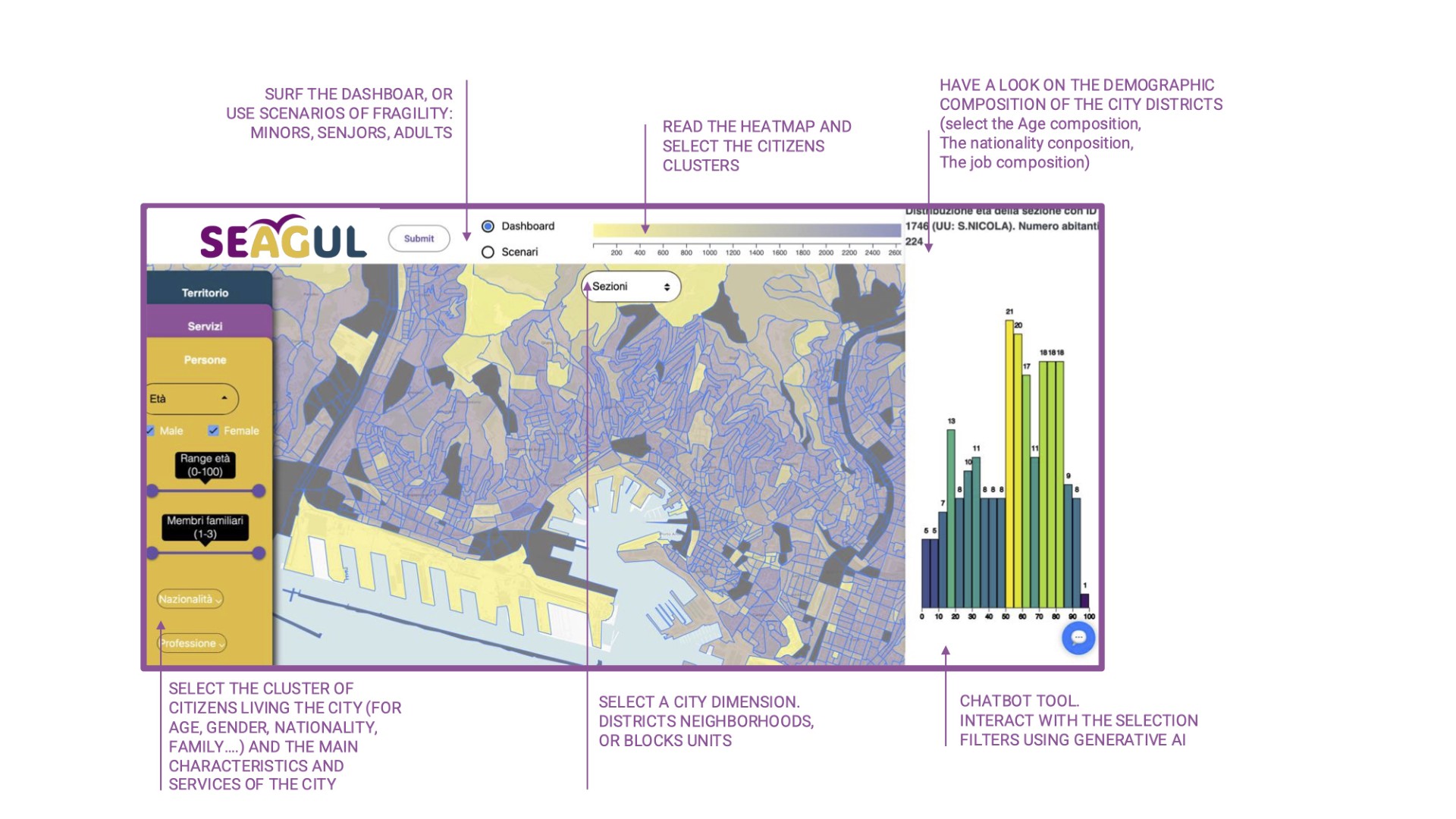
SEAGUL is an advanced digital service that leverages sub-municipal data to measure, monitor, and manage urban complexity, with a focus on social inclusion and economic development.

La piattaforma SEAGUL (Socio Economic Empowerment of Urban Landscape) sviluppata all’interno di Spoke 1 al workshop organizzato da Istat in collaborazione con Comune di Genova
SEAGUL platform interface | Authors: Paola Dameri, Monica Bruzzone, Carmine Cerrone, Enrico Puppo, Claudio Mancinelli, Dario Olianas (Spoke 1, UniGe) | Credits: UniGe and RAISE
“SEAGUL was created to offer a concrete, everyday tool to city leaders,” explained Bruzzone. “Thanks to the integration of verified, accurate public data and an intuitive interface based on info-visualization techniques, the platform allows for a dynamic and customizable understanding of the territory, supporting data-driven strategies aimed at combating inequalities.”

The technological core of the platform was developed by the UniGe team involved in WP5 of Spoke 1: Paola Dameri and Monica Bruzzone, with the collaboration of Carmine Cerrone of the DIEC Department, along with Enrico Puppo, Claudio Mancinelli, and Dario Olianas of the DIBRIS Department.

The multilevel framework on which SEAGUL is based collects data relating to people, services, and the territory, organizing it to provide a dynamic and interactive snapshot of the city.

Currently available in a prototype version for the city of Genoa, SEAGUL allows users to query indicators and datasets through graphical visualizations designed to facilitate interpretation, even by non-expert users.

La piattaforma SEAGUL (Socio Economic Empowerment of Urban Landscape) sviluppata all’interno di Spoke 1 al workshop organizzato da Istat in collaborazione con Comune di Genova
Monica Bruzzone (Spoke 1, RAISE) presents at Istat seminar, Genoa | Author: RAISE | Credit: RAISE

“Our contribution fits perfectly with the mission of the RAISE ecosystem,” Bruzzone concluded, “to put technology at the service of communities, to build smarter, more resilient, and more inclusive cities.”

Cover Image
SEAGUL platform interface
Authors: Paola Dameri, Monica Bruzzone, Carmine Cerrone, Enrico Puppo, Claudio Mancinelli, Dario Olianas (Spoke 1, UniGe)
Credits: UniGe and RAISE

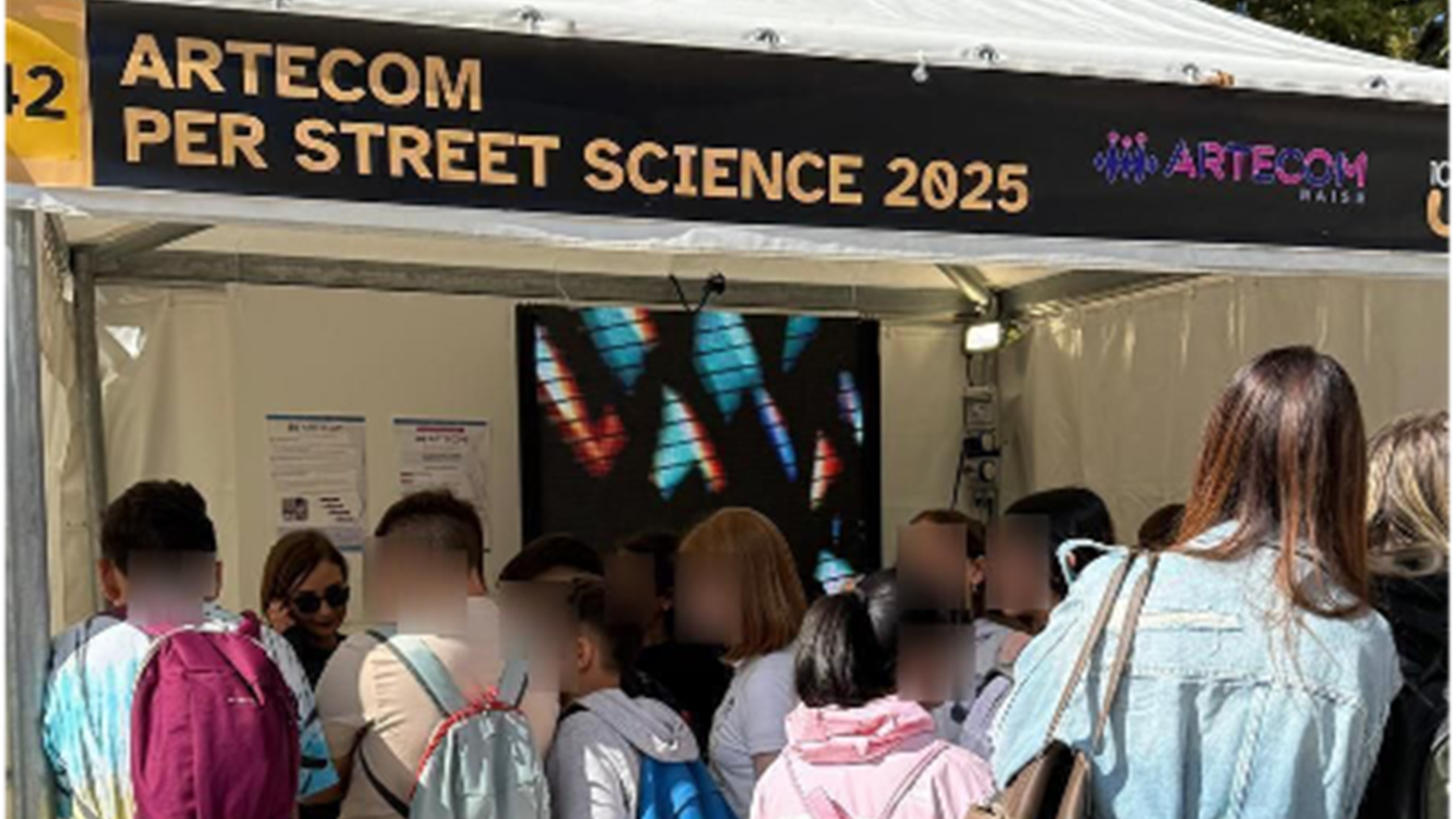
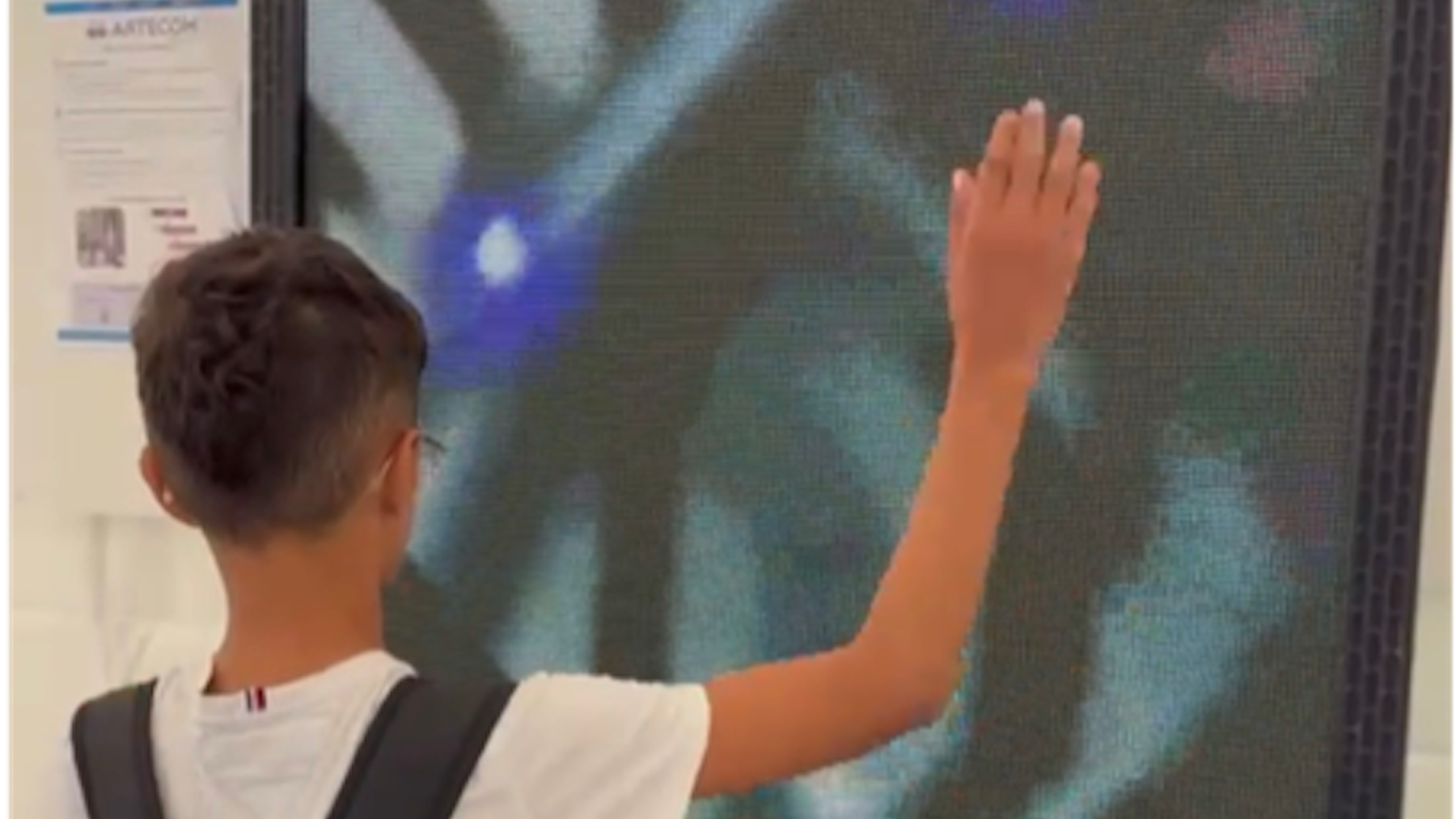
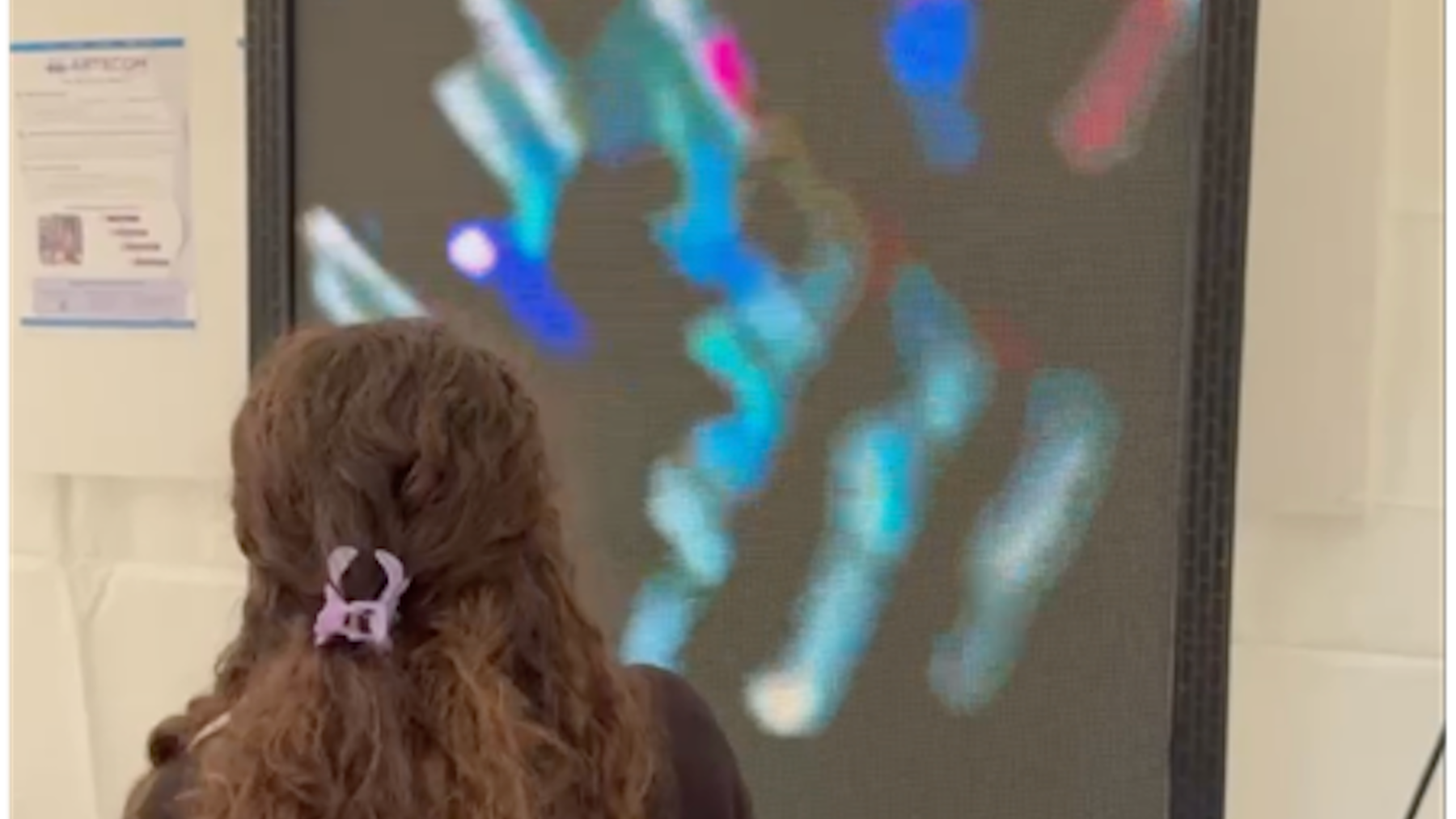
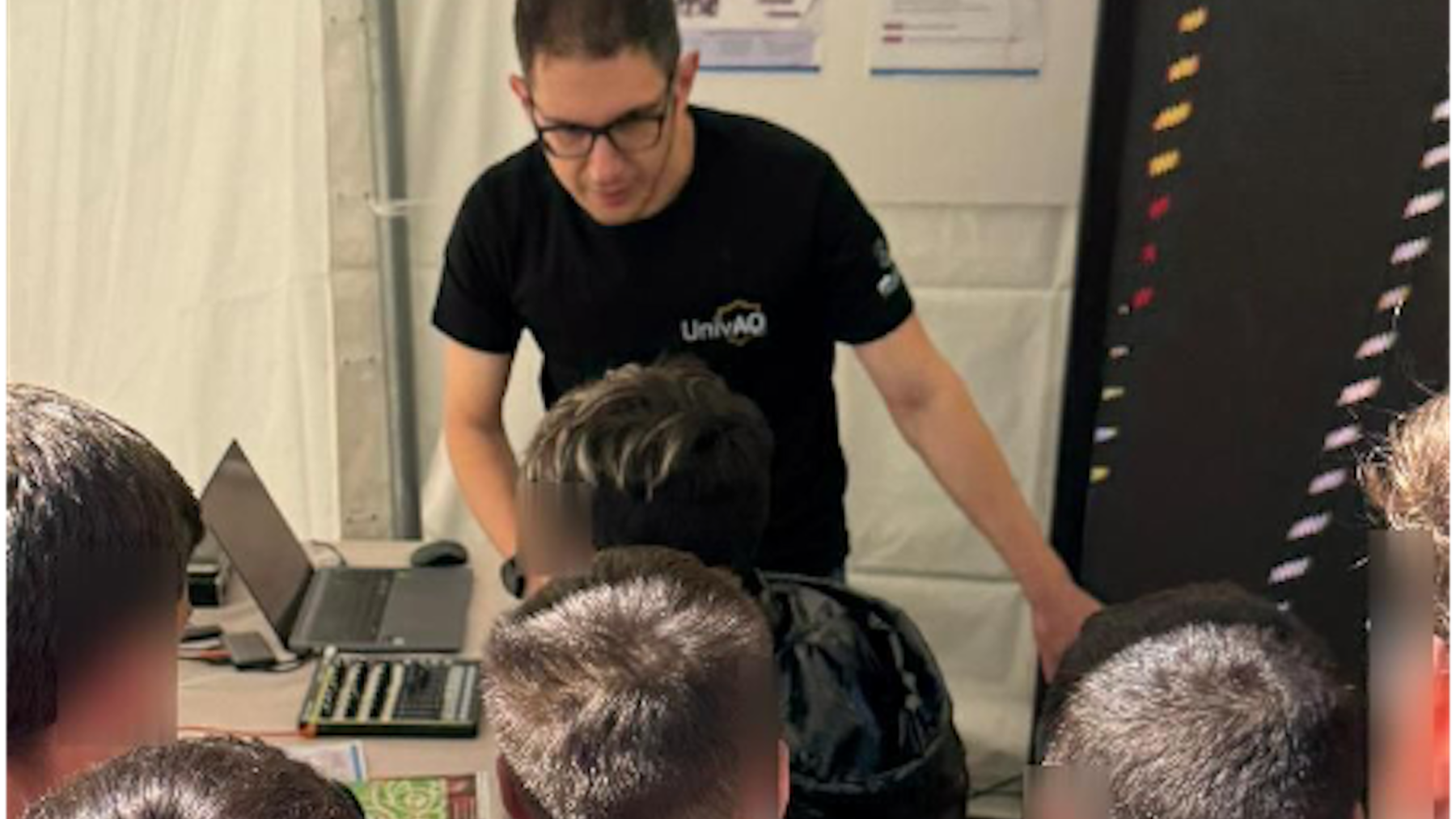
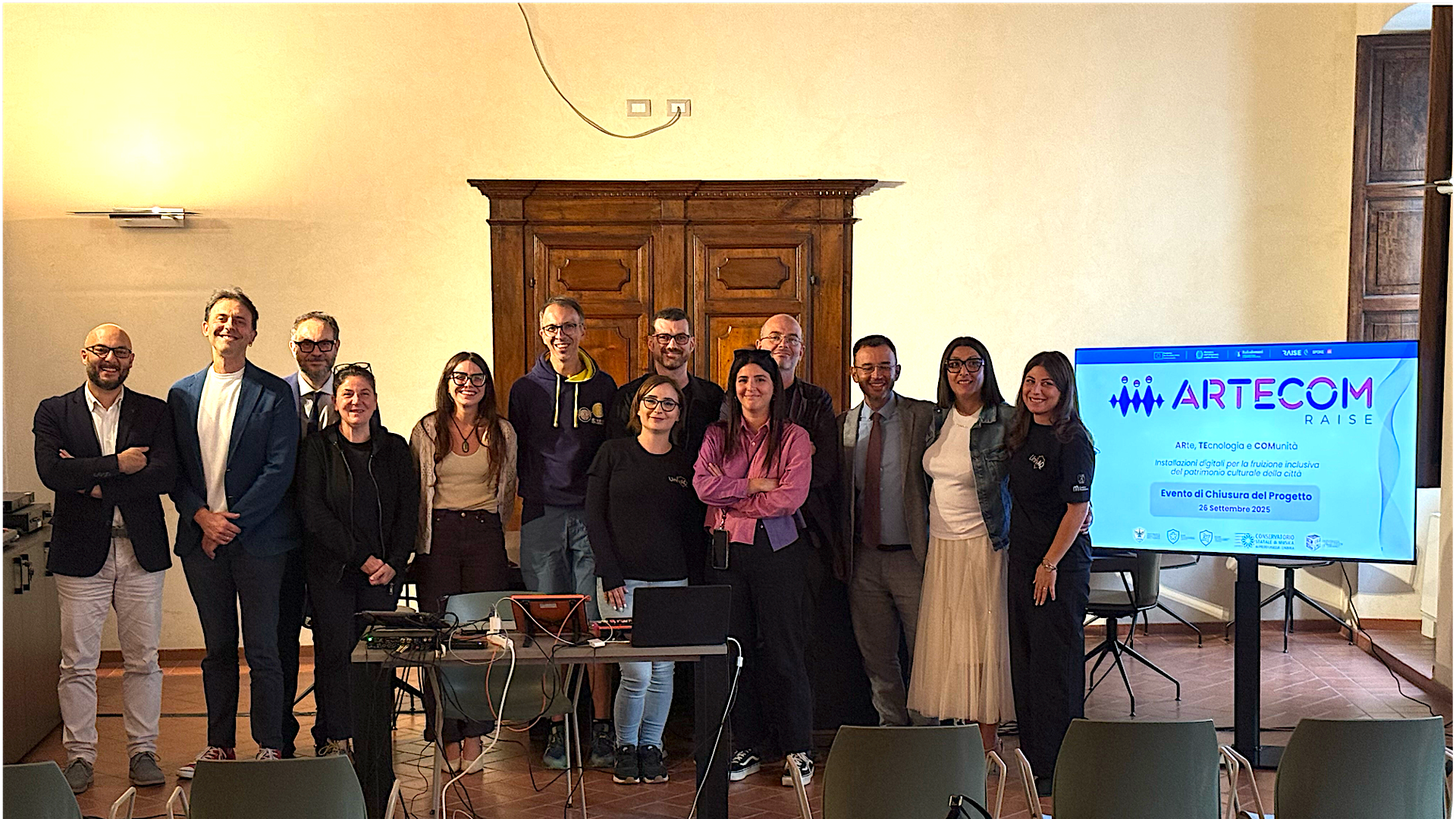
ARTECOM: immersive urban soundscapes and personalized music creation to engage youth in the smart city

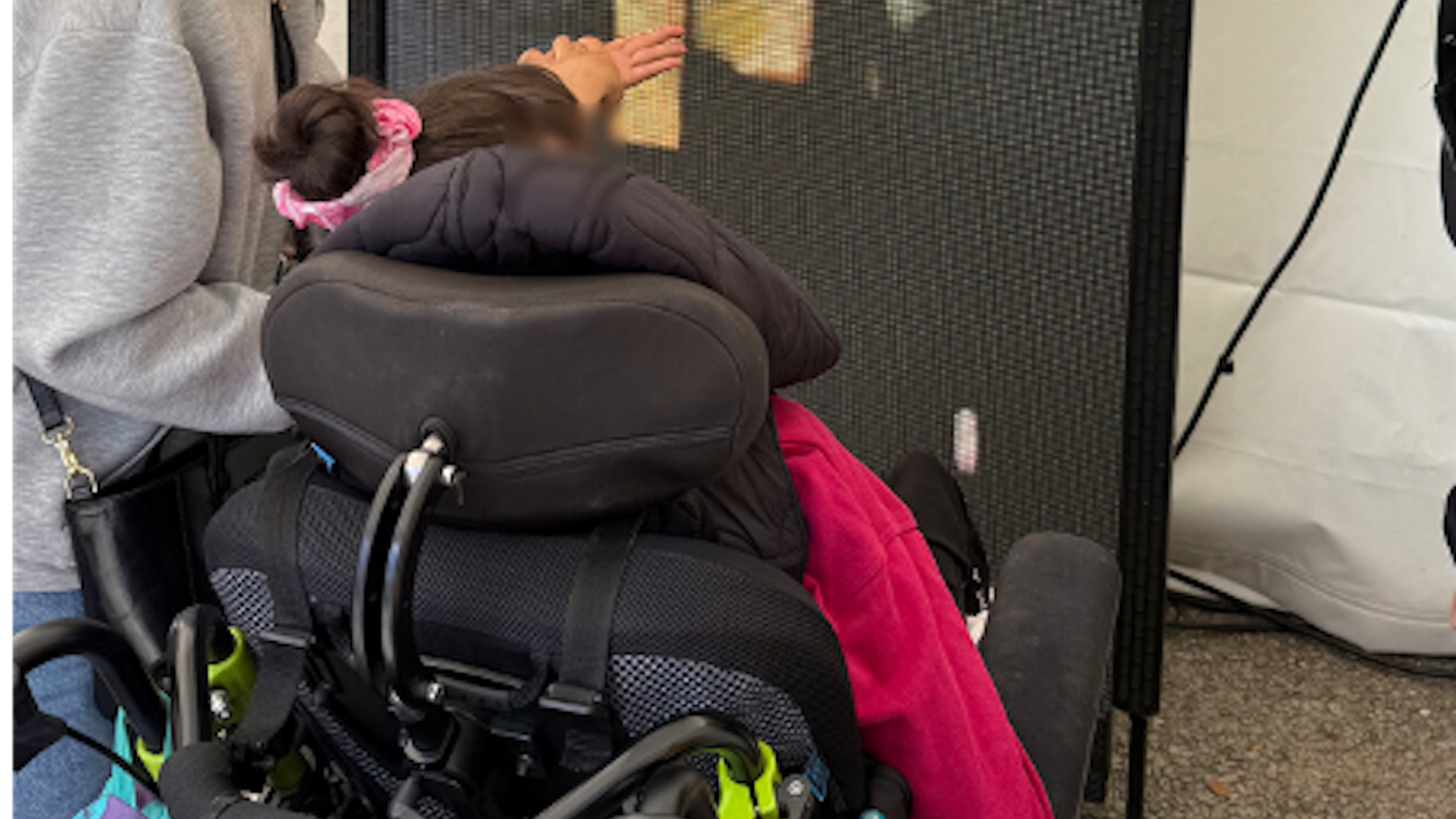
The ARTECOM project – ARt, TEchnology and COMmunity: digital installations for inclusive access to the city’s cultural heritage – is affiliated with Spoke 1 and focuses on culture within the smart city. Its goal is to promote the enjoyment of art in an educational, free, and inclusive manner, through the use of urban technologies integrated into the fabric of the city of L’Aquila. These consist of digital installations based on Artificial Intelligence (AI).

The project involves a multidisciplinary team comprising computer, telecommunications, and automation engineers, architects, psychologists, music composers, and economists.

The first challenge of ARTECOM was to identify an effective communication channel that, by leveraging each expert’s specific domain knowledge, would enable the achievement of all project objectives with high quality standards.

The primary target audience is adolescents. Adolescence is a particularly sensitive period during which the beneficial effects of art – especially music creation – can have a strong impact, promoting active involvement as well as the development of personality and creativity. Among various music genres, the electroacoustic genre – though niche – appears to be the most effective in stimulating active engagement, thanks to its unique characteristics, such as the combination of acoustic and electronic sounds.

To this end, a state-of-the-art analysis was conducted to understand what tools are currently available to adolescents interested in exploring electroacoustic music creation.

A sample group of adolescents from L’Aquila with no formal music education was selected. This group was classified based on the results of a well-known psychological test grounded in the Big Five personality theory, which investigates five fundamental traits,

The results were analyzed using user-centred design methods, namely Personas & Scenarios, leading to an ideal profiling of five types of end users.

ARTECOM - Paesaggi sonori immersivi urbani e creazione musicale personalizzata per coinvolgere i giovani nella smart city - Ecosistema RAISE

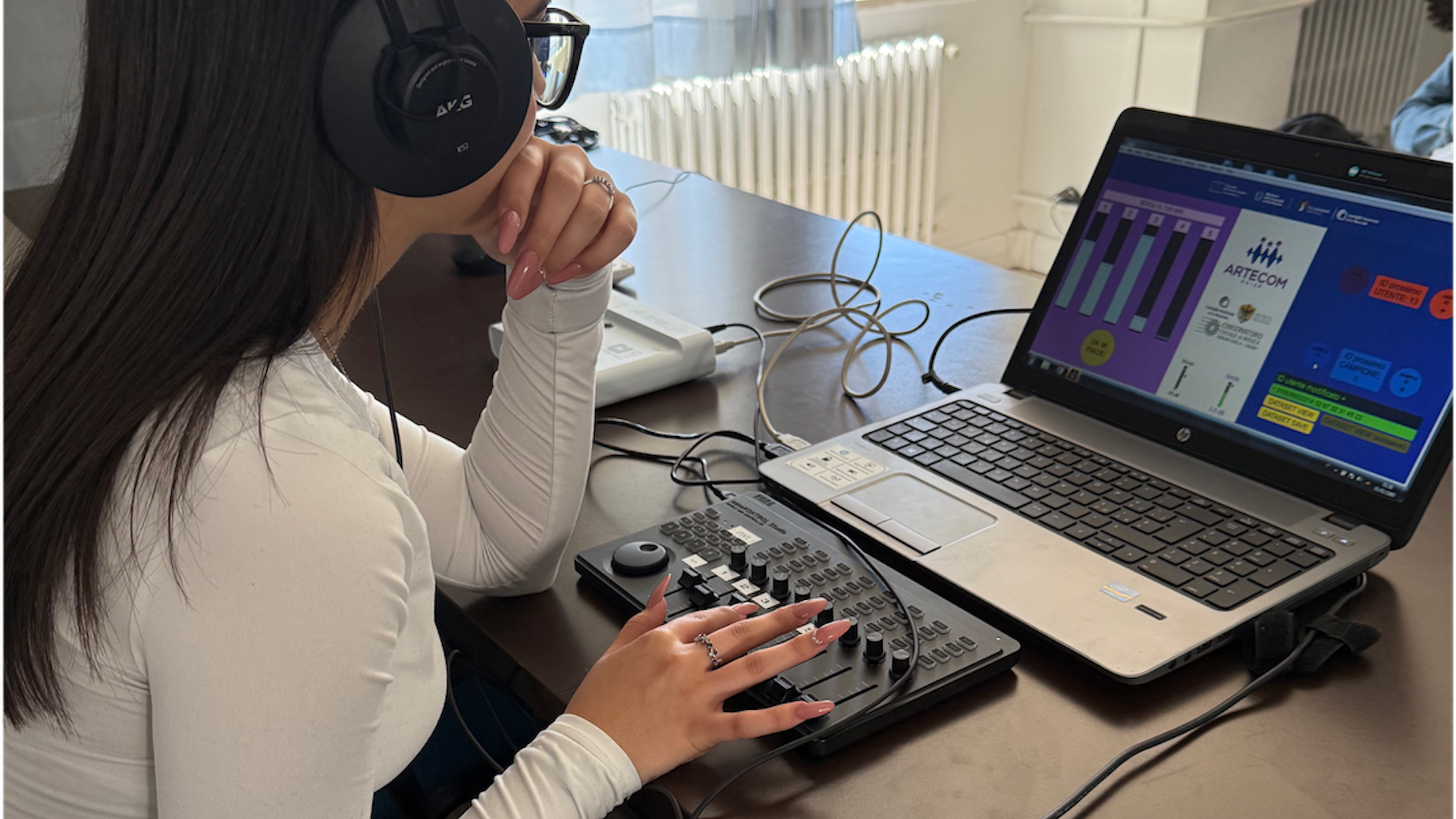
Based on this profiling, expert music composers from the “A. Casella” Conservatory of L’Aquila created five distinct immersive, dynamic, and personalized soundscapes capable of narrating urban complexity through sound.

The electroacoustic tracks were created using specific parameters derived from recordings made directly in the city of L’Aquila. The use of urban sounds helps build an intangible dialogue between the installation and the listener, evoking emotions and social dynamics.

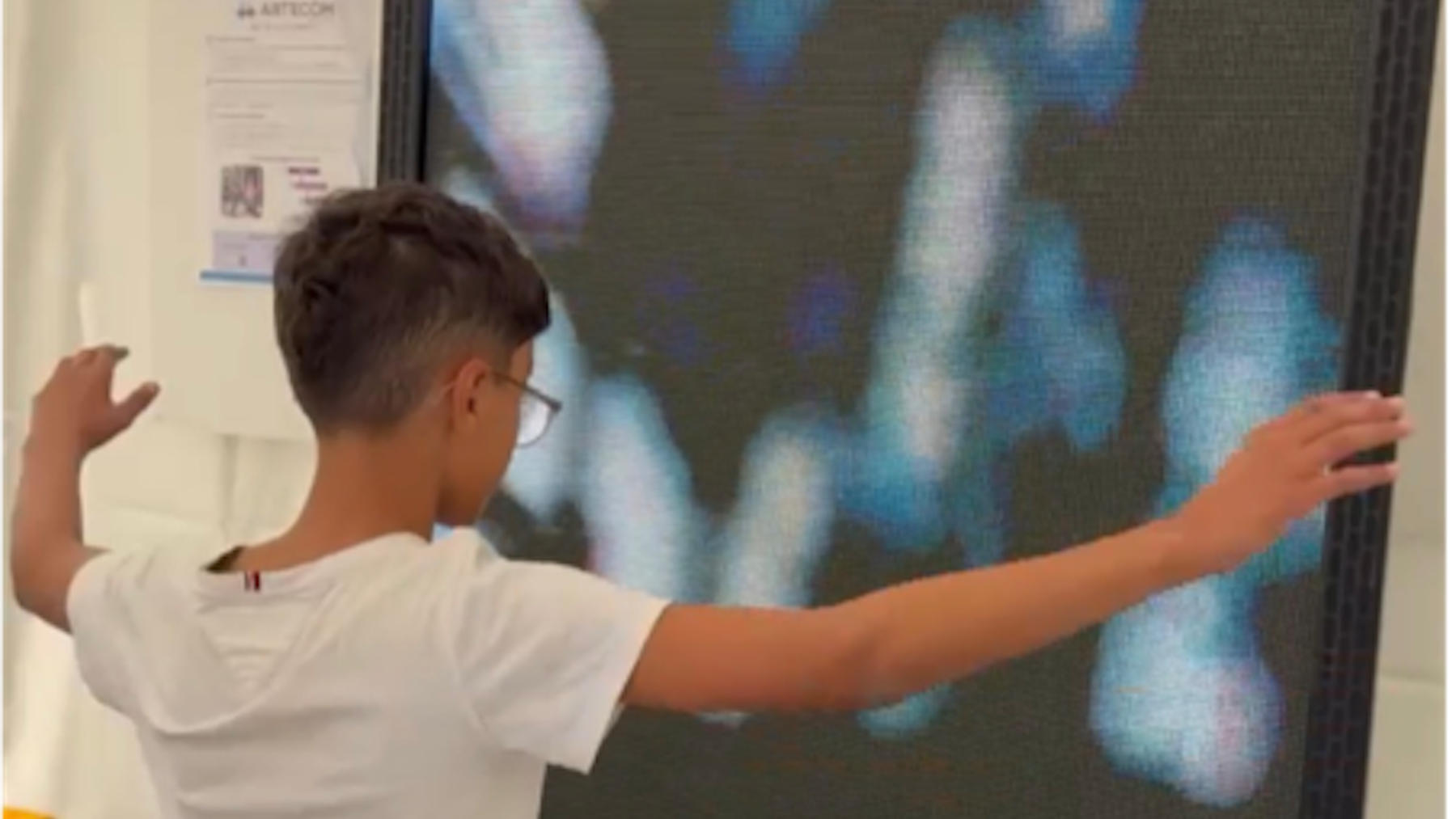
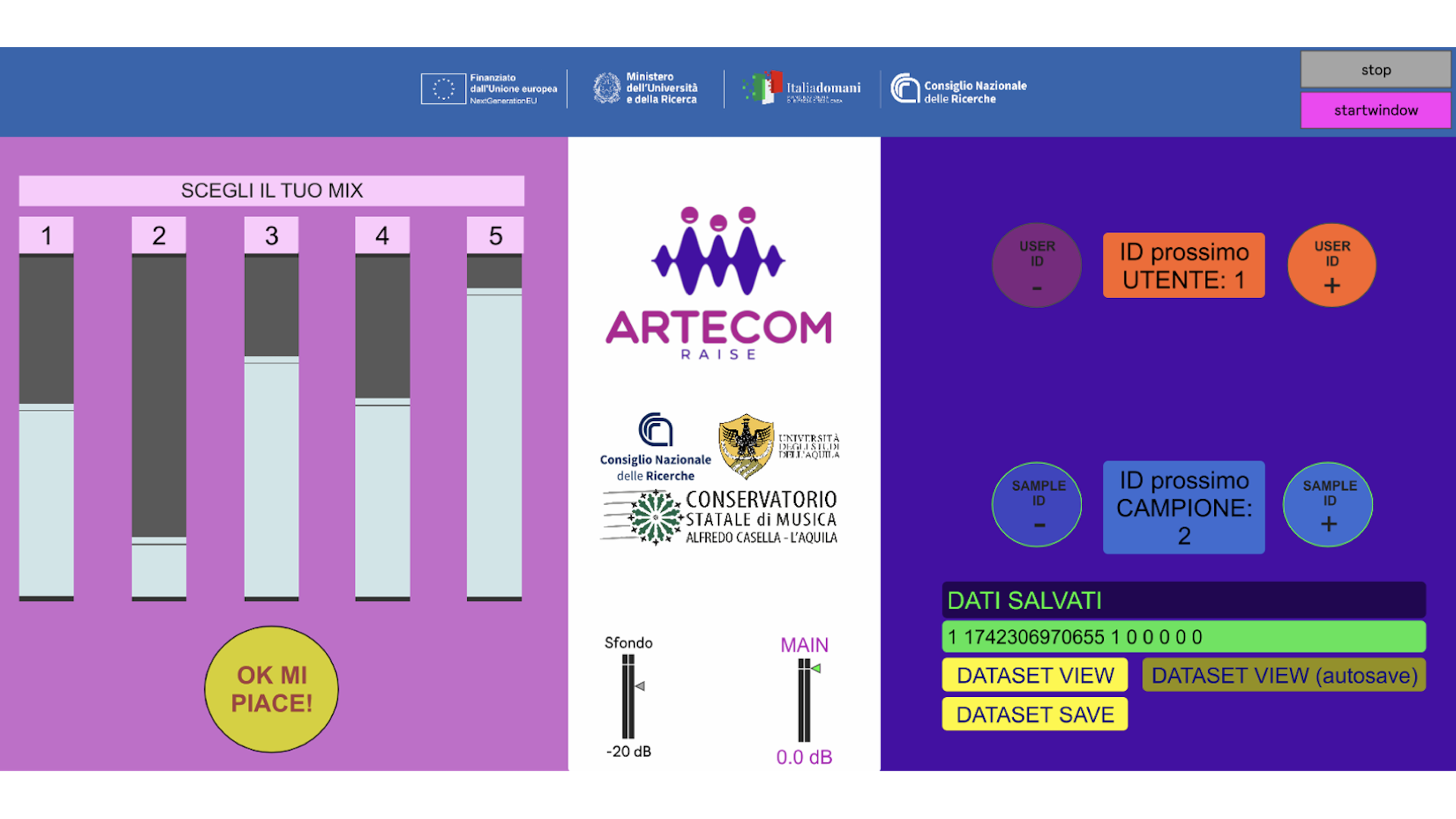
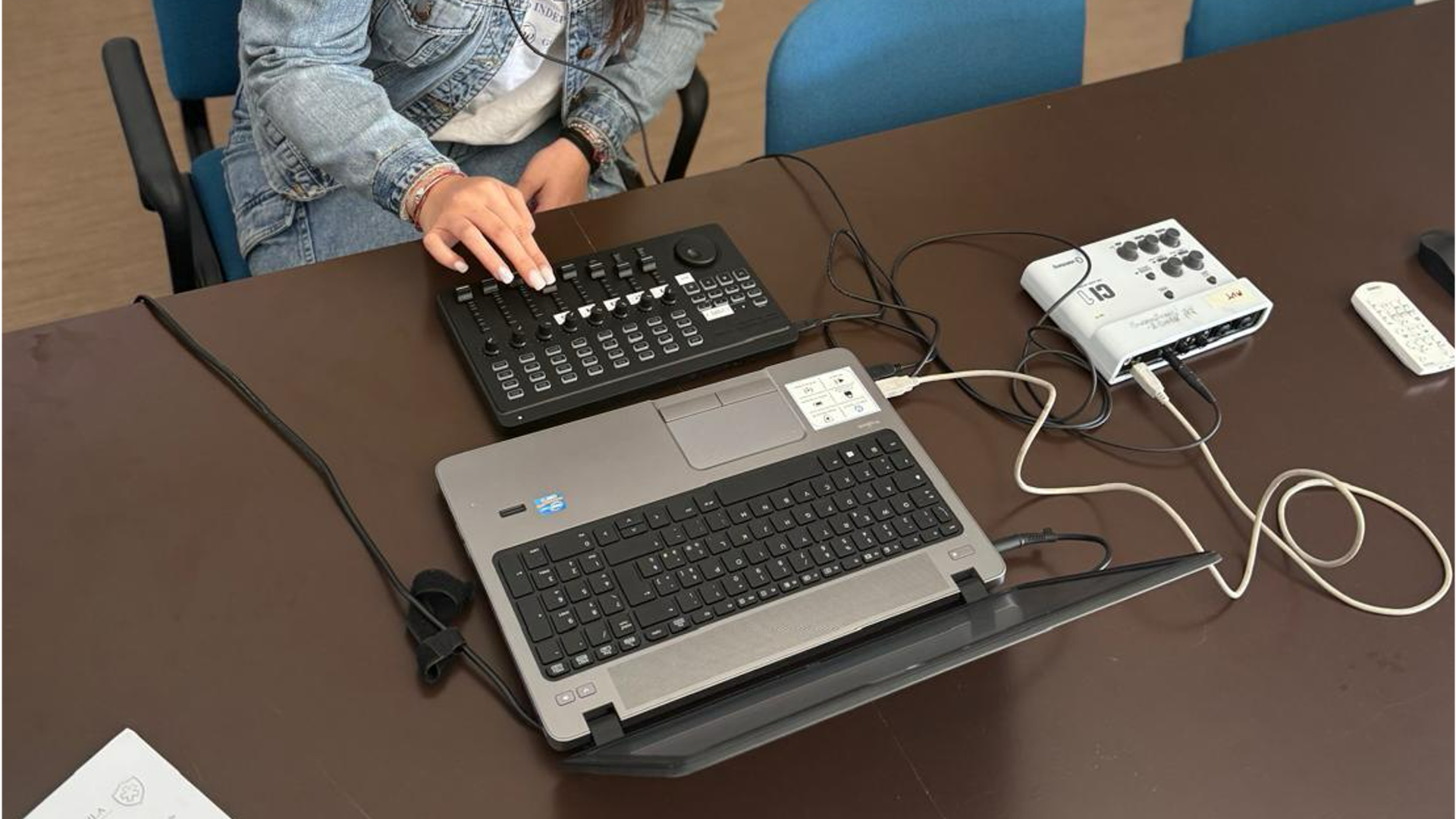
The result was presented during the demonstration session (DEMO) dedicated to cascade funding calls related to the themes of Spoke 1 (plenary meeting in Genoa, March 31–April 1). It consisted of an interactive prototype for interfacing and personalized sound production by individual users. This prototype enables both personalized sound experiences and the collection of data useful for training the AI algorithm.

Personalization is a key concept in the ARTECOM project. Thanks to AI’s adaptive capabilities, user profiling is combined with immersive soundscapes: the algorithm suggests an optimal set of parameters that each user can modify to create their own musical composition.

Once the “ARTECOM box” has been field-tested through empirical trials, its contents can be easily adapted based on goals and context of use, thus opening the possibility for the project to expand to other cities in the Abruzzo region and, more generally, throughout central, northern, and southern Italy.

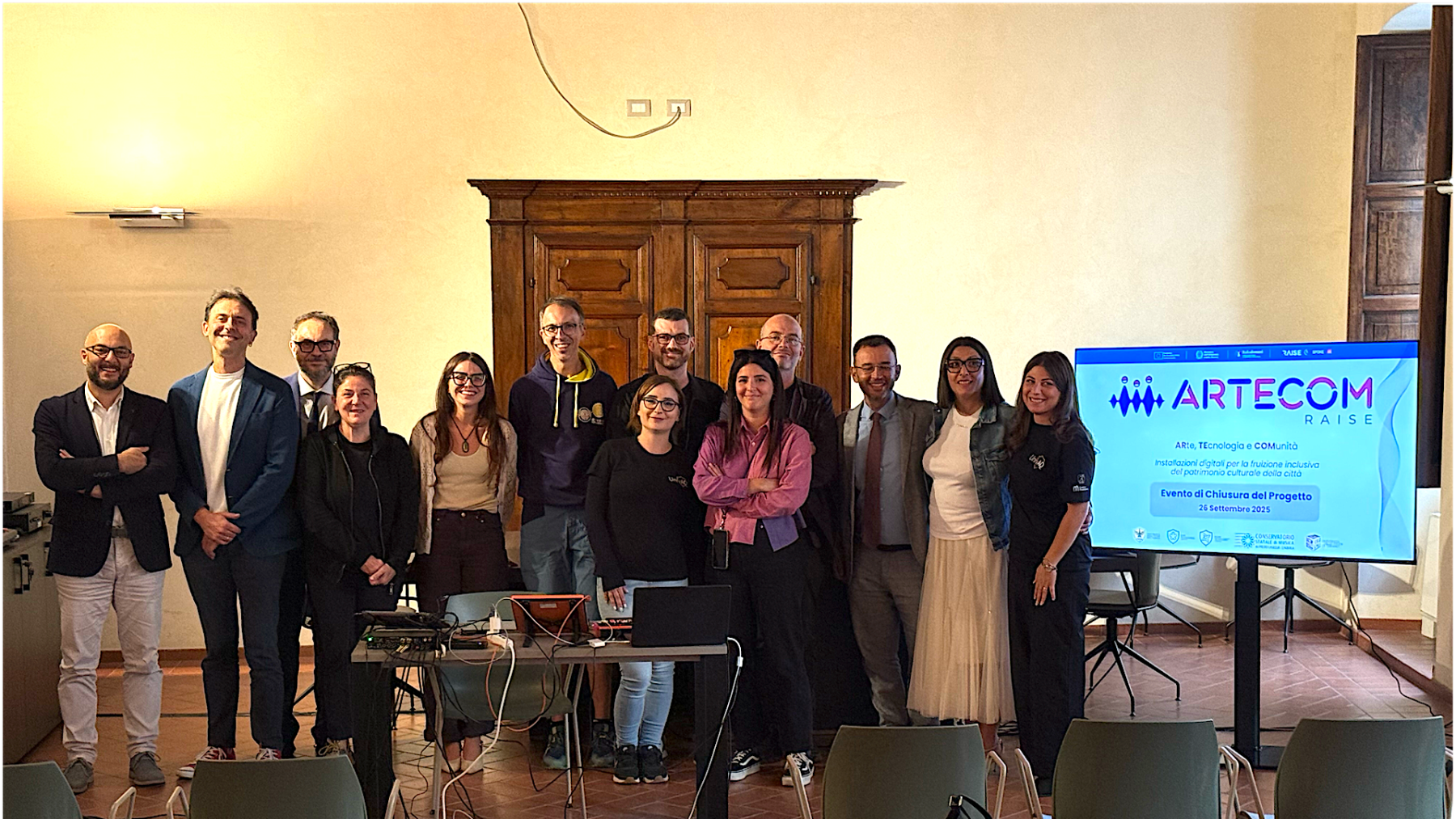
The ARTECOM project is led by the University of L’Aquila (UNIVAQ), Partners: Conservatory A. Casella dell’Aquila; University of Teramo, Collaborations: CUEIM – University Consortium of Industrial and Managerial Economics; Cykel -Web Agency & ICT Consulting.

ARTECOM - Paesaggi sonori immersivi urbani e creazione musicale personalizzata per coinvolgere i giovani nella smart city - Ecosistema RAISE

ARTECOM – ARt, TEchnology and COMmunity: digital installations for the inclusive use of the city’s cultural heritage (CUP E13C24001110006) is funded under the call “Public notice for the selection of project proposals presented by public universities and public research bodies located in the regions of southern italy for the implementation of research, development and experimentation activities in the areas of interest of the RAISE Ecosystem – Robotics and AI for Socio-economic Empowerment”, published by SPOKE 1 as part of the pursuit of the objectives of the RAISE Innovation Ecosystem Research Programme funded by the European Union – Next Generation EU using PNRR MUR – M4C2 – Investment 1.5 funds.

Author photo:
ARTECOM (Spoke 1)
Credits:
ARTECOM (Spoke 1) and RAISE

Notify me, guide me, amaze me: GIANO App features for your smart city

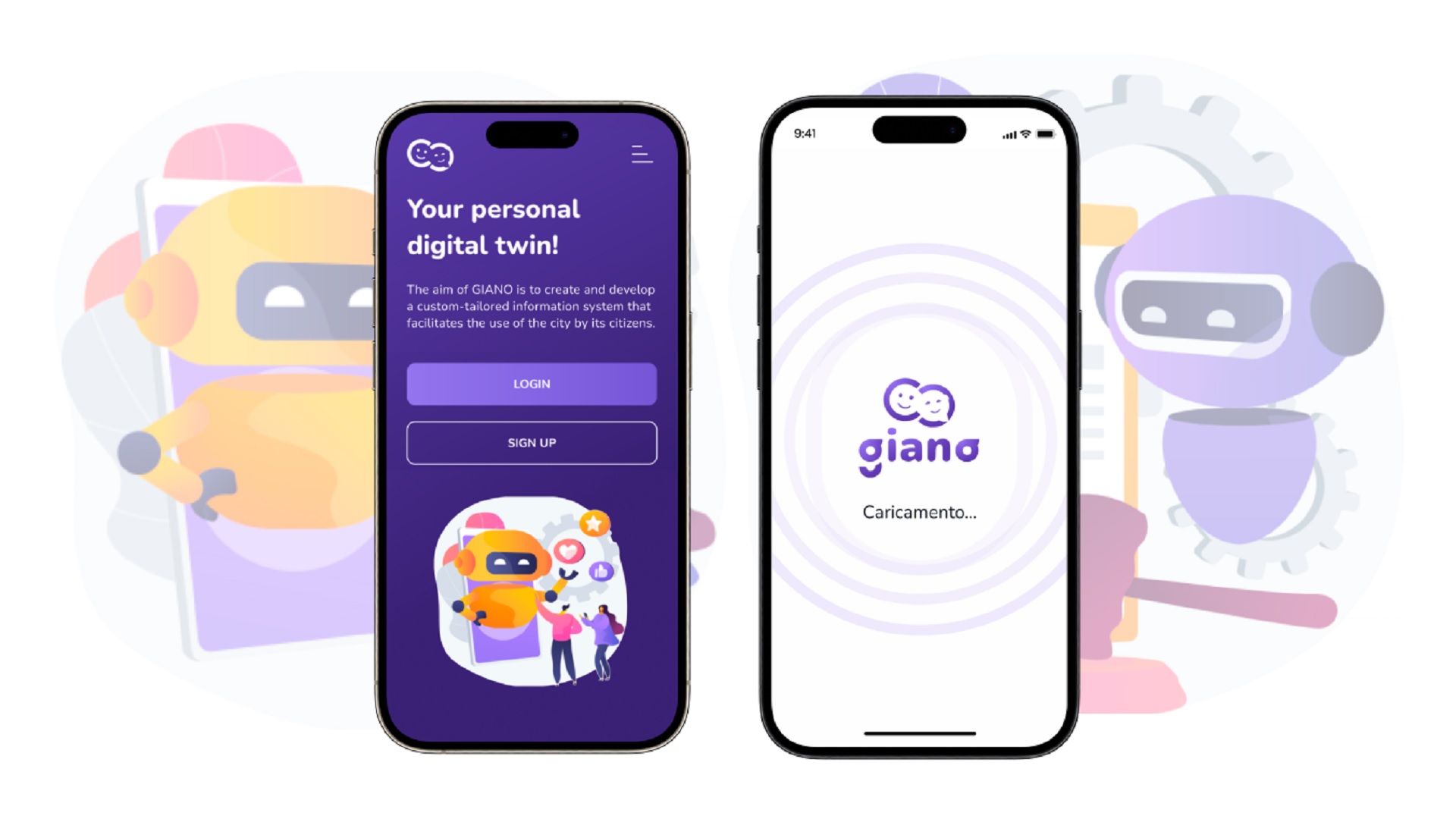
GIANO, the “recommendation” system for a more accessible and inclusive city, based on the citizen’s digital twin, was presented in April during two days dedicated to the Spoke 1 of RAISE in Genoa, at Palazzo Tursi.

In this context, the recommendation consists in sending personalized suggestions, adapted to the characteristics and preferences of citizens, to optimize the experience and use of urban services.

The event, which saw the participation of all the projects within this spoke, coordinated by Michela Spagnuolo (CNR-IMATI), was a valuable moment of discussion on how technology can improve the quality of life in cities, making them more accessible, safe and inclusive for every person, with and without disabilities.

Thanks to the interventions of the participants, the Giano team collected interesting ideas to strengthen the approach and optimize the personalized suggestion model.

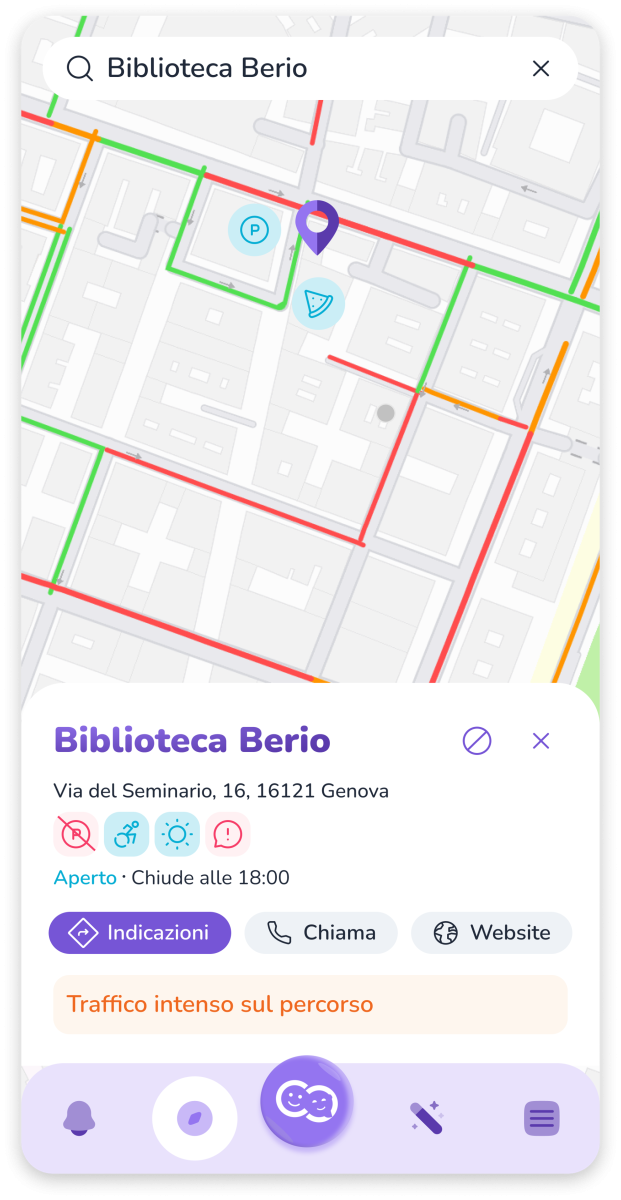
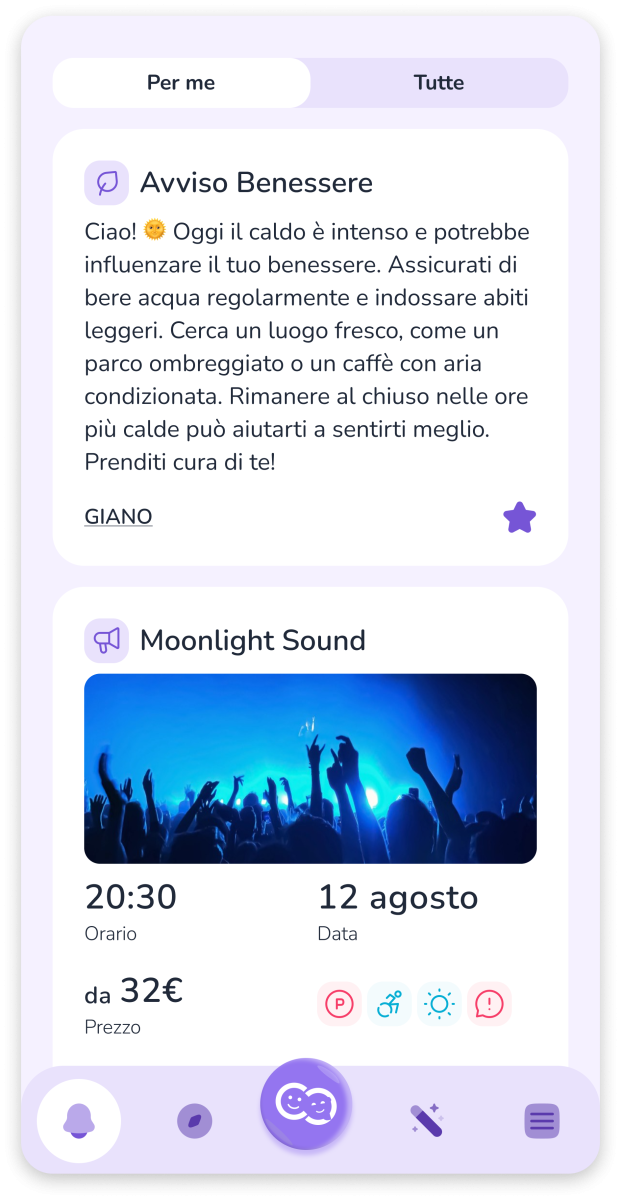
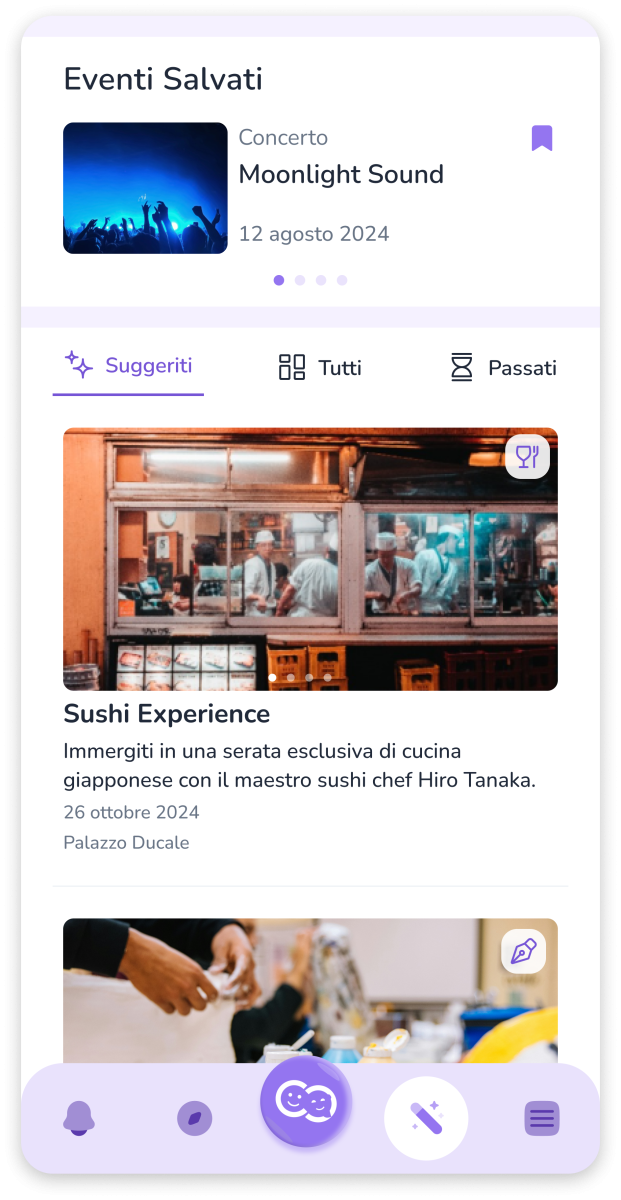
In the GIANO app, available for iOS and Android, a dashboard shows wellness indicators and useful suggestions, allowing access to the various functions:
– Notify me: provides personalized information on wellness and cities;
– Guide Me: guides you to the service that best suits your needs;
– Surprise me: suggests city events tailored to you.

Avvisami, accompagnami, stupiscimi: le funzionalità dell'app GIANO per la tua città smart
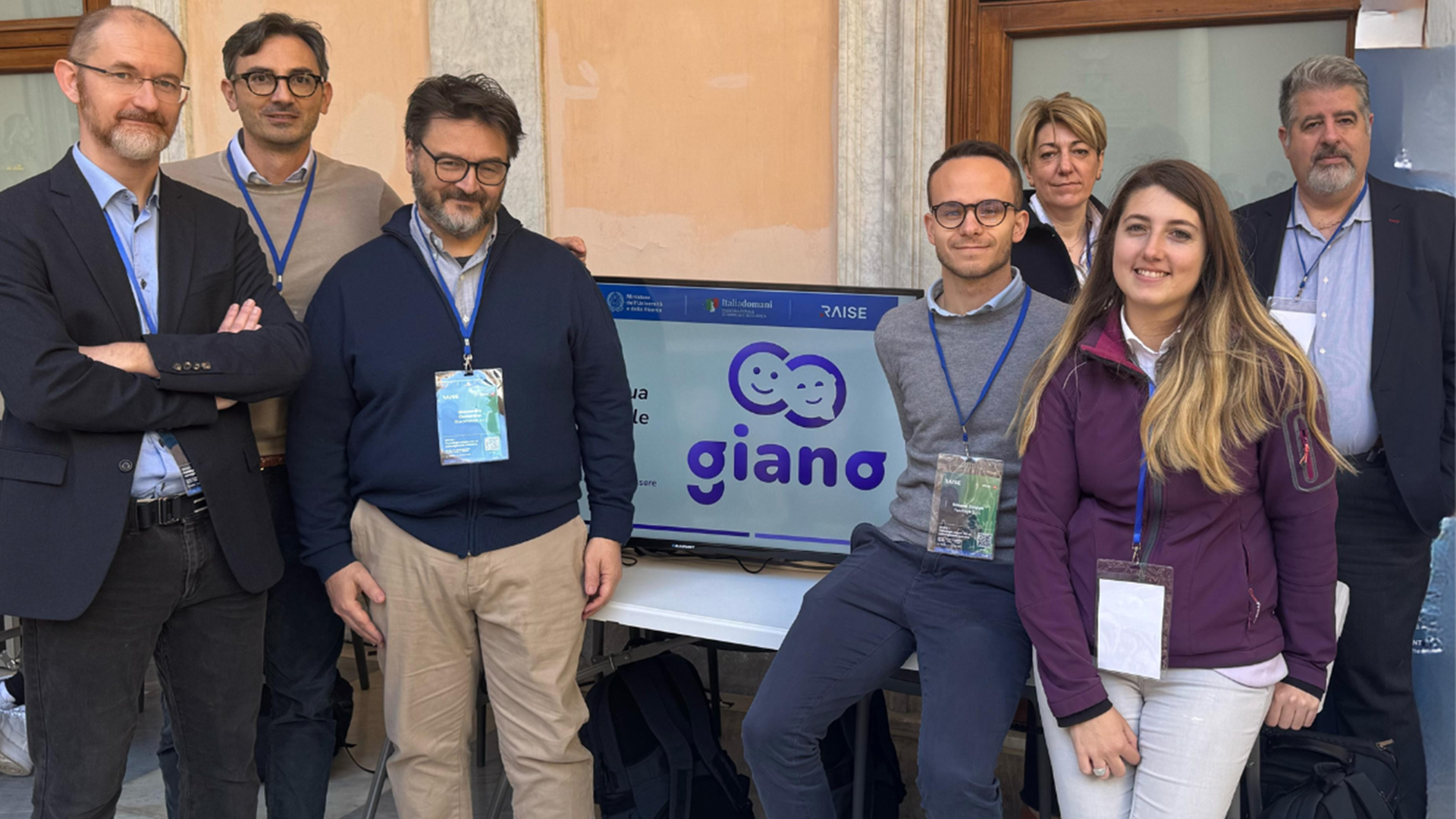
Team di GIANO a Genova, Seminario di Spoke 1 | Autore: Elisa Bruzzo (GIANO, Spoke 1) | Crediti: Progetto GIANO e RAISE

The GIANO app is currently in the testing phase and is available only to a selected group of users.

A key aspect of the project is the interaction between biopsychosocial and urban data, which allows, in a single application, to offer targeted suggestions for wellness, mobility and active participation in city life.

The integration of the digital model of the city with that of the citizen is one of the main themes of Spoke 1, to which GIANO is affiliated.

The project GIANO app is one of the winners of the cascade call for Industrial Research and Experimental Development projects in the domains of Artificial Intelligence and Robotics, promoted by Spoke 5.

The GIANO consortium is composed of Nextage srl (leader), Fondazione David Chiossone, T-Bridge and Stackhouse.

The RAISE U-VIP Team at RomeCup 2025: technological innovation in the service of well-being and inclusion

On May 7th and 8th, 2025, the RAISE U-VIP teampart of the IIT research line coordinated by Monica Gori and affiliated with Spoke 1 of RAISE – took part in the 18th edition of the RomeCup, an annual event promoted by the Fondazione Mondo Digitale and hosted at Roma Tre University.

The event, a national reference point in the field of technological and educational innovation, brought together schools, universities, research centers, companies, and institutions, centering the dialogue between human and artificial intelligence for the holistic well-being of individuals and communities.

RomeCup 2025, titled “What’s next? Human and Artificial Intelligence. Challenges for Holistic Well-being”, was a strategic opportunity for exchange, experimentation, and dissemination of the most advanced technological solutions in robotics, artificial intelligence, and applied sciences, with the goal of promoting inclusive and sustainable innovation.

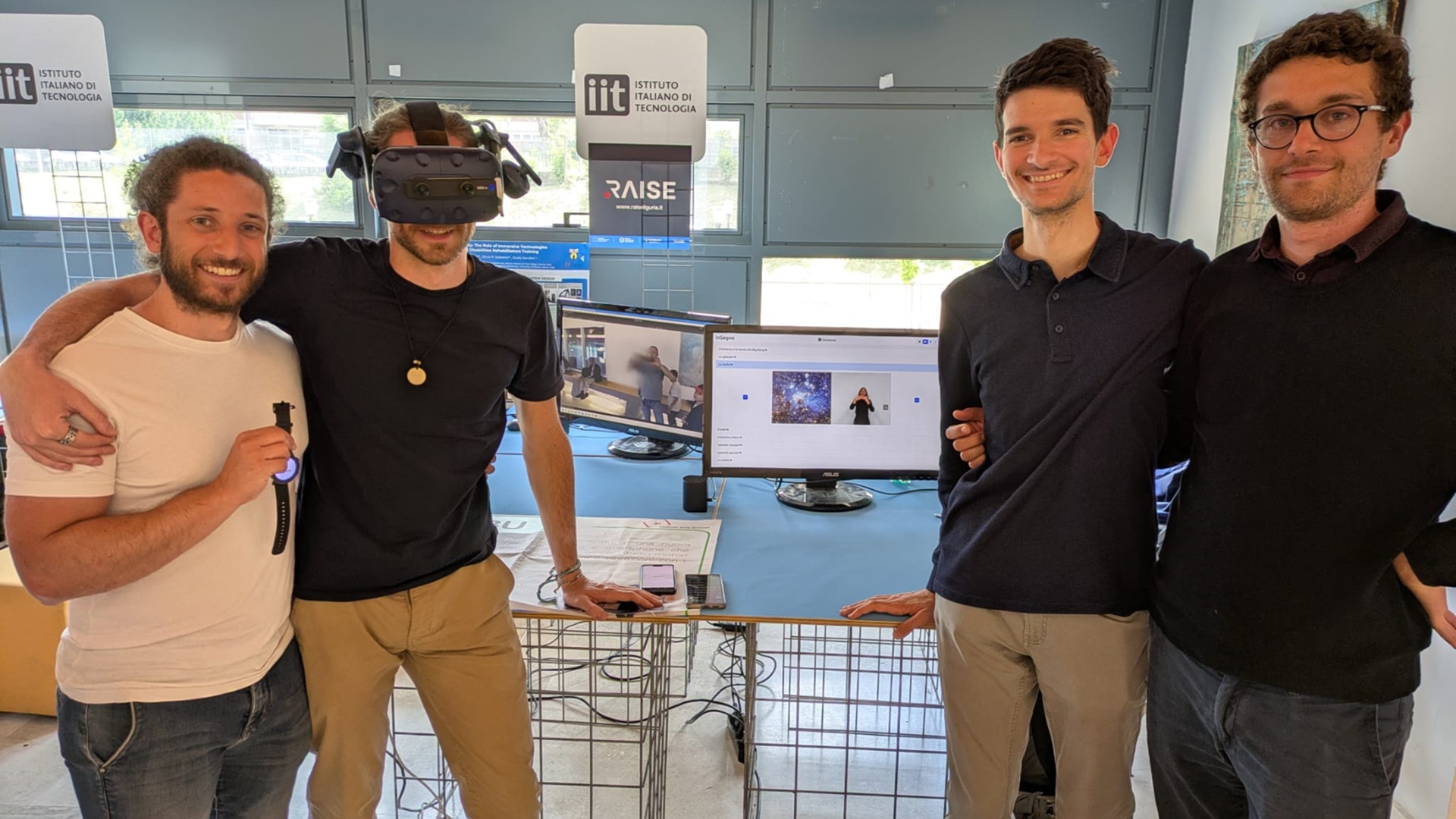
Within the exhibition area dedicated to research projects, the RAISE U-VIP team set up a booth to present some of the technologies developed within the project, aimed at supporting vulnerability and improving quality of life through high social impact solutions.

During the event, researchers presented three innovative tools to the public, the result of multidisciplinary research and collaboration among computer scientists, engineers, neuroscience experts, and rehabilitation professionals:
– Realter is a mixed reality simulation technology designed to replicate various low-vision conditions. The tool is intended both for oculomotor research and for training operators involved in visual rehabilitation, and can be useful to support teachers and care workers in understanding the effects of visual impairments.
– Insegno is a web platform designed to promote the school inclusion of deaf students. The system is designed for both group use in classrooms and individual use as a personalized study and support tool. With careful attention to communicative and educational needs, the platform serves as a valuable resource for teachers and students, in line with accessibility principles.
– AntiFoG, finally, is a wearable device developed in the form of a smartwatch, capable of intervening during episodes of Freezing of Gait (FoG), a common motor symptom of Parkinson’s disease. The system detects the onset of the motor block and activates specific stimulation to help resume movement, thus contributing to improving the patient’s autonomy and safety.

Participation in RomeCup represented an important opportunity for scientific outreach and dialogue with students, professionals, and citizens, strengthening the link between research, innovation, and social impact.

The RAISE U-VIP team’s commitment is part of a broader effort to enhance enabling technologies as tools for empowerment, inclusion, and sustainable growth.

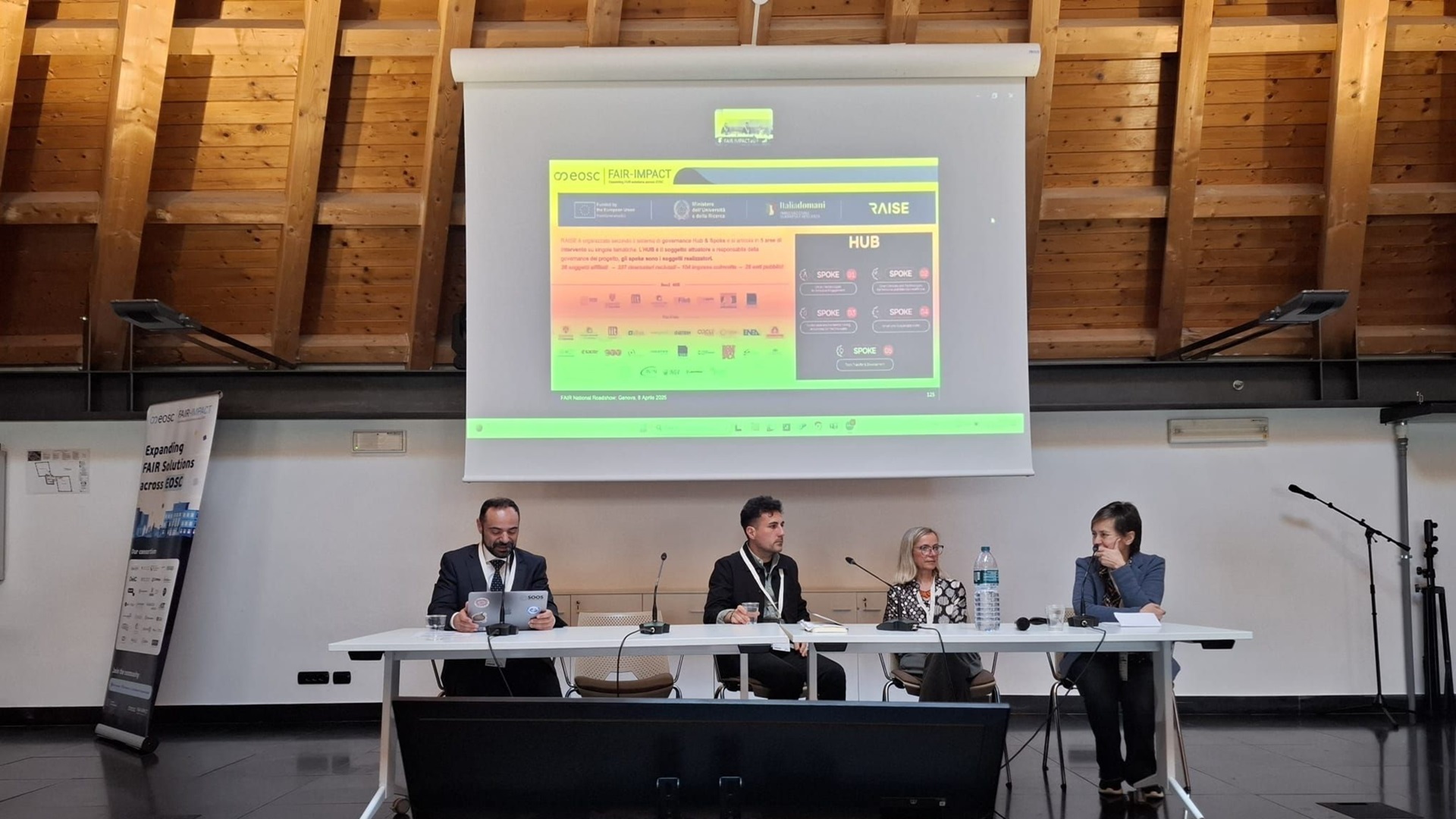
CNR-IMATI for RAISE Spoke 1 at the FAIR National Roadshow Italy

Michela Spagnuolo from CNR-IMATI took part in the Genoa edition of the FAIR National Roadshow Italy on behalf of Spoke 1 of the RAISE project, held on April 8, 2025, at the Magazzini dell’Abbondanza in the BlueDistrict.

The event, dedicated to promoting FAIR (Findable, Accessible, Interoperable, Reusable) data practices, provided an important opportunity to discuss the central role of open and well-managed data in transforming urban environments into smarter, more sustainable, and inclusive cities.

During the panel “Smart Cities, FAIR Practices”, Michela Spagnuolo presented the Open Data Management approach adopted by RAISE, with a specific focus on the D4Science platform and the DCAT standard. These tools are designed to facilitate open, transparent, and traceable data sharing and reuse.

Her presentation emphasized how the FAIR data paradigm also underpins the work of Spoke 1, which is dedicated to developing digital solutions aimed at improving urban quality of life. Making data findable, accessible, interoperable, and reusable enables the creation of innovative services that support sustainable mobility, environmental management, access to public services, and more active civic participation.

Other speakers in the same panel included Andrea Tarallo (CNR IRET) and Enrico Buzzo (AMT Genova), contributing to an interdisciplinary dialogue on urban data governance and its practical impact on everyday life.

The event, organized by the European project FAIR-IMPACT in collaboration with ETT and the Data Stewards of the University of Bologna, was structured into two main sessions.

The morning session provided an overview of Italy’s Open Science policy, the national competence center currently under development, and the Italian Reproducibility Network (ITRN). The afternoon session showcased successful FAIR practices already implemented in Italy, particularly in the fields of environmental emergency management and marine and ocean sciences.

Michela Spagnuolo’s participation on behalf of Spoke 1 highlighted RAISE’s commitment to fostering a data culture oriented toward innovation and the improvement of urban life through the responsible, open, and shared use of information.

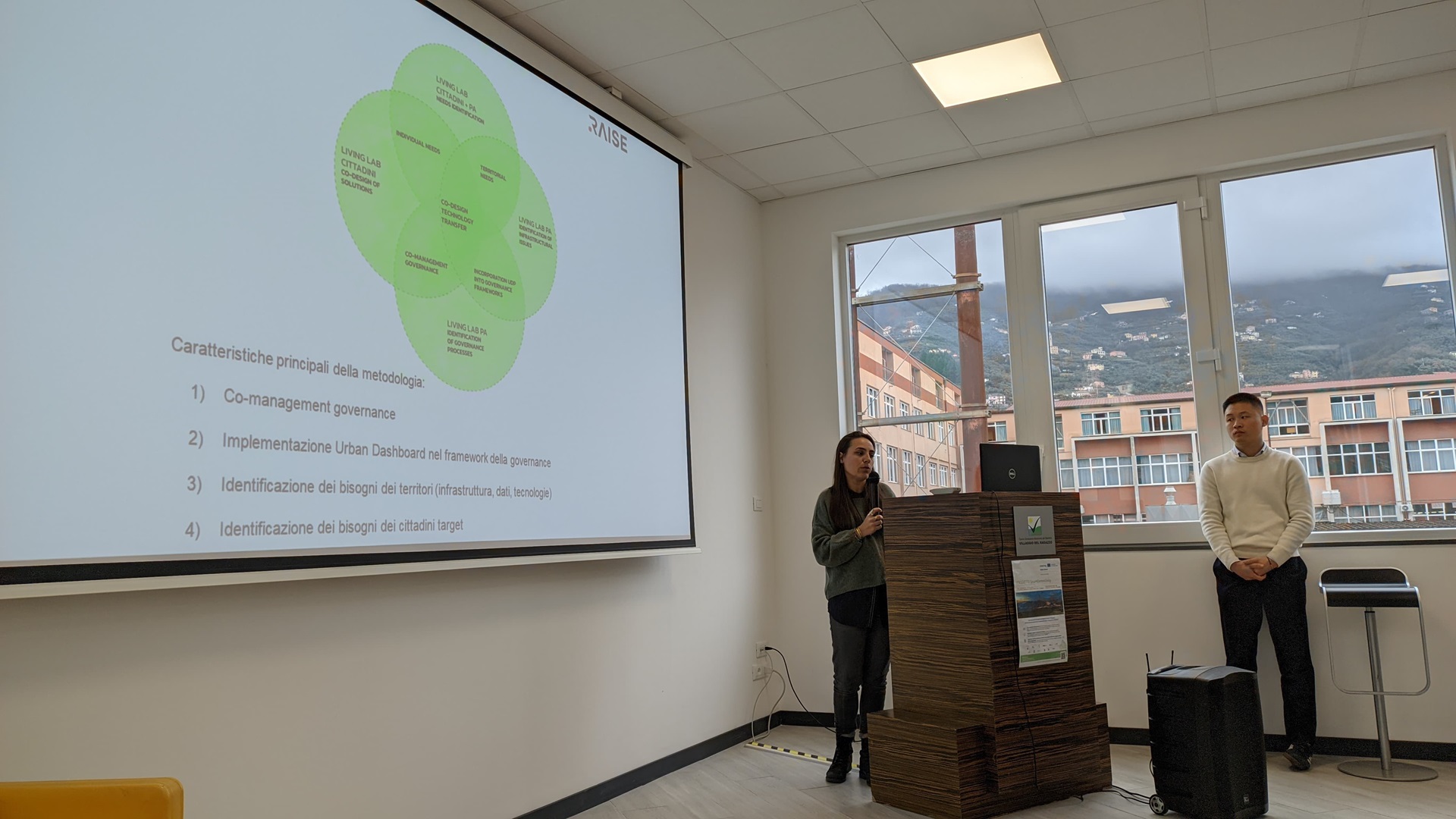
Spoke 1 of RAISE: a step forward for urban innovation in the Tigullio Region

On March 12 a meeting was held at the Centro San Salvatore – Villaggio del Ragazzo, dedicated to the local administrations of Cogorno, Chiavari, Lavagna, Carasco, Ne, and Leivi.

The event was organized as part of the activities of Spoke 1 of RAISE, promoted by the Department of Architecture and Design and the Department of Education Sciences of the University of Genoa, in collaboration with the Municipality of Cogorno and the Villaggio del Ragazzo.

The meeting, titled “Replicable Scenarios and Scalability Logics of Demonstrators”, represented an important opportunity for dialogue between researchers and local administrators, with the aim of analyzing the challenges and opportunities related to urban innovation and participatory governance. Key topics addressed included the identification of critical issues and potentialities in the involved territories, the opportunities offered by digital technologies to improve urban governance, and the needs of local communities.

Participants in the initiative included Chiara Centanaro and Nicola Valentino Canessa from the Department of Architecture and Design at the University of Genoa, along with Stefano Poli from the Department of Education Sciences, representing Spoke 1 of RAISE. Additionally, Boyu Chen, a PhD student in the National Interest Program in Design for Made in Italy at the same Department of Architecture and Design, also contributed to the discussion.

“Working closely with Tigullio’s administrators is essential to creating a direct dialogue that allows us to grasp both the opportunities and the specific challenges of the territory. This exchange of knowledge enables us to assess the impact of demonstrators, adapting them to local needs and priorities. At the same time, it helps identify possible obstacles and develop solutions based on the unique characteristics of the context. The joint dialogue between administrations makes it possible to identify common solutions to transversal problems, creating a process of replicability in connection. Moreover, discussions with Tigullio’s institutions have allowed for the mapping of additional local stakeholders, both in the economic and social spheres, who could be involved in the innovation process. The contribution of these actors – businesses, associations, and other local stakeholders – is essential to ensuring the creation of an ecosystem capable of generating lasting economic, social, and environmental effects”, this was the comment made after the meeting by Dr. Chiara Centanaro.

The event was part of the Work Package From Inclusive Technologies to Inclusive Smart Cities, within Spoke 1 of the RAISE project, with the goal of developing data-driven policies and supporting inclusive decision-making processes.

This working session marked a significant step towards the construction of smart and accessible cities, fostering dialogue between experts and local administrators to promote the adoption of innovative and sustainable solutions for the benefit of the community.

The Smart City conference. Urban Technologies for Socio-Economic Inclusion, with RAISE research products

The conference “Smart City: Urban Technologies for Socio-Economic Inclusion” ended with great success on February 20, at the Department of Economics of the University of Genoa. The event saw the participation of experts, academics and institutional representatives, who exchanged views in a pleasant and collaborative atmosphere, which characterized the entire day.

The conference was opened the introduction by Laura Gaggero, Vice-Rector for Research of the University of Genoa, about the state of university research on the topic of the Smart City, followed by a plenary session of keynote speakers:
– Paola Dameri (UniGe, Spoke 1), the Rector’s delegate for the Smart City, explored the evolutionary profiles of the Smart City from 1997 to 2030;
– Matteo Campora, Councilor of the Liguria Region, broadened the scope to the notion of Smart Region;
– Giampiero Biamino, Vice President of the Genoa Smart City Association, described the experience of Genoa;
– Alfredo Viglienzoni, as an expert, spoke about artificial intelligence in public administration.

La conferenza “Smart City: urban technologies for socio-economic inclusion” con prodotti della ricerca di RAISE 

The four parallel panels, addressing crucial issues such as ICT for the Smart City, rights and security, the environment and quality of life, and governance, mobility and territory, demonstrated the interdisciplinarity of the notion of Smart City, enriching the debate and sharing of ideas.

The conference also presented research projects and products developed by UniGe staff within the RAISE Innovation Ecosystem, and in particular in Spoke 1, dedicated to urban technologies for inclusive engagement.

The most mature contributions will be published with the international publisher Springer, in a volume of the Lecture Notes in Information Systems and Organisation series.

The event demonstrated how collaboration and knowledge sharing can lead to innovative solutions for the cities of the future, strengthening Genoa’s role as a hub of excellence.

La conferenza “Smart City: urban technologies for socio-economic inclusion” con prodotti della ricerca di RAISE 

Authors of the photos: Cristina Chiaiso (UniGe) and Monica Bruzzone (UniGe, Spoke 1)
Credits: UniGe and RAISE
Finaziato dall'Unione Europea Ministero dell'Università e della Ricerca Italia Domani Raise