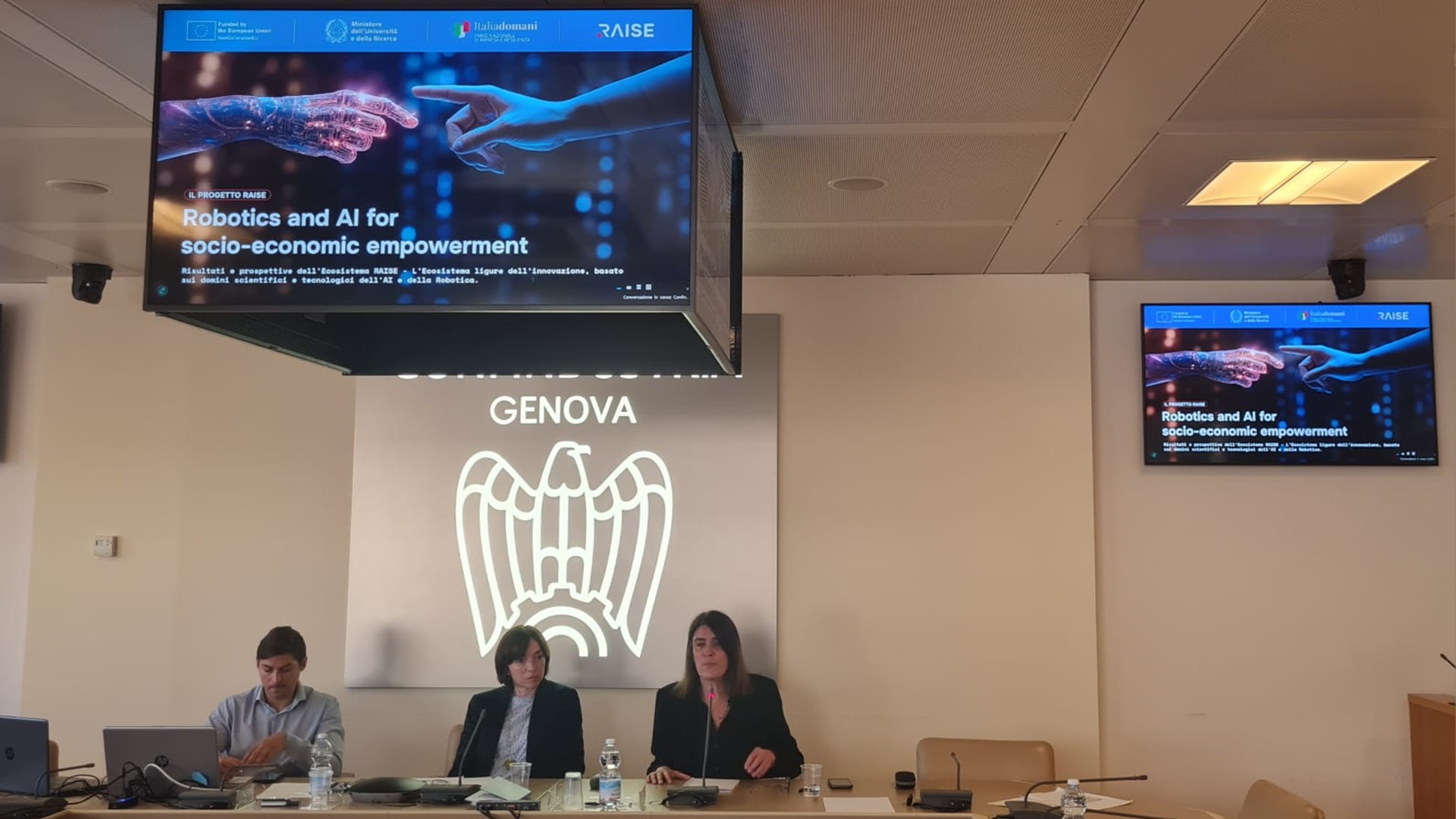
COFFEETECH Genova: Cristina Battaglia presents the results of the RAISE Ecosystem

On Friday, May 30, 2025, the 246th edition of the weekly “Coffeetech” series took place at the Confindustria Genova headquarters.

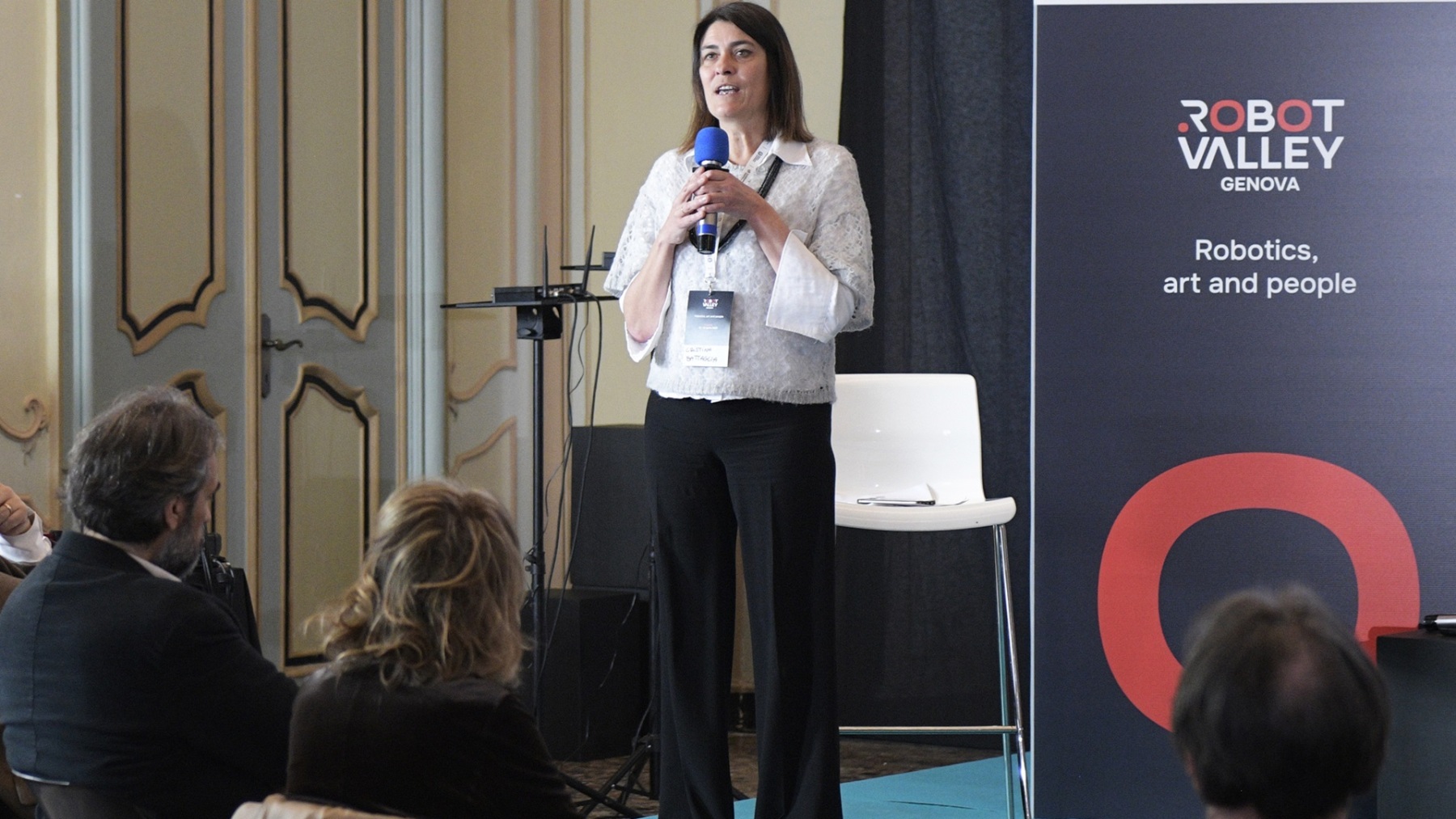
The featured guest was Cristina Battaglia, Programme Manager of the RAISE Innovation Ecosystem, who – three years after the launch of the program – provided an update on the “Results and Outlook of the RAISE Ecosystem”.

During her presentation, Cristina Battaglia gave an overview of the main achievements and showcased a selection of technology demonstrators developed within the program’s four strategic areas:
– Urban technologies for inclusive engagement;
– Personal and remote healthcare;
– Environmental protection and care;
– Smart and sustainable ports.

Among the topics discussed were also the future perspectives for the ecosystem’s consolidation and expansion: “We are working together with all partners and HUB members on defining a strategic plan, which will outline the activity lines and priority programs for the future of the ecosystem. The contribution of Confindustria Genoa will be crucial in aligning objectives and tools to enhance RAISE’s results in service of the business system,” commented Cristina Battaglia, with an eye toward the technologies and skills considered most promising for regional competitiveness.

The event provided an important opportunity to reflect on the state of technological innovation in Liguria, with particular attention to the fields of robotics and artificial intelligence – areas where RAISE is making a significant contribution to the region’s economic and social development.

A recording of the Coffeetech event is available on the Confindustria Genova Facebook page.

FameLab Genova 2025: local selection concluded

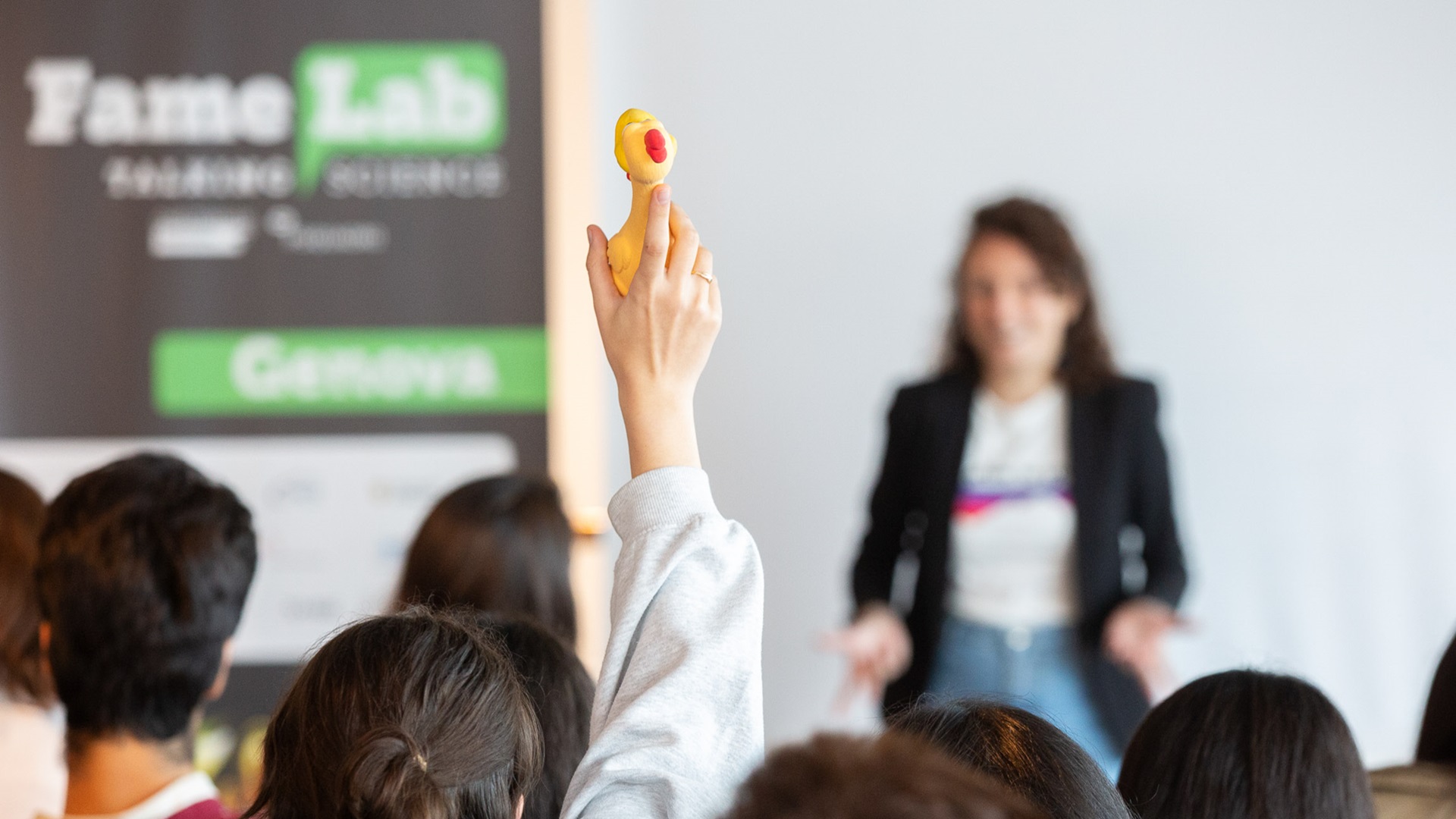
Once again this year, the FameLab Genova initiative saw the active participation of RAISE among the organizations that contributed to the organization of the local selection of the renowned international science communication competition. The Genoese edition confirmed its status as a significant and eagerly awaited event in the field of science communication, offering an opportunity to highlight the talent and communication skills of young researchers.

The final event took place on Wednesday, May 7, at the LaClaque theatre in the historic center of the city. Numerous participants took to the stage, each tasked with presenting a scientific topic in just three minutes, clearly, engagingly, and effectively—without the aid of images or videos. Only small props were allowed, with the main tools being creativity and passion for science storytelling.

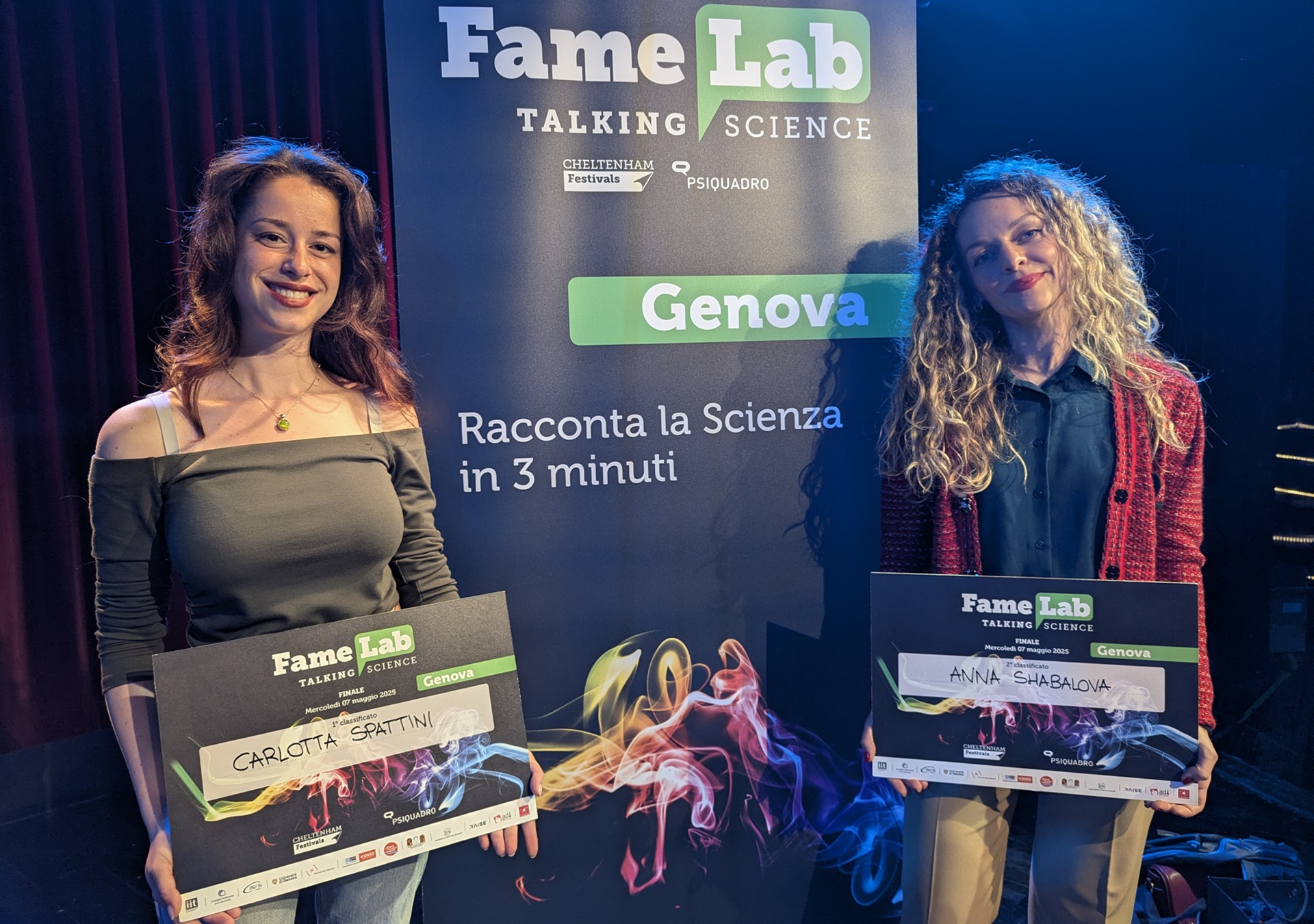
Carlotta Spattini and Anna Shabalova, both researchers at the Istituto Italiano di Tecnologia (IIT), stood out among the contestants, winning first and second place respectively. The jury, composed of experts from both the scientific and cultural sectors, awarded first prize to Spattini for her talk “Molecular Harmony: Precision Tuning”, while Shabalova earned second place with “The Other Part of Love Hormone”.

FameLab Genova 2025 chiusa la selezione locale - Ecosistema RAISE
Le finaliste. Da sinistra a destra Carlotta Spattini (prima classificata) e Anna Shabalova (seconda classificata) | Credits: Istituto Italiano di Tecnologia – © IIT, all rights reserved

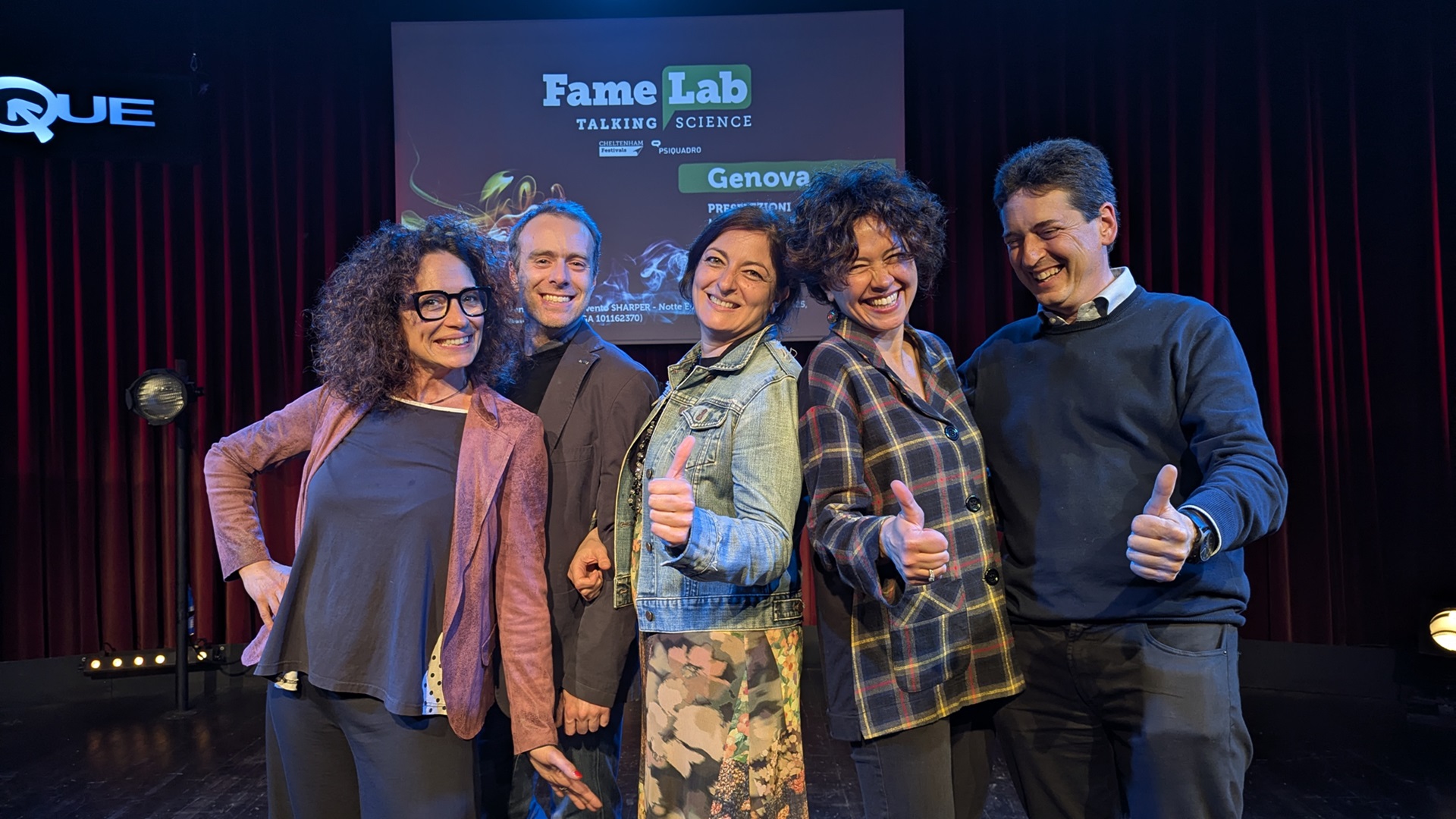
The jury was made up of Alessio Caminata (INFN – Genova Section), Roberta De Donatis (CNR-IMATI and member of the RAISE Innovation Ecosystem), Eleonora D’Urso (actress and director), Teresa Pellegrino (Head of the Nanomaterials for Biomedical Applications lab at IIT) and Walter Riva (Director of the Righi Astronomical Observatory).

FameLab Genova 2025 chiusa la selezione locale - Ecosistema RAISE
La giuria. Da sinistra a destra Roberta De Donatis, Alessio Caminata, Teresa Pellegrino, Eleonora D’Urso e Walter Riva | Credits: Istituto Italiano di Tecnologia – © IIT, all rights reserved

At the same time, the audience had the opportunity to vote for the Audience Award, which was given to Hazem Ahmed – also a researcher at IIT – for his presentation “The Future of Memory”.

The overall quality of the presentations made the jury’s task especially difficult, highlighting the high level of preparation and the growing importance of science communication as a tool for societal engagement.

The two Genoese winners will participate in an intensive science communication masterclass to be held in Perugia from June 13 to 15, led by Wendy Sadler of Science Made Simple. They will then go on to represent Genoa at the national final, scheduled for September 27 in Perugia, where they will compete against the winners from seven other Italian cities: Ancona, Bari, Camerino, Catania, Cosenza, Ferrara, and Trieste.

The national winner will ultimately take part in the international final, representing Italy alongside winners from other countries, in a global competition dedicated to science and the art of sharing it.

The 2025 edition of FameLab Genova was promoted as a pre-event of the SHARPER European Researchers’ Night and was coordinated by IIT, in collaboration with numerous institutional and cultural partners: CNR, University of Genoa, INFN – Genova Section, Festival della Scienza, RAISE, Genoa Aquarium, The City of Children and Youth, Giacomo Doria Natural History Museum, Associazione Didattica Museale, the Genoa branch of ADI – Italian Association of PhD Candidates and PhDs, with media support from Scientificast.

FameLab Genoa 2025: the challenge among young science communicators returns

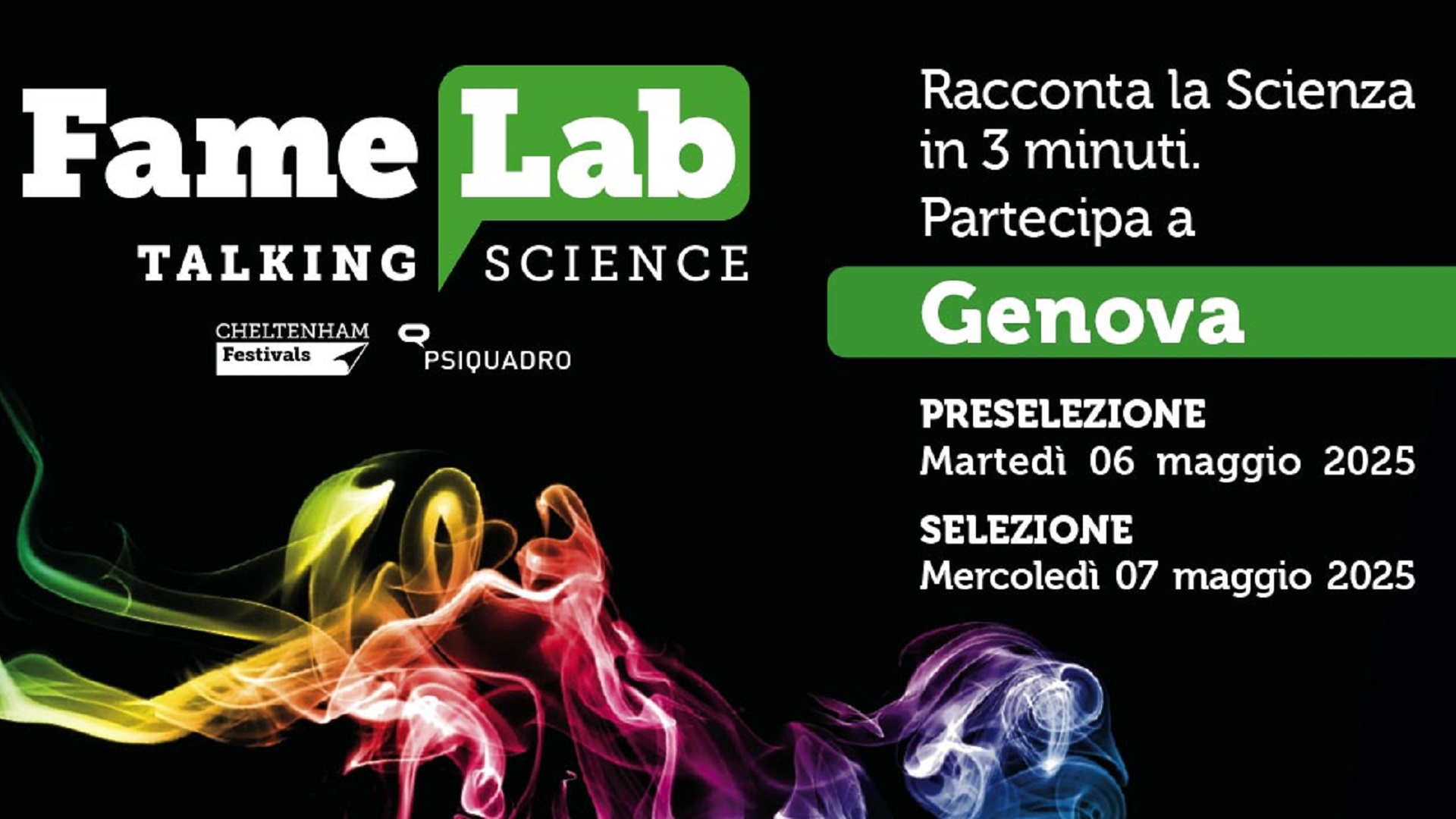
On Tuesday 6 and Wednesday 7 May 2025, Genoa will host the local selection of FameLab, the international science communication competition aimed at young researchers.

The initiative seeks to highlight the communication skills of those working in research, challenging participants to present a scientific topic in just three minutes, in a clear, engaging, and accessible way for a non-specialist audience. The rules are simple yet strict: no multimedia presentations—only words, gestures, and small objects are allowed to support the talk. Once again this year, RAISE is contributing to the organization of the Genoa selection, playing an active role in the event’s implementation.

The 2025 Genoa edition will consist of two preliminary rounds dedicated to school audiences. The first will take place on Tuesday 6 May at 9:30 a.m. at the Blue Hall of the Genoa Aquarium, while the second will be held on Wednesday 7 May, also at 9:30 a.m., at the Auditorium of the Giacomo Doria Natural History Museum.

Candidates who pass these initial rounds will move on to the final selection, scheduled for Wednesday 7 May at 8:00 p.m. at Teatro LaClaque (Vico di San Donato).

The final evening, open to the public, will also feature a theatrical interlude with Maniman Teatro, a local theatre group that will perform improvisations inspired by suggestions and prompts from the audience. Attendance is free of charge, but booking is required at this link.

FameLab is a competition conceived by Cheltenham Festivals and brought to Italy in 2012 by Psiquadro, in collaboration with a network of over 100 national partners, including universities, public research institutions, and associations. The 2025 edition features eight local selections in the cities of Ancona, Bari, Camerino, Catania, Cosenza, Ferrara, Genoa, and Trieste.

The top two contestants from each local event will compete in the national final, scheduled for 27 September 2025 in Perugia. The Italian winner will go on to represent the country in the international final, to be held in November 2025.

The Genoa selection is coordinated by the Italian Institute of Technology (IIT), in collaboration with several local institutions: the National Research Council (CNR), the University of Genoa, the National Institute for Nuclear Physics (INFN) – Genoa section, the Festival of Science Association, RAISE, the Genoa Aquarium, the Children’s City, the Giacomo Doria Natural History Museum, the Italian Association of PhD Students and Graduates (ADI) – Genoa chapter, the Museum Education Association (ADM), and with media partnership from Scientificast.

The event offers a valuable opportunity to bring science closer to the general public and to inspire a passion for research and science communication among younger generations.

RAISE leads the “ARTOUR – Artificial Intelligence and Robotics for Tourism” project, funded by the Interreg Italy – France Maritime Programme 2021 – 2027

RAISE is the lead partner of the “ARTOUR – Artificial Intelligence and Robotics for Tourism” project, which has been deemed eligible and funded under the 2nd Call of the Interreg Italy – France Maritime Programme 2021 – 2027, with a total budget of € 1.996.431,63.

ARTOUR was selected under Priority 1 – A cross-border area that is attractive and based on smart and sustainable modernization, with a focus on Specific Objective 3 – Strengthening sustainable growth and the competitiveness of SMEs in the tourism and cultural services sectors.

The project partnership includes RAISE S.c.a.r.l. as the lead partner, e.INS (implementing body of the Ecosystem of Innovation for Next Generation Sardinia), START 4.0 Competence Center, ARTES 4.0 Competence Center, the Nice Côte d’Azur Chamber of Commerce and Industry and the Petra Patrimonia Corsica Cooperative. ARTOUR aims to promote the digital transformation of businesses through the introduction of innovative technologies such as artificial intelligence, robotics and advanced 5G connectivity. The project aligns with the Industry 5.0 paradigm, with a strong focus on environmental sustainability and the enhancement of natural and cultural heritage.

The project includes a wide range of activities to support SMEs operating in the relevant sectors:
–  Support (including guidance, dissemination, and information activities) for the use of AI by companies in the tourism and cultural services sectors;
– Provision of pilot projects and demonstrations through which companies can conduct tests supported by experts with sector-specific knowledge (“test before invest” and technology transfer);
– Organization of Challenges via Calls for Ideas to identify and support the most promising initiatives capable of identifying needs and innovative solutions in the sector, thereby promoting constant interaction between supply and demand and fostering joint projects among SMEs, innovation actors, end users, etc.;
– Open calls for the provision of grants for the implementation of feasibility studies and Proofs of Concept (also leveraging the technological infrastructure and expertise of the technology transfer centers network), particularly targeting start-ups.

€ 520.000,00 of the project’s budget will be allocated as non-repayable grants for businesses operating in the tourism and cultural sectors, which will also gain access to services and technologies through the network of involved competence centers.

Running until July 31 2027, the ARTOUR project represents a concrete opportunity for local businesses, strengthening RAISE’s international presence and generating real and lasting impacts.

Angel Robot: poetry, light, and artificial intelligence at Robot Valley Genova 2025

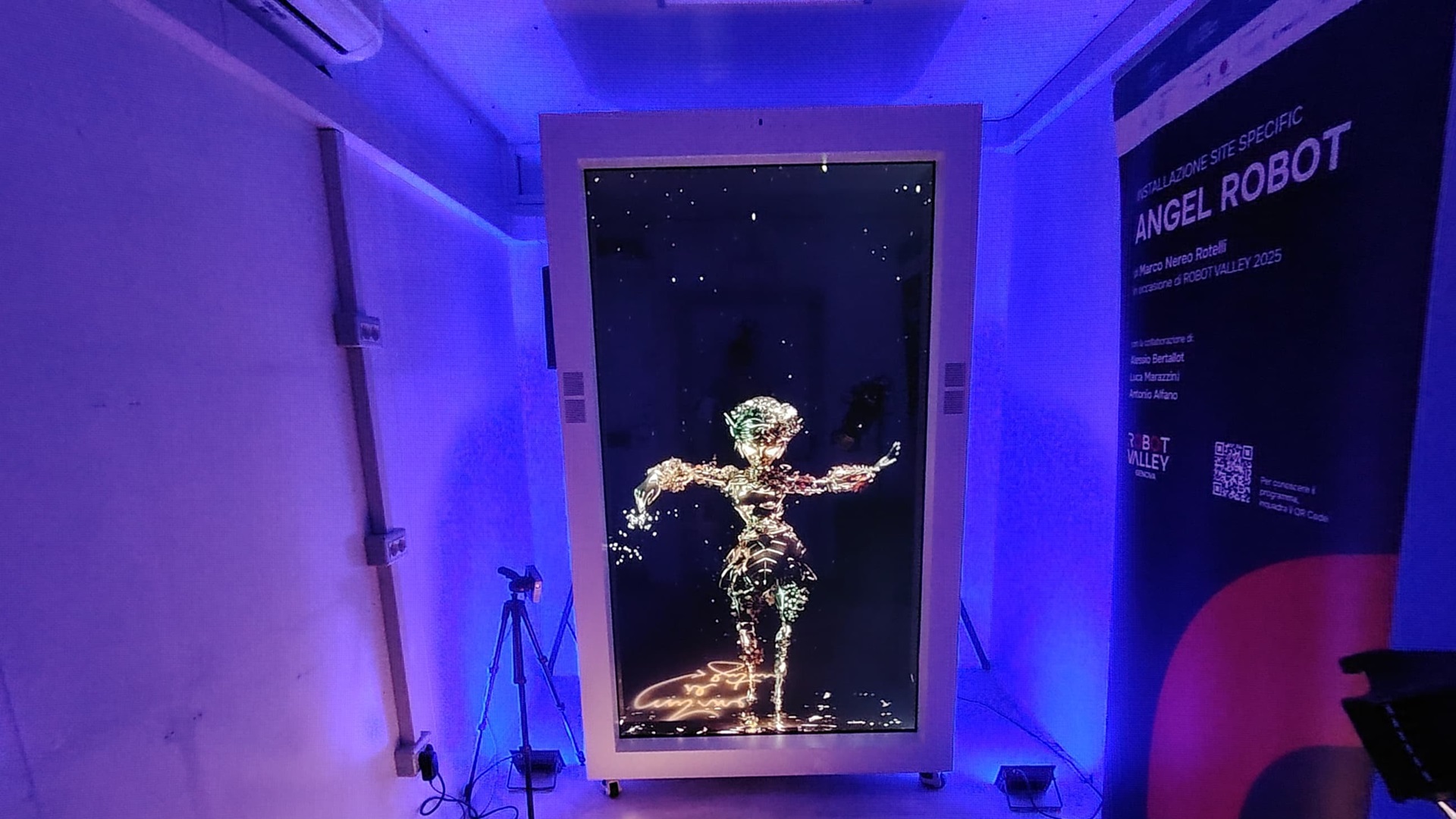
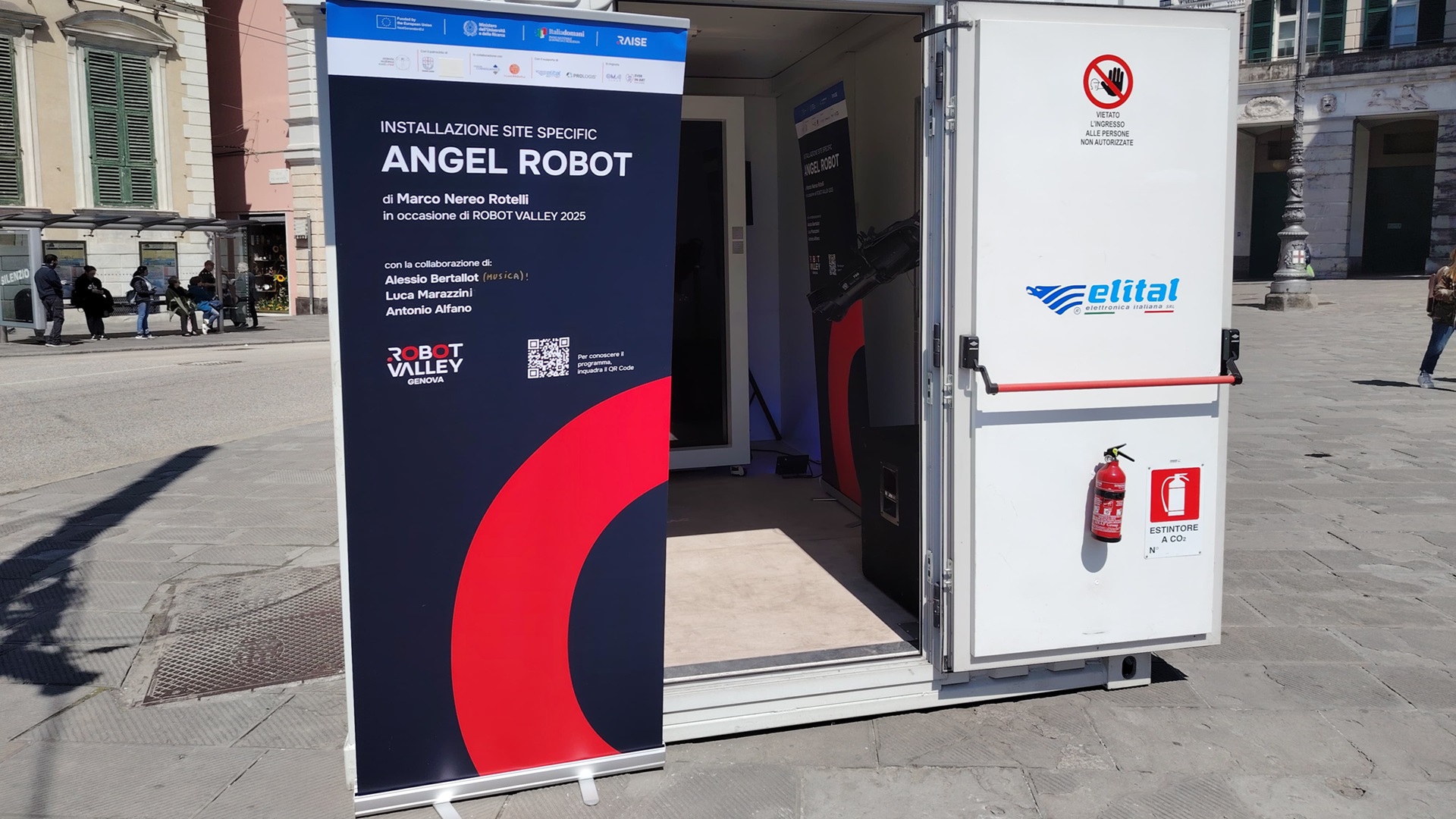
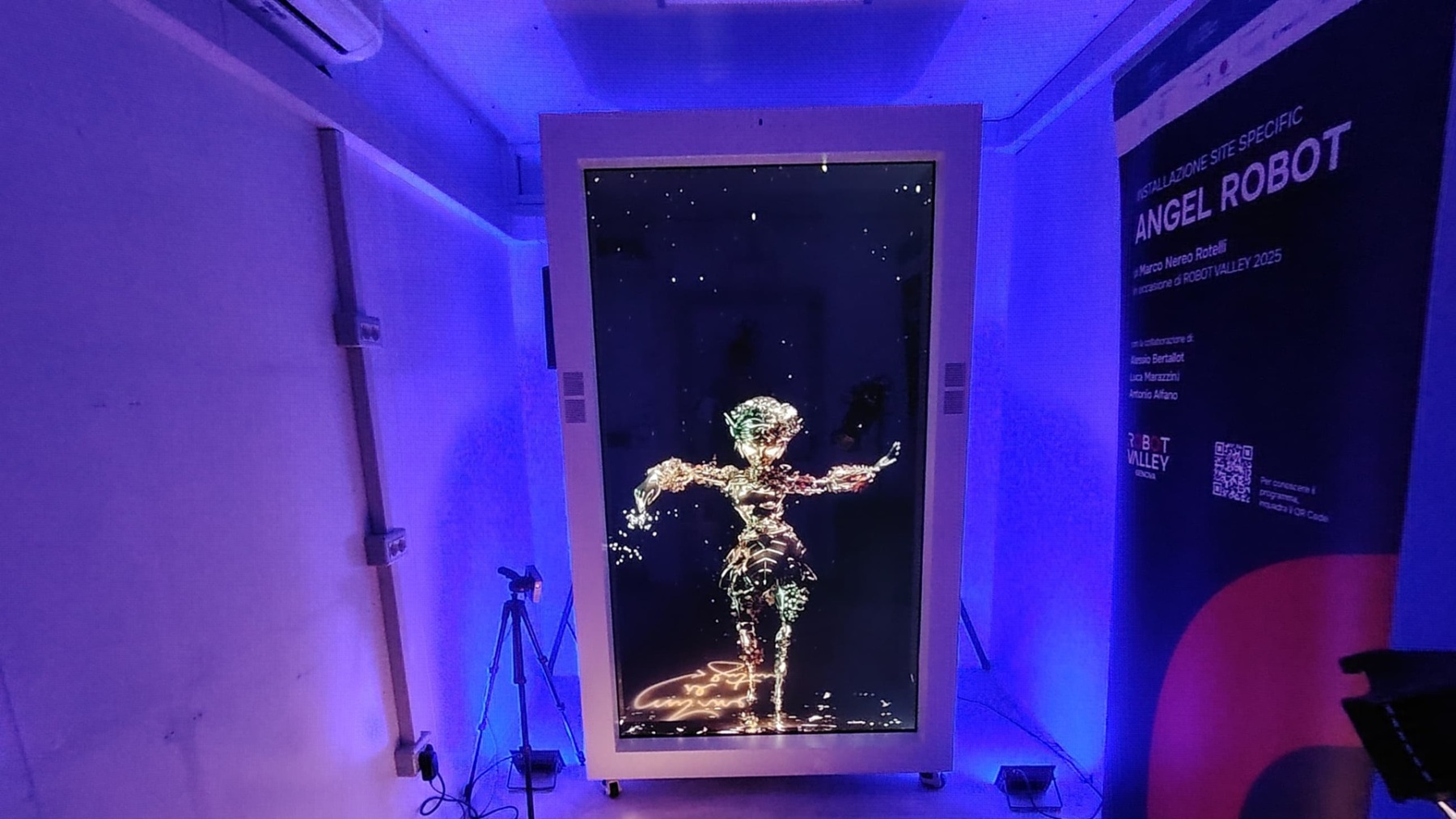
From April 10 to 16, 2025, Largo Sandro Pertini in Genoa was transformed into a space suspended between art and technology thanks to Angel Robot, one of the most evocative moments of the Robot Valley Genova 2025 program.

Created by artist Marco Nereo Rotelli, the installation took shape inside a special container produced by Elital, a company active in the design and production of components for the aerospace and aeronautics sectors. On the outside, the container appeared as a mysterious and industrial object; inside, however, something extraordinary happened.

Visitors entered an immersive environment where a hologram materialized: a moving mechanical figure, created in collaboration with digital designer Antonio Alfano, which seemed to take shape in real time before the audience’s eyes. Its name was Kalikazoo, a robotic angel that danced and invited reflection on the relationship between human beings and artificial intelligences.

The hologram didn’t just move — it spoke through poetry. Thanks to the collaboration with digital creative Luca Marazzina, Angel Robot offered verses generated by artificial intelligence systems, creating a bridge between poetic language and advanced technology. In this vision, the machine was not merely a tool, but a thinking heart, capable of expressing emotions and sparking thoughts.

As night fell, the installation gained an additional layer of meaning. In a rarefied blue light, verses by poet Edoardo Sanguineti — gifted in the past to Rotelli — were projected. The nighttime projection, curated directly by Rotelli, preserved the artist’s signature style, blending calligraphy, light, and motion into a poetic urban narrative.

Angel Robot was the result of a collective, multidisciplinary effort. The soundscape was created in collaboration with Alessio Bertallot, while overall coordination was entrusted to architect Elena Lombardi. The project was also made possible thanks to the contributions of Everinart, Fuoriscena for the lighting system, and Omai, curator of the digital box.

At a time when reflections on artificial intelligence are more relevant than ever, Angel Robot presented an artistic vision in which the human and the artificial did not oppose each other, but met. It was an invitation to imagine a future where technology does not erase poetry, but amplifies it — and where even a robot can be a messenger of beauty and understanding.

Robot Valley 2025 - L'arte comunica la scienza presentazione di Angel Robot

Robot Valley conquers Genoa: success for the second edition

The second edition of “Robot Valley. Robotics, Arts and People” attracted over 2.000 attendees. The event, organized by the RAISE project, once again engaged the Genoese public, offering opportunities for discussion and exploration around robotics, artificial intelligence, and emerging technologies.

Held from April 10 to 12, this year the event had the honor of being selected by the Ministry of Enterprises and Made in Italy (MIMIT) as an official event for the National Made in Italy Day, celebrated annually on April 15—a prestigious recognition that confirms its importance in the landscape of Italian technological and cultural excellence.

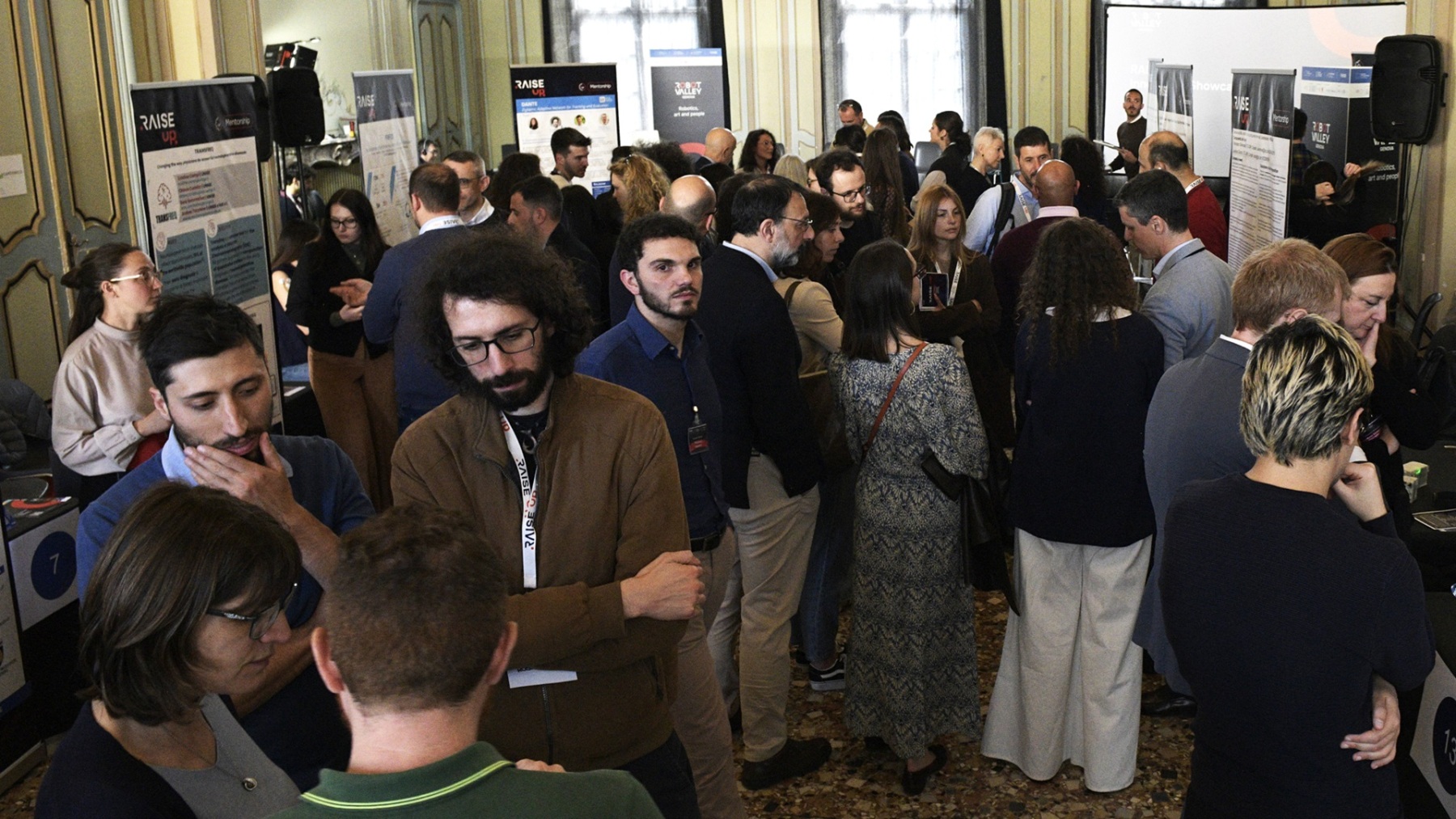
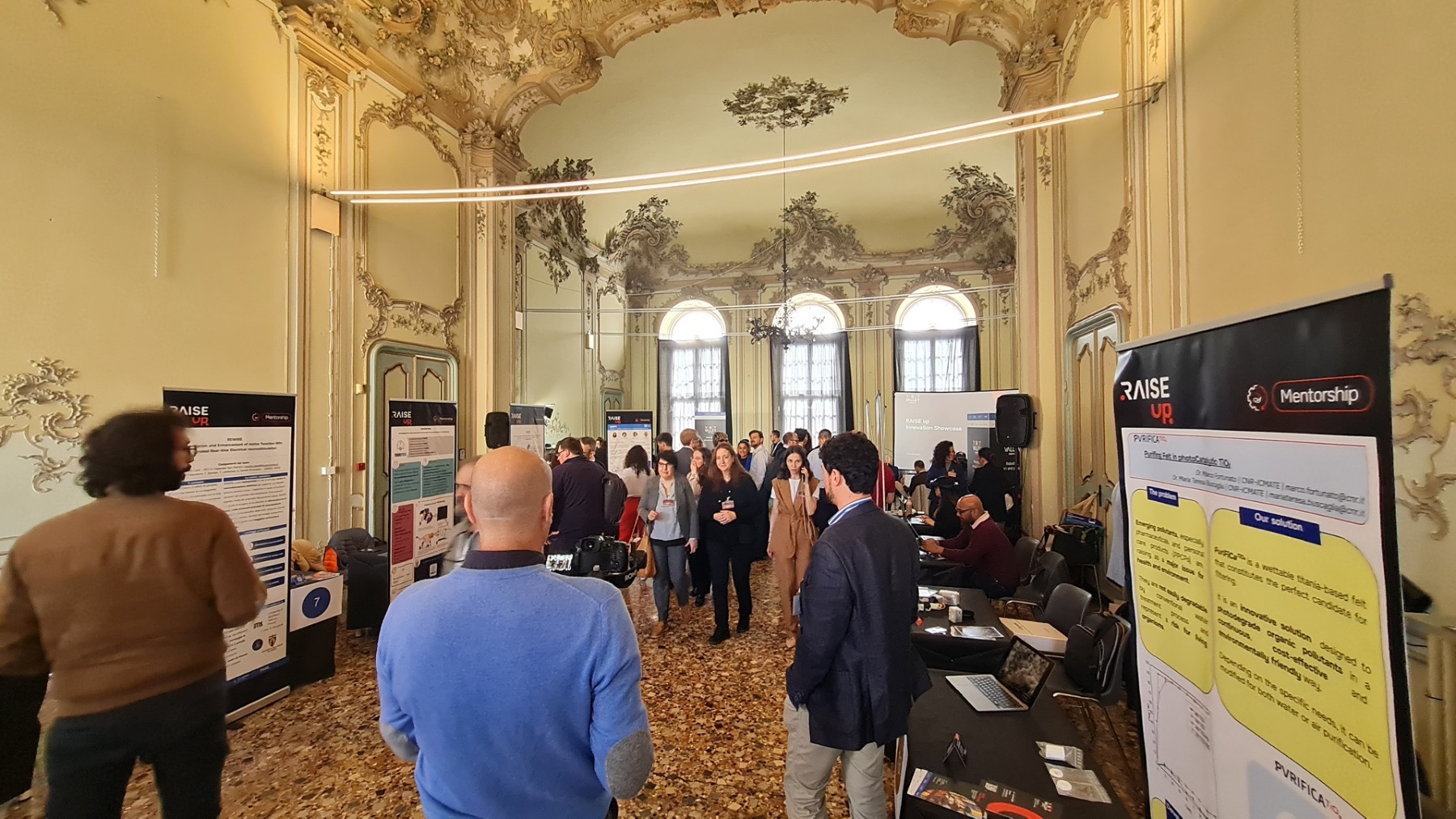
Once again, the venue was Villa Durazzo Bombrini in Cornigliano, the cultural hub of Genoa’s western district, which for three days was animated with talks, robotic demonstrations, interactive workshops, scientific update sessions, guidance activities, meetings with institutions and innovation experts, and the Innovation Showcase organized as part of the RAISE up mentorship program. This showcase offered a high-profile platform for 13 selected technologies to present themselves to entrepreneurs and businesses with potential interest.

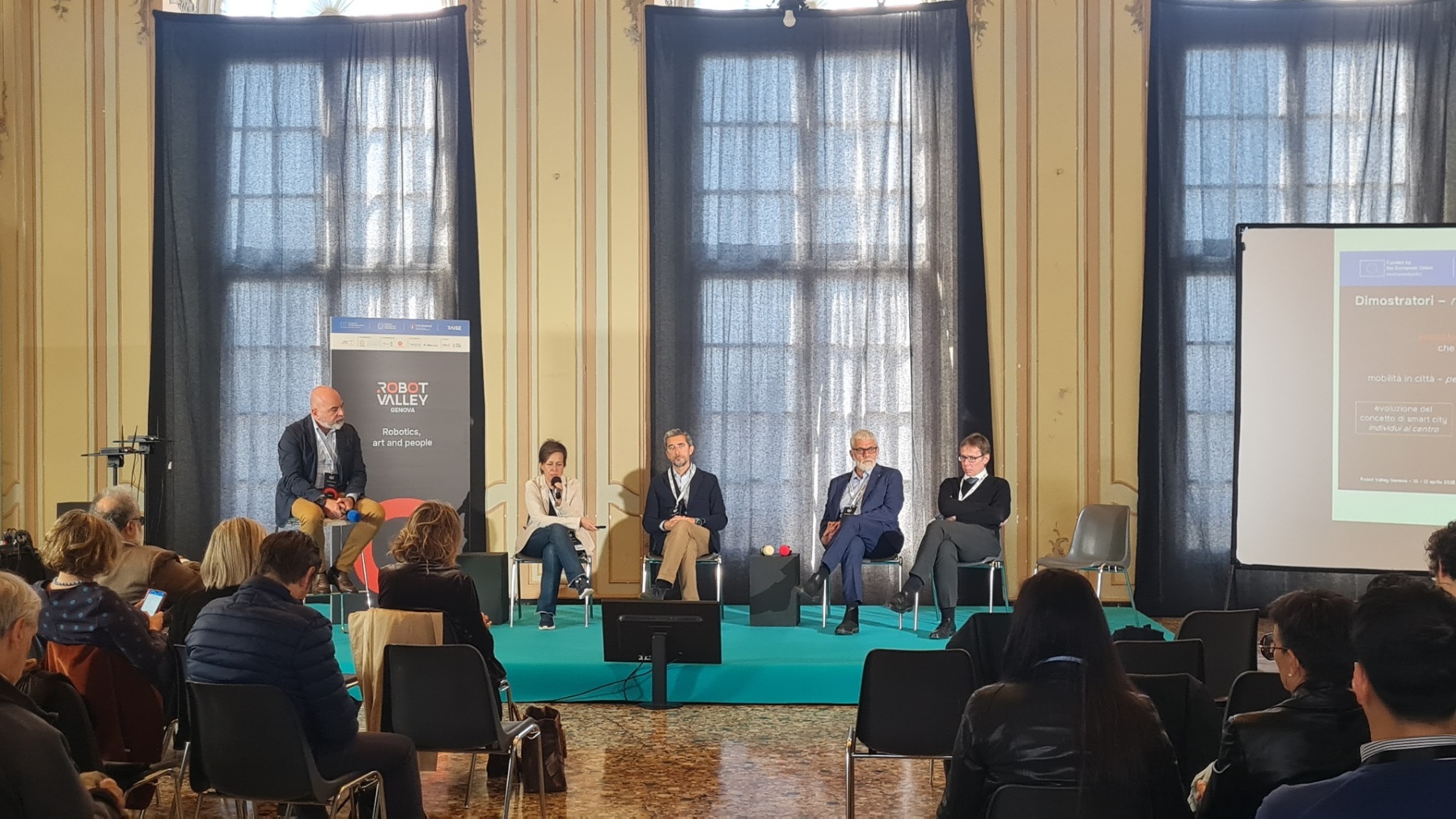
In addition to highlighting the goals and progress of the various RAISE project “Spokes” through 13 events including roundtables and talks, the “Robot Valley” program also featured a strong artistic component, once again exploring the connections between new technologies and the languages and forms of art.

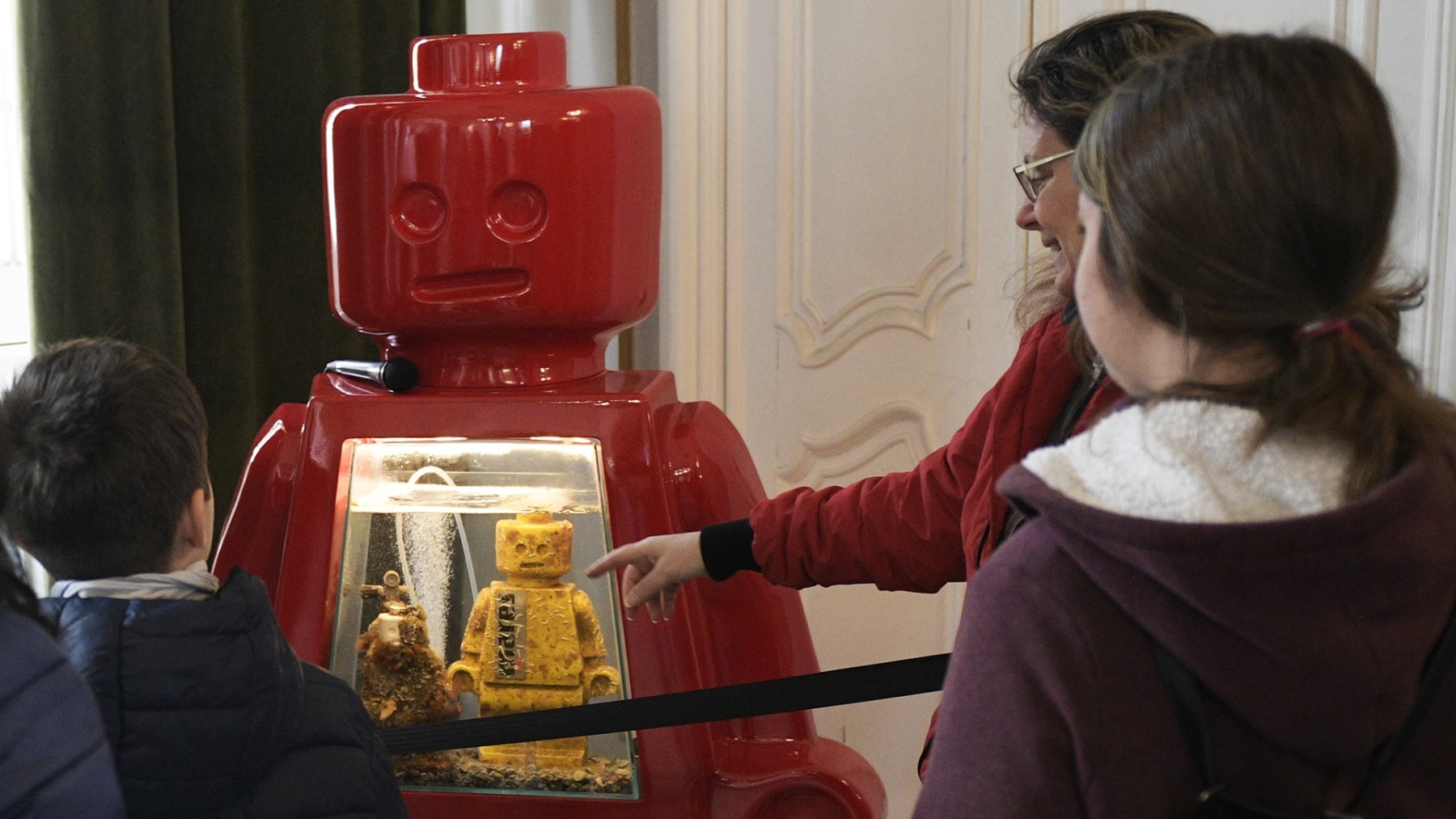
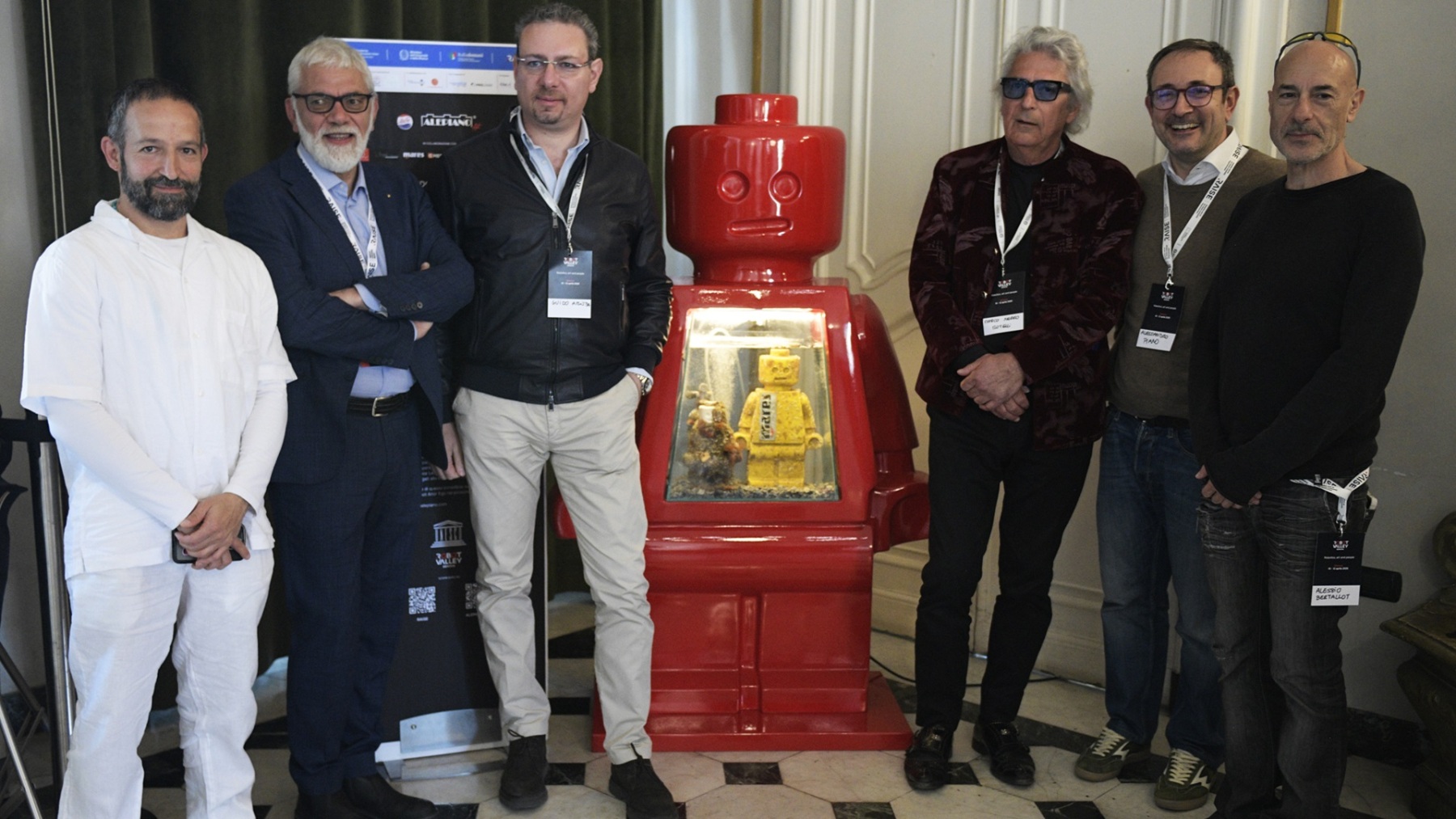
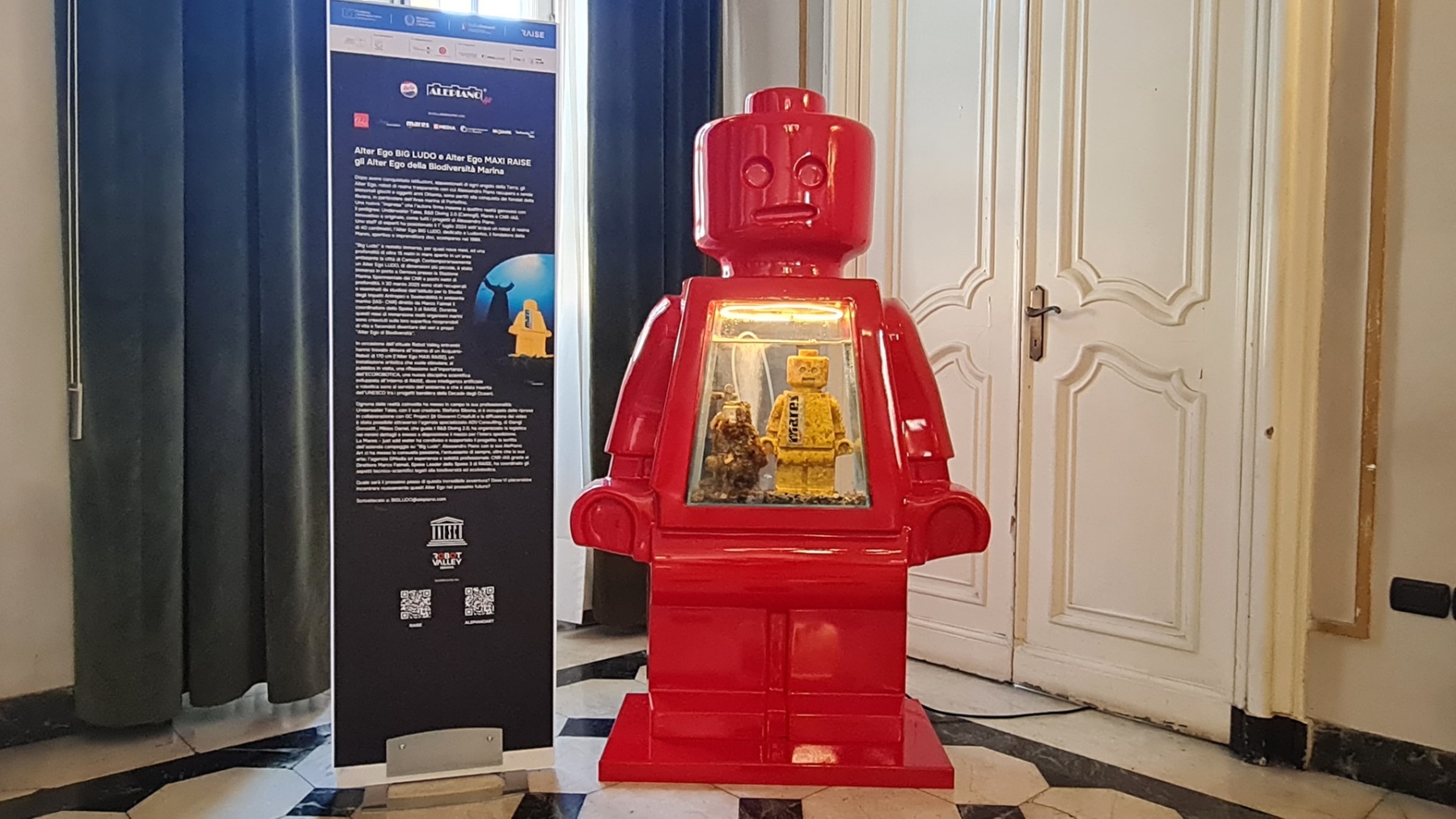
Genoese artist Alessandro Piano created a special installation for the event titled “Alter Ego Maxi RAISE”, a fiberglass sculpture with a hollow body housing a small saltwater aquarium. The aquarium, in turn, contained Alter Ego BIG LUDO, a “daughter” sculpture retrieved and displayed after spending 9 months at sea, its surface bearing various microorganisms as evidence of life in submerged environments. Another highlight was “Angel Robot”, a holographic installation by Venetian artist Marco Nereo Rotelli in collaboration with digital designer Antonio Alfano. Located in a container provided by the Elital group and installed in Genoa’s central Largo Pertini, the immersive experience showcased a graceful “mechanical angel” that conveyed, with expressive power, the importance of fostering a relationship between humans and machines. Visitors were also offered short poems generated by AI, inspired by the words and themes of Genoese poet Edoardo Sanguineti – providing a further reflection on how the fusion of different artistic languages can open new interpretative paths when applied to the world of technology.

The digital photography exhibition “Raise the Future” was also hosted at Villa Bombrini. Co-created with Artificial Intelligence by the National Research Council (CNR) in collaboration with the RAISE Communications Team, the impactful images immediately conveyed the research and technology transfer activities initiated by the project, illustrating inclusive and sustainable scenarios of a future in which robotics and AI collaborate in various human activities and contribute to improving quality of life and the environment.

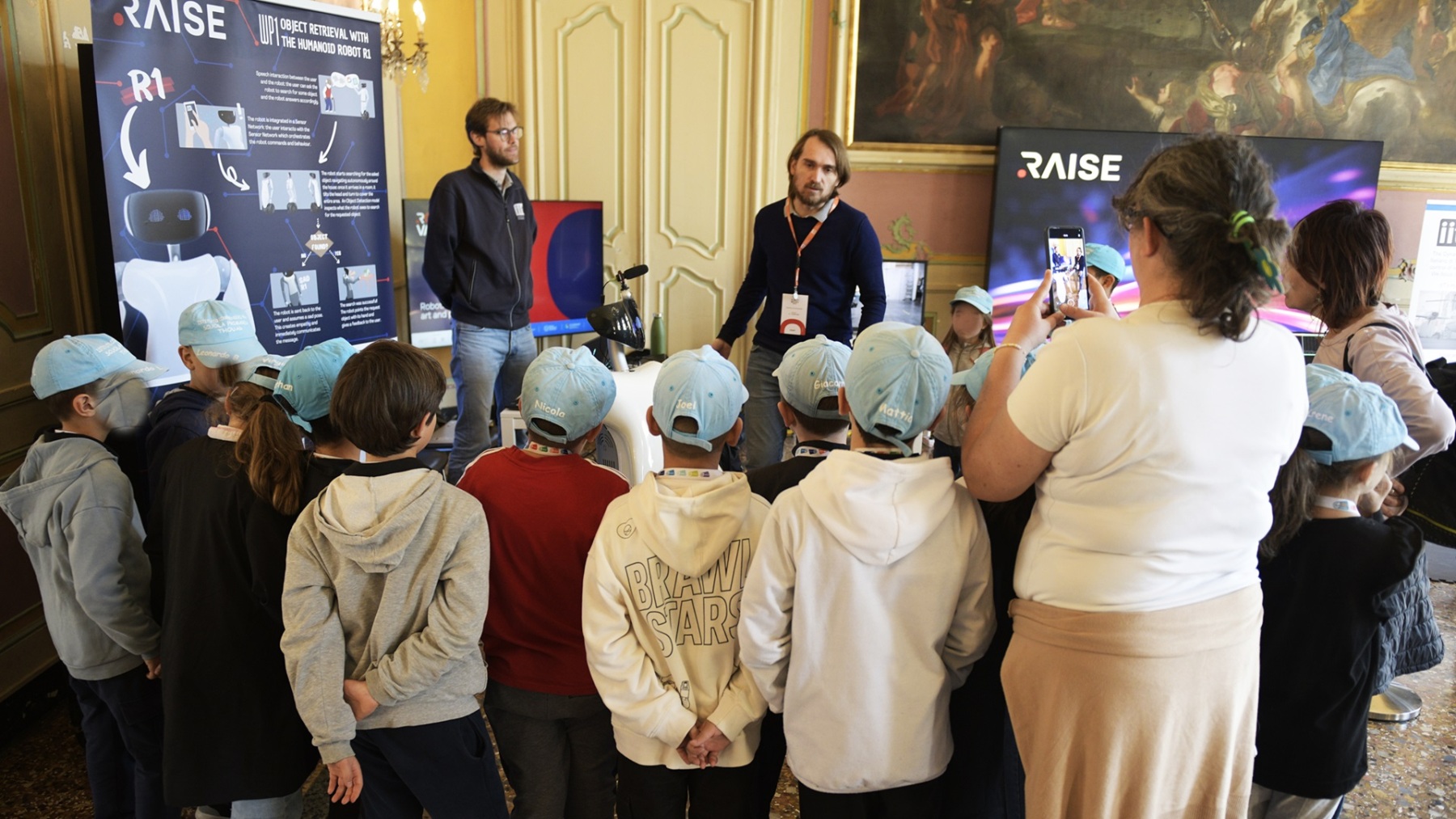
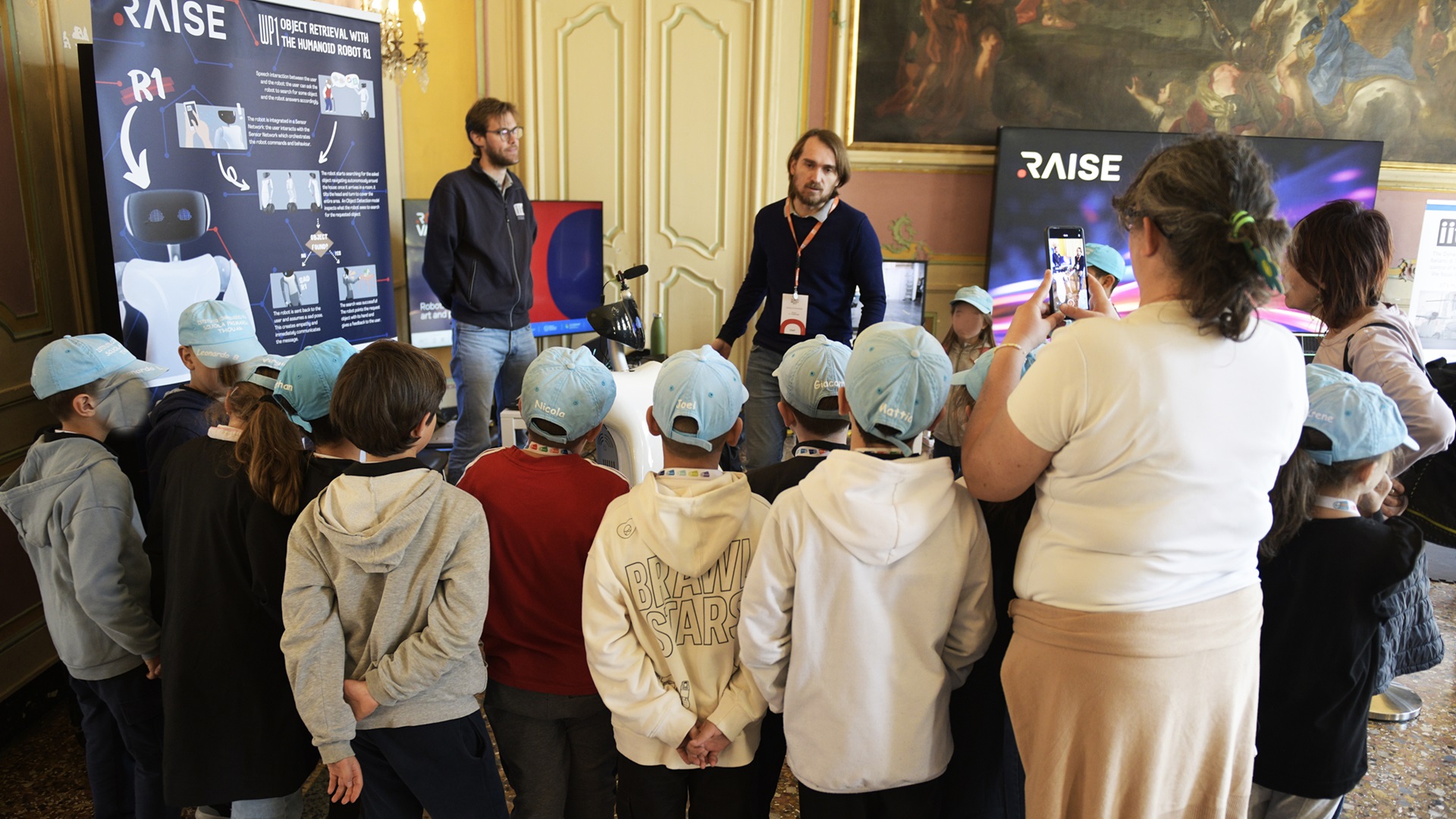
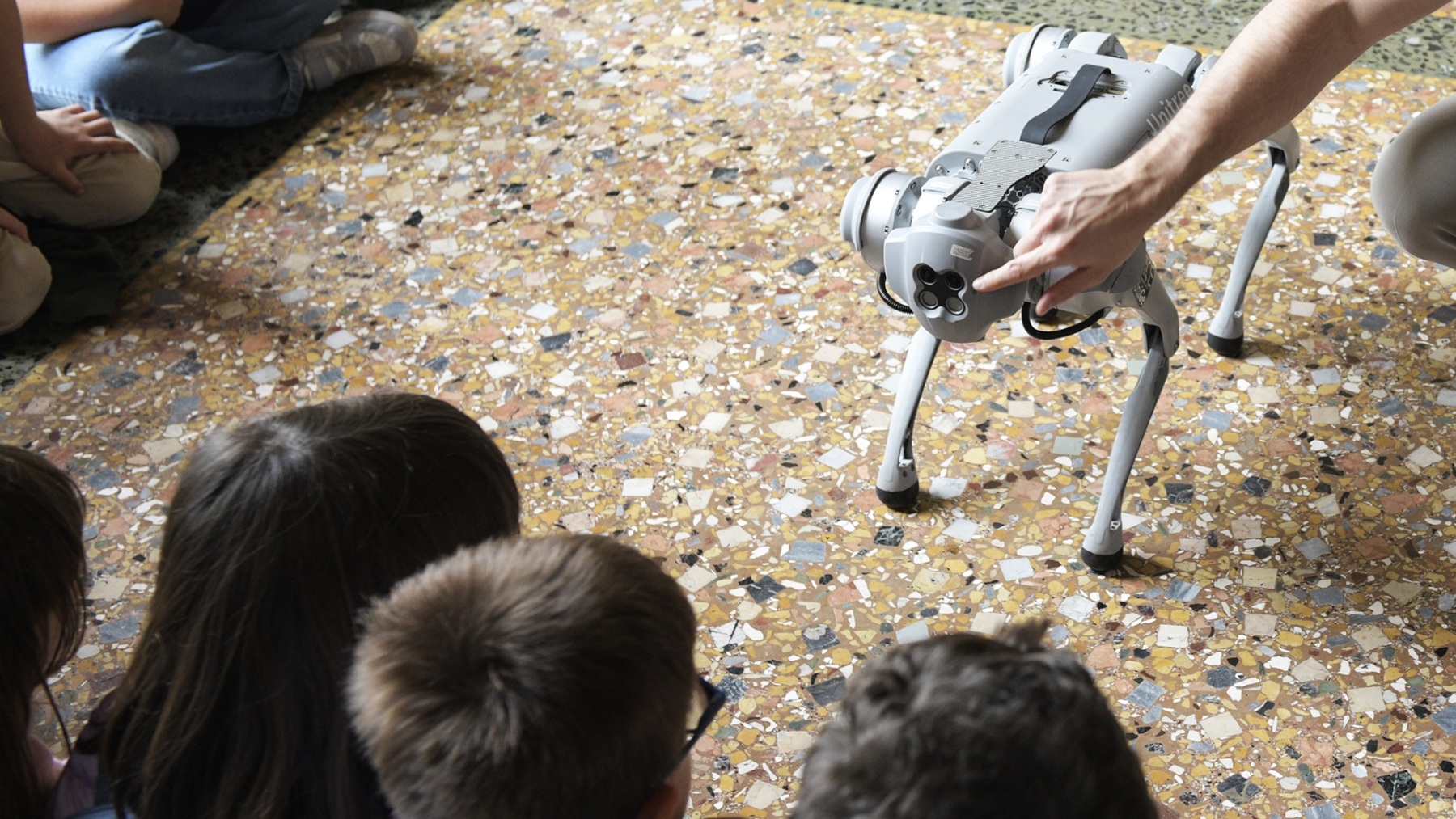
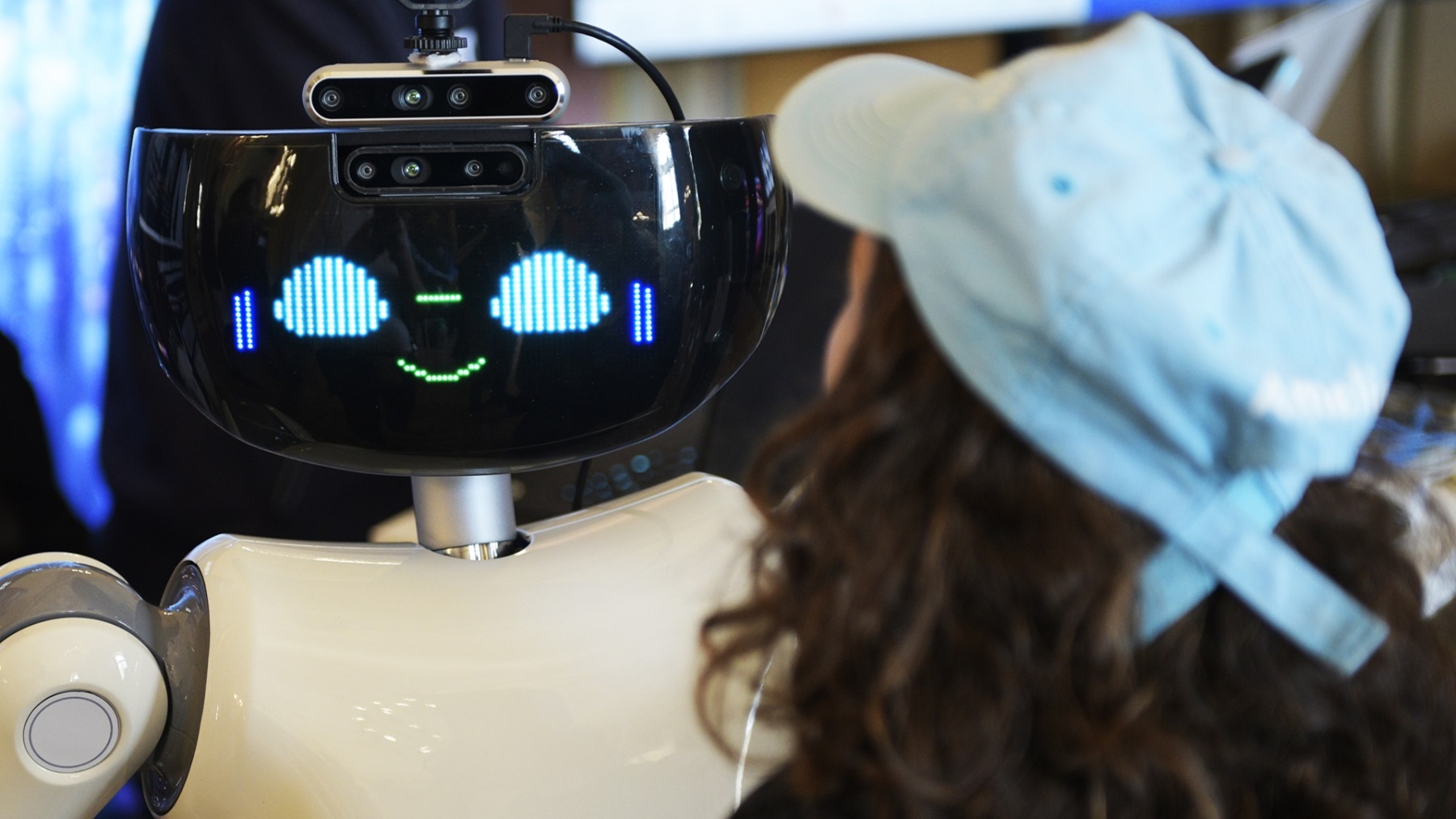
“With over 800 visitors, the robotic demos also attracted great interest: representatives from the research teams of the Italian Institute of Technology and the University of Genoa took turns in front of the public, explaining the operating principles, applications, objectives, and future developments of various robots. In particular, the RICE group from Dibris (University of Genoa) presented the social robots Buddy and Navel – currently used primarily in schools and for interacting with children – and Pepper, a social assistive robot that will soon be part of a trial in the geriatrics ward of San Martino Hospital in Genoa. They also showcased the quadruped robots Spot (developed in collaboration with Boston Dynamics) and Go1 Unitree, already in use for monitoring and “search and rescue” operations in high-risk areas. The Italian Institute of Technology, on the other hand, presented the social assistive robot R1 and a new robotic platform for the automatic collection of small litter, particularly cigarette butts, called VERO”.

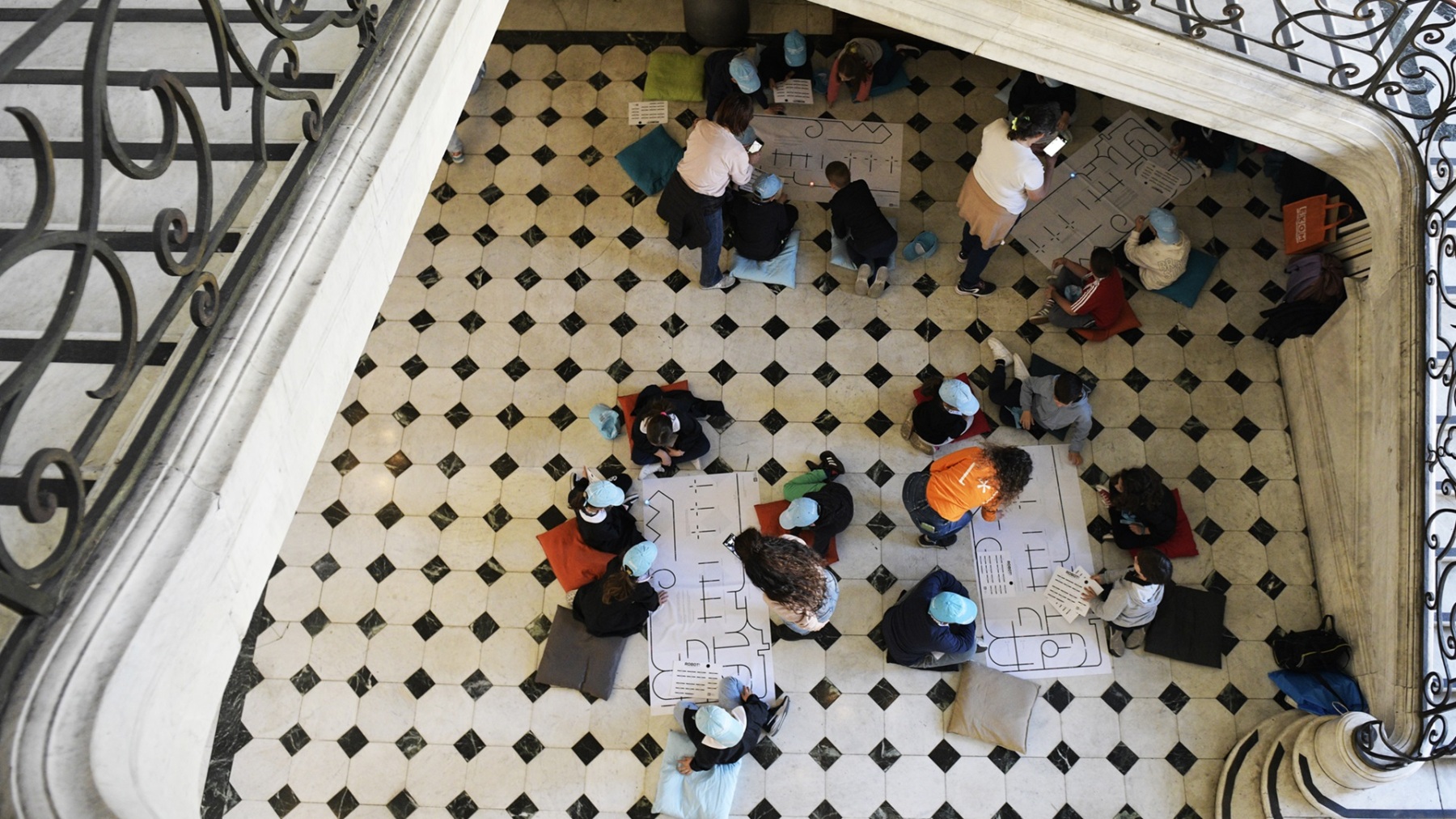
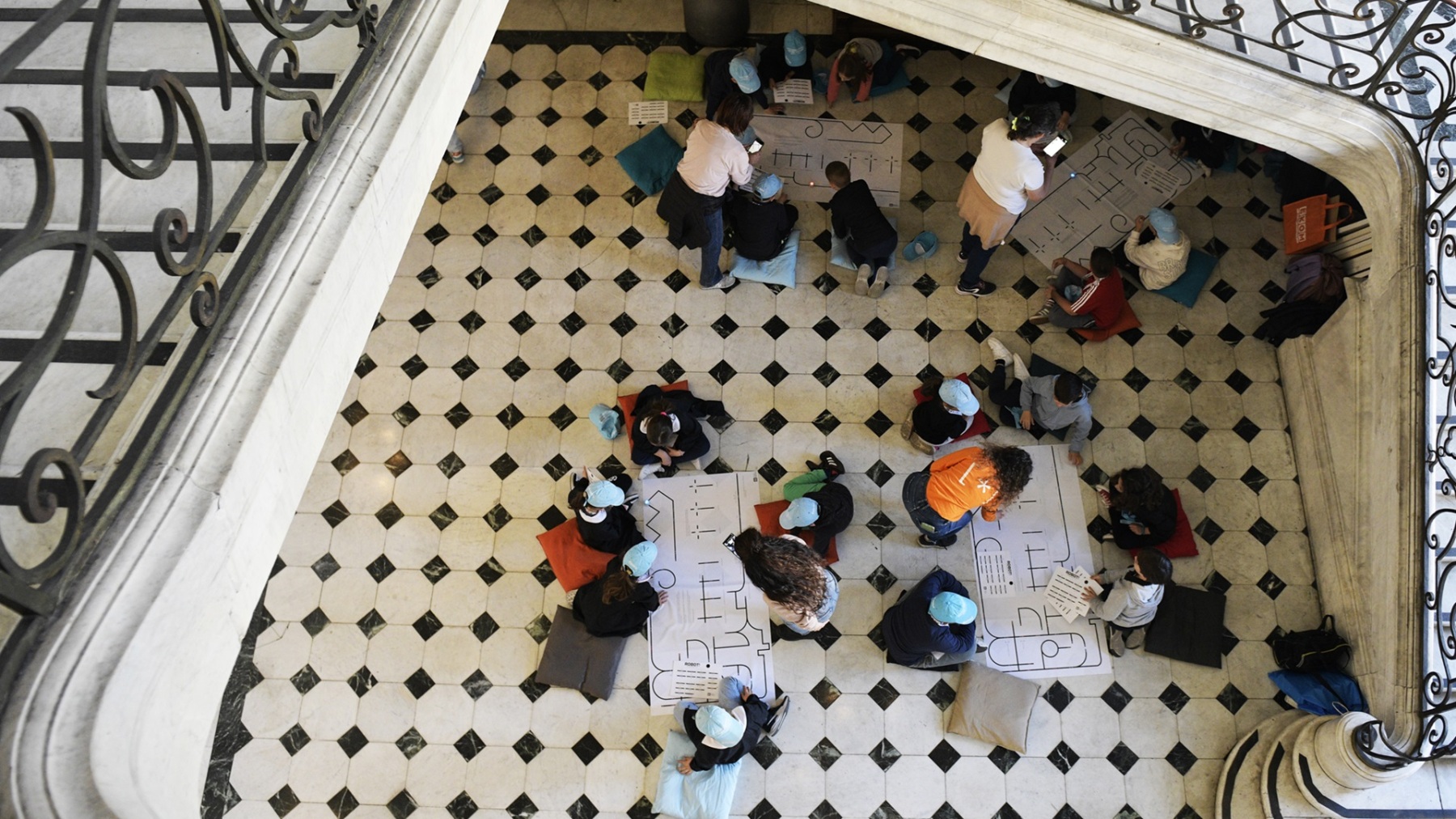
Finally, there was a wide range of educational workshops aimed at schools, organized by the Science Festival Association in collaboration with the School of Robotics and the CNR Institute for Educational Technologies, registering a total of 680 attendees. The workshops included:
– “Programming is Child’s Play!” (by the Italian Institute of Technology);
– “Robo-sport: Let’s Program Champion Robots Together!” (by the School of Robotics in collaboration with CampuStore);
– “FantasIA: From Words to Artificial Imagination” (by CNR – Institute for Educational Technologies);
– “Algorithms and Digital Snakes: Discovering Reinforcement Learning” (by MaLGa Machine Learning Genoa Center, University of Genoa – Department of Civil, Chemical, and Environmental Engineering);
– “Co-creating with Artificial Intelligence: The New Frontier of Images and Art” (by CNR – Institute for Educational Technologies).

“Programming the Future”: an afternoon at Villa Durazzo Bombrini focused on education and the professions of tomorrow

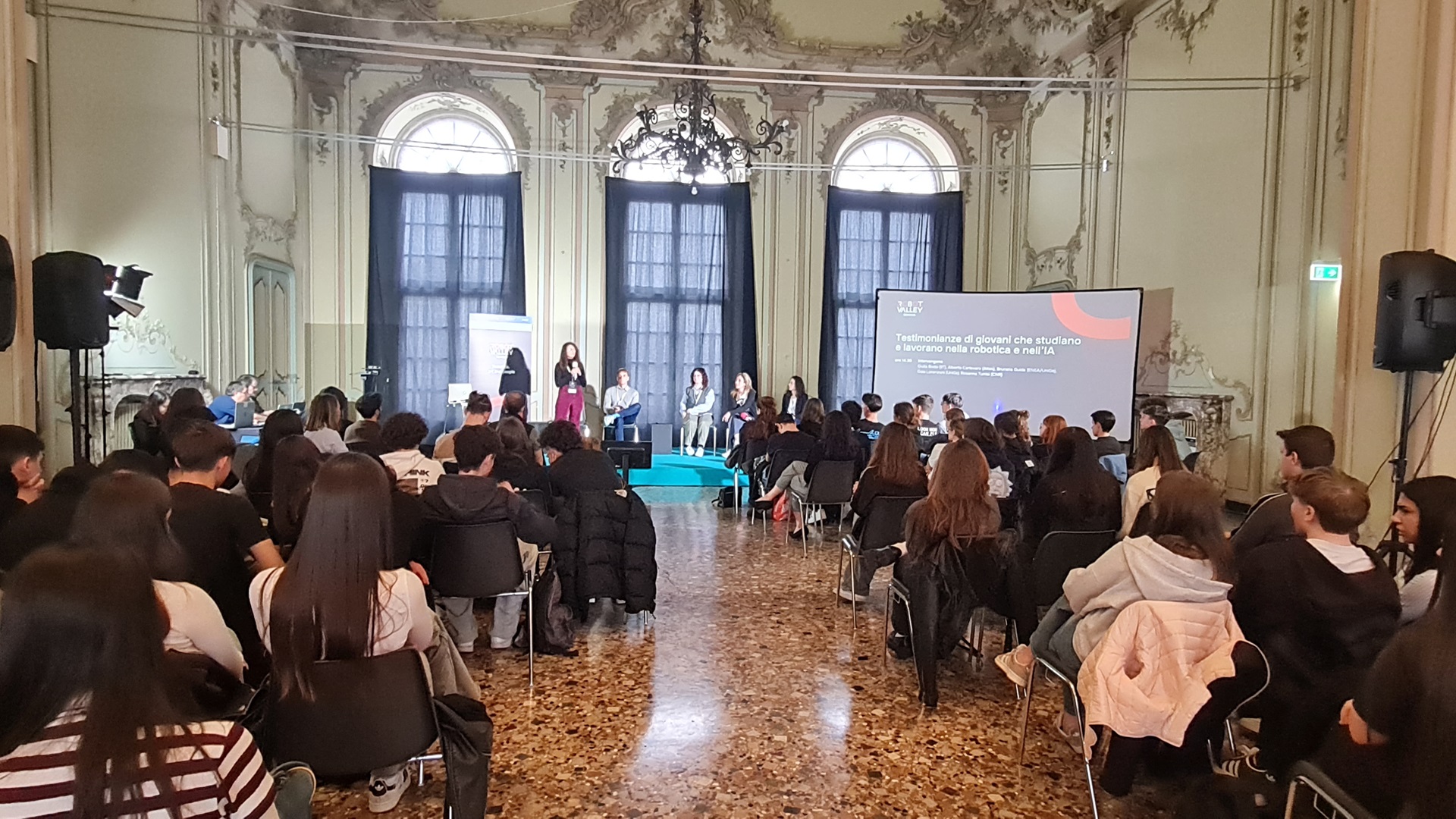
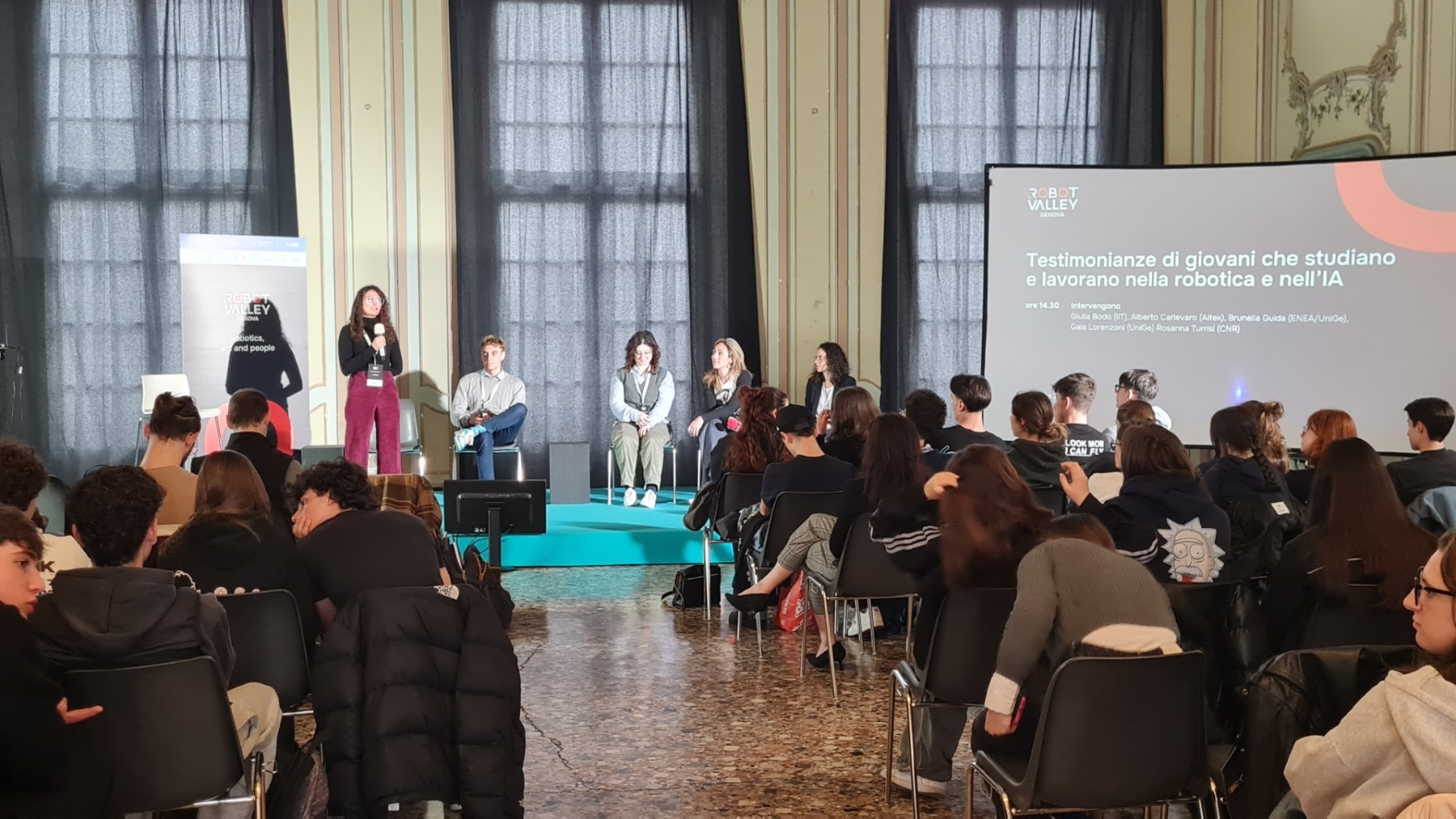
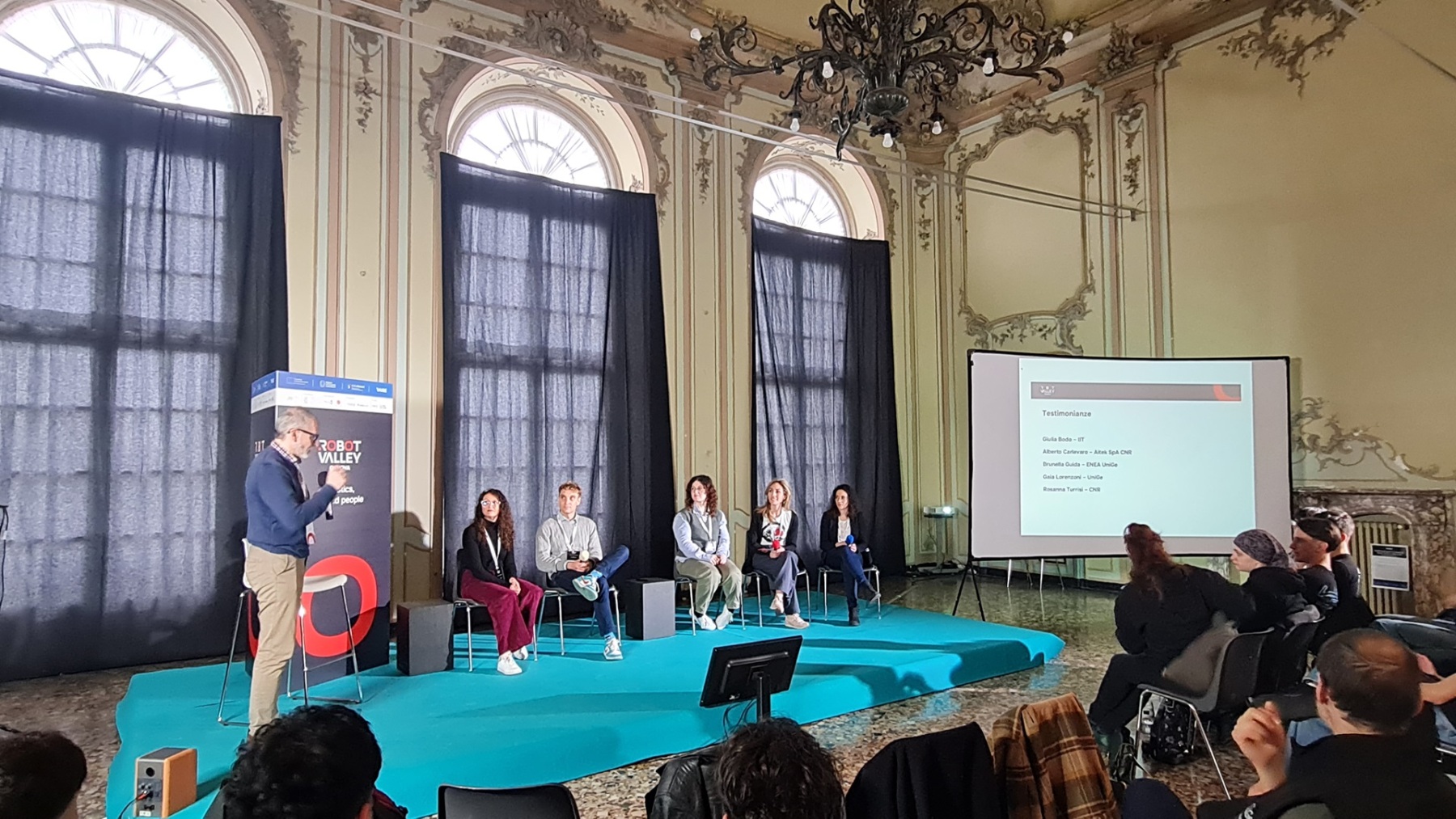
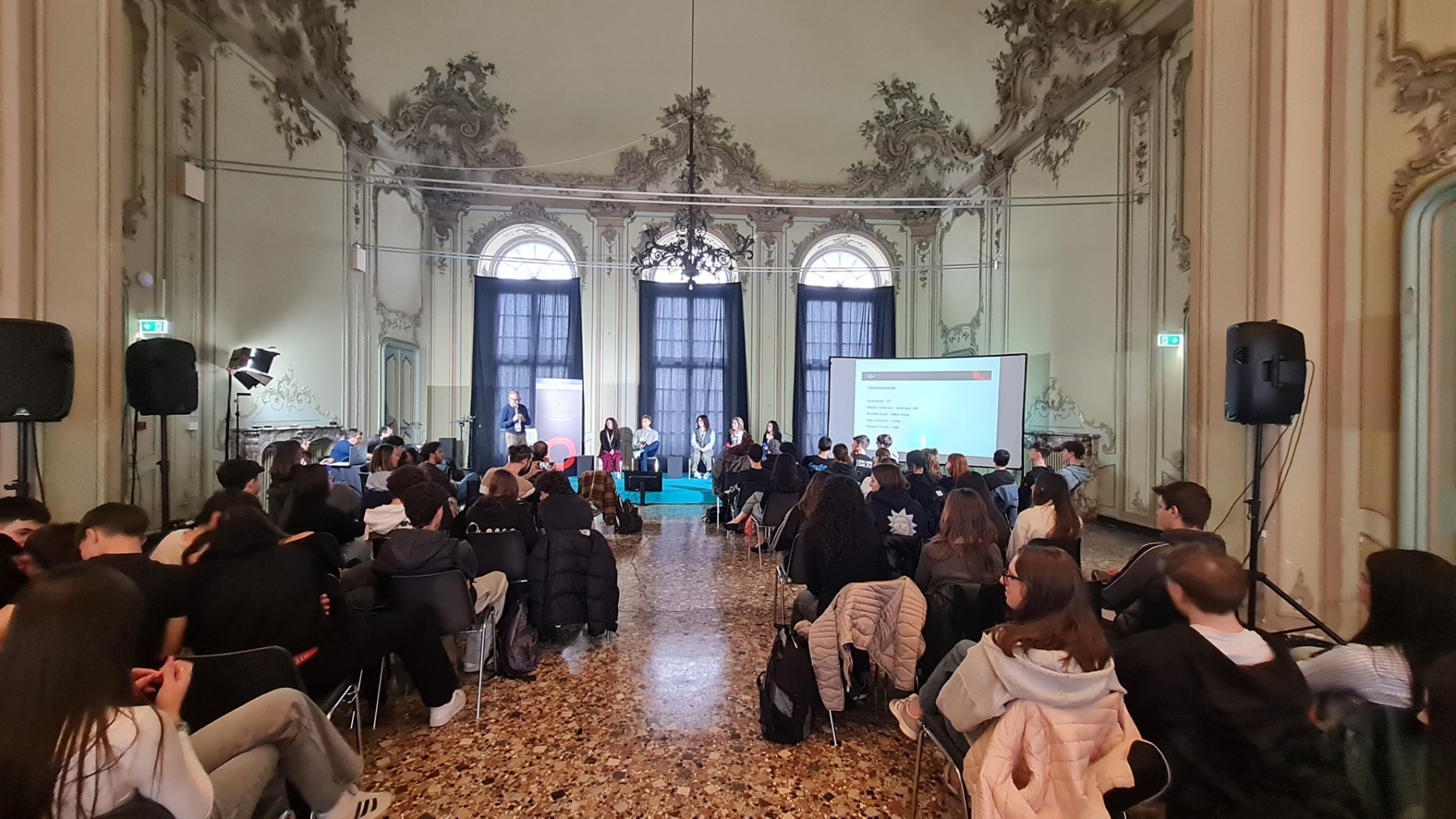
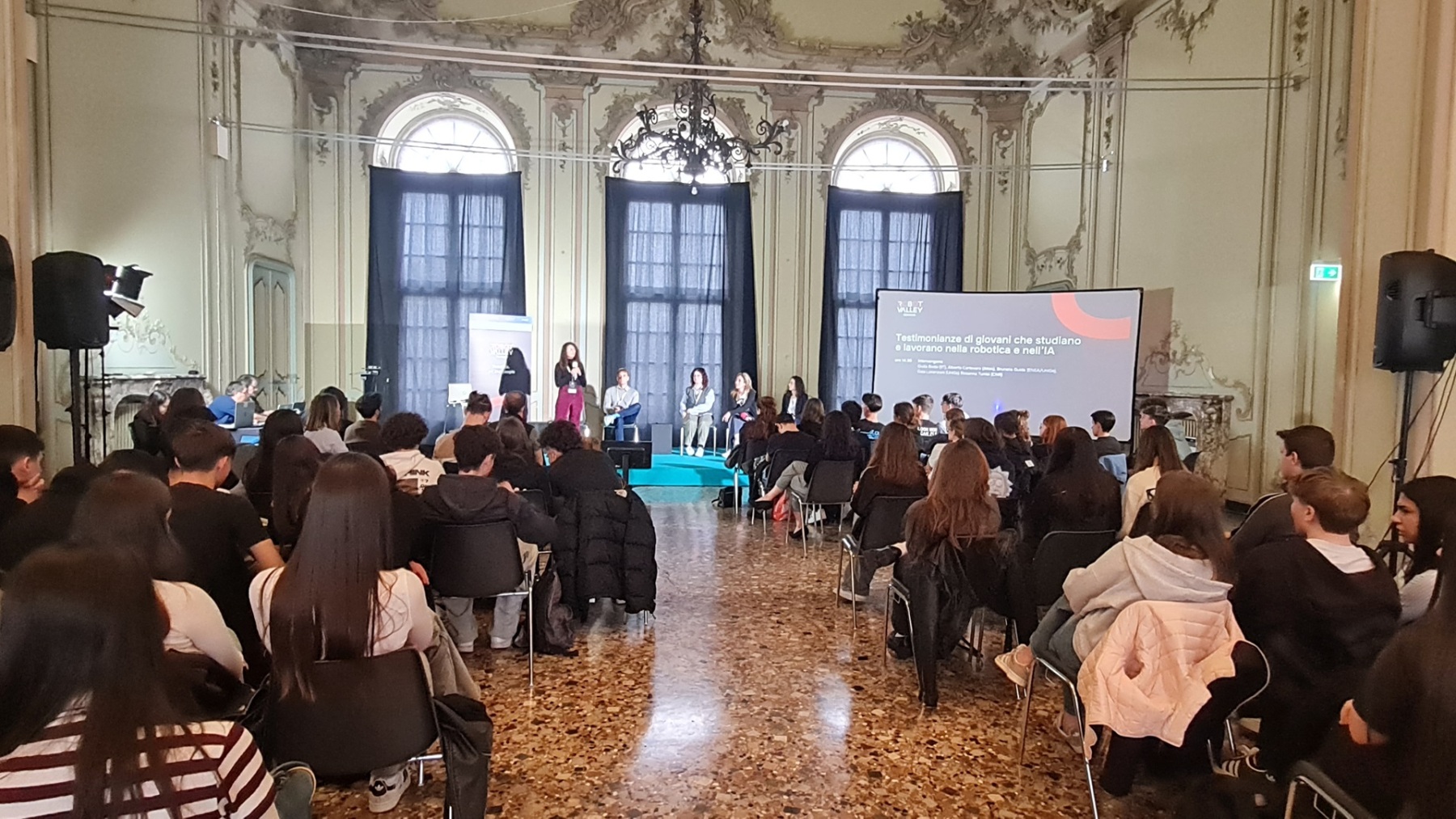
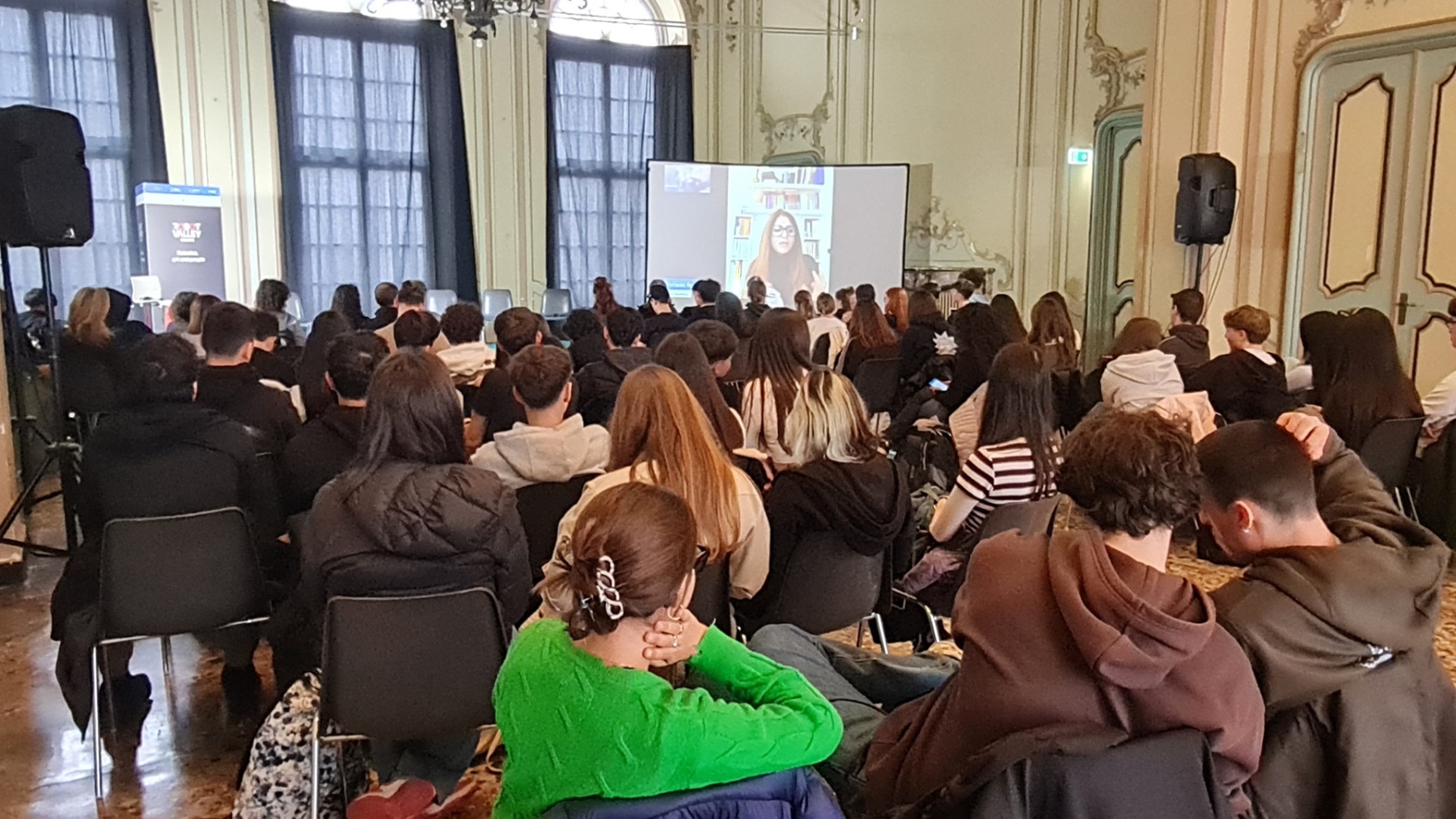
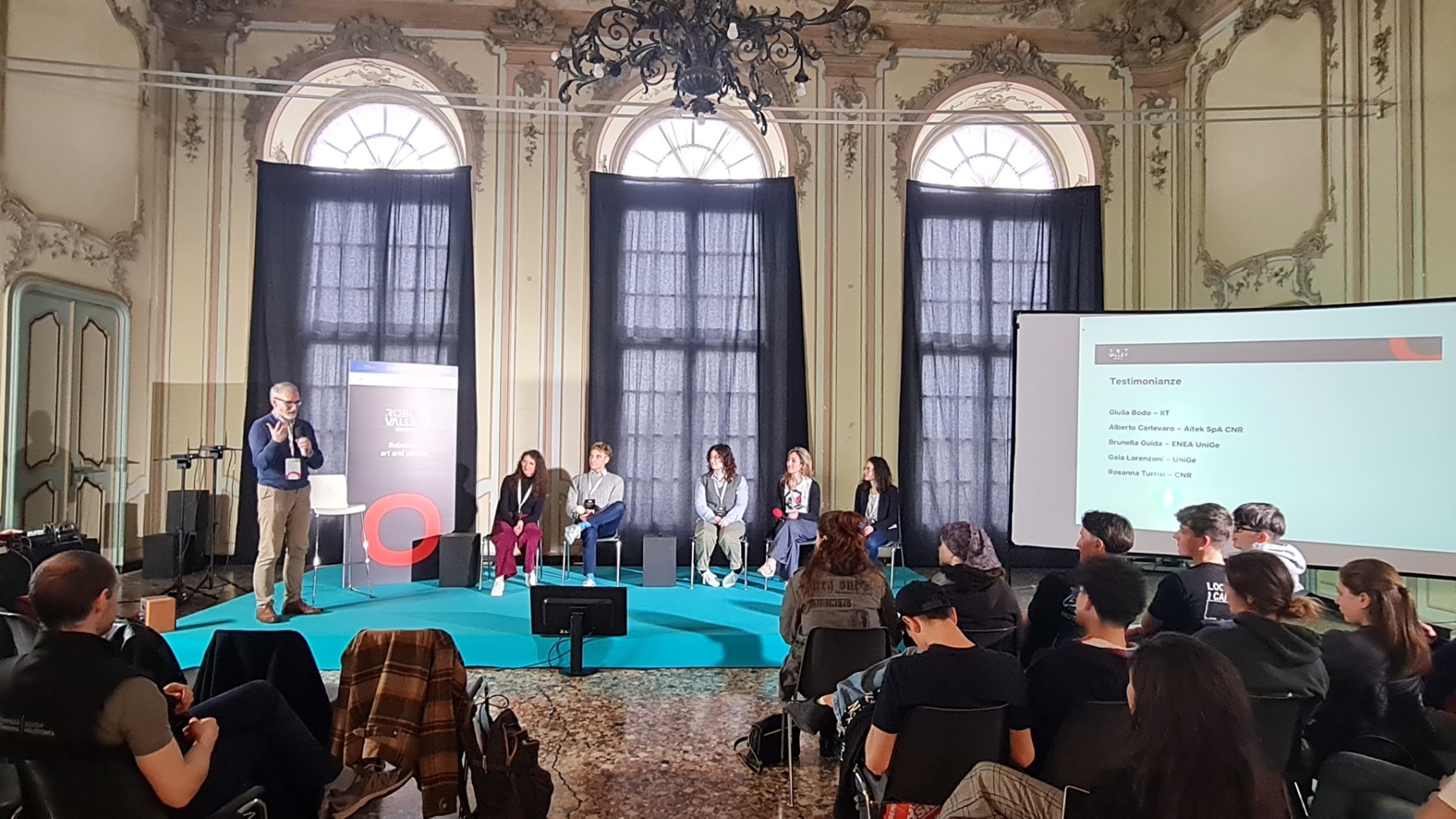
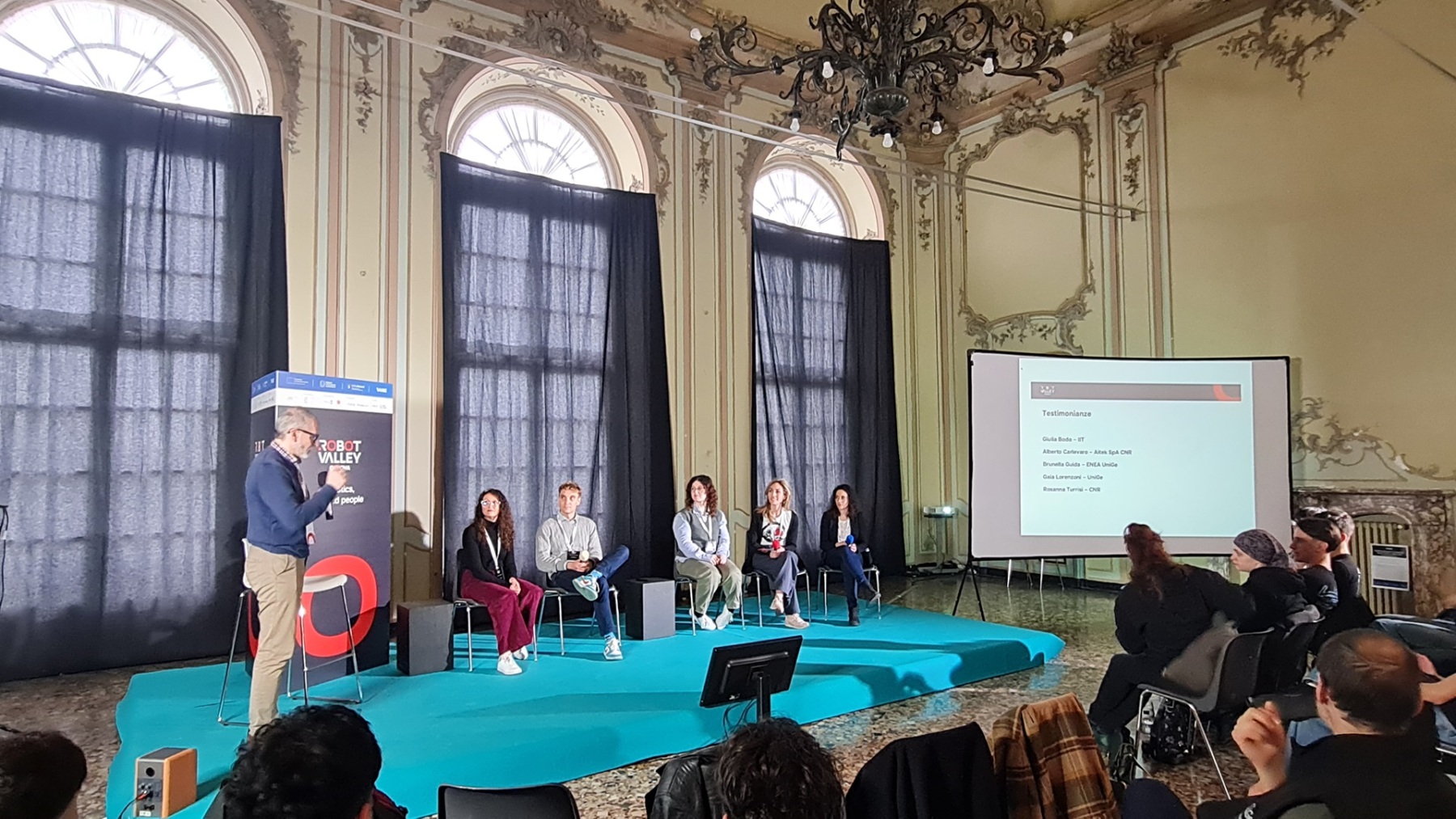
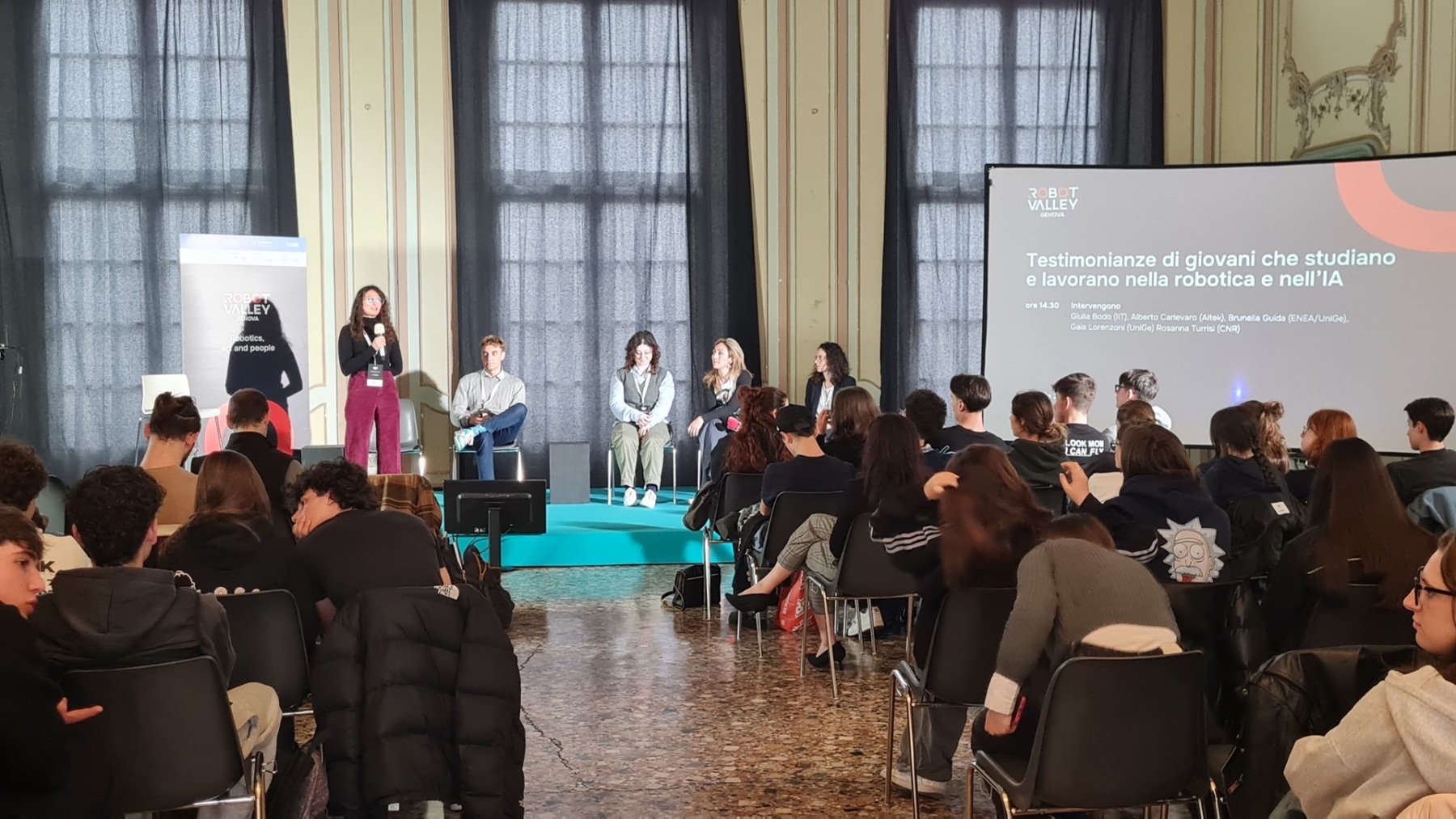
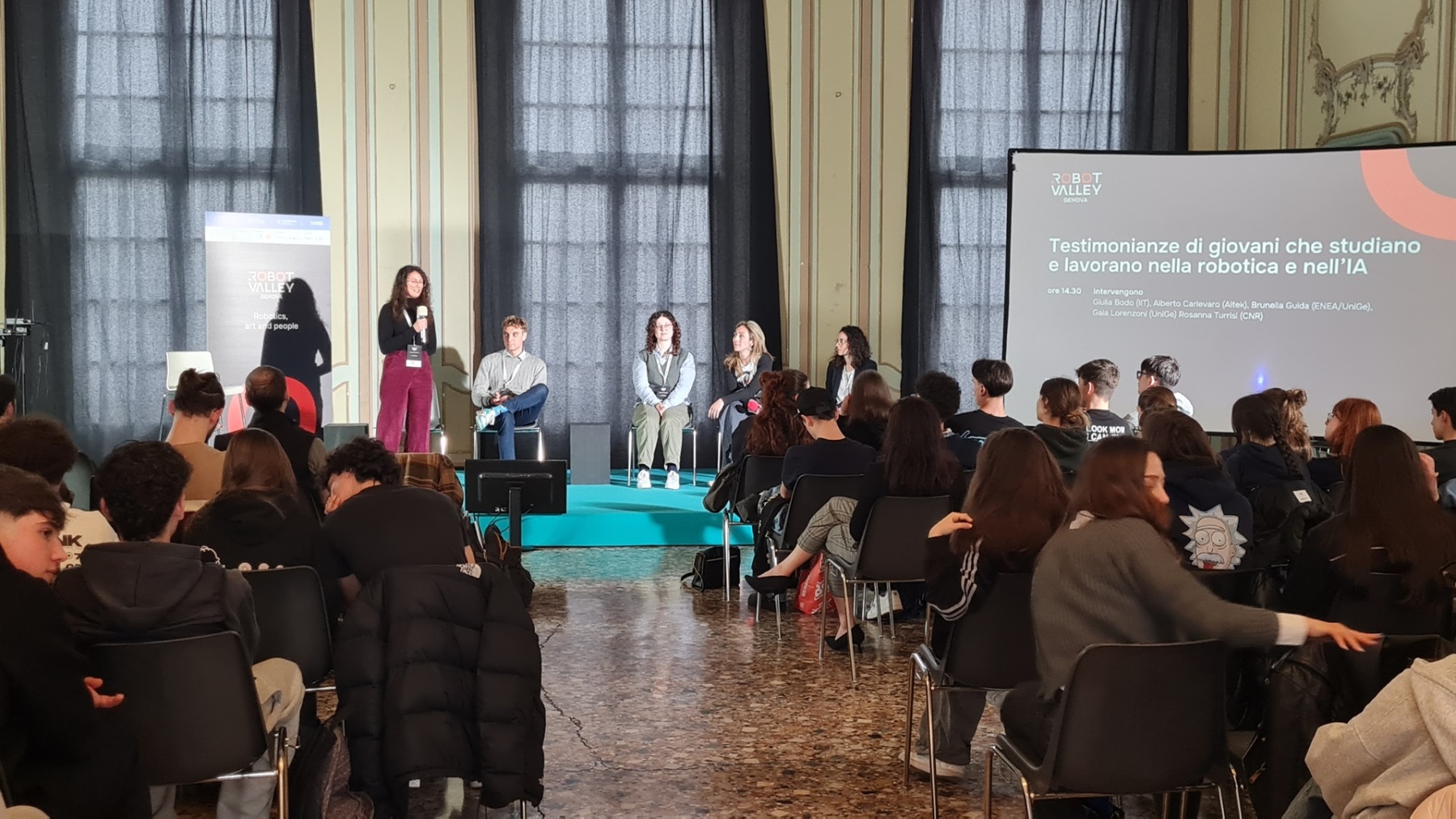
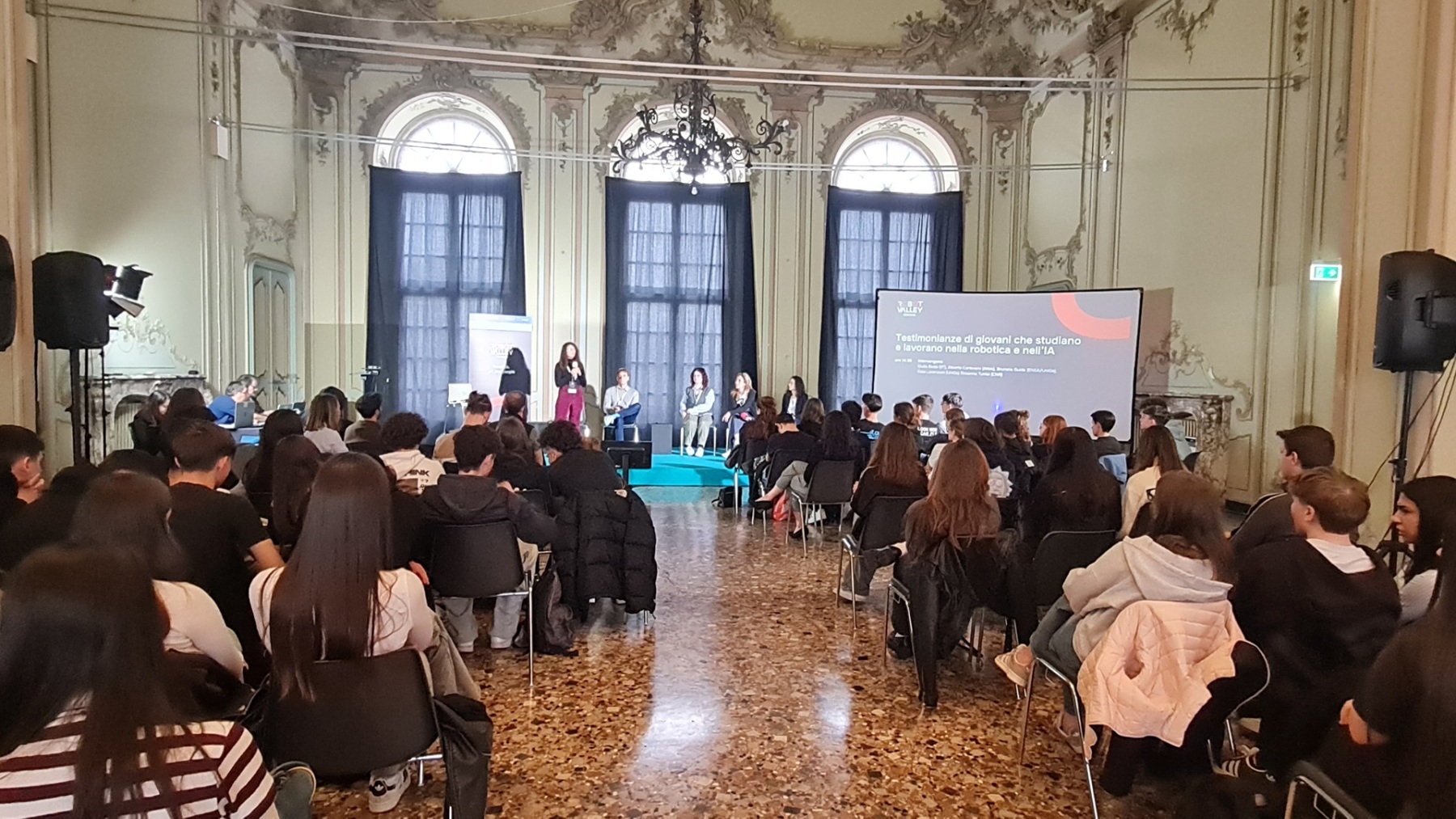
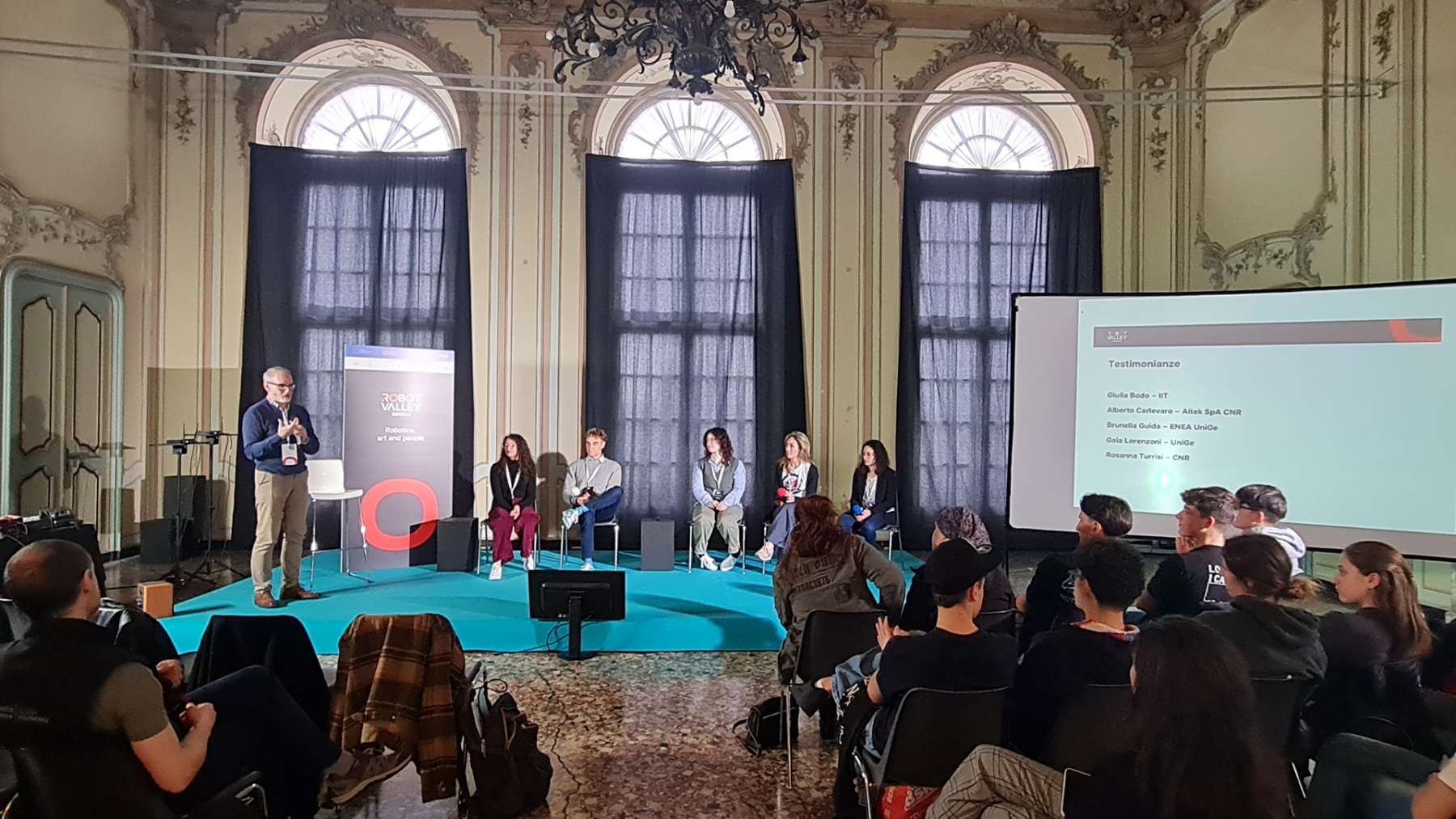
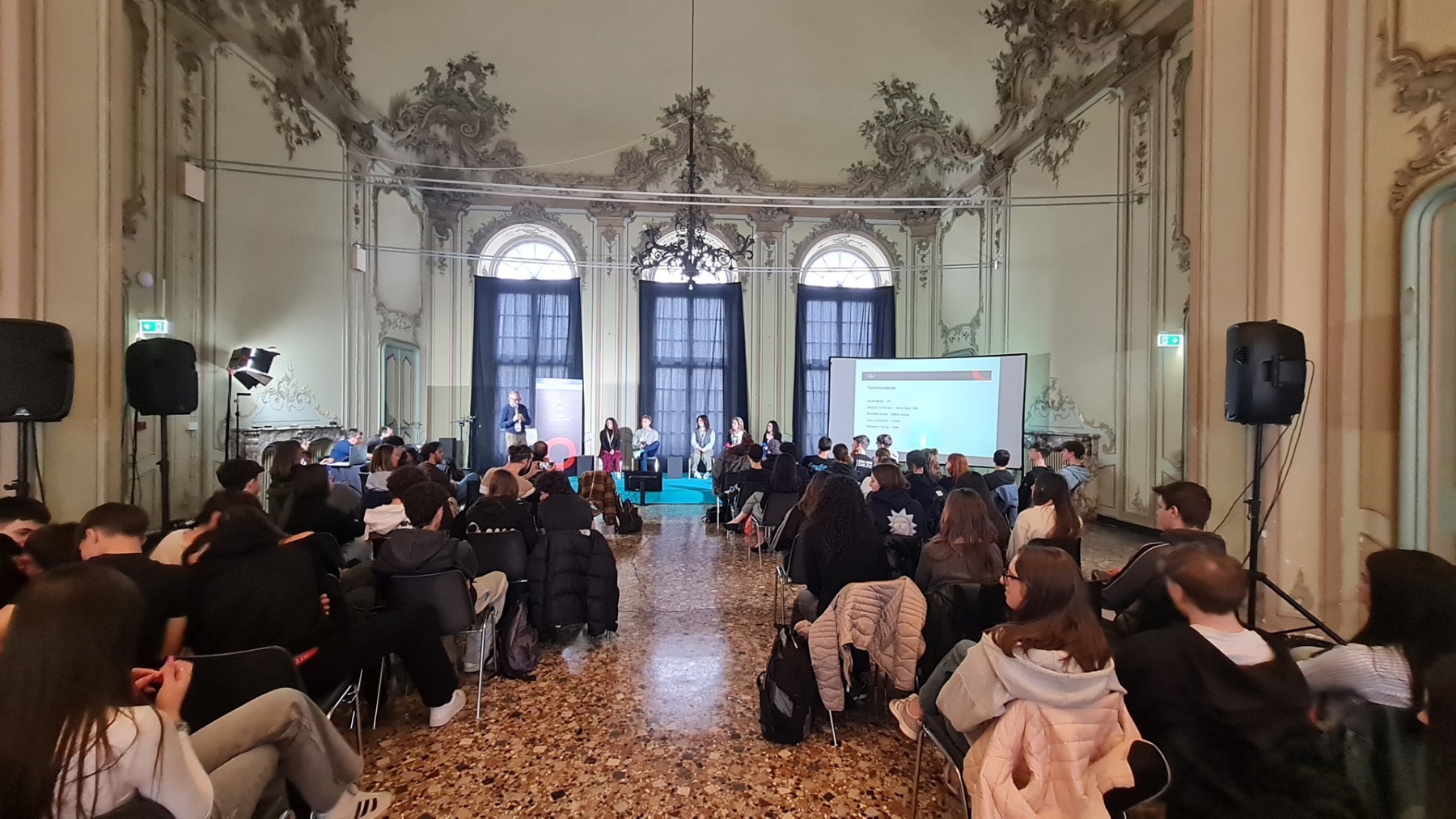
On Friday, April 11, 2025, the splendid halls of Villa Durazzo Bombrini in Genoa hosted one of the most significant events in the Robot Valley Genova 2025 calendar: the conference “Programming the Future – Education and Career Paths in Robotics and Artificial Intelligence”, a valuable orientation opportunity for students.

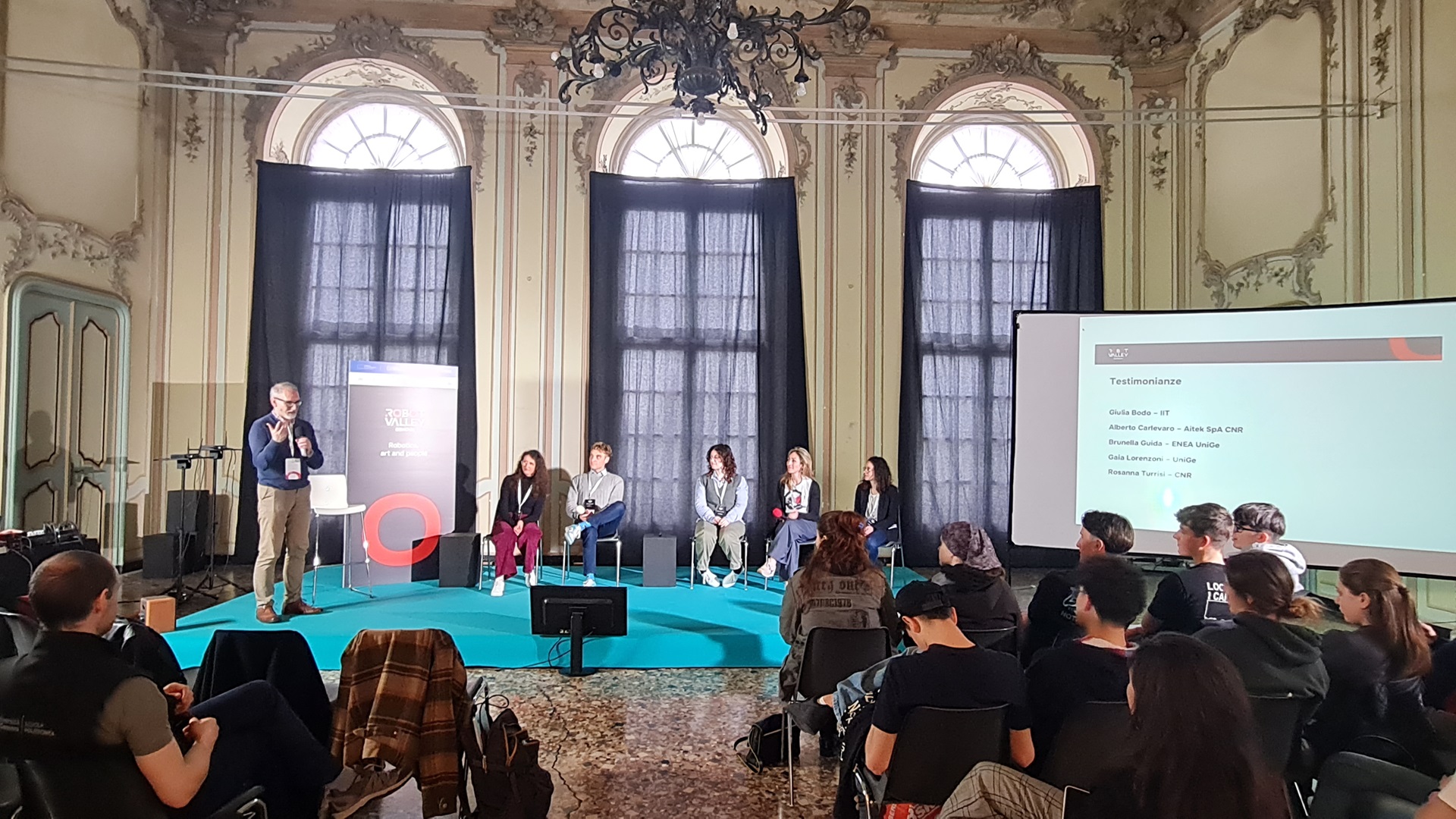
From 2:00 to 5:00 p.m., the audience had the chance to listen to talks and personal stories from those who are already shaping the present of robotics and artificial intelligence. The afternoon opened with a presentation by Professor Armando Tacchella from the University of Genoa, who introduced the academic offerings in computer science, robotics, and engineering, emphasizing the importance of preparing new generations to meet the challenges of a constantly evolving field.

Among the conference speakers were Giulia Bodo (IIT), engaged in e-health research and Alberto Carlevaro (Aitek S.p.A.- CNR IEIIT), an expert in artificial intelligence. They shared their personal journeys from university studies to careers in industrial research. Joining them were Brunella Guida, a specialist in coastal modeling, Gaia Lorenzoni, a PhD candidate in Digital Humanities, and Rosanna Turrisi (CNR), a researcher active in neuroscience and the automated diagnosis of neurodegenerative diseases.

The afternoon included a dedicated segment on the gender gap in STEM, with female participation in Italy still at just 16% in the ICT sector. Floriana Ferrara (IBM), promoter of the “NERD?” project, opened a dialogue on strategies to encourage girls to pursue scientific studies.

The event concluded with a presentation by Matteo Nazzario, who introduced the Robotics Lab at Intesa Sanpaolo’s Innovation Center—a space where experimentation in AI and automation is directly aligned with the needs of the banking and service sectors.

The meeting also offered an overview of the RAISE – Robotics and AI for Socio-economic Empowerment project, funded by Italy’s National Recovery and Resilience Plan (NRRP). The initiative connects research, business, and institutions to develop technological solutions aimed at social well-being and regional development. Within the Robot Valley framework, the audience had the chance to explore some of the most advanced applications developed by the University of Genoa, CNR, IIT, and local companies—part of a vibrant and innovative ecosystem.
“Programming the Future” was not only a moment of discussion about the opportunities offered by robotics and artificial intelligence, but also a concrete invitation to actively participate in shaping a future where technology can be a tool for inclusion, creativity, and sustainable growth.

The meeting was attended by the Fermi Scientific High School of Massa, the Colombo Classical and Linguistic High School, the Fermi Scientific High School, the IIS Gastaldi-Abba, and the IIS Majorana-Giorgi of Genoa.

Workshops and robotic demonstrations: strong public engagement at the educational heart of Robot Valley Genova 2025

The three-day event dedicated to the discovery of robotics and artificial intelligence, held as part of Robot Valley Genova 2025, successfully came to a close, drawing a remarkable turnout of schools and families.

A total of 680 participants took part in the educational workshops, while the robotic demonstrations attracted 815 attendees, confirming the growing interest in emerging technologies and their impact on everyday life.

The educational workshops, reserved for schools on April 10 and 11 and open to the public on April 12, were among the most engaging events of the festival. Four different formats were designed to bring children and young people closer to programming, educational robotics, and creative expression through artificial intelligence.

The workshop “Programming is Child’s Play!”, organized by the Italian Institute of Technology, offered younger participants an introduction to robot languages, showing how programming fundamentals can be learned through play.
The School of Robotics, in collaboration with CampuStore, led the “Robo-sport” workshop, where participants programmed robots to tackle small sports challenges, stimulating logical thinking and teamwork.
With “Algorithms and Digital Snakes”, the MaLGa Center at the University of Genoa introduced older students to the concept of reinforcement learning, demonstrating how robots can learn through interaction with the environment and feedback.
Finally, the CNR – Institute for Educational Technology offered two different workshops focusing on generative artificial intelligence: for schools, “FantasIA”, dedicated to transforming words into images using AI; and for the public, “Co-creating with Artificial Intelligence”, an opportunity to explore the new frontiers of digital creativity.

Alongside the workshops, the much-anticipated robotic demonstrations took place throughout the event, curated by the Italian Institute of Technology and the University of Genoa. Research teams made their expertise and advanced prototypes available to visitors, explaining the development process of the robots and their potential future applications.

Among the highlights were YAPE, a robot designed for environmental monitoring, and R1, capable of interacting naturally with humans. VERO, a quadruped robot equipped for cleaning and sustainability tasks, also sparked great curiosity. Visitors were also able to engage directly with robots such as Pepper, Nao, Buddy, Navel, Spot, Horus and Pelan from the RICE lab at the University of Genoa—concrete examples of the diverse applications of contemporary robotics.

The educational area of Robot Valley reaffirmed the importance of scientific outreach as a bridge between research and society, promoting technological culture among younger generations in a dynamic and inclusive environment.

The aesthetics of artificial intelligence: new forms of expression at Robot Valley Genova 2025

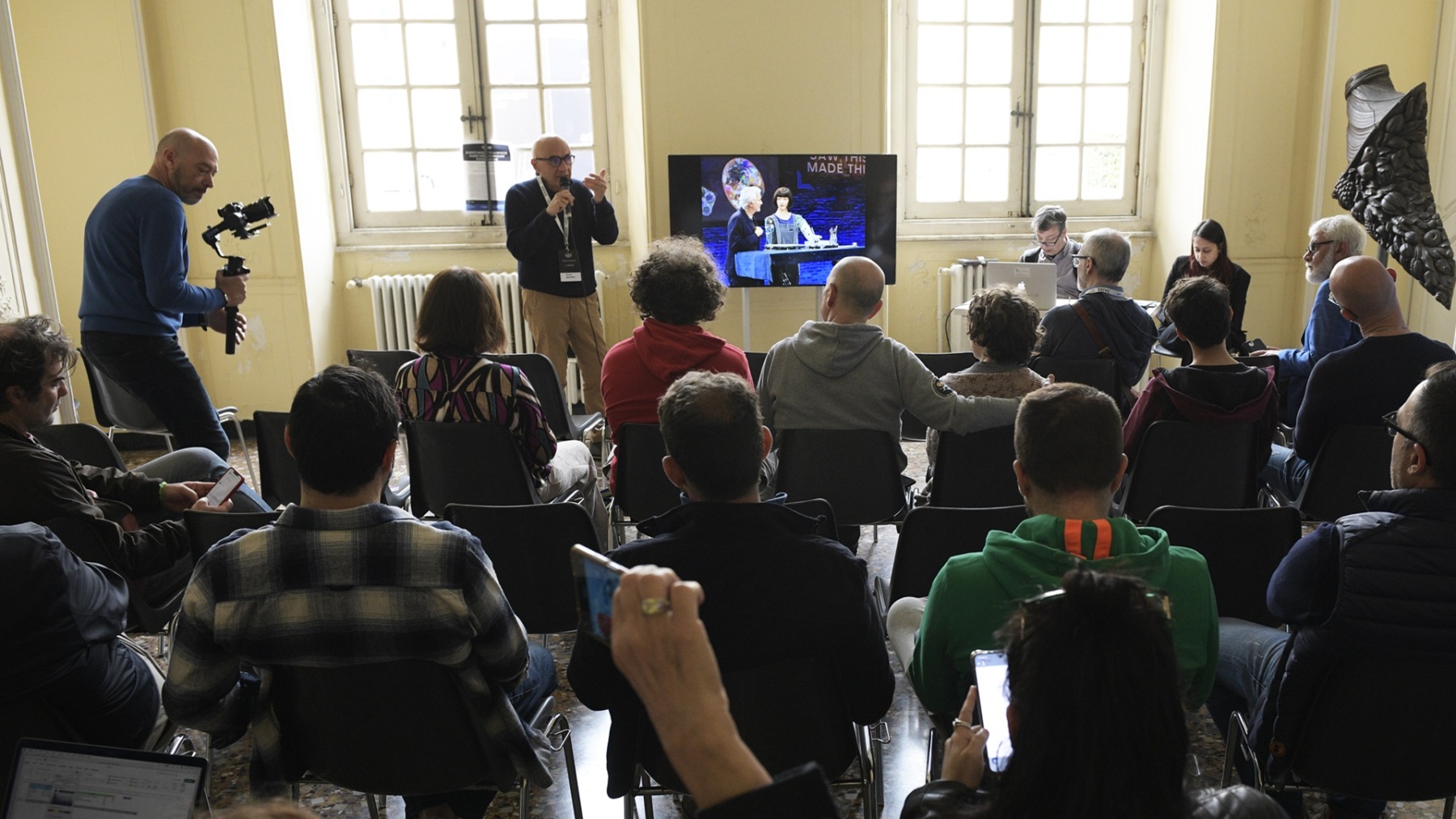
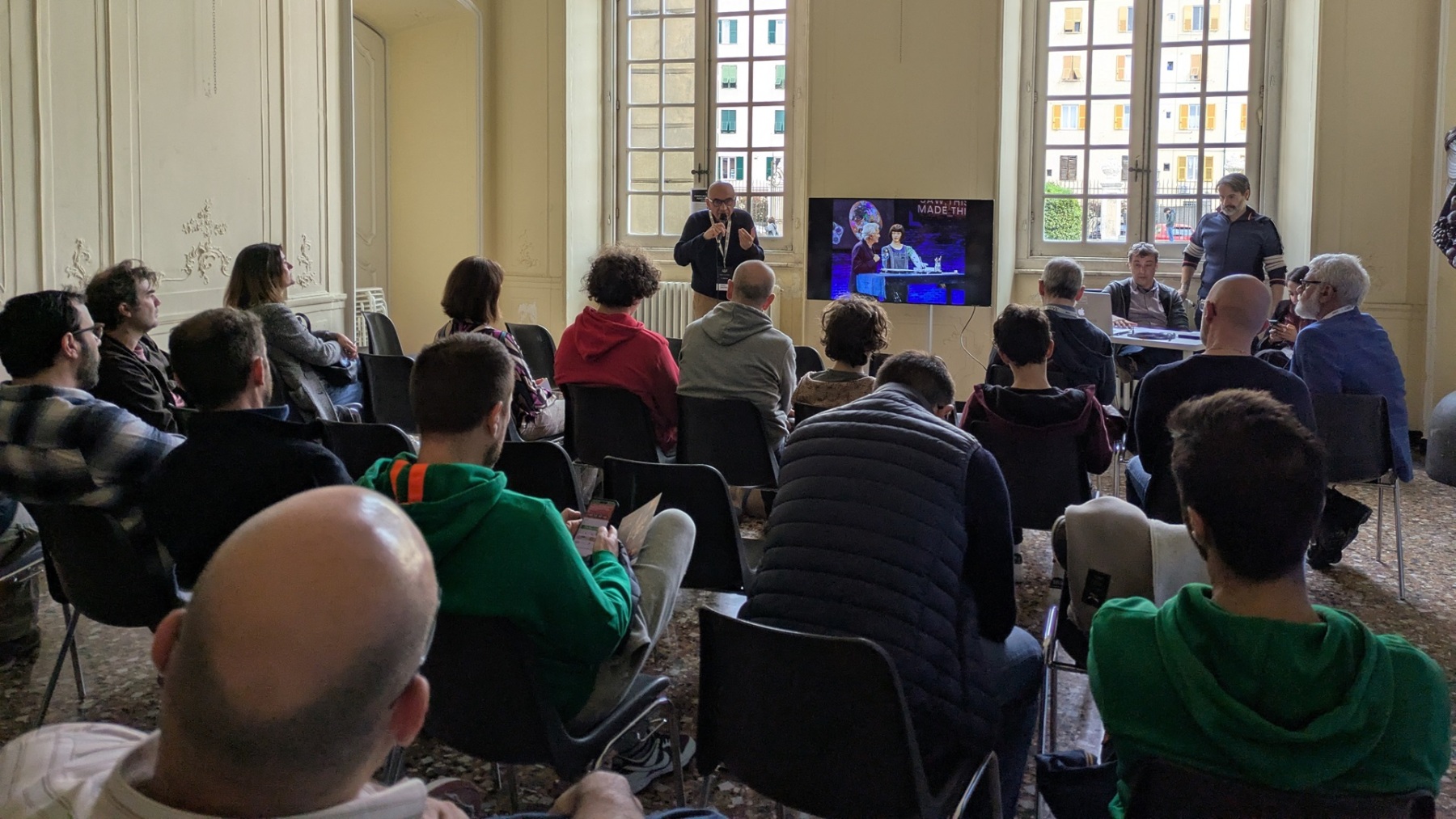
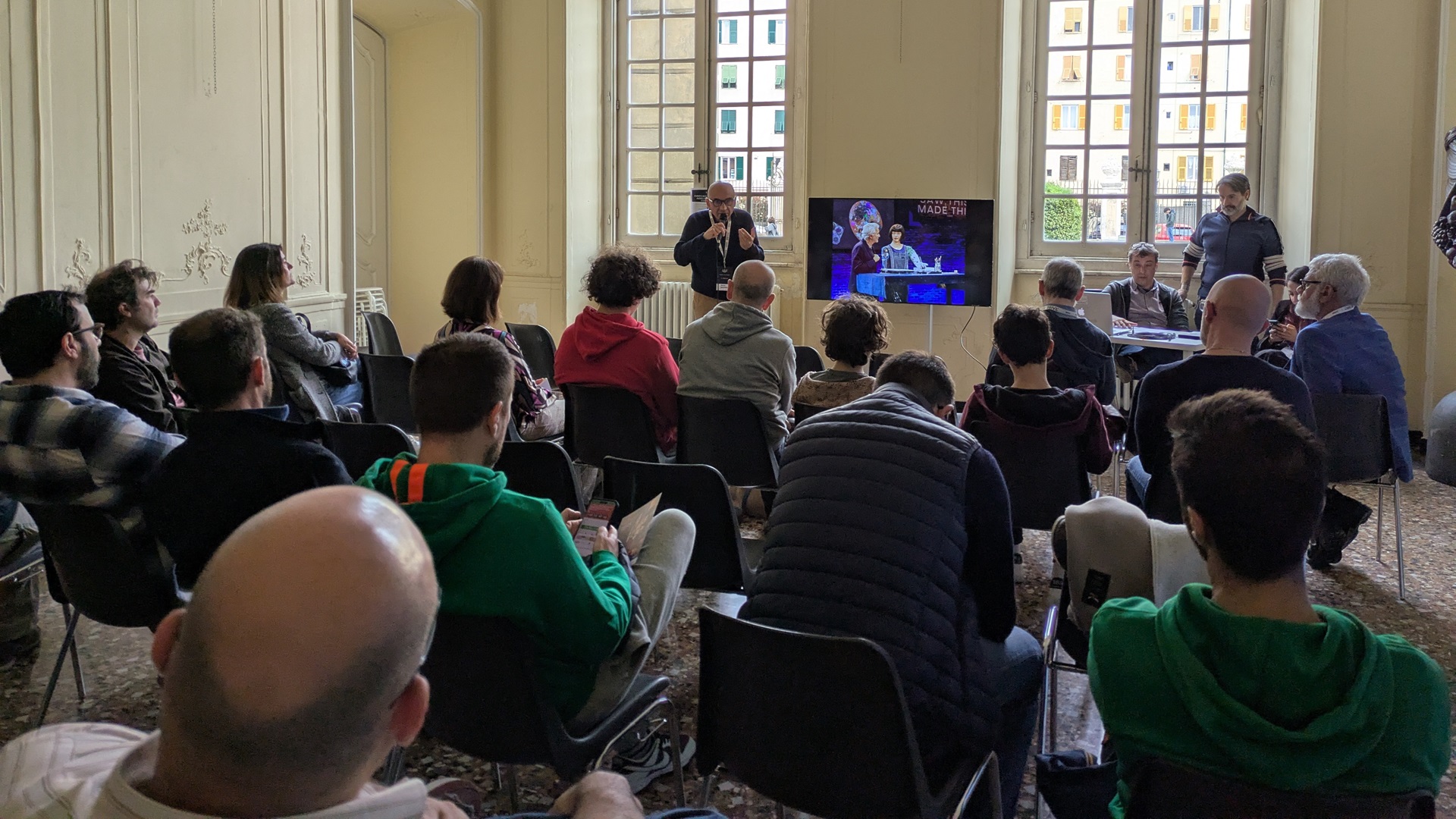
On April 12, 2025, during the third day of the Robot Valley Genova 2025 festival, a conference titled “The Aesthetics of Artificial Intelligence took place, as part of the session dedicated to the relationship between art, science, and technology”. The event explored how new technologies, especially artificial intelligence, are transforming aesthetic language and creative processes in the visual arts.

The speaker was Rocco Antonucci, professor of Semiotics at the University of Genoa (Department of DIBRIS), who led the audience through a critical and fascinating analysis of the applications of AI in contemporary aesthetic research. During his talk, Antonucci emphasized how visual art, thanks to artificial intelligence, is increasingly taking on the traits of a performative art form, where human actors are accompanied — and sometimes replaced — by intelligent artificial agents.

These agents can interact with both each other and humans using natural language, gestures, and facial expressions, opening up new narrative and expressive possibilities. AI is therefore not only used to generate images or content, but also to simulate the human perceptual process — the subconscious mechanism by which the brain interprets random and undefined stimuli, assigning them coherent meaning.

“I believe that the use of artificial intelligence technologies can lead to a renewal of the contemporary art world. This is because they revitalize aesthetic languages, encouraging new ways of making art and developing forms of expression that are still unexplored but highly innovative. I also believe that the use of AI technologies, as adopted by some artists in the contemporary scene, can breathe new life into the discourse of art, which is currently in a deep crisis,” commented Antonucci at the end of the conference.

The event offered the public a moment of reflection on the role of artificial intelligence not only as a technical tool, but also as a new cultural actor, capable of interacting with human imagination and generating meaning. The talk fit perfectly within the spirit of the Robo Valley festival, which for years has promoted dialogue between science, art, and society, with a focus on openness to the digital transformations of our time.

Robot Valley Genova 2025: artificial intelligence between body, mind, and robotics

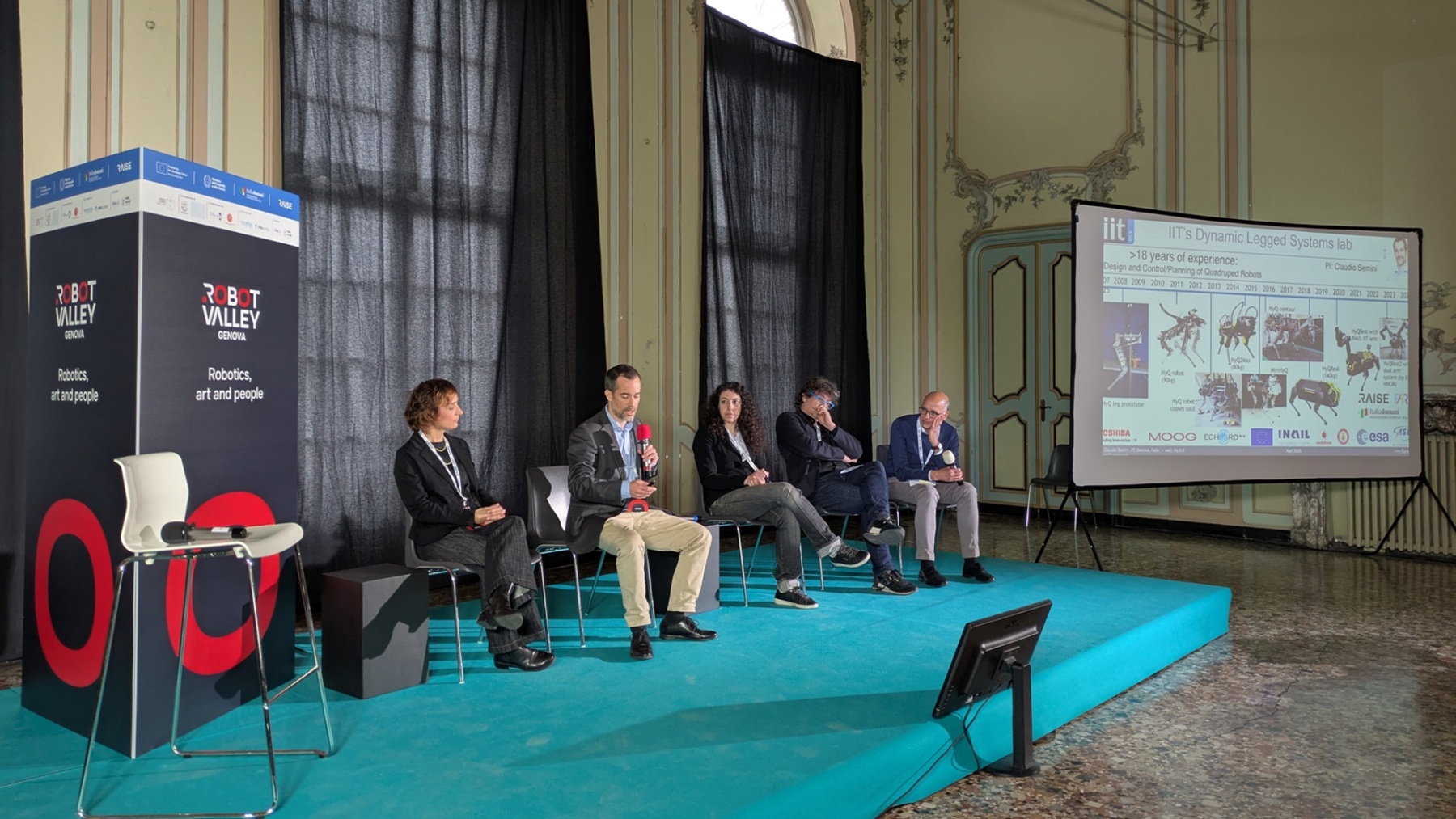
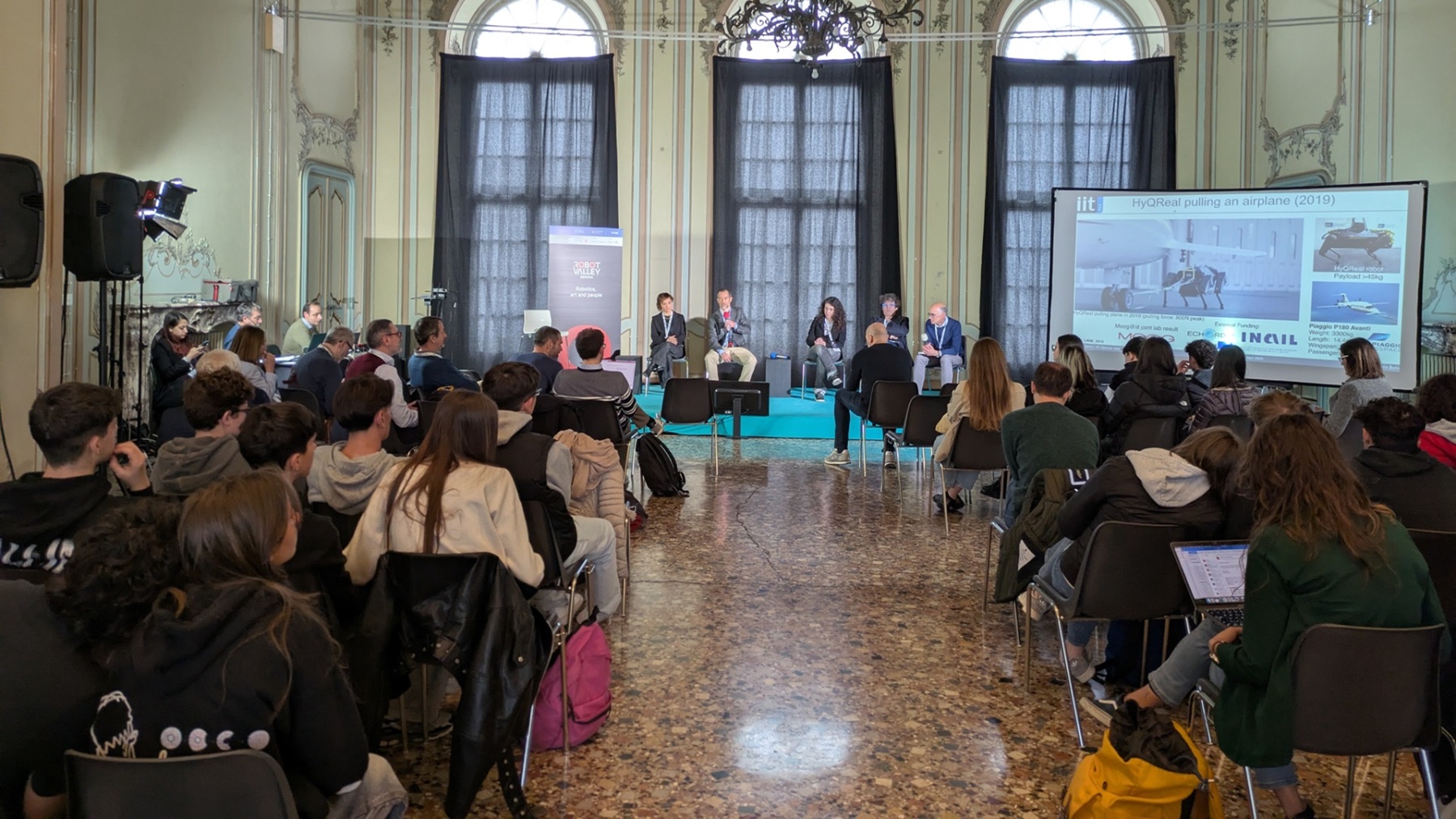
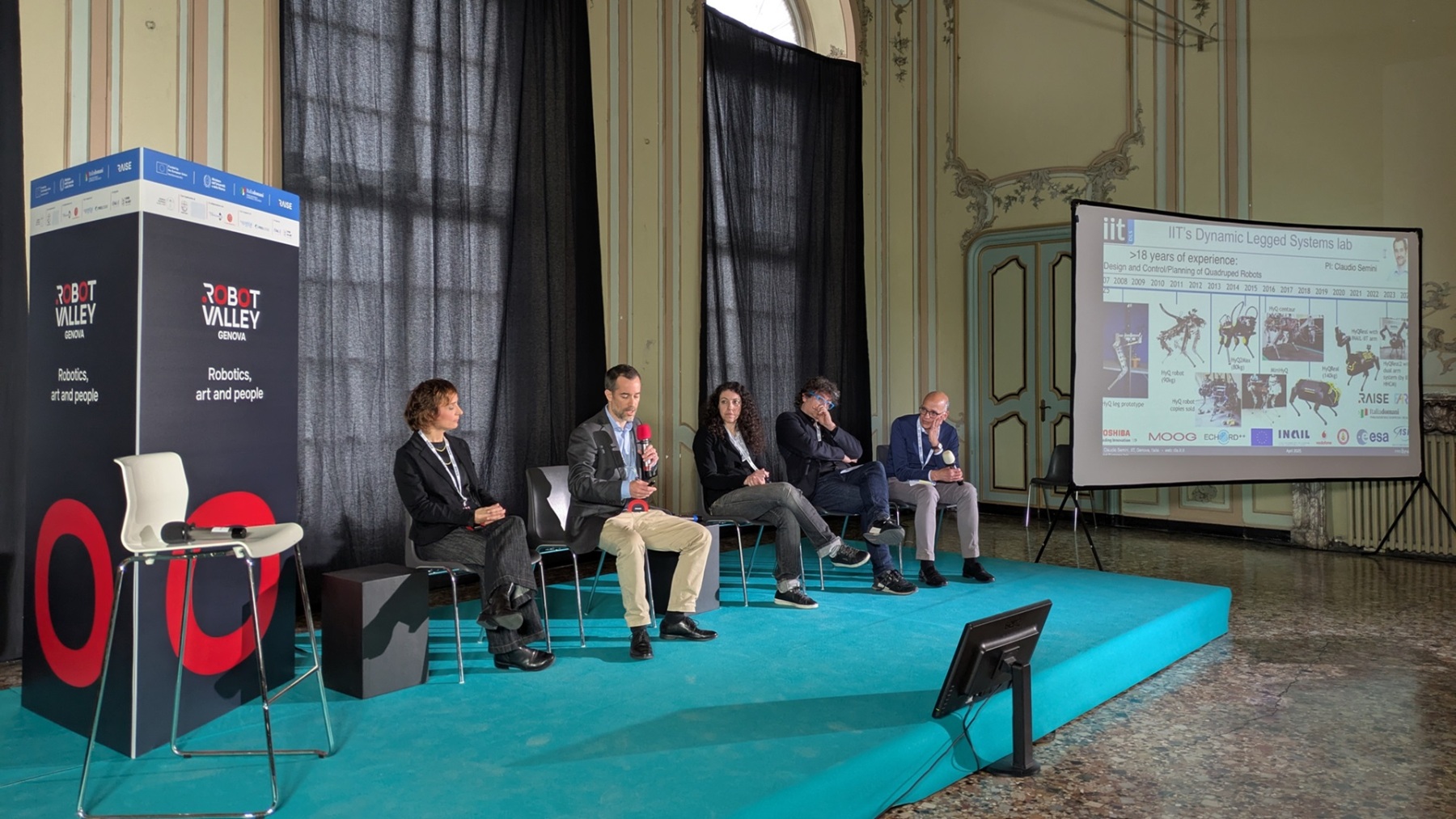
The morning of April 11, 2025, marked the beginning of the second day of the second edition of Robot Valley Genova, a key event for innovation and robotics in Italy. The program was introduced by Fulvio Mastrogiovanni from the University of Genoa, the scientific director of the initiative, who presented the plenary session titled “Intelligence: Body and Mind”.

The keynote speech was delivered by Andrea Pescino, a mathematician, entrepreneur, digital technology expert, and founder of a digital twin initiative in the NGO sector. With over thirty years of experience in digital transformation, Pescino offered an overview of the current and future applications of artificial intelligence.

At the conclusion of his speech, Pescino stated: “I am very pleased to participate in Robot Valley Genova, in this context where dissemination and outreach events are organized in Genoa to raise awareness about artificial intelligence and its applications—even in important and particularly exclusive fields like robotics. I believe these moments are highly educational, extraordinary, and should be held in high regard”.

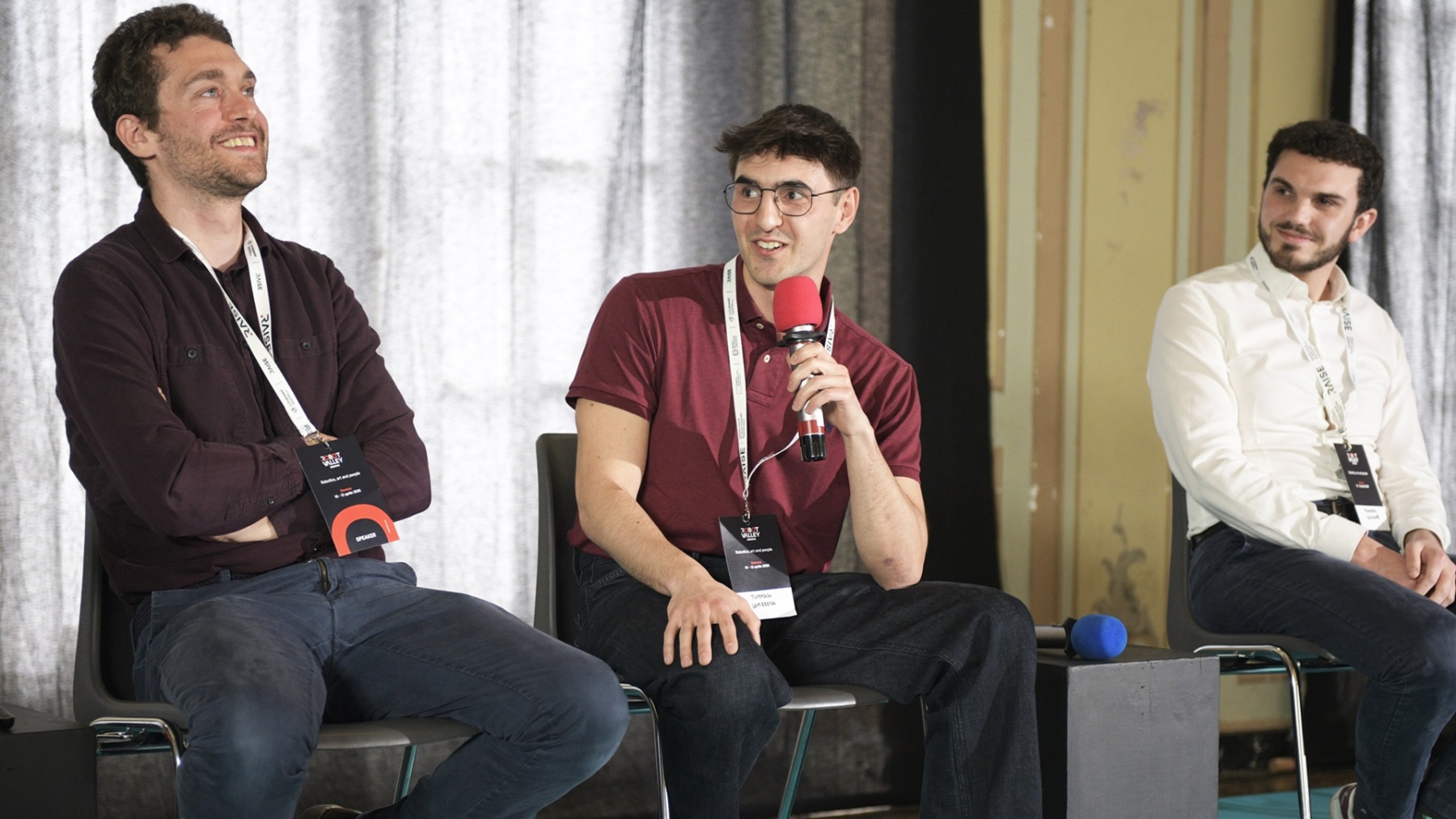
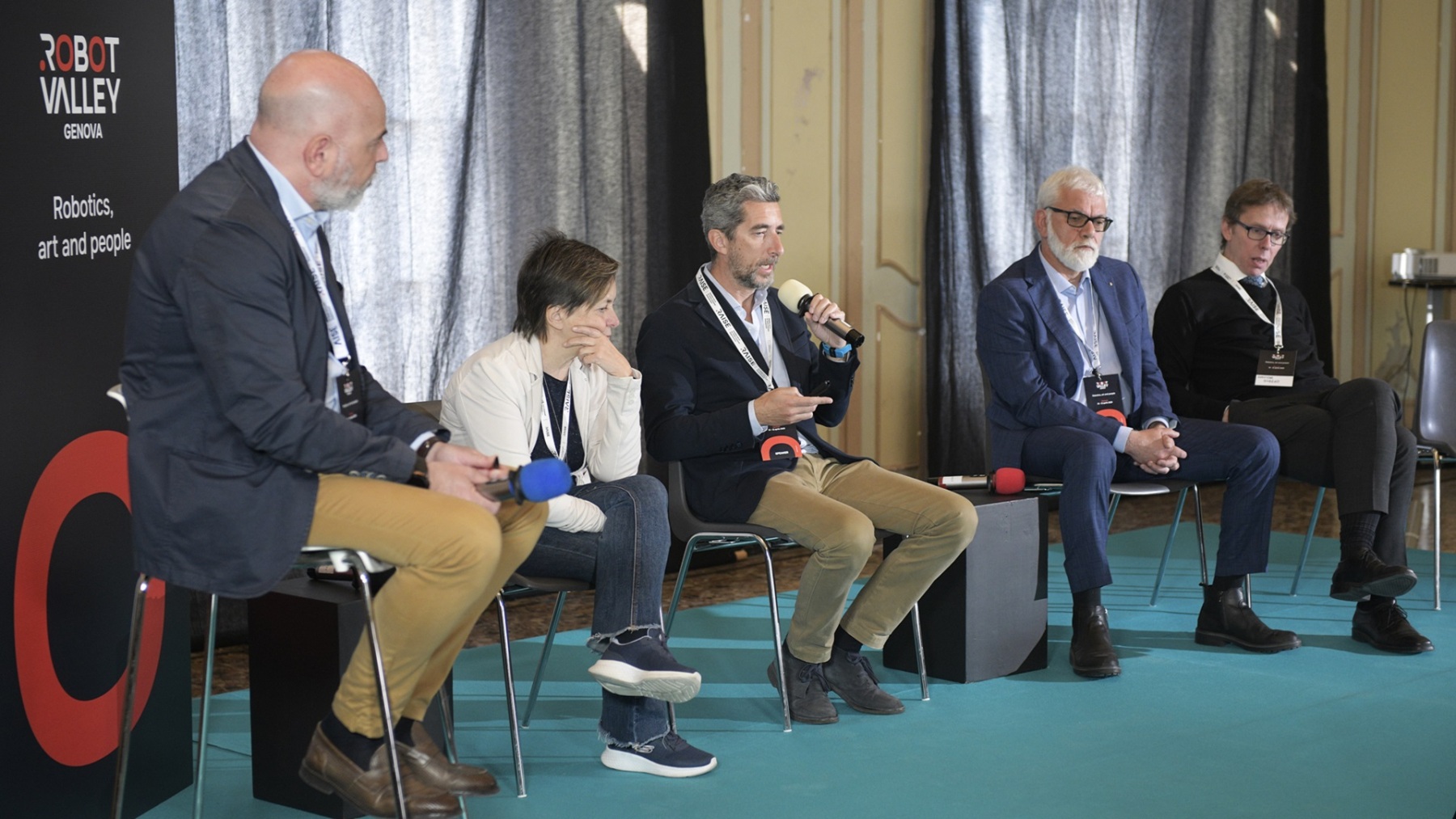
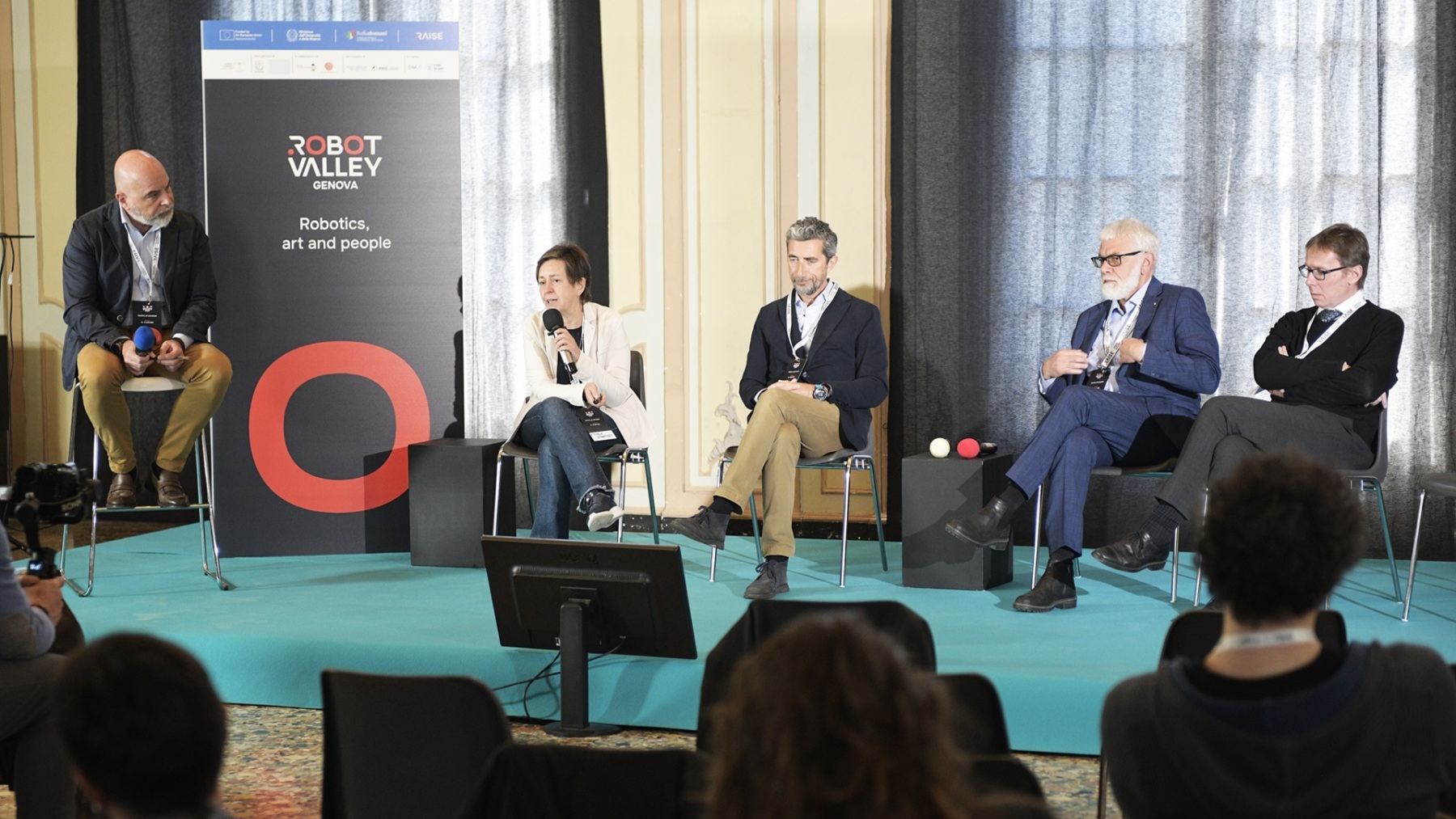
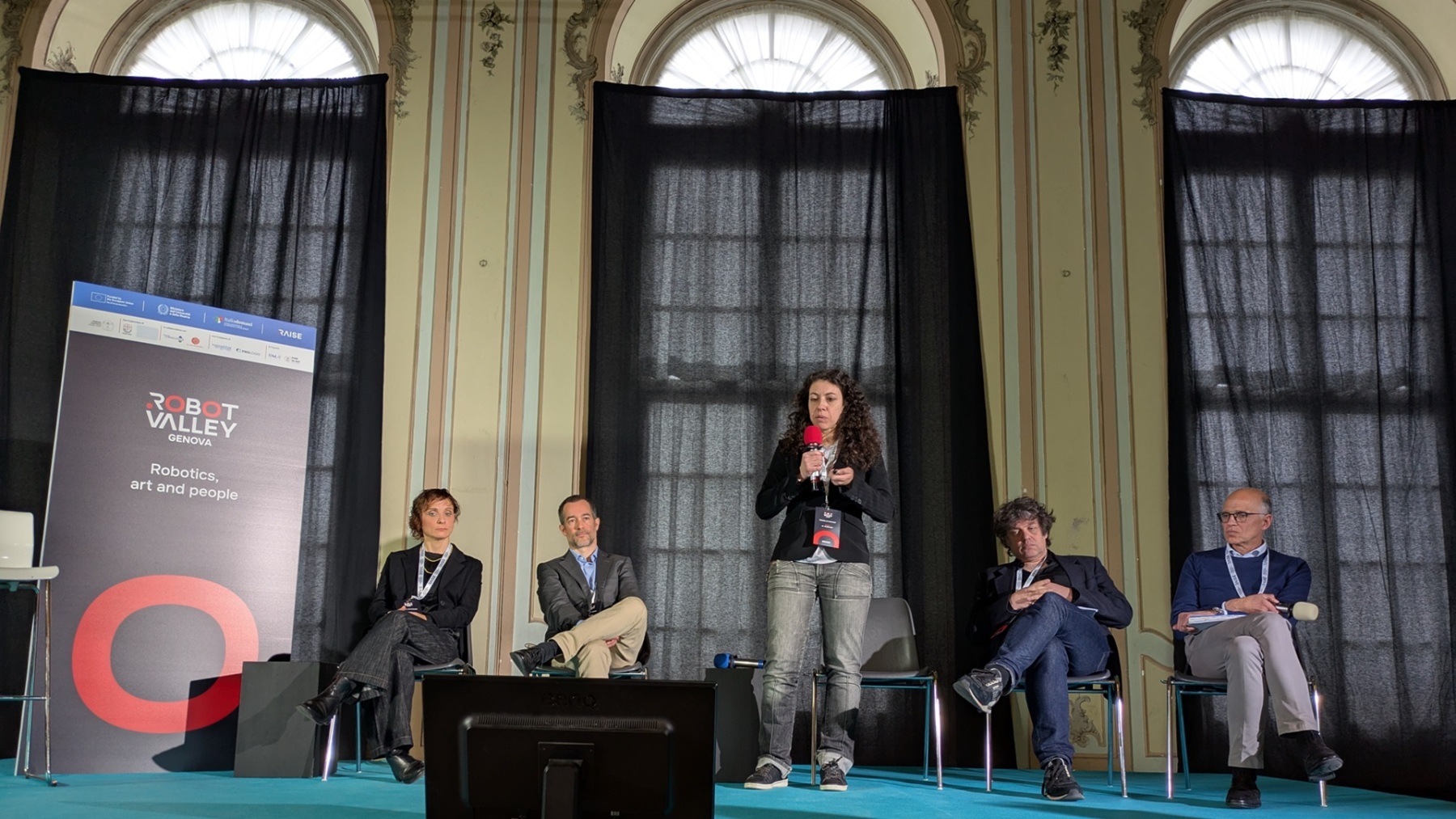
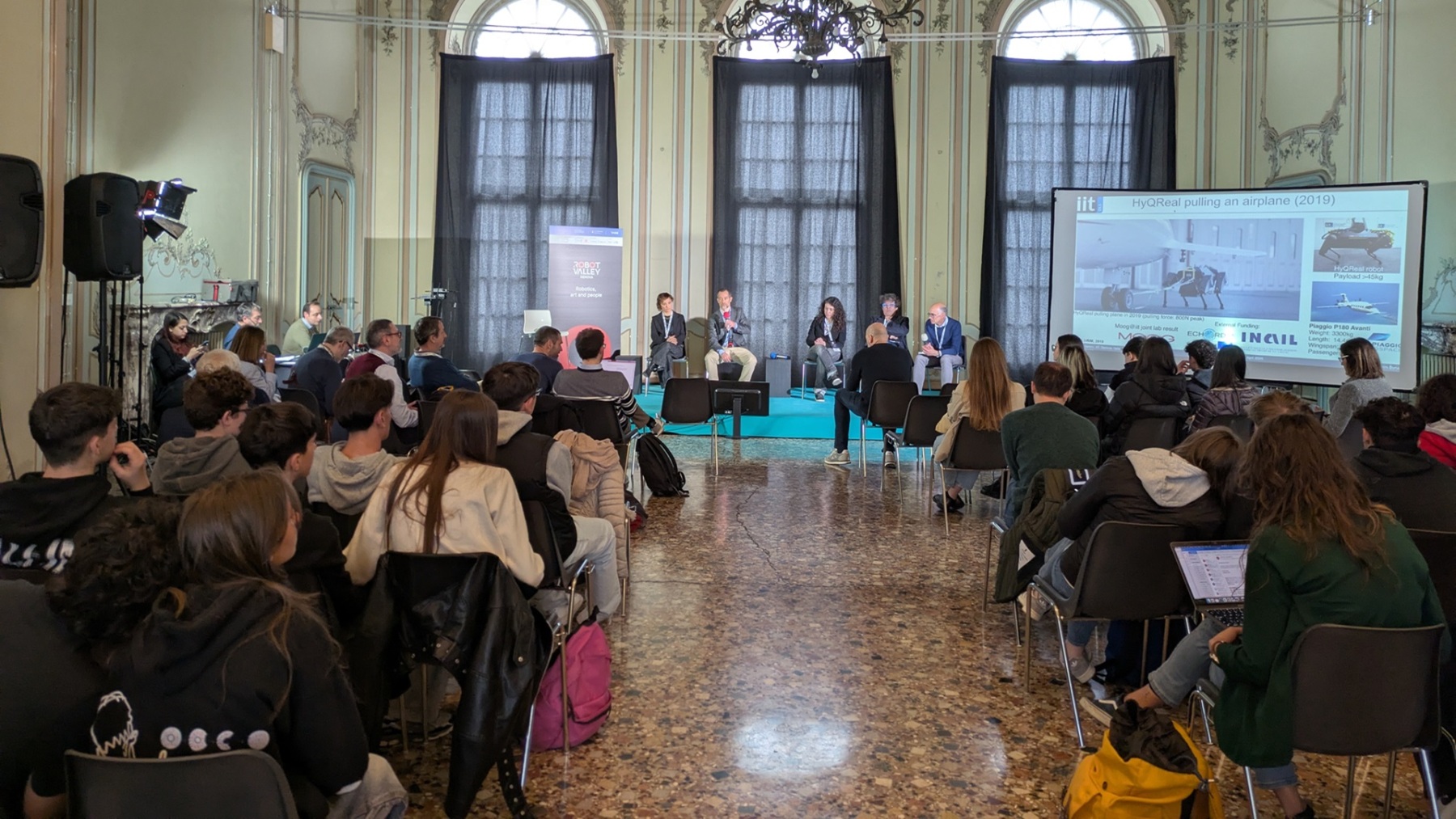
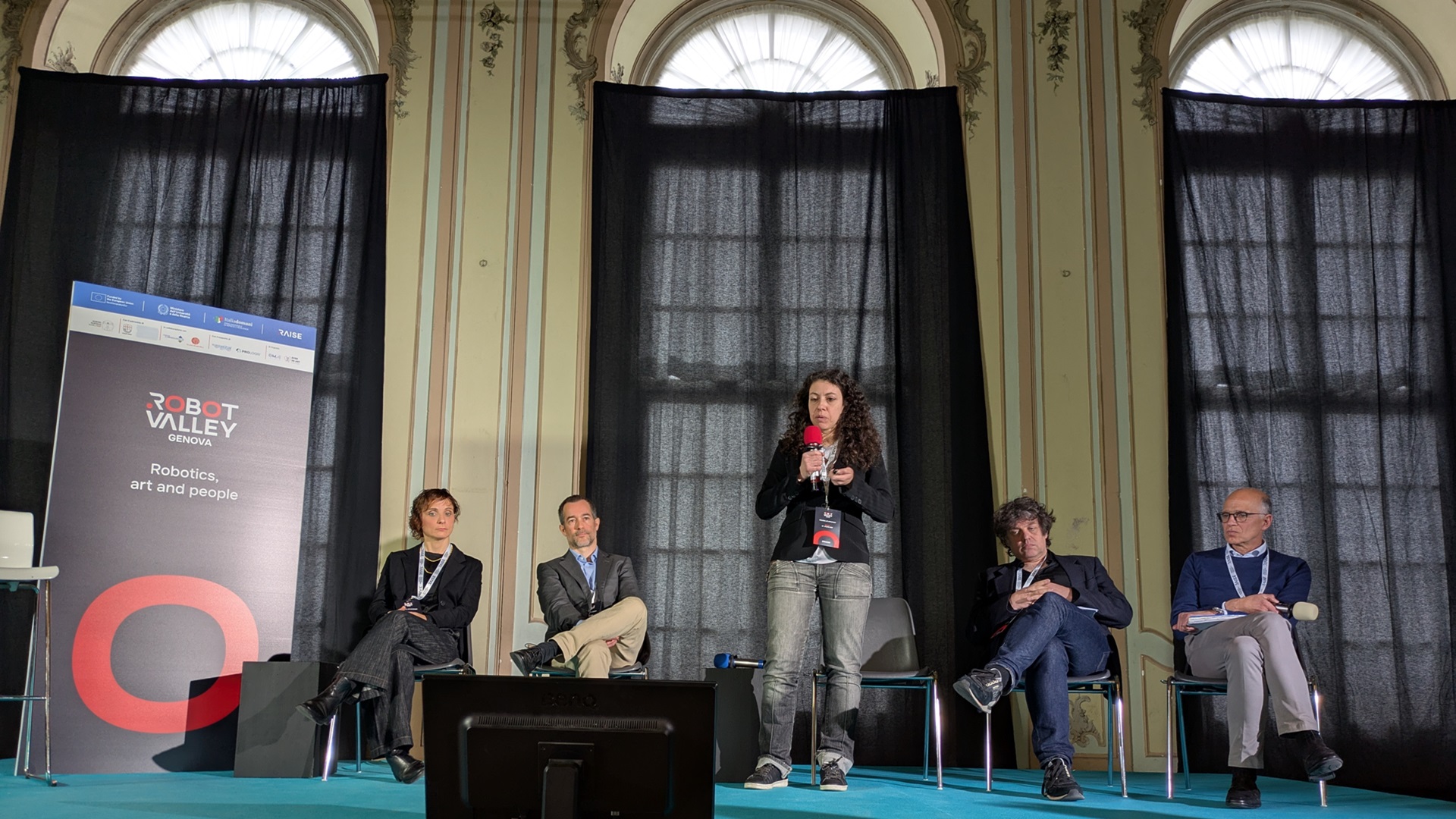
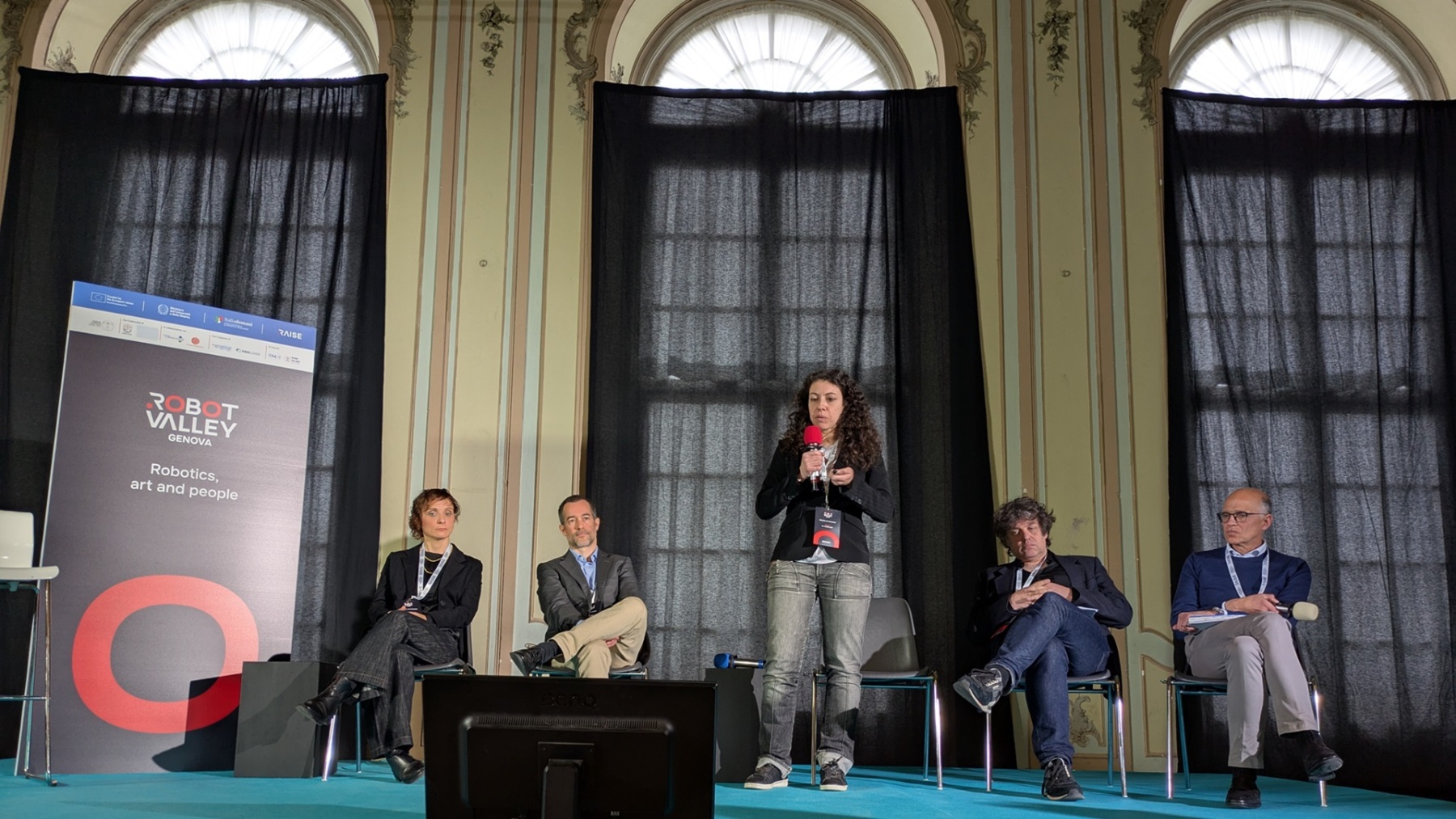
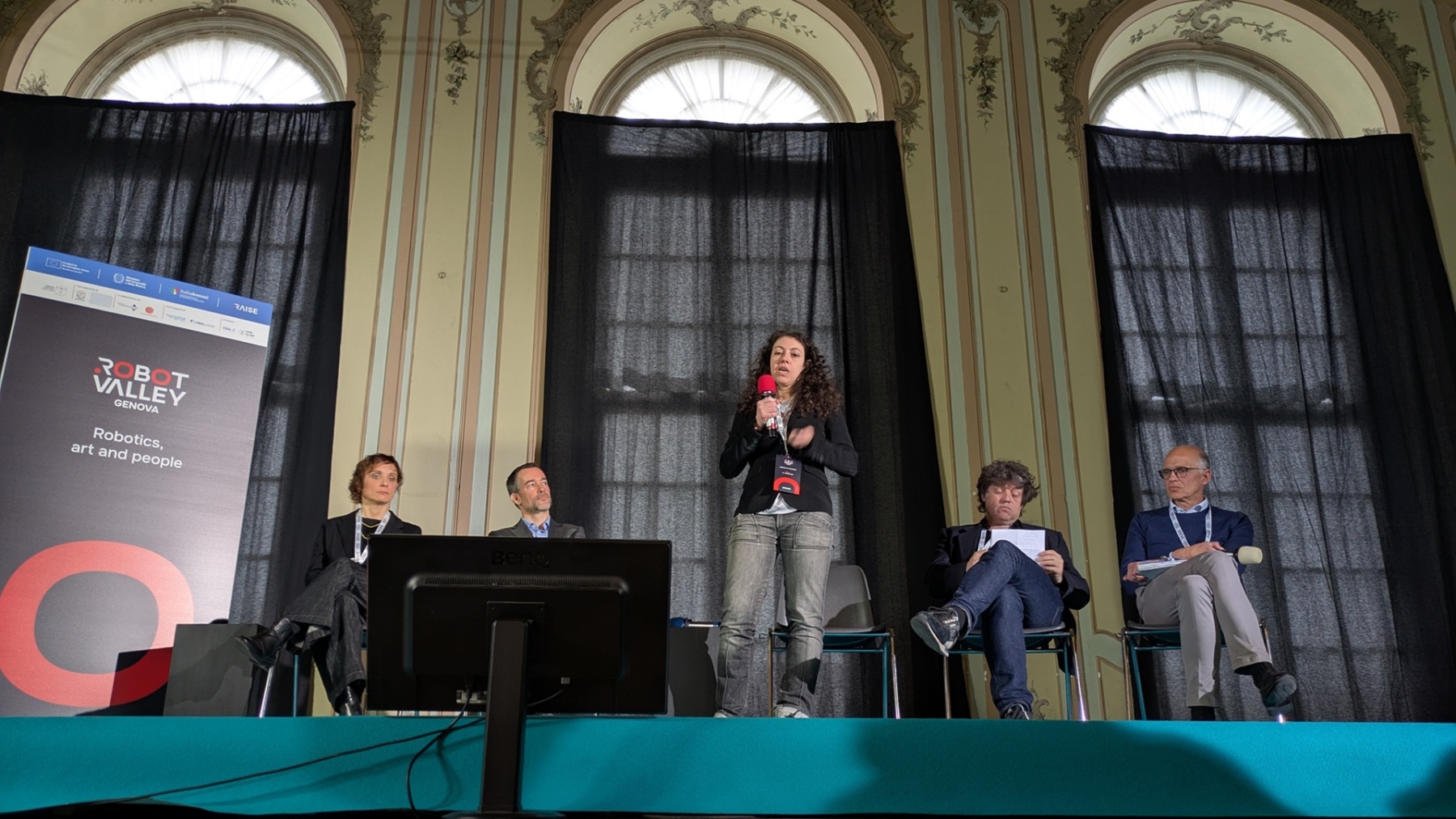
Following the keynote, a roundtable discussion featured prominent figures from the national scientific community. Participants included Claudio Semini from the Italian Institute of Technology (IIT), Antonio Sgorbissa from the University of Genoa, Enrica Zereik from the National Research Council (CNR), and Letizia Zullo from IRCCS San Martino. The discussion was moderated by Massimo Massa from Aitek.

During the panel, the speakers explored the role of artificial intelligence and robotics in the fields of healthcare and assistance. Particular emphasis was placed on the implications of adopting AI in such sensitive areas, highlighting how these technologies can enhance the efficiency of healthcare systems and support vulnerable individuals, including the elderly and people with disabilities.

The conversation also extended beyond the technical domain, addressing the theme of the mind-body dualism, and reflecting on how intelligent machines influence our perception of human identity and our relationship with technology.

At the close of the morning session, Fulvio Mastrogiovanni emphasized the significance of the current historical moment: “I believe that talking about artificial intelligence, robotics, and the issue of mind and body is essential right now. Technological development is progressing at an impressive speed, and it is only right that this knowledge be transferred to people, who must understand the possible and future uses of such technology. Therefore, now more than ever, we need highly effective communication on these topics”.

The morning proved to be a valuable opportunity for dialogue between research, industry, and the public, reaffirming Robot Valley Genova’s role as a laboratory of ideas for a future where technology and humanity must increasingly engage in meaningful conversation.

Finaziato dall'Unione Europea Ministero dell'Università e della Ricerca Italia Domani Raise