
Technologies and innovation for art and culture: from the results of RAISE Spoke 1 toward new frontiers of well-being


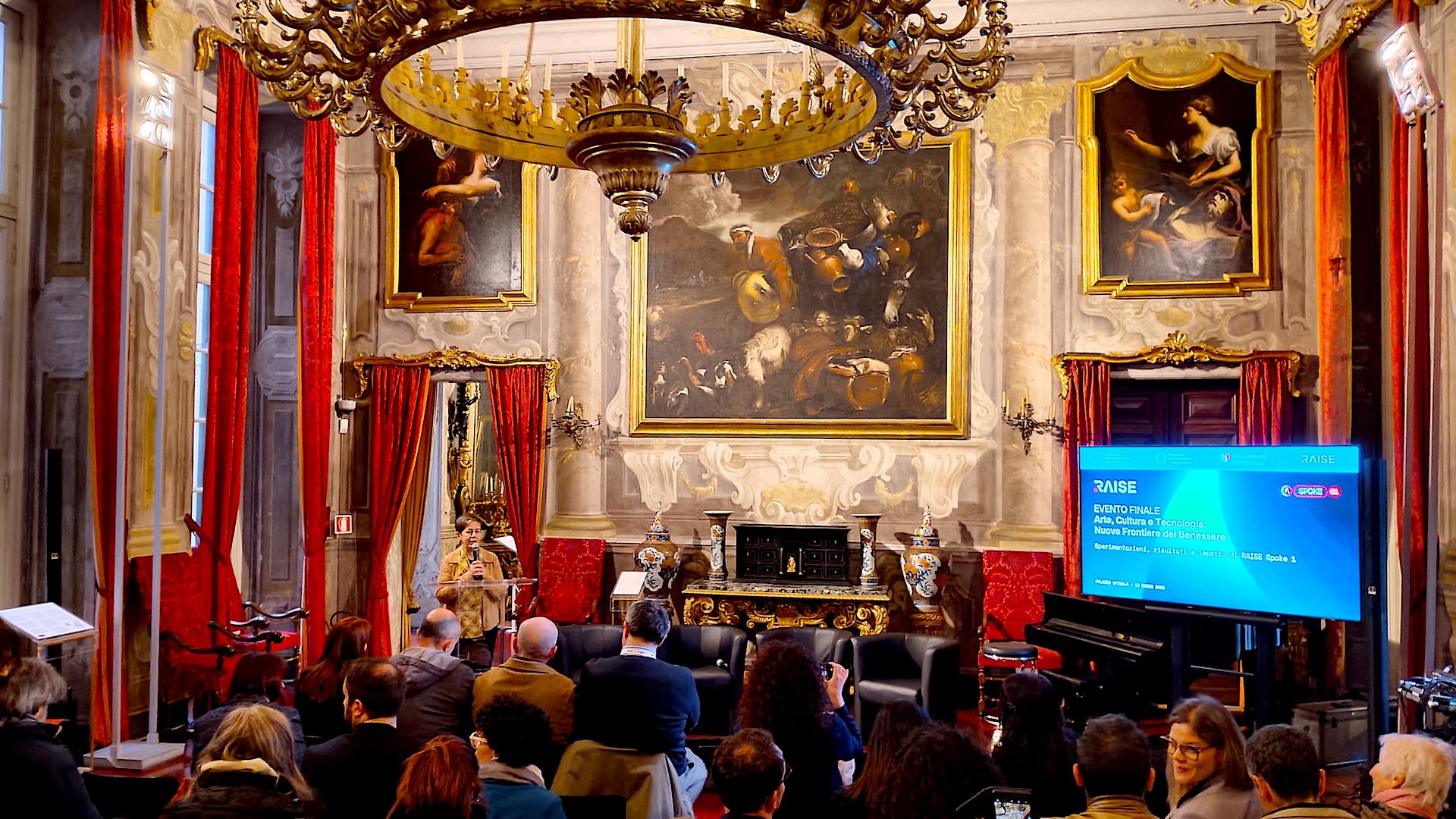
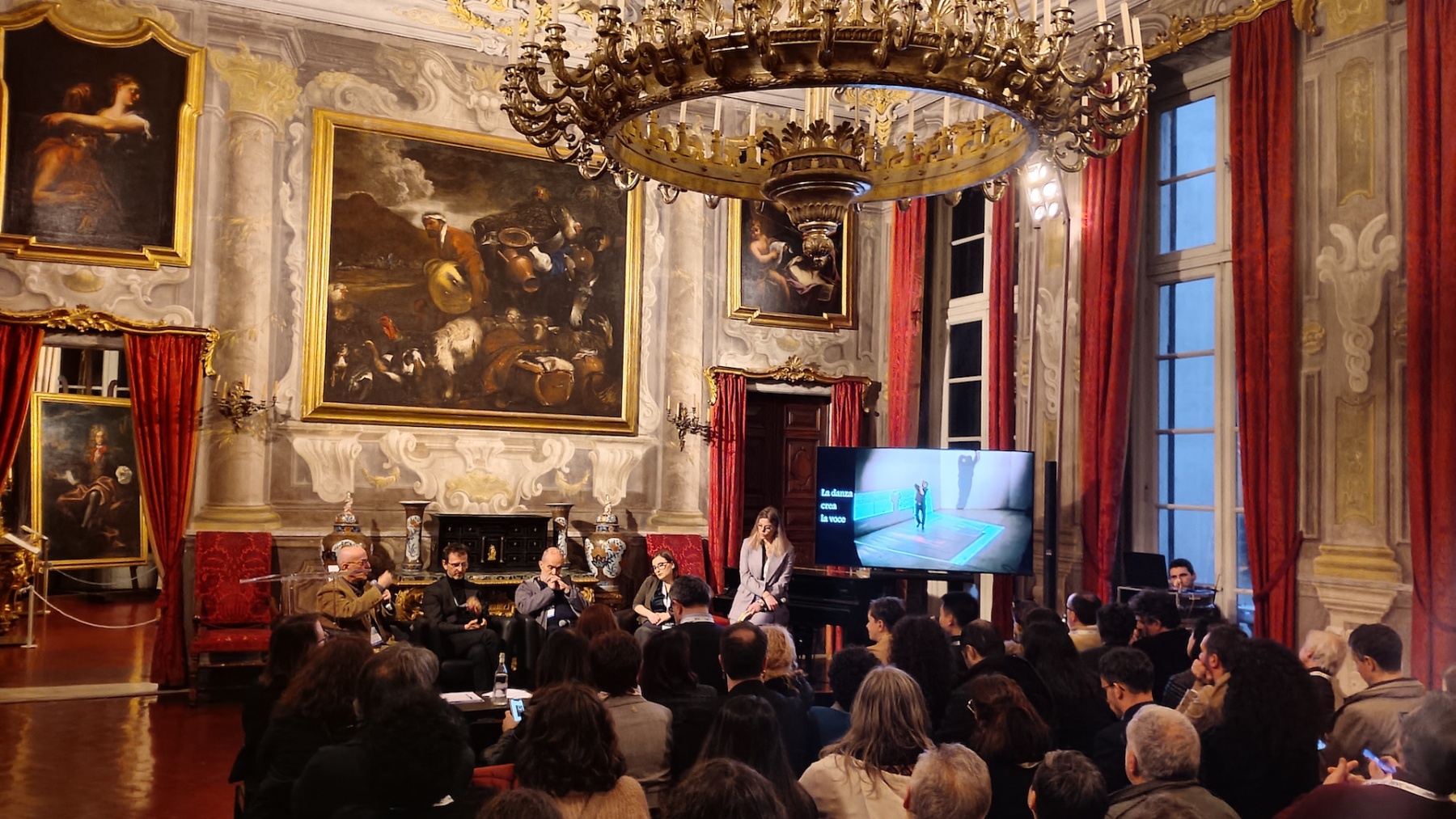
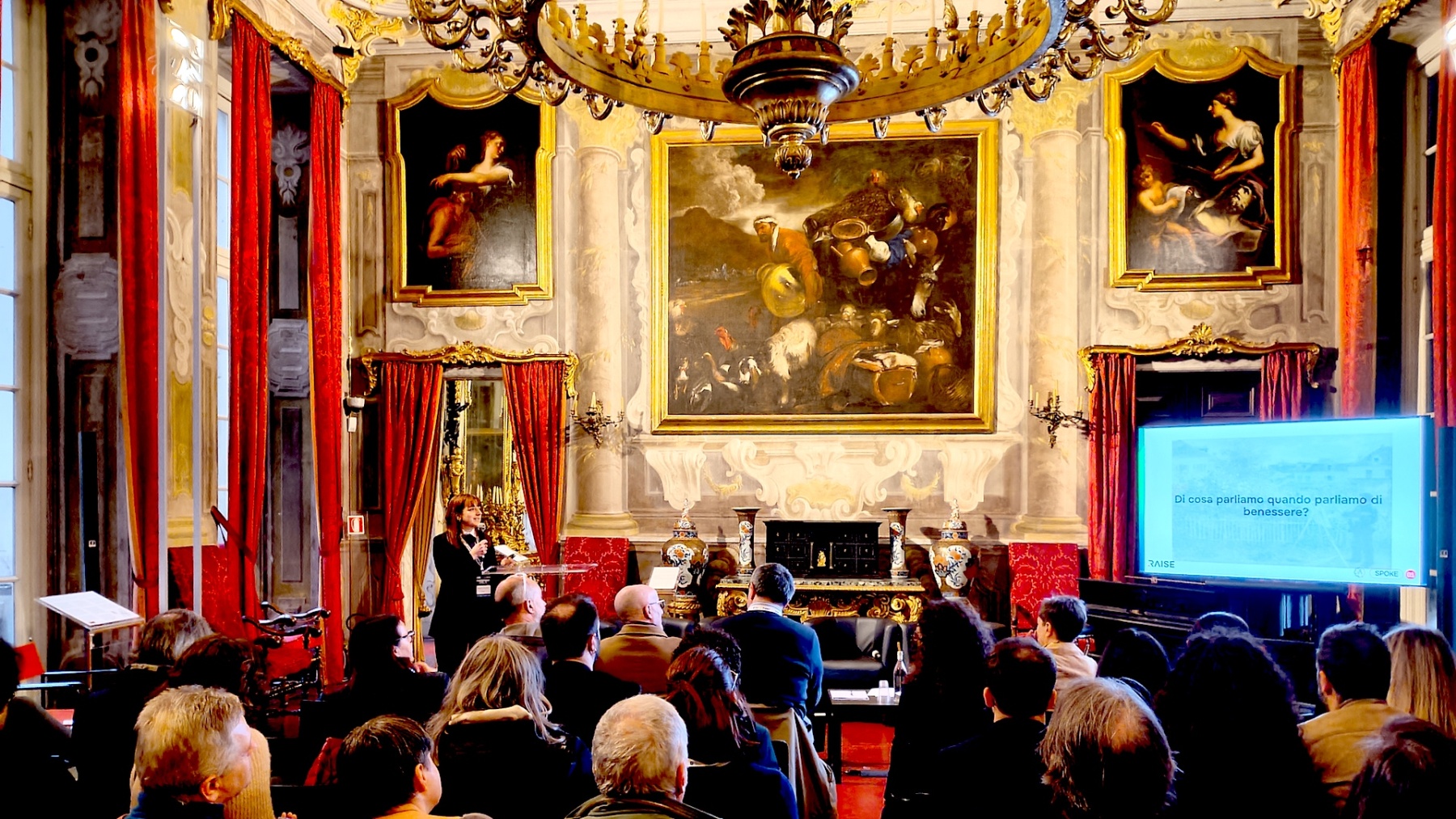
In the splendid setting of Palazzo Spinola di Pellicceria in Genoa, on the afternoon of March 13, RAISE Spoke 1 presented the results achieved in promoting more inclusive ways of accessing and experiencing the city’s artistic and cultural offerings.
The event featured both a session of presentations and discussions—with researchers from RAISE Spoke 1 and external guests—as well as a series of hands-on demonstrations held in the Educational Room of Palazzo Spinola.
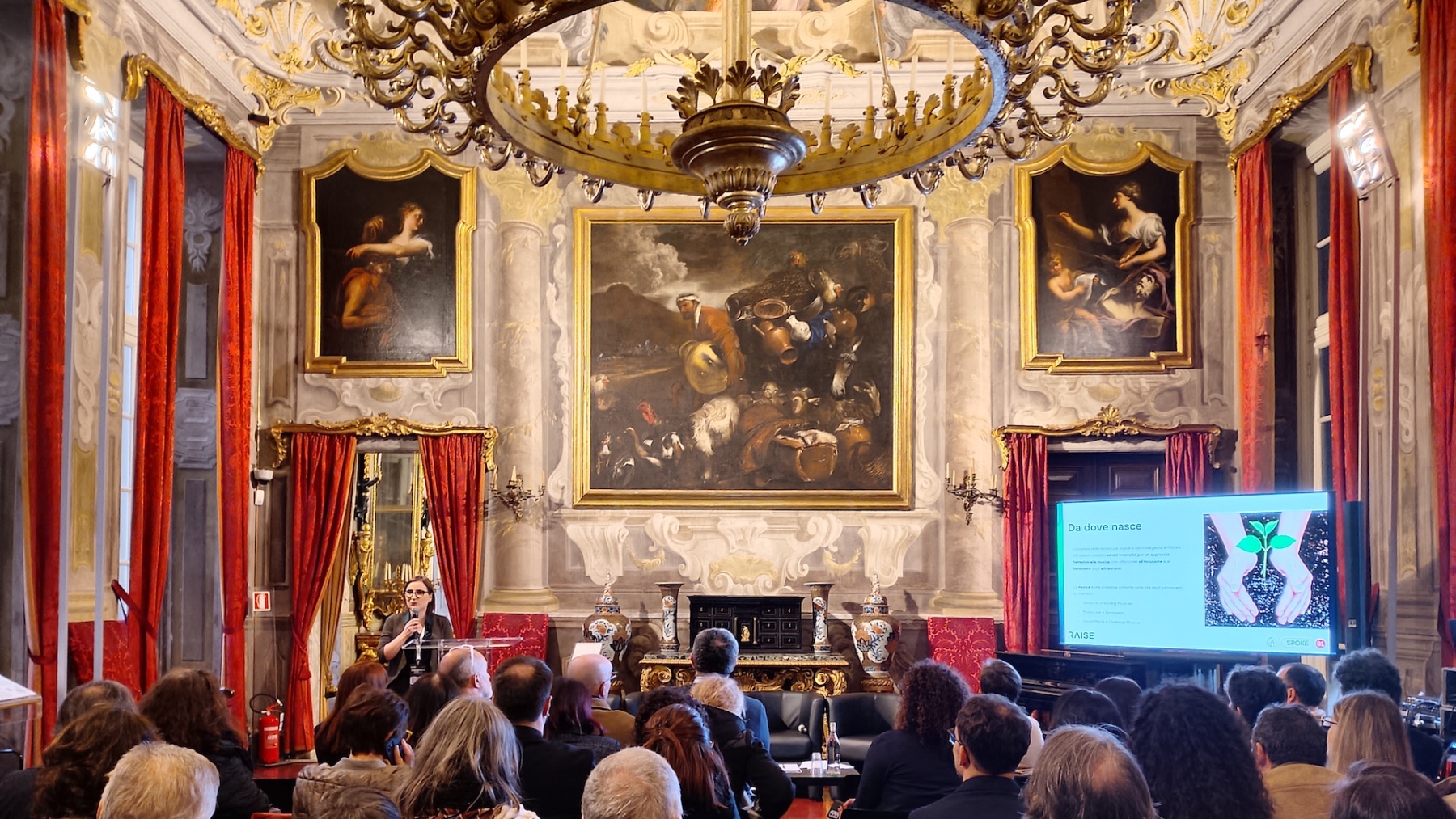
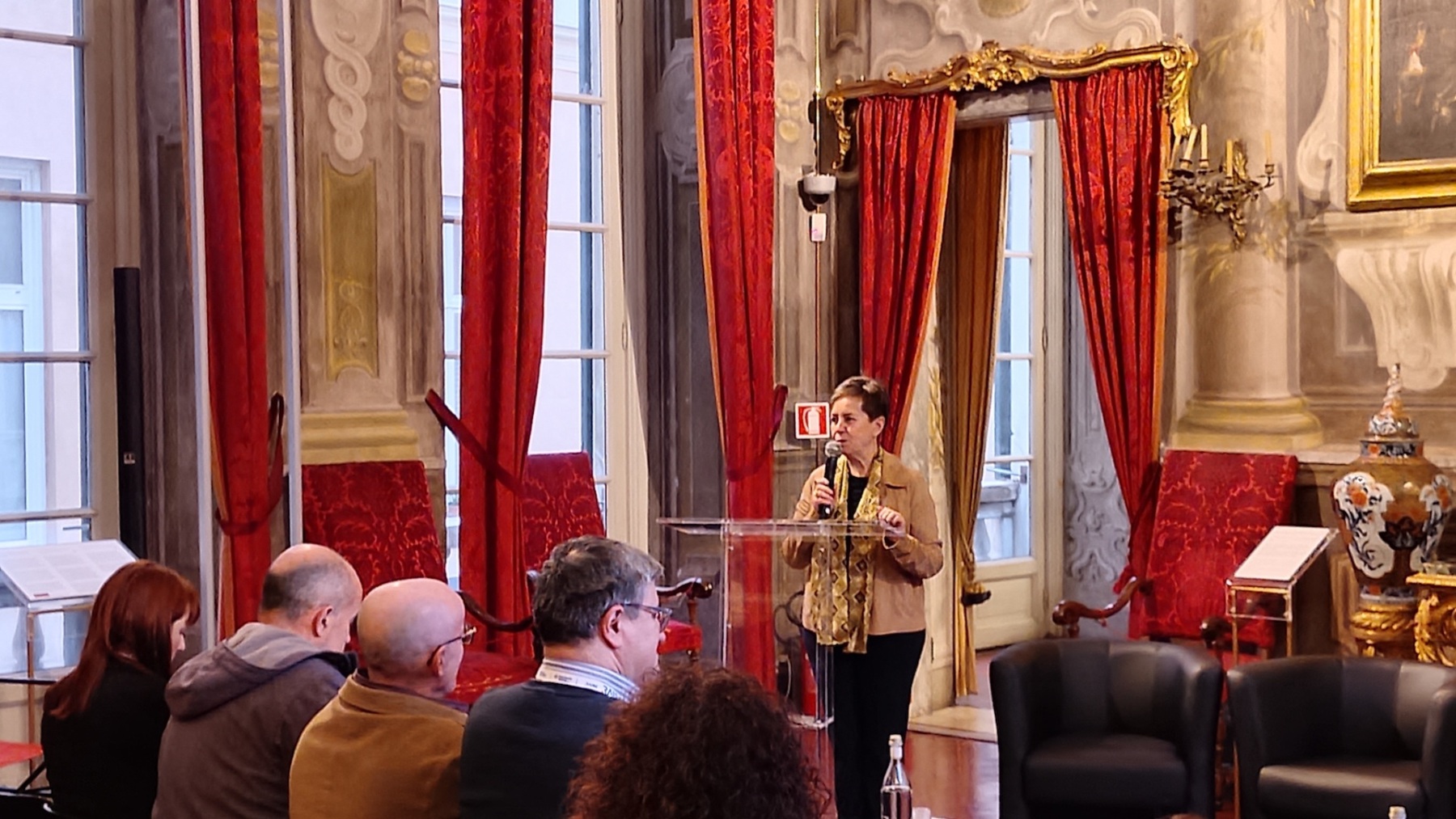
After an introduction by Spoke 1 coordinator Michela Spagnuolo (CNR-IMATI), Eleonora Ceccaldi (UniGe, Spoke 1) presented the RAISE Spoke 1 “culture” demonstrator. She began with the concept of well-being and the role of art in care, and then introduced the technologies included in the demonstrator: DanzArTe-EWT and RespirArte, developed by UniGe-DIBRIS. These allow visitors to move beyond passive observation and actively engage with visual artworks through body movement, fostering an aesthetic resonance with the pieces themselves. In addition to enabling a deeper experience of the artwork, the benefits extend to rehabilitation—both motor and cognitive-as well as to social interaction, thanks to the possibility of shared experiences with other visitors.
The researcher then presented another component of the culture demonstrator: the SENSE-CITY tools, developed by CNR. These tools collect data on citizens’ emotional states during walking routes in the city, making it possible to create emotional maps of the urban environment. Finally, Arte Tattile, developed by ETT, was introduced: a technology capable of transforming a visual artwork into an interactive three-dimensional relief equipped with tactile sensors. By activating an audio guide, these sensors turn the painting into a multisensory object that can be explored through touch.
Federica Caruso (University of L’Aquila) then presented the ARTECOM project, funded through the cascade call launched by Spoke 1 for universities and public institutions. The project aims to create a musical co-creation experience embedded in the urban fabric of the city of L’Aquila, supported by interactive and immersive technologies. Experts from the Alfredo Casella Conservatory, a partner of ARTECOM, created five electroacoustic soundscapes based on the city’s sounds and reworked using artificial intelligence. These soundscapes animate installations in which the music changes according to the movements and choices of visitors.
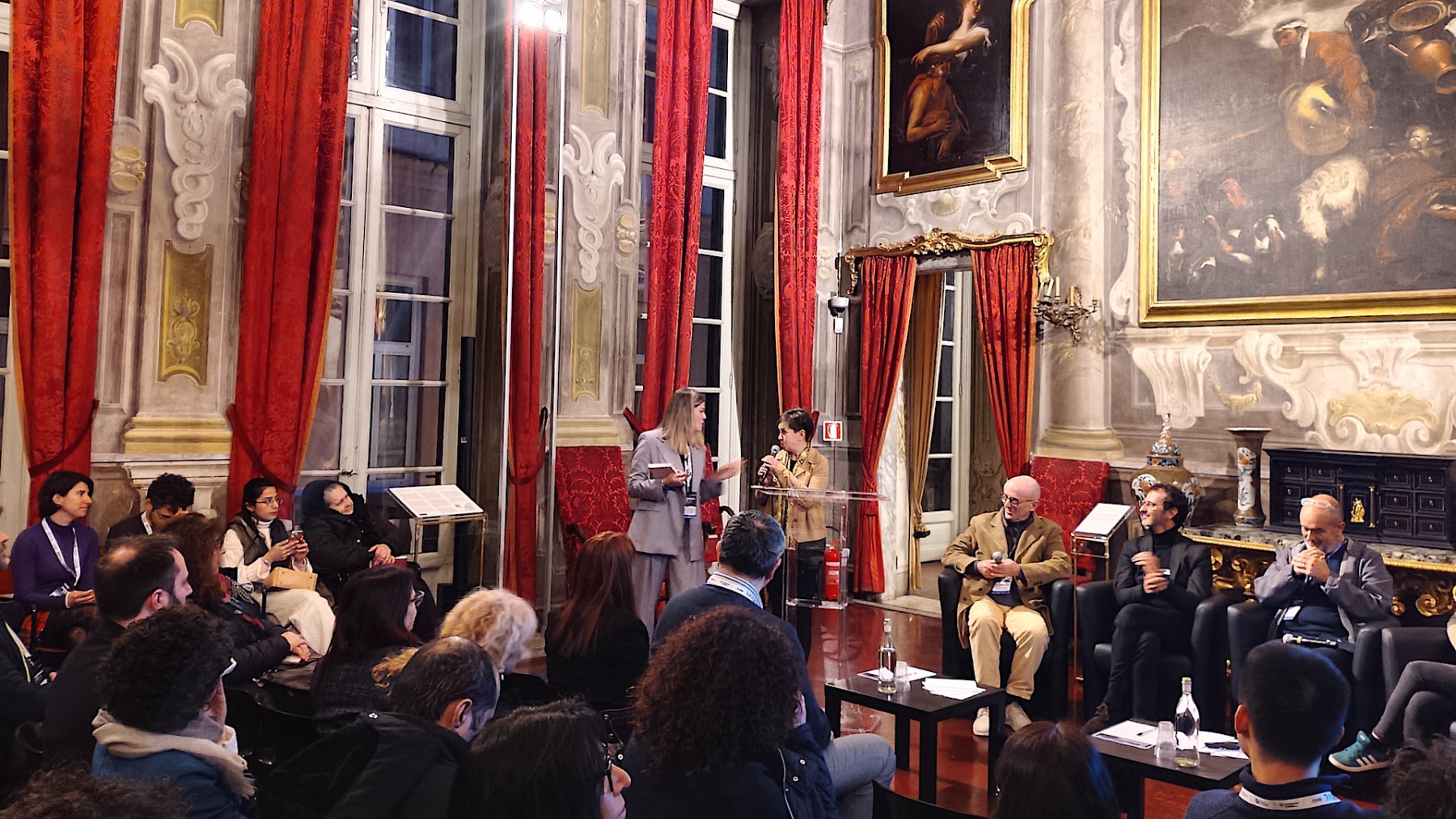
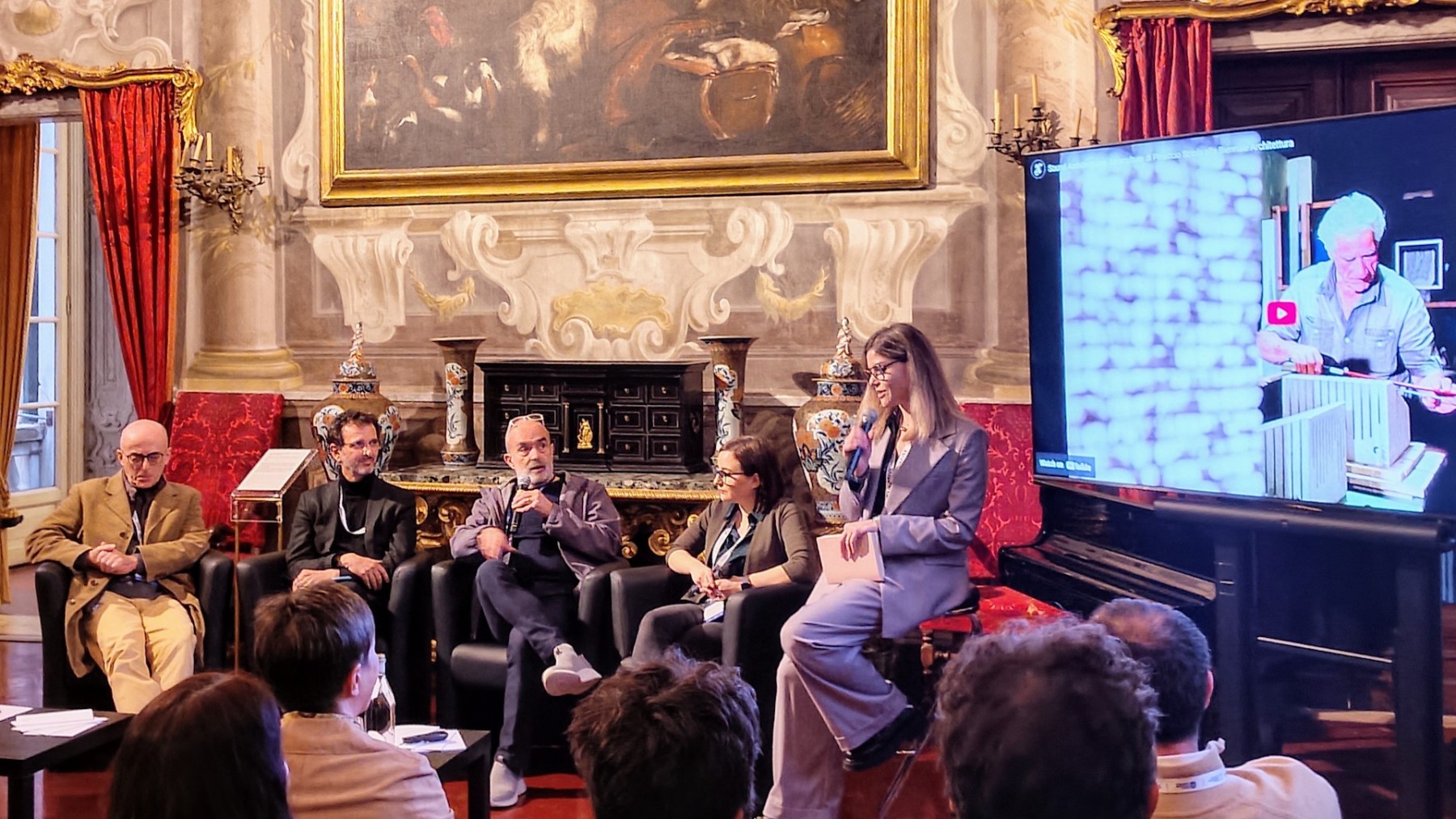
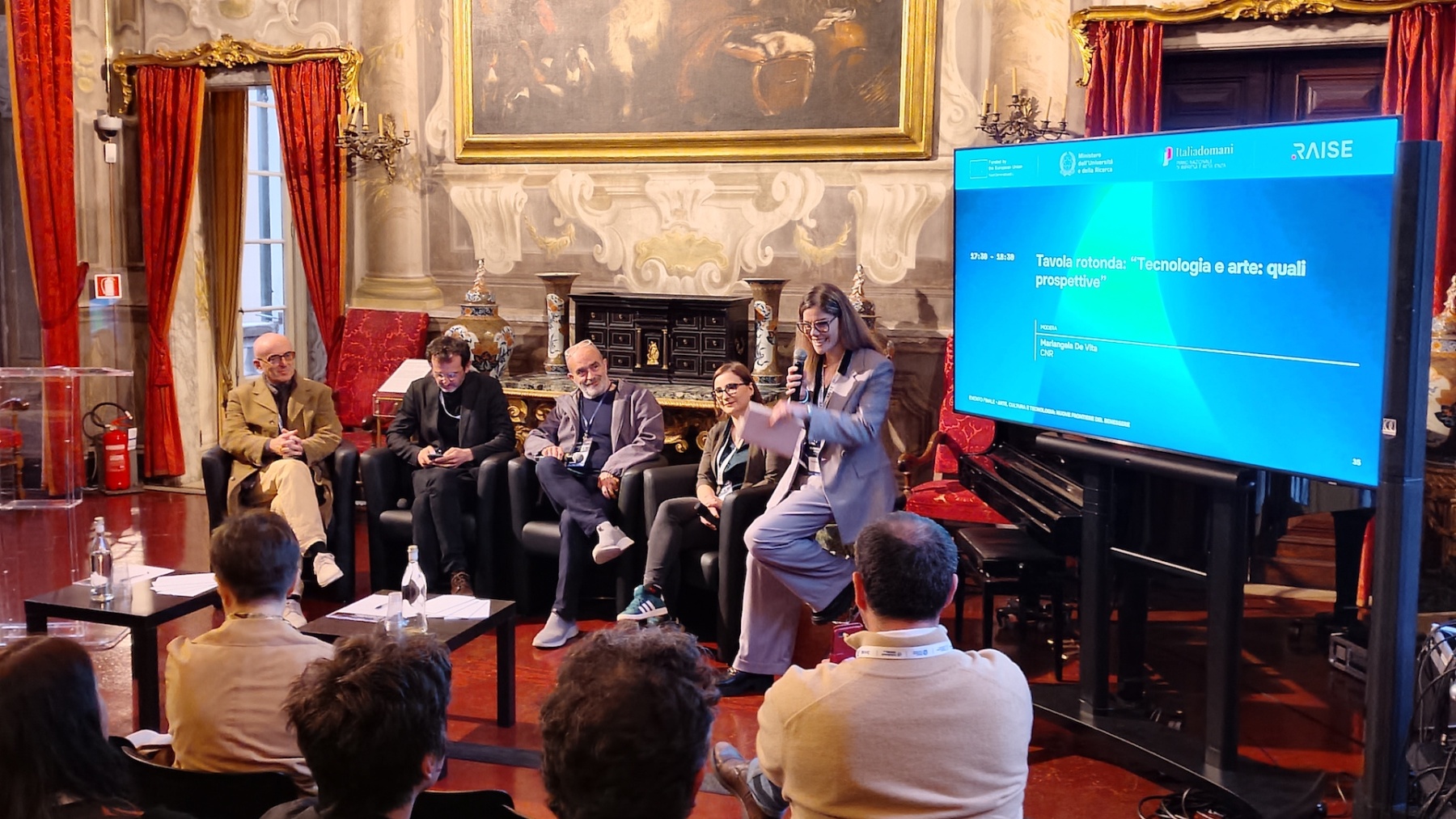
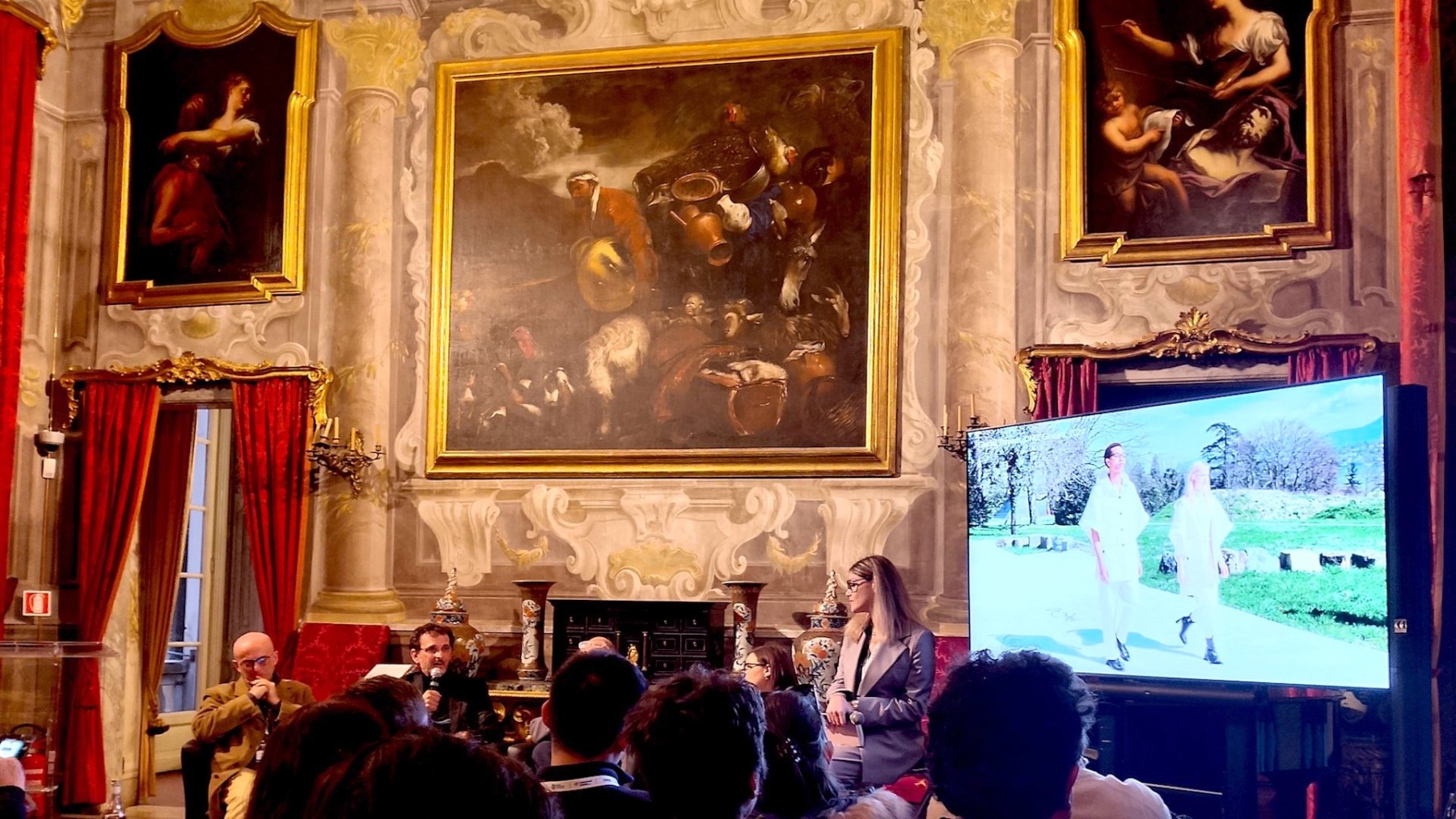
The event continued with a panel of experts moderated by Mariangela De Vita (CNR-DIITET), bringing together Federica Caruso (University of L’Aquila) and Antonio Camurri (UniGe-DIBRIS) with Riccardo Dapelo (Giuseppe Nicolini Conservatory of Music in Piacenza) and Paolo Naldini (Cittadellarte–Fondazione Pistoletto). Starting from the concepts of interconnection, connection, well-being, and inclusion, the speakers presented examples of artistic projects developed in other contexts, all related to the themes of the roundtable and aimed at exploring the potential synergies between technology and art.
Federica Caruso illustrated several applications of Virtual Reality in healthcare settings, where it is used alongside art to manage stress and the perception of pain.
Riccardo Dapelo discussed the relationship between sculpture and music, describing the “Pietre Sonore” project by Maestro Sciola, in which the installation space becomes interactive thanks to sensors that allow visitors to “play” the stone sculptures without touching them, through “invisible keys” activated by their presence.
Paolo Naldini described how inspirations drawn from concrete contexts have influenced artistic creation processes, within projects such as Glacial Threads. From forests to the textiles of the future, in collaboration with the Lenzing group, which aims to protect Alpine glaciers using special biodegradable, microplastic-free geotextiles derived from trees. These fabrics, in addition to covering the glaciers, are recyclable and have inspired, through artistic creation processes, a fashion collection that carries the traces of stories written by water over time through these materials.
Antonio Camurri highlighted the role of Casa Paganini and several projects developed within this strongly multidisciplinary environment, focusing in particular on the ability of art to encourage people to slow down and engage deeply with aesthetic experiences, with positive effects on individual well-being in an increasingly fast-paced and stimulus-overloaded world.
The event concluded with a convivial moment and the opportunity for participants to directly experience the technologies of the Spoke 1 culture demonstrator.
From the prestigious halls of a historic Genoese palace—part of the National Museums of Genoa—RAISE Spoke 1 thus brought its activities to a close with a final event open to the public. During this occasion, the results achieved along the thread connecting beauty, art, care, well-being, inclusion, and technology were shared, paving the way for new interconnections, collaborations, and future projects.
Author: Communications Team, Spoke 5
Credits: RAISE


