Communicating through Cinema: the RAISE evening at Corallo Cinema in Genoa


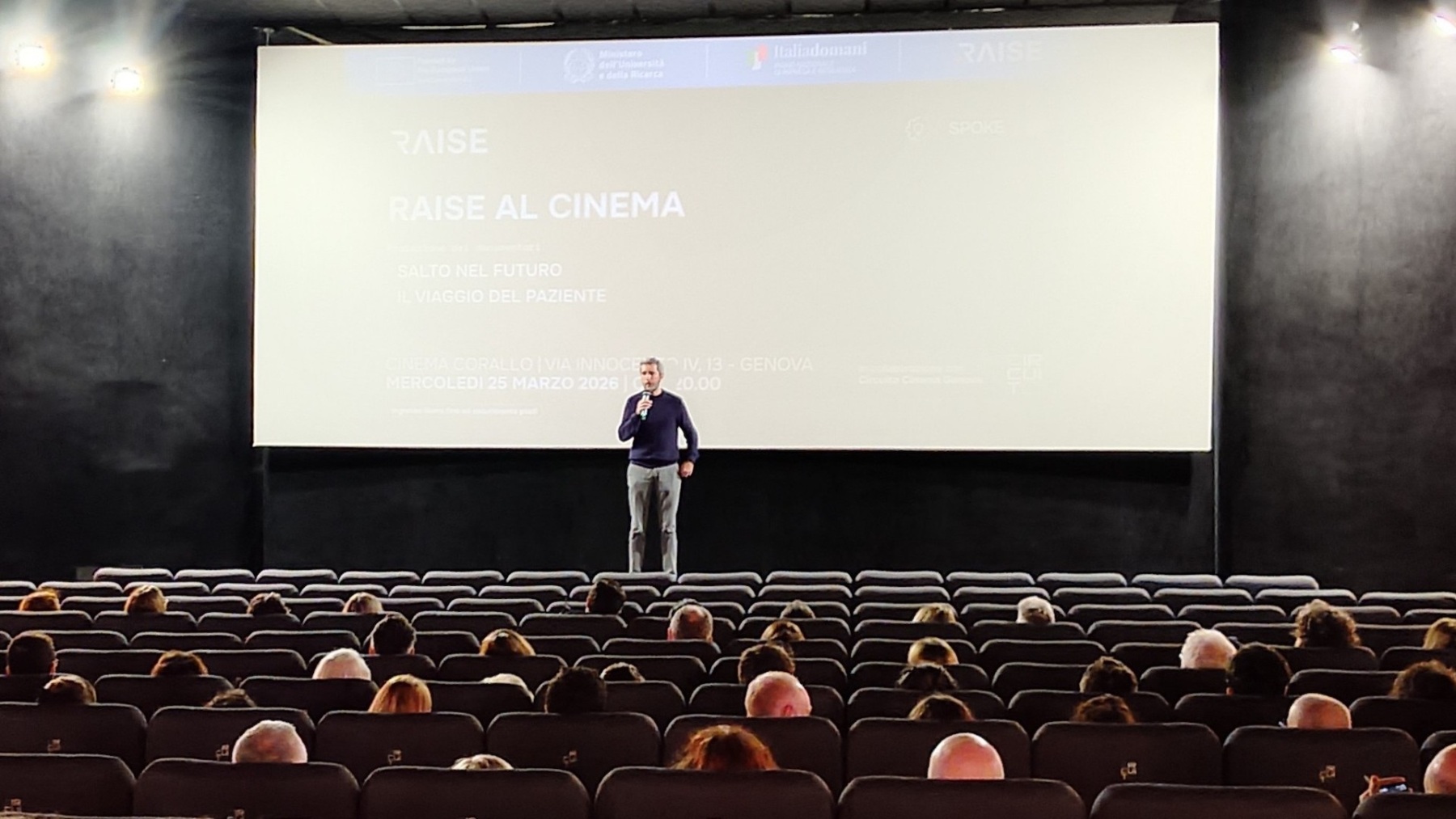
Among the many different ways in which the RAISE project has shared its goals and achievements, Wednesday, March 25 marked a turn to cinema—entrusting data, technologies, and scenarios to the camera to transform them into an immediate and effective narrative.
At Screening Room 1 of the Corallo Cinema in Genoa, a special event titled “RAISE AT THE CINEMA” took place, featuring the screening of the documentaries “The Patient’s Journey” and “Leap into the Future.” The evening brought together research, technology transfer, and the public, and was organized in collaboration with Circuito Cinema Genova.
Through the direct and engaging language of documentary filmmaking, audiences were immersed in a compelling narrative exploring how technology is transforming society and everyday life.
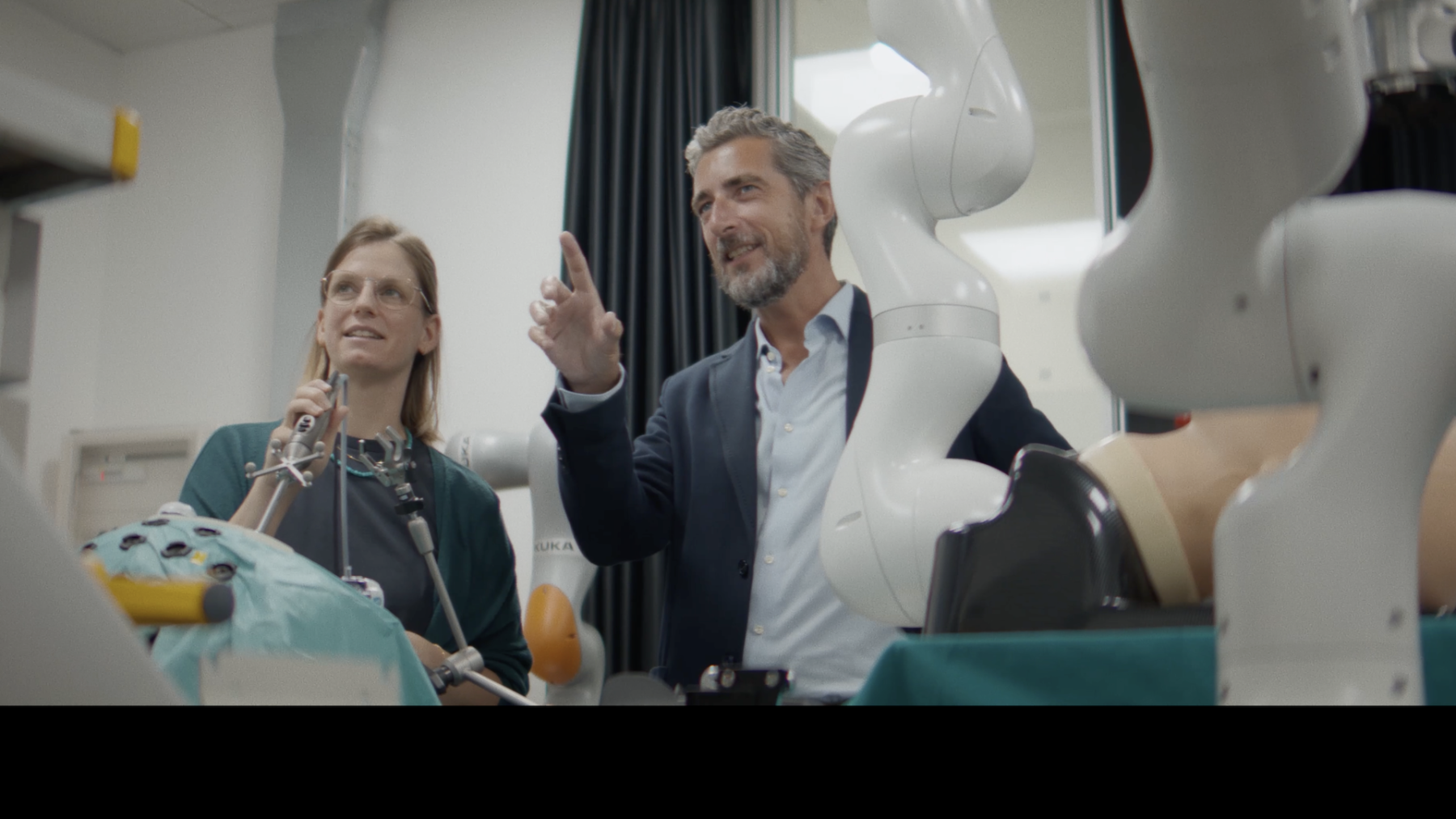
The evening opened with “The Patient’s Journey,” a documentary produced by Spoke 2, directed by Simone Valentini and executively produced by Twister S.r.l., focusing on the evolution of healthcare pathways in the medicine of the future.
The narrative guided viewers through technologies that are reshaping—and will continue to reshape—diagnosis, treatment, and relationships between medical professionals and patients.
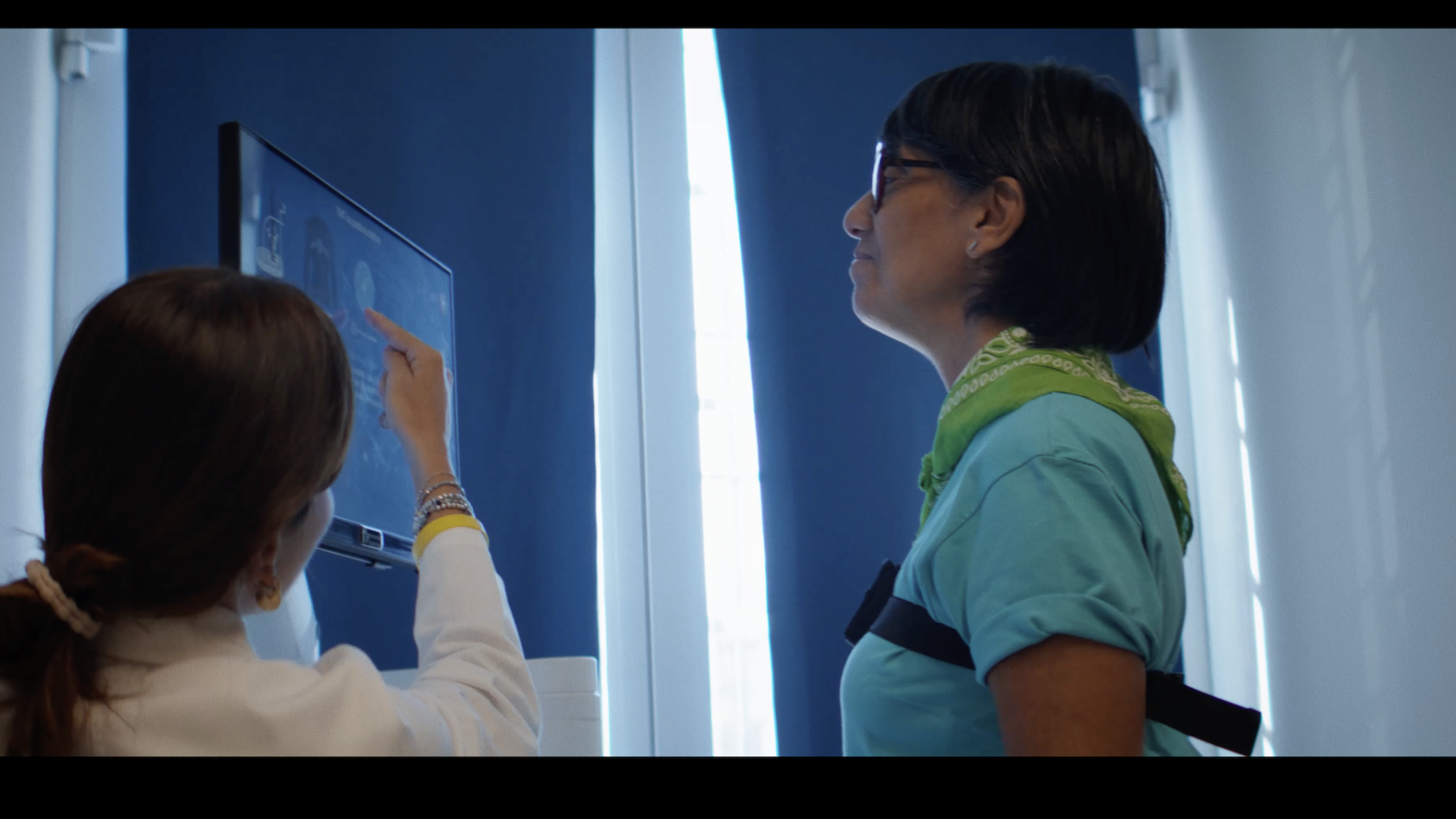
Artificial intelligence strengthens early diagnosis, digital twins support surgery, intelligent robots assist rehabilitation, and eco-friendly sensors enable continuous remote monitoring. These transformations are already underway and will increasingly define the hospital of the future.
Through testimonials, real-world examples, and accessible language, the documentary shows how technological innovation can help build a safer, more efficient, and more personalized healthcare system, placing the individual at its center.
The second documentary, “Leap into the Future,” by Emilio Suraci (CNR-SCITEC), created for Spoke 5, begins with a historical look at the musical automata of Neuchâtel and the origin of the term “robot,” evoked by a choreographer. The narrative weaves through music, theater, and dance, showcasing inclusive artistic applications, also through children’s drawings and the perspectives of people with disabilities.
The documentary offers an emotional journey into the world of robotics and artificial intelligence from a human-centered perspective, focusing on the meeting between technology and human beings—their needs, expectations, deep motivations, values, and desires.
Virtual reality makes it possible to overcome architectural barriers, allowing someone to visit a rock-hewn church in the Sassi of Matera from a home in Genoa. The narrative highlights how technology, together with human empathy, can help make cities not only smarter but also more inclusive.
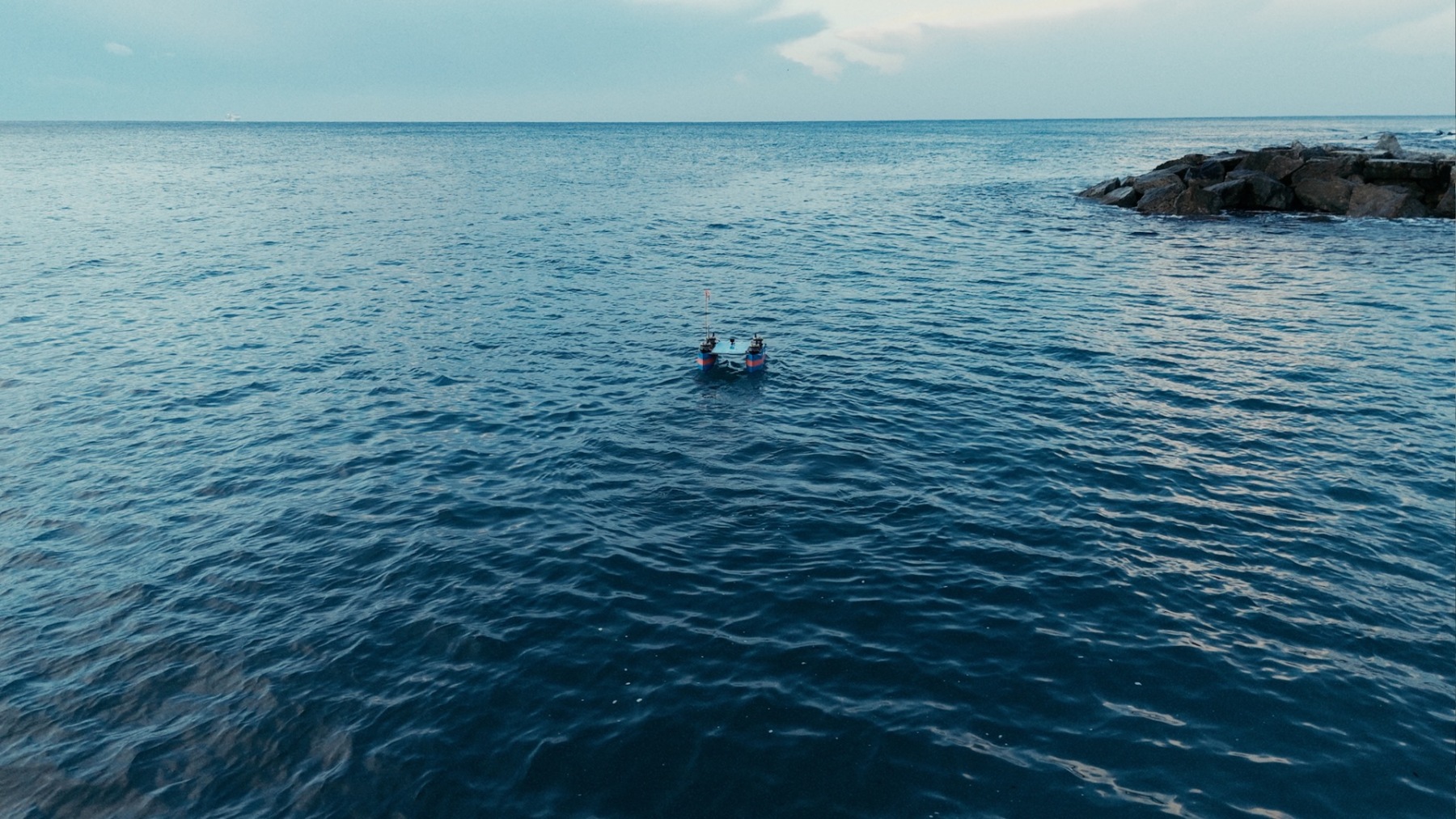
The field of personalized care is explored through the voices of researchers and patients with multiple sclerosis at FISM. Then, across hospitals, laboratories, and domestic environments, innovations in prosthetics, exoskeletons, AI-assisted surgery, robotics, and 3D models are presented. From caring for people, the focus expands to caring for the environment, with eco-robotics applications in marine, agricultural, and industrial settings.
A yellow quadruped robot, Spot, moves through the spaces of the Port of Genoa among brightly colored containers resembling Lego bricks. Together with port operators and researchers, it concludes the story in a journey through inclusive cities, personalized healthcare, environmental care, and smart ports—the key themes of the Ligurian RAISE innovation ecosystem.
The documentary highlights how robotics and AI can support both the present and the future, provided they are designed by humans with strong values, aiming for a better quality of life.
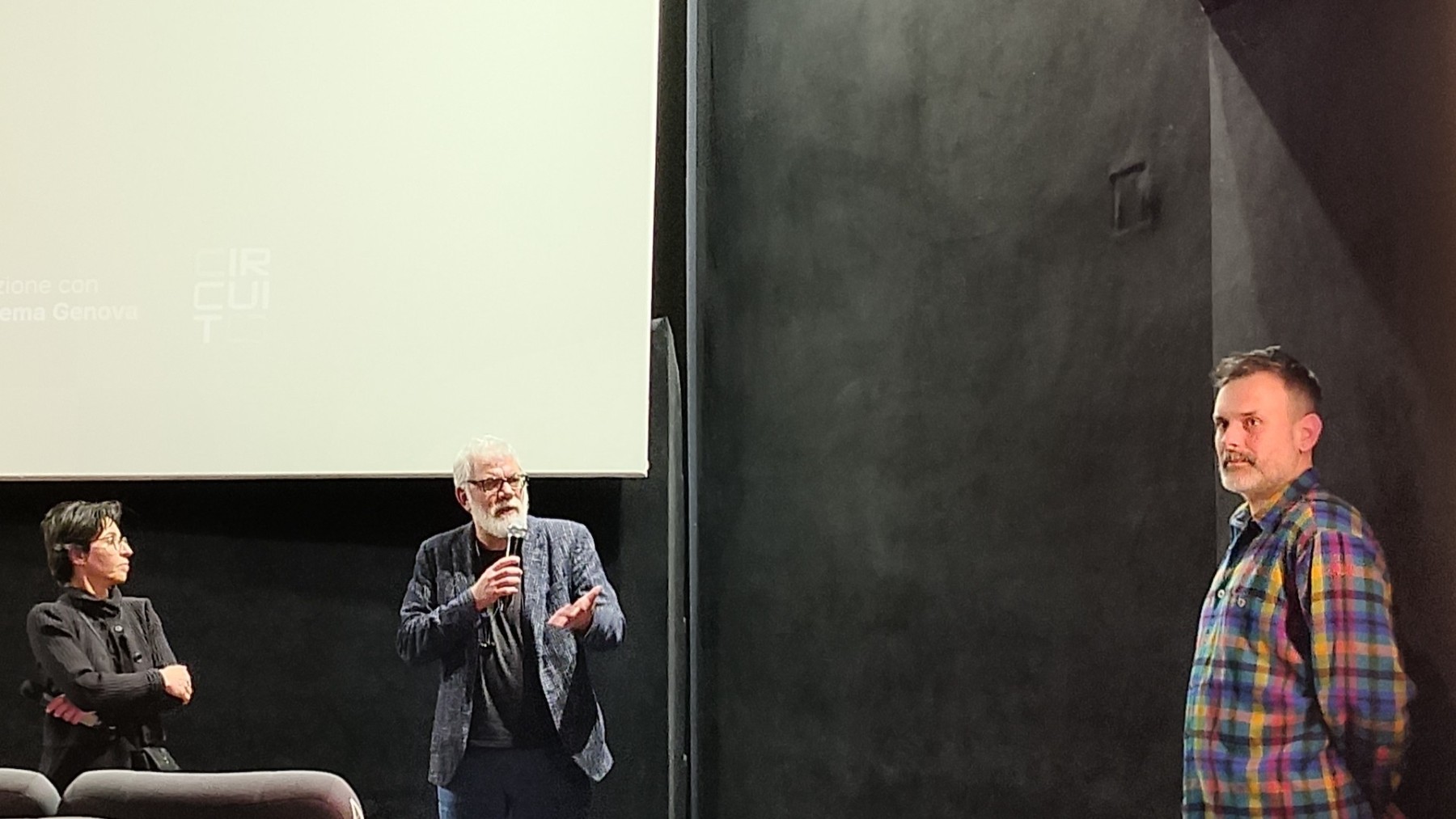
The evening concluded with a panel discussion moderated by Francesca Gorini (CNR), featuring Marco Faimali, Lorenzo De Michieli, Valentina Squeri, and Emilio Suraci.
Marco Faimali emphasized that the two documentaries, both of high quality, present different approaches and narrative styles—one more analytical, the other more emotional—yet both contribute to disseminating the results of RAISE, expressing hope for their wider distribution through cultural and scientific television channels.