
The future of agriculture: microorganisms, robotics, and data for smart vineyards


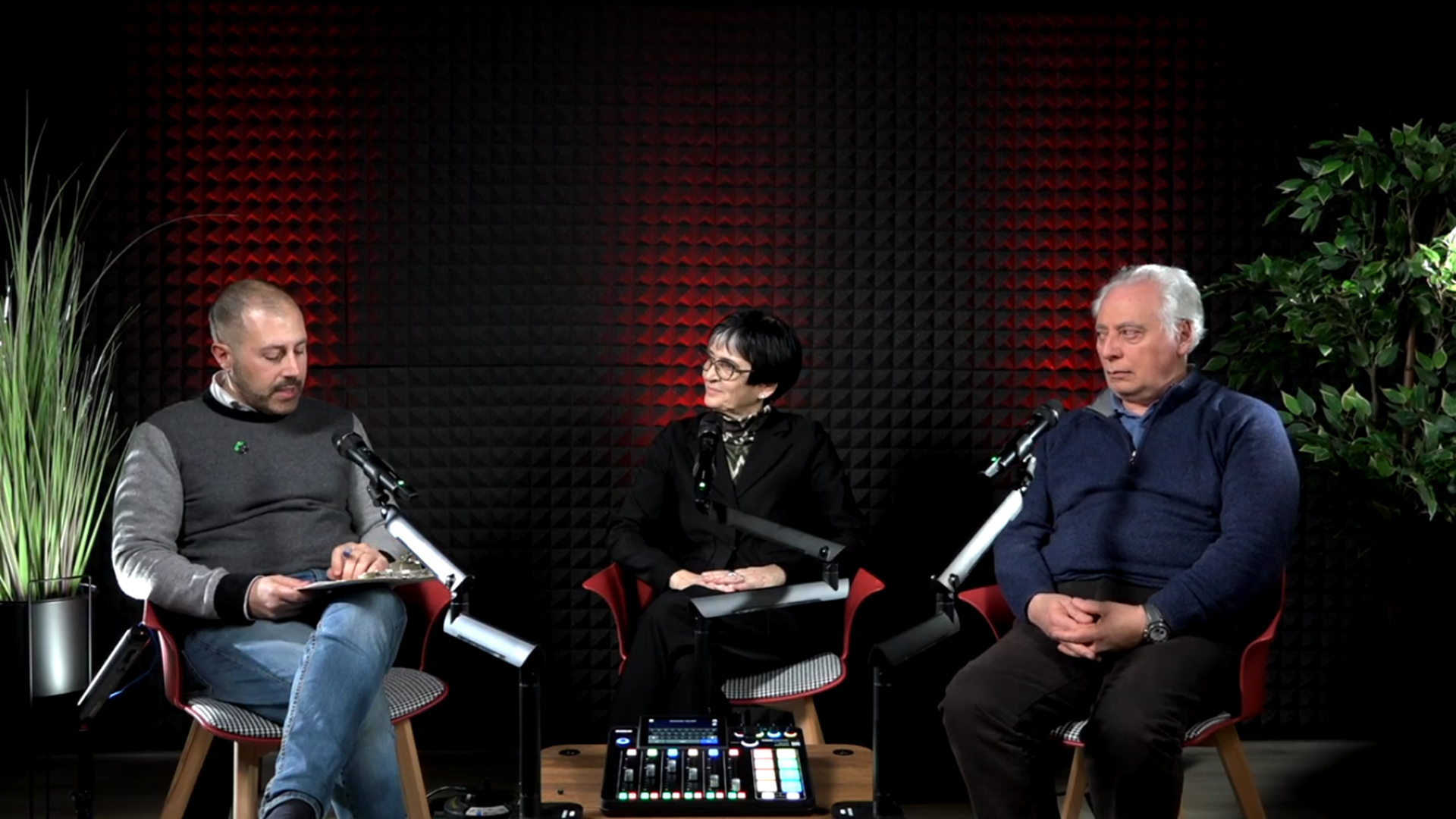
A new episode of “Incontri con il Futuro – Storie di innovazione dall’ecosistema RAISE”, the video-podcast created in collaboration with Rinnovabili.it, is now available. The series explores experiences and key players in robotics and artificial intelligence research.
This episode has focused on a strategic area for sustainable development: precision agriculture. It has explored the Mycotech-Wine project, which integrates biotechnology, robotics, and IoT sensors to develop advanced systems for vineyard management.
The guests of the episode are Mirca Zotti, Professor at the Department of Earth, Environmental and Life Sciences at the University of Genoa, and Sandro Zappatore, Professor at DITEN – Multimedia Communications Laboratory at the same university, which is collaborating within RAISE’s Spoke 3. During the conversation, they have described how collaboration across disciplines has shaped an innovative approach to viticulture.
The Mycotech-Wine project has highlighted the role of microorganisms in soil health and plant development. Mirca Zotti has explained how the study of microbial communities has provided new insights into the balance of agricultural ecosystems. Biological analysis has made it possible to identify key factors affecting soil quality and crop resilience, supporting more sustainable agricultural practices.
Alongside the biological dimension, the episode has emphasized the contribution of digital technologies. Sandro Zappatore has described the use of IoT sensors and robotic systems for real-time data collection and processing. These tools have enabled the monitoring of environmental parameters and crop conditions, providing valuable information to support decision-making in agriculture.
The integration of biological and environmental data has been a central element of the project. Combined data analysis has supported the development of more accurate models for vineyard management, improving the efficiency of interventions and promoting a more conscious use of resources. This approach has outlined a more intelligent agricultural system, capable of adapting to climate variations and local needs.
Throughout the episode, the importance of synergy between scientific research and technological innovation has clearly emerged. The RAISE ecosystem has provided a collaborative environment where expertise from different fields has converged to develop practical solutions with a direct impact on agriculture.
This episode offers an updated vision of the future of agriculture, where microorganisms, robotics, and data work together to improve production quality and promote sustainability. It shows how innovation can support the transformation of the agricultural sector, strengthening the connection between technology and territory.


