RAISE and learning Ecosystems: the contribution of the Observatory and Training


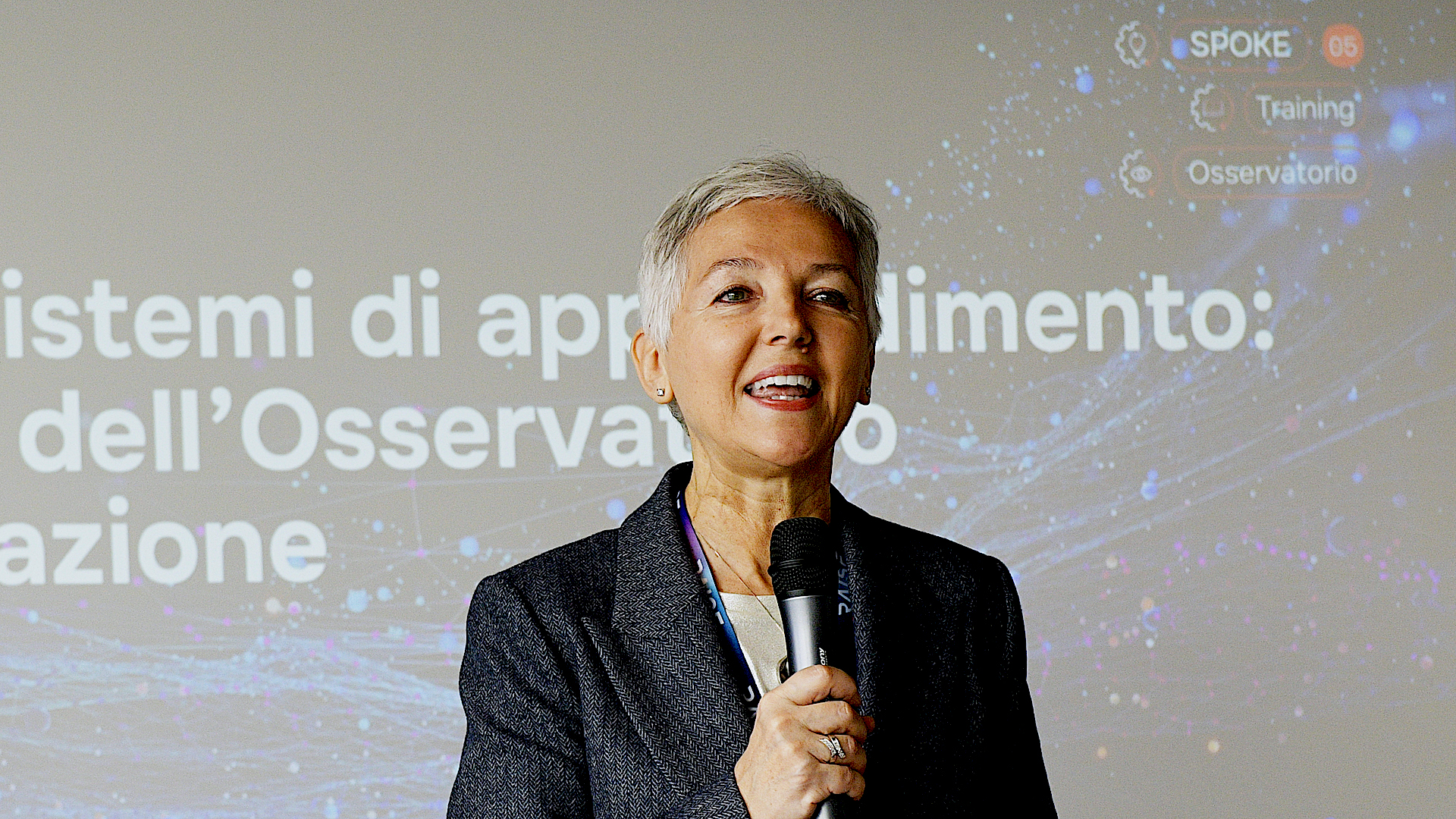
On Thursday, December 4, an event dedicated to the role of artificial intelligence and robotics in innovation ecosystems, education, and territorial development was held at the Nautilus Hall of the Genoa Aquarium, within the framework of RAISE Spoke 5.
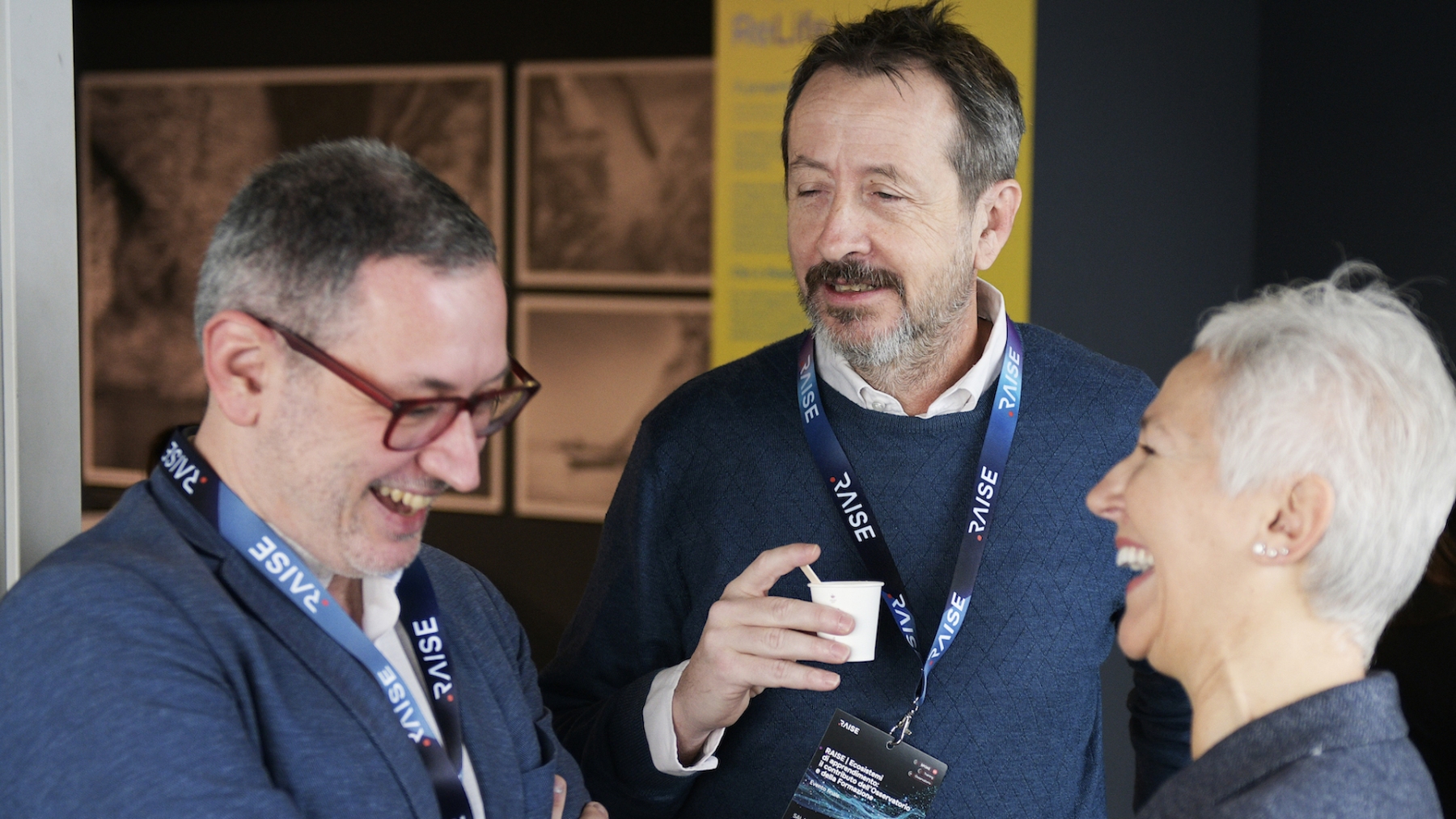
This event represented an important opportunity for dialogue among academia, institutions, companies, and research centers, with the aim of reflecting on the opportunities and challenges associated with the adoption of advanced technologies for innovative and sustainable development.
The program of the day was very rich in content. It included talks by two international keynote speakers, the presentation of the RAISE Observatory on AI and Robotics, several round tables dedicated to business, public administration, and education, as well as the presentation of eight training projects aimed at strengthening skills in the fields of artificial intelligence and robotics.
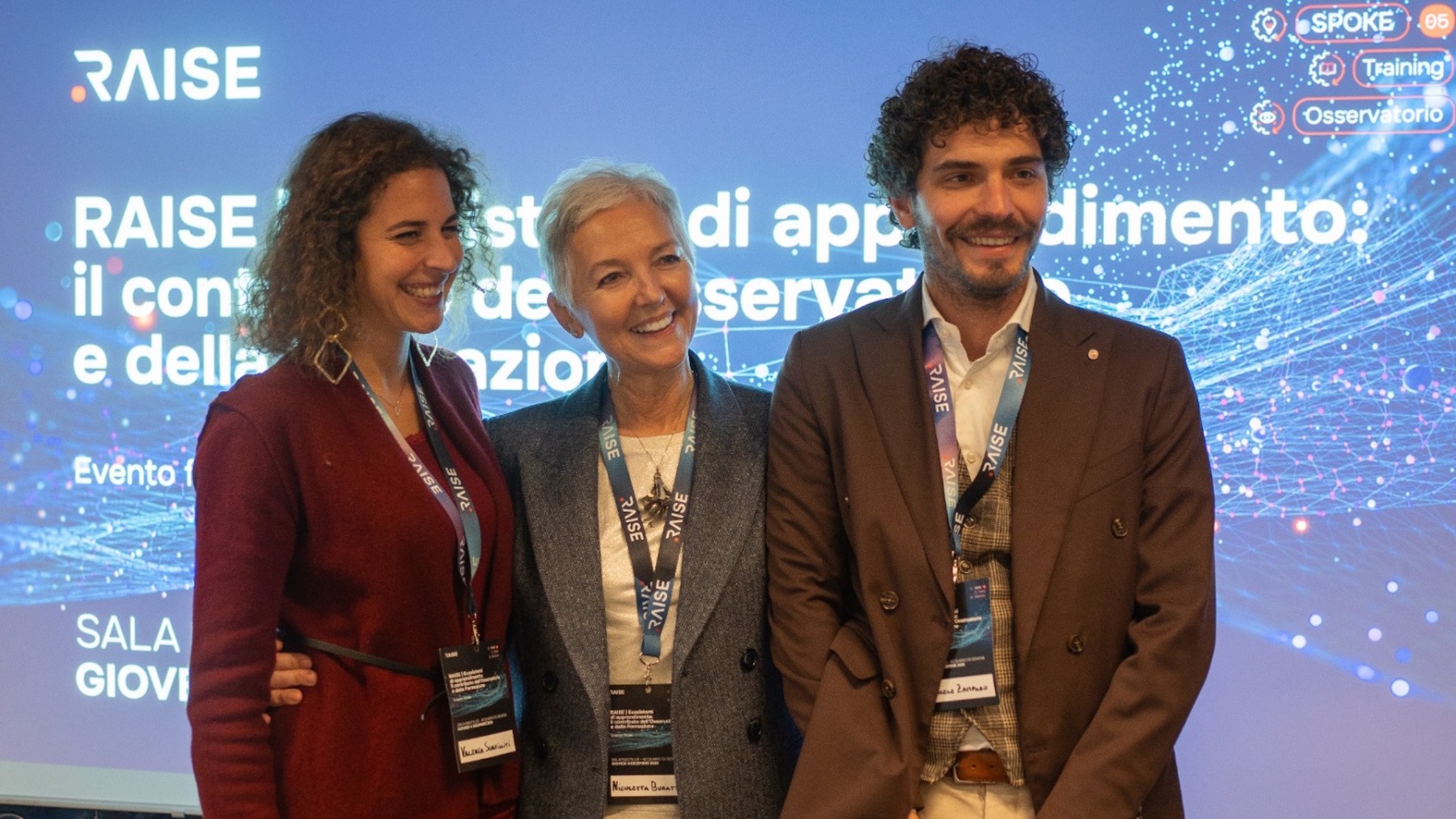
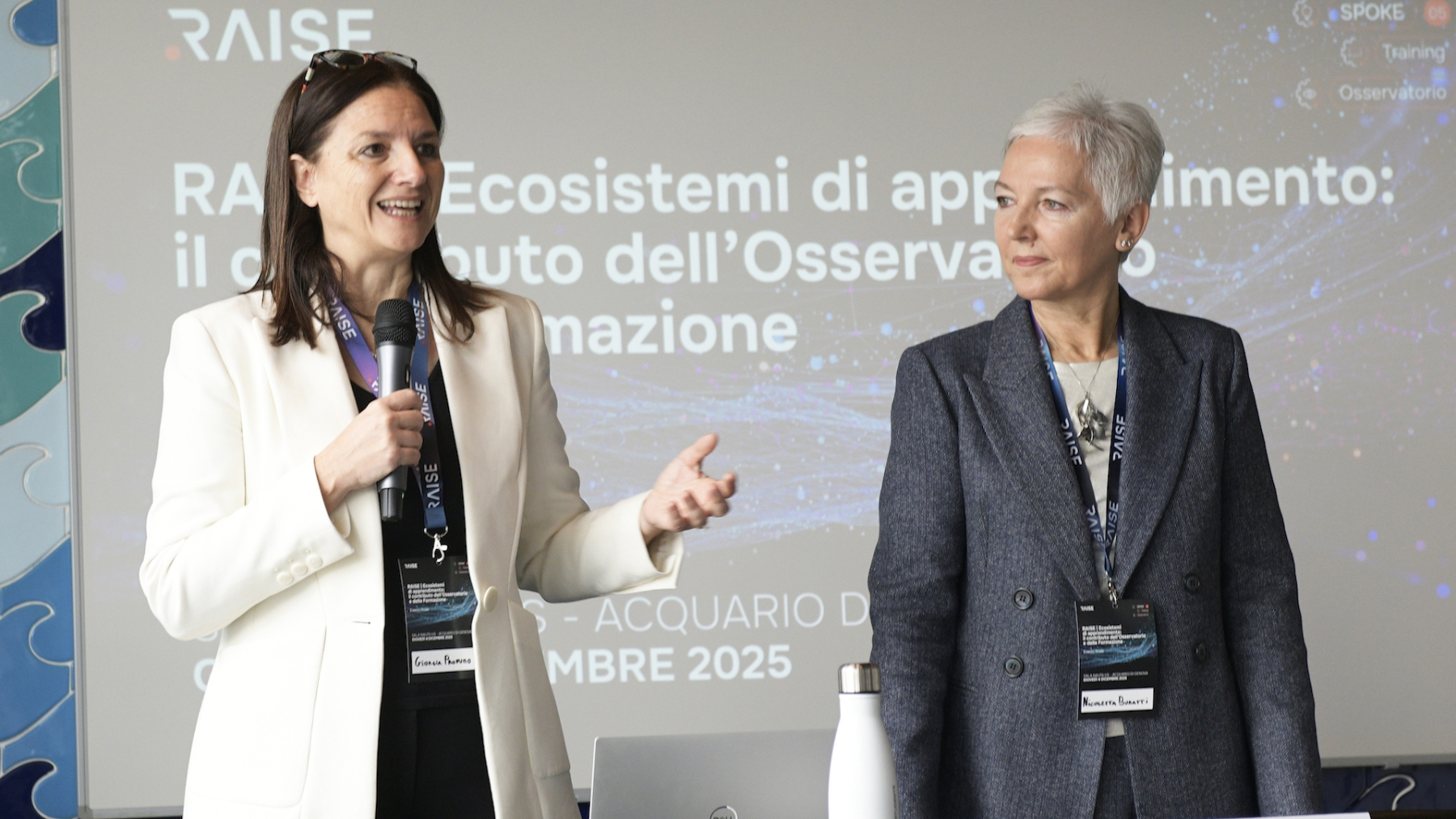
The event opened with institutional greetings from Nicoletta Buratti, University of Genoa, and Cristina Battaglia, RAISE Programme Manager, who introduced the audience to the RAISE ecosystem and its strategic objectives.
This was followed by the two keynote speeches. Margherita Pagani of the SKEMA Center for Artificial Intelligence offered a reflection on the use of AI, highlighting its potential for business creativity, ecosystem protection, and the improvement of educational systems.
Fulvio Mastrogiovanni of the University of Genoa addressed artificial intelligence and robotics as a process of gradual learning, emphasizing the importance of a conscious and responsible approach to technological development.
The central part of the morning was dedicated to the presentation of the RAISE Observatory on AI and Robotics, coordinated by Nicoletta Buratti.
The researchers involved illustrated the main lines of research and the results achieved. Valeria Schifilliti presented a study on the impact of GenAI on marketing professions; Gioele Zamparo analyzed the monitoring of deep tech technologies in Italy; and Valentina Costa showcased applications of AI in local public transport. These contributions highlighted how artificial intelligence and robotics are already transforming key sectors of the economy and public services.
This was followed by a round table dedicated to the role of AI and robotics in the development of businesses and society, moderated by Nicoletta Buratti. The discussion involved representatives from academia, industry, and institutions, who examined the present and future of innovation ecosystems, underscoring the need for collaboration among research, the productive system, and public administrations.
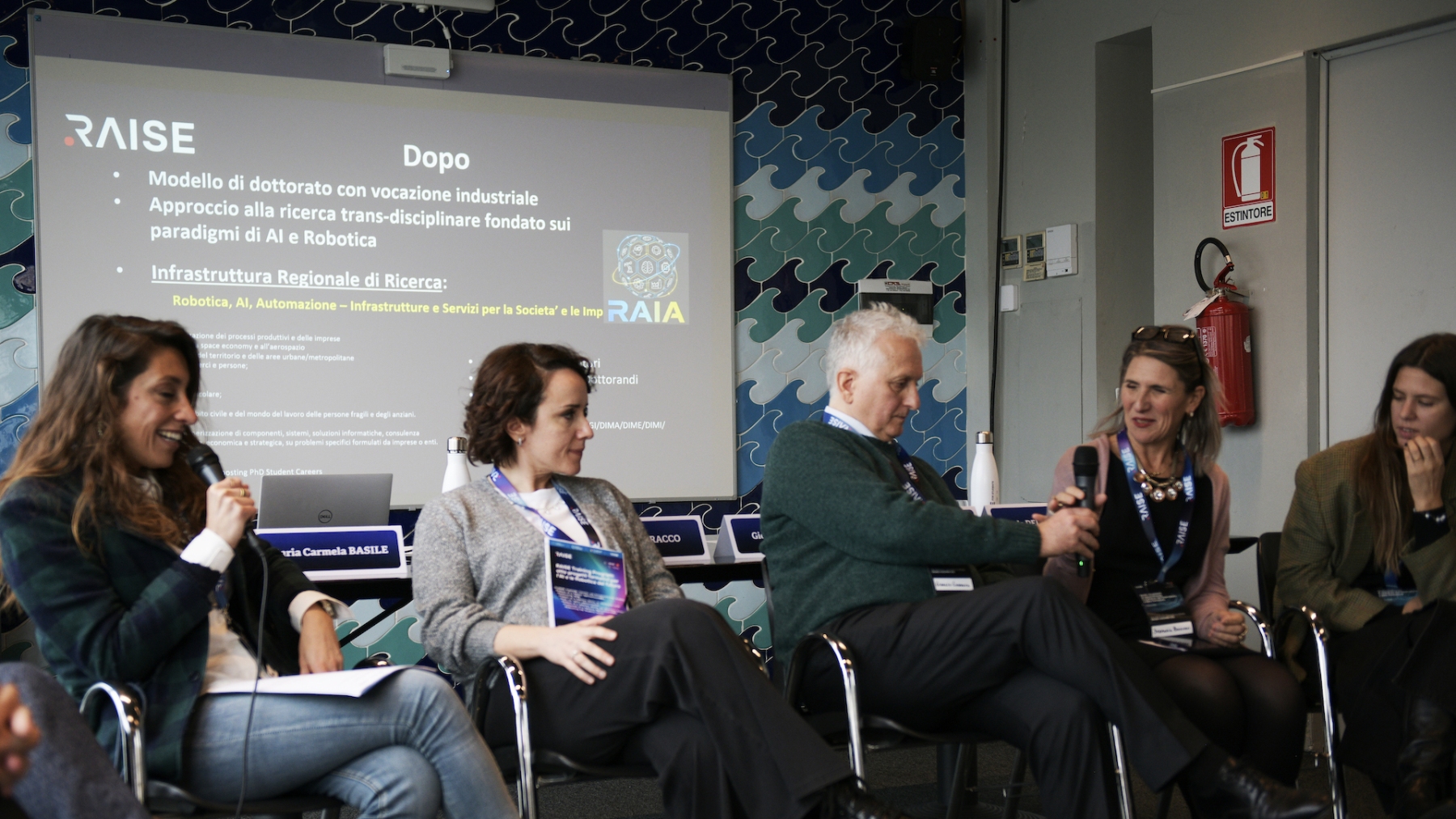
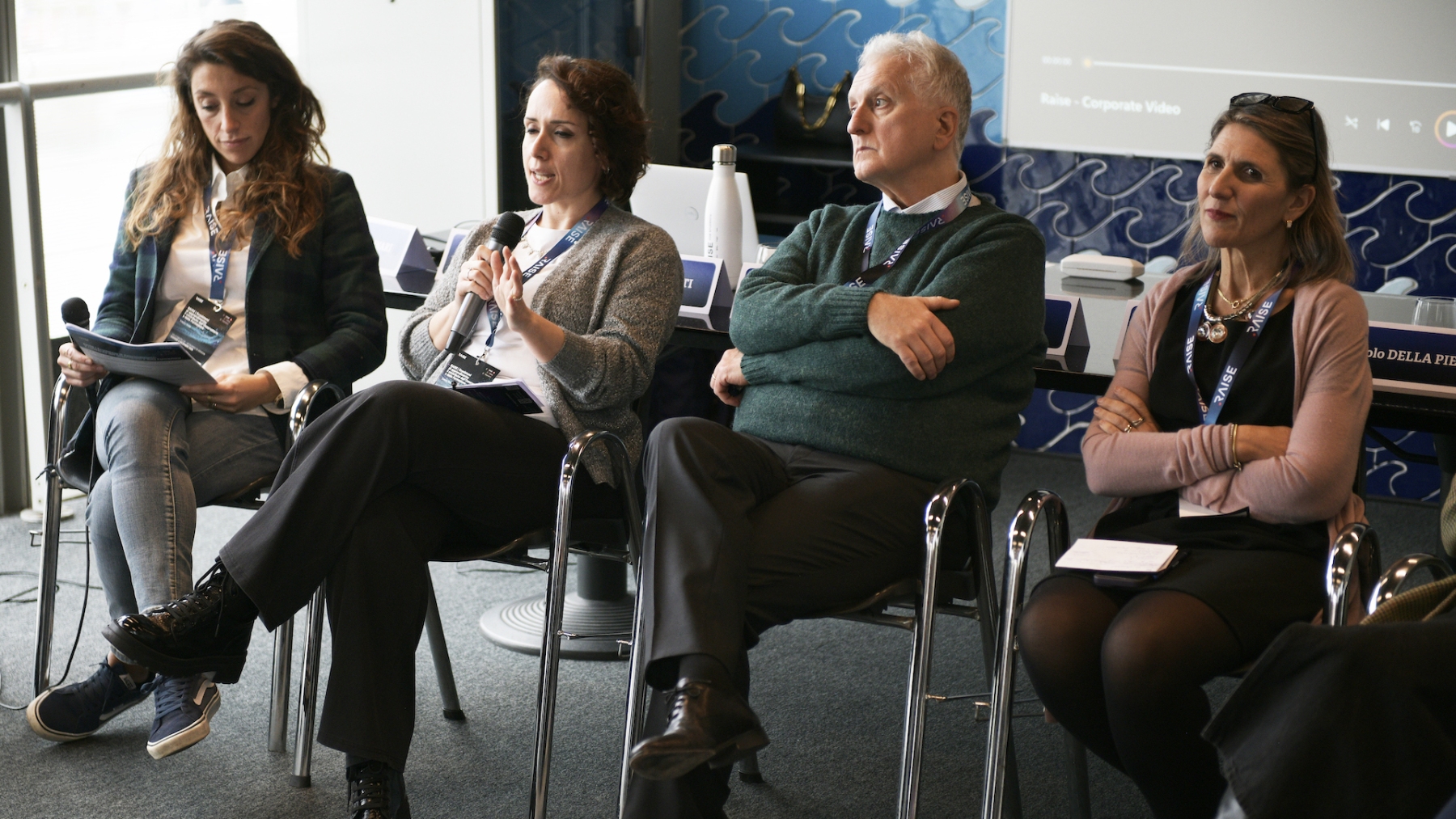
In the afternoon, attention shifted to RAISE training projects dedicated to the AI and robotics of the future. Nicoletta Buratti introduced the Training program, followed by two round tables moderated by Miriam Molinari (IIT), which gave voice to the leaders of the individual projects and to local stakeholders.
The first round table focused on changes in education and the importance of new pathways for students and researchers, capable of integrating technological skills, entrepreneurship, and knowledge transfer.
The second addressed the issue of the skills gap in companies and public administration, reflecting on how to move from theoretical knowledge to practical know-how in the use of AI and robotics.
The day concluded with an overall reflection on the results of the Observatory and the Training program, enriched by the perspectives of representatives from institutions and businesses.
Andrea Pescino, StratejAI & Fusion AI Labs, emphasized the importance of building maturity and awareness around key issues for the future of society.
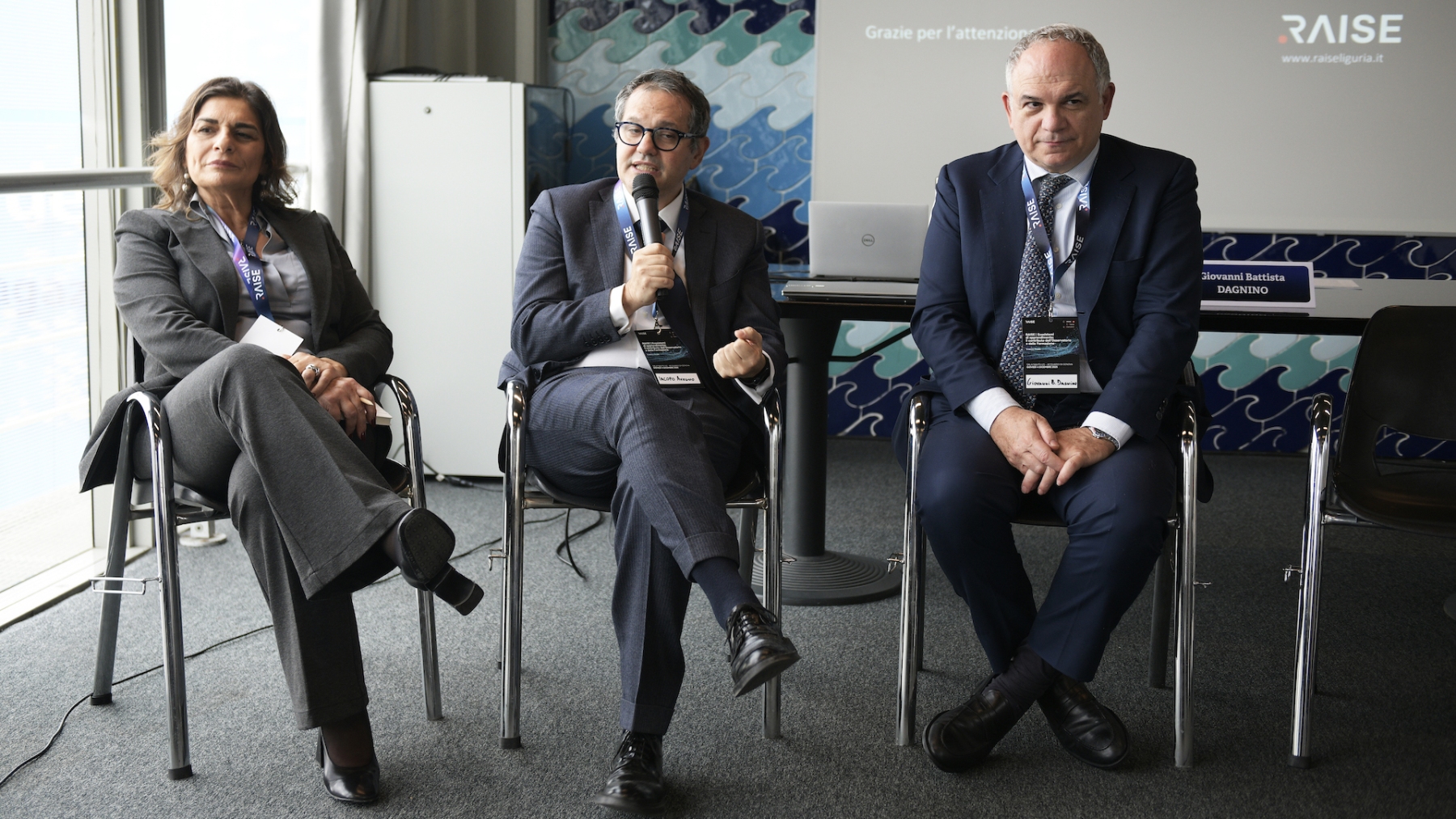
Iacopo Avegno, representing the Liguria Region, highlighted the value of the RAISE ecosystem as a network of skills and strategic vision, expressing the hope that research results can be translated into concrete benefits for the territory, companies, and citizens:
“What I will take away from this day is the awareness that there is a community, an ecosystem of highly capable researchers and companies within RAISE, who have done an excellent job in exploring areas of excellence such as robotics and artificial intelligence, environmental data sensors, transport and port logistics. I will take with me the awareness that the work we must now do is to ensure that this work has an impact on the territory and on companies, and that it becomes a shared asset that truly contributes to development and to providing better services to citizens. Let us think about what research on artificial intelligence can mean for industry, healthcare, and the services that healthcare can provide—an area in which we as a Region are particularly engaged—but also tourism, or monitoring environmental data and risks to people. These are many highly valuable insights that we must ensure turn into concrete outcomes. The important thing is that we have built a network of capable people with a strong vision. This is the great legacy of RAISE, and one that I would not want to see dispersed.”