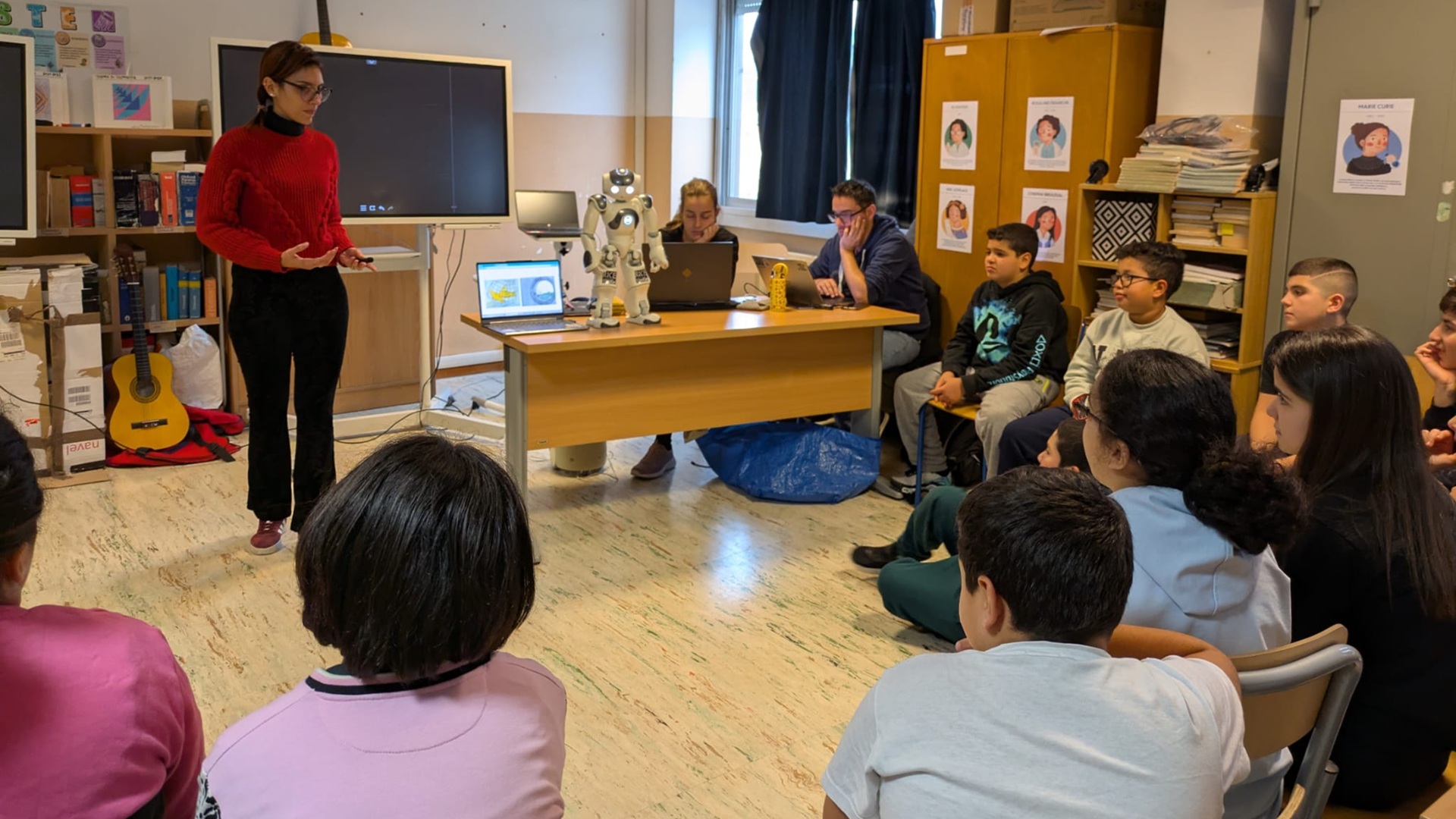
On December 9, the Teglia Comprehensive Institute hosted the presentation of a Spoke 1 demonstrator. Spoke 1 is coordinated by CNR (Michela Spagnuolo) with IIT (Monica Gori) as co-coordinator and was specifically designed for the school environment. The event offered a concrete opportunity to observe how research can be translated into innovative and inclusive educational practices, attentive to different learning contexts.
The day, coordinated by the IIT Unit for Visually Impaired People and the Cognitive Architecture for Collaborative Technologies research units—responsible for the development, integration, and deployment of the demonstrator—involved students from kindergarten, primary school, and lower secondary school, turning the institute into a shared space of experimentation between education and technology.
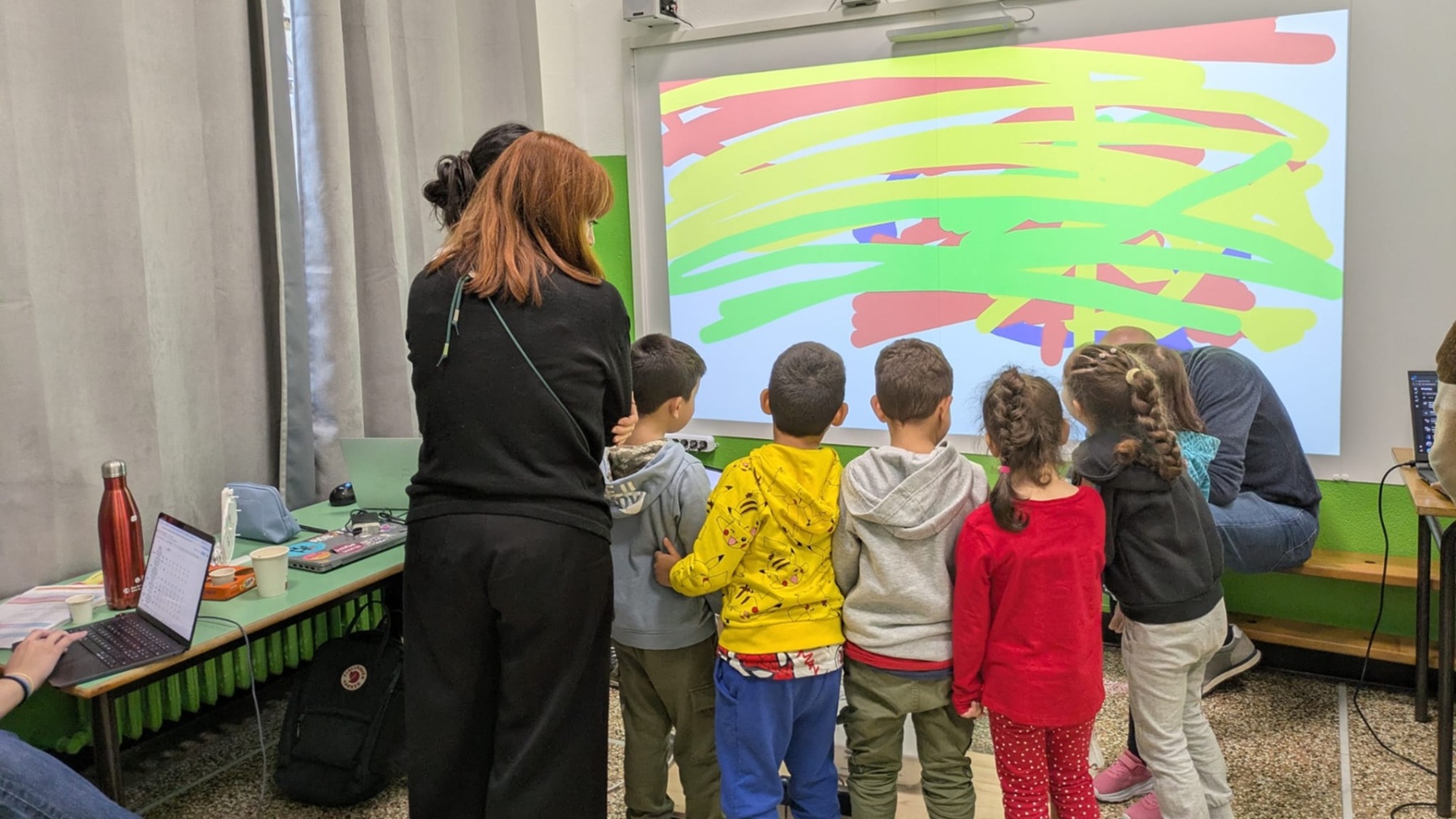
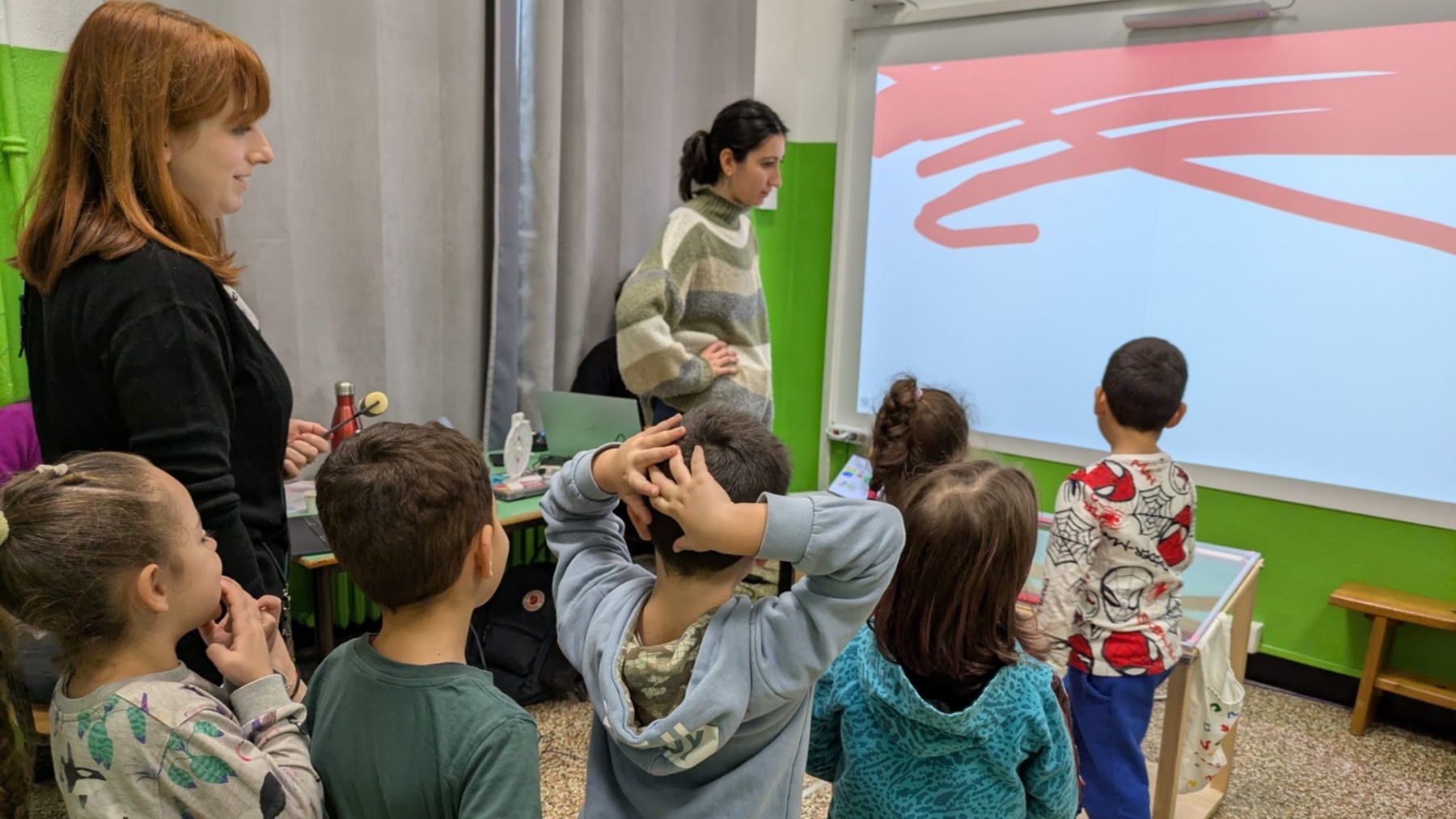
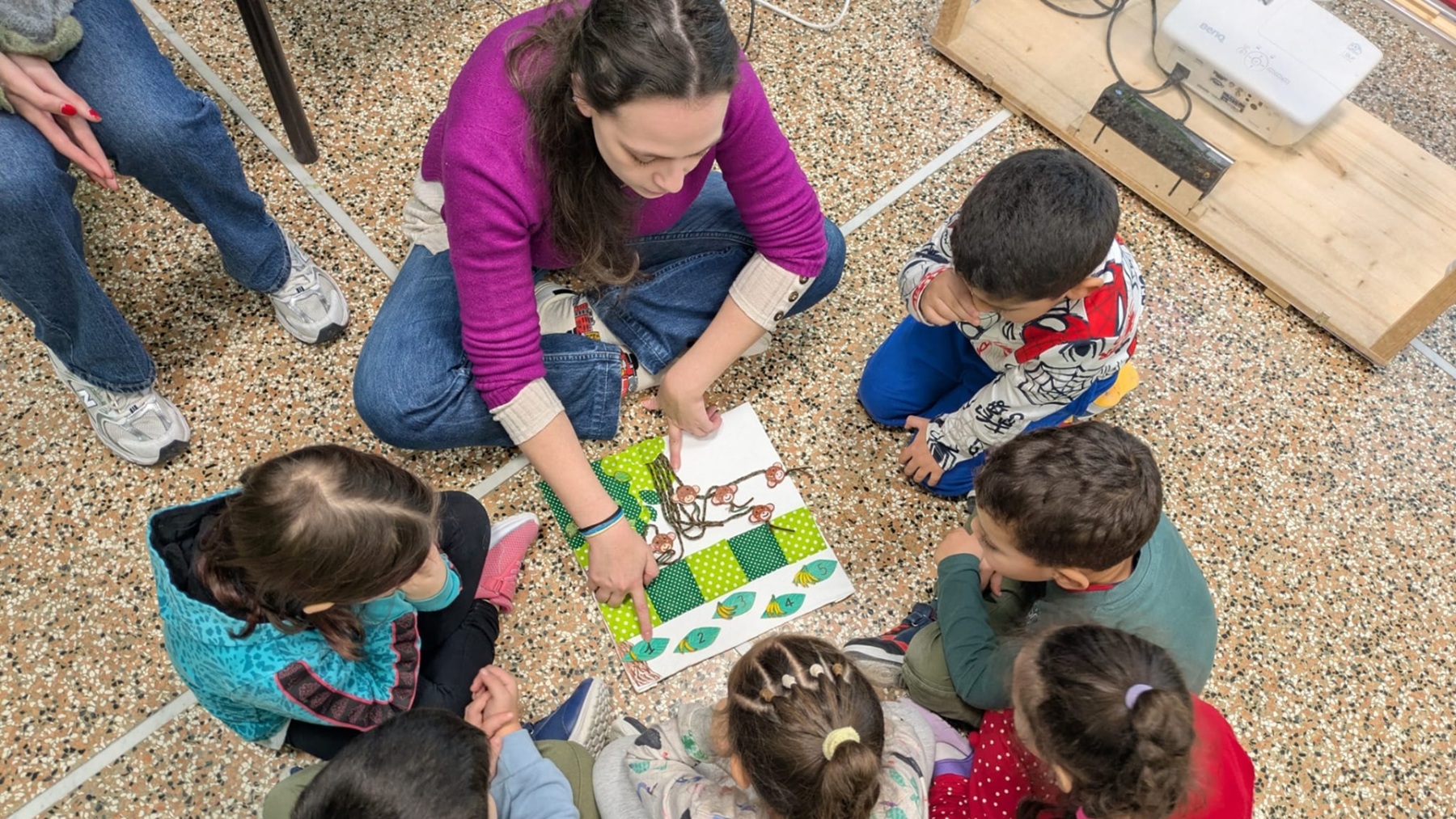
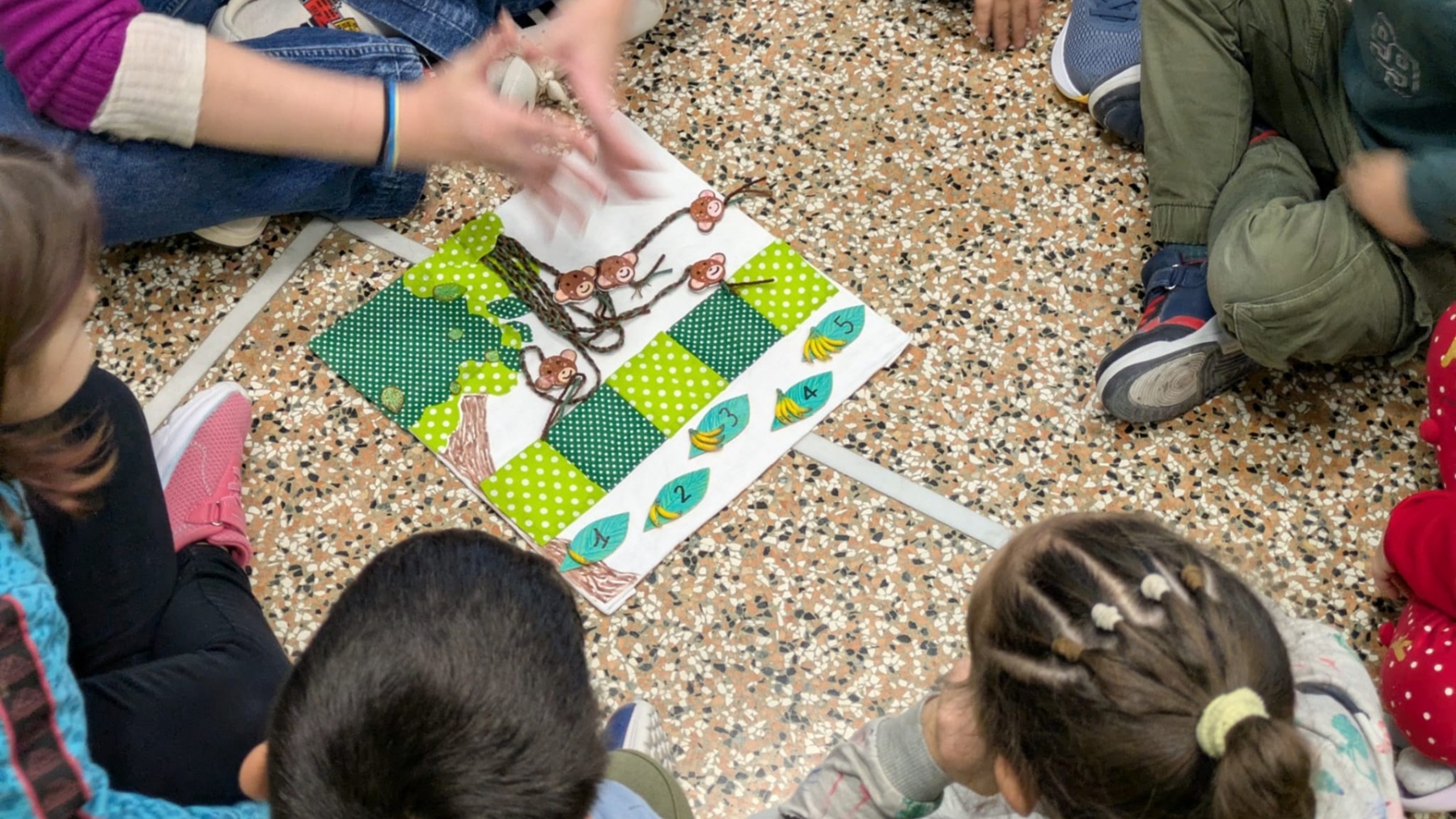
In kindergarten, forty five-year-old children took part in activities designed to enhance the emotional, bodily, and relational dimensions of learning. Divided into small groups, they interacted with Cambia Colore, a technology developed by the University of Genoa in collaboration with Casa Paganini, based on movement analysis. The experience guided children in recognizing and sharing emotions, encouraging emotional check-in and dialogue through the body and space.
At the same time, Human in the Scene, developed by the University of Genoa together with Malga, observed the quality and intensity of interactions within the groups, providing useful indicators to understand collaborative dynamics and participant engagement. The environment thus became a living context, capable of responding to behavior and supporting inclusive learning pathways.
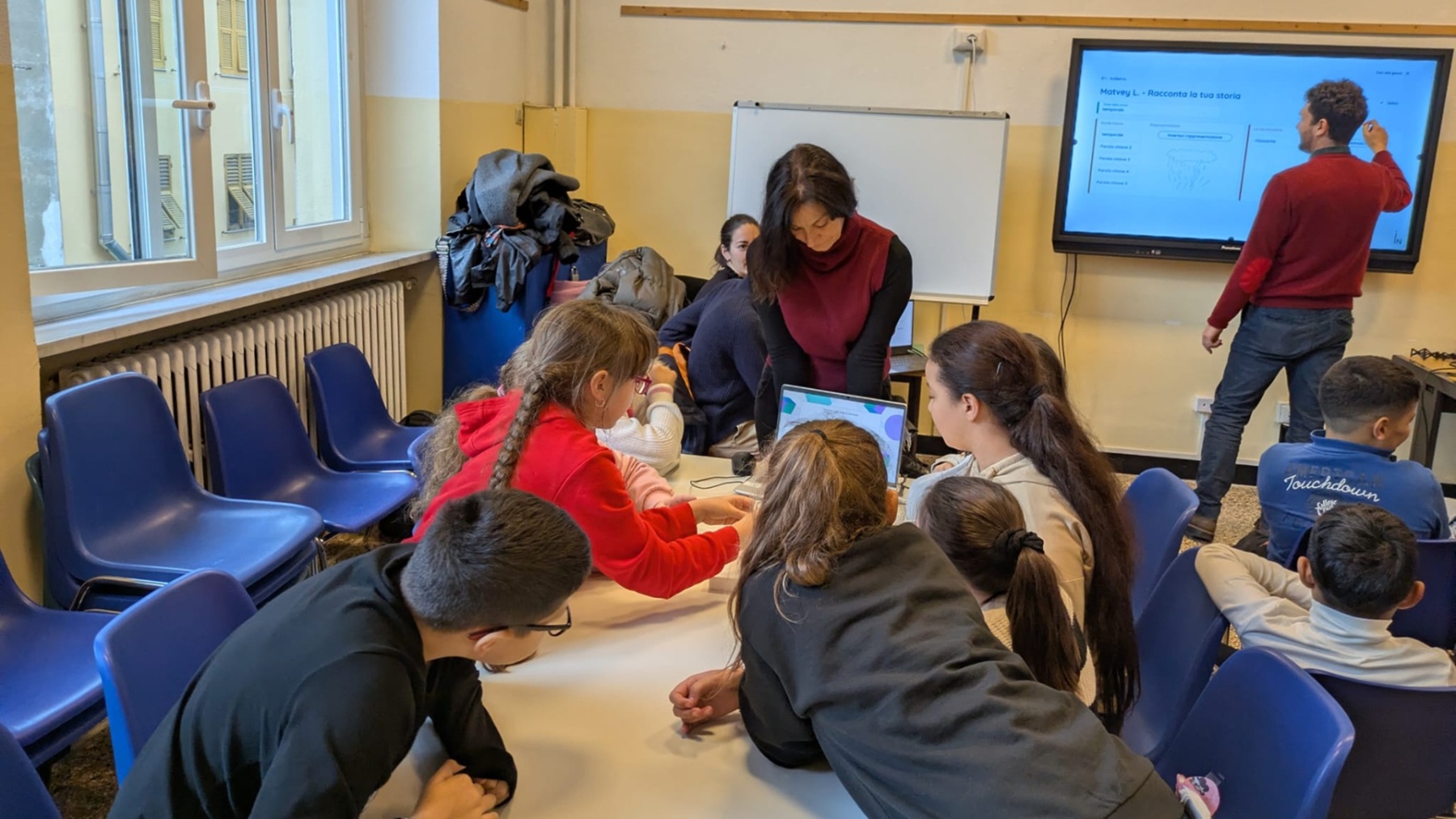
Primary school students experienced a day of alternative lessons, during which fourth-grade classes explored an interdisciplinary and hands-on approach. Astronomy took shape through Insegno, a web platform developed by the IIT Unit for Visually Impaired People that offers interactive lessons in Italian Sign Language (LIS), and through Tactile Maps, developed within the same research line, which use 3D printing to make the learning of geography and space more intuitive and accessible. These tools enabled students to explore complex concepts through touch, visualization, and direct interaction.
Spatial orientation was addressed through SenseObject, a sensorized physical object developed by ETT, designed to stimulate and strengthen visual-spatial skills through play and manipulation. The day concluded with activities focused on inclusion and relationships thanks to Memory, an application developed by the IIT Unit for Visually Impaired People to promote empathy, connection, and collaboration within the classroom.
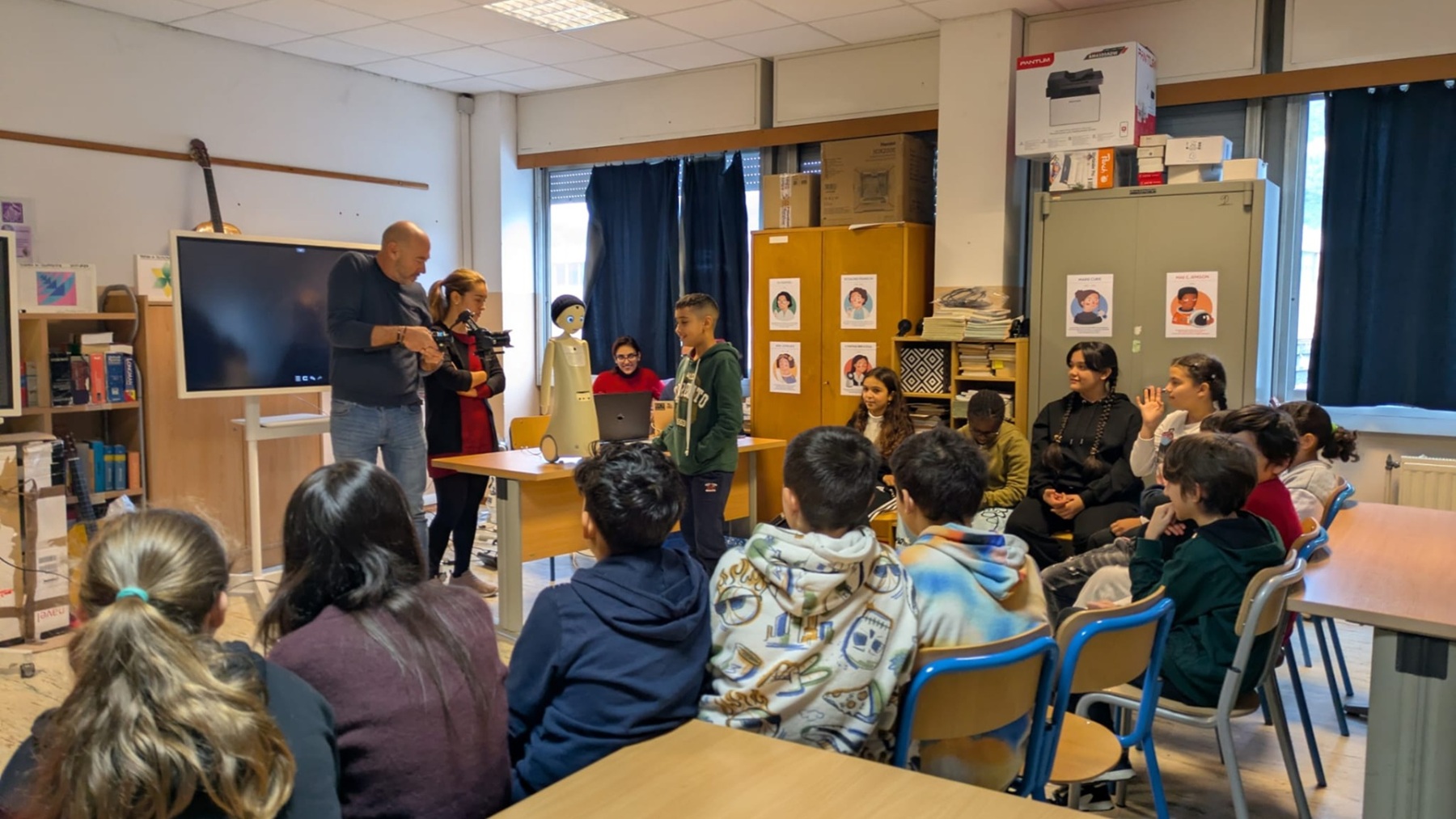
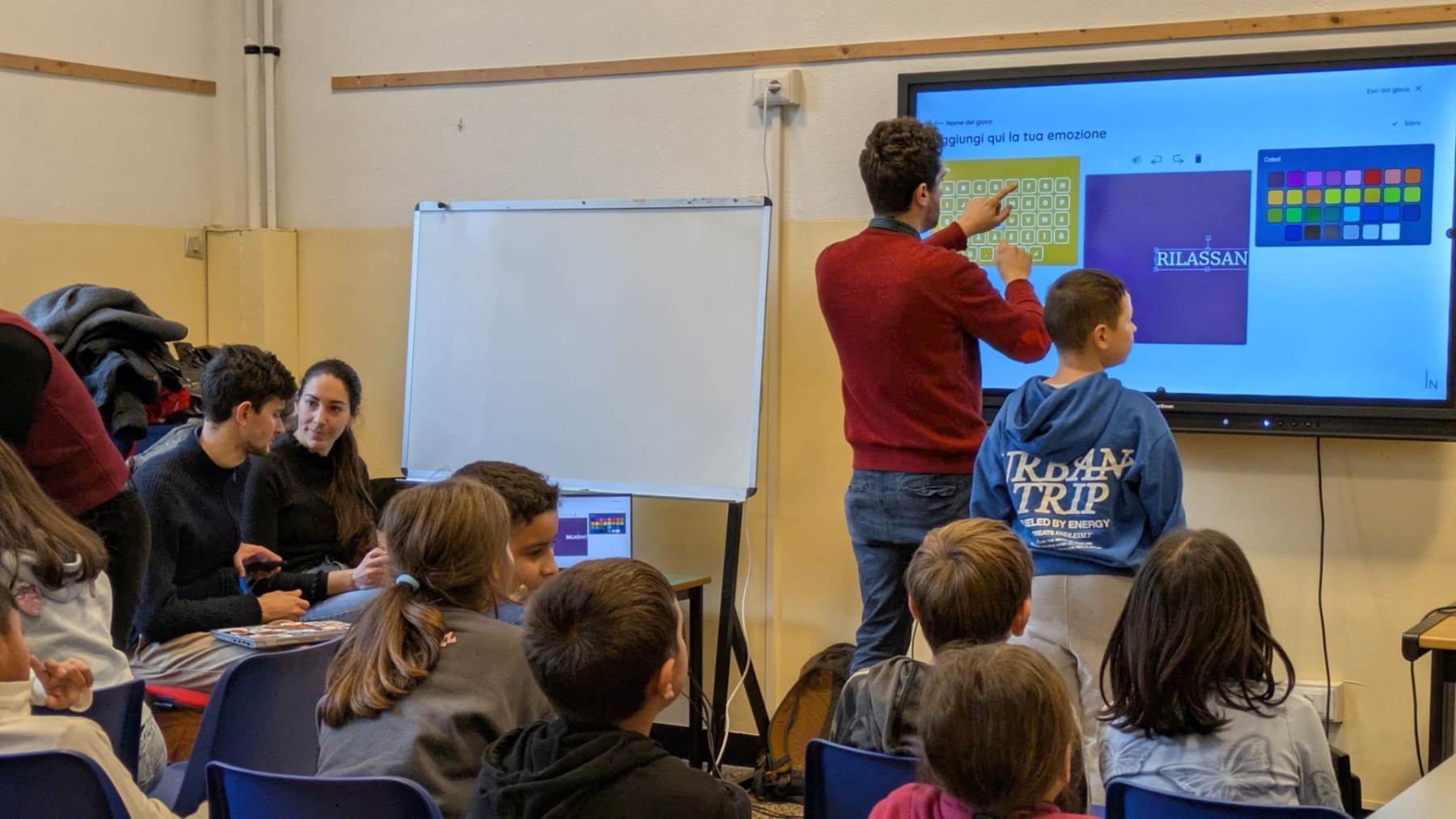
Lower secondary school students also actively participated in the presentation of the demonstrator. First-year classes engaged in lessons in Italian language, art, and robotics through technologies that brought disciplinary content closer to contemporary forms of expression. Italian language learning found new expressive possibilities with Rice Meta, developed by the University of Genoa to support the learning of metaphors through interaction with an assistive robot.
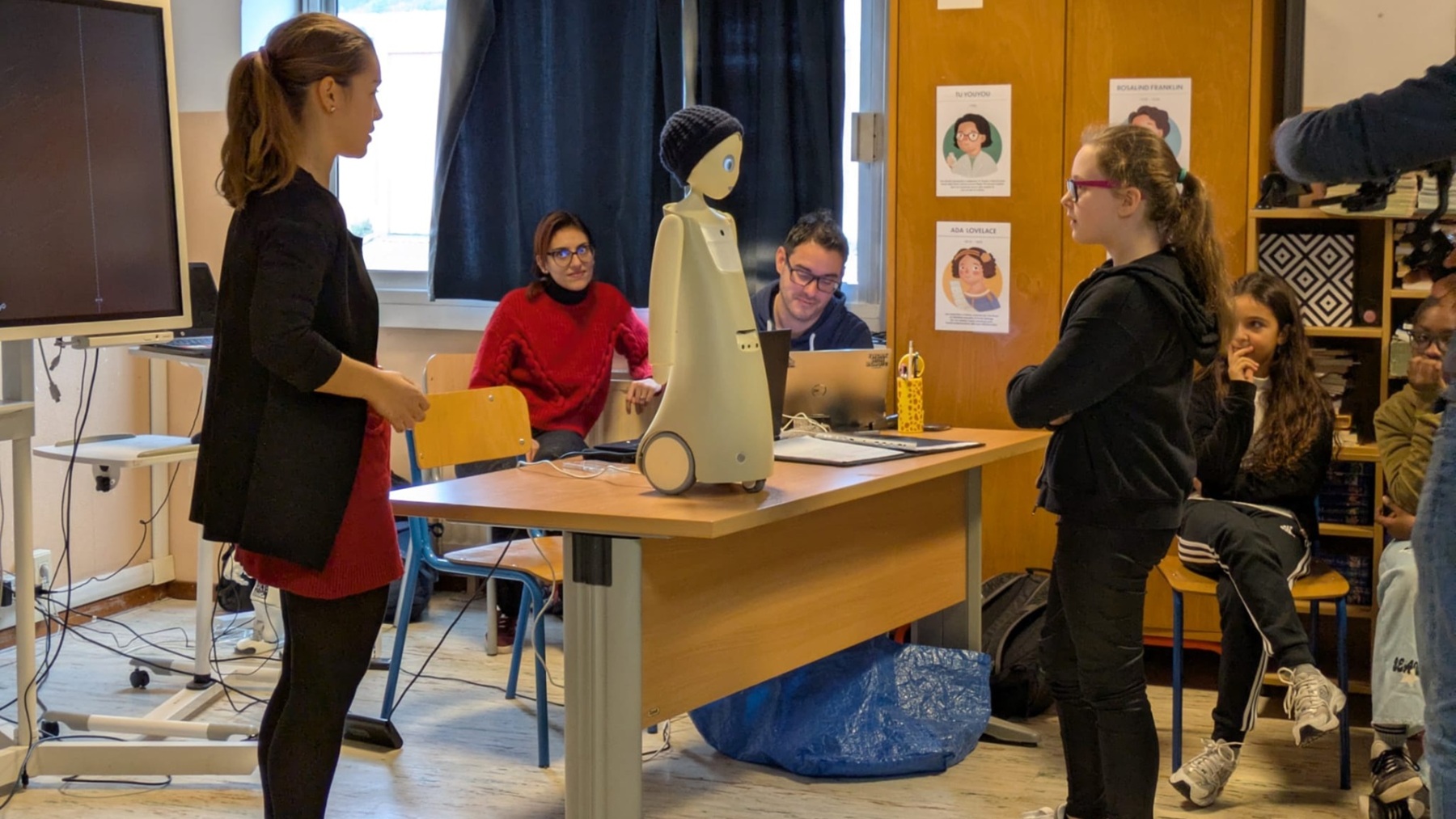
Art lessons came to life with Virtual Museum, a CNR virtual reality technology that guides students through an immersive exploration of museum environments, making cultural experiences more engaging and accessible. Robotics was explored through Rice Persona, also developed by the University of Genoa, which investigates the impact of the perceived personality of a humanoid robot on the performance of collaborative tasks. Supporting the entire learning environment, Environmental State, developed by CNR, monitored the dynamic state of the space, providing an integrated view of environmental conditions.
The demonstrator highlighted the strength of a research ecosystem built through collaboration among IIT, CNR, the University of Genoa, and ETT. Researchers contributed diverse and complementary expertise, giving rise to solutions that address the real needs of schools and educational communities. The technologies presented showed how innovation can support the entire school journey, from early childhood through adolescence, with particular attention to inclusion, personalization, and active participation.
The experience of December 9 confirmed Spoke 1’s role as a bridge between research and the education system. Bringing a demonstrator into a comprehensive school meant opening the doors of scientific experimentation to younger generations, offering students the opportunity to learn through experience and engage with tools that speak the language of the present.
From this perspective, collaboration between schools and research continues to represent a strategic lever for building an education system capable of innovating, including, and looking to the future with confidence.