Sicily’s underwater treasures in the USA: technology and culture serving underwater archaeological heritage


The NEPTUNE™ project by RAISE and the Sicilian Region brings the Island’s seabeds to Atlanta and Mobile
From the depths of the Capistello shipwreck in Lipari, in the Aeolian Islands, to museums in the United States: the NEPTUNE™ project, selected and funded through a RAISE ecosystem call, represents an outstanding achievement in underwater archaeology, combining technological innovation with the cultural promotion of Sicily’s submerged heritage.
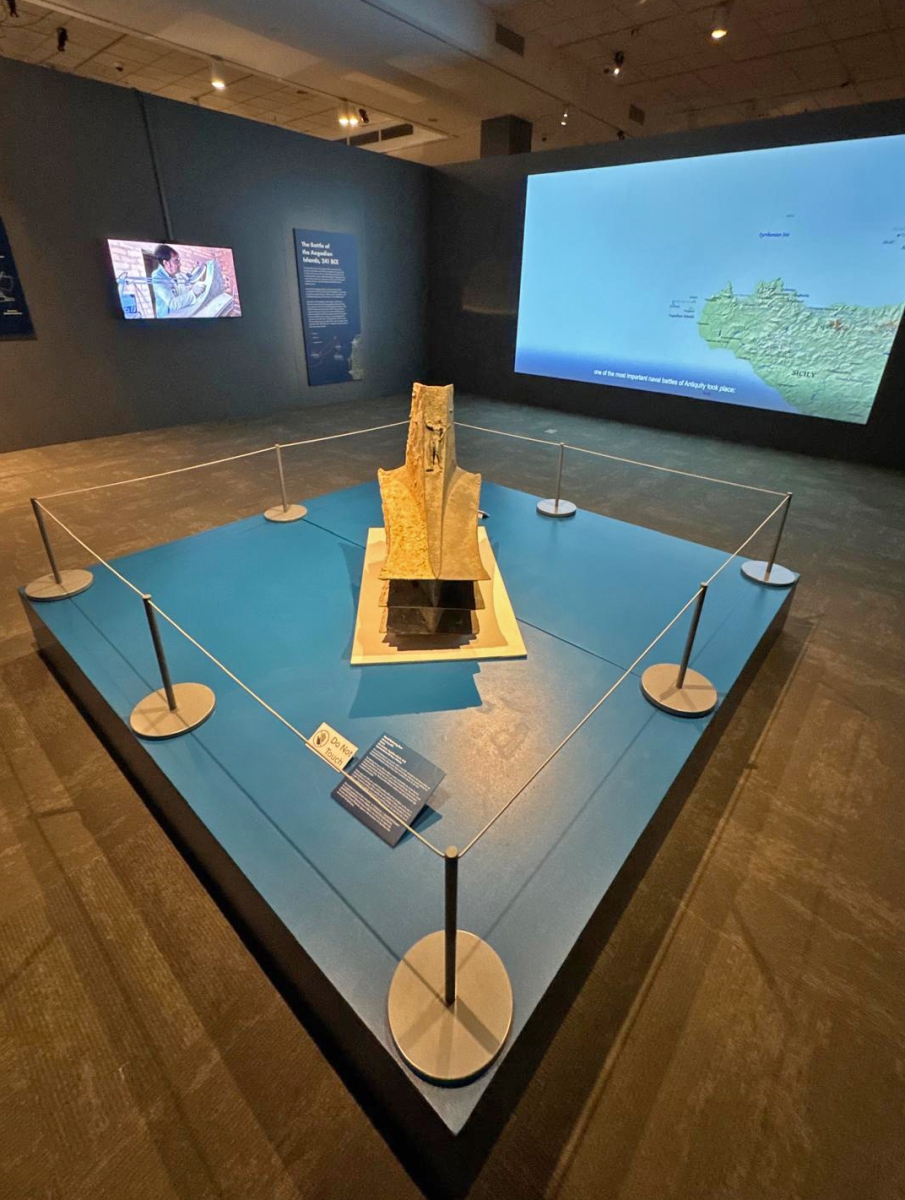
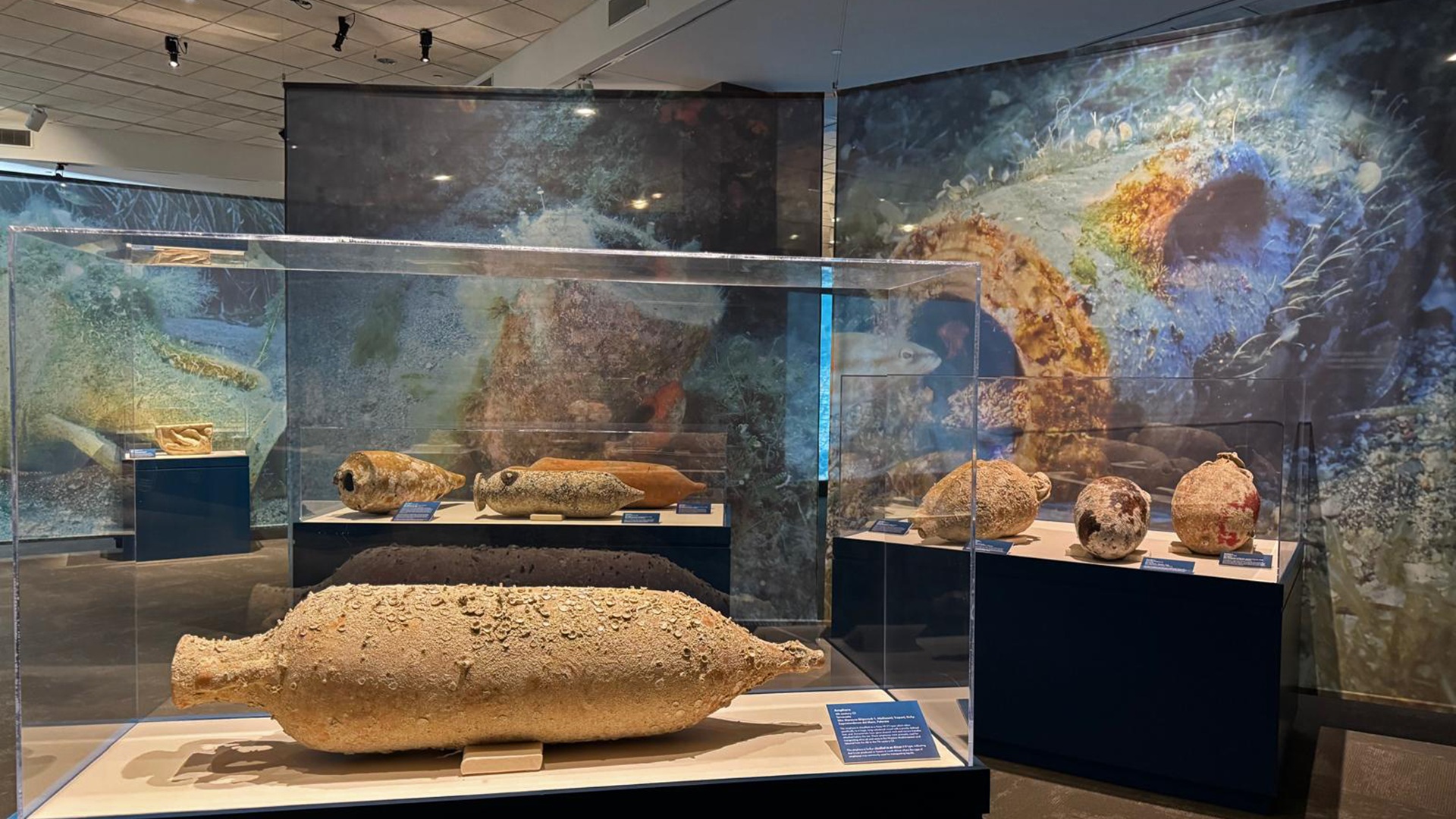
The exhibition “Sunken Treasures, Ancient Seas” is making its U.S. debut in two stages: from October 4, 2025 to January 11, 2026 at the Fernbank Museum in Atlanta, and from January to May 2026 at the History Museum in Mobile, Alabama. The exhibition offers American audiences an immersive journey through ancient shipwrecks, archaeological finds, and historical evidence, integrating innovative technologies and multimedia storytelling to allow visitors to “virtually travel” beneath the surface of Sicilian waters.
The NEPTUNE™ project – coordinated by the Ligurian startup Mywai S.r.l. with partners Ubica S.r.l., Immersea S.r.l., Next Vision S.r.l., and the Italian Institute of Welding, and supported by the Sicilian Region – Superintendency of the Sea, the Ministry of the Environment – Portofino Marine Protected Area, and OceanHis – demonstrates how technology, research, and cultural enhancement can make Sicily’s underwater treasures accessible and appreciable on an international scale.
The Ligurian innovation ecosystem RAISE is funded by the Ministry of University and Research (MUR) through investment 1.5 (M4C2) of the National Recovery and Resilience Plan (NRRP). The plan aims to create and strengthen innovation ecosystems in technological fields aligned with the industrial and research vocations of each region, while promoting collaboration among the research system, industry, and local institutions. The ecosystem includes 27 partners from academia, research institutions, public bodies, and industry, coordinated by the University of Genoa (UNIGE), the National Research Council (CNR), and the Italian Institute of Technology (IIT).
The NEPTUNE™ project’s operational activities took place in Lipari, in the Aeolian Islands, at the renowned Capistello shipwreck, a cargo vessel dating to the 4th century BC. Technical and scientific dives were conducted using innovative underwater propulsion systems developed to ensure highly precise data geolocation even without GPS. Tracking was integrated with a waterproof 8K camera mounted on the vehicle, capable of capturing ultra-high-resolution imagery of the site, and with an OceanHis multiparametric probe designed to continuously monitor key environmental parameters such as temperature, salinity, pH, and conductivity.
Thanks to the NEPTUNE™ system, it was possible to create 3D digital models of the shipwrecks, integrate optical, environmental, and navigation data, and automatically identify objects and anomalies using artificial intelligence. This approach enabled predictive site monitoring and dynamic management of underwater cultural heritage.
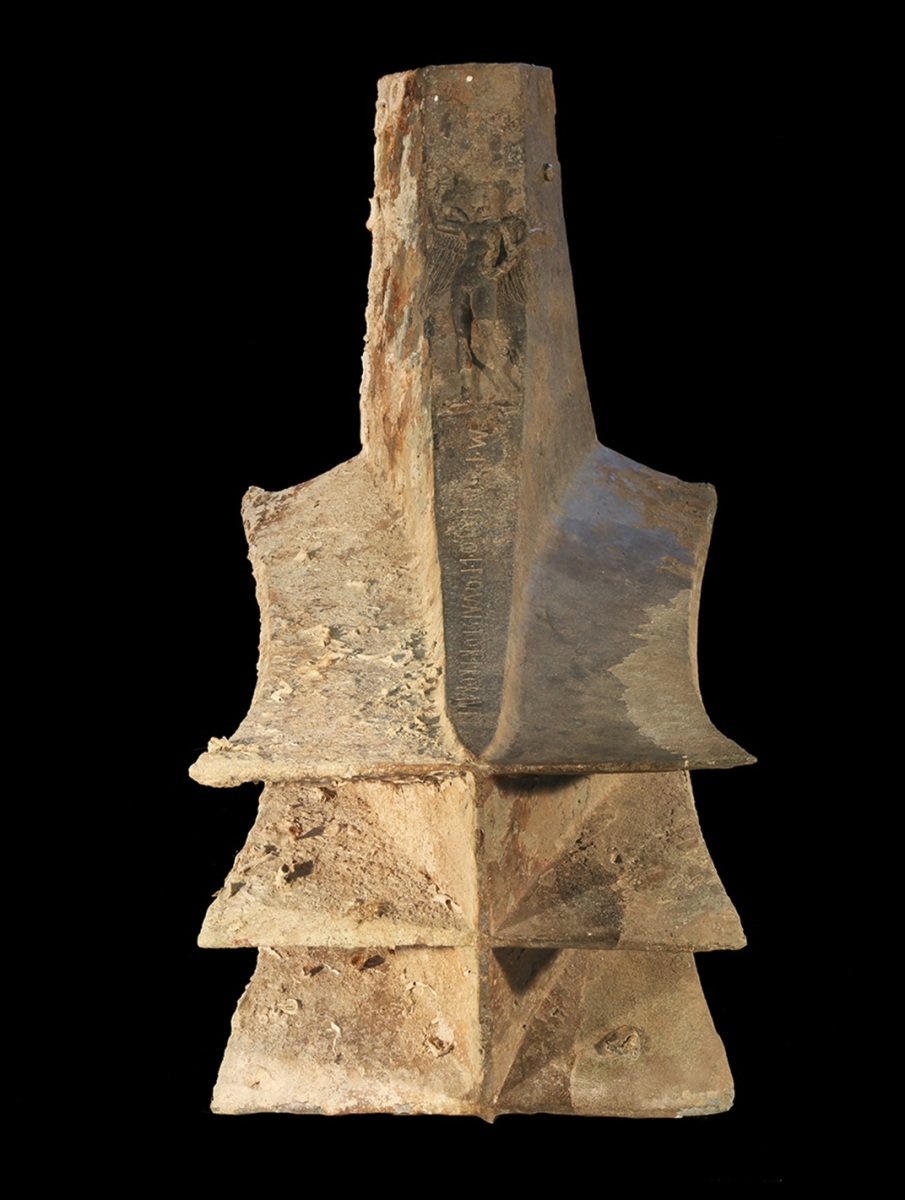
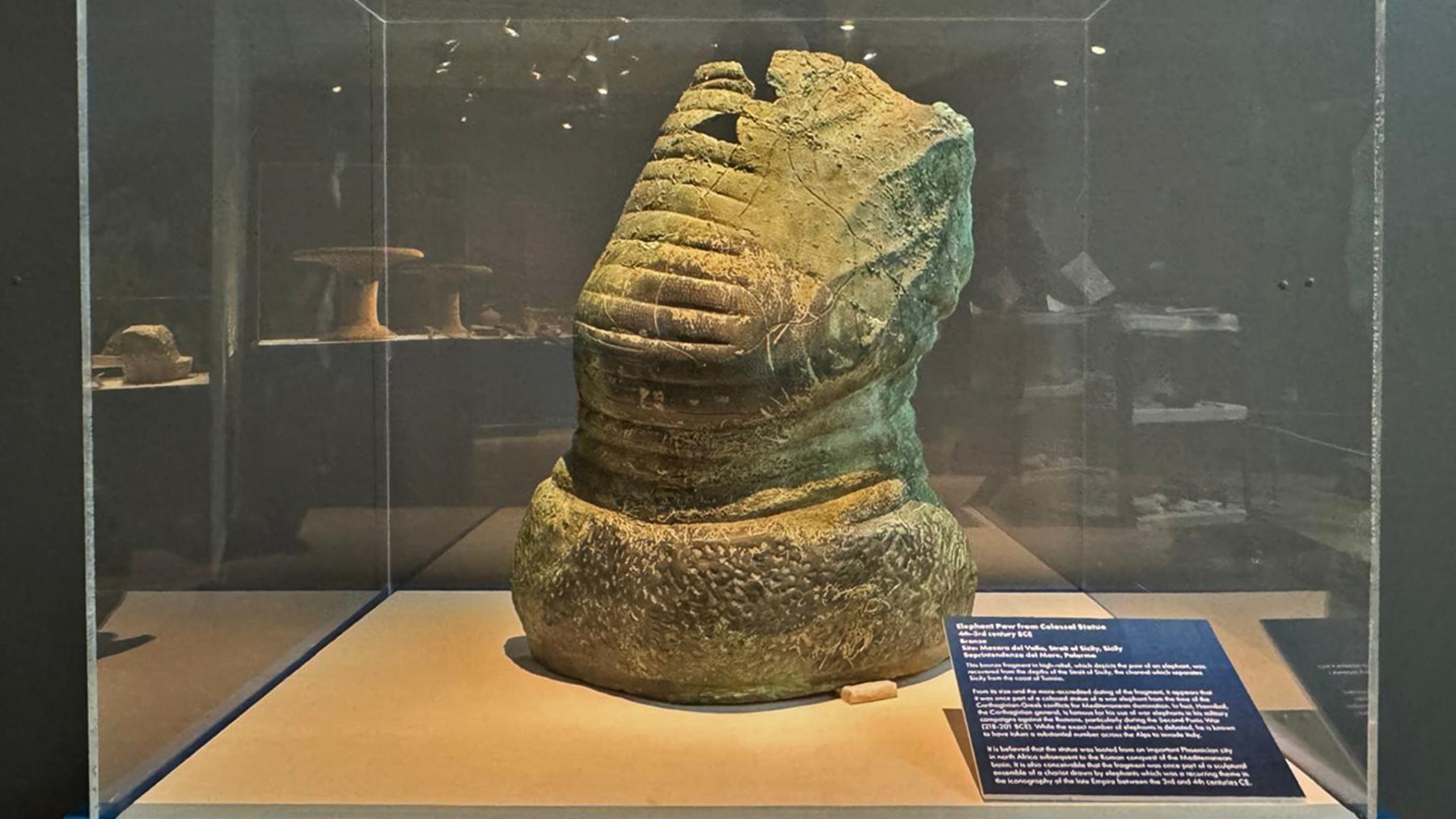
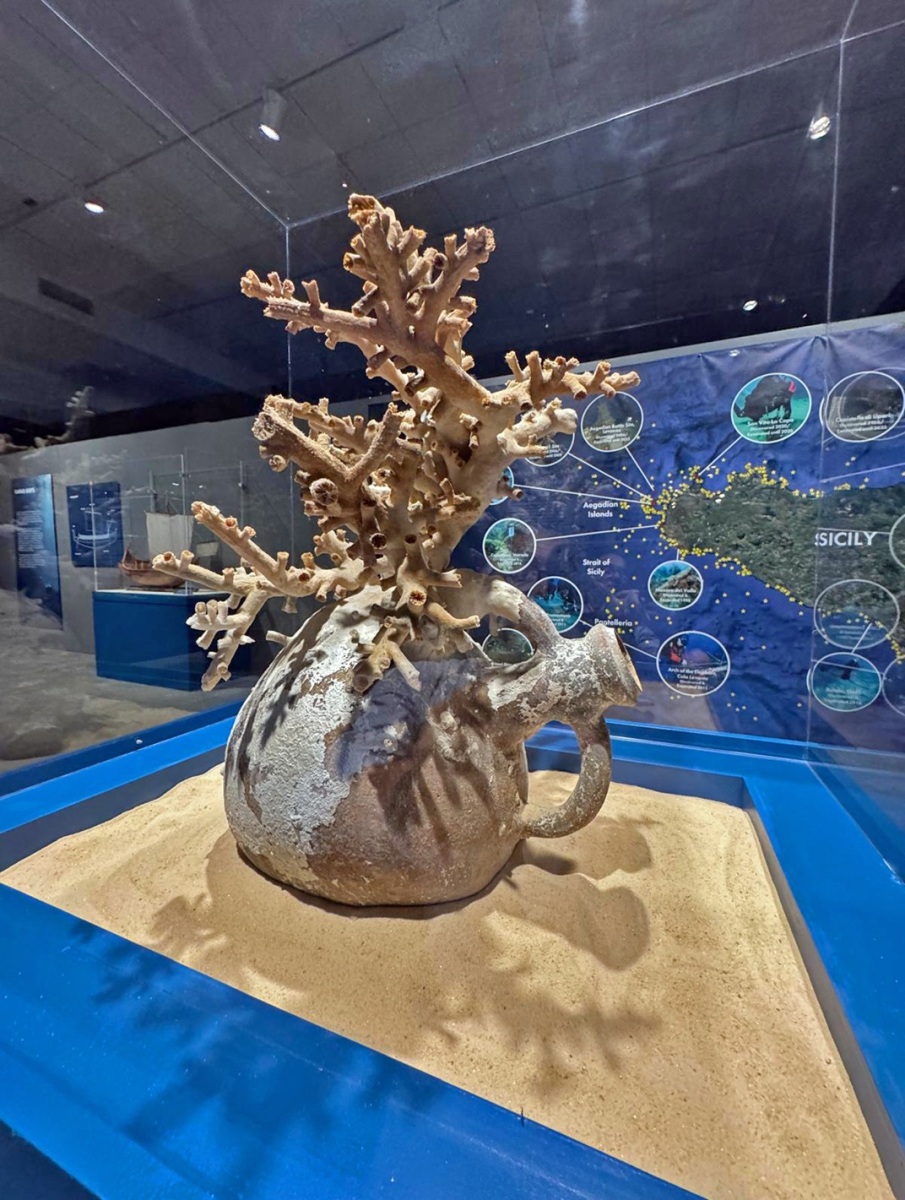
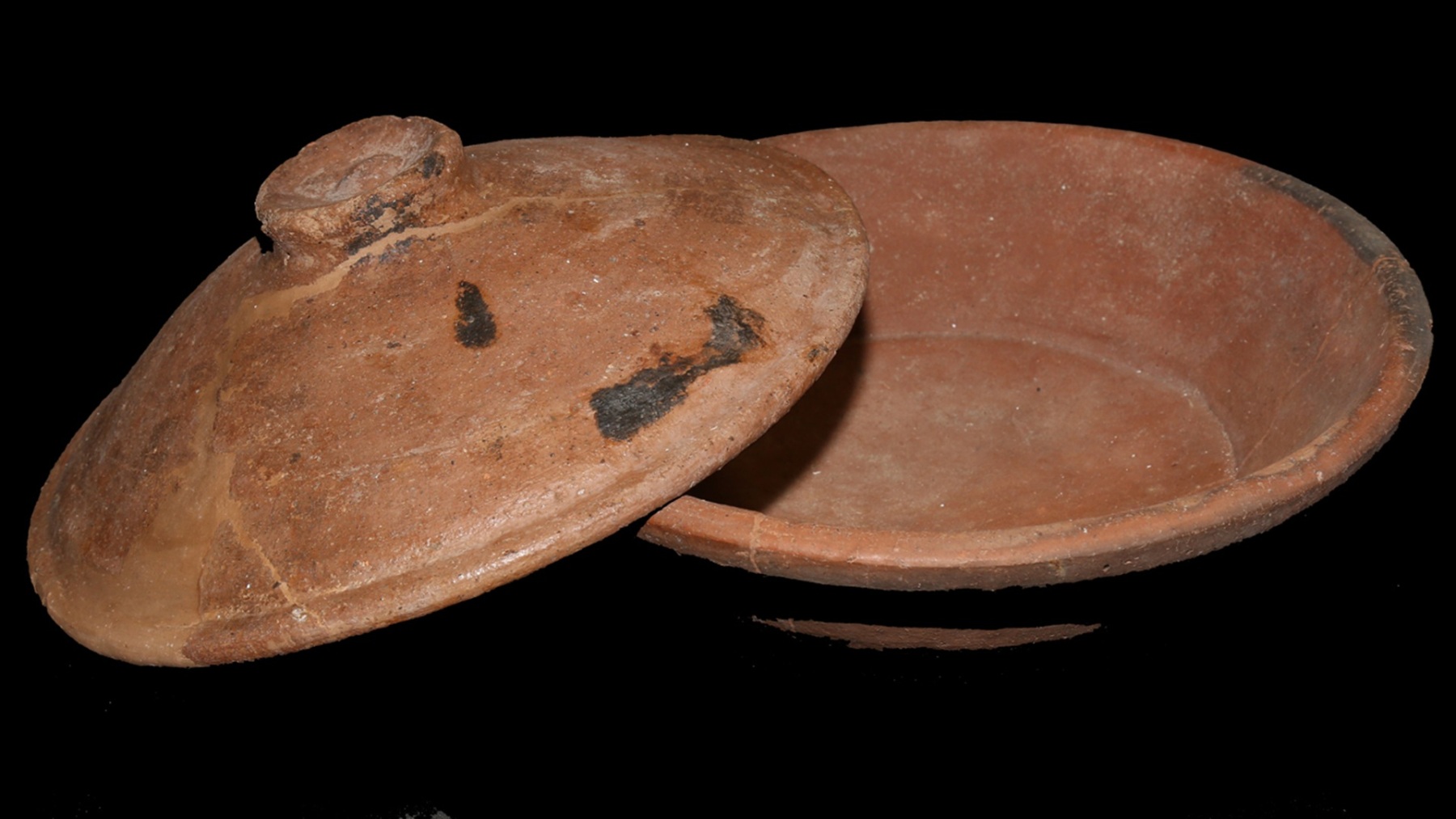
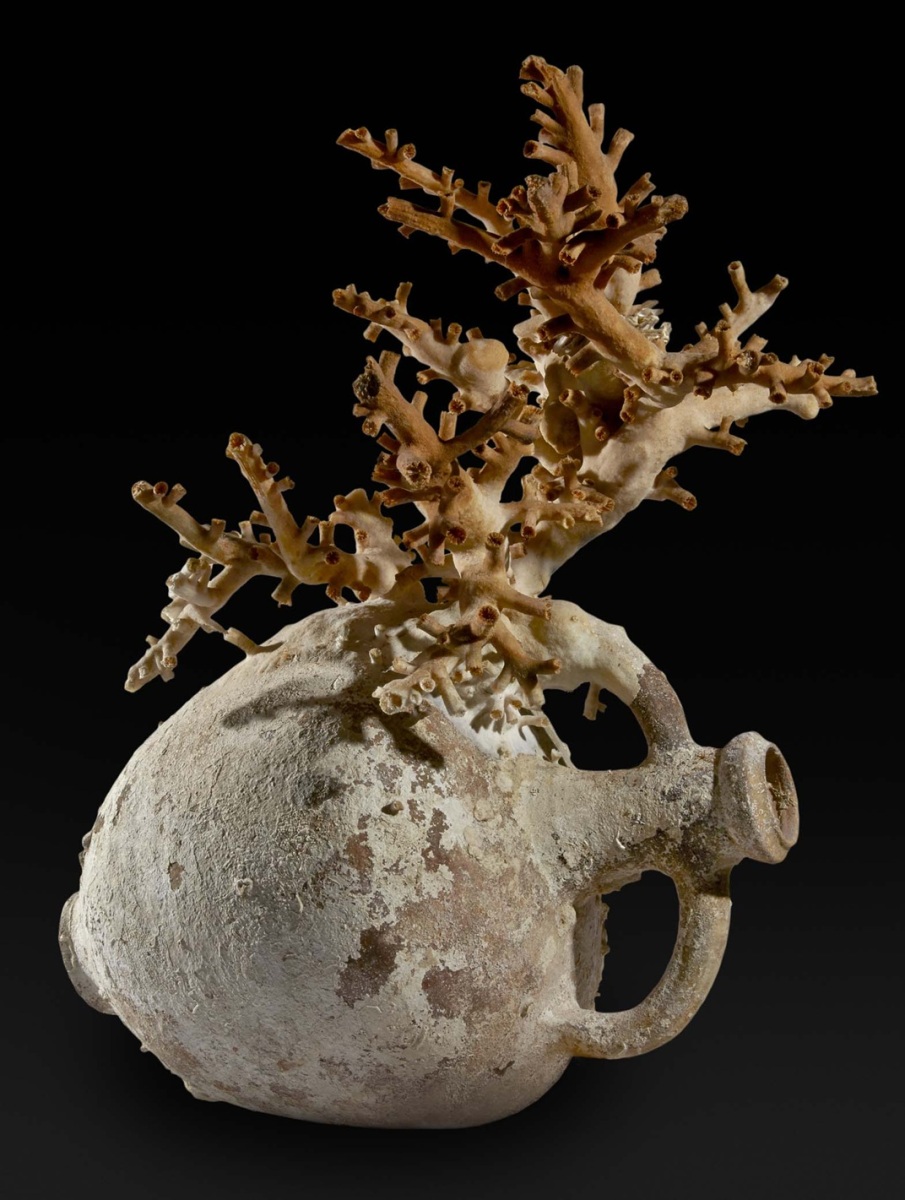
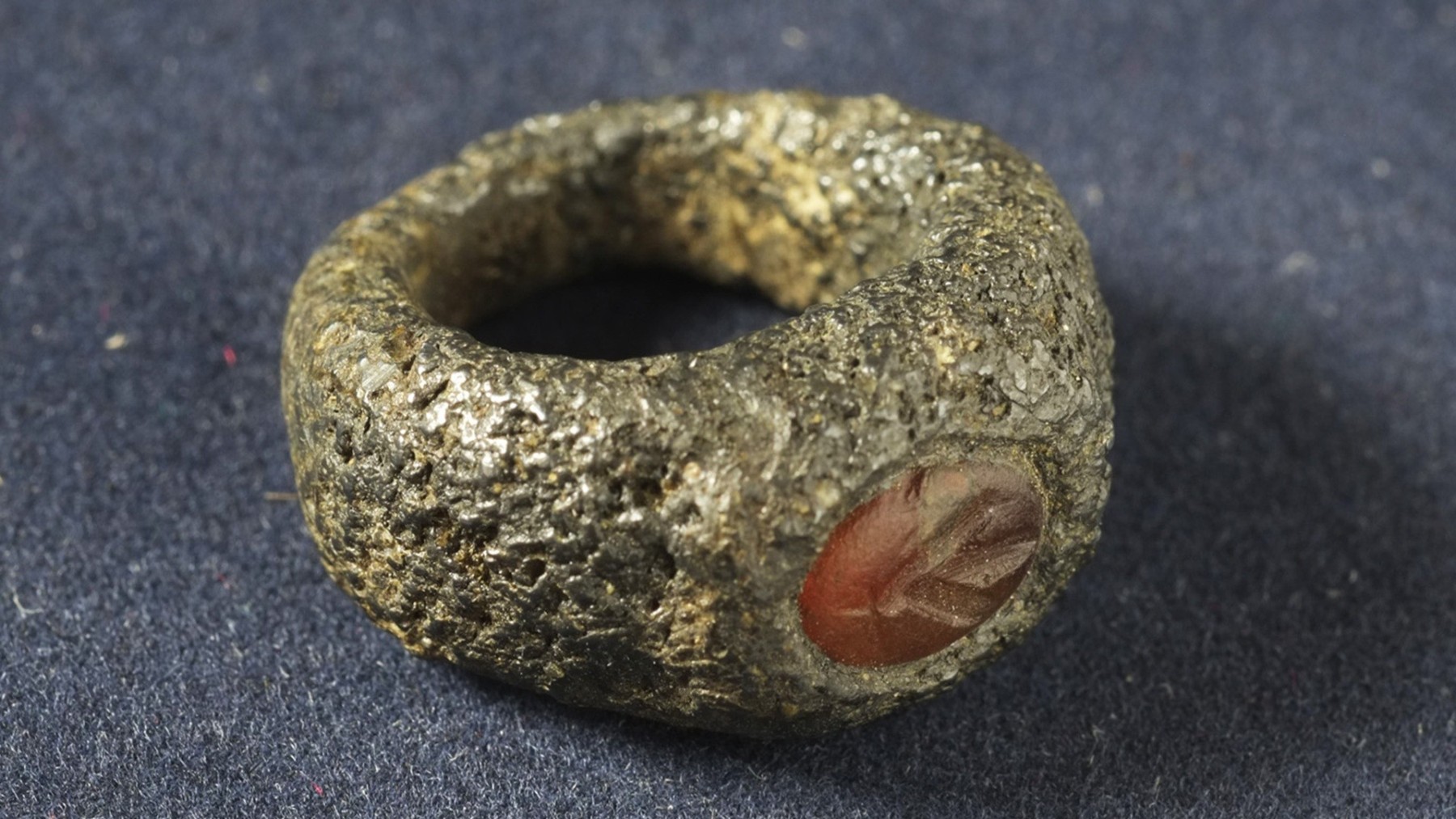
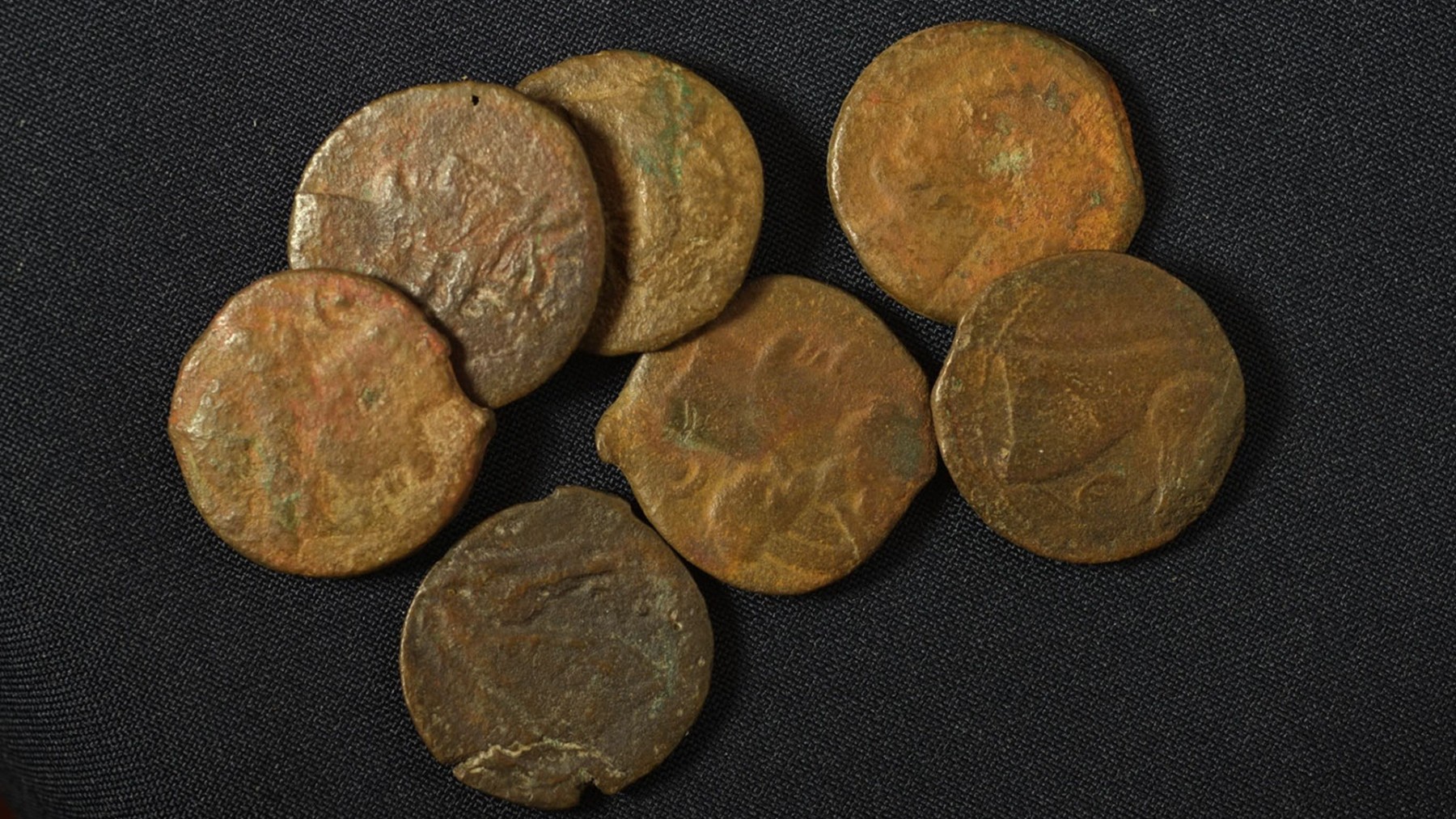
Artifacts on display include: rams from the Battle of the Egadi, helmets recovered off Levanzo, lead ingots from Capo Passero, Punic coins from Pantelleria, orichalcum ingots from Gela, amphorae from Cala Minnola, black-glazed ceramics from the Capistello wreck, finds from the Panarea III shipwreck located at a depth of 114 meters, tableware and jewelry from the Scauri wreck in Pantelleria, and artifacts from Marsala, Mazara del Vallo, Trapani, San Vito Lo Capo, Marausa, and Petrosino.
The artifacts on display were made available through the collaboration of several institutions: the Superintendency of the Sea of the Sicilian Region, the Archaeological Park of Selinunte, Cave di Cusa and Pantelleria, the Lilibeo Park of Marsala, the “Florio” Sicilian Sea and Navigation Museum Association, and the National Museum of Underwater Activities in Ravenna – The Historical Diving Society.
A special section of the exhibition is dedicated to the origins of modern diving and the development of underwater archaeology in Italy, thanks to the collaboration with the Historical Diving Society – National Museum of Underwater Activities in Ravenna, which is exhibiting historical instruments and equipment used by the pioneers of the discipline.
Ferdinando Maurici, Superintendent of the Sea – Sicilian Region, highlights: “An extraordinary opportunity to showcase millennia of Mediterranean history to the American public, while promoting cutting-edge technologies for the protection of our submerged cultural heritage.”
Francesco Paolo Scarpinato, Regional Councillor for Cultural Heritage and Sicilian Identity – Sicilian Region, adds: “The exhibition allows us to tell the ancient story of the Mediterranean and offer a new interpretation of underwater archaeology thanks to the integration of scientific research and technological innovation.”
Cristina Battaglia, Programme Manager of RAISE, remarks: “An extraordinary opportunity to highlight abroad the results of the RAISE ecosystem, achieved through collaboration among companies, research organizations, and local institutions.”
Marco Faimali, Coordinator of the RAISE Spoke ‘Protection and Care of the Environment,’ states: “A significant example of how the marine eco-robotics developed within the RAISE project can help export our country’s underwater history and culture beyond its borders.”