Research carried out by CNR-IMEM in close collaboration with CNR-IAS, the Departments of Chemistry and Industrial Chemistry (DICCI) and Physics (DiFi) of the University of Genoa, and the Department of Civil, Environmental and Mechanical Engineering (DICAM) of the University of Trento.
The research group led by Marco Smerieri of the National Research Council has developed conductive nonwoven fabrics composed of nanofibres produced through electrospinning. The researchers used a combination of polymers, including PEDOT:PSS and PEO, to obtain thin, lightweight, and self-supporting structures. These materials combine electrical conductivity, robustness, and mechanical resistance – essential qualities for electronic devices designed to adapt to body movements.
The study, conducted within Spoke 2 of the RAISE ecosystem, represents a significant contribution to the development of innovative materials for wearable electronics. It introduces a new class of sustainable conductive materials designed for flexible, body-contact applications such as sensors and rehabilitation devices.
The nanofibres were subjected to thermal treatment to enhance their performance. Electrical and mechanical analyses showed a clear increase in both conductivity and material strength. Tests also confirmed the fibres’ ability to maintain stability and performance even in thin and flexible configurations, supporting their integration into wearable devices.
Alongside technological aspects, strong attention was given to the environmental impact of these new materials. The team conducted a series of ecotoxicological tests on aquatic organisms—including bacteria, algae, and small crustaceans—to simulate the potential release of materials into natural ecosystems. The experiments involved both freshwater and marine species, an area still relatively unexplored for this class of materials.
The results reveal an encouraging picture: the conductive nanofibres demonstrate good environmental compatibility and did not produce significant toxic effects on the tested organisms. This approach made it possible to integrate sustainability assessment from the earliest stages of research, an increasingly central element in the development of new technological materials.
The work thus builds a bridge between materials innovation and environmental responsibility. The multidisciplinary approach combined materials science, sensor engineering, and ecotoxicology, offering a comprehensive view of the materials’ life cycle and their potential impact.
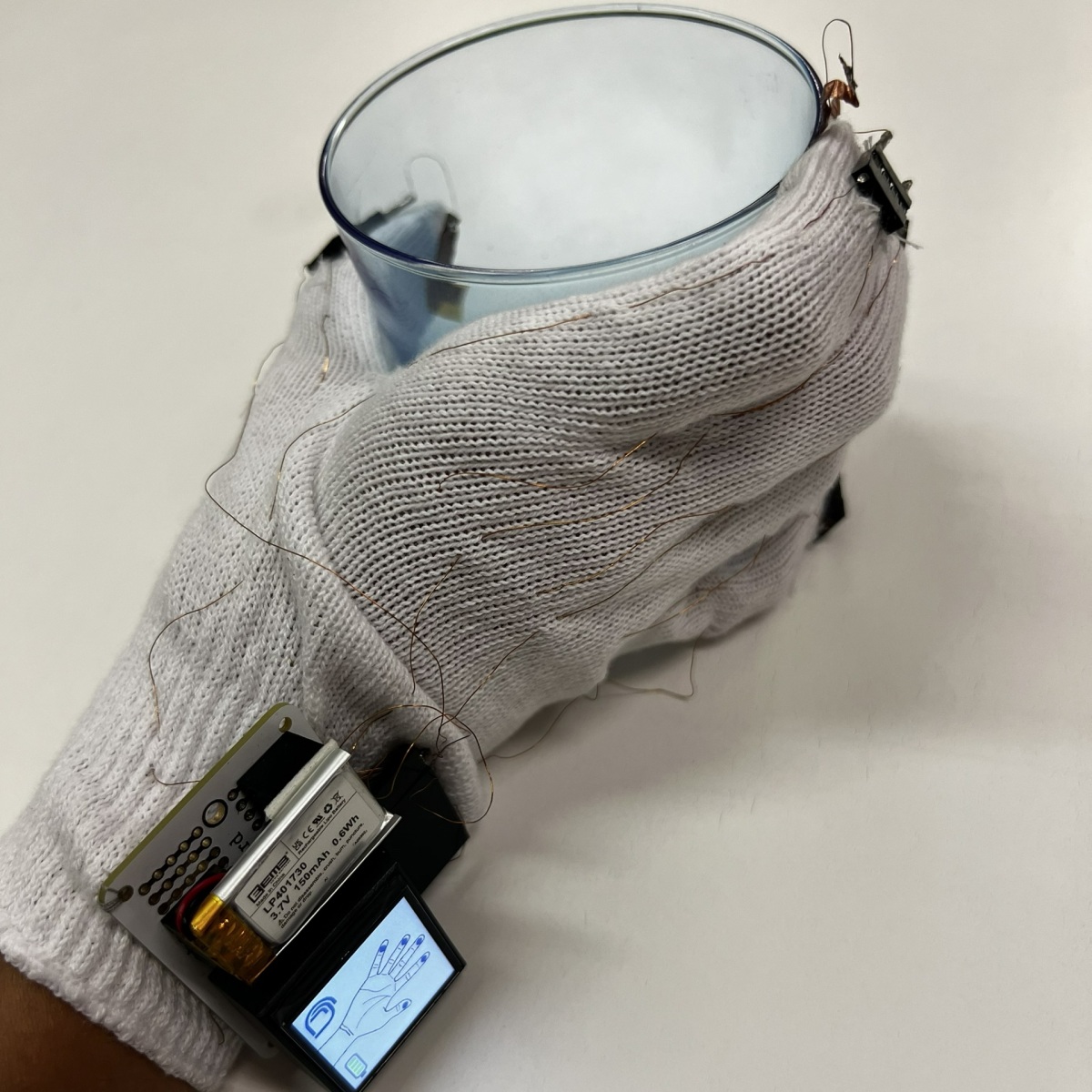
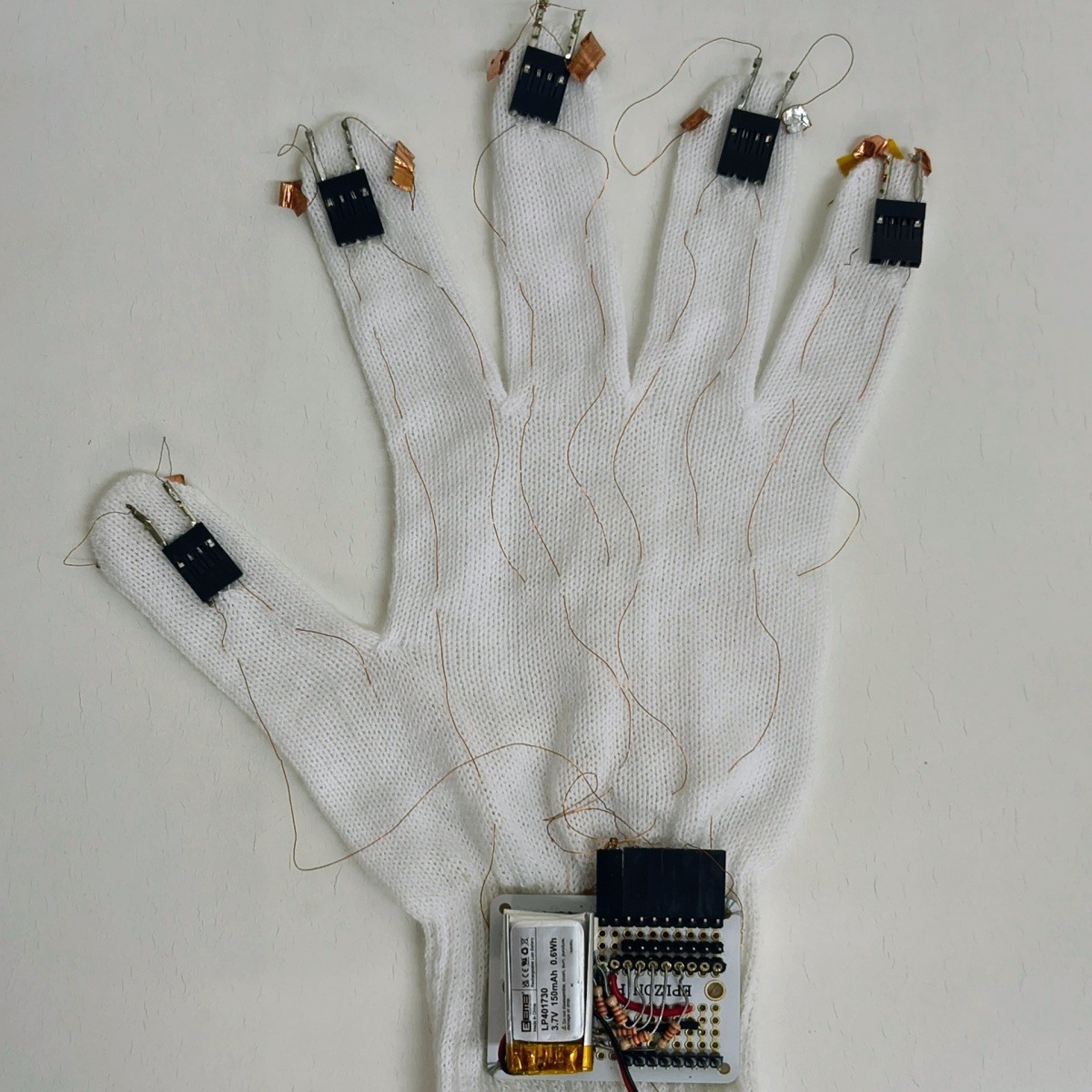
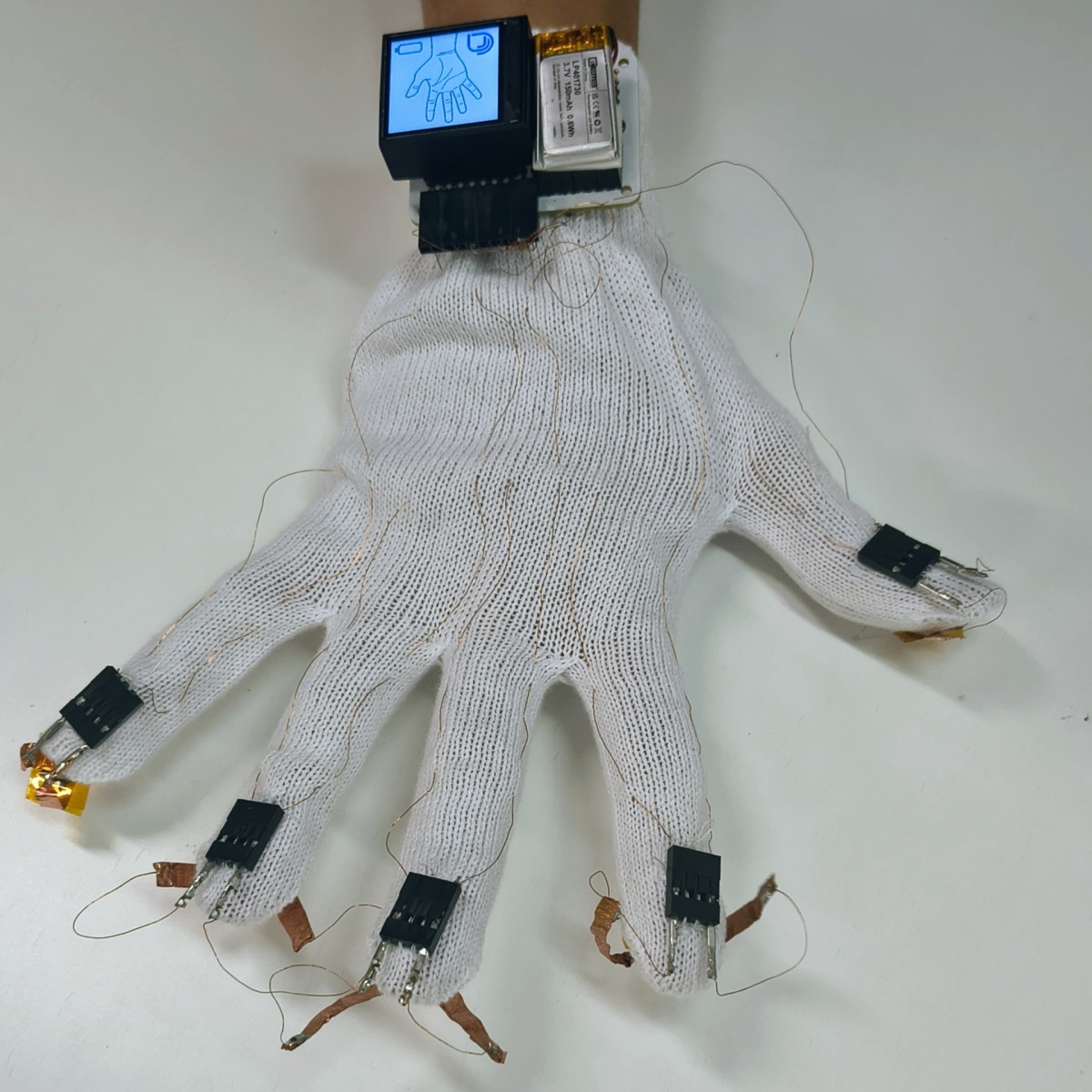
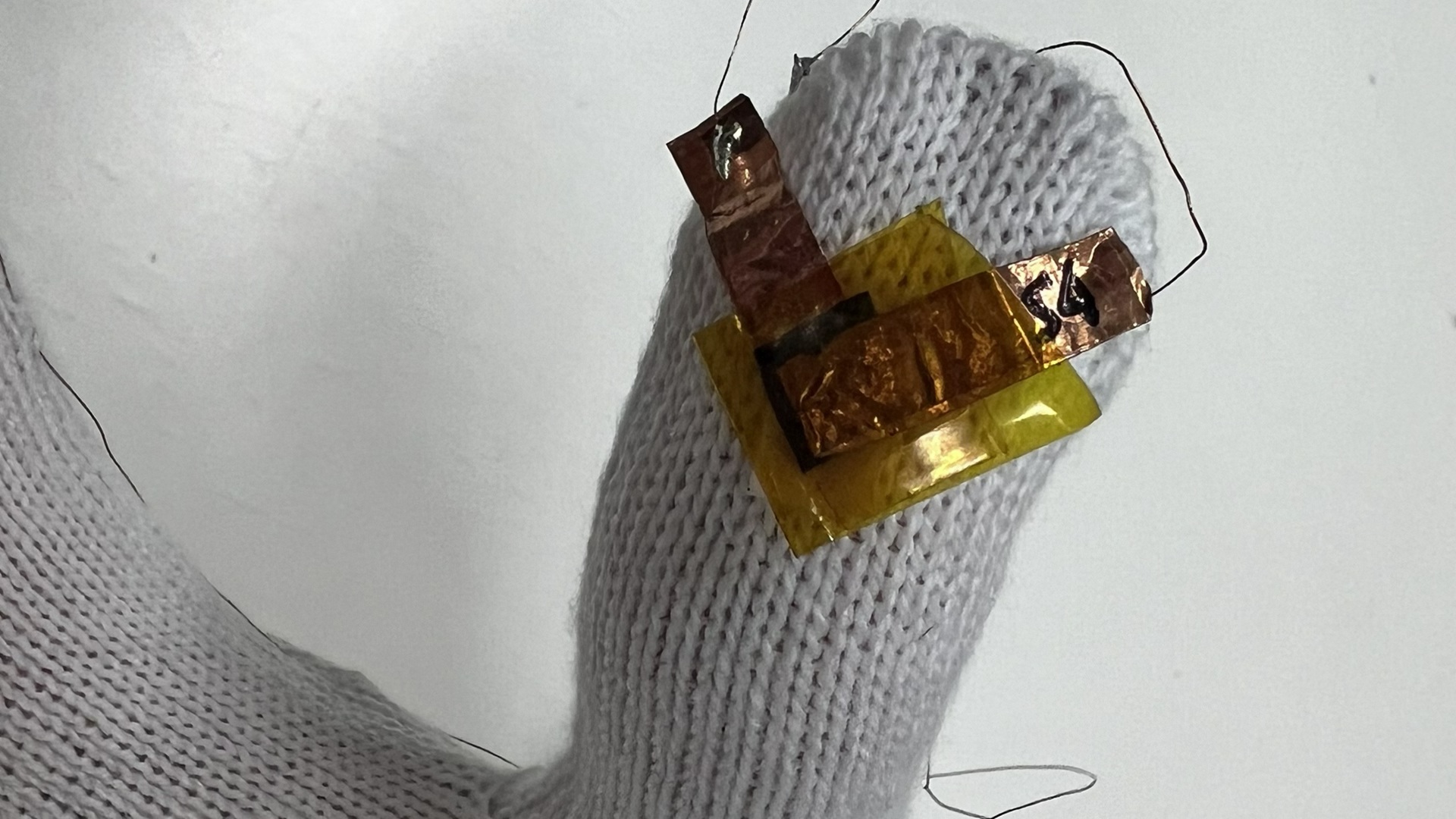
The development of a prototype sensorized glove for motor rehabilitation highlighted the application potential of these nanofibres. The device integrates pressure sensors based on the conductive fibres developed by the research group. During experimental trials, the glove recorded movements and pressure with reliable and precise measurements, paving the way for tools useful in monitoring rehabilitation pathways and assistive technologies.
The researchers identified several directions for future developments. Further studies may improve sensor stability under prolonged use, expand testing across different application scenarios, and address challenges related to large-scale production of electrospun conductive fabrics. Additional research could also integrate new functionalities into devices and deepen the analysis of long-term environmental effects.
“Within the RAISE ecosystem, we were able to develop a functional, versatile, and innovative material,” explains Marco Smerieri, coordinator of the activity, “suitable for use as a wearable, non-invasive pressure sensor across different fields, from medicine to rehabilitation, prosthetics, and even robotics. RAISE enabled us to develop and study this material from scratch, up to the realization of a sensorized glove prototype tested in the laboratory. The multidisciplinary approach is the project’s true added value: we combined the study of the mechanical properties of these new materials with the analysis of their environmental impact. The results obtained so far also allow us to consider these materials as wearable, conformable temperature sensors. We are also finalizing a patent application to protect their use in a broader context. This technology paves the way for the development of more complex sensorized systems, such as electronically sensorized artificial skin (e-skin), capable of measuring different types of tactile stimuli in real time. I would like to thank colleagues Veronica Piazza and Chiara Gambardella from CNR-IAS, Maria Pantano from the University of Trento, and colleagues Dario Cavallo and Roberto Spotorno from the University of Genoa, whose dedication and commitment made these important results possible.”