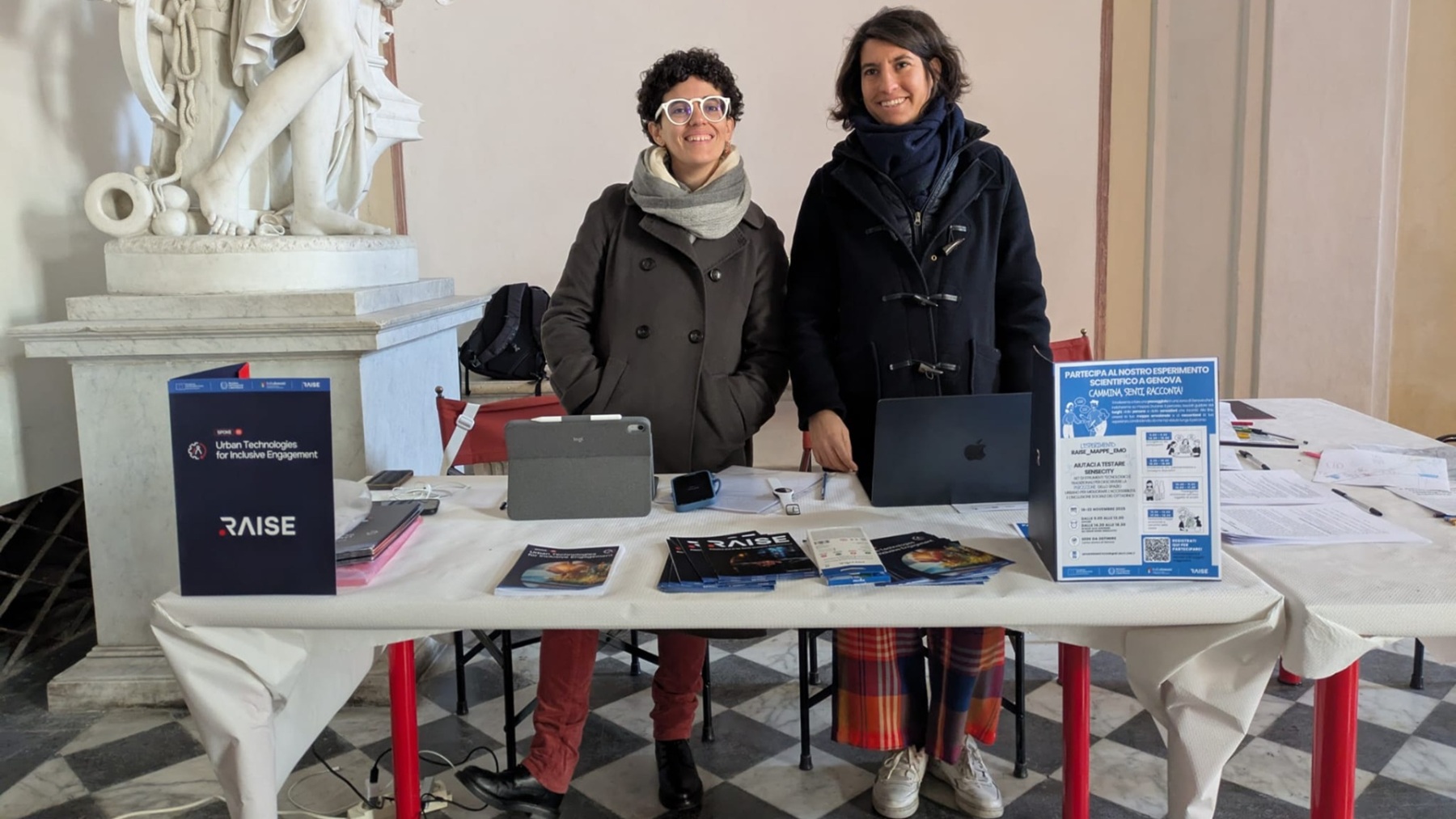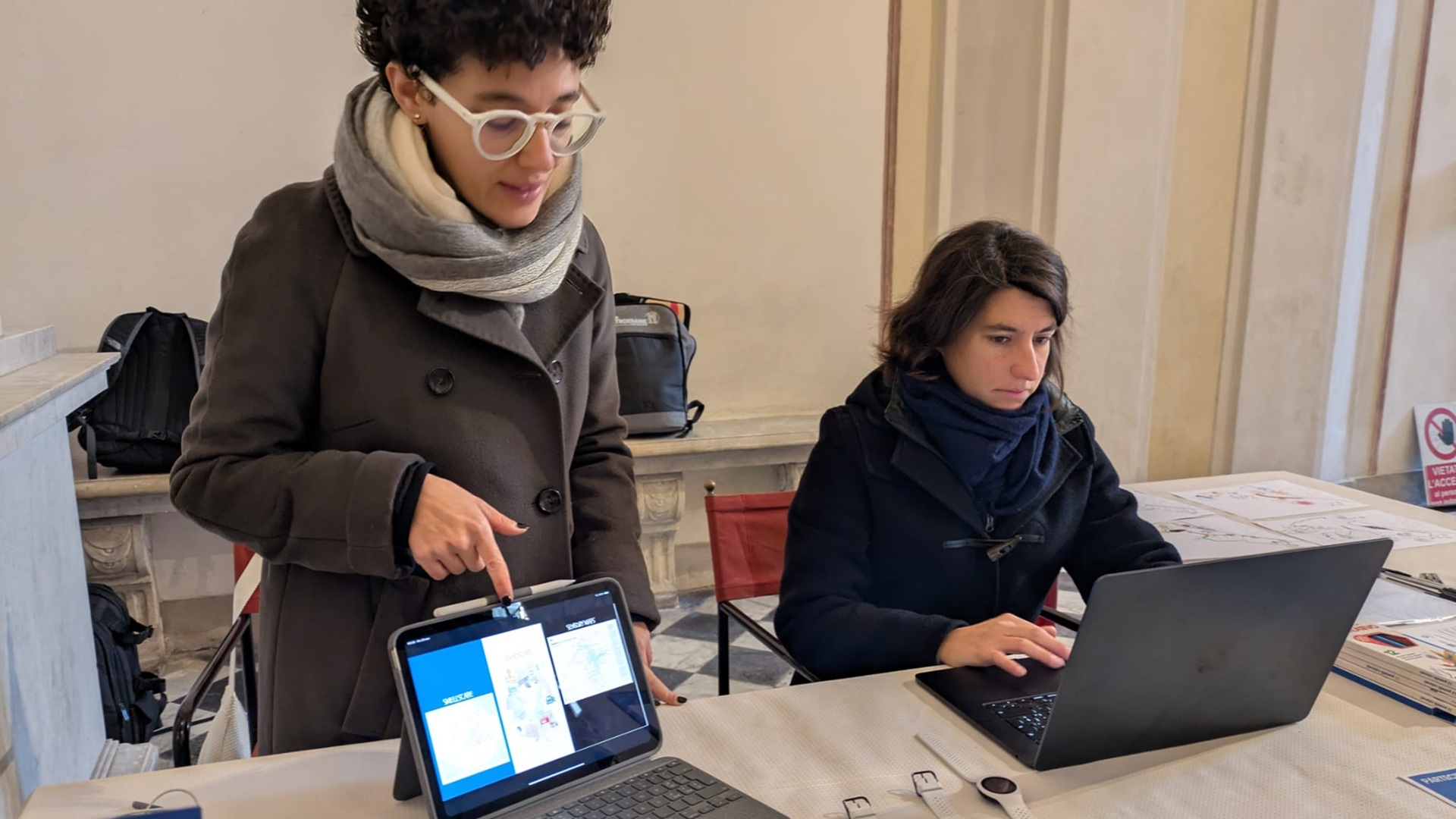
Within the framework of the RAISE – Emotional Maps project, developed under RAISE Spoke 1 and coordinated by the National Research Council (CNR), the field experimentation phase began in the historic center of Genoa between 18 and 22 November 2025. The initiative involved 50 volunteers, invited to explore the city’s narrow streets and to share their emotional experiences of urban space through simple tools and innovative technologies.
The experimentation offered an immersive and participatory experience, designed to investigate how people perceive, move through, and interpret the city. CNR researchers guided participants along a structured yet flexible pathway, allowing each person to choose the most suitable time slot, either in the morning or in the afternoon.
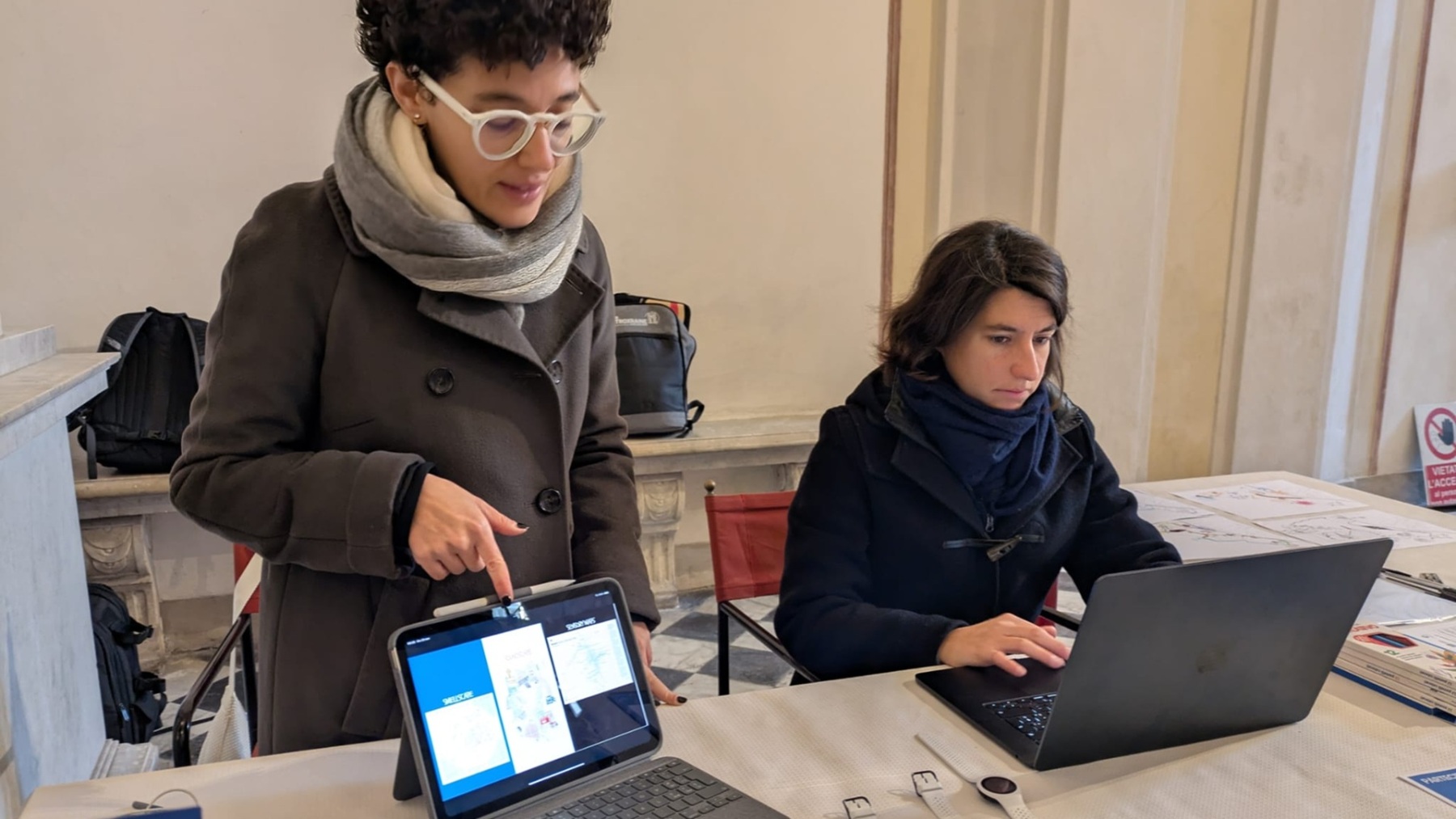
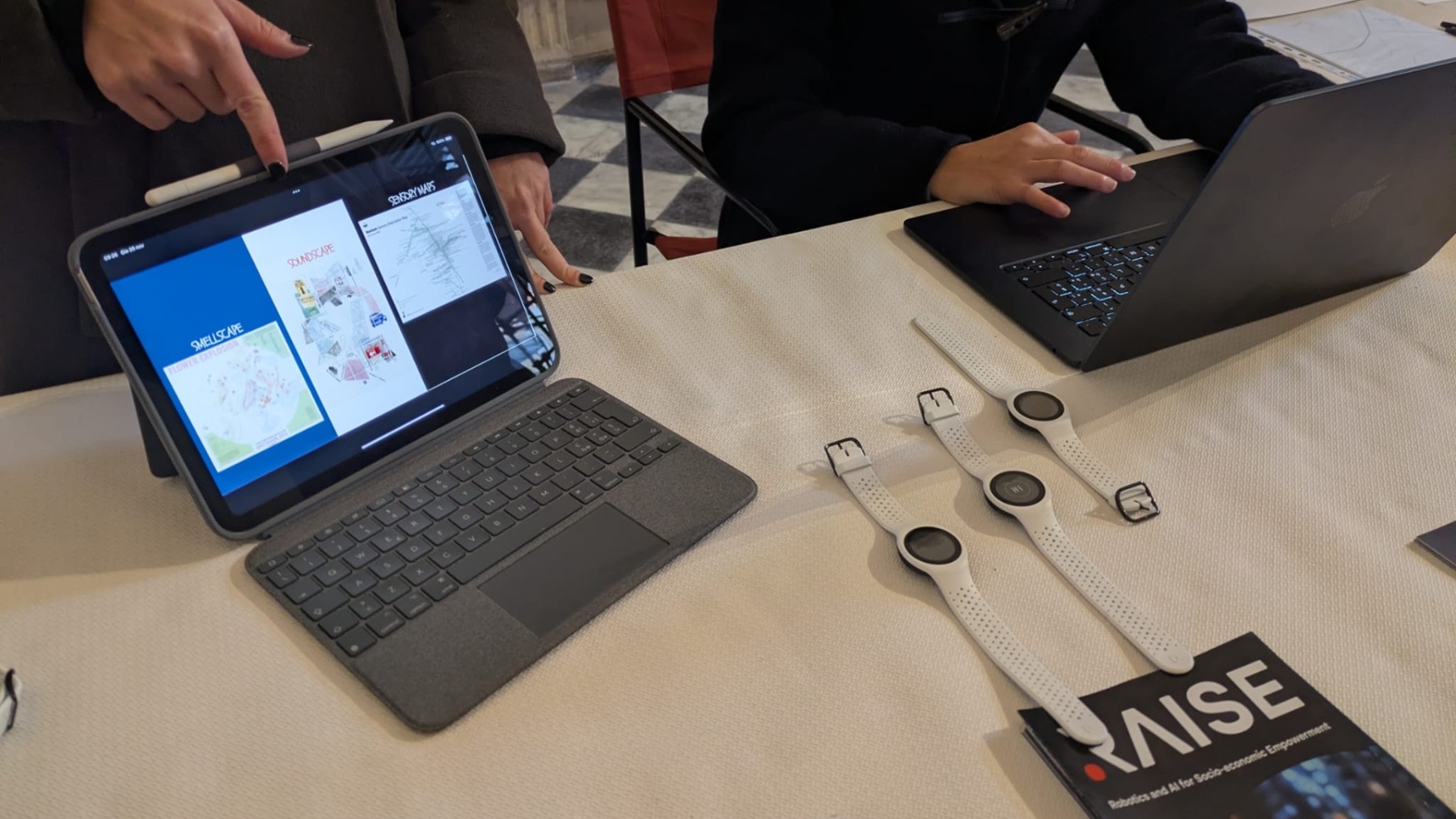
Each session opened with a short training phase, during which the project team explained objectives, procedures, and the tools in use. Each participant received a mobile phone and a sensor wristband, used to track the route and collect physiological data such as heart rate. These data accompanied the emotional walk, which took place in a mapped area of the historic center, leaving space for observation, listening, and the sensations evoked by places and people encountered along the way.
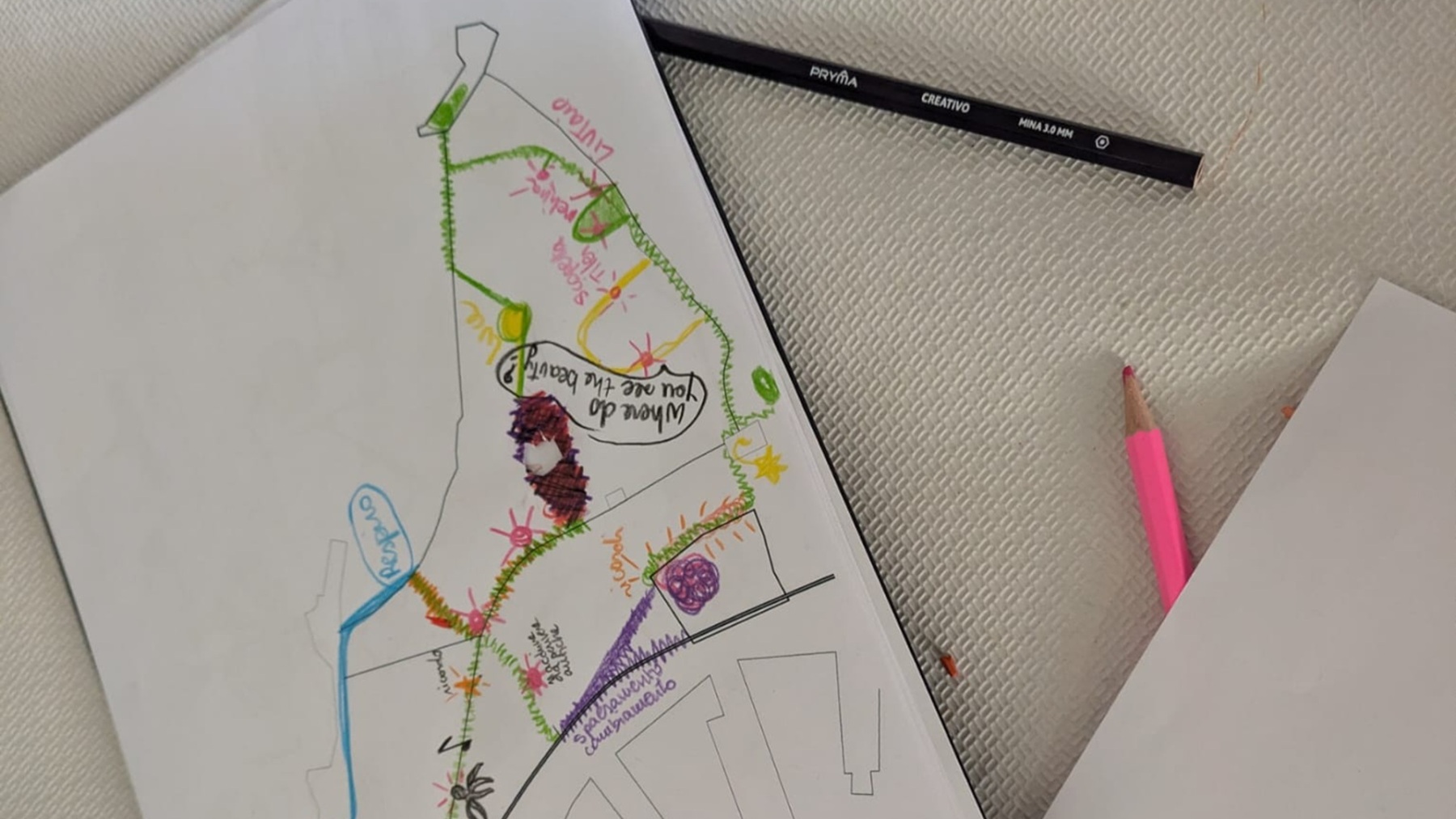
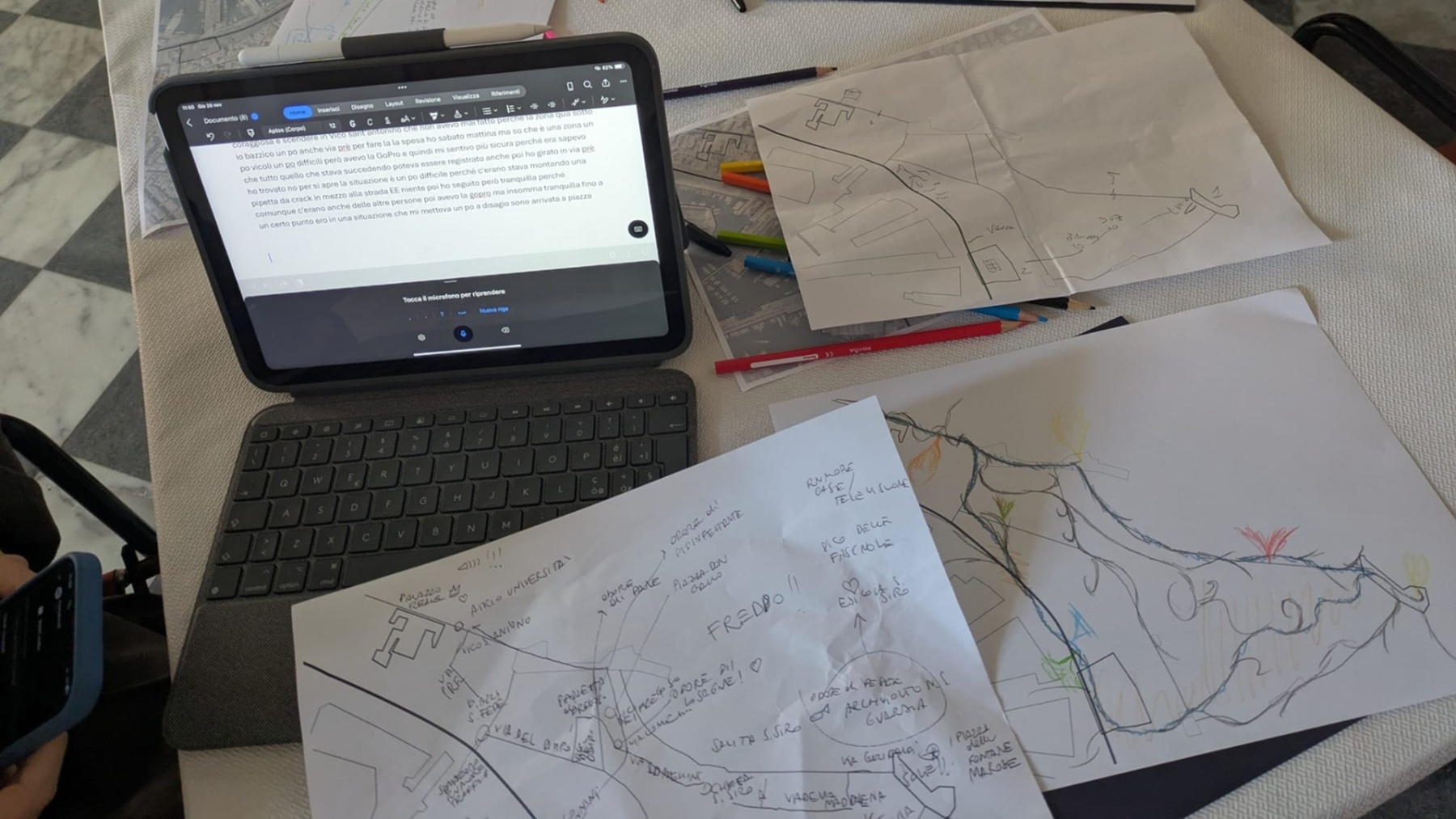
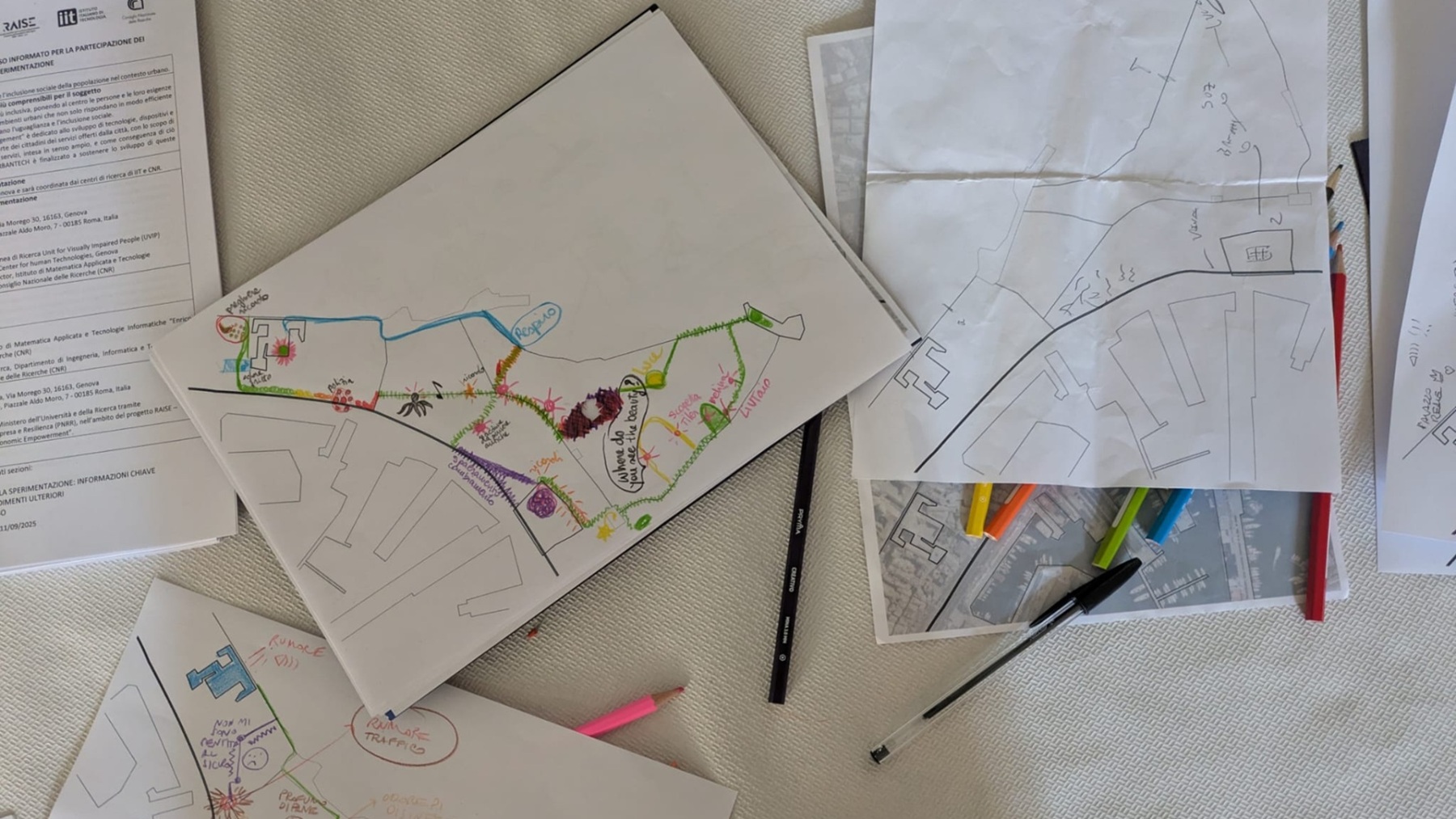
At the end of the route, volunteers translated their experience into an emotional map, an expressive and accessible tool that brought together storytelling, perception, and memory. Through drawings, words, and signs, each participant provided a personal interpretation of urban space, sharing emotions, moods, and impressions. Oral storytelling further enriched the process, offering researchers valuable material for analysis.
The experimentation contributed to testing SenseCity, a set of technological and traditional tools designed to describe the perception of urban space with the aim of improving accessibility and social inclusion. By combining physiological data, movement traces, and subjective narratives, the project explored new ways of reading the city, integrating quantitative and qualitative dimensions.
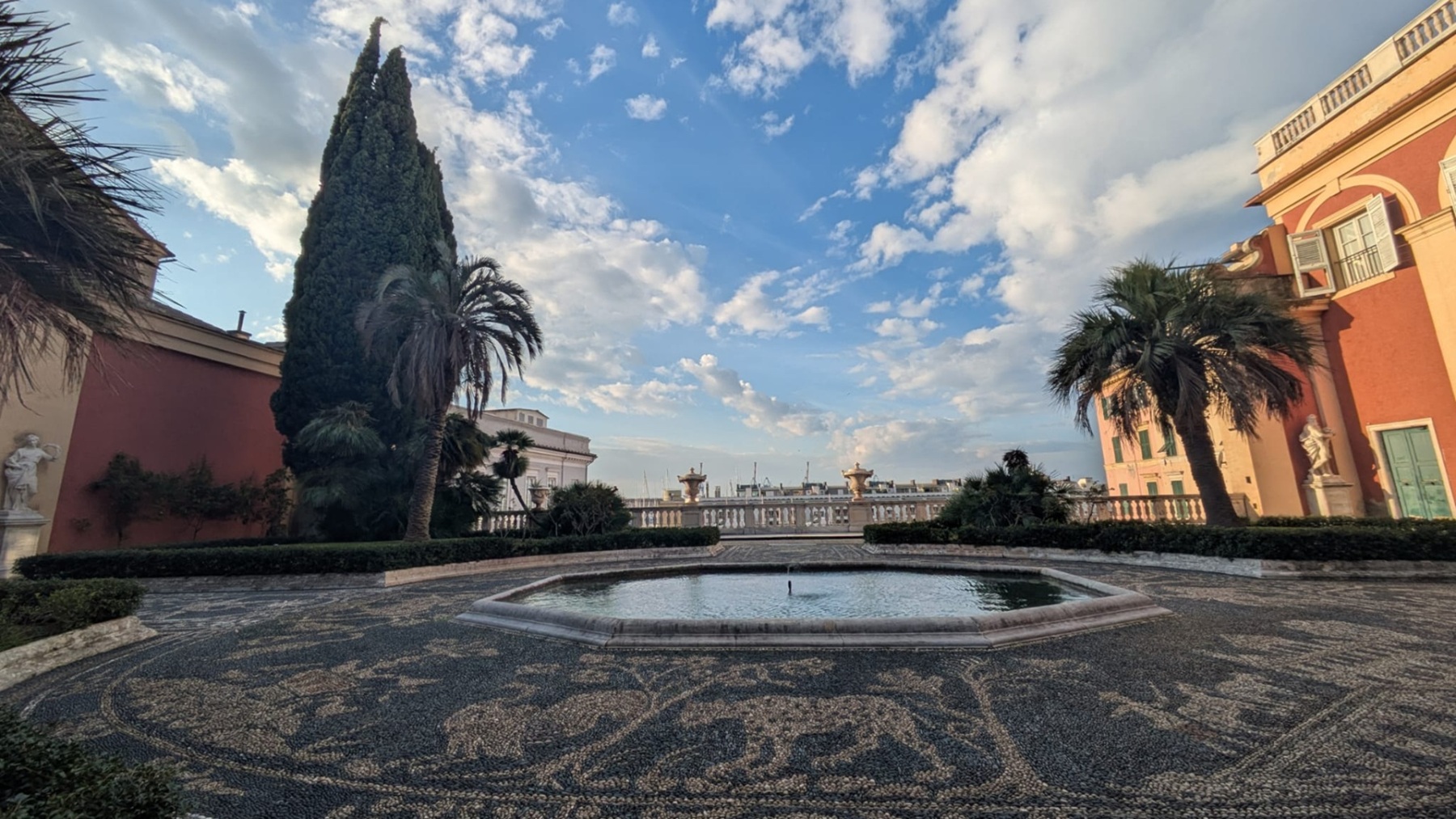
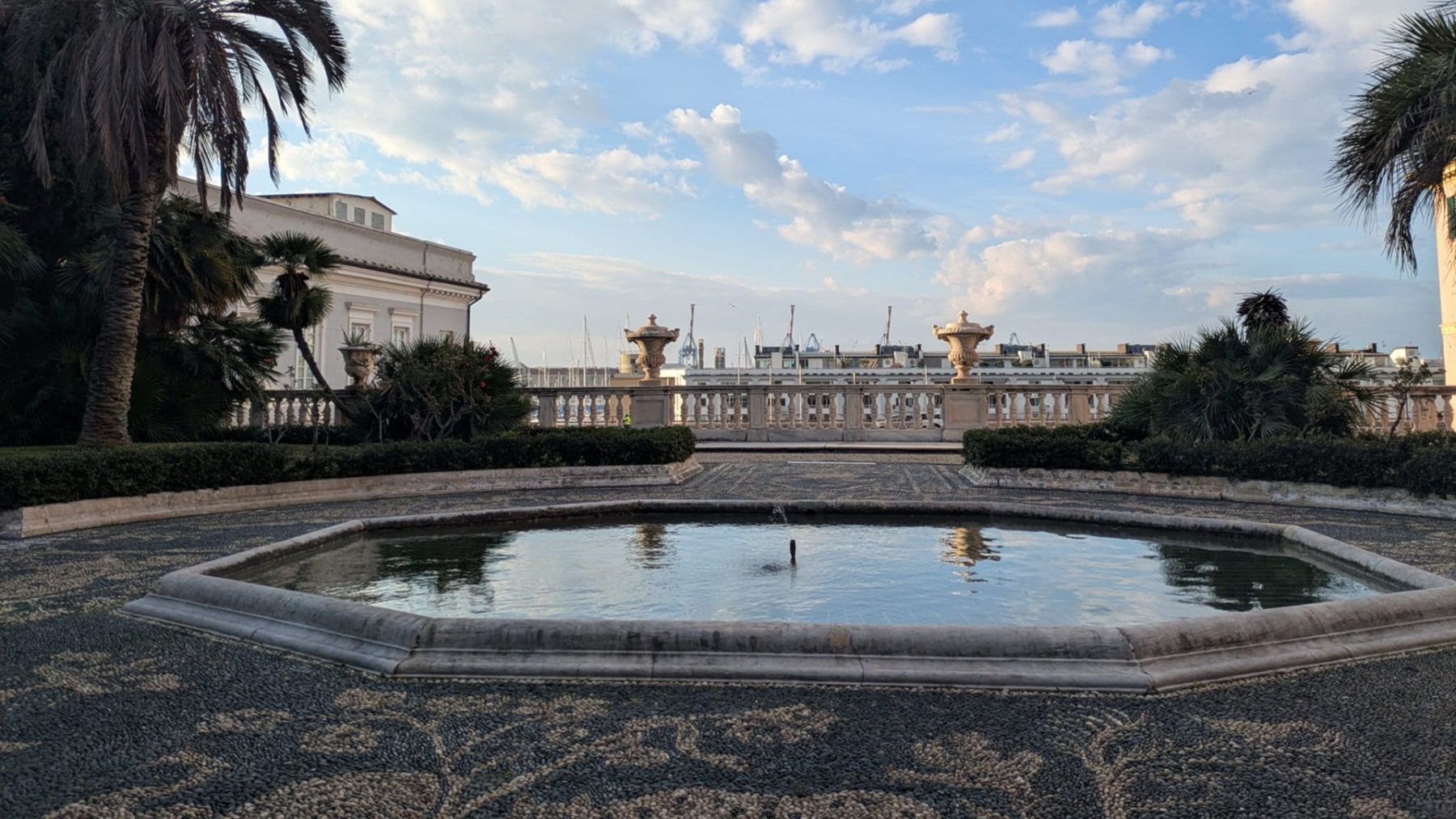
The journey concluded on 3 December 2025 with a public event at Palazzo Reale, during which the research team presented the collected data and the first results of the experimentation. The event provided a moment of feedback and dialogue, open to all participants, who were invited to recognize themselves as active contributors to the research process.
With Emotional Maps, RAISE strengthened the dialogue between science, the city, and its citizens, valuing direct experience as a tool for knowledge and promoting a vision of technology in the service of collective well-being and a deeper understanding of urban spaces.